Unlocking Success Through Team Collaboration

In every great performance—whether it’s a championship-winning team, a thriving business, or a band in perfect harmony—there’s one thing in common: teamwork that works. But the secret isn’t just being on the same team. It’s about choosing to work as one.

The phrase “one band, one sound” captures this idea perfectly. Originating from the world of marching bands, it means every individual must give their best for the collective good. When one person falls out of sync, the entire performance suffers. But when everyone aligns with a shared goal, the results can be extraordinary.

The Power of Intentional Collaboration

True teamwork doesn’t happen by accident—it’s intentional. It requires trust, open communication, and a willingness to check egos at the door. Each member brings their own rhythm, but success comes from listening and adjusting to others. This is as true in the workplace as it is on the field or stage.

The Benefits of Working as One

When teamwork clicks, productivity soars. Studies show that teams built on mutual respect and collaboration are not only more innovative but also more resilient under pressure. Members feel valued, motivated, and supported, creating a positive feedback loop that lifts everyone higher.

Making It Work in Real Life

To build that “one band, one sound” culture, leaders and teammates alike must commit to:

  • Clear communication: Everyone knows their role and what success looks like.
  • Shared purpose: Each person understands how their contribution fits into the bigger picture.
  • Accountability: Individuals own their performance but remain loyal to the team’s mission.
  • Celebration of wins: Recognizing collective achievement strengthens unity and morale.

The Final Note

Teamwork really works—if you want it to. It’s not just about showing up; it’s about showing up for each other. When people align their goals, respect each other’s strengths, and perform with unity of purpose, the result is harmony in motion.

After all, in life as in music, the best sound comes when everyone plays their part—together.

Conduent Incorporated ($CNDT): Q2 2025 Snapshot, Balance-Sheet Health, and Where the Stock Stands for Gains

Conduent Incorporated, the business-process-services company spun out from Xerox, reported mixed results through early 2025 as it works to convert cost cuts and restructuring into sustainable profit. The shares trade at a low single-digit price level, making the company a high-beta, speculative play for investors who believe management can consistently deliver margin improvement and free cash flow growth. (Conduent Investor)

Key headlines (what just happened)

  • Conduent reported second-quarter 2025 results in early August with revenue of roughly $754 million and GAAP net loss on a standalone basis (but continued improvements in adjusted metrics were highlighted by management). (Conduent Investor)
  • The company’s market capitalization sits in the hundreds of millions (Yahoo Finance shows market cap in the ~$440–460M range around current quotes), while enterprise value is notably higher because of net debt on the balance sheet. The stock price is trading near $2.80–$3.00 per share as of this writing. (Yahoo Finance)

Balance-sheet and financial-position analysis

Using the company filings and aggregated financial data, the balance-sheet picture for Conduent in the most recent filings shows several important characteristics:

  • Total assets / liabilities: Conduent’s total assets in recent annual/quarterly filings have been in the low-to-mid billions (annual totals around $2.6B–$3.2B), with total liabilities making up a substantial portion of that base. That translates to relatively thin shareholder equity compared with larger peers. (Yahoo Finance+1)
  • Leverage / net debt: Total long-term debt has historically been material — recent snapshots put total debt roughly in the high hundreds of millions to over $1B (enterprise value and total debt differ by source and date) — and net cash/(debt) has been negative (i.e., net debt). StockAnalysis and other aggregators show net debt in the several-hundred-million range. That means Conduent’s EV is meaningfully larger than its market cap. (StockAnalysis+1)
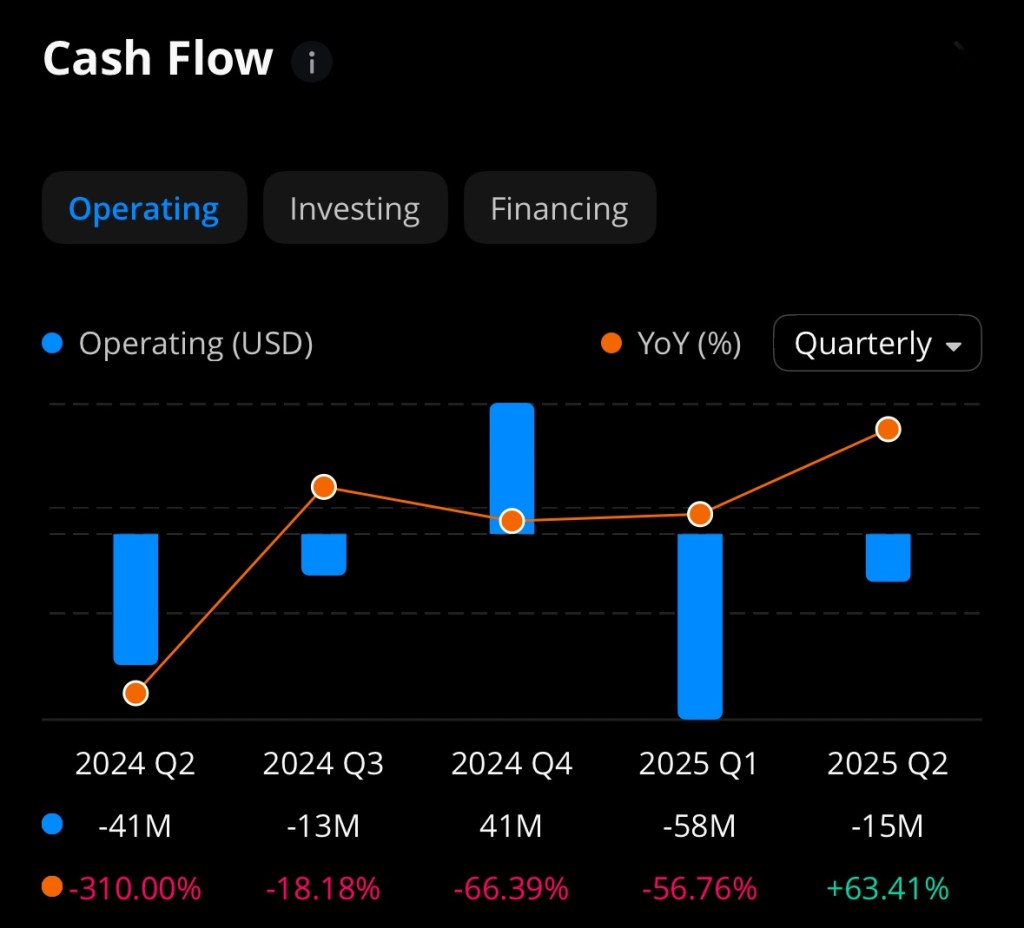
  • Liquidity: Management has emphasized cash on hand and the revolving credit facility as sources of near-term liquidity in SEC filings and the latest 10-Q/earnings commentary; operating cash flow is a key metric to watch as the company seeks to deleverage. The company stated it believes its cash, projected operating cash flow and its revolving credit line support near-term needs. (Conduent Investor+1)

Interpretation: Conduent is a balance-sheet–constrained turnaround: not insolvent, but carrying leverage that raises the bar for operational execution. If revenue growth stalls or free cash flow fails to materialize, debt servicing and refinancing risk become real constraints.

Income-statement & cash-flow highlights

  • Revenue trend: Revenues have been in the ~$3.3B range on an annual basis (2023–2024 levels per public filings and financial aggregators), with sequential quarter fluctuations due to contract timing and divestitures. Recent quarters in 2025 showed revenue in the mid-$700M range per quarter. (Yahoo Finance+1)
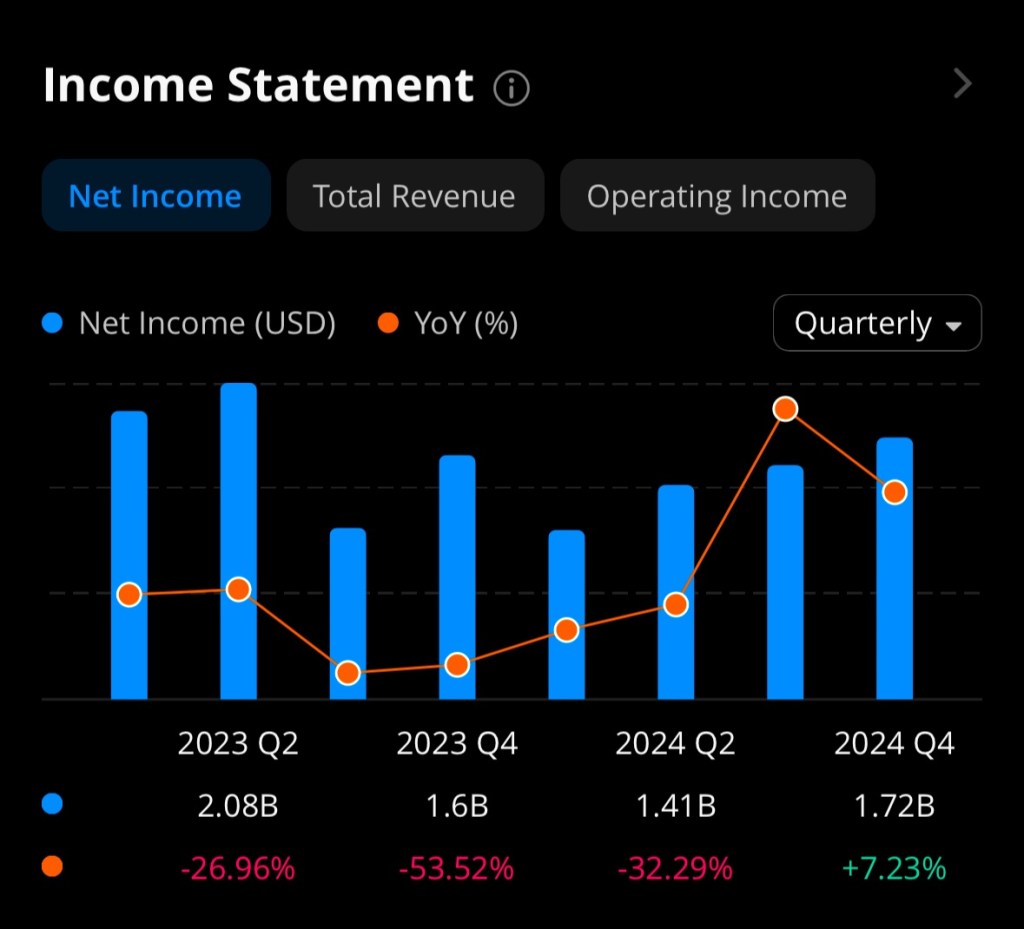
  • Profitability: GAAP results have cycled between losses and small profits in recent years; management prefers adjusted EBITDA/adjusted metrics that show margin improvement after restructuring. For investors, the question is whether adjusted profit improvement converts to consistent GAAP profitability and positive operating cash flow. (Conduent Investor+1)
  • Cash flow: Free-cash-flow generation has been variable. The company highlights projected cash flow from operations as a pillar of its liquidity, but historical net debt and working-capital swings mean investors should track quarterly cash-flow statements, not just headline operating results. (Conduent Investor+1)

Valuation and risks

  • Valuation: On a trailing basis Conduent’s P/E (when positive) and EV multiples are compressed versus stable peers because of the elevated leverage and inconsistent earnings. Market cap (sub-$500M range) compared with enterprise value near ~$1B indicates investors price in significant debt and execution risk. (Yahoo Finance+1)
  • Catalysts for upside: sustained adjusted-EBITDA growth, consistent GAAP profitability, meaningful free cash flow, and visible debt reduction would be strong upside catalysts. Contract wins or higher-margin mix (e.g., digital-services expansion) could improve investor sentiment. (Conduent Investor)
  • Downside risks: failure to convert adjusted metrics to real cash, large contract losses, macro pressure on customers (public-sector budgets, transportation spending shifts), or refinancing stress on debt.

Recommendation (straight answer)

  • For conservative investors: Conduent is not suitable. The balance sheet shows leverage and earnings volatility; until management demonstrably converts adjusted profits into recurring GAAP profits and consistent positive free cash flow, the stock is a speculative holding at best. (StockAnalysis+1)
  • For risk-tolerant investors / traders seeking gains: Conduent’s low absolute market cap and depressed share price create asymmetric upside if execution improves. That makes it a potential high-risk, event-driven trade — buy only a small allocation, be prepared for high volatility, and plan an exit strategy tied to specific milestones (e.g., two to three consecutive quarters of positive operating cash flow or a material debt-reduction announcement). Use strict position sizing and stop rules. (Conduent Investor)

What to watch next (actionable checklist)

  1. Quarterly cash-flow from operations (is it consistently positive?). (Conduent Investor)
  2. Net debt trend — any sustained debt paydown or refinancing on better terms. (StockAnalysis)
  3. Revenue mix — growth in higher-margin digital services vs. legacy BPO work. (Conduent Investor)
  4. Management commentary & guidance (next earnings call / 10-Q updates). (Conduent Investor+1)

Sources and Transparency

This article relied on Conduent’s investor relations releases and SEC filings, plus market data aggregators (Yahoo Finance, StockAnalysis, Macrotrends, Nasdaq) for pricing, market cap and historical financial statements. Key sources: Conduent investor releases and 10-Q/10-K filings, Yahoo Finance price & key statistics, and StockAnalysis balance-sheet pages. (StockAnalysis+3Conduent Investor+3Conduent Investor+3)


Bottom line: Conduent is a turnaround story with a leveraged balance sheet. If you believe management will convert improved adjusted margins into recurring cash and pay down debt, the stock offers speculative upside from a depressed base. If you require capital preservation and predictable returns, this is better left alone. Keep position sizing small, watch cash flow and net-debt trends, and tie any buy decision to concrete operational milestones. (Conduent Investor+1)


References

Conduent Incorporated. (2025, August 6). Conduent reports second quarter 2025 results [Press release]. Conduent Investor Relations. https://investor.conduent.com

Conduent Incorporated. (2025). Form 10-Q for the quarterly period ended June 30, 2025. U.S. Securities and Exchange Commission. https://www.sec.gov

Macrotrends LLC. (2025). Conduent balance sheet 2016–2025 (CNDT). Macrotrends. https://www.macrotrends.net

Nasdaq, Inc. (2025). Conduent Incorporated (CNDT) income statement. Nasdaq. https://www.nasdaq.com

StockAnalysis. (2025). Conduent (CNDT) financials, balance sheet & ratios. StockAnalysis. https://stockanalysis.com

Yahoo Finance. (2025). Conduent Incorporated (CNDT) stock price, quote, and news. Yahoo! Finance. https://finance.yahoo.com

UPS Stock Drops 16%: What’s Next for Investors?

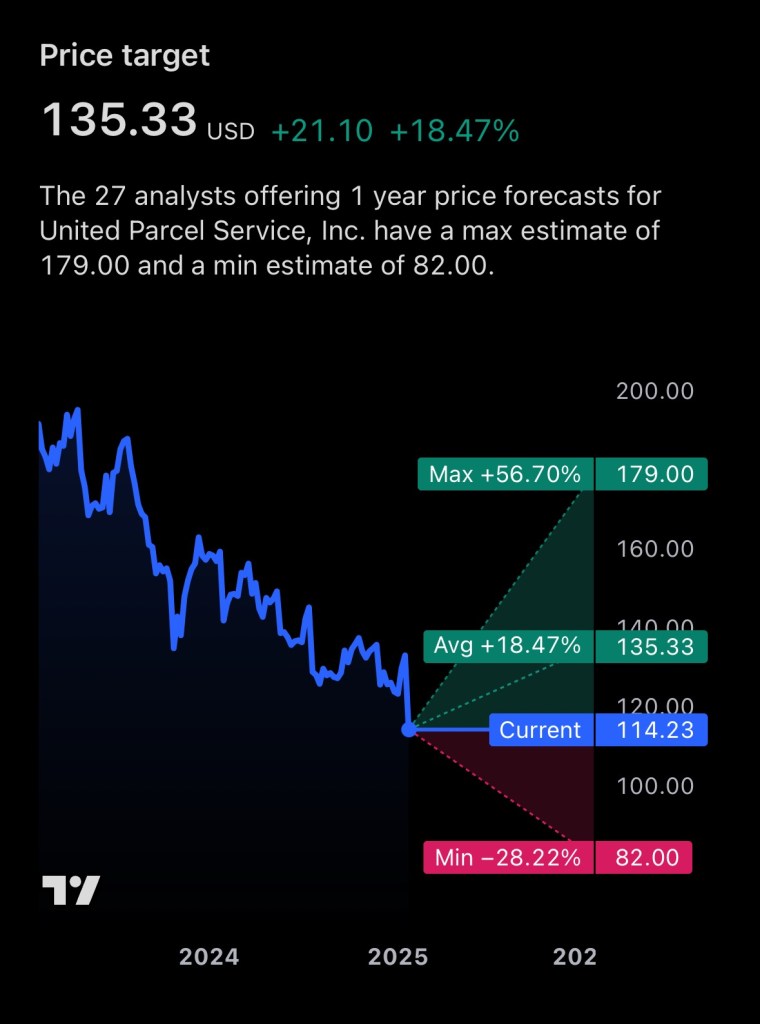
United Parcel Service (UPS) has recently experienced a significant decline in its stock value, with shares dropping over 16% following the announcement of a strategic shift to reduce its business with Amazon by more than 50% by the second half of 2026. This decision is part of UPS’s broader strategy to focus on more profitable segments, such as healthcare logistics and business-to-business deliveries, aiming to improve profit margins and reduce dependency on Amazon.

Despite the immediate negative market reaction, some analysts view this move as a positive step for UPS’s long-term profitability. By decreasing reliance on high-volume, low-margin shipments from Amazon, UPS plans to enhance operational efficiency and focus on higher-margin businesses. This strategic pivot is expected to save the company approximately $1 billion annually.

Additionally, UPS’s decision to insource operations previously handled by the U.S. Postal Service, such as the SurePost product, is aimed at optimizing service and reducing costs. While these changes may present short-term challenges, they are designed to position the company for sustainable growth and improved profitability in the future.

For long-term investors, UPS’s current stock decline may present a buying opportunity. The company’s strategic initiatives to focus on higher-margin segments and reduce operational dependencies are expected to strengthen its market position over time. While the transition may involve near-term uncertainties, UPS’s efforts to enhance profitability and operational efficiency could lead to substantial long-term gains for patient investors.

Disclosure: I currently hold a position in United Parcel Service ($UPS). This article reflects my personal opinions and analysis, and is not intended as financial advice. Please conduct your own research or consult a financial advisor before making any investment decisions.


References

Barron’s. (2024, January 30). UPS and Amazon may be headed for a split—and the stock is paying the price. Retrieved from https://www.barrons.com/articles/ups-earnings-stock-price-amazon-1a32be4f

Business Insider. (2025, January 30). UPS plunged after saying it would deliver fewer Amazon packages. Its CEO says it’s about ‘taking control of our destiny.’ Retrieved from https://www.businessinsider.com/ups-ship-fewer-amazon-packages-shares-drop-2025-1

Investopedia. (2024, January 30). UPS Q4 earnings report FY2024. Retrieved from https://www.investopedia.com/ups-earnings-q4-fy2024-8780982

MarketWatch. (2024, January 30). UPS’s stock falls after a revenue miss, deal with largest customer to cut volume. Retrieved from https://www.marketwatch.com/story/upss-stock-falls-after-a-revenue-miss-deal-with-largest-customer-to-cut-volume-1984fcb7

The Motley Fool. (2025, January 30). Why UPS stock is plunging today. Retrieved from https://www.fool.com/investing/2025/01/30/why-ups-stock-is-plunging-today

The Wall Street Journal. (2024, January 30). UPS’s boss is under pressure from unhappy investors—its own retirees. Retrieved from https://www.wsj.com/business/logistics/upss-boss-is-under-pressure-from-unhappy-investorsits-own-retirees-f01a8dd3

The Realities of Running a Business

By David Dandaneau

Running a business is often portrayed as a glamorous pursuit—a life of freedom, creativity, and endless opportunity. However, beneath the surface lies a complex journey filled with triumphs and challenges that test the resilience and adaptability of entrepreneurs.

The Thrill of Success
Every business owner knows the unparalleled joy of achieving a goal, whether it’s securing a major client, hitting revenue milestones, or simply surviving the first year. These wins serve as validation for the sleepless nights, financial risks, and relentless effort.

Take the example of local café owner Sarah Patel, who saw her business thrive after introducing a unique farm-to-table menu. “The response was overwhelming,” she says. “It felt like all the hard work finally paid off.” Such moments can rejuvenate an entrepreneur’s passion and motivate them to push even further.

The Pressure of Challenges
But the journey is far from smooth. From navigating cash flow issues and employee turnover to adapting to market changes, business owners face a litany of obstacles. Economic downturns or unexpected global events, such as the COVID-19 pandemic, have also forced many businesses to pivot their strategies overnight.

“During the pandemic, we had to shift to online sales almost immediately,” recalls tech store owner Marcus Lee. “It was a sink-or-swim moment, and not every business had the resources to make it work.”

The Emotional Toll
The mental and emotional challenges of entrepreneurship are often underestimated. Long hours, financial strain, and the pressure to succeed can lead to burnout. Studies have shown that business owners are more likely to experience anxiety and depression compared to those in traditional jobs.

Despite this, many entrepreneurs find ways to cope. Networking groups, mentorship programs, and therapy have become valuable tools for maintaining mental health and fostering resilience.

Adaptability Is Key
One constant in the world of business is change. Consumer preferences, technological advancements, and market trends can shift rapidly, requiring business owners to stay agile and innovative. Those who can anticipate change and adapt quickly are often the ones who thrive.

For example, fashion retailer Mia Gonzalez shifted her business model to focus on sustainable clothing as consumer demand for eco-friendly products grew. “You have to evolve with your customers,” she explains.

The Bigger Picture
For many, the ultimate reward of running a business goes beyond profits. It’s about creating something meaningful, contributing to the community, and building a legacy. These factors often keep entrepreneurs going, even when times get tough.

“Seeing how my business impacts people’s lives gives me purpose,” says John Whitaker, who runs a nonprofit consulting firm. “It’s not just about me—it’s about making a difference.”


Running a business is not for the faint of heart. It’s a journey filled with highs and lows, requiring persistence, adaptability, and an unwavering belief in one’s vision. While the road may be challenging, for those who dare to take the leap, the rewards—both tangible and intangible—can make the journey worthwhile.

For aspiring entrepreneurs, the message is clear: Be prepared for the rollercoaster, but don’t forget to enjoy the ride.

The Power of Creative Inspiration: Fueling Innovation and Imagination

In the changing times of innovation and design, creative inspiration has become the bedrock for transformative ideas, bridging the gap between concept and reality. Whether in the arts, technology, or business, the spark of creativity is what drives new inventions, fresh approaches, and groundbreaking achievements.

What Is Creative Inspiration?

Creative inspiration refers to that moment when an idea strikes, offering a fresh perspective on a challenge or an entirely new way of doing things. Often, it comes unexpectedly—a result of personal experiences, observations, or even emotions. But behind what seems like a moment of brilliance lies a process: one that requires openness to the world, active engagement with one’s surroundings, and the ability to connect disparate thoughts in innovative ways.

From the works of legendary artists like Vincent van Gogh to the technological marvels conceived by inventors such as Steve Jobs, history offers countless examples of how inspiration can change the course of industries and societies.

Sources of Creative Inspiration

Creativity thrives on diversity, both in experiences and ideas. Here are a few key sources where individuals across disciplines draw their creative energy:

  1. Nature: For centuries, nature has been a prime source of inspiration. The intricate patterns found in plants, animals, and landscapes can prompt solutions to complex problems in fields like architecture, engineering, and design. Biomimicry, a practice that mimics natural processes to solve human challenges, is a direct result of this connection.
  2. Art and Culture: Art in its various forms—painting, music, literature, and dance—has always inspired new perspectives. Creative professionals often immerse themselves in art to gain new insights, blending styles and themes into their own work. Cultural experiences, such as traveling to different countries or experiencing new traditions, also offer fresh lenses through which to view the world.
  3. Technological Advancements: In today’s digital age, technology is both a tool and a source of creative inspiration. New platforms, tools, and software have made it easier for creators to experiment and collaborate across boundaries. From 3D printing and AI-generated art to virtual reality and gaming, technology enables endless possibilities for innovative expression.
  4. Collaboration: Collaboration is a powerful catalyst for creativity. When individuals with different backgrounds and perspectives come together, they can challenge each other’s assumptions, leading to creative breakthroughs. Companies like Google and Apple have famously fostered environments where cross-disciplinary teams can thrive and innovate together.
  5. Everyday Life: Many creative professionals emphasize the importance of staying open to the inspiration found in everyday experiences. Whether it’s observing a conversation at a café or the interaction between light and shadow on a building, small details often hold the seeds for the next big idea.

How to Cultivate Creativity

While some people seem to have a natural affinity for creativity, inspiration can be nurtured. Here are a few strategies to boost creative thinking:

  • Mindfulness and Meditation: Practices like mindfulness help clear mental clutter, making room for new ideas to emerge. Regular meditation can enhance focus and improve one’s ability to generate creative thoughts.
  • Journaling: Writing down thoughts, observations, and ideas—whether in a structured or freeform way—can help creators explore their subconscious, discover patterns, and generate new concepts.
  • Exploring New Skills: Learning something new—whether it’s coding, a musical instrument, or photography—can open doors to creativity. This cross-training of the mind enhances flexibility, allowing creators to approach problems from different angles.
  • Embracing Failure: Failure is a natural part of the creative process. Some of the most significant inventions in history were born from failed experiments or unexpected results. Embracing these moments as opportunities to learn can often lead to breakthroughs.

The Future of Creativity

As the world continues to evolve, creativity will play a central role in shaping the future. Whether addressing environmental challenges, developing new art forms, or advancing science and technology, creative inspiration will be the force driving humanity forward. In a world full of information, the ability to think outside the box, to make connections where none seem obvious, will be more valuable than ever.

In the words of Albert Einstein, “Creativity is intelligence having fun.” It’s a reminder that creativity is not a linear process—it’s a playful, imaginative, and exploratory journey that brings together elements of both art and science.

So whether you are an artist, entrepreneur, or engineer, the key to unlocking your next big idea might be as simple as taking a step back, embracing curiosity, and letting inspiration find its way to you.

Inbound Sales is ALL About Outbound Social Media? Or is it?

As the world changes, so does the way(s) we all continue to communicate with one another. According to the Merriam Webster Dictionary, “communication” originated in the 14th century (WOW) and is defined as “the act or process of using words, sounds, signs, or behaviors to express or exchange information or to express your ideas, thoughts, feelings, etc., to someone else.” So then why do most people NOT consider SOCIAL MEDIA and SALES communicative and social tasks? What I mean by that is why do marketers, as well as other professionals think that social media isn’t the best tool available to communicate with others, thus increasing sales (i.e. inbound selling). In fact, I believe that customers take joy in being social over the web and would rather buy online at their own pace versus someone else’s or in-person. Am I being naive or do you agree or disagree? Whether you agree or disagree, one thing is certain and that is if you understand the role(s) of communicating and social media in general that these two combined can be paramount and vital to your personal or long-term business success(es).

How buying is changing online

With the advent of online sites such as Google, Ebay, Yelp, Facebook, Twitter, FourSqaure, EmpireAvenue, Pinterest, Tumblr, StumbleUpon, LinkedIn, Quora, etc people have more say “dictating the buying/selling processes” and can voice their opinions as little and/or as often as they want, thus dictating what customers/businesses ultimately buy and sell. In fact, (I believe you already may know this) but it is no longer about what a salesperson/company says or presents but instead about what a buyer says online or in person that dictates what they truly want in a (B2C business-to-consumer or B2B business-to-business) competitive environment.

Forrester, which is a leading research company recently reported that over 90% of the time B2B (in this case B2B IT buyers) are involved in some form of social media, not so much as actual purchasers but as purchase spectators. What this actually means and maybe the case more times than not in any industry is that 90% of the people or businesses that are looking for IT services or ‘YOUR services/products” are on some form of social media site. Regardless of the industry, you and/or your company cannot afford to ignore these statistics if you want to continue increasing sales over the long run. Yes, this also means that even though these people are online (i.e. social media) they maybe just there to see how you and/or your company is perceived, so they also can adjust their business strategy around what people want (i.e. again inbound selling adjustments) throughout an industry not just your company. Yes?

Not just for the traditionalists

While not too long ago and perhaps even to this day (you have more than likely experienced this) many people have/did enter(ed) into the online social sphere of things with the whole “get rich quick scheme or multi-level marketing” but as time passed we all have voiced our opinions thus we are seeing a dramatic decline in this category. That is a big relief huh? Personally, over the years I have grown to hate all these multi-level marketing schemes and am very pleased to see them fading into the night just as the typewriter of several years past. Since these multi-level schemes were and never will be credible ways of making money or advancing sales online (instead only making a few people rich) while making other people more skeptical of online buying/selling. Having a tremendous amount of prior B2B and B2C sales experience, I came into social media marketing (social media selling) with a determination to grow a community and eliminate the hard sell, since generating awareness and need for a purchase are at the forefront of sales and have always been my way of producing sales not the other way around. Let’s face it who likes that nagging sales person that calls 10 times a day or week trying to sell you something you don’t necessarily need but instead trying to sell you something they think you need in order to increase their own sales numbers, while making their boss(es) happy. Social media selling gives the customer what they need and that is relevant information that they can use to create their own need; thus, calling you (INBOUND) when they are actually ready to buy on their own terms and not yours. So, let’s say bye to all those bait and switch techniques of the past and hello to transparency of the present “gifts” that help you and your prospects make good buying decisions. An honest conversation online thorough social media and other like platforms that make your phone ring not you ringing others, thus increasing sales and creating more long-term partnerships.

Social Sales

If what I have mentioned so far hasn’t convinced you that social media is/has changed the way everyone communicates, then I ask you to think about all the people you and/or your company reach daily, weekly, or yearly to create awareness, while maintaining one-on-one contact. Do you see how or perhaps create some of the most important relationships that you or your company has/can develop online? Have you or your company closed any accounts or sales online without actually even talking to another person? If you are like most others the answer to this question should be YES (even in the lowest form you surely have purchased from EBay or Amazon)and if not then you really need to get or build your online presence immediately. If you are in sales and also answered NO to this question, you also need to start building your own online presence as well as your companies since you cannot or will not be able to rely on in person or personality only to seal more deals moving into the future.

As social media helps to continue to shaping sales by changing the old mantra of “who you know” by “what you actually know” especially what you know about others (i.e. communicative spectators). The new age of selling should demand online communication of every one of its employees regardless of position in order to enhance other purchasing decisions by adding value to an online conversation. Needless to say and long story short is that I ask you to stop convincing yourself or business that social media cannot help you and instead embrace how communication/social media can help you leverage your personal or business goals. Those people and companies that understand these concepts most and are willing to forge forward into this new business space of sales will be the ones that I will be still writing about 20 years from now.

David Dandaneau is a Consultant at [SevenTimesSeven]. He specializes in helping business owners “manage their business and not their processes!” For more connect with him via Twitter @ddandaneau or any of the other social platforms you may find him on.

Personal and/or Business Use for Twitter Vine

[Image Credit: VineTwitter Account]
Well hello again and long time no talk fellow socialites! Needless to say, hope all is well and you are continuing to grow and prosper this New Year. As with most years that pass there are many new instruments, ideas, and strategies that are continuing to transform the way we communicate and if you have been a reader here for any amount of time you already know that! With that said, recently I decided to upgrade my old iPhone 3GS to the new iPhone 5, which to my surprise if extremely AWESOME. As with any upgrade (personal or professional), of course, my initial thinking was to get used to my new device (mentally) and discover some new apps to help make my life and business more organized, which I always love to share with all you. So far and just a couple weeks in with the new iPhone 5, I have discovered a new platform known as Vine(perhaps you have already discovered this application) to continue growing online via social media? Regardless if you are familiar or not with this particular application you’ll want to check it out and/or revisit it after you read the next few paragraphs.
From my research Vine for Twitter was just introduced in January of this year, which means many (perhaps you again) have discovered how valuable this new platform can be for increases in search, marketing, and sales purposes for yourself or business? Yes/No? Okay I know what you’re thinking and that’s… great now another social media site to manage? Well contrary to your thinking (open your mind already) this application is not just another app to fill up your Twitter stream but instead this app is a new way to create interesting stories using short video (i.e. 6 seconds or less) so you/your business can share your thoughts, ideas, and life changing personal or business stories. Just like many of the other social applications such as Facebook, YouTube, Twitter, LinkedIn, FourSquare, etc. all the items (in this case videos) that you create can be publically or privately posted to your Vine followers and/or shared among your existing networks via Facebook or Twitter by recording a video with the push of a button on your iPhone, iPod, iPad or other device that may run this type of mobile application. Okay, so what does this all mean to me? Even though I am also still new to this app, here are three easy steps to take in order to find the who, what, when, and how to simply use this application to benefit you or company while staying ahead of the social media madness we often refer to in our postings.
1) Showcase what you have to offer
Have you or your company created a unique way to showcase your competences or unique qualifications yet? If not, use Vine to create a small one or multiple set of online videos (again 6 seconds or less) for others to see what EXACTLY you have to offer. This is especially important if you have decided to look for that new job (creating an online resume) or looking to bring a new product or service to market (give everyone a sneak peek into your old or new offering(s).
2) Take other people behind the curtain of your life or business
What if you don’t have anything to showcase? Well that’s okay because behind everyone showcase is a story of how you or your business was born, started, or operates right? Use Vine to create a picture of what everyday life is like for yourself or business by showing off your daily routines, friends, office, or other interesting things others in your life or place of work do on daily, weekly, or monthly basis. Give your audience a firsthand encounter of events that will get you found and/or noticed in the social cloud, or in other words, pull back the curtain on your life or business!
3) Let others help you succeed
If you are familiar with networking or use other social media sites, which have you already engaged with many of your followers, friends, and acquaintances let them know about your new personal or business plans with Vine. Once others become familiar with this new application ask them to help you achieve what it is you are looking to achieve. In fact, if you use other platforms such as Twitter or Instagram get a little more creative and create a NEW hashtag dedicated to your cause and ask other people in your network to share or use this hashtag to create additional push or buzz about yourself, company, and/or brand. The old help others and they will help you back approach to Marketing.
[Image Credit: TechCrunch Blog Post]
Obviously, these three things are not the only things you can use Vinefor but they are a good way to start or retool your account if you have already started down this road. Regardless of how you use this platform, I sure would like to hear from others (if you have already set up an account) about your successes or other techniques that you are considering if you haven’t already started. As always thanks for stopping by and don’t forget to wear that smile like you mean it today ((>>:-))
David Dandaneau is a Consultant at [SevenTimesSeven] and a Contractor at [FedEx]. He specializes in helping business owners “manage their business and not their processes!” For more connect with him via his About.Me Page or any of his other social platforms.
 

B2C & B2B Social Marketing (Facebook, Twitter, etc) Universe Revealed [INFOGRAPHIC]

Over the last several years, online networking  sites such as  Facebook, Twitter, YouTube, Flickr, Instagram, Pinterest, LinkedIn, etc have continued to flourish in both business to consumer (B2C) and business to business (B2B) environments, which has allowed people and companies of all sizes to communicate more effectively, while driving additional traffic that can generate more leads and certainly more sales. However, social media networking can be rather tricky and often fails if you or your company do/does not plan properly or if you do not have a solid social strategy in place to market yourself or brand for communication and monitoring of all B2C and B2B activities.

Not to worry because if you don’t have a lot of time to figure things out our friends at Marketo have put together a detailed Infographic, which can help you understand the B2C/B2B social media universe detailed below.
Of course, we also help businesses understand this unique beast, so if you have questions, please drop us a line or contact us through any of our social media networks and we will be glad to help. Otherwise, thanks for stopping by and happy networking!

(Source: MarketoB2B image via Shutterstock)

Things to Remember When Tagging People, Businesses, Products, and/or Services on Social Media Sites

Over the last several weeks, we have been experimenting and talking with customers/businesses about “Tagging” with social media sites such as Instagram, FourSqaure, and Facebook, which allow people or businesses to share photos with one another while tagging other people or businesses with you or them. What fun huh? This can be even more fun if you are looking to meet new people or even looking for or selling new products/services, as people and companies can tag you in them if you so choose.
Well, let’s think about that? People and companies can tag you in them if you so choose, as this is extremely important and if you do not change your settings sooner or later in these social network spaces, you will get violated and perhaps even pissed off at your friends, acquaintances, or favorite brands. So, while some social media sites such as Twitter still allow you to @username (much like tagging), which you can’t control, if you are using Instagram, FourSqaure, and Facebook, make sure you make it a point to set your personal or business accounts to private or change your settings to approve tags, communicators, and followers first. That way if you are using or with people or companies that want to display something on one of your social profiles, you dictate what it is or what it is not “APPROVAL” and/or who, what, when, or where you have been.
Here are some other things to remember when using Instagram, FourSqaure, and Facebook tagging :
1.   On FourSqaureyou can now tag location and people by using a person or businesses Twitter namespace. This is NEW, so you may not have tried it but FourSqaurewill even do an auto complete during your check-in, so if you use this make sure you are checking in with the right person just like with Facebook (ANOTHER reason to set this to approval)
2.   On Instagram you can use GeoTagging, which uses a version of “Tagging” powered by FourSqaure for location or the #Hashtag for popularity (Public Posts) in the caption field or a #Hashtag in the comment field for photos you already uploaded through Instagram 
3.   If you want a more target audience (friends, family, businesses) on Twitter make sure to set your feed to private that way those people and companies can’t @mention or @reply directly to you (essentially TAGGING you), which will cut down on direct messages and @connects

While tagging has been around for quite some time, with all the different/new social media sites, people and companies are/will continue to look for ways to communicate with you. “Tagging” or @username @mention @replies @connect are a couple of those ways. Long story short and if you use any of these sites, make sure you continue to check your settings and monitor your pages for tags of people, places, and things (sometimes you are even incorrectly tagged by accident), that way you can dictate what you want or do not want to see and/or promote. Also remember that if you want to promote someone or something to properly tag,  @username, or #Hashtag the other person or business that way they know you are thinking about them.
We sure hope this post helps some of you keep your social media privacy, while sharing with others (make sure they are the right ones) things you are doing, places you are at, and products, and services you love. Now get out there visit some people/businesses, snap some pictures, connect with others, and enjoy. Otherwise, and like usual play nice and don’t forget to keep smiling, as it really does look good on YOU!

David Dandaneau is a Consultant at [SevenTimesSeven]. He specializes in helping business owners “manage their business and not their processes!” For more connect with him via Twitter @ddandaneau or any of the other social platforms you may find him on.


My Top 5 Must Have(s) for LinkedIn Success!

May 15th, 2012 will mark my five-year anniversary on the social media site LinkedIn, which is the professional social networking medium that allows you to connect with friends, co-workers, and other professionals that at one time would have been impossible, Yes- I am talking about those days before we had computers. Nonetheless and since there are still many people out there that do not have a LinkedIn profile, I thought I would create a post on our Seven Times Seven blog to relay some of the do’s and do not’s of this giant social media platform. Here are the TOP 5 rules of the road!
(1) LinkedIn is Your Online Resume… so treat it as such –– Whether you use LinkedIn for business or pleasure, make sure to update your profile with regularity just like you would your Facebook, Twitter, or Pinterest accounts, as this is the first place most people head to in order to check out your credentials. The difference between LinkedIn and other social media sites is that this site is a true representation yourself, views, and of some of the important things you have accomplished, so treat it as such, or just like you would your resume… DO NOT misrepresent yourself or your company! 
(2) Join Interesting (Business or Personal) Groups –– It amazes me how few people know about LinkedIn groups, as they have been around for as long as I can remember. In order to network with other same minded individuals, make sure you join some local, regional, and global groups in order to connect, share, and converse with others about important things happening in yours or another industry. Most importantly with any group or these groups in particular is to participate! Whatever you do… DO NOT join groups just to join groups, join groups to show others you are willing to help them, not just looking for handouts.
(3) Follow Interesting Organizations –– Just like the group format, make sure you are following and interacting with companies. Almost every organization out there has created a company profile on LinkedIn, so make sure you find the ones that you can help, connect with others that work there (you can connect with people through group affiliations), and remember to be found, you have to make yourself found, which following companies will do for you! Just like with the groups, DO NOT just follow companies to follow companies instead follow those you are truly interested in!
(4) Personalize & Tailor your Message(s) –– It often surprises me at how simple this is but how many people fail at this. Instead of reaching out and connecting to others with the generic LinkedIn message to those that belong to the same groups, work at old or like companies, and/or have some of the same interests as you; instead, make sure that you tailor your message to them and give a brief reason for connecting… DO NOT just connect with people and companies to connect with them… do you see a pattern here?
(5) Inform, Revise, and Update –– The most important part of LinkedIn is to inform people of what you think is important. Whether you use this site for business or personal reasons make sure to inform your contacts of important industry trends, news, or things happening in your career or life. Revise these accordingly to those you are trying to reach and most importantly, make sure to update your profile (articles, books, presentation you given, etc) that way more people will want to connect with you and listen to things you are talking about. Whatever you do, DO NOT just set-up your profile and leave it idle, as this like most other social media sites is a social site, hence why you need to interact with others, not just set it and forget it.
Obviously, these five rules of the LinkedIn road are just a few things that you should consider if you have not already and are serious about sharing, connecting, and being a person others turn to for honest advice. Just like with other social media sites, LinkedIn is a vehicle that allows you to connect with people and companies, while engaging them, heck it evens allows you to collect pertinent real-world research (i.e. surveys), as I am doing on the behalf of my Doctoral work. We (I) don’t use LinkedIn for prospecting but many people and companies do, so if you chose to prospect here, just make sure to respect others time, as you would in person or any other site… leave the junk mail at home, as nobody likes to be pestered! Lastly, if you have other accounts connected to your LinkedIn profile, make sure that the information you are relying is information suited for your audience, as this will go a long way in other views of you. I think if you take a little time to understand how this medium works that it can do wonders for you and others you will meet here, as it has for me. I warmly welcome all LinkedIn requests, so if you are alike minded individual and would like to talk or interact, drop me a line and let’s connect. Otherwise, I hope this post helps you achieve some of your personal and business goals. Now get out there and connect, engage, and enjoy your time with others. Until next week, play nice and don’t forget to keep smiling, as it really does look good on YOU!

David Dandaneau is a Consultant at [SevenTimesSeven]. He specializes in helping business owners “manage their business and not their processes!” For more connect with him via Twitter @ddandaneau or any of the other social platforms you may find him on.