Mastering Team Building for Organizational Success

Effective team building is essential for organizational success. Whether in startups or multinational corporations, high-performing teams drive innovation, enhance productivity, and cultivate a culture of collaboration. But what does it take to build such teams? Experts agree that it goes far beyond icebreakers and team outings.

  1. Define Clear Goals and Roles
    One of the cornerstones of effective team building is clarity. Teams function best when each member understands the group’s objectives and their individual responsibilities. Setting measurable goals ensures alignment and provides a shared sense of purpose. Leaders should also communicate how each role contributes to the bigger picture, which fosters accountability and motivation.
  2. Foster Open Communication
    Creating a safe space for honest dialogue is vital. Open communication builds trust, helps resolve conflicts quickly, and allows for the free exchange of ideas. Techniques such as regular team check-ins, one-on-one meetings, and anonymous feedback tools can promote transparency and inclusivity. Active listening is equally important—leaders should not only speak clearly but also make a concerted effort to hear and respond to team concerns.
  3. Encourage Diversity and Inclusion
    Diverse teams bring a wealth of perspectives, leading to more creative and effective problem-solving. Inclusion ensures that every team member feels valued and empowered to contribute. Organizations should strive to hire for diversity and then create systems that support equitable collaboration, such as mentorship programs and bias training.
  4. Invest in Professional Development
    Great teams are made of individuals who are constantly learning and growing. Offering training opportunities, workshops, and access to online learning platforms helps employees develop both hard and soft skills. This investment not only strengthens the team’s capabilities but also boosts morale and retention.
  5. Celebrate Success and Learn from Failure
    Recognizing achievements—both big and small—reinforces positive behaviors and builds team morale. Whether through formal awards or informal shout-outs, appreciation goes a long way. At the same time, addressing failures with a growth mindset encourages resilience and innovation. Post-project reviews and lessons-learned sessions can turn setbacks into stepping stones.
  6. Leverage Team-Building Activities Thoughtfully
    While traditional team-building exercises like retreats or trust falls have their place, the most effective activities are those that align with the team’s culture and objectives. Activities that require collaboration and problem-solving—such as escape rooms, hackathons, or volunteer projects—can strengthen interpersonal bonds and mirror real workplace dynamics.
  7. Lead by Example
    Ultimately, team culture is shaped by leadership. Managers who demonstrate empathy, integrity, and a commitment to teamwork set the tone for the entire group. Authentic leadership inspires loyalty and fosters a sense of psychological safety, which is essential for risk-taking and innovation.


Team building is a continuous process that requires intention, strategy, and adaptability. As the workplace continues to evolve—driven by remote work, AI integration, and generational shifts—organizations that prioritize strong team dynamics will be better positioned to thrive.

As management consultant Patrick Lencioni famously said, “Not finance. Not strategy. Not technology. It is teamwork that remains the ultimate competitive advantage.”

HBAR Hedera Makes Gains Amid Bullish Market: Can It Hit $1 in 2025?

May 13, 2025 — Hedera Hashgraph ($HBAR), the native cryptocurrency of the Hedera network, is drawing renewed attention as it experiences a resurgence in price and market confidence. As of today, HBAR is trading at $0.2098, down slightly by 1.88% over the last 24 hours. This comes after a strong performance earlier in the week, where the token climbed over 24%, breaking the psychological barrier of $0.20 and signaling potential bullish momentum.

Current Market Snapshot

  • Price: $0.2098
  • 24H Change: -1.88%
  • Day High / Low: $0.2266 / $0.2015
  • Market Sentiment: Cautiously optimistic

HBAR has been trading within a broad range but recently found support near the $0.20 level, which analysts say could serve as a foundation for further gains—assuming favorable market conditions persist.

Bullish Outlook & Price Predictions
Several crypto analysts and financial platforms forecast a promising future for HBAR in the ongoing bull cycle. According to analysts at Crypto News and Bankless Times, Hedera could surge toward $1, particularly if it breaks key resistance levels near $0.30 and $0.58—the latter being its all-time high.

One analyst noted: “If the current upward momentum sustains, and with growing enterprise adoption—including partnerships with tech giants like Google and IBM—HBAR could challenge the $1 mark by late 2025.” (Crypto News, 2025)

Others remain more conservative, citing continued challenges in breaking out of the long-term descending channel as a key risk. Technical indicators such as the Relative Strength Index (RSI) and Chaikin Money Flow show strong market inflows, but overbought conditions may spark a short-term pullback.

Fundamentals Supporting Growth
Several factors bolster HBAR’s long-term appeal:

  • Enterprise Integrations: Use by Fortune 500 companies.
  • Sustainability: Hedera’s consensus mechanism is significantly energy-efficient compared to traditional blockchains.
  • Tokenization and DeFi Growth: Hedera’s total value locked (TVL) in stablecoins has recently surged to $130 million, up from just $37 million at the start of the year (Crypto News, 2025).

Hedera’s price trajectory appears increasingly bullish, but market watchers remain wary of resistance zones and macroeconomic headwinds. Whether HBAR reaches $1 this year depends largely on continued investor sentiment, enterprise adoption, and overall crypto market dynamics.

Disclaimer: The author holds a position in HBAR Hedera Hashgraph and this article should not be considered financial advice. Always conduct your own research before making any investment decisions.

References

BeInCrypto. (2025, May 12). Hedera HBAR price secures $0.20 support as funding rate hits 5-month high. https://beincrypto.com/hedera-hbar-price-secures-support-funding-rate-rises/

Bankless Times. (2025, January 29). Top 3 reasons the Hedera HBAR price may surge to $2.50 in 2025. https://www.banklesstimes.com/articles/2025/01/29/top-3-reasons-the-hedera-hbar-price-may-surge-to-2-50-in-2025/

CCN. (2025, May). Hedera HBAR price prediction. https://www.ccn.com/analysis/crypto/hedera-hbar-price-prediction/

CoinMarketCap. (2025, May). HBAR price forecast by Cheeky Crypto. https://coinmarketcap.com/academy/article/9b874a2f-5038-49e0-aee8-a75b150d6b99

Crypto News. (2025, May). HBAR price prediction: Can Hedera hit $1 in this bull market? https://crypto.news/hbar-price-prediction-can-hedera-hit-in-this-bull-market/

Crypto News. (2025, May). HBAR stablecoin market cap surges. https://crypto.news/hbar-crypto-price-prediction-as-hedera-stablecoin-market-cap-surges/

The Crypto Basic. (2025, January 20). Hedera price prediction: Analysts forecast $5 HBAR by 2025. https://thecryptobasic.com/2025/01/20/hedera-price-prediction-analysts-forecast-5-hbar-by-2025/

ONDO Finance: A Rising Star in the Crypto Investment Landscape

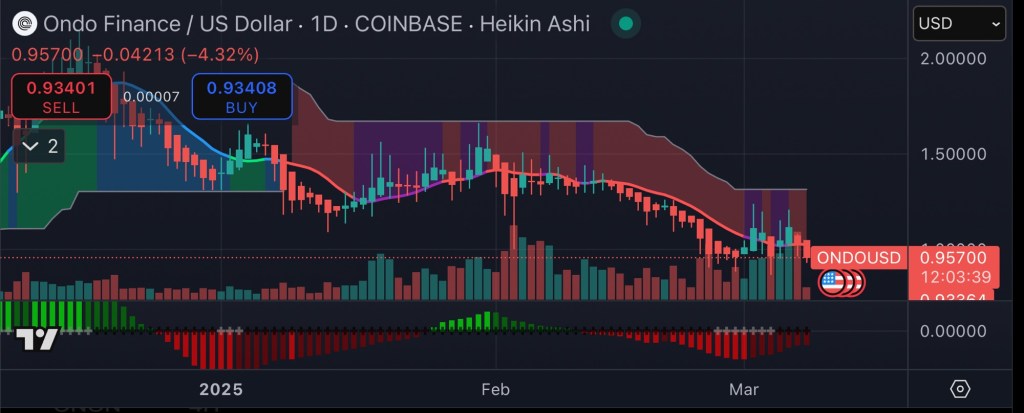
The cryptocurrency market continues to evolve, with new projects constantly emerging that aim to redefine finance. One such project making waves is ONDO Finance. This innovative platform bridges traditional finance with decentralized finance (DeFi), providing investors with unique opportunities to gain exposure to real-world assets on the blockchain.

What is ONDO Finance?
ONDO Finance is a decentralized finance protocol that focuses on tokenizing traditional financial assets, such as bonds, treasury securities, and other stable investments. By leveraging blockchain technology, ONDO Finance offers transparency, security, and ease of access to investors seeking diversified income streams.

The ONDO token is the platform’s utility and governance token, allowing holders to participate in decision-making processes, earn rewards, and access exclusive investment opportunities.

Why is ONDO Finance Gaining Attention?

Real-World Asset Integration: ONDO Finance bridges traditional finance with crypto by tokenizing real-world assets. This unique model offers stability and predictable returns, attracting risk-averse investors seeking consistent yields.

Transparency and Security: Blockchain technology ensures that all transactions are recorded and verifiable, reducing fraud risk and enhancing trust among investors.

Yield Opportunities: ONDO Finance offers structured investment products designed to maximize returns, making it an attractive platform for both retail and institutional investors.

Institutional Partnerships: The project has forged partnerships with major financial institutions, reinforcing its credibility and growth potential.

DeFi Growth Potential: As DeFi continues to expand, platforms like ONDO Finance that focus on real-world asset integration are poised for strong growth.

Investment Considerations
While ONDO Finance presents an exciting opportunity, potential investors should be mindful of the risks inherent to the crypto market. Market volatility, regulatory changes, and platform-specific risks should be carefully considered. Conducting thorough research and diversifying investments is crucial.


ONDO Finance is emerging as a significant player in the crypto landscape by combining traditional finance stability with blockchain innovation. For investors seeking exposure to real-world assets with the added benefits of DeFi, ONDO Finance may offer a promising avenue for growth. However, as with any investment, due diligence is key to making informed decisions.

Disclaimer: The author holds a position in ONDO Finance and this article should not be considered financial advice. Always conduct your own research before making any investment decisions.

Why UiPath’s AI Strategy Could Shape Future Investments

UiPath Inc. (NYSE: PATH), a leading company in robotic process automation (RPA) and artificial intelligence (AI), has recently garnered attention from investors due to its strategic advancements and market positioning.

Financial Performance and Outlook

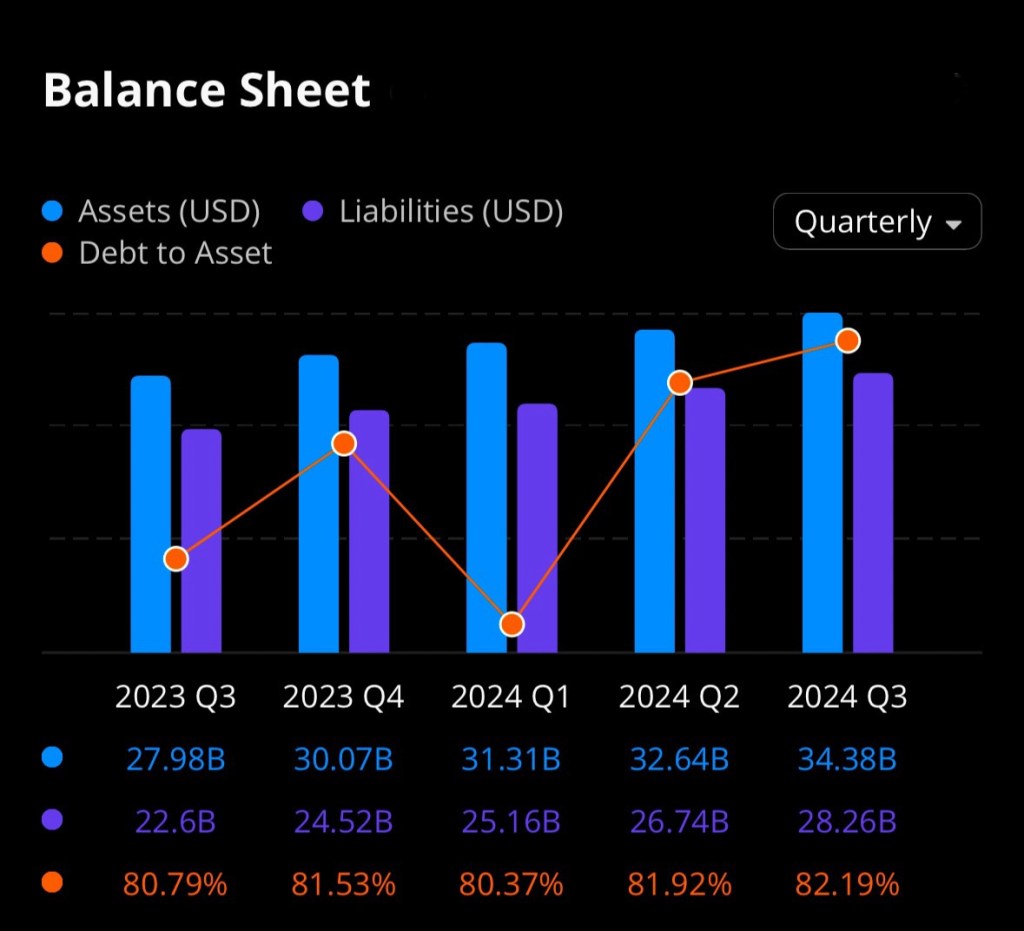
In its fiscal second quarter, UiPath reported a 10% revenue increase to $316 million, surpassing Wall Street expectations. Adjusted earnings stood at 4 cents per share, exceeding analysts’ predictions of 3 cents per share. This performance underscores the growing demand for AI and automation technologies. The company has also approved a $500 million share buyback program, reflecting confidence in its financial health.

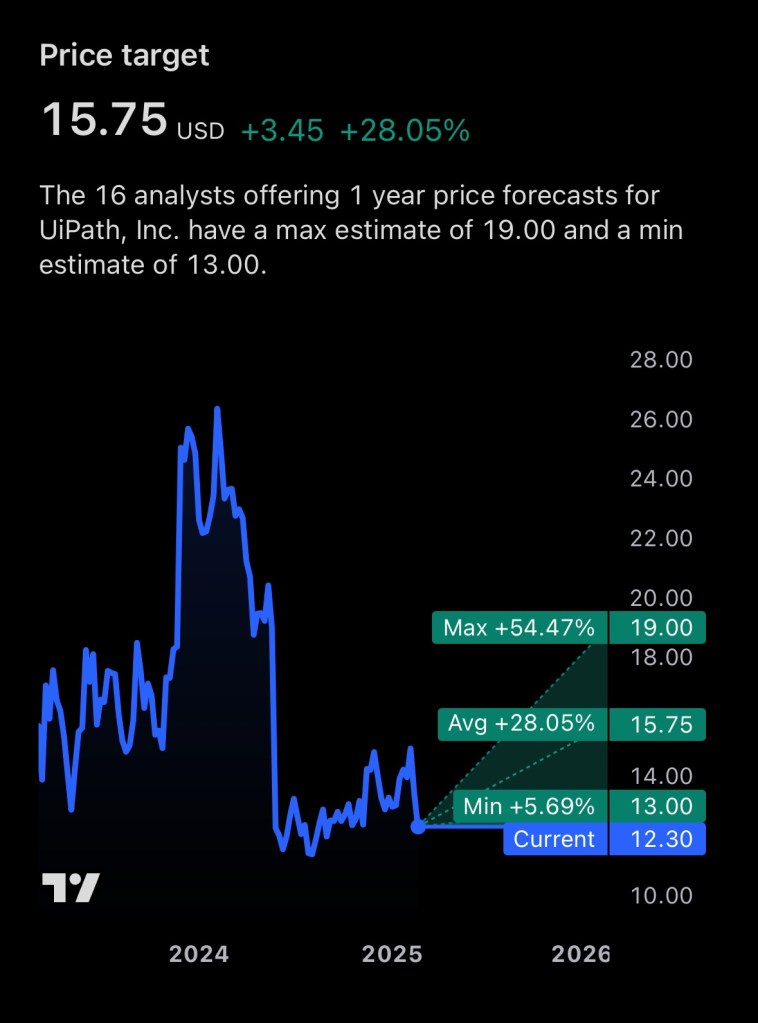
Despite these positive indicators, UiPath’s stock has experienced volatility. Shares fell 5% in premarket trading after the company maintained its fourth-quarter revenue forecast, leading to investor disappointment. The stock has declined approximately 40% in 2024, reflecting broader market challenges.

Strategic Positioning in AI and Automation

UiPath continues to innovate within the RPA and AI sectors. The company leverages AI to transform RPA, enabling complex automation and market growth while addressing profitability challenges. This strategic focus positions UiPath to capitalize on the increasing need for intelligent automation solutions across various industries.

Analyst Perspectives

Analysts present mixed views on UiPath’s prospects. Some highlight the company’s potential in the evolving AI landscape, while others express caution due to profitability concerns. Investors are advised to consider these diverse perspectives when evaluating UiPath’s investment potential.

UiPath’s advancements in AI and automation, coupled with its solid financial performance, position it as a noteworthy player in the technology sector. However, potential investors should remain mindful of market volatility and conduct comprehensive research before making investment decisions.

Disclosure:

I do not own any stock or have any financial interest in UiPath Inc. (NYSE: PATH). This article is for informational purposes only and should not be considered financial or investment advice. Investing in stocks carries risks, and past performance is not indicative of future results. Always conduct your own research and consult with a qualified financial professional before making any investment decisions.

References

MarketWatch. (2024, February 29). UiPath sees 10% revenue jump on ‘increasing need’ for AI; stock rallies. MarketWatch. https://www.marketwatch.com/story/uipath-sees-10-revenue-jump-on-increasing-need-for-ai-stock-rallies-f4587d09

MarketWatch. (2024, February 29). UiPath shares drop as Cathie Wood-backed software developer holds guidance. MarketWatch. https://www.marketwatch.com/story/uipath-shares-drop-as-cathie-wood-backed-software-developer-holds-guidance-9ffa2bc0

Investopedia. (2024, February 29). UiPath stock is falling after earnings and the company is boosting its buyback plan. Investopedia. https://www.investopedia.com/uipath-posts-results-and-guidance-on-ai-demand-buyback-8707490

Seeking Alpha. (2024, February 28). UiPath: AI potential vs. margin reality. Seeking Alpha. https://seekingalpha.com/article/4762394-uipath-ai-potential-vs-margin-reality

Why Protecting Your Business Against Cybersecurity Threats is Essential

Cybersecurity threats have become a major concern for businesses of all sizes. With cyberattacks on the rise, failing to safeguard sensitive data can result in devastating consequences, including financial losses, reputational damage, and legal repercussions.

The Growing Threat of Cybercrime

Cybercriminals are constantly developing new tactics to exploit vulnerabilities in business networks. From ransomware attacks to data breaches and phishing scams, organizations face a variety of risks that can compromise customer information, trade secrets, and financial records. According to cybersecurity reports, cybercrime is projected to cost the global economy trillions of dollars annually, highlighting the urgent need for proactive security measures.

Financial and Reputational Risks

A successful cyberattack can have severe financial implications, including loss of revenue, regulatory fines, and the high costs of recovering compromised systems. Beyond monetary losses, businesses may suffer reputational harm, leading to decreased customer trust and lost business opportunities. A single security breach can permanently damage a company’s brand and credibility.

Compliance and Legal Consequences

Businesses that handle sensitive customer data are often subject to strict regulatory requirements. Failing to implement proper cybersecurity measures can result in non-compliance with laws such as the General Data Protection Regulation (GDPR) and the California Consumer Privacy Act (CCPA). Non-compliance can lead to hefty fines and legal action, further impacting a company’s bottom line.

Best Practices for Cybersecurity Protection

To mitigate cybersecurity threats, businesses should adopt a multi-layered security approach that includes:

  • Regular software updates to patch vulnerabilities and enhance security.
  • Employee training programs to educate staff on recognizing phishing scams and security best practices.
  • Strong password policies and multi-factor authentication to secure accounts.
  • Data encryption and backups to protect sensitive information and ensure quick recovery in case of an attack.
  • Network security measures such as firewalls, antivirus software, and intrusion detection systems.
Portrait of tired programer rubbing eyes while typing on laptop sitting at desk with multiple screens parsing code in software agency. Coder losing focus while working on user interface.

Stay Protected – Contact Me Today

Investing in cybersecurity is not just an option—it is a necessity for businesses that want to protect their assets, customers, and reputation. By implementing robust security measures and staying informed about emerging threats, companies can minimize risks and ensure long-term success in an increasingly digital world. If you want to learn more about how to safeguard your company’s data and infrastructure, don’t hesitate to reach out. Contact me today to discuss the best cybersecurity insurance solutions tailored to your business needs.

AMD’s Strategic Rise in the Semiconductor Market

Advanced Micro Devices (AMD) has emerged as a formidable player in the semiconductor industry, showcasing significant growth and strategic initiatives that position it as a compelling investment opportunity.

Financial Performance and Market Position

As of January 19, 2025, AMD’s stock is trading at $121.46, reflecting a 2.54% increase from the previous close. This upward trend underscores investor confidence in AMD’s market strategies and financial health. Notably, AMD’s market valuation surpassed $300 billion in March 2024, highlighting its substantial growth trajectory.

Strategic Acquisitions and AI Expansion

AMD has made significant strides in the artificial intelligence (AI) sector through strategic acquisitions. In July 2024, the company acquired Finnish AI startup Silo AI for $665 million, aiming to enhance its AI capabilities and compete more effectively with industry leader Nvidia. Additionally, AMD’s $4.9 billion acquisition of ZT Systems in August 2024 bolstered its AI infrastructure, providing access to a team of 1,000 design engineers to strengthen its AI system designs.

Leadership and Innovation

Under the leadership of CEO Lisa Su, AMD has transformed from a struggling entity into a semiconductor powerhouse. Since she took charge in 2014, AMD’s stock price has surged from $3 to approximately $140, with the company’s market value surpassing that of Intel. Su’s strategic focus on product redesign, customer relationships, and capitalizing on the AI boom has been instrumental in this turnaround.

Analyst Perspectives

Wall Street analysts have shown optimism regarding AMD’s prospects. UBS identified AMD as a top semiconductor pick, citing its competitive pricing and performance in AI chips compared to Nvidia. Despite a 5.8% drop in shares earlier in the year, UBS analysts remain positive about AMD’s future in the AI market. However, some analysts urge caution, noting that while AMD’s AI accelerator chips show promise, the company faces challenges in closing the performance gap with Nvidia. Following announcements about AI chip revenue forecasts, AMD shares experienced a nearly 8% decline, reflecting market skepticism about its competitive positioning.

AMD’s robust financial performance, strategic acquisitions, and visionary leadership under Lisa Su position it as a strong contender in the semiconductor industry. While the company faces challenges, particularly in the competitive AI sector dominated by Nvidia, its proactive strategies and market responsiveness suggest a promising outlook for investors considering AMD as part of their portfolio.

Disclosure: I currently hold a position in Advanced Micro Devices ($AMD). This article reflects my personal opinions and analysis, and is not intended as financial advice. Please conduct your own research or consult a financial advisor before making any investment decisions.

References

MarketWatch. (2024, August 15). AMD to make $4.9 billion AI acquisition as it steps up race against Nvidia. MarketWatch. https://www.marketwatch.com/story/amd-to-make-4-9-billion-ai-acquisition-as-it-steps-up-race-against-nvidia-7c2d4d34

Cunningham, A. (2024, August 18). AMD deal shows AI chip business isn’t just about chips. The Wall Street Journal. https://www.wsj.com/tech/ai/amd-deal-shows-ai-chip-business-isnt-just-about-chips-81fb46d9

Toh, M. (2024, December 7). Lisa Su: TIME’s CEO of the year 2024. TIME. https://time.com/7200909/ceo-of-the-year-2024-lisa-su

Quantum Computing in 2025: Transforming the Future of Technology

As we officially enter 2025, the quantum computing revolution is accelerating, promising to reshape industries and solve problems once thought intractable. This transformative technology is no longer confined to research labs; it is becoming a cornerstone of technological innovation.

Quantum Leap in Computing Power

Quantum computers operate fundamentally differently from classical computers by leveraging quantum bits, or qubits, which can exist in multiple states simultaneously. This property, known as superposition, combined with entanglement and quantum interference, allows quantum computers to perform complex calculations exponentially faster than their classical counterparts.

In 2025, major breakthroughs are expected in hardware stability and error correction, two of the most significant hurdles in quantum computing. Companies like IBM, Google, and Intel are racing to increase qubit counts and coherence times. IBM recently announced its 1,000-qubit “Condor” processor, and industry experts anticipate that 2025 could see quantum processors surpassing 2,000 qubits, a milestone that might signal the onset of quantum advantage for certain applications.

Applications on the Horizon

Quantum computing is poised to revolutionize numerous fields:

  1. Drug Discovery and Healthcare: Simulating molecular structures and interactions, a task infeasible for classical supercomputers, could lead to breakthroughs in medicine and personalized treatment plans.
  2. Cryptography: While quantum computing poses threats to current encryption methods, it also offers opportunities for developing quantum-resistant cryptographic algorithms.
  3. Supply Chain Optimization: Quantum algorithms can process vast amounts of data to optimize logistics and reduce costs across global supply chains.
  4. Climate Modeling: Advanced quantum simulations could help model complex climate systems with greater accuracy, aiding in the fight against climate change.

Challenges and Ethical Considerations

Despite its promise, quantum computing faces significant challenges. Scalability, error correction, and the need for extremely low-temperature environments are technical obstacles that researchers are striving to overcome. Additionally, the disruptive potential of quantum computing raises ethical and security concerns, particularly regarding data privacy and the potential for technological inequality.

Governments and organizations worldwide are investing heavily in quantum research and workforce development to address these issues. In 2025, collaborations between academia, industry, and government are expected to intensify, fostering innovation while ensuring ethical governance.

Looking Ahead

The quantum computing race is entering a pivotal phase. By 2030, experts predict that quantum computers could become commercially viable for specialized tasks, with far-reaching implications for industries ranging from finance to artificial intelligence.

As we move through 2025, the world will witness quantum computing shifting from a futuristic concept to a practical tool with transformative capabilities. While challenges remain, the momentum building around this technology signals an era of unprecedented possibilities and innovation.

SOFI Stock: A Promising Investment Opportunity for the Future

SoFi Technologies Inc. (NASDAQ: $SOFI) has been making waves in the financial services industry with its innovative approach to digital banking and lending. As a disruptor in the fintech space, SoFi is well-positioned to capitalize on the evolving preferences of tech-savvy consumers and investors alike. Here’s why SOFI stock could be a strong addition to your portfolio for the future.

  1. Expanding Product Ecosystem

SoFi offers a comprehensive range of financial products and services, including student loan refinancing, personal loans, mortgages, investment management, and checking and savings accounts. This diversified product suite not only caters to various customer needs but also promotes cross-selling opportunities within its ecosystem. The company’s “SoFi Relay” and “SoFi Invest” platforms have particularly gained traction among younger consumers who seek a seamless, all-in-one financial solution.

  1. Strong Growth Metrics

SoFi has reported impressive growth in recent quarters, driven by its increasing customer base and expanding revenue streams. The company’s membership count recently surpassed the 10 million mark, reflecting a year-over-year growth of over 40%. Such robust growth metrics highlight the effectiveness of SoFi’s business strategy and its ability to scale operations efficiently.

  1. The Digital Banking Revolution

The global banking landscape is undergoing a significant transformation, with digital-first platforms gaining popularity over traditional brick-and-mortar institutions. SoFi’s fully digital infrastructure and user-friendly mobile app place it at the forefront of this revolution. As more consumers shift to digital banking, SoFi’s market share is expected to grow, further solidifying its position in the fintech industry.

  1. Unique Competitive Advantages

One of SoFi’s standout features is its recently acquired banking charter. This allows the company to offer banking services without relying on third-party partnerships, reducing costs and improving profit margins. Moreover, SoFi’s proprietary technology and data-driven insights give it a competitive edge in delivering personalized financial solutions.

  1. Tailwinds from Student Loan Refinancing

With the federal student loan moratorium ending, SoFi’s student loan refinancing segment is expected to see a surge in demand. This development could significantly boost the company’s revenue in the near term, adding to its already strong growth trajectory.

  1. Analyst Optimism

Many analysts remain bullish on SOFI stock, citing its growth potential and strategic initiatives. The company’s focus on profitability, coupled with its expanding market reach, has garnered positive sentiment from Wall Street. Some analysts have even raised their price targets, suggesting substantial upside potential for the stock.

Risks to Consider

While SoFi’s growth story is compelling, investors should be mindful of potential risks, such as regulatory changes, competition from other fintech players, and macroeconomic factors that could impact consumer borrowing trends. Additionally, the company’s path to sustained profitability remains a critical factor to monitor.

SoFi Technologies is revolutionizing the financial services industry with its innovative products and customer-centric approach. Its strong growth metrics, expanding product ecosystem, and strategic advantages make SOFI stock a promising investment for the future. While risks exist, the company’s long-term growth potential and market leadership position offer an attractive opportunity for investors seeking exposure to the burgeoning fintech sector.

Disclosure: I currently hold a position in SoFi Technologies, Inc. ($SOFI). This article reflects my personal opinions and analysis, and is not intended as financial advice. Please conduct your own research or consult a financial advisor before making any investment decisions.

How AI is Transforming Personal Finance Strategies

Artificial intelligence (AI) and cutting-edge technologies are revolutionizing the way individuals and institutions invest in their future. From personalized financial planning to sustainable investment strategies, the integration of AI into financial systems is shaping a new era of opportunity and efficiency.

AI in Personal Finance
Gone are the days when financial advice was solely the domain of human advisors. AI-driven platforms like robo-advisors are providing investors with tailored advice at a fraction of the cost. By analyzing vast amounts of data in real time, these tools offer personalized investment strategies that account for individual goals, risk tolerance, and market trends.

For instance, platforms such as Wealthfront and Betterment leverage AI to automate portfolio management, ensuring investments are optimized and rebalanced regularly. This technology empowers even novice investors to take control of their financial futures with confidence.

Predictive Analytics for Smarter Decisions
AI’s ability to process and interpret data at lightning speed is revolutionizing predictive analytics. Investors and financial institutions use machine learning algorithms to identify market trends, detect anomalies, and predict economic shifts. This insight helps mitigate risks and uncover profitable opportunities, making investment strategies more robust than ever.

Democratizing Access to Wealth-Building Tools
Technological advancements are also breaking down barriers to entry in the investment world. Apps like Robinhood and Acorns make it easy for individuals to start investing with as little as a few dollars. These platforms, often powered by AI, offer features like micro-investing, automated savings, and financial education, helping more people build wealth over time.

AI and Sustainable Investing
The growing emphasis on environmental, social, and governance (ESG) factors in investment decisions is another area where AI is making a difference. By analyzing non-financial data—such as carbon emissions, labor practices, and governance policies—AI helps investors identify companies that align with their values while delivering strong financial returns.

Challenges and Ethical Considerations
Despite its many benefits, the rise of AI in investing raises concerns about data privacy, algorithmic bias, and the potential for over-automation. Experts caution against over-reliance on AI, emphasizing the need for human oversight to ensure ethical and responsible decision-making.

A Glimpse Into the Future
As AI and technology continue to evolve, the future of investing looks increasingly dynamic and inclusive. Blockchain technology is paving the way for decentralized finance (DeFi), while advancements in quantum computing promise to unlock even greater predictive capabilities.

The integration of AI into financial systems is not merely a trend but a fundamental shift. By embracing these innovations, individuals and institutions alike can navigate the complexities of modern markets and secure their financial futures with unprecedented precision.

The Rise of Altcoins and Bitcoin: What Every Investor Should Know

The world of cryptocurrency has captured the attention of investors across the globe, with Bitcoin leading the charge as the pioneer of the digital currency era. Alongside Bitcoin, a multitude of alternative cryptocurrencies, known as altcoins, have emerged, offering unique features and investment opportunities. If you’re considering venturing into this dynamic market, understanding its fundamentals is crucial.

Bitcoin: The Foundation of Cryptocurrency
Bitcoin, created in 2009 by the pseudonymous Satoshi Nakamoto, is the first decentralized digital currency. It operates on blockchain technology, ensuring transparency and security through a distributed ledger system. Bitcoin’s scarcity—it’s capped at 21 million coins—has contributed to its reputation as “digital gold.”

Bitcoin is often viewed as a store of value and a hedge against inflation, with increasing adoption by major corporations and institutional investors. However, its price volatility remains a significant factor, requiring careful consideration before investing.

What Are Altcoins?
Altcoins refer to all cryptocurrencies other than Bitcoin. The term encompasses thousands of digital currencies with diverse purposes, from Ethereum, which facilitates decentralized applications (dApps) and smart contracts, to niche coins like Dogecoin and Cardano.

Each altcoin is designed with a specific use case. For instance:

  • Ethereum (ETH): Known for enabling smart contracts and decentralized finance (DeFi).
  • Ripple (XRP): Focused on cross-border payments and financial institution adoption.
  • Cardano (ADA): Promotes sustainability and scalability in blockchain technology.
    While altcoins can offer high returns, they often come with higher risks due to lower liquidity, lesser adoption, and a lack of widespread trust compared to Bitcoin.

Key Considerations for Investing
1) Volatility: Cryptocurrency markets are highly volatile, with prices swinging dramatically in short periods. Bitcoin and altcoins alike are subject to these fluctuations.
2) Research: Before investing in any altcoin, understand its purpose, development team, market trends, and community support. Avoid making decisions based on hype alone.
3) Security: Store your assets in secure wallets. Hardware wallets are preferred for long-term holdings, while software wallets are suitable for frequent transactions.
4) Regulatory Environment: Cryptocurrency regulations vary by country and can impact market prices. Stay informed about government policies and potential restrictions.
5) Diversification: Avoid putting all your funds into a single cryptocurrency. Diversifying between Bitcoin and selected altcoins can mitigate risks.

Risks to Watch
The cryptocurrency market is not without risks:

  • Scams: Rug pulls and fraudulent projects are common among altcoins.
  • Market Manipulation: Low-liquidity altcoins are susceptible to price manipulation by “whales.”
  • Technological Failures: Bugs, hacks, or failed upgrades can render cryptocurrencies worthless.

The Future of Cryptocurrency
Bitcoin remains the anchor of the cryptocurrency market, but altcoins are driving innovation in blockchain technology. Decentralized finance (DeFi), non-fungible tokens (NFTs), and Web3 applications are shaping the next phase of the digital economy, with altcoins playing a vital role.

For those prepared to navigate its complexities, cryptocurrency offers an exciting frontier. However, thorough research, a strong risk appetite, and a long-term perspective are essential for success in this evolving space.

Disclaimer: Cryptocurrency investments are speculative and involve substantial risk. Consult with a financial advisor before making investment decisions.