The Impact of Mental Health on Physical Well-being

A growing body of research has confirmed what many have long suspected: your mental health has a profound effect on your physical health. The relationship between the mind and body is not just metaphorical—it’s biological, chemical, and very real.

The Hidden Toll of Stress and Anxiety
Stress, anxiety, and depression can do more than cloud your thoughts—they can literally wear down your body. Chronic stress triggers the release of hormones like cortisol and adrenaline, which are helpful in short bursts but harmful when sustained. Elevated cortisol levels over time have been linked to high blood pressure, weakened immune function, and increased risk of heart disease.

“When someone experiences chronic anxiety or depression, the brain’s constant state of alert can keep the body in a low-level fight-or-flight mode,” explains Dr. Tara Simmons, a clinical psychologist. “This state contributes to inflammation, sleep disruption, and poor digestion—conditions that can lead to more serious physical illnesses.”

Mental Health and Chronic Conditions
There’s a strong correlation between mental health disorders and chronic physical illnesses. People suffering from depression, for instance, are more likely to develop conditions like diabetes, arthritis, and cardiovascular disease. At the same time, those living with chronic illnesses are more prone to experiencing anxiety or depression, creating a cycle that can be difficult to break.

One study published in the Journal of the American Heart Association found that patients with heart disease who also suffer from depression were twice as likely to die from cardiac-related causes compared to those without depression.

Immune Function and Inflammation
Mental health also plays a crucial role in immune system performance. Depression and chronic stress can suppress the immune response, making the body more vulnerable to infections and slowing down recovery times. On the other hand, positive mental health is associated with a stronger immune system and better resilience in the face of illness.

In particular, inflammation—the body’s natural response to injury or illness—can be exacerbated by poor mental health. Long-term inflammation is a key contributor to diseases such as cancer, Alzheimer’s, and autoimmune disorders.

The Path Forward: Treating the Whole Person
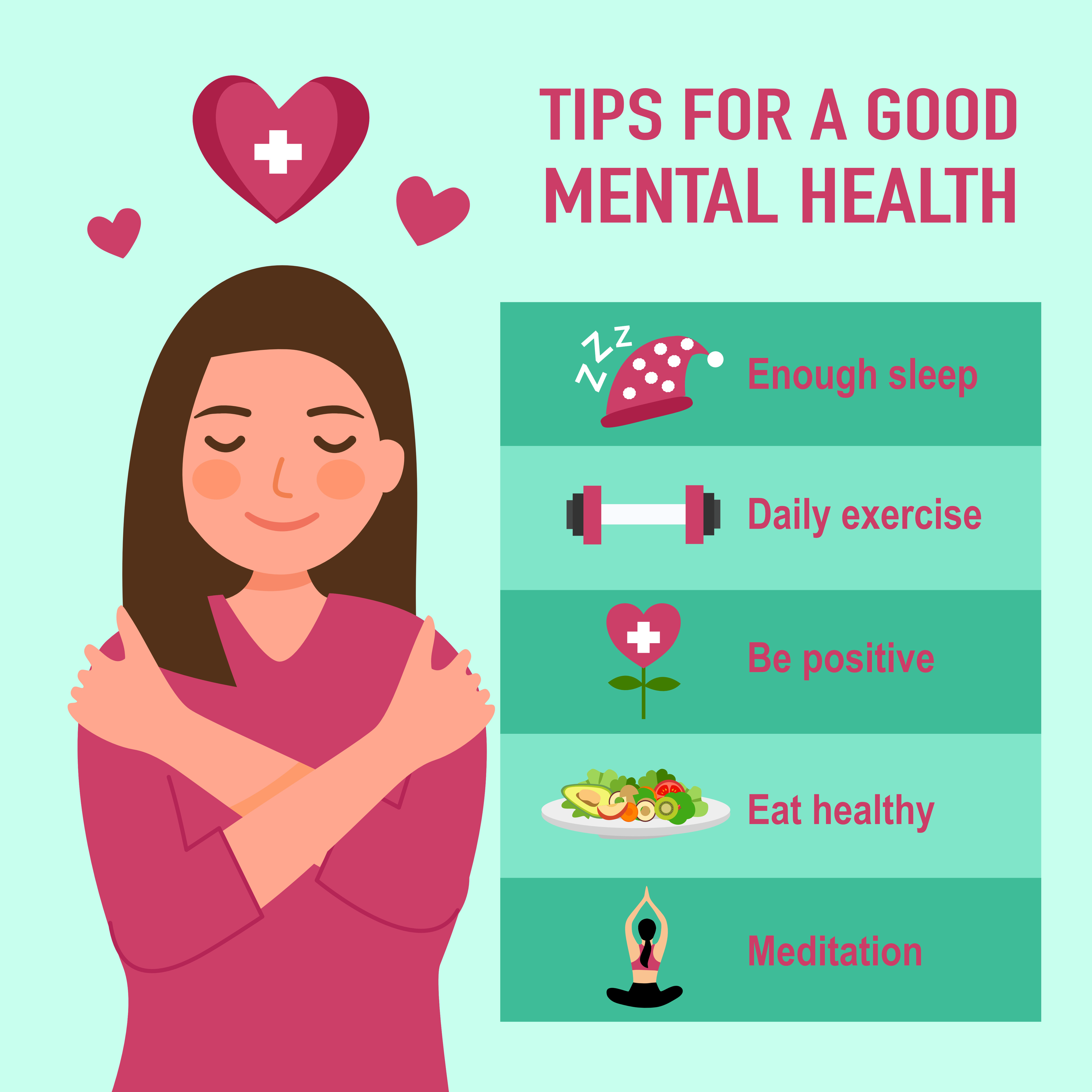
Fortunately, this connection also offers a path to better health. Taking care of your mental well-being—through therapy, medication, mindfulness, exercise, or social support—can directly improve your physical health.

Healthcare providers are increasingly embracing integrative approaches that address both mental and physical health. Routine screenings for depression and anxiety are becoming more common in primary care settings, and many insurance plans now include mental health services as part of holistic wellness programs.

“It’s time we stop treating the body and mind as separate entities,” says Dr. Simmons. “Whole-person care is the future of medicine.”

Takeaway:
Mental health isn’t just about feeling good emotionally—it’s foundational to your overall health. By investing in your mental well-being, you’re also protecting your heart, your immune system, and your long-term quality of life.

If you’re struggling, you’re not alone—and help is out there. A healthier mind leads to a healthier body.

The Surprising Link Between Sleep and Wealth

Sleep: it’s something we all do, but many of us underestimate its power. New research continues to confirm that good sleep is not just a luxury—it’s a critical pillar of overall health. But beyond feeling well-rested, there’s a surprising link between sleep and financial stability. Yes, getting good sleep may help protect your wealth just as much as your health.

The Science of Sleep: More Than Just Rest
Scientists have long studied the stages of sleep—light, deep, and REM (rapid eye movement)—to understand how rest affects the brain and body. During sleep, your body undergoes essential maintenance: the brain clears waste products, muscles repair, hormones rebalance, and memories consolidate. Sleep also helps regulate mood, immune function, and even appetite.

According to the National Sleep Foundation, adults need between 7 and 9 hours of sleep per night for optimal function. Chronic sleep deprivation has been linked to a wide range of health problems, including:

  • Heart disease
  • Obesity
  • Type 2 diabetes
  • Depression and anxiety
  • Impaired cognitive function and memory

But the ripple effects of poor sleep go beyond biology—they can reach into your bank account.

Sleep and Wealth: What’s the Connection?
It turns out that sleep can affect financial well-being in both direct and indirect ways.

  1. Better Decision-Making
    A well-rested brain makes better choices. Sleep deprivation impairs judgment, increases risk-taking behavior, and clouds your ability to process information. Whether you’re making a major purchase, investing, or negotiating a raise, sleep can be the secret weapon behind smarter financial decisions.
  2. Increased Productivity and Career Success
    Sleep is closely tied to performance. Employees who get enough rest tend to be more focused, creative, and efficient. On the other hand, chronic sleep issues are associated with absenteeism, burnout, and job loss—factors that can threaten income and career growth.
  3. Fewer Health Costs
    Lack of sleep raises your risk of chronic illnesses, which can mean higher medical bills, more missed workdays, and increased insurance premiums. By supporting immune health and reducing the risk of disease, good sleep may help keep medical expenses—and related financial stress—at bay.
  4. Reduced Risk of Accidents
    Fatigue is a leading cause of car accidents and workplace injuries. A single lapse in attention due to poor sleep can have expensive—and even tragic—consequences. The Centers for Disease Control and Prevention (CDC) estimates that drowsy driving causes thousands of crashes every year. Protecting your sleep may also mean protecting your assets, your car, and your insurance premiums.

Final Thoughts: Sleep is a Smart Investment
While good sleep won’t directly deposit money into your bank account, it strengthens the foundation of a healthy, focused, and financially stable life. In a world obsessed with productivity and hustle, rest might feel like a compromise. But science shows it’s the opposite—sleep is an investment that pays off in better health, wiser choices, and greater financial resilience.

So, does good sleep help protect your wealth?
Absolutely. Rested minds make better choices, lead healthier lives, and build stronger financial futures.

Tips for Better Sleep:

  • Stick to a consistent sleep schedule—even on weekends
  • Limit caffeine and alcohol in the evening
  • Avoid screens an hour before bedtime
  • Create a calm, dark, and cool sleeping environment
  • Incorporate relaxation techniques like deep breathing or meditation

By prioritizing your sleep, you’re not just boosting your health—you’re safeguarding your wealth.

How Wearables Transform Health Tracking

Wearable fitness technology has quickly evolved from a novelty into an essential tool for those committed to improving their health and wellness. From wristbands that count steps to smartwatches that monitor heart rhythms, these devices are changing the way people track, understand, and improve their physical well-being.

Revolutionizing Personal Health

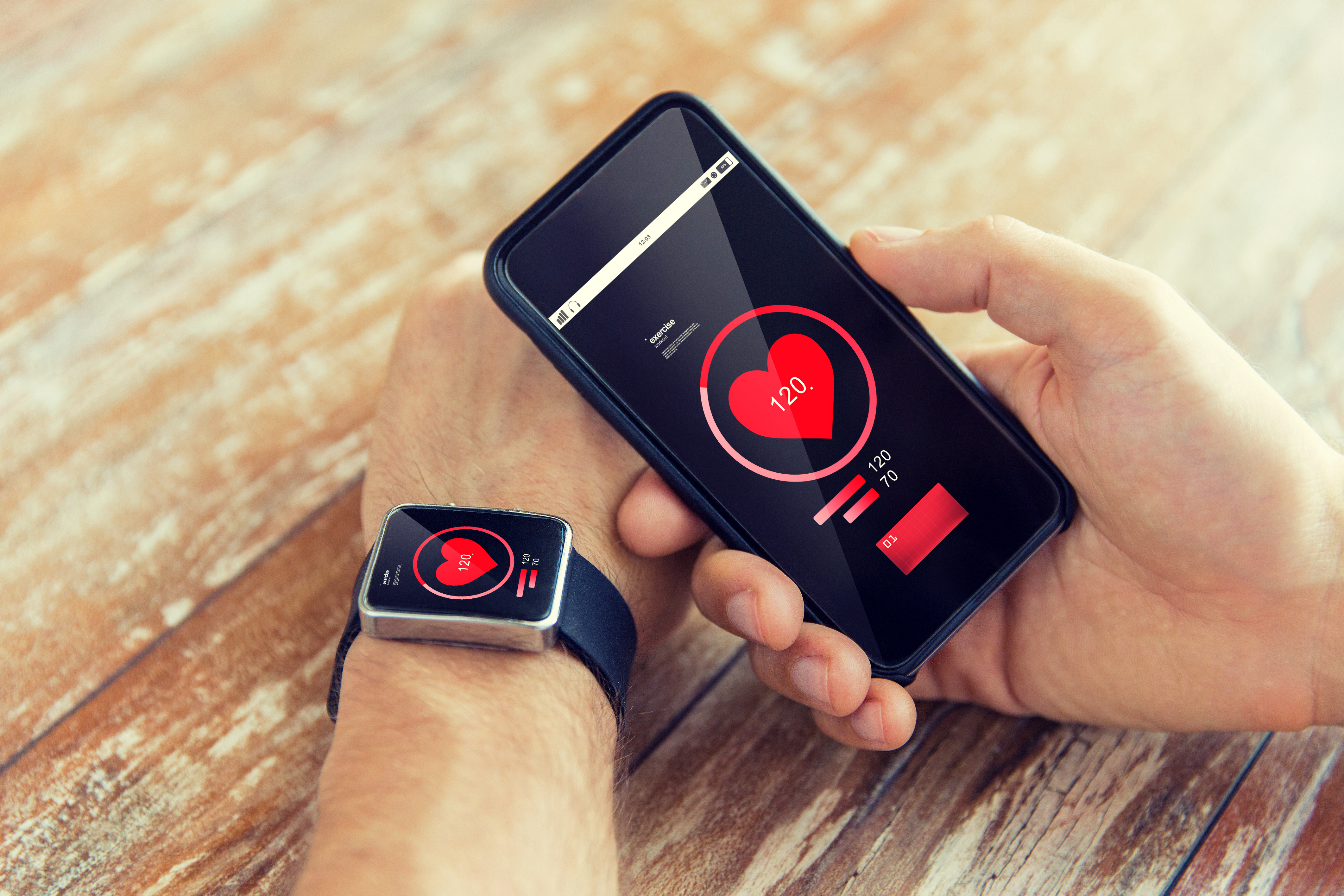
Fitness trackers like Fitbit, Apple Watch, Garmin, and Whoop are no longer just glorified pedometers. They now offer a range of features including heart rate monitoring, sleep analysis, stress tracking, oxygen saturation levels, ECG functionality, and even menstrual cycle prediction. These tools provide users with real-time feedback and long-term data that can guide decisions about exercise, diet, and rest.

“Knowledge is power,” says Dr. Elena Moore, a sports medicine physician. “When people can see their daily activity and trends over time, they’re more motivated to stay active and adjust habits to reach their goals.”

Integration with Everyday Life

Wearables are now deeply integrated with smartphones, health apps, and even digital healthcare systems. Many allow users to sync their data with services like Apple Health, Google Fit, or MyFitnessPal, enabling a holistic view of health that combines nutrition, fitness, and medical records.

With the rise of AI-powered coaching, some wearables also offer personalized workout suggestions or alerts when the user might be overtraining. “It’s like having a personal trainer on your wrist,” notes tech analyst Jordan Singh.

Impact on the Fitness Industry

The fitness industry is adapting to this trend. Gyms and personal trainers often incorporate wearable data into their programs, using metrics to customize routines and measure progress more accurately. Insurance companies, too, are starting to offer discounts for policyholders who share health data from verified devices—a move aimed at promoting preventive care.

Privacy Concerns and Challenges

Despite their benefits, wearable fitness devices raise concerns about data privacy. As these tools collect sensitive health information, experts stress the importance of strong data protections and transparent policies. Users are urged to review privacy settings and understand what information is shared with third parties.

The Future of Fitness Tracking

Looking ahead, the next generation of wearables is expected to be even more sophisticated, with sensors capable of detecting hydration levels, glucose readings, and posture correction. Smart clothing and biometric tattoos are also on the horizon, promising even more seamless health monitoring.

In a world increasingly focused on personalized health and well-being, wearable fitness tech is not just a trend—it’s a movement. As technology continues to advance, staying informed and mindful of how we use it will be key to getting the most out of every step, beat, and breath.

How Eating Right Can Help You Sleep Better

Struggling to get a good night’s sleep? The solution might be on your plate. Research shows that diet plays a significant role in sleep quality, with certain foods promoting restful sleep while others disrupt it. By making better nutritional choices, you can improve both the duration and quality of your sleep.

The Connection Between Diet and Sleep

Nutrition plays a crucial role in regulating the body’s sleep-wake cycle. Certain foods contain sleep-promoting nutrients like magnesium, melatonin, and tryptophan, which can help improve both the quality and duration of sleep. Meanwhile, consuming excessive caffeine, sugar, or heavy meals before bedtime can lead to restlessness and insomnia.

Foods That Promote Better Sleep

  1. Nuts and Seeds – Almonds and walnuts contain melatonin and magnesium, which help regulate sleep patterns.
  2. Fatty Fish – Salmon and tuna are rich in omega-3 fatty acids and vitamin D, which aid in serotonin production, a key sleep hormone.
  3. Dairy Products – Milk, yogurt, and cheese are great sources of tryptophan, which the body converts into serotonin and then melatonin.
  4. Whole Grains – Oatmeal and whole wheat bread help stabilize blood sugar levels and promote relaxation.
  5. Fruits – Bananas, kiwis, and cherries contain natural compounds that support restful sleep.

Foods to Avoid Before Bed

  1. Caffeine and Energy Drinks – These stimulants can keep you awake longer and reduce deep sleep.
  2. Spicy and Acidic Foods – These can trigger acid reflux and discomfort, making it harder to sleep.
  3. High-Sugar Foods – Excess sugar can cause blood sugar spikes, leading to restlessness.
  4. Heavy or Greasy Meals – These take longer to digest, which can lead to discomfort and disrupted sleep.

Tips for a Sleep-Friendly Diet

  • Eat dinner at least two to three hours before bed to allow proper digestion.
  • Limit caffeine intake in the afternoon and evening.
  • Drink herbal teas like chamomile or valerian root to promote relaxation.
  • Maintain a balanced diet with lean proteins, whole grains, and healthy fats to support overall sleep health.

By making mindful choices about what you eat, you can significantly improve your sleep quality. A nutritious diet not only enhances overall health but also ensures you wake up feeling refreshed and energized. So next time you’re struggling to get a good night’s rest, take a look at what’s on your plate!

The Fitness Connection: How Exercise Builds Friendships

Staying active is essential not just for physical health but for overall well-being. Regular exercise strengthens the body, sharpens the mind, and enhances emotional resilience. However, beyond its physical and mental benefits, fitness also serves as a powerful tool for building friendships and social connections.

The Social Side of Fitness
Whether it’s joining a gym, participating in a local running club, or attending a group yoga session, exercising with others fosters a sense of community. Studies have shown that social interactions during physical activities can increase motivation, accountability, and long-term commitment to fitness goals.

“When people exercise together, they encourage one another, share progress, and build friendships that extend beyond the gym or track,” says Dr. Emily Carter, a health and wellness expert. “It’s an excellent way to stay committed while also enjoying the support of a like-minded community.”

Breaking Isolation Through Movement
For many, social isolation has become a growing concern, especially in the wake of increased remote work and digital communication. Group fitness activities provide an opportunity to break out of solitude, fostering genuine face-to-face interactions. From recreational sports leagues to dance classes, these activities create an environment where people bond over shared interests.

John Reynolds, a 42-year-old marathon runner, shares his experience: “When I started running, I was just looking for a way to stay in shape. What I didn’t expect was finding a community that felt like family. We train together, support each other during races, and even celebrate milestones in our personal lives.”

The Mental Health Boost
Engaging in physical activities with others has been linked to improved mental health. Exercise releases endorphins, the body’s natural mood boosters, while social interactions help reduce stress and anxiety. Group workouts can also provide a sense of belonging, improving self-esteem and emotional resilience.

A recent study by the American Psychological Association found that people who engage in regular group exercises report lower levels of stress and higher overall happiness compared to those who exercise alone.

How to Get Started
For those looking to incorporate fitness and socialization into their routine, here are a few simple ways to begin:

Join a fitness class: From spin sessions to Pilates, structured group workouts provide a built-in support system.
Try team sports: Basketball, soccer, and volleyball leagues offer both physical benefits and opportunities to connect.
Sign up for community events: Charity runs, hiking meetups, and yoga in the park bring people together while promoting wellness.
Find a workout buddy: Having a partner can increase accountability and make exercising more enjoyable.

Staying active isn’t just about improving one’s physical health—it’s also a gateway to forming meaningful connections. Whether through shared goals, friendly competition, or simply the joy of movement, fitness has the power to strengthen both the body and the bonds between people.

So, the next time you lace up your running shoes or roll out your yoga mat, remember: you’re not just working out—you’re opening the door to new friendships and a healthier, happier life.

How a Digital Detox Enhances Life Quality

Stepping away from digital devices can greatly enhance your mental and physical well-being. Whether you’re constantly scrolling social media, replying to emails, or binge-watching your favorite shows, it’s easy to lose track of time and feel drained. A digital detox—a conscious break from electronic devices—can be the key to recharging and finding balance.

Why Go on a Digital Detox?

Improved Sleep: Blue light from screens suppresses melatonin production, making it harder to fall asleep. Unplugging at least an hour before bed can promote deeper and more restful sleep.

Enhanced Focus and Productivity: Constant notifications and screen time can scatter your attention. By stepping away, you allow your mind to reset, improving concentration and efficiency.

Stronger Relationships: Dedicating uninterrupted time to friends and family fosters deeper connections and more meaningful conversations.

Reduced Stress and Anxiety: Endless scrolling often leads to information overload and social comparison, heightening stress levels. A break helps you regain mental clarity and emotional balance.

Tips for a Successful Digital Detox

Set Clear Goals: Identify why you’re unplugging—whether it’s for better sleep, improved focus, or quality time with loved ones.

Create Tech-Free Zones: Designate spaces like the bedroom or dining area as screen-free zones to encourage mindfulness and connection.

Plan Engaging Activities: Fill your time with hobbies, outdoor adventures, or social outings to stay engaged without screens.

Inform Your Network: Let friends and colleagues know you’re taking a break so they can respect your boundaries.

Start Small: If a full detox feels overwhelming, begin with short breaks—like screen-free evenings or weekend mornings.

Taking time away from screens isn’t just about unplugging; it’s about rediscovering the joys of real-world connections, mindfulness, and improved well-being. So why not take the first step today and experience the transformative power of a digital detox?

New Year, New Attitude: Embracing Change and Opportunity in 2025

As the calendar turns to 2025, people worldwide are reflecting on the past year and preparing for a fresh start. The new year is more than just a date—it’s a symbol of hope, renewal, and the promise of untapped potential.

For many, January 1st is a chance to leave behind old habits, embrace new challenges, and cultivate a positive mindset. The slogan “New Year, New Attitude” captures the spirit of this transitional time, urging individuals to take bold steps toward self-improvement and growth.

Reflecting on the Past
The past year brought its share of challenges, triumphs, and lessons. Whether it was navigating personal struggles, adapting to a changing world, or celebrating milestones, 2024 reminded us all of the importance of resilience and adaptability. As the clock struck midnight, people worldwide joined in celebration—not just of the new year, but of the opportunities that lie ahead.

Setting Intentions for 2025
Instead of fleeting resolutions, many are focusing on setting intentions that align with long-term goals. Experts suggest that cultivating a new attitude starts with small, manageable changes:

Practice Gratitude: Reflect on the positives in life and make a habit of expressing appreciation.
Embrace Challenges: View setbacks as opportunities for growth rather than obstacles.
Prioritize Wellness: Physical and mental health remain central to sustaining a positive outlook.
Be Open to Change: A flexible mindset is crucial for embracing new opportunities and perspectives.

Social media is buzzing with individuals sharing their plans to make 2025 a transformative year. From starting new careers to pursuing creative passions, the possibilities are endless.

A Time for Community
The new year is also a time to strengthen bonds with family, friends, and the community. In cities across the globe, initiatives are underway to bring people together—whether through volunteering, local events, or virtual gatherings. A collective sense of optimism is in the air, as people work together to create positive change.

Looking Ahead
While the road ahead may hold uncertainties, one thing is clear: 2025 is a year of potential. By adopting a new attitude and focusing on growth, individuals can turn challenges into stepping stones and dreams into realities.

As we step into the new year, let’s embrace the mantra of “New Year, New Attitude” and take each day as an opportunity to move closer to the best versions of ourselves. After all, every great journey starts with a single, intentional step.

Happy New Year! May 2025 be a year of joy, growth, and endless possibilities.

Retirees are Embracing Healthier Lifestyles, Leading to Longer Lifespans

A recent study has revealed that retirees are enjoying longer and more fulfilling lives thanks to a concerted effort to prioritize health and wellness. Contrary to the stereotype of sedentary retirement years, a significant portion of retirees are now actively engaging in healthier lifestyles, resulting in increased longevity and vitality.

The study, conducted by a team of researchers from prominent institutions, analyzed data from a diverse sample of retirees across different demographic groups. Their findings, published in the latest issue of the Journal of Aging and Health, paint a promising picture of aging in today’s society.

One of the most striking discoveries was the prevalence of healthier habits among retirees. From adopting nutritious diets to regular exercise routines, retirees are increasingly taking proactive steps to maintain their physical and mental well-being. This shift is attributed to a growing awareness of the importance of healthy living and the availability of resources to support such lifestyles.

Dr. Emily Rodriguez, lead author of the study, remarked, “We were pleasantly surprised to see the extent to which retirees are embracing healthier behaviors. Many are actively seeking ways to stay fit, eat well, and engage in activities that promote overall wellness.”

The benefits of these lifestyle changes are evident in the increased life expectancy among retirees. According to the study’s findings, participants who reported adhering to healthier habits tended to live longer than those who did not prioritize their health. Moreover, they experienced a higher quality of life, with lower rates of chronic diseases and disabilities.

Retirees themselves attest to the transformative power of healthier living. Margaret Thompson, 72, credits her active lifestyle for her robust health and vitality. “I never imagined I’d feel this good in my seventies,” she remarked. “Regular exercise, nutritious meals, and staying socially connected have made all the difference.”

The implications of these findings extend beyond individual retirees to society as a whole. As the population ages, the importance of promoting healthy aging becomes increasingly paramount. By encouraging and supporting retirees in adopting healthier lifestyles, communities can not only enhance the well-being of their older residents but also alleviate strain on healthcare systems and social support networks.

However, the researchers caution that there is still work to be done. Despite the positive trends, disparities exist in access to resources and opportunities for healthy living, particularly among marginalized populations. Addressing these inequities will be essential in ensuring that all retirees have the opportunity to enjoy longer, healthier lives.

As society continues to evolve, so too does our understanding of aging. The paradigm of retirement as a period of decline is being replaced by one of vitality and opportunity. With a commitment to healthier living, retirees are rewriting the narrative of aging and inspiring future generations to embrace the golden years with vigor and resilience.

Research Highlights Multifaceted Benefits of Regular Physical Activity

In a study published in the Journal of Health and Exercise Science, researchers unveil compelling evidence of the profound effects exercise has on both the body and mind. The findings shed light on the multifaceted benefits of regular physical activity, reaffirming its pivotal role in promoting overall well-being.

The study, conducted over a span of two years, involved a diverse cohort of participants ranging from various age groups and fitness levels. Researchers meticulously tracked participants’ exercise routines while closely monitoring changes in their physical health and mental well-being.

The results were striking, demonstrating a myriad of positive outcomes associated with consistent exercise. Notably, participants exhibited significant improvements in cardiovascular health, with lowered blood pressure and improved cholesterol levels observed across the board. Furthermore, regular physical activity was linked to enhanced muscular strength and endurance, contributing to better overall physical fitness and resilience.

Beyond the tangible benefits to physical health, the study also underscored the profound impact of exercise on mental well-being. Participants reported reduced levels of stress and anxiety, attributing their newfound sense of calm and clarity to their exercise regimens. Moreover, regular physical activity was associated with improved mood and enhanced cognitive function, suggesting a powerful correlation between exercise and mental acuity.

Dr. Emily Watson, lead researcher on the study, emphasized the holistic nature of the findings, stating, “Our research unequivocally demonstrates that exercise is not only beneficial for physical health but also plays a pivotal role in promoting mental well-being. From reducing stress and anxiety to enhancing cognitive function, the benefits of regular physical activity are truly multifaceted.”

The study’s findings hold significant implications for public health initiatives, advocating for the integration of exercise as a cornerstone of preventive medicine. With sedentary lifestyles on the rise and mental health concerns reaching alarming levels, the importance of prioritizing regular physical activity cannot be overstated.

In light of these findings, health experts urge individuals of all ages to incorporate exercise into their daily routines, emphasizing the importance of finding activities that are enjoyable and sustainable. Whether it’s brisk walking, swimming, or yoga, the key lies in consistency and finding activities that align with one’s interests and preferences.

As the world grapples with ongoing health challenges, from the obesity epidemic to rising mental health concerns, the prescription for a healthier, happier life may lie in something as simple as taking a walk or going for a jog. With each step, individuals not only strengthen their bodies but also nurture their minds, unlocking the transformative power of exercise for a brighter, more vibrant future.

References

  1. Watson, Emily et al. “The Impact of Regular Exercise on Physical and Mental Health: A Two-Year Longitudinal Study.” Journal of Health and Exercise Science, vol. 27, no. 2, 2024, pp. 45-68.
  2. American Heart Association. “Physical Activity Improves Quality of Life.” American Heart Association, http://www.heart.org/en/healthy-living/fitness/fitness-basics/physical-activity-improves-quality-of-life. Accessed 19 March 2024.
  3. Harvard Health Publishing. “Regular Exercise Releases Brain Chemicals Key for Memory, Concentration, and Mental Sharpness.” Harvard Health Publishing, www.health.harvard.edu/blog/regular-exercise-changes-brain-improve-memory-thinking-skills-201404097110. Accessed 19 March 2024.
  4. Centers for Disease Control and Prevention. “Physical Activity and Health.” Centers for Disease Control and Prevention, www.cdc.gov/physicalactivity/basics/pa-health/index.htm. Accessed 19 March 2024.
  5. National Institute of Mental Health. “Physical Activity and Mental Health.” National Institute of Mental Health, www.nimh.nih.gov/health/publications/physical-activity-and-mental-health/index.shtml. Accessed 19 March 2024.

Tips to Ease the Transition of Daylight Saving Time

As daylight saving time approaches, many individuals are gearing up to set their clocks forward, signaling the onset of longer, brighter evenings. While this change brings the promise of warmer weather and extended daylight hours, it also disrupts our internal body clocks, potentially leading to feelings of fatigue and grogginess. To help navigate this biannual transition smoothly, experts recommend several strategies to cope with the upcoming time change.

1. Gradually Adjust Sleep Schedule: Begin adjusting your sleep schedule a few days before the time change by going to bed and waking up 15-30 minutes earlier each day. This gradual shift can help your body adapt more easily to the new time.

2. Prioritize Sleep Hygiene: Create a sleep-friendly environment by dimming the lights, reducing screen time before bed, and maintaining a comfortable room temperature. Establishing a calming bedtime routine can signal to your body that it’s time to wind down and prepare for rest.

3. Exposure to Natural Light: Take advantage of the extended daylight hours by spending time outdoors during the day, especially in the morning. Natural light exposure helps regulate your internal clock, making it easier to adjust to the time change.

4. Limit Caffeine and Alcohol Intake: Avoid consuming caffeine and alcohol close to bedtime, as they can interfere with your sleep quality and make it harder to fall asleep or stay asleep during the night.

5. Stay Active: Engage in regular physical activity, but try to avoid vigorous exercise close to bedtime, as it may interfere with your ability to fall asleep. Instead, aim for moderate-intensity activities earlier in the day to promote better sleep at night.

6. Nap Strategically: If you feel excessively tired during the transition period, taking short, 20-30 minute naps earlier in the day can help alleviate fatigue without disrupting your nighttime sleep schedule.

7. Be Patient: Recognize that it may take your body some time to adjust to the new time schedule, so be patient with yourself and prioritize self-care during this transition period.

8. Maintain Consistency: Stick to a consistent sleep schedule, even on weekends, to help regulate your body’s internal clock. Consistency is key to minimizing the impact of the time change on your sleep patterns.

9. Consider Light Therapy: For individuals who continue to struggle with adjusting to the time change, light therapy can be beneficial. Light therapy involves exposure to bright artificial light during specific times of the day to help regulate sleep-wake cycles.

By implementing these strategies, individuals can ease the transition of daylight saving time and mitigate the potential negative effects on sleep and overall well-being. Remember, small adjustments and a proactive approach can make a significant difference in how smoothly you adapt to the changing season. Until next time, and for heavens sake don’t forget to keep smiling cause it really does look good on you!