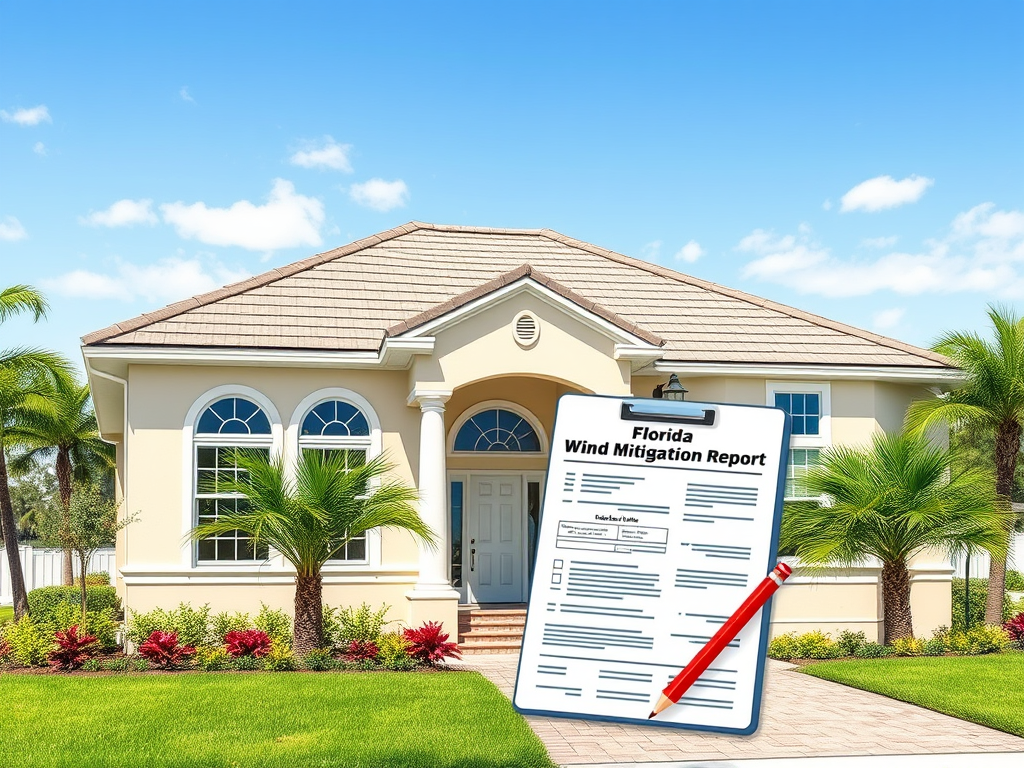
In Florida’s insurance market, few documents carry as much weight for homeowners as a wind mitigation report. Yet, despite its importance, many policyholders don’t fully understand what it is, when it’s required, or how it impacts their premiums. From my perspective in the insurance industry, this report is not just paperwork… it’s a powerful tool that can directly influence both insurability and cost.
What Is a Wind Mitigation Report?
A wind mitigation report is an inspection that evaluates how well a home can withstand high winds, particularly from hurricanes and severe storms. The inspection focuses on specific structural features that reduce wind damage risk.
Key elements assessed include:
Roof shape (hip vs. gable)
Roof covering and age
Roof deck attachment (nail size and spacing)
Roof-to-wall connections (clips, straps, etc.)
Secondary water resistance (SWR)
Opening protection (impact windows, shutters)
The findings are documented on a standardized form used across Florida, often referred to as the OIR-B1-1802 form.
Why It Matters
Insurance carriers use wind mitigation reports to determine eligibility for credits and discounts. Homes with stronger wind-resistant features present less risk, and that reduced risk is often rewarded with lower premiums.
In some cases, the difference is substantial, homeowners can see premium reductions of hundreds or even thousands of dollars annually depending on the upgrades documented.
When You Need a Wind Mitigation Report
From an underwriting standpoint, there are several common scenarios where a wind mitigation inspection is either required or strongly recommended:
1. New Policy Applications
Many insurance companies request a wind mitigation report before binding coverage, especially for homes over a certain age (often 20+ years). This helps underwriters accurately assess the property’s risk profile upfront.
Example: A homeowner purchasing a 1998-built home applies for coverage. The carrier requires a wind mitigation report before issuing the policy to verify roof attachment and protection features.
2. Policy Renewals or Re-Underwriting
Carriers may request an updated report during renewal periods, particularly if prior documentation is outdated (typically older than 5 years) or missing.
Example: An insurer conducts a portfolio review and notices a home insured since 2015 has no current wind mitigation on file. They request a new inspection to maintain eligibility.
3. Roof Replacement or Major Upgrades
Any time significant improvements are made such as a new roof, installation of hurricane shutters, or upgraded roof-to-wall connections, a new report should be completed.
Example: A homeowner installs impact-resistant windows and replaces their roof. A new wind mitigation report allows the insurer to apply additional credits that weren’t previously available.
4. High-Risk Geographic Areas
Homes located in coastal or wind-borne debris regions are more likely to require a wind mitigation report due to increased exposure to hurricane-force winds.
Example: A property located in a coastal county applies for coverage. The insurer mandates a wind mitigation inspection to ensure compliance with stricter underwriting guidelines.
5. Older Homes
Homes built prior to modern building codes (pre-2002 in Florida, when stricter codes were implemented) often require inspections to verify whether any upgrades have been made.
When You May NOT Need One
There are situations where a wind mitigation report may not be required:
New Construction Homes: Homes built under current Florida Building Code standards often already meet wind mitigation criteria. Documentation from the builder may suffice.
Recent Prior Inspection: If a valid wind mitigation report (typically less than 5 years old) is already on file, a new one may not be necessary.
Carrier-Specific Guidelines: Some insurers may not require the report for certain low-risk properties or newer homes, though this is becoming less common in Florida.
Industry Insight: Why Carriers Care
From an underwriting lens, wind is one of the most significant drivers of property losses in Florida. A properly completed wind mitigation report gives insurers measurable data to evaluate risk instead of relying on assumptions.
It also creates a more transparent relationship between the homeowner and the insurer rewarding proactive improvements and reducing uncertainty in the event of a claim.
Final Thoughts
A wind mitigation report is one of the few tools available to homeowners that can directly reduce insurance costs while improving property resilience. Whether it’s required or optional in your situation, having one completed, especially after upgrades is often a financially sound decision.
In today’s evolving insurance environment, understanding and leveraging this report isn’t just beneficial… it’s essential.
About the Author:
David Dandaneau is a client relations analyst that covers the insurance and financial services industry. He is known for his insightful analysis and comprehensive coverage of market trends and regulatory developments.
Flooding is the most common and costly natural disaster in the United States, yet millions of homeowners remain uninsured for flood damage. Standard homeowners insurance policies typically do not cover flood losses, leaving property owners vulnerable to potentially devastating financial consequences. Understanding why flood insurance exists, when it is required, and how federal programs help manage risk is essential for homeowners and property investors alike.
Flooding: A Risk Many Homeowners Underestimate
Floods can occur almost anywhere. Heavy rainfall, storm surge, overflowing rivers, blocked drainage systems, and even rapid snowmelt can lead to flooding. According to the Federal Emergency Management Agency (FEMA), more than 20% of flood insurance claims come from properties located outside of high-risk flood zones, highlighting that flood risk is not limited to coastal or riverfront communities.
The financial damage from flooding can escalate quickly. FEMA estimates that just one inch of water in a home can cause approximately $25,000 in damage. Repairing flooring, drywall, electrical systems, furniture, and appliances often costs far more than many homeowners expect.
Why Standard Homeowners Insurance Doesn’t Cover Flooding
Most homeowners carry policies designed to cover risks like fire, theft, and wind damage. However, flood damage is specifically excluded because it is considered a catastrophic and widespread event that could produce extremely high losses across large geographic areas simultaneously.
To manage this risk, flood coverage is typically purchased separately through programs backed by the federal government.
The largest provider of flood insurance in the United States is the National Flood Insurance Program (NFIP), which is administered by FEMA.
When Your Mortgage Company Requires Flood Insurance
Mortgage lenders are required by federal law to ensure flood insurance coverage on properties located in designated high-risk flood zones.
Flood zones are determined using maps created by FEMA known as Flood Insurance Rate Maps (FIRMs). These maps identify areas with varying levels of flood risk.
Properties located in Special Flood Hazard Areas (SFHAs) often labeled Zone A or Zone V on FEMA maps typically require flood insurance if the home has a federally backed mortgage.
If a homeowner fails to secure the required coverage, lenders may purchase insurance on the homeowner’s behalf through a process called force-placed flood insurance. This coverage is often more expensive and offers less flexibility than a policy purchased directly by the homeowner.
FEMA’s Role in Flood Insurance
The Federal Emergency Management Agency (FEMA) plays several key roles in the flood insurance ecosystem:
Administers the National Flood Insurance Program
Creates and updates flood maps used by lenders and insurers
Provides disaster assistance after major flood events
Promotes floodplain management standards to reduce future damage
Through the NFIP, FEMA partners with private insurance companies to sell and service policies, making flood insurance more widely accessible across the country.
However, it’s important to note that federal disaster assistance is not a substitute for insurance. FEMA aid after disasters often comes in the form of low-interest loans or limited grants and typically does not fully cover rebuilding costs.
What Flood Insurance Typically Covers
NFIP flood policies generally include two primary types of coverage:
Building Coverage
Structure of the home
Electrical and plumbing systems
HVAC systems
Water heaters
Permanently installed carpeting and cabinets
Detached garages (limited)
Contents Coverage
Furniture
Clothing
Electronics
Portable appliances
Maximum coverage limits under the NFIP currently include:
$250,000 for residential structures
$100,000 for personal property
Some private insurers also offer excess flood insurance for homeowners needing higher coverage limits.
Typical Cost of Flood Insurance
Flood insurance premiums vary widely depending on several factors:
Property elevation
Flood zone designation
Age and construction of the home
Coverage limits selected
Deductible chosen
Average costs nationwide fall roughly within these ranges:
Risk Level
Typical Annual Premium
Low-to-moderate risk areas
$300 – $700
Moderate risk areas
$700 – $1,200
High-risk flood zones
$1,200 – $3,500+
Recent FEMA pricing updates under the NFIP’s Risk Rating 2.0 system now use more sophisticated modeling to determine premiums, including distance to water sources, rebuilding costs, and historical flood data.
Why Some Homeowners Choose Not to Carry Flood Insurance
Despite the risks, some homeowners opt not to purchase flood coverage. Common reasons include:
The property lies outside a high-risk flood zone
The homeowner does not have a mortgage requiring coverage
Premium costs are considered too high
The homeowner believes the flood risk is minimal
However, flooding can occur in unexpected locations, particularly as weather patterns shift and development alters natural drainage patterns.
The Bottom Line
Flood insurance represents a critical but often overlooked component of financial protection for homeowners. While it may not be required for every property, the relatively small annual cost can prevent massive financial losses in the event of a flood.
Whether coverage is required by a lender or chosen voluntarily, understanding flood risk and the protections available through programs like FEMA’s National Flood Insurance Program allows homeowners to make informed decisions about protecting their property and financial future.
About the Author:
David Dandaneau is a client relations analyst that covers the insurance and financial services industry. He is known for his insightful analysis and comprehensive coverage of market trends and regulatory developments.
Your credit profile is more than a borrowing tool, it is a core risk-rating variable in property and casualty insurance. Before adjusting your homeowners or auto policy whether increasing limits, changing carriers, adding vehicles, or bundling coverage, it is strategically prudent to review your credit report. The impact can be material.
The Role of Credit in Insurance Underwriting
Most insurers use a credit-based insurance score when pricing home and auto policies. While distinct from a traditional FICO score, it is derived from similar data points contained in your credit report, payment history, outstanding balances, credit utilization, length of credit history, and types of accounts.
Insurers view credit behavior as a predictive indicator of claims frequency and severity. Statistically, lower insurance scores correlate with higher loss ratios. As a result, your credit profile can influence:
Premium pricing
Eligibility for preferred tiers
Qualification for discounts
Payment plan options
Even carrier acceptance in certain markets
If you are preparing to modify coverage such as raising dwelling limits, adding an umbrella policy, financing a new vehicle, or switching companies your credit profile may directly affect the quoted rate.
Why Timing Matters
Policy changes often trigger underwriting review. For example:
Switching carriers typically requires a fresh credit-based insurance score pull.
Adding a newly financed vehicle may prompt re-rating.
Rewriting a homeowners policy due to renovations can initiate updated underwriting.
If your credit report contains errors, late payments that were paid, accounts that are not yours, inflated balances, or identity discrepancies those inaccuracies can raise your insurance score risk tier and increase your premium unnecessarily.
Reviewing your credit report beforehand gives you an opportunity to correct discrepancies before they influence underwriting outcomes.
Common Credit Report Issues That Impact Insurance Rates
Consumers are frequently surprised at how minor inaccuracies affect pricing. Common issues include:
Incorrect delinquency reporting
Duplicate accounts
High reported credit utilization due to statement timing
Accounts that should reflect paid-in-full status
Fraudulent activity or identity theft
Correcting these errors before making policy changes can prevent avoidable premium increases.
Financial Planning Perspective
Insurance adjustments are often part of broader financial decisions buying a home, refinancing, purchasing a vehicle, consolidating debt, or upgrading property. In these scenarios, credit optimization creates compounding benefits:
Lower interest rates on loans
More favorable insurance premiums
Stronger negotiating leverage
Access to top-tier carriers
From a risk management standpoint, insurance is not just about coverage it is about capital efficiency. Paying more in premium due to preventable credit issues erodes financial optimization.
Strategic Steps Before Adjusting Coverage
Obtain a current copy of your credit report from all three major bureaus.
Review for inaccuracies, disputes, or outdated negative information.
Address any discrepancies prior to requesting quotes or making policy changes.
Consult with your insurance professional to understand how credit factors into your state’s rating structure.
It is important to note that some states restrict or limit the use of credit in insurance underwriting, but in most jurisdictions it remains a key rating component.
Long and Short
Before modifying your home or auto insurance policy, conduct a financial due diligence review of your credit report. In the insurance marketplace, pricing precision is data-driven. Ensuring that your credit file accurately reflects your financial behavior can protect you from overpaying and position you for optimal underwriting classification.
Insurance is a risk transfer mechanism but your credit profile is part of the risk equation. Reviewing it is not optional diligence; it is strategic financial management.
About the Author:
David Dandaneau is a client relations analyst that covers the insurance and financial services industry. He is known for his insightful analysis and comprehensive coverage of market trends and regulatory developments.
January 15, 2026 – Tampa, FL — The Baldwin Group (NASDAQ: BWIN), a leading independent insurance brokerage and advisory firm, is making notable strides in expanding its national footprint through a series of strategic acquisitions and corporate actions, moves that have attracted investor interest and helped support recent gains in its stock price.
In the last several months, Baldwin has completed multiple significant transactions. The company finalized its acquisition of Obie, a Chicago-based embedded landlord insurance distribution platform that has delivered extraordinary revenue growth since 2021. Obie’s insurance technology and nationwide distribution capabilities are expected to strengthen Baldwin’s real estate investor solutions and support broader adoption of embedded insurance offerings. (Stock Titan)
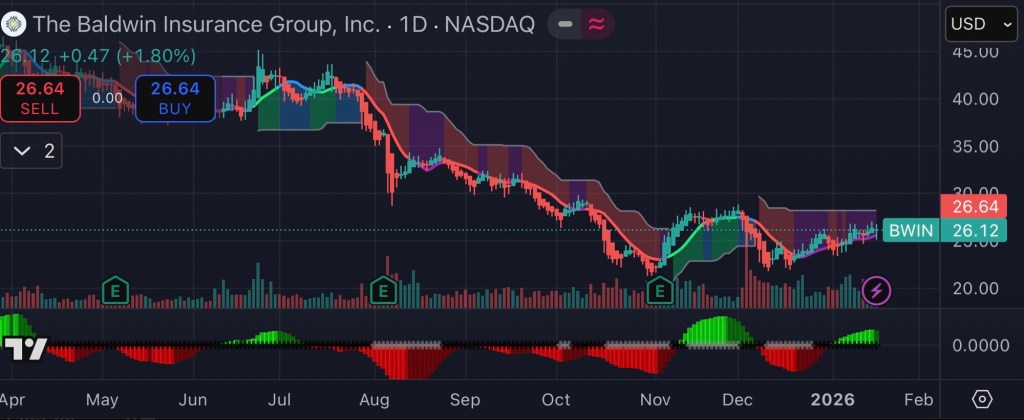
Shortly after the Obie announcement in mid-January 2026, Baldwin’s stock experienced a noticeable uptick, with shares rising over 3.6% on acquisition news a clear sign of investor confidence in Baldwin’s growth strategy. (IndexBox)
In early 2026, Baldwin also completed the acquisition of Capstone Group, a full-service Philadelphia-area insurance brokerage firm. Capstone expands Baldwin’s regional reach and adds new capabilities in risk management, group health, and ancillary benefit lines further diversifying Baldwin’s portfolio of services. (Investing.com)
Perhaps most transformational is the company’s $1.026 billion merger with CAC Group, a specialty and middle-market insurance brokerage transaction completed in early January 2026. This strategic combination positions Baldwin among the largest independent insurance advisory platforms in the U.S., adding unparalleled specialty expertise in sectors like cyber, financial lines, construction, natural resources, and private equity. (Stock Titan+1)
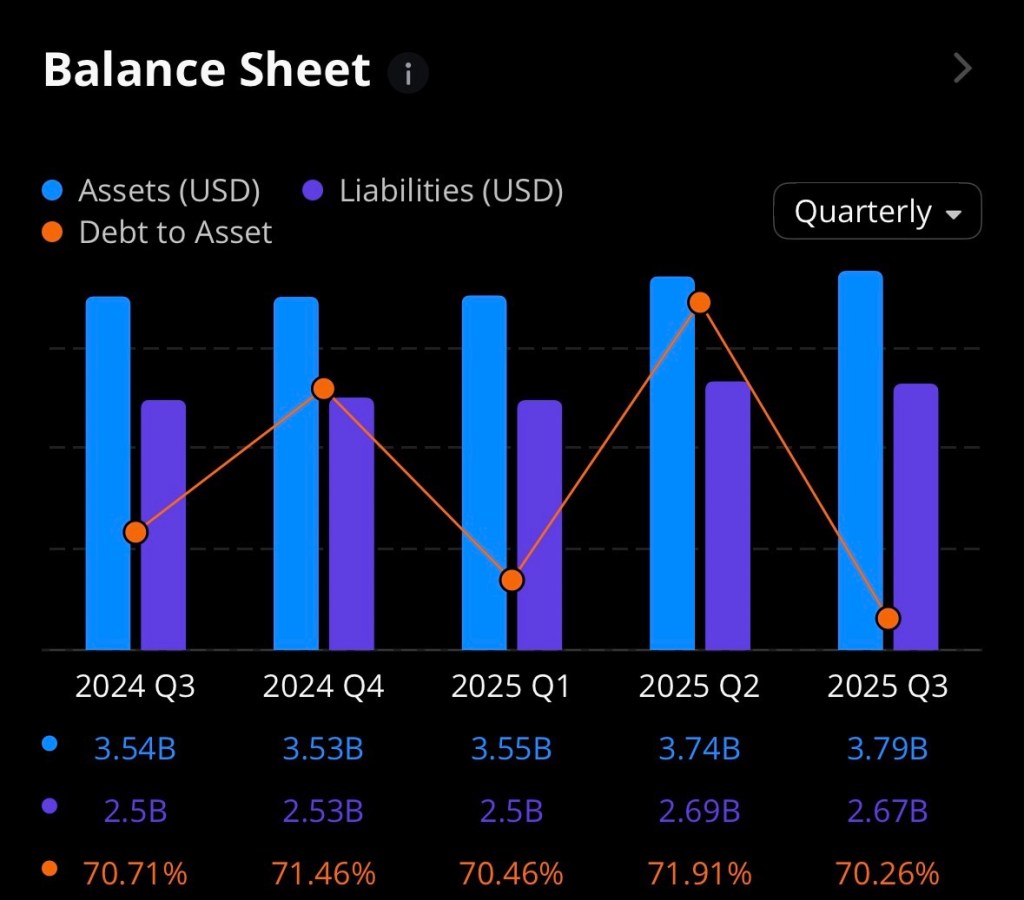
Financially, Baldwin has shown consistent growth in revenue and organic expansion across reporting periods in 2025. Third-quarter results reported revenue growth of 8% and continued adjusted earnings momentum, even as the company navigates through net losses on a GAAP basis. (Business Wire)
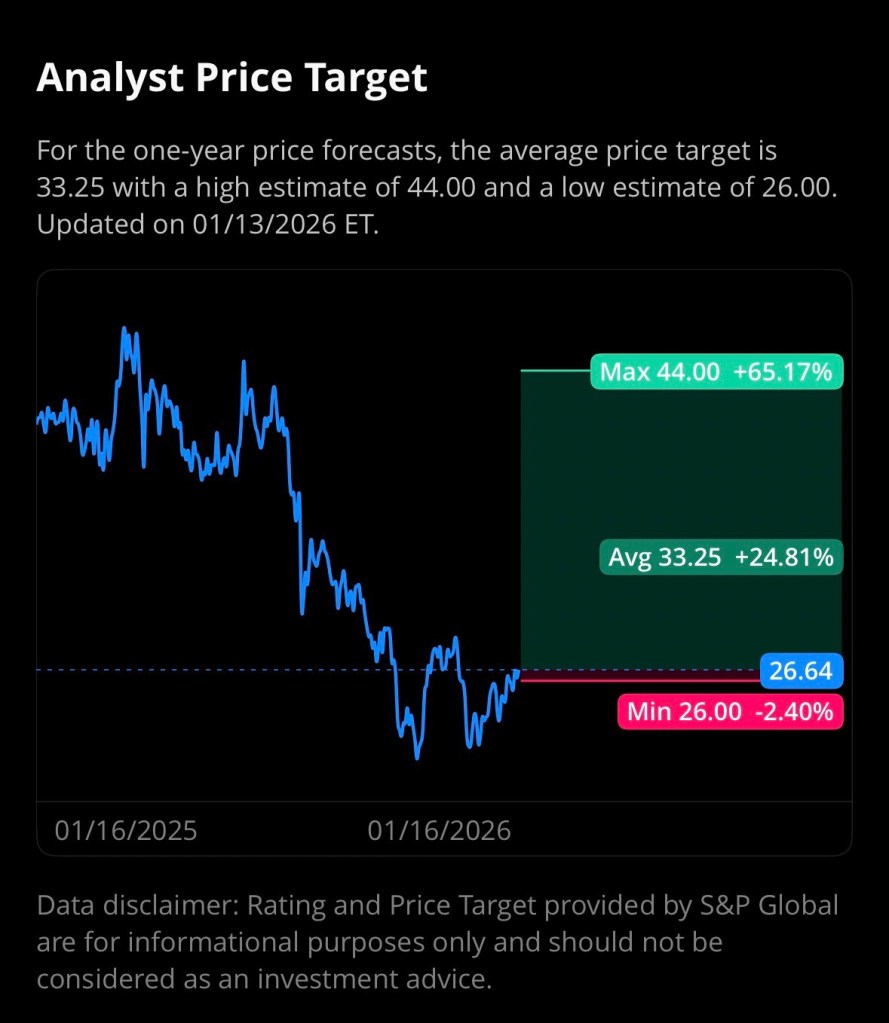
According to recent stock data, BWIN’s share price has reflected both volatility and opportunity. As of mid-January 2026, BWIN shares traded near $25.48, with a 52-week range of approximately $21.26 to $47.15. Analysts maintain a mixed outlook, with a consensus price target higher than current levels but tempered by risks related to integration and profitability challenges. (StockAnalysis)
Capital and Debt Strategy Alongside these strategic acquisitions, The Baldwin Group has successfully priced an incremental $600 million Term Loan B, which upsizes its existing credit facility and provides flexibility to fund acquisitions and refinance existing borrowings. This capital strategy supports Baldwin’s expansion while managing leverage levels that accompany rapid growth. (Stock Titan)
Investment Considerations and Risks Investors considering exposure to BWIN should be aware that, while the company is scaling rapidly, it continues to report net losses on a GAAP basis and carries a significant debt load tied to its acquisition strategy. Meanwhile, adjusted performance metrics demonstrate improving profitability trends that could support future valuation performance if realized. (Baldwin+1)
Disclosure: I hold a position in The Baldwin Group (BWIN), and the views expressed above reflect only general observations of recent developments and publicly available data.
References
IndexBox. (2026, January 15). Baldwin Insurance Group stock rises on Obie acquisition news. Stockanalysis.com. (2026). The Baldwin Insurance Group (BWIN) Stock Price & Overview. Business Wire. (2025). The Baldwin Group announces fourth quarter and full year 2024 results. Business Wire. (2025, November 4). The Baldwin Group announces third quarter 2025 results. StockTitan. (2026, January). The Baldwin Group completes acquisition of Obie and Capstone Group. BeyondSPX. (2026, January). Baldwin Group completes $1.026 billion merger with CAC Group. StockTitan. (2024). The Baldwin Group announces successful pricing of $600 million incremental Term Loan B.
When it comes to staying insured and legally compliant on the road, few documents create more confusion than the SR-22. Contrary to popular belief, an SR-22 is not an insurance policy—it’s a certificate of financial responsibility filed with your state to prove you carry the minimum required auto insurance. For drivers who have encountered serious traffic violations or insurance lapses, filing an SR-22 can be critical to regaining or maintaining driving privileges.
Why You Might Need an SR-22
States typically require an SR-22 after certain high-risk incidents, including:
Driving without insurance If you’re caught driving uninsured—even once—many states will require an SR-22 to verify you remain insured moving forward.
DUI or DWI convictions One of the most common triggers. After a DUI/DWI, drivers must often carry an SR-22 for several years.
Multiple traffic violations or at-fault accidents Repeat offenders or drivers involved in severe collisions may be labeled “high-risk,” prompting the SR-22 requirement.
License suspension or revocation To reinstate your driver’s license, an SR-22 filing may be mandatory.
Serious moving violations Excessive speeding, reckless driving, or hit-and-run incidents sometimes lead to SR-22 mandates depending on the state.
How Long You Must Carry an SR-22
Most states require drivers to maintain an SR-22 for 3 years, though this varies by location and offense. If coverage lapses at any point, your insurance company must notify the state likely resetting the clock on your compliance period.
What an SR-22 Costs
The SR-22 filing fee itself is typically small around $15–$50. However, insurance premiums can increase based on your driving record. Working with a knowledgeable insurance agent can help reduce the financial impact by exploring policy options tailored to high-risk drivers.
The Filing Process: Getting Professional Help
The SR-22 must be filed by a licensed insurance provider on your behalf. Here’s how professionals typically assist:
Assess Your Situation An insurance professional reviews your state’s requirements and the circumstances behind your SR-22 need.
Secure an Eligible Policy Not all insurers offer SR-22 filings. Agents specializing in high-risk auto insurance can pair you with a policy that meets your state’s minimums.
File the SR-22 Electronically Most filings are sent directly to the state within 24–48 hours, speeding up reinstatement timelines.
Provide Guidance and Follow-Up Agents can help you avoid lapses, set up reminders, and secure better rates once your SR-22 period ends.
Suggestions for Drivers Facing an SR-22 Requirement
Act quickly to prevent extended license suspensions.
Compare quotes—prices vary dramatically among providers.
Avoid coverage lapses at all costs.
Consider defensive driving courses to improve your record over time.
Stay insured continuously to begin rebuilding your driving profile.
Referrals and When to Seek Professional Help
If you’re unsure whether you need an SR-22 or how to file one, your best first step is connecting with:
A licensed auto insurance agent specializing in SR-22 filings
A traffic attorney if your requirement stems from a DUI, reckless driving, or a serious violation
Your state’s Department of Motor Vehicles (DMV) for official reinstatement guidelines
These professionals can clarify requirements, ensure proper filing, and help you move forward with confidence.
About the Author:
David Dandaneau is a client relations analyst that covers the insurance and financial services industry. He is known for his insightful analysis and comprehensive coverage of market trends and regulatory developments.
When most homeowners think about their insurance policies, they focus on the obvious: fire, theft, storms, and liability. But there’s a lesser-known protection that can make or break your financial recovery after a disaster—Law and Ordinance Coverage, sometimes referred to as “Building Code Coverage.”
And in 2025, with stricter building codes nationwide and rising construction costs, this coverage has never been more important.
What Is Law & Ordinance Coverage?
Law and Ordinance coverage is a component of your homeowners insurance that helps cover the additional costs required to rebuild or repair your home according to current building codes after a covered loss.
Many homes—especially those built 10, 20, or 50 years ago—no longer meet today’s safety and construction standards. If a fire, storm, or other covered event damages your home, local regulations may require you to upgrade wiring, plumbing, insulation, roofing systems, or structural components.
Without Law & Ordinance coverage, those upgrades come straight out of your pocket.
Three Key Parts of Law & Ordinance Coverage
Most policies break this coverage into three categories:
1. Coverage A: Loss to the Undamaged Portion of the Home
If 40% of your home is destroyed but local law requires the entire house to be rebuilt to meet current code, this coverage pays for the undamaged portion.
2. Coverage B: Demolition Costs
Bringing a damaged structure down safely isn’t cheap. Demolition, debris removal, and hauling away materials can be surprisingly costly.
3. Coverage C: Increased Cost of Construction
This covers the code-required upgrades—such as new electrical systems, energy-efficient windows, reinforced roofing, or accessibility requirements—that weren’t part of your original home.
Why It Matters in 2025
✔️ Building Codes Change Constantly
Many communities have tightened codes after severe weather events, wildfires, and structural failures. Even small repairs often trigger mandatory upgrades.
✔️ Construction Costs Continue Rising
The price of materials and skilled labor remains elevated. Code upgrades can add tens of thousands of dollars to a reconstruction project.
✔️ Older Homes Are Especially at Risk
Homes built before 2000 often lack modern safety requirements, meaning mandatory upgrades are more likely after a partial loss.
✔️ It Can Protect Your Savings and Prevent Delays
Without Law & Ordinance coverage, homeowners often face unexpected out-of-pocket expenses that can stall rebuilding and extend displacement.
Real-World Example
A kitchen fire damages 30% of a 1980s home. The city requires:
New electrical wiring throughout the entire house
Upgraded insulation
A modern HVAC system with energy efficiency standards
Only the portion of the home physically damaged by fire is covered by standard insurance. All code-required upgrades to undamaged areas are not — unless you have Law & Ordinance coverage.
The homeowner could face up to $40,000–$75,000 in uncovered expenses.
How Much Coverage Should You Carry?
Insurers typically offer Law & Ordinance limits as a percentage of the dwelling amount, commonly:
10%
25%
50%
100% (offered in some states)
For older homes or areas with aggressive code enforcement, higher limits may provide critical protection.
A Small Coverage That Makes a Big Difference
You can’t control when disaster strikes, but you can protect yourself from the financial shock that comes with rebuilding to today’s standards. Law and Ordinance coverage ensures your home can be rebuilt safely—and legally—without draining your savings or delaying your recovery.
If you haven’t reviewed your homeowners policy lately, now is the time to check your limits and make sure this essential coverage is in place.
About the Author:
David Dandaneau is a client relations analyst that covers the insurance and financial services industry. He is known for his insightful analysis and comprehensive coverage of market trends and regulatory developments.
As we approach the end of 2025, the property insurance marketplace is navigating a mix of change, challenge and opportunity. Here’s a look at the key trends shaping the sector — and what they might mean for insurers, brokers and property owners alike.
1. Climate-Driven Losses Are Now the New Normal
The pace and severity of natural catastrophes continue to place major pressure on the property insurance market. The Swiss Re Institute estimates that global insured losses from natural catastrophes hit roughly US $80 billion in the first half of 2025, nearly double the 10-year average. (Reuters+2Insurance Journal+2) For insurers, that means heavier claims, tougher underwriting decisions and heightened scrutiny of exposures in high-risk zones.
What to watch:
Insurers will increasingly pull back or raise rates in high-catastrophe zones — e.g., coastal and wildfire-prone areas.
Property owners in those zones will receive stronger signals to invest in resilience (storm hardening, wildfire mitigation, flood defence).
Coverage gaps may grow where private insurers no longer provide adequate support, leading to more reliance on state/last-resort markets.
2. Pricing and Coverage Conditions Are Mixed — Softening in Some Segments, Hardening in Others
While recent years were characterised by sharp rate increases and tightening terms, there are signs that some parts of the market are stabilising or even softening. For example:
The Alera Group in its 2025 P&C update notes greater market stability, with disciplined underwriting, improving investment yields, and signs that premium growth may moderate. (Alera Group)
In commercial property, accounts with favourable loss history and limited catastrophe exposure may now see flat to single-digit rate increases, rather than the double-digit hikes of earlier years. (Dominion Risk+1)
On the flip side, in the homeowners/home-insurance space, average premiums remain elevated, and the insurers’ “combined ratio” suggests limited profitability in some segments. (Rate)
Key take-aways:
For well-performing risks, carriers are competing — more capacity, more flexible terms.
Brokers and agents who can help clients demonstrate strong mitigation/maintenance will be in demand.
3. Technology & Risk-Modelling Innovations Are Moving From “Nice to Have” to “Must-Have”
Insurers are rapidly expanding their use of technology — sensors, drones, satellite imagery, IoT monitoring, artificial intelligence — to refine risk assessments, improve underwriting and streamline claims. According to a recent legal-firm insight, insurers are deploying drones, satellite-imagery and IoT to track damage and property condition in real time. (Greenberg Traurig) Meanwhile, homeowners are seeing insurers push risk-mitigation incentives (smart-home sensors, leak detectors, fire-resistant construction) as a way to differentiate risk. (Rate)
What this means:
Risk-differentiation will widen: properties with upgraded resilience features may enjoy better terms/discounts.
Older or non-mitigated properties may face fewer options or harsher terms.
Agents and insurers who embrace these tools will have a competitive edge, especially in emerging hazard-zones.
4. Reinsurance and Capacity Pressures Remain Real
While direct insurance pricing may be moderating for some risks, the broader ecosystem — especially reinsurance — remains under strain. The costs of reinsurance for catastrophe risk continue to climb as global natural hazard exposures grow. (Greenberg Traurig) Also, some last-resort markets (state-backed, residual lines) are under pressure to raise rates or adjust eligibility, particularly in states with chronic exposure. (San Francisco Chronicle)
Implication: Insurers must manage their reinsurance treaties carefully, be selective about exposures they carry, and pass through appropriate pricing and terms to stay sustainable.
5. Market Size is Growing — With Geographic and Product Gaps Emerging
From a volume perspective, the property-insurance market remains on a growth path. For example, in North America the market for property insurance was projected to reach about US $365 billion in 2025, with a five-to-seven-year compound annual growth rate (CAGR) of nearly 7%. (Statista) Globally, a report projects the property-insurance market to be around US $364.75 billion in 2025, growing toward ~US$591 billion by 2034. (Business Research Insights)
Yet, growth is uneven:
Regions with escalating risk (wildfire, flood, storm) may struggle with supply and affordability.
Specialized products (wildfire-only, flood-only, resiliency add-ons) are gaining traction.
Bundled products (home + auto) and value-added services (risk-engineering, smart-home upgrades) are becoming differentiators.
6. Homeowners Face Increasing Burden — Affordability, Availability and Risk
For homeowners, especially in climate-exposed states (e.g., coastal Florida, wildfire-prone California), the challenges are mounting:
Rising premiums and deductibles: some reports show average home-insurance premiums nationally up ~20 % year-over-year in certain markets. (Rate+1)
Higher deductibles and more peril-specific deductibles (wind/hail, wildfire, flood) are becoming more common. (Matic Insurance)
Coverage availability is still strained in many high-risk ZIP codes; the E&S (Excess & Surplus) market is filling gaps. (Matic Insurance)
For agents and homeowners:
Risk mitigation (roof upgrades, fire-resistant landscaping, flood mitigation) is no longer optional—it can materially affect access and cost of coverage.
The choice of market (traditional carrier vs. surplus market) matters more than ever; early renewal/placement is advised.
For homeowners in highly exposed zones, budgeting for rising insurance costs (and potential policy non-renewals) is prudent.
7. Regulatory & Geographic Regulation Shifts
Regulators in states like Hawaii, Florida and California are responding to the stability challenges in property-insurance markets. For example, in Hawaii legislators pledged efforts to stabilise the market in the face of rising rates and insurers pulling out. (AP News) Rate filings and underwriting criteria adjustments are happening in several jurisdictions — meaning agents must stay abreast of local regulatory changes that could affect availability, coverage form, or premium.
Looking Ahead to Late 2025 and Early 2026
As we close out 2025, a few strategic themes for stakeholders:
For insurers and brokers: Market segmentation will deepen. Strong, well-mitigated risks will benefit from capacity and competition. Weakly mitigated risks will face greater terms and possibly coverage erosion.
For homeowners/property owners: Now is a contact point: review your property’s risk profile, invest in mitigation where possible, explore multiple carriers, and monitor renewal dates early.
For agents in your position (auto/property insurance): There’s an opportunity to advise clients on the “property side” in addition to auto — helping them understand risk exposures, mitigation, bundling opportunities, and market shifts. For example, bundling home + auto may give you more leverage.
For regulatory watchers: The interplay of climate risk, insurance affordability, and public policy will remain front-and-centre. Watch for state-level reforms, changes in last-resort insurers, and potential new coverage mandates or premium subsidies.
What Lies Ahead
The property-insurance market at the end of 2025 is in a state of transition. Big picture: demand is growing, but risk is mounting and not evenly distributed. Pricing and terms are moderating in some segments — yet for high-exposure zones the pressure remains acute. Technology, mitigation and geographic nuance will distinguish winners from laggards.
For you (and your clients) this means: be proactive. Know the risks. Position properties (or clients’ homes) for reward (through mitigation) rather than punishment. And stay flexible — the “next renewal” is likely to look quite different from the last.
About the Author:
David Dandaneau is a client relations analyst that covers the insurance and financial services industry. He is known for his insightful analysis and comprehensive coverage of market trends and regulatory developments.
Florida homeowners are once again feeling the squeeze as thousands are being removed from the state-run insurer of last resort, Citizens Property Insurance Corporation, and redirected to private carriers. The move is part of an ongoing effort to reduce the size of Citizens’ policy portfolio and shift risk back into the private market.
When homeowners are “depopulated” from Citizens, they are required to accept coverage from an alternative private insurance company if the offered premium is within 20% of their Citizens rate. For many, this creates both relief and frustration: while it means they may avoid losing coverage altogether, it also leaves them with limited options and rising costs.
“I was paying $2,800 a year with Citizens, and the new carrier came in at $3,200. It’s technically within the 20% rule, so I had no choice but to move,” said one Tampa homeowner. “It feels like a forced decision at a time when the market is already tough.”
Insurance analysts note that while the depopulation program helps reduce taxpayer exposure to catastrophic hurricane losses, it places additional pressure on families already navigating skyrocketing premiums, stricter underwriting, and fewer choices. Private carriers, however, argue that they offer more sustainable long-term solutions than Citizens, which was never intended to be a permanent insurer for a large share of the market.
State regulators defend the process, emphasizing that the 20% price window is meant to strike a balance between protecting consumers from steep cost increases while encouraging participation in the private market. Without this system, they warn, Citizens could swell beyond capacity, putting all Floridians at risk of paying hefty assessments after a major storm.
Still, homeowners are left in a difficult position. With hurricane season stretching until November and reinsurance costs continuing to climb, experts say Florida’s property insurance crisis is far from over. For many, the decision isn’t whether they want to leave Citizens—it’s how they can afford to stay insured at all.
About the Author:
David Dandaneau is a client relations analyst that covers the insurance and financial services industry. He is known for his insightful analysis and comprehensive coverage of market trends and regulatory developments.
The property and casualty (P&C) insurance market is experiencing significant shifts in 2024, driven by technological advancements, climate change, regulatory updates, and evolving consumer expectations. As insurers navigate these changes, several key trends have emerged that are helping shape the industry landscape.
1. Digital Transformation and Insurtech Integration
The integration of insurtech is revolutionizing the P&C insurance sector. Advanced data analytics, artificial intelligence (AI), and machine learning are enhancing underwriting accuracy, risk assessment, and customer experience. Insurtech startups are partnering with traditional insurers to offer innovative solutions, such as usage-based insurance (UBI) and on-demand coverage, which cater to the modern consumer’s needs for flexibility and personalization.
2. Climate Change and Catastrophe Modeling
Climate change continues to be a critical concern for the P&C market. Increasing frequency and severity of natural disasters, such as hurricanes, wildfires, and floods, are leading to higher claims and losses. Insurers are investing in advanced catastrophe modeling and predictive analytics to better assess and manage these risks. Additionally, there is a growing emphasis on sustainable practices and green insurance products that incentivize policyholders to adopt environmentally friendly measures.
3. Regulatory Changes and Compliance
Regulatory landscapes are evolving, with new laws and guidelines being introduced to address emerging risks and ensure consumer protection. In 2024, insurers are focusing on enhancing compliance frameworks to meet stricter data privacy regulations and cybersecurity standards. The rise of digital channels has also prompted regulators to scrutinize digital sales practices, leading to the development of more robust guidelines for online insurance transactions.
4. Telematics and IoT in Risk Management
Telematics and the Internet of Things (IoT) are playing a pivotal role in transforming risk management in the P&C insurance sector. Telematics devices, particularly in auto insurance, provide real-time data on driving behavior, enabling insurers to offer personalized premiums based on individual risk profiles. Similarly, IoT devices in homes and businesses help monitor potential hazards, such as water leaks or fire risks, allowing for proactive mitigation and reduced claims.
5. Focus on Cyber Insurance
With the rise in cyber threats, cyber insurance has become a critical component of the P&C market. Businesses and individuals are increasingly seeking coverage to protect against data breaches, ransomware attacks, and other cyber risks. Insurers are expanding their cyber insurance offerings and developing comprehensive policies that address the evolving nature of cyber threats. This trend underscores the importance of cybersecurity in the overall risk management strategy.
6. Customer-Centric Innovations
In an era of heightened customer expectations, insurers are prioritizing customer-centric innovations. This includes the adoption of omnichannel communication strategies, offering seamless interactions across digital and traditional platforms. Personalized policy options, streamlined claims processes, and enhanced customer service through AI-driven chatbots are some of the ways insurers are improving customer engagement and satisfaction.
7. Expansion of Parametric Insurance
Parametric insurance is gaining traction as a viable alternative to traditional indemnity insurance. Unlike traditional policies, parametric insurance pays out a predetermined amount based on the occurrence of a specific event, such as a natural disaster reaching a certain intensity. This model offers faster claims processing and payouts, providing policyholders with quicker financial relief. The simplicity and efficiency of parametric insurance are driving its adoption across various segments, including agriculture, travel, and climate-related risks.
The property and casualty insurance market in 2024 is marked by rapid technological advancements, heightened awareness of climate risks, regulatory changes, and a focus on customer-centric approaches. Insurers that embrace these trends and invest in innovation are likely to thrive in this dynamic environment. As the industry continues to evolve, staying ahead of these trends will be crucial for delivering value to policyholders and maintaining a competitive edge.
About the Author:
David Dandaneau is a insurance agent that covers the insurance and financial services industry. He is known for his insightful analysis and comprehensive coverage of market trends and regulatory developments.















 Health to Wealth Ventures