Falling Back: Adjusting to the Changing Seasons and the Time Change

As the vibrant colors of fall begin to fade and the crisp chill of winter settles in, we prepare for one of the most noticeable transitions of the year—the end of Daylight Saving Time. On Sunday, November 2nd, clocks “fall back” one hour, marking the shift to standard time. While the extra hour of sleep sounds like a treat, the darker evenings and shorter days can affect more than just our schedules—they can influence our mood, energy, and overall well-being.

The Emotional Shift of Seasonal Change

Many people notice a change in their mood this time of year. With less sunlight and longer nights, it’s common to feel more sluggish, irritable, or even down. This phenomenon, often referred to as the “winter blues,” can stem from disruptions in our body’s internal clock and reduced exposure to natural light. Some individuals experience a more serious form called Seasonal Affective Disorder (SAD), which can bring on symptoms similar to depression.

Experts note that our brains rely on sunlight to regulate serotonin (the “feel-good” hormone) and melatonin (which controls sleep). When daylight hours shrink, so does our natural boost in mood and energy. But with a little preparation and self-care, you can ease the transition and keep your spirits high.

7 Simple Ways to Feel Better During the Time Change

  1. Set Your Clocks Back — Remember to turn your clocks back one hour before bed on Saturday night. It’s a small step that helps keep your schedule on track.
  2. Get Morning Sunlight — Spend at least 15–30 minutes outdoors in the morning light. It helps reset your body clock and improves alertness.
  3. Keep a Consistent Sleep Schedule — Go to bed and wake up at the same time each day, even on weekends. Consistency helps regulate your energy.
  4. Stay Active — Physical activity boosts mood and helps combat sluggishness. Try indoor workouts, yoga, or brisk walks during daylight hours.
  5. Eat Well — Foods rich in vitamin D, omega-3s, and whole grains can help stabilize mood and energy levels.
  6. Use Light Therapy — Consider a light therapy lamp to mimic natural sunlight if you spend most of your time indoors.
  7. Stay Social — Don’t hibernate! Stay connected with friends and family to keep your spirits up.

As we “fall back” into standard time, it’s a perfect opportunity to slow down, reflect, and adjust your routines for the months ahead. Embrace the cozy side of the season—warm drinks, soft blankets, and quiet evenings—and take care of both your body and your mind.

Because while we can’t control the darkness of winter, we can always create our own light. ☕🍂🕰️

Understanding Your Body’s Alarm Systems

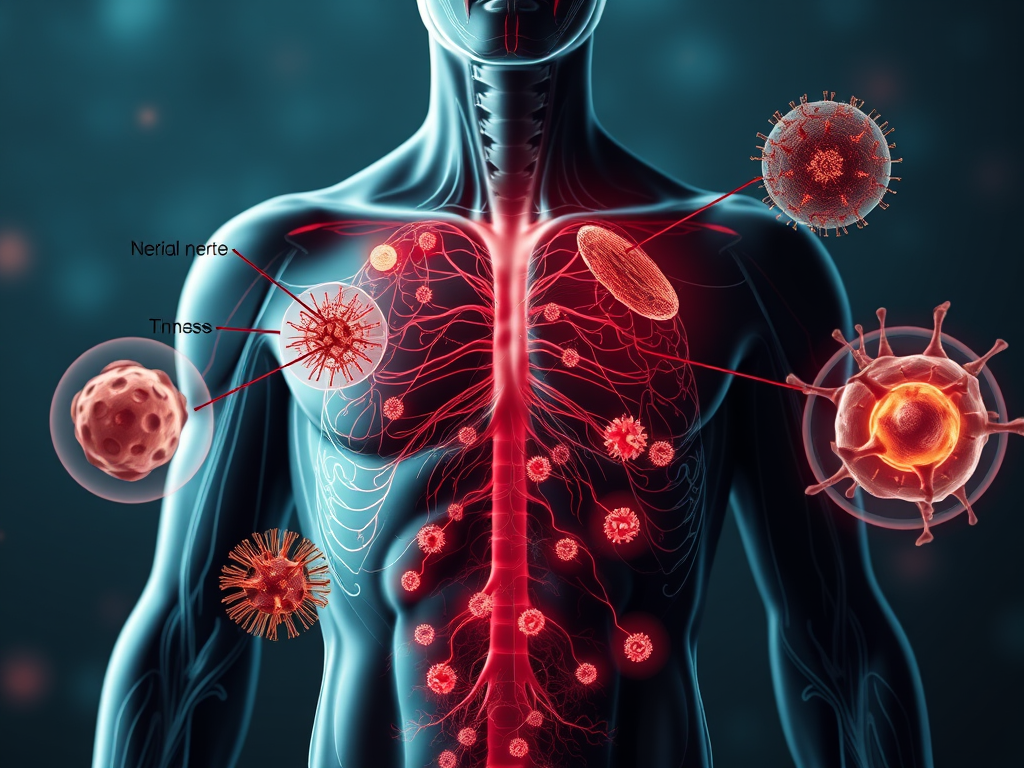
Our bodies are incredible machines constantly adjusting, healing, and protecting us from harm. But when something goes wrong, from infection to stress or injury, the body has a built-in set of alarms and defense systems that kick into gear. Understanding these reactions can help you recognize early warning signs and take better care of your health.


1. The Stress Response

When the brain senses danger physical or emotional it signals the adrenal glands to release adrenaline and cortisol. This is the “fight or flight” reaction. Your heart rate speeds up, blood pressure rises, and muscles tense, preparing your body to act fast.

Common triggers: Anxiety, trauma, or sudden physical exertion.
What to watch for: Rapid heartbeat, sweating, or feeling “on edge.”


2. The Immune Response

When bacteria, viruses, or toxins invade, the immune system launches an attack. White blood cells swarm to the area, causing inflammation redness, swelling, and warmth as part of the healing process.

Common triggers: Infection, injury, or allergic reactions.
What to watch for: Fever, fatigue, or localized pain.


3. The Pain Response

Pain is the body’s alarm system. Nerves send signals to the brain to warn that something is wrong. Acute pain helps you react quickly like pulling your hand away from a hot surface while chronic pain can signal ongoing issues that need attention.

Common triggers: Injury, inflammation, or nerve damage.
What to watch for: Persistent pain that doesn’t improve with rest or medication.


4. The Hormonal Response

Hormones regulate nearly every process in the body. When something goes off balance like blood sugar or thyroid function the body compensates by adjusting hormone levels. Over time, these shifts can lead to fatigue, mood swings, or weight changes.

Common triggers: Stress, poor diet, lack of sleep, or illness.
What to watch for: Sudden changes in energy, appetite, or emotional state.


5. The Cellular Repair Response

Cells are constantly repairing themselves. When DNA is damaged by sun exposure, toxins, or normal aging the body sends repair enzymes to fix it. If this process fails, it can lead to mutations or diseases.

Common triggers: UV light, pollution, smoking, or aging.
What to watch for: Slow healing wounds or unusual skin changes.


📊 Chart: How the Body Responds When Something Goes Wrong

Body SystemTriggerResponseCommon SymptomsPurpose
Nervous SystemStress, fear, traumaFight-or-flight (adrenaline surge)Fast heartbeat, sweating, tensionPrepare for danger
Immune SystemInfection or injuryInflammation, feverSwelling, fatigue, painDestroy invaders and heal tissue
Endocrine SystemHormonal imbalanceHormone release or suppressionMood swings, weight changeMaintain internal balance (homeostasis)
MusculoskeletalInjury or strainMuscle contraction, repair signalsPain, swelling, stiffnessProtect and heal damaged tissue
Cellular/DNA RepairUV, toxins, agingDNA repair or apoptosisSlow healing, fatiguePrevent mutation and maintain function

Why it Matters

Recognizing how your body responds to stress, injury, or imbalance helps you take control of your health. Awareness leads to action and action leads to prevention.

The Best Ways to Learn Faster and Improve Your Memory and How It Can Boost Your Health and Wealth

From classrooms to careers, the ability to learn quickly and remember effectively has become one of the most valuable skills a person can develop. Strong memory and sharper learning don’t just lead to better grades or job performance they also support long-term health and financial success. A stronger mind means better choices, less stress, and greater opportunities.

1. Embrace Active Learning
Engaging with material summarizing, teaching, or using flashcards creates stronger memory pathways. Beyond academics, this skill translates into sharper thinking in business and personal finance, where quick recall of information can mean smarter money choices.

2. Use Spaced Repetition
By reinforcing knowledge over time, you’re not only improving retention but also reducing the stress that comes with last-minute cramming. Lower stress means healthier blood pressure and better long-term focus both of which are linked to higher productivity and earning potential.

3. Prioritize Sleep
Sleep is the body’s reset button. It strengthens memory, sharpens focus, and promotes better decision-making. Studies show well-rested people are less likely to make impulsive purchases, more effective at managing investments, and healthier overall.

4. Exercise for Brain Health
Movement increases blood flow and oxygen to the brain, boosting memory and creativity. Regular exercise has also been tied to higher lifetime earnings by improving workplace performance and reducing healthcare costs.

5. Practice Mindfulness and Meditation
Mindfulness lowers stress hormones, improves concentration, and sharpens memory. The payoff is twofold: better mental health and more disciplined financial habits, since mindfulness helps people avoid emotional, costly decisions.

6. Fuel Your Brain with the Right Nutrition
A diet rich in brain-boosting foods like salmon, nuts, and leafy greens not only strengthens cognitive function but also reduces the risk of costly long-term health problems. Investing in nutrition today saves on medical expenses tomorrow.

7. Limit Multitasking
Single-tasking leads to better retention and fewer mistakes whether you’re learning new skills, balancing your budget, or making a career move. Fewer mistakes in health and financial decisions directly translate to long-term gains.

8. Use Mnemonics and Visualization
Simple memory tools like acronyms or visualization techniques make learning easier. Applied to personal finance or career growth, these methods help people remember key strategies, deadlines, and opportunities small advantages that compound into wealth.

Looking Ahead
Improving how you learn and remember doesn’t just give you an edge in the classroom or workplace. It’s also a blueprint for healthier living and greater financial success. By combining proven learning strategies with lifestyle habits that strengthen the brain, you can build a sharper mind, a stronger body, and a wealthier future.

Being a Caregiver: Supporting Others While Remembering to Care for Yourself

Being a caregiver is often described as one of the most selfless roles a person can take on. Whether caring for an aging parent, a child with special needs, or a loved one facing illness, caregivers provide daily support, patience, and compassion that are nothing short of extraordinary. But while they devote themselves to others, many caregivers struggle to prioritize their own well-being.

According to recent studies, caregivers are more likely to experience stress, fatigue, and health challenges due to the demands of their responsibilities. Experts agree that while the focus is naturally on the person receiving care, it’s just as important to provide resources and relief for those who give it.

So where can caregivers turn when it’s time to think about their own needs? The answer lies in small but meaningful acts of support from the community. If you know a caregiver who may need a helping hand, here are some simple yet effective ways you can make a difference:

  • Offer Practical Help – Everyday tasks like grocery shopping, meal prep, or running errands can be a heavy burden. Volunteering your time for these chores can give caregivers much-needed breathing room.
  • Be a Listening Ear – Sometimes, what a caregiver needs most is someone to talk to. Offering compassion and a safe space to share can ease feelings of isolation.
  • Encourage Self-Care – Remind caregivers that their health matters, too. Encourage them to rest, exercise, or take short breaks without guilt.
  • Connect Them to Resources – Local support groups, respite care services, and online communities can provide additional help and understanding.

“Caregivers are the backbone of our communities, but they can’t pour from an empty cup,” said one local health advocate. “Showing kindness and offering support ensures that they, too, have the strength to continue their vital role.”

Being a caregiver is about love and responsibility but it should never mean going it alone. By recognizing the challenges caregivers face and stepping in with support, friends, neighbors, and family members can play a key role in making their journey a little lighter.

10 Quotes to Embrace True Happiness: Wisdom for Everyday Life

Amid busy schedules, constant digital noise, and everyday stressors, the pursuit of true happiness remains a timeless quest. While philosophers, poets, and leaders throughout history have debated the meaning of joy, many have also offered words of wisdom that continue to inspire generations.

Here are ten quotes to embrace true happiness, reminding us that contentment often lies in perspective rather than possessions:

  1. Aristotle“Happiness depends upon ourselves.”
    A reminder that joy is cultivated from within, not handed to us by circumstance.
  2. Dalai Lama“Happiness is not something ready-made. It comes from your own actions.”
    Echoing the idea that daily choices and kindness shape our state of mind.
  3. Eleanor Roosevelt“Happiness is not a goal… it’s a by-product of a life well lived.”
    Joy emerges as a natural result of living with purpose and integrity.
  4. Albert Schweitzer“Happiness is nothing more than good health and a bad memory.”
    A humorous yet practical perspective on letting go of the past and valuing well-being.
  5. Victor Hugo“The supreme happiness of life is the conviction that we are loved.”
    Happiness often thrives in the warmth of human connection.
  6. Marcus Aurelius“Very little is needed to make a happy life; it is all within yourself.”
    A Stoic truth that joy is less about excess and more about appreciation.
  7. Audrey Hepburn“The most important thing is to enjoy your life—to be happy—it’s all that matters.”
    A simple yet profound truth from a timeless icon.
  8. Mahatma Gandhi“Happiness is when what you think, what you say, and what you do are in harmony.”
    Alignment of values and actions remains key to peace of mind.
  9. Buddha“There is no path to happiness: happiness is the path.”
    A spiritual perspective emphasizing that joy is a way of living, not a final destination.
  10. Ralph Waldo Emerson“For every minute you are angry you lose sixty seconds of happiness.”
    A gentle reminder to choose joy over resentment.

Taken together, these insights highlight that happiness is less about external gains and more about cultivating gratitude, love, simplicity, and authenticity. In today’s fast-paced society, pausing to reflect on these words may help us rediscover the power of joy in everyday life.

How I Keep My Brain Sharp as I Age

As I’ve gotten older, I’ve realized that taking care of my mind is just as important as taking care of my body. It’s not just about preventing memory lapses; it’s about staying sharp, curious, and engaged with life. Over the years, I’ve adopted several habits that I truly believe have helped me keep my brain in good shape—and the science backs it up.

Exercise Is My Non-Negotiable
I’ve found that moving my body daily, whether it’s a brisk walk, yoga, or light weightlifting, doesn’t just keep me physically fit—it clears my mind. Research shows that exercise increases blood flow to the brain and encourages the growth of new brain cells. I can feel the difference in my focus and energy on the days I move versus the days I don’t.

Food as Brain Fuel
What I eat has changed a lot. I’ve cut back on processed foods and leaned more into fresh vegetables, fruits, nuts, and fish. The Mediterranean diet, which many doctors recommend, isn’t just about longevity—it’s about mental clarity. When I eat clean, my thoughts feel sharper and my mood steadier.

Protecting My Sleep
In my younger years, I thought burning the candle at both ends was normal. Now, I treat sleep like medicine. Deep sleep helps my brain “clean house,” and when I get a solid 7–8 hours, my memory and problem-solving are noticeably better.

The Power of People
I’ve learned that socializing isn’t just about fun—it’s brain protection. Conversations, laughter, and community keep me engaged and emotionally balanced. Isolation, on the other hand, makes my mind feel sluggish.

Challenging My Mind Daily
Reading books, doing puzzles, or even trying to learn new skills keeps my brain on its toes. Recently, I started learning a new language—it’s humbling, but I can feel my brain stretching in ways it hasn’t in years.

Managing Stress the Hard Way
Stress used to be my constant companion. Over time, I noticed how it clouded my judgment and wore me down mentally. Now, I practice mindfulness and deep breathing. Even a few minutes of stillness in the morning changes how my entire day feels.

Checking In on My Health
Finally, I don’t ignore routine checkups anymore. Managing blood pressure, cholesterol, and overall health directly affects brain health. I’ve seen too many people neglect this, only to face cognitive issues later in life.

At the end of the day, brain health is not about one magic trick—it’s about small, consistent habits. For me, it’s a mix of movement, nourishment, rest, connection, curiosity, peace of mind, and medical awareness. And I can honestly say, these practices make me feel sharper, more alive, and ready for whatever comes next.

How Sports Have Enhanced My Health and Can Improve Yours Too

When I think about the biggest changes I’ve made to improve my health, sports are at the top of the list. For me, playing and staying active isn’t just about competition—it’s about feeling stronger, clearer, and more energized in my daily life.

Over the years, I’ve noticed how much better I feel when I make time for sports. My body is healthier, my mind is sharper, and even my outlook on life improves. The more I commit to staying active, the more I see the benefits build on each other.

What Sports Do for Me (and Can Do for You)

Here are some of the ways sports have made a positive impact on my health:

  • Boost my heart health – I can feel the difference in my stamina and endurance.
  • Build stronger muscles and bones – Staying active has helped me feel stronger and more balanced.
  • Help me manage weight – Playing sports burns off stress (and calories) at the same time.
  • Improve my flexibility and coordination – I move better and feel less stiff.
  • Reduce my stress and anxiety – There’s nothing like the mood boost after a good workout or game.
  • Help me sleep better – When I stay active, I fall asleep faster and rest deeper.
  • Strengthen my immune system – I notice I get sick less often.
  • Give me social connections – Team sports especially help me bond with others and feel part of something bigger.
  • Sharpen my focus – I concentrate better and make clearer decisions.
  • Add years to my life – Staying active makes me feel younger and healthier every day.

Why I Keep Playing

For me, sports are more than exercise—they’re a way to build confidence, relieve stress, and invest in my future health. No matter your age or skill level, there’s a sport out there for you. The key is finding something you enjoy and sticking with it.

I’ve learned that when I make time for sports, I’m not just playing a game—I’m building a better version of myself. And you can too.

The Joy of Adding a New Pet to Your Family

Life in our home just got a little more exciting. We recently welcomed a new cat into the family, which now brings us to three cats and one dog. It’s a full house, and while it means more food dishes, more fur on the couch, and a bit more chaos, I can already feel the positive impact on my mental health.

For me, pets are more than just companions-they’re a steady source of comfort and joy. On stressful days, there’s something grounding about a cat curling up in my lap or the dog nudging me for a walk. Each animal adds a different type of support. The cats bring a sense of calm, their quiet purrs easing my anxiety, while the dog encourages me to stay active and present.

I’ve noticed that with multiple pets, the benefits seem to multiply. There’s always a warm presence in the house, always a reminder that I’m not alone. It keeps me connected, responsible, and often laughing at their playful antics. Science backs this up too-studies show pets can reduce stress, ease depression, and even help create structure in daily life.

Of course, caring for four animals comes with challenges. It requires patience, time, and commitment. But the rewards-companionship, unconditional love, and a boost to my overall well-being-far outweigh the effort.

As I adjust to life with our newest cat, I’m reminded how much these animals give back. In a world that can feel overwhelming at times, their presence is a gentle reminder that joy can be found in small, furry packages. For me, a purr or a wagging tail isn’t just cute… it’s therapy.

Mastering Work-Life Balance: A Personal Journey

Finding balance between work and family has been one of the biggest challenges- and greatest lessons- of my life. For a long time, I thought I could achieve some magical state where everything stayed perfectly organized and everyone’s needs were met without any hiccups. I quickly learned that life doesn’t work that way. What I’ve discovered instead is that balance is a daily choice, a constant practice, and a mindset that helps me stay grounded when life gets messy.

It starts with being honest about my priorities. I know there will always be more emails to answer, calls to return, and projects to complete. But my family only gets one version of me-and I want that version to be fully present. That’s why I carve out dedicated time on my calendar for family dinners, school events, and quiet evenings at home. I block those moments off the same way I would for an important meeting with a client because, to me, they’re just as important.

Another thing that helps is clear and open communication. I talk to my family about my work schedule, and I keep my team at work updated on my family commitments. When everyone’s on the same page, it’s easier to manage expectations and avoid unnecessary stress. I’ve learned that it’s okay to ask for help or to say “no” when my plate is too full. It doesn’t make me any less dedicated-it just makes me human.

I also try to protect small moments for myself. These pockets of time-like enjoying my morning coffee before anyone else is awake, squeezing in a quick workout, or reading a few pages of a book before bed-give me the energy to show up for both work and family. I’ve found that when I neglect my own needs, it catches up with me fast. Self-care isn’t selfish; it’s essential.

Flexibility is another big piece of the puzzle. Some days, work will demand more of my time. Other days, family emergencies or milestones take priority. Instead of getting frustrated when plans change, I remind myself that balance isn’t about splitting my time evenly every day-it’s about adjusting as life unfolds. I try to be kind to myself when things don’t go perfectly.

Finding balance will always be a moving target for me, but over time, I’ve gotten better at recognizing what works and what doesn’t. I’ve stopped trying to do it all at once. Instead, I focus on being fully present wherever I am-whether I’m leading a meeting, helping with homework, or just laughing around the dinner table.

In the end, my biggest takeaway is that balance doesn’t come from rigid rules-it comes from giving myself grace, staying flexible, and remembering what matters most. And as long as I keep showing up for both my work and my family with intention and love, I know I’m doing something right.

The Impact of Mental Health on Physical Well-being

A growing body of research has confirmed what many have long suspected: your mental health has a profound effect on your physical health. The relationship between the mind and body is not just metaphorical—it’s biological, chemical, and very real.

The Hidden Toll of Stress and Anxiety
Stress, anxiety, and depression can do more than cloud your thoughts—they can literally wear down your body. Chronic stress triggers the release of hormones like cortisol and adrenaline, which are helpful in short bursts but harmful when sustained. Elevated cortisol levels over time have been linked to high blood pressure, weakened immune function, and increased risk of heart disease.

“When someone experiences chronic anxiety or depression, the brain’s constant state of alert can keep the body in a low-level fight-or-flight mode,” explains Dr. Tara Simmons, a clinical psychologist. “This state contributes to inflammation, sleep disruption, and poor digestion—conditions that can lead to more serious physical illnesses.”

Mental Health and Chronic Conditions
There’s a strong correlation between mental health disorders and chronic physical illnesses. People suffering from depression, for instance, are more likely to develop conditions like diabetes, arthritis, and cardiovascular disease. At the same time, those living with chronic illnesses are more prone to experiencing anxiety or depression, creating a cycle that can be difficult to break.

One study published in the Journal of the American Heart Association found that patients with heart disease who also suffer from depression were twice as likely to die from cardiac-related causes compared to those without depression.

Immune Function and Inflammation
Mental health also plays a crucial role in immune system performance. Depression and chronic stress can suppress the immune response, making the body more vulnerable to infections and slowing down recovery times. On the other hand, positive mental health is associated with a stronger immune system and better resilience in the face of illness.

In particular, inflammation—the body’s natural response to injury or illness—can be exacerbated by poor mental health. Long-term inflammation is a key contributor to diseases such as cancer, Alzheimer’s, and autoimmune disorders.

The Path Forward: Treating the Whole Person
Fortunately, this connection also offers a path to better health. Taking care of your mental well-being—through therapy, medication, mindfulness, exercise, or social support—can directly improve your physical health.

Healthcare providers are increasingly embracing integrative approaches that address both mental and physical health. Routine screenings for depression and anxiety are becoming more common in primary care settings, and many insurance plans now include mental health services as part of holistic wellness programs.

“It’s time we stop treating the body and mind as separate entities,” says Dr. Simmons. “Whole-person care is the future of medicine.”

Takeaway:
Mental health isn’t just about feeling good emotionally—it’s foundational to your overall health. By investing in your mental well-being, you’re also protecting your heart, your immune system, and your long-term quality of life.

If you’re struggling, you’re not alone—and help is out there. A healthier mind leads to a healthier body.