Why Protecting Your Business Against Cybersecurity Threats is Essential

Cybersecurity threats have become a major concern for businesses of all sizes. With cyberattacks on the rise, failing to safeguard sensitive data can result in devastating consequences, including financial losses, reputational damage, and legal repercussions.

The Growing Threat of Cybercrime

Cybercriminals are constantly developing new tactics to exploit vulnerabilities in business networks. From ransomware attacks to data breaches and phishing scams, organizations face a variety of risks that can compromise customer information, trade secrets, and financial records. According to cybersecurity reports, cybercrime is projected to cost the global economy trillions of dollars annually, highlighting the urgent need for proactive security measures.

Financial and Reputational Risks

A successful cyberattack can have severe financial implications, including loss of revenue, regulatory fines, and the high costs of recovering compromised systems. Beyond monetary losses, businesses may suffer reputational harm, leading to decreased customer trust and lost business opportunities. A single security breach can permanently damage a company’s brand and credibility.

Compliance and Legal Consequences

Businesses that handle sensitive customer data are often subject to strict regulatory requirements. Failing to implement proper cybersecurity measures can result in non-compliance with laws such as the General Data Protection Regulation (GDPR) and the California Consumer Privacy Act (CCPA). Non-compliance can lead to hefty fines and legal action, further impacting a company’s bottom line.

Best Practices for Cybersecurity Protection

To mitigate cybersecurity threats, businesses should adopt a multi-layered security approach that includes:

  • Regular software updates to patch vulnerabilities and enhance security.
  • Employee training programs to educate staff on recognizing phishing scams and security best practices.
  • Strong password policies and multi-factor authentication to secure accounts.
  • Data encryption and backups to protect sensitive information and ensure quick recovery in case of an attack.
  • Network security measures such as firewalls, antivirus software, and intrusion detection systems.

Portrait of tired programer rubbing eyes while typing on laptop sitting at desk with multiple screens parsing code in software agency. Coder losing focus while working on user interface.

Stay Protected – Contact Me Today

Investing in cybersecurity is not just an option—it is a necessity for businesses that want to protect their assets, customers, and reputation. By implementing robust security measures and staying informed about emerging threats, companies can minimize risks and ensure long-term success in an increasingly digital world. If you want to learn more about how to safeguard your company’s data and infrastructure, don’t hesitate to reach out. Contact me today to discuss the best cybersecurity insurance solutions tailored to your business needs.

Why You Should Consider Medical Payments Coverage for Your Auto Policy

When selecting auto insurance coverage, many drivers focus on liability, collision, and comprehensive coverage. However, one often-overlooked component that could make a significant difference in the event of an accident is Medical Payments Coverage, also known as MedPay.

What is Medical Payments Coverage?

MedPay is an optional add-on to your auto insurance policy that helps cover medical expenses for you and your passengers, regardless of who is at fault in an accident. This can include hospital visits, surgeries, X-rays, ambulance fees, and even funeral expenses.

Reasons to Consider Medical Payments Coverage

  1. Covers Out-of-Pocket Medical Expenses

Even if you have health insurance, MedPay can help cover deductibles, co-pays, and other out-of-pocket expenses. This means less financial burden in case of an accident-related injury.

  1. Provides Immediate Medical Coverage

Unlike health insurance, which may have waiting periods or require approvals for certain procedures, MedPay provides immediate coverage for medical costs, ensuring quick access to necessary treatments.

  1. Covers You and Your Passengers

MedPay not only covers the policyholder but also any passengers in the vehicle at the time of the accident. This can be especially beneficial if you frequently drive with family or friends.

  1. Extends Beyond Car Accidents

In many cases, MedPay can cover medical expenses if you are injured as a pedestrian, bicyclist, or even while riding public transportation, adding an extra layer of protection.

  1. No Deductibles or Co-Pays

Unlike standard health insurance, MedPay typically does not require a deductible or co-pay, allowing you to receive the full benefits of the coverage without additional costs.

A Small Price for Peace of Mind

Adding MedPay to your auto insurance policy is relatively affordable compared to other types of coverage. The cost varies based on your insurer and coverage limits, but it can provide significant financial relief in case of an accident.

While MedPay is optional in most states, its benefits make it a worthy consideration for drivers looking for extra financial protection. Consult with your insurance agent to determine if Medical Payments Coverage is right for you.

For more information about auto insurance options, contact your local insurance professional and reach out to me today. Let’s make sure you’re covered whatever comes your way.

About the Author:

David Dandaneau is a insurance agent that covers the insurance and financial services industry. He is known for his insightful analysis and comprehensive coverage of market trends and regulatory developments.

Understanding Short and Long-Term Disability Insurance

When considering insurance policies, most people think about health, auto, and homeowners’ coverage. However, one critical form of protection often overlooked is disability insurance. Whether due to an illness, injury, or unforeseen medical condition, being unable to work can significantly impact your financial stability. This is where short- and long-term disability insurance can provide a vital safety net.

Understanding Short-Term Disability Insurance

Short-term disability (STD) insurance is designed to provide income replacement for a limited period when an individual cannot work due to a temporary illness or injury. This type of policy typically covers a percentage of the insured’s salary—usually between 40% and 70%—for a period ranging from a few weeks to several months, depending on the policy.

Common conditions that may qualify for short-term disability include:

  • Recovery from surgery
  • Pregnancy and childbirth
  • Severe illness (e.g., pneumonia)
  • Injuries from accidents

The Benefits of Long-Term Disability Insurance

Long-term disability (LTD) insurance kicks in when short-term benefits expire. This coverage is crucial for individuals who face extended periods away from work due to severe medical conditions. LTD policies generally cover 50% to 70% of an individual’s income and can last for years—sometimes until retirement age, depending on the plan.

Typical conditions that may qualify for long-term disability benefits include:

  • Cancer treatments
  • Chronic diseases (e.g., multiple sclerosis, lupus)
  • Major injuries (e.g., spinal cord damage, paralysis)
  • Mental health conditions (e.g., severe depression, PTSD)

Why You Should Consider Disability Insurance

Financial Security – Without a steady paycheck, managing everyday expenses such as rent, mortgage, and medical bills can become overwhelming. Disability insurance ensures that you have a financial buffer in place.

Peace of Mind – Knowing that you have coverage in case of an unexpected disability allows you to focus on recovery rather than worrying about finances.

Employer Benefits May Not Be Enough – While some employers offer disability coverage, these policies may have limitations in terms of payout percentage and duration. Having your own policy ensures comprehensive coverage tailored to your needs.

Protects Your Future Earnings – A long-term illness or injury can derail your financial plans. Disability insurance helps preserve your ability to maintain financial independence even when you cannot work.

Disability insurance is an essential component of a well-rounded financial plan. Whether you opt for short-term, long-term, or both, these policies provide invaluable protection in case life takes an unexpected turn. If you haven’t yet considered adding disability insurance to your coverage, now may be the time to evaluate your options and secure your financial future. If you have questions or would like a quote contact me directly and we will get you started.

Florida’s Personal Injury Protection (PIP) Insurance: What Policyholders Need to Know

Florida — Personal Injury Protection (PIP) insurance is a critical component of auto insurance coverage for Florida drivers. As a no-fault state, Florida law requires motorists to carry PIP coverage to ensure swift access to medical treatment and other essential benefits after an accident, regardless of who is at fault.

What Is PIP Insurance?

PIP, also known as “no-fault insurance,” is designed to cover medical expenses, lost wages, and other costs associated with an accident. Florida law mandates that all vehicle owners carry a minimum of $10,000 in PIP coverage as part of their auto insurance policy.

What Does PIP Cover?

PIP provides a variety of benefits to policyholders, including:

Medical Expenses – Covers up to 80% of necessary medical costs, such as hospital visits, surgeries, rehabilitation, and diagnostic services, up to the policy limit.

Lost Wages – Compensates injured policyholders for lost income, covering up to 60% of wages if the injuries prevent them from working.

Death Benefits – Provides up to $5,000 in benefits to the family of a policyholder who dies as a result of an accident.

Replacement Services – Covers essential services such as childcare, housekeeping, or transportation if the injured person is unable to perform them due to the accident.

Key Limitations and Considerations

While PIP provides crucial financial relief, it does have limitations:

Coverage Limits – The $10,000 coverage may not be sufficient for severe injuries requiring long-term treatment.

Emergency Medical Condition (EMC) Requirement – Florida law requires policyholders to receive initial medical treatment within 14 days of an accident. If an injury is not deemed an EMC, PIP coverage may be limited to $2,500 instead of the full $10,000.

Exclusions – PIP does not cover property damage, and certain medical treatments may not be fully reimbursed.

Why PIP Matters in Florida

Florida’s PIP system ensures that drivers and passengers receive immediate medical care after an accident without waiting for fault to be determined. This reduces legal disputes and allows for faster claim processing. However, due to high fraud rates and rising insurance costs, there have been ongoing debates about potential reforms to Florida’s no-fault system.

For Florida drivers, understanding PIP coverage is essential for financial protection in the event of an accident. Policyholders should review their policies carefully and consider additional coverage options, such as Bodily Injury Liability (BIL) or MedPay, to enhance their protection. If you have questions about your auto insurance coverage, consulting with an experienced insurance agent can help you make informed decisions.

About the Author:

David Dandaneau is a insurance agent that covers the insurance and financial services industry. He is known for his insightful analysis and comprehensive coverage of market trends and regulatory developments.

Why You Should Review Your Car Insurance Premiums Every Year

Every year, millions of drivers renew their car insurance policies without giving them a second thought. However, failing to review your coverage annually could mean missing out on potential savings or leaving yourself underinsured in the event of an accident. Understanding key aspects of your policy—such as bodily injury liability, property damage coverage, and personal injury protection—can help you make informed decisions and ensure you have the right protection at the best price.

Rates Change, and So Should Your Coverage
Car insurance premiums fluctuate based on multiple factors, including your driving history, credit score, local accident trends, and even changes in state laws. A rate that was competitive last year may no longer be the best option today. By reviewing your policy annually, you can compare quotes from different providers and adjust your coverage to match your current needs.

Bodily Injury Liability: Are You Adequately Covered?
Bodily injury liability coverage is crucial because it helps pay for medical expenses, lost wages, and legal fees if you’re at fault in an accident that injures another person. Many states set minimum coverage requirements, but these may not be sufficient in a serious accident. Reviewing your policy ensures that your coverage limits are high enough to protect your assets if you’re sued.

Property Damage Liability: Protecting More Than Just Cars
Property damage liability covers the costs of repairing or replacing another person’s vehicle or property if you’re responsible for an accident. With the rising cost of car repairs and replacements, minimum state-required coverage may not be enough. A yearly policy review can help you determine if increasing your limits is necessary to avoid paying out of pocket in a worst-case scenario.

Personal Injury Protection (PIP): Covering Your Medical Costs
Personal injury protection, or PIP, is required in some states and optional in others. It helps cover medical expenses, lost wages, and even funeral costs for you and your passengers, regardless of fault. As healthcare costs continue to rise, ensuring that your PIP coverage is sufficient can prevent financial strain in the event of an accident.

Discounts and Savings You Might Be Missing
Many insurers offer discounts for safe driving, bundling policies, vehicle safety features, and even good credit. However, these discounts aren’t always applied automatically. Reviewing your policy yearly allows you to check for any available savings and ensure you’re not overpaying.

When Should You Review Your Policy?
Experts recommend reviewing your car insurance at least once a year or whenever a significant life event occurs, such as:

  • Buying a new car
  • Moving to a new location
  • Getting married or divorced
  • Adding a teen driver to your policy
  • Experiencing changes in your driving habits

    Your car insurance policy is not a “set it and forget it” expense. Taking the time to review your coverage each year can save you money, ensure adequate protection, and provide peace of mind on the road. By staying proactive and informed, you can make sure you’re getting the best value without compromising on essential coverage.

About the Author:

David Dandaneau is a insurance agent that covers the insurance and financial services industry. He is known for his insightful analysis and comprehensive coverage of market trends and regulatory developments.

SOFI Stock: A Promising Investment Opportunity for the Future

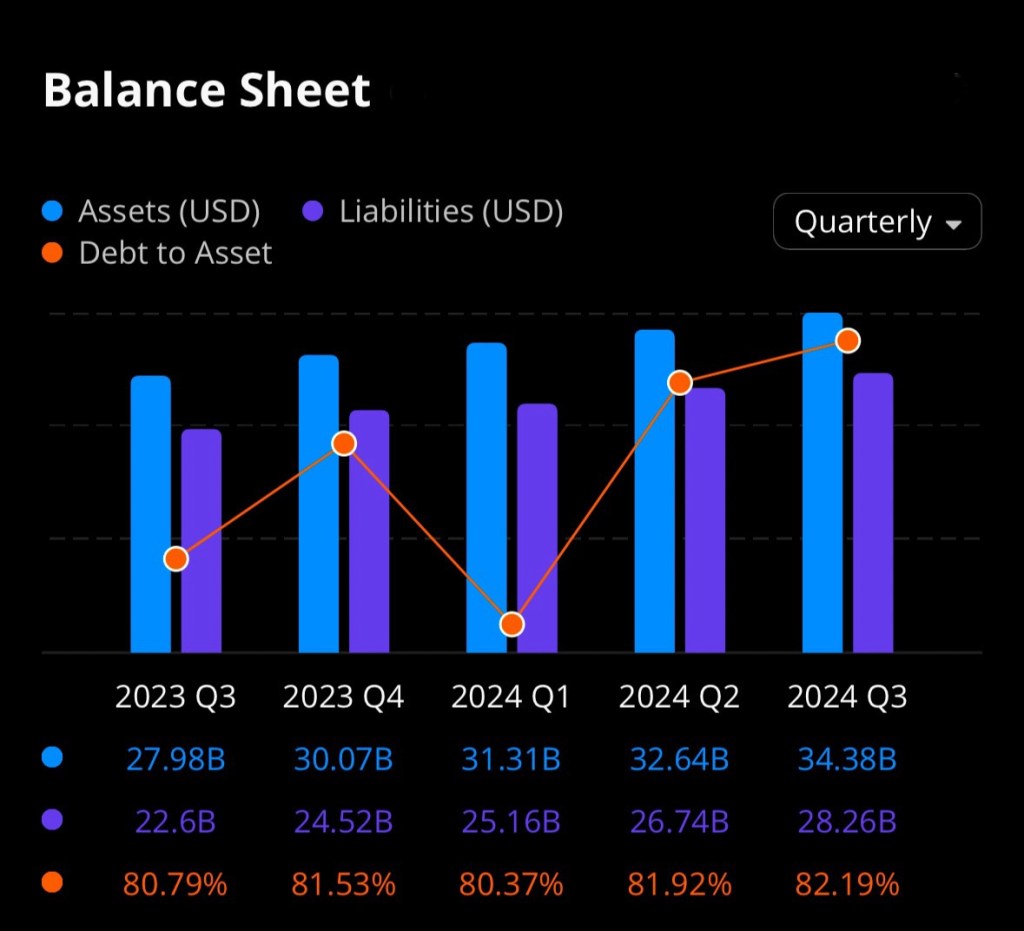
SoFi Technologies Inc. (NASDAQ: $SOFI) has been making waves in the financial services industry with its innovative approach to digital banking and lending. As a disruptor in the fintech space, SoFi is well-positioned to capitalize on the evolving preferences of tech-savvy consumers and investors alike. Here’s why SOFI stock could be a strong addition to your portfolio for the future.

  1. Expanding Product Ecosystem

SoFi offers a comprehensive range of financial products and services, including student loan refinancing, personal loans, mortgages, investment management, and checking and savings accounts. This diversified product suite not only caters to various customer needs but also promotes cross-selling opportunities within its ecosystem. The company’s “SoFi Relay” and “SoFi Invest” platforms have particularly gained traction among younger consumers who seek a seamless, all-in-one financial solution.

  1. Strong Growth Metrics

SoFi has reported impressive growth in recent quarters, driven by its increasing customer base and expanding revenue streams. The company’s membership count recently surpassed the 10 million mark, reflecting a year-over-year growth of over 40%. Such robust growth metrics highlight the effectiveness of SoFi’s business strategy and its ability to scale operations efficiently.

  1. The Digital Banking Revolution

The global banking landscape is undergoing a significant transformation, with digital-first platforms gaining popularity over traditional brick-and-mortar institutions. SoFi’s fully digital infrastructure and user-friendly mobile app place it at the forefront of this revolution. As more consumers shift to digital banking, SoFi’s market share is expected to grow, further solidifying its position in the fintech industry.

  1. Unique Competitive Advantages

One of SoFi’s standout features is its recently acquired banking charter. This allows the company to offer banking services without relying on third-party partnerships, reducing costs and improving profit margins. Moreover, SoFi’s proprietary technology and data-driven insights give it a competitive edge in delivering personalized financial solutions.

  1. Tailwinds from Student Loan Refinancing

With the federal student loan moratorium ending, SoFi’s student loan refinancing segment is expected to see a surge in demand. This development could significantly boost the company’s revenue in the near term, adding to its already strong growth trajectory.

  1. Analyst Optimism

Many analysts remain bullish on SOFI stock, citing its growth potential and strategic initiatives. The company’s focus on profitability, coupled with its expanding market reach, has garnered positive sentiment from Wall Street. Some analysts have even raised their price targets, suggesting substantial upside potential for the stock.

Risks to Consider

While SoFi’s growth story is compelling, investors should be mindful of potential risks, such as regulatory changes, competition from other fintech players, and macroeconomic factors that could impact consumer borrowing trends. Additionally, the company’s path to sustained profitability remains a critical factor to monitor.

SoFi Technologies is revolutionizing the financial services industry with its innovative products and customer-centric approach. Its strong growth metrics, expanding product ecosystem, and strategic advantages make SOFI stock a promising investment for the future. While risks exist, the company’s long-term growth potential and market leadership position offer an attractive opportunity for investors seeking exposure to the burgeoning fintech sector.

Disclosure: I currently hold a position in SoFi Technologies, Inc. ($SOFI). This article reflects my personal opinions and analysis, and is not intended as financial advice. Please conduct your own research or consult a financial advisor before making any investment decisions.

Why Renters Insurance is a Must-Have for Renters

By David Dandaneau

Renting a home or apartment can be a convenient and flexible way to live, but many renters overlook a critical aspect of their financial security: renters insurance. If you’re currently renting, here’s why this affordable coverage should be on your radar.

  1. Protect Your Personal Belongings
    Did you know your landlord’s insurance only covers the building structure, not your personal belongings? In the event of a fire, theft, or water damage, renters insurance can reimburse you for lost or damaged items such as electronics, furniture, and clothing.
  2. Liability Coverage
    Accidents happen. If someone gets injured in your rental or you accidentally damage someone else’s property, renters insurance can help cover medical and legal costs. This liability coverage can save you thousands in out-of-pocket expenses.
  3. Temporary Housing Costs
    If your rental becomes uninhabitable due to a covered event like a fire, renters insurance can help pay for temporary housing expenses, ensuring you have a safe place to stay while repairs are made.
  4. It’s Surprisingly Affordable
    Most renters insurance policies cost less than a daily cup of coffee, with monthly premiums averaging around $15–$30. This small investment provides peace of mind and financial protection against unexpected events.
  5. Peace of Mind
    Renters insurance eliminates the “what if” worries that come with renting. Knowing that you’re protected against unforeseen circumstances can help you focus on enjoying your home.

Don’t Wait Until It’s Too Late
Disasters strike when you least expect them, and the cost of replacing everything you own or dealing with liability claims can be overwhelming. By getting renters insurance, you’re taking a proactive step to safeguard your financial future.

For more information or to get started with a renters insurance policy, contact me today. I’m here to help you find affordable coverage that fits your needs and protects what matters most.

About the Author:

David Dandaneau is a insurance agent that covers the insurance and financial services industry. He is known for his insightful analysis and comprehensive coverage of market trends and regulatory developments.

Why Uninsured Motorist Coverage Is a Crucial Addition to Your Auto Insurance Policy

When it comes to shopping for auto insurance, many drivers prioritize liability coverage, collision, and comprehensive policies. However, one often-overlooked option that can be a lifesaver in the event of an accident is uninsured motorist (UM) coverage.

The Growing Concern: Uninsured Drivers
According to a recent report by the Insurance Research Council (IRC), nearly 1 in 8 drivers in the United States is uninsured. In some states, the percentage is even higher, posing a significant risk to insured motorists. If you are involved in an accident with an uninsured driver, you could be left footing the bill for medical expenses, vehicle repairs, and other damages—costs that can quickly add up to tens of thousands of dollars.

What Is Uninsured Motorist Coverage?
Uninsured motorist coverage is designed to protect you financially if you are hit by a driver who doesn’t carry auto insurance. In many cases, it also covers underinsured motorists—drivers whose insurance limits are too low to fully compensate for the damages they cause.

UM coverage typically applies to:

  • Medical expenses for you and your passengers.
  • Lost wages due to injuries sustained in the accident.
  • Pain and suffering caused by the collision.
  • Funeral expenses, if applicable.


Benefits of Uninsured Motorist Coverage
1) Peace of Mind: Knowing you’re protected against the financial fallout of an uninsured driver gives you one less thing to worry about on the road.
2) Affordable Protection: Adding UM coverage to your policy is often relatively inexpensive, especially when compared to the potential costs of being hit by an uninsured driver.
3) Broader Coverage: In some cases, UM coverage extends beyond just your car. It can also apply if you’re struck as a pedestrian or while riding a bicycle.


Real-Life Scenarios: Why UM Coverage Matters
Imagine being rear-ended at a red light, only to discover the at-fault driver lacks insurance. Without UM coverage, you’d be forced to rely on your own savings or health insurance to cover expenses. UM coverage steps in where the other driver’s policy should have, ensuring you aren’t left in financial ruin.

Is It Required?
While some states mandate uninsured motorist coverage, in many others, it’s optional. Even if it’s not required, insurance experts strongly recommend including it in your policy.

How to Choose the Right Coverage
When shopping for UM coverage, consider factors like:

  • The likelihood of encountering uninsured drivers in your area.
  • The limits of your health insurance, which may not fully cover accident-related injuries.
  • The value of your vehicle and any potential out-of-pocket repair costs.

Final Thoughts
Uninsured motorist coverage isn’t just an add-on; it’s a safety net. With the number of uninsured drivers on the road today, ensuring you’re covered is a practical and smart financial decision. When discussing your options with an insurance agent, be sure to explore UM coverage and how it can protect you and your loved ones from life’s unexpected moments.

For more information or a personalized quote, contact me directly or your local insurance agent today.

About the Author:

David Dandaneau is a insurance agent that covers the insurance and financial services industry. He is known for his insightful analysis and comprehensive coverage of market trends and regulatory developments.

Why You Should Consider Medical Payments Coverage for Your Auto Insurance

When thinking about auto insurance, most drivers focus on liability, collision, and comprehensive coverage. However, an often-overlooked option that could make a significant difference in the aftermath of an accident is Medical Payments Coverage, also known as MedPay. This add-on can provide critical financial relief, covering medical expenses regardless of who is at fault in an accident.

What Is Medical Payments Coverage?
Medical Payments Coverage is an optional component of auto insurance that helps pay for medical and funeral expenses resulting from a car accident. Unlike health insurance, MedPay covers a broader range of scenarios, including injuries sustained by passengers, pedestrians, or cyclists involved in the accident.

Why Should You Consider MedPay?
Covers Gaps in Health Insurance
Many health insurance policies have high deductibles or limited coverage for accident-related injuries. MedPay can step in to cover out-of-pocket expenses like copays, deductibles, and even ambulance fees, reducing the financial burden during recovery.

No Fault, No Problem
MedPay applies regardless of who caused the accident. Whether you or another driver is at fault, this coverage ensures that medical bills are taken care of without lengthy legal battles or delays.

Covers More Than Just Medical Bills
MedPay can extend beyond hospital visits to include services like dental care, rehabilitation, prosthetic devices, and even funeral expenses. This comprehensive approach ensures that all aspects of recovery are considered.

Affordable Addition to Your Policy
Typically, adding MedPay to your auto insurance policy is relatively inexpensive compared to other types of coverage. For a modest increase in your premium, you gain peace of mind knowing you’re protected against unexpected medical costs.

Peace of Mind for Passengers
If you often drive with family or friends, MedPay ensures their medical expenses are also covered. This added protection can be a significant relief, especially in severe accidents involving multiple passengers.

Real-Life Scenarios
Imagine being involved in a minor accident where you and your passengers sustain injuries requiring emergency room visits. Without MedPay, you could face thousands of dollars in medical bills, even with health insurance. With MedPay, those expenses are covered, allowing you to focus on recovery rather than finances.

Is MedPay Right for You?
While MedPay is optional, it can be a valuable safety net for drivers concerned about potential medical costs after an accident. If you have a high-deductible health plan, frequently transport passengers, or simply want extra peace of mind, MedPay could be a smart addition to your auto insurance policy.

Before finalizing your auto insurance, consider discussing MedPay with your agent. This small but impactful choice could save you significant financial stress in the event of an accident. If you’re unsure whether MedPay is right for you, don’t hesitate to reach out to me for personalized guidance. I can help you understand your options and tailor a policy that fits your needs and budget.

About the Author:

David Dandaneau is a insurance agent that covers the insurance and financial services industry. He is known for his insightful analysis and comprehensive coverage of market trends and regulatory developments.

Understanding PIP Insurance in Florida: What You Need to Know

Florida drivers face unique challenges when it comes to auto insurance, particularly with the state’s no-fault laws. At the heart of this system is Personal Injury Protection (PIP) insurance, a coverage type designed to provide quick access to medical care and financial support after an accident—regardless of who caused it. Here’s a closer look at PIP insurance and why it’s essential for Floridians.

What Is PIP Insurance?

PIP insurance, often referred to as no-fault insurance, is required for all vehicle owners in Florida. The minimum coverage includes:

  • $10,000 for medical expenses: Covers up to 80% of medical bills for accident-related injuries.
  • $5,000 in death benefits: Provides compensation to your family in the event of a fatal accident.
  • Lost wages reimbursement: Covers up to 60% of lost income if you are unable to work due to accident injuries.

Why Is PIP Important?

PIP coverage ensures that medical bills and other immediate expenses are addressed promptly, even before liability is determined. This can be especially critical in Florida, where motor vehicle accident rates are among the highest in the nation.

What Does PIP Cover?

PIP insurance doesn’t just apply to the driver—it extends to passengers, pedestrians, and even family members in certain situations. Common expenses covered by PIP include:

  • Hospital visits and medical treatments
  • Physical therapy
  • Rehabilitation services
  • Prescriptions
  • Household services if you’re unable to perform daily tasks

Common Questions About PIP

  1. Can I waive PIP coverage?
    No, it’s mandatory for all vehicle owners in Florida. However, you can purchase additional coverage for more comprehensive protection.
  2. Does PIP cover pain and suffering?
    No, PIP is limited to tangible financial losses. Compensation for pain and suffering typically falls under separate liability claims.
  3. What happens if my expenses exceed PIP limits?
    If your medical bills or losses exceed the $10,000 minimum coverage, you may need to rely on health insurance, MedPay, or legal action against the at-fault party.

Make Sure You’re Covered

Navigating the complexities of Florida’s auto insurance laws can be overwhelming, but having a clear understanding of your PIP coverage is the first step to protecting yourself and your family.

Have questions or need help reviewing your policy? Contact me today! As an experienced insurance professional, I can help you better understand your coverage options and ensure you’re fully protected on Florida’s roads.

About the Author:

David Dandaneau is a insurance agent that covers the insurance and financial services industry. He is known for his insightful analysis and comprehensive coverage of market trends and regulatory developments.