Why We Always Find Ourselves Waiting: The Hidden Cost of Life’s Slowdowns

Waiting might be one of the few universal human experiences that transcends age, background, income, geography, and even personality. Whether we’re stuck in a doctor’s office long past our appointment time, refreshing a stock chart hoping for a green candle, or watching an insurance claim crawl its way through the system, waiting is a constant companion. And while it can be frustrating, it also reveals a lot about how modern life actually works.

The Doctor Will Be With You… Eventually

Anyone who has ever dealt with healthcare knows that time moves differently in a medical office. You check in early, only to wait 20 minutes to be called, 10 more in the exam room, and maybe another week to get your test results.

Doctors aren’t slow because they want to be; they’re slow because they must be. Every patient brings unpredictability. A quick check-up can instantly turn into a crisis, care requires paperwork, and healthcare systems are overloaded. But as patients, it doesn’t feel like logistics—it feels like we’re just waiting… and waiting.

Many people walk out feeling like they spent more time sitting than being seen. And that’s because they have.

Waiting on the Markets: The Slow Burn of Investing

If there’s any arena that tests patience like a doctor’s office, it’s the stock market. You can research the perfect company, run the numbers, time your entry… and still spend weeks or months waiting for the payoff.

Stocks rarely move on our schedule. Bull markets take time to build, bear markets linger longer than anyone likes, and sideways trading can feel like a cosmic joke designed to test your discipline. You watch your screen, refresh your app, maybe check the news again—just in case something changed in the last 45 seconds.

But over the long run, waiting is the strategy. The real returns historically come not from timing the market, but time in the market. Yet even knowing that, we still find ourselves impatient, hoping our future arrives faster.

Insurance: The Art of Hurry Up and Wait

Insurance is another world where waiting feels baked into the design. You file a claim and expect progress. Instead, you’re asked for more documentation, another photo, a follow-up call, a review, an inspection… and then another review.

Insurance companies aren’t trying to delay—they’re trying to verify. Risk assessment requires accuracy, and accuracy takes time. But when it’s your car, your home, your medical bill, or your livelihood on the line, the process can feel like a slow-motion movie you can’t fast-forward.

Ironically, we pay for insurance to create peace of mind, but the waiting period is often when we feel the least at peace.

Everyday Waiting: The Silent Theme of Modern Life

Outside those big moments, waiting quietly follows us everywhere:

  • Waiting for a package that says “Out for delivery” for eight hours
  • Waiting for traffic to move
  • Waiting for approval, promotion, or a simple call-back
  • Waiting for the next phase of life—marriage, career change, retirement
  • Waiting for things to “finally calm down” (which never seems to happen)

Humans weren’t built to sit in uncertainty. Psychologically, waiting triggers the same stress response as danger. Our brains want clarity and control—two things waiting rarely provides.

The Hidden Reason We Wait: Progress Takes Time

Whether it’s the doctor, the market, insurance, or our daily errands, waiting is ultimately a byproduct of systems in motion. Progress doesn’t happen in a straight line or on a schedule we set.

In many ways, waiting is proof that something is happening:

  • The doctor is giving someone else the attention you’ll soon get
  • The stock market is adjusting, recalibrating, and preparing for the next move
  • The insurance company is verifying everything you need to protect your future
  • Life is unfolding in real time—not rushed, not delayed, simply moving at its own pace

We wait because the world is constantly working behind the scenes, even when we can’t see it.

Turning Waiting Into Something Useful

While we can’t eliminate waiting, we can change what it means to us. Waiting offers a rare chance to pause—a moment to reflect, reset, or simply breathe. It forces us to surrender a little control and trust the process, uncomfortable as that may be.

Because when the moment finally comes—whether it’s the doctor walking in, your stock finally breaking out, or the insurance claim resolving—waiting reminds us that good things often take time.

And maybe, just maybe, learning to wait is one of the most valuable skills we’ll ever develop.

Embracing Purpose Amid Adversity in 2025

In a world that moves faster every year, 2025 has become a year of reflection. People are revisiting past decisions—career moves, relationships, financial choices, lifestyle habits—with a clearer lens and a deeper understanding of consequence. The old saying “everything happens for a reason” has resurfaced from a previous post of mine, not as a cliché, but as a guidepost for navigating uncertainty and reconciliation in our lives.

A Shift Toward Reflective Living

Across the country, more Americans are reporting that they feel more intentional than they did a decade ago. According to several national surveys, individuals in their 30s, 40s, and 50s say they now view pivotal moments—good and bad—as necessary steps that shaped their current stability. This movement toward reflective living has become especially prominent after years of global disruptions and economic volatility.

“For many, 2025 is the year of understanding,” says life coach and behavioral specialist Dana Reeves. “People look back and realize that even the setbacks taught them something that ultimately pushed them forward.”

Learning From Past Decisions

The theme of “If I knew then what I know now” has been revisited in countless workplaces, retirement discussions, and financial planning meetings. Individuals who once regretted switching careers, making certain investments, or delaying big decisions are beginning to see those choices differently.

Many professionals say that hardships in earlier years helped them build resilience, leading to promotions, stronger relationships, and greater financial responsibility today. Some even credit prior failures for their current success.

Turning Regret Into Growth

Mental-health experts note that regrets are being reframed in 2025 as tools for personal evolution, not anchors that weigh us down.

“Regret is a powerful teacher,” explains psychologist Dr. Liana Mercer. “If we’re willing to study our past with compassion, we unlock the intelligence needed to make better choices moving forward.”

This mindset shift has led to an uptick in personal development programs, career retraining, and financial literacy courses. People want to apply what they’ve learned, not dwell on what they’ve lost.

Embracing Purpose Through Adversity

Challenges—job losses, health scares, failed relationships—are being viewed through a new lens: as catalysts. Individuals who experienced major disruptions in the early 2020s often say those moments forced them to slow down, reassess their priorities, and rebuild in healthier ways.

As one community leader put it, “Sometimes life has to fall apart a little so it can fall into place later.”

Why 2025 Feels Different

Unlike articles and discussions from previous years, the 2025 perspective is grounded in lived experience and hindsight. People aren’t just repeating the phrase “everything happens for a reason”—they’re proving it through the stability, insight, and resilience they’ve cultivated.

Retirees are expressing gratitude that earlier financial struggles taught them discipline. Families are appreciating the detours that led them to stronger bonds. Career professionals are recognizing that their long roads were necessary to build confidence and competence.

The Takeaway

Looking back is no longer about regret—it’s about recognition. Every difficult chapter, every unexpected turn, every leap of faith has contributed to where people stand today.

As we continue through 2025, the message is clear:
We can’t rewrite the past—but we can honor it. And often, we discover that the past knew exactly what it was doing.

Top Retirement Mistakes and How to Avoid Them

As more Americans approach retirement, many are finding that the path to a secure and fulfilling post-work life is more complex than they expected. While saving money is an important first step, a successful retirement hinges on avoiding common pitfalls that can derail even the most carefully built plans. Here are some of the most frequent retirement traps—and smarter strategies to consider instead.


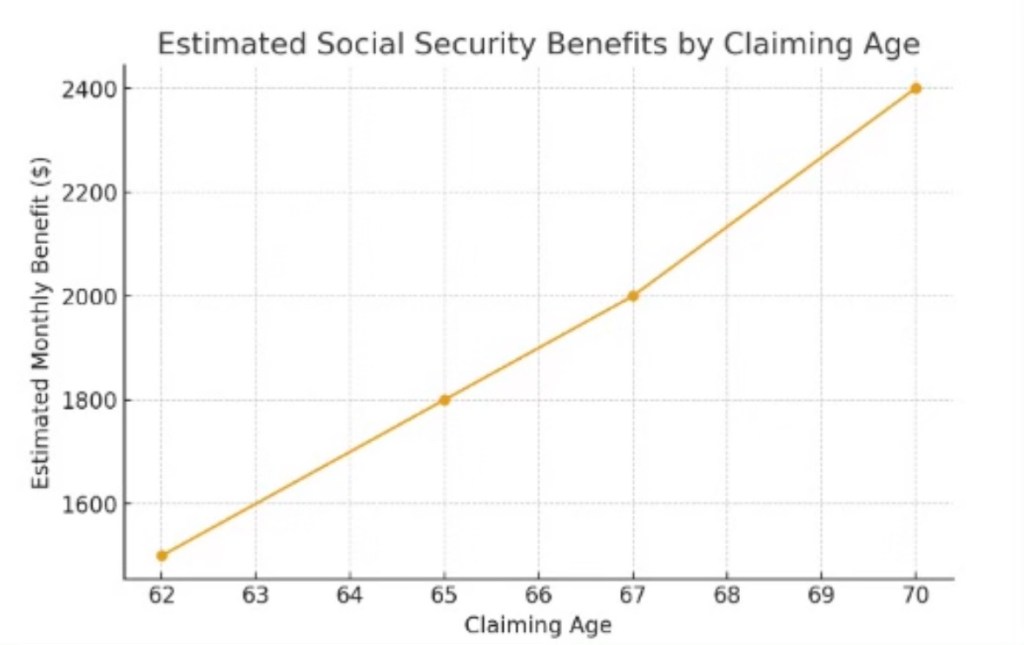
Trap 1: Relying Too Heavily on Social Security

Many retirees assume Social Security will replace most of their income, only to discover their benefits cover far less than expected. With the average monthly benefit hovering around modest levels, relying on Social Security alone can put retirees at risk of falling behind rising costs of living and healthcare expenses.

A smarter alternative:
Build a layered income plan that includes Social Security, retirement accounts like 401(k)s or IRAs, pensions (if available), and supplemental income sources. Consider part-time work or consulting if feasible. The key is diversifying your income streams so one isn’t carrying the entire load.


Trap 2: Underestimating Healthcare Costs

Healthcare is one of the biggest retirement expenses, and Medicare doesn’t cover everything. Many retirees are shocked by premiums, deductibles, dental costs, and long-term care needs.

A smarter alternative:
Plan early. Look into long-term care insurance or hybrid life-insurance policies with LTC riders. Create a dedicated healthcare fund within your retirement savings. And don’t overlook supplemental Medicare plans that can greatly reduce out-of-pocket expenses.


Trap 3: Cashing Out Retirement Accounts Too Early

Taking large withdrawals early in retirement—especially before age 59½—can trigger steep taxes and penalties, diminishing your long-term nest egg. Even after that age, withdrawing too aggressively can make savings run out sooner than expected.

A smarter alternative:
Use a structured withdrawal plan, such as the 4% rule or dynamic withdrawal strategies that adjust based on market performance. Pair withdrawals with tax-efficient strategies like Roth conversions before RMD age to reduce future tax burdens.


Trap 4: Failing to Account for Inflation

Inflation has made a fierce comeback in recent years. Retirees with fixed incomes or overly conservative portfolios risk losing purchasing power over time.

A smarter alternative:
Include growth investments—like diversified stock funds—even in retirement, to stay ahead of inflation. Treasury Inflation-Protected Securities (TIPS) and annuities that offer inflation adjustments can also provide peace of mind.


Trap 5: Overlooking Housing Costs

Many retirees assume their housing expenses will drop once the mortgage is gone, but property taxes, insurance, and maintenance continue—and often increase.

A smarter alternative:
Evaluate your housing situation realistically. Downsizing, relocating to a lower-cost area, or exploring 55+ communities may reduce expenses. Some retirees also use a portion of home equity strategically through downsizing or a Home Equity Conversion Mortgage (HECM) as part of their financial plan.


Trap 6: Not Preparing Emotionally for Retirement

Retirement isn’t just a financial transition—it’s a lifestyle change. Without structure, purpose, or social engagement, many retirees face loneliness, boredom, or even depression.

A smarter alternative:
Design your retirement life as intentionally as your financial strategy. Volunteer, join clubs, take classes, or explore part-time work in a field you enjoy. Staying mentally and socially active is essential for long-term well-being.


Smart Alternatives for Soon-to-Be and Current Retirees

Beyond avoiding traps, here are simple, proactive steps that make retirement more stable and satisfying:

  • Create a retirement income roadmap that outlines exactly where your money will come from and how long it should last.
  • Meet with a financial professional to stress-test your plan against inflation, market downturns, and health surprises.
  • Diversify income, including predictable sources like annuities, rental income, dividends, or guaranteed pension payouts.
  • Stay flexible—your retirement plan should evolve as life, health, and markets change.
  • Review your insurance coverage, including life, home, auto, and long-term care, to ensure you’re protected.
  • Stay active and engaged, both socially and physically, to support overall happiness and health.

Long and Short

Retirement doesn’t have to be uncertain. By steering clear of common traps and embracing a well-rounded financial and lifestyle strategy, retirees can build a future that’s not only secure—but rewarding. With thoughtful planning and the right support, this next chapter can be the best one yet.

About the Author:

David Dandaneau is a client relations analyst that covers the insurance and financial services industry. He is known for his insightful analysis and comprehensive coverage of market trends and regulatory developments.

Avoiding Common Mistakes in Inheritance Planning

When it comes to building wealth, most families focus on earning, saving, and investing. Yet one of the most overlooked parts of financial planning happens at the end of the journey: preparing the next generation to handle what’s left behind. Experts warn that simply passing down money—without communication or financial education—can lead to confusion, conflict, and costly mistakes.

A recent study by multiple wealth-management groups found that nearly 70% of inherited wealth is lost by the second generation, and 90% is gone by the third. The cause isn’t the financial markets—it’s a lack of preparation. When heirs are suddenly handed assets, properties, or cash with little context, they may mismanage the money, disagree with each other, or unintentionally make tax-heavy decisions.

Why Preparation Matters

Inheritance isn’t just about money—it’s about clarity and continuity. When families don’t talk about what’s being passed down, heirs often must make high-pressure decisions during periods of grief. Without a roadmap, even well-intentioned children or beneficiaries may disagree on how to handle a home, manage investments, or split proceeds.

And the stakes are rising. As Baby Boomers pass on an estimated $84 trillion over the next two decades, families who fail to prepare run the risk of watching generational wealth disappear.

Communication Is the First Step

Open dialogue ensures everyone understands what exists, where it is, who gets what, and—equally important—why. These conversations take the mystery out of money and help heirs feel responsible, not overwhelmed.

Good communication also reduces legal challenges, sibling tension, and last-minute surprises. Beneficiaries who know the plan ahead of time make smarter choices because they’re not operating in the dark.

Teach Financial Know-How Before It’s Needed

Even the best inheritance plan can fall apart if heirs don’t know how to manage money. Families should consider sharing basic financial skills: how taxes on inheritance work, the risks of cashing out investments too quickly, how to evaluate insurance needs, and how to make a long-term plan.

Working with a financial advisor, estate attorney, or tax professional can also give heirs a clear framework to manage their new responsibilities confidently.


Table: Smart Ways to Pass Down Inheritance

MethodWhat It IsBest Use CaseKey BenefitsPotential Pitfalls
WillLegal document stating who receives assetsStraightforward asset distributionSimple, inexpensive, widely recognizedCan go through probate; may be challenged
Revocable Living TrustA trust you control during your lifetimeAvoiding probate and ensuring smooth transferFaster distribution, more privacy, flexibleRequires proper funding; setup cost
Beneficiary DesignationsNamed beneficiaries on accounts (401k, life insurance, IRAs)Retirement and insurance assetsBypasses probate, easy to updateConflicts with wills if not aligned
Gifting During LifetimeGiving money or assets while aliveReducing estate taxes; preparing heirs earlyLets heirs learn with guidance; tax advantagesAnnual gift limits; may impact your retirement
Family MeetingsRegular discussions about assets and plansMulti-heir families; complex estatesReduces conflict, sets expectationsRequires openness; emotional topics
Financial Education for HeirsTeaching heirs money skills before they inheritAny family wanting generational wealthBuilds confidence and reduces mistakesTime investment; requires ongoing support
Insurance PoliciesUsing life insurance to create liquidityWhen heirs need cash to pay taxes or debtsPredictable payout; avoids asset liquidationPremium costs; needs proper planning
Professional AdvisorsAttorneys, financial planners, tax prosSignificant or complex estatesExpert guidance, reduced errorsCosts vary; choose reputable advisors

To Sum Up

In the end, passing down wealth isn’t just about assets—it’s about equipping the next generation to use those assets wisely. By communicating openly, planning thoughtfully, and preparing heirs with real financial understanding, families can protect their legacy and ensure their hard work continues to make a positive impact for years to come.

About the Author:

David Dandaneau is a client relations analyst that covers the insurance and financial services industry. He is known for his insightful analysis and comprehensive coverage of market trends and regulatory developments.

Navigating Major Life Transitions with Confidence

Life is full of transitions—whether it’s buying your first home, changing careers, starting a family, or preparing for retirement. While these moments bring opportunity and excitement, they can also create uncertainty and stress. The good news: with proactive planning and professional guidance, individuals can navigate these turning points with greater confidence and clarity.

“Transitions can feel overwhelming because they often involve financial, emotional, and lifestyle changes all at once,” says certified financial planner Jenna Morales. “Having a plan and a professional partner to guide you helps you make informed decisions rather than emotional ones.”

The Power of Planning Ahead

Proactive planning means thinking ahead—mapping out potential outcomes and creating strategies that align with your long-term goals. It’s not about predicting the future but preparing for it. Whether you’re moving to a new city, managing an inheritance, or downsizing in retirement, foresight helps reduce risk and stress.

Professional advisors, from financial planners to insurance agents and career coaches, can offer valuable expertise to help identify blind spots and opportunities. They can also act as objective voices when emotions run high, ensuring you stay focused on your priorities.


Top Tips for Navigating Major Life Transitions

  1. Start Early: Begin planning before the change happens. The earlier you prepare, the more control you’ll have over your options.
  2. Clarify Your Goals: Define what success looks like for you—financially, emotionally, and personally.
  3. Seek Professional Advice: Don’t go it alone. Certified experts can provide insights and structure your plan for maximum benefit.
  4. Review Your Insurance and Finances: Major changes often affect your coverage needs and cash flow. Make sure your policies and budget reflect your new circumstances.
  5. Build a Safety Net: Set aside emergency savings to cushion unexpected costs during transitions.
  6. Stay Organized: Keep key documents—such as wills, policies, and financial records—accessible and updated.
  7. Adjust as You Go: Life plans are not one-size-fits-all. Revisit and revise your strategy regularly as your needs evolve.
  8. Focus on Mental Well-Being: Change can be stressful. Prioritize self-care and seek support when needed.

Moving Forward with Confidence

While no one can avoid life’s major transitions, being proactive and seeking professional guidance can transform uncertainty into opportunity. It’s about taking control of what you can—and having trusted experts help you navigate what you can’t.

“Confidence comes from preparation,” Morales adds. “When you plan ahead and surround yourself with knowledgeable support, you move forward not with fear—but with clarity.”

Falling Back: Adjusting to the Changing Seasons and the Time Change

As the vibrant colors of fall begin to fade and the crisp chill of winter settles in, we prepare for one of the most noticeable transitions of the year—the end of Daylight Saving Time. On Sunday, November 2nd, clocks “fall back” one hour, marking the shift to standard time. While the extra hour of sleep sounds like a treat, the darker evenings and shorter days can affect more than just our schedules—they can influence our mood, energy, and overall well-being.

The Emotional Shift of Seasonal Change

Many people notice a change in their mood this time of year. With less sunlight and longer nights, it’s common to feel more sluggish, irritable, or even down. This phenomenon, often referred to as the “winter blues,” can stem from disruptions in our body’s internal clock and reduced exposure to natural light. Some individuals experience a more serious form called Seasonal Affective Disorder (SAD), which can bring on symptoms similar to depression.

Experts note that our brains rely on sunlight to regulate serotonin (the “feel-good” hormone) and melatonin (which controls sleep). When daylight hours shrink, so does our natural boost in mood and energy. But with a little preparation and self-care, you can ease the transition and keep your spirits high.

7 Simple Ways to Feel Better During the Time Change

  1. Set Your Clocks Back — Remember to turn your clocks back one hour before bed on Saturday night. It’s a small step that helps keep your schedule on track.
  2. Get Morning Sunlight — Spend at least 15–30 minutes outdoors in the morning light. It helps reset your body clock and improves alertness.
  3. Keep a Consistent Sleep Schedule — Go to bed and wake up at the same time each day, even on weekends. Consistency helps regulate your energy.
  4. Stay Active — Physical activity boosts mood and helps combat sluggishness. Try indoor workouts, yoga, or brisk walks during daylight hours.
  5. Eat Well — Foods rich in vitamin D, omega-3s, and whole grains can help stabilize mood and energy levels.
  6. Use Light Therapy — Consider a light therapy lamp to mimic natural sunlight if you spend most of your time indoors.
  7. Stay Social — Don’t hibernate! Stay connected with friends and family to keep your spirits up.

As we “fall back” into standard time, it’s a perfect opportunity to slow down, reflect, and adjust your routines for the months ahead. Embrace the cozy side of the season—warm drinks, soft blankets, and quiet evenings—and take care of both your body and your mind.

Because while we can’t control the darkness of winter, we can always create our own light. ☕🍂🕰️

🎃 What Halloween Means to Me: Candy, Friends, Family, and Traditions That Last a Lifetime

Halloween has always been more than just costumes and candy to me—it’s a celebration of creativity, community, and connection. Every October 31st, the air fills with excitement and the scent of autumn leaves, as neighborhoods come alive with laughter, decorations, and the unmistakable crunch of candy wrappers.

For me, Halloween is about sharing the fun. It’s the night when families come together, friends roam the streets in costume, and everyone—young or old—gets to feel like a kid again. Whether it’s carving pumpkins with family, trading candy with friends, or just admiring the creativity of neighborhood displays, Halloween brings people closer in ways few other holidays can.

The candy, of course, is part of the magic. I still get a nostalgic thrill seeing a bowl filled with mini chocolate bars and colorful wrappers. But even more than the treats, it’s the shared experiences that make the night unforgettable—the laughter, the spooky stories, and the small acts of kindness between neighbors.

As much fun as Halloween is, it’s also important to stay safe while celebrating. Here are a few simple reminders to keep the night full of treats and free of tricks:


🕯️ Halloween Safety Tips

  1. Stay visible. Wear reflective tape or carry glow sticks to make sure drivers can see you.
  2. Check costumes for safety. Avoid masks that block vision and make sure shoes fit properly to prevent tripping.
  3. Stick with a group. Trick-or-treating is always safer—and more fun—with friends or family.
  4. Watch for traffic. Use sidewalks and crosswalks, and never assume drivers can see you.
  5. Inspect your candy. Check all treats before eating—especially anything unwrapped or homemade from strangers.
  6. Keep pets inside. Halloween can be stressful for animals; make sure they’re safe and comfortable.
  7. Be mindful of decorations. Open flames, cords, and fog machines can be hazards—keep pathways clear.
  8. Respect others’ property. Stay on paths and avoid trampling lawns or decorations.

This Halloween, I’ll be out enjoying the fall air, greeting neighbors, and sharing laughs with the people who make the night so special. Because in the end, Halloween isn’t just about the candy—it’s about the memories we make along the way. 👻🍬

Mortgage vs. Cash: Best Strategy for Retirees

As retirement approaches, one of the biggest financial questions homeowners face is whether to pay off their mortgage early or hold on to the cash for flexibility and investments. Both paths have strong arguments, and the right choice often depends on your personal goals, financial stability, and tolerance for risk.


🔹 The Case for Paying Off Your Mortgage

1. Peace of Mind and Lower Expenses
Eliminating your mortgage before retirement means you’ll enter your golden years without one of your biggest monthly bills. This can bring enormous peace of mind—especially for retirees living on a fixed income. Without a mortgage, your monthly expenses drop dramatically, making it easier to stretch your retirement savings further.

2. Guaranteed Return on Investment
Paying off your mortgage is like earning a “risk-free” return equal to your interest rate. For example, if your mortgage rate is 6%, you’re effectively earning a guaranteed 6% return by eliminating that debt—a tough benchmark for low-risk investments to match.

3. Emotional and Financial Freedom
Many homeowners simply like the feeling of owning their home outright. It provides a sense of security knowing that, no matter what happens to the market or the economy, you have a paid-off place to live.


🔸 The Case for Keeping the Mortgage and Saving the Cash

1. Liquidity and Flexibility
Once you pay off your mortgage, that cash is locked into your home’s equity. While you can access it through a home equity line or reverse mortgage, those options can be costly or hard to qualify for in retirement. Keeping cash in savings or investments gives you flexibility for emergencies, healthcare costs, or opportunities.

2. Potential for Higher Returns
If your mortgage rate is relatively low—say, under 4%—you might earn more by investing your money instead of paying off the loan. Historically, diversified portfolios have returned more than typical mortgage rates over the long term, allowing your wealth to grow faster while you continue making manageable payments.

3. Tax and Inflation Advantages
For some retirees, mortgage interest may still be tax-deductible, reducing overall borrowing costs. Additionally, with inflation, the real value of your fixed mortgage payments decreases over time—meaning you’re repaying the loan with “cheaper” dollars in the future.


⚖️ Finding the Right Balance

Many experts suggest a hybrid strategy:

  • Pay down your mortgage enough to feel comfortable with the lower balance and payments.
  • Keep a healthy cash reserve or investment portfolio for flexibility.

Ultimately, the best choice depends on your individual circumstances—your mortgage rate, your savings, your risk tolerance, and how much you value financial security versus potential growth.


🧭 Final Thought

There’s no one-size-fits-all answer. The “right” move is the one that helps you sleep well at night, knowing your finances are positioned to support your lifestyle and goals. Whether that means living debt-free or keeping your investments working, it’s about creating a retirement plan that gives you confidence, comfort, and control.

Understanding Your Body’s Alarm Systems

Our bodies are incredible machines—constantly adjusting, healing, and protecting us from harm. But when something goes wrong, from infection to stress or injury, the body has a built-in set of alarms and defense systems that kick into gear. Understanding these reactions can help you recognize early warning signs and take better care of your health.


1. The Stress Response

When the brain senses danger—physical or emotional—it signals the adrenal glands to release adrenaline and cortisol. This is the “fight or flight” reaction. Your heart rate speeds up, blood pressure rises, and muscles tense, preparing your body to act fast.

Common triggers: Anxiety, trauma, or sudden physical exertion.
What to watch for: Rapid heartbeat, sweating, or feeling “on edge.”


2. The Immune Response

When bacteria, viruses, or toxins invade, the immune system launches an attack. White blood cells swarm to the area, causing inflammation—redness, swelling, and warmth—as part of the healing process.

Common triggers: Infection, injury, or allergic reactions.
What to watch for: Fever, fatigue, or localized pain.


3. The Pain Response

Pain is the body’s alarm system. Nerves send signals to the brain to warn that something is wrong. Acute pain helps you react quickly—like pulling your hand away from a hot surface—while chronic pain can signal ongoing issues that need attention.

Common triggers: Injury, inflammation, or nerve damage.
What to watch for: Persistent pain that doesn’t improve with rest or medication.


4. The Hormonal Response

Hormones regulate nearly every process in the body. When something goes off balance—like blood sugar or thyroid function—the body compensates by adjusting hormone levels. Over time, these shifts can lead to fatigue, mood swings, or weight changes.

Common triggers: Stress, poor diet, lack of sleep, or illness.
What to watch for: Sudden changes in energy, appetite, or emotional state.


5. The Cellular Repair Response

Cells are constantly repairing themselves. When DNA is damaged—by sun exposure, toxins, or normal aging—the body sends repair enzymes to fix it. If this process fails, it can lead to mutations or diseases.

Common triggers: UV light, pollution, smoking, or aging.
What to watch for: Slow healing wounds or unusual skin changes.


📊 Chart: How the Body Responds When Something Goes Wrong

Body SystemTriggerResponseCommon SymptomsPurpose
Nervous SystemStress, fear, traumaFight-or-flight (adrenaline surge)Fast heartbeat, sweating, tensionPrepare for danger
Immune SystemInfection or injuryInflammation, feverSwelling, fatigue, painDestroy invaders and heal tissue
Endocrine SystemHormonal imbalanceHormone release or suppressionMood swings, weight changeMaintain internal balance (homeostasis)
MusculoskeletalInjury or strainMuscle contraction, repair signalsPain, swelling, stiffnessProtect and heal damaged tissue
Cellular/DNA RepairUV, toxins, agingDNA repair or apoptosisSlow healing, fatiguePrevent mutation and maintain function

Why it Matters

Recognizing how your body responds to stress, injury, or imbalance helps you take control of your health. Awareness leads to action—and action leads to prevention.

The Best Ways to Learn Faster and Improve Your Memory — and How It Can Boost Your Health and Wealth

From classrooms to careers, the ability to learn quickly and remember effectively has become one of the most valuable skills a person can develop. Strong memory and sharper learning don’t just lead to better grades or job performance—they also support long-term health and financial success. A stronger mind means better choices, less stress, and greater opportunities.

1. Embrace Active Learning
Engaging with material—summarizing, teaching, or using flashcards—creates stronger memory pathways. Beyond academics, this skill translates into sharper thinking in business and personal finance, where quick recall of information can mean smarter money choices.

2. Use Spaced Repetition
By reinforcing knowledge over time, you’re not only improving retention but also reducing the stress that comes with last-minute cramming. Lower stress means healthier blood pressure and better long-term focus—both of which are linked to higher productivity and earning potential.

3. Prioritize Sleep
Sleep is the body’s reset button. It strengthens memory, sharpens focus, and promotes better decision-making. Studies show well-rested people are less likely to make impulsive purchases, more effective at managing investments, and healthier overall.

4. Exercise for Brain Health
Movement increases blood flow and oxygen to the brain, boosting memory and creativity. Regular exercise has also been tied to higher lifetime earnings by improving workplace performance and reducing healthcare costs.

5. Practice Mindfulness and Meditation
Mindfulness lowers stress hormones, improves concentration, and sharpens memory. The payoff is twofold: better mental health and more disciplined financial habits, since mindfulness helps people avoid emotional, costly decisions.

6. Fuel Your Brain with the Right Nutrition
A diet rich in brain-boosting foods like salmon, nuts, and leafy greens not only strengthens cognitive function but also reduces the risk of costly long-term health problems. Investing in nutrition today saves on medical expenses tomorrow.

7. Limit Multitasking
Single-tasking leads to better retention and fewer mistakes—whether you’re learning new skills, balancing your budget, or making a career move. Fewer mistakes in health and financial decisions directly translate to long-term gains.

8. Use Mnemonics and Visualization
Simple memory tools like acronyms or visualization techniques make learning easier. Applied to personal finance or career growth, these methods help people remember key strategies, deadlines, and opportunities—small advantages that compound into wealth.

Looking Ahead
Improving how you learn and remember doesn’t just give you an edge in the classroom or workplace. It’s also a blueprint for healthier living and greater financial success. By combining proven learning strategies with lifestyle habits that strengthen the brain, you can build a sharper mind, a stronger body, and a wealthier future.