Understanding Mental Health Medication: Benefits and Challenges

Mental health is finally receiving the attention it deserves. Millions rely on therapy, lifestyle changes, support systems — and for many, medication — to help manage conditions such as anxiety, depression, ADHD, and mood disorders. While medication can be life-changing, understanding both its benefits and drawbacks is essential. And in a time of rising drug shortages and pharmacy delays, knowing what to do when your prescription isn’t filled can make a real difference.


The Benefits of Mental Health Medication

1. Symptom Relief

For many, medication provides meaningful relief from overwhelming symptoms. Antidepressants can help stabilize mood, anti-anxiety medications can reduce panic, and ADHD medications can improve focus and daily functioning. For some individuals, the improvement can be dramatic and fast-acting.

2. Better Daily Functioning

When symptoms ease, everyday responsibilities — work, school, family life — become more manageable. Medication often helps people regain a sense of control and stability.

3. Improved Quality of Life

Mental health medications can enhance sleep, energy levels, motivation, and emotional well-being. Many patients report feeling “themselves again” after the right treatment plan is established.

4. Works Well With Therapy

Medication often enhances the results of therapy. When intrusive thoughts or overwhelming emotions are reduced, individuals can better engage in cognitive-behavioral therapy, mindfulness, or other therapeutic approaches.


The Drawbacks and Challenges

1. Side Effects

All medications carry risks — including weight changes, sleep disturbances, jitters, sexual side effects, nausea, emotional blunting, or headaches. Some side effects fade; others require adjusting dosage or switching prescriptions.

2. Trial-and-Error Period

Finding the right medication often takes time. Some people need several adjustments before achieving the right balance, which can be frustrating.

3. Dependence or Tolerance Risks

Certain medications — especially benzodiazepines or stimulant-based prescriptions — may carry dependency risks. These must be monitored closely by a healthcare provider.

4. Stigma

Despite progress, some still face judgment or self-doubt when taking prescription mental health medications. This can discourage people from seeking help or staying consistent with their treatment plan.


When the Pharmacy Doesn’t Fill Your Prescription

Unfortunately, delays happen more often than people realize. Reasons include:

  • Medication shortages
  • Insurance approval issues
  • Pharmacy stocking errors
  • Miscommunication between doctor and pharmacy
  • Technical problems with e-prescriptions

When this happens, it can create anxiety — especially if your medication is essential for daily functioning. But there are steps you can take.


What You Should Do If You’re Waiting on an Unfilled Prescription

1. Call the Pharmacy Directly

Don’t wait for an automated message. Speak to a pharmacist or technician to find out what the issue is. Sometimes it’s a quick fix — like updating insurance information or transferring your script.

2. Ask If They Can Transfer to Another Pharmacy

If your medication is in short supply locally, another pharmacy may have it in stock. You don’t have to wait days if you can fill it somewhere else.

3. Contact Your Prescribing Provider

If the shortage is long-term or your insurance denies coverage, your provider may:

  • Suggest an alternative medication
  • Adjust your dosage temporarily
  • Submit a prior authorization
  • Call in an emergency supply

4. Ask About Partial Fills

Some pharmacies can give you a few days’ worth of medication while they wait for the rest. This isn’t available for every drug, but it’s worth asking.

5. Use Coping Strategies While Waiting

While not a substitute for medication, these can help reduce symptoms:

  • Breathing exercises and grounding techniques
  • Journaling your thoughts or worries
  • Light exercise or stretching
  • Meditation or short mindfulness practices
  • Talking to someone you trust
  • Limiting caffeine, alcohol, and high-stress activities

These strategies support your mind and body while you wait, helping you stay anchored.

6. Monitor Your Symptoms

If you begin to feel worse or unsafe, call your provider immediately. For extreme distress, call emergency services or your local crisis hotline.


Whats the Point

Mental health medication can be a crucial tool — helping millions regain balance, clarity, and stability. But like any treatment, it comes with challenges. Pharmacy delays can be discouraging, but with the right steps, you can advocate for yourself and stay supported while waiting.

Taking care of your mental health is a journey — and knowing what to do during setbacks helps you stay in control every step of the way.

Maintain Fitness During Holiday Chaos

Every year, millions of people decide that November and December are “throwaway months” for fitness. Between travel, family gatherings, cold weather, and endless holiday treats, it’s easy to fall into the mindset of “I’ll start again on January 1.” But here’s the truth: you don’t need a new year—you need consistency, clarity, and a realistic plan.

While motivation naturally dips during the holiday season, staying committed, even at a lighter pace, provides enormous benefits. You protect your progress, stabilize your energy levels, reduce stress, and set yourself up for a smoother, more confident start to the new year.

Below is a deeper look at how to stay on track—and a few quotes to keep you inspired along the way.


Staying the Course: A Deeper Look at Holiday Fitness Success

1. Lower the Bar (But Don’t Drop It Entirely)

Holiday seasons are unpredictable. Schedules tighten. Travel interrupts routines. But instead of ditching your plan entirely, adapt it.

A 45-minute workout becomes 15.
A full gym session becomes a walk.
Progress becomes maintenance—and maintenance is still a win.

Quote:
“Success isn’t about doing everything perfectly. It’s about refusing to do nothing.”

By scaling your workouts instead of abandoning them, you keep your discipline intact. And that discipline is what will carry you into January with momentum, not guilt.


2. Plan Around Your Life, Not Against It

You know the season will bring events, family time, and unpredictable moments. Instead of fighting them, build your fitness schedule to work with the chaos.

  • Exercise first thing in the morning to avoid evening cancellations.
  • Look ahead at your week—if you have a big dinner planned, schedule an easier workout that day.
  • If you’re traveling, plan bodyweight circuits or walking routes at your destination.

Quote:
“A busy season isn’t an excuse—it’s a reason to plan smarter.”

When movement becomes part of your weekly map, it’s far easier to stay consistent.


3. Keep 2–3 Non-Negotiables

This strategy works because it removes decision fatigue. Pick a few things you will commit to no matter what.

Examples:

  • 8,000 steps a day
  • Stretching for 10 minutes before bed
  • Drinking half your body weight in ounces of water
  • A protein-focused breakfast every morning

These small habits protect your health even when your routine shifts.

Quote:
“Consistency is built on the small promises you keep to yourself.”

Non-negotiables anchor your holiday mindset and keep you from slipping into all-or-nothing behavior.


4. Use the Power of Micro-Workouts

Micro-workouts—short bursts of exercise scattered throughout the day—are incredibly effective for maintaining energy and metabolism.

Ideas include:

  • 10–20 squats every hour
  • A 2-minute plank before showering
  • Calf raises while brushing your teeth
  • Push-ups every commercial break
  • A 5-minute walk after every meal to aid digestion

Quote:
“If you don’t have time for a full workout, you still have time for movement.”

Small chunks of effort add up to big results over the course of the season.


5. Focus on Nutrition Basics (Not Perfection)

The holidays are full of indulgence. And they should be enjoyed. But with a few simple practices, you can stay balanced:

  • Eat protein with every meal to reduce cravings.
  • Drink water consistently throughout the day.
  • Fill half your plate with vegetables before adding the festive foods.
  • Don’t skip meals to “save calories”—it backfires.

Healthy eating during the holidays isn’t about restriction—it’s about strategy.

Quote:
“Holiday food isn’t the enemy; mindless habits are.”

Enjoying your favorites with intention will help you stay in control.


6. Reconnect With Your “Why”

Motivation fades—especially during the busiest season of the year. But remembering why you started can anchor your commitment.

Ask yourself:

  • Am I doing this for my long-term health?
  • For more confidence?
  • For better energy?
  • To set an example for my family?

Your why is your personal North Star.

Quote:
“When motivation fades, purpose takes over.”

Keeping your deeper reason close makes it far easier to push through the holiday challenges.


Short & Powerful

You don’t need perfect discipline to stay healthy during the holidays—you need persistent, flexible, realistic discipline.

You can enjoy the season fully and still honor your goals.
You can celebrate without losing your progress.
You can enter January proud, strong, and already in motion.

The best gift you give yourself this year may not come wrapped in a box—it may be the commitment you choose to keep.

Reflections on Gratitude: Another Year of Growth

As the year winds down, I’ve found myself taking stock of everything that has shaped the past twelve months. No holidays needed—just a quiet moment to appreciate what mattered, what changed me, and what I’m grateful for. And honestly, it’s been a year worth celebrating in its own way.


Thankful for: An Unforgettable Trip to Portugal

This year gave me the chance to travel to Portugal—an experience that left me with memories that still feel fresh every time I think about them.
The food, the views, the history, the people… it all created something I’ll carry with me for the rest of my life.
I’m thankful I got to see more of the world and step outside the normal routine long enough to appreciate just how big and beautiful life can be.


Thankful for: The Best Wife and Family Anyone Could Ask For

Above everything else, my gratitude starts with the people closest to me.
I have a wife who supports me, challenges me, lifts me up, and stands with me through every high and low. I don’t take that for granted.
And my family—there’s no better word for it—they’re the foundation. Their encouragement, humor, strength, and love have shaped every success and softened every setback.
This year reminded me that I’m surrounded by people who make life better, brighter, and fuller.


Thankful for: Growth Instead of Loss in the Markets

The markets didn’t always make sense this year (do they ever?), but instead of losing, I gained—knowledge, perspective, patience, and confidence.
From exploring new investments to studying market behavior, I came out smarter than I went in.
Every dip, every rally, every confusing headline ended up teaching me something, and I’m thankful for the journey as much as the results.


Thankful for: Becoming More Insurance-Savvy Than I Ever Expected

This year wasn’t just about financial markets—it was also about sharpening what I know in the world of insurance.
From policy details to coverage types, from understanding risks to explaining them, I learned more than I expected—and it’s knowledge that actually matters.
It helps me protect myself, protect others, and make smarter decisions. I gained clarity and confidence, and that’s something to be grateful for.


Thankful for: The Lessons, the Growth, and the Wins

This year brought experiences I’ll never forget, people I’ll always be grateful for, and knowledge that will guide me for years to come.
It wasn’t perfect—but it was meaningful. And that’s what gratitude is really about: recognizing the good, the growth, and the people who walk beside you.

Here’s to a year of learning, loving, exploring, and becoming better than before.
And here’s to being thankful not just for what happened,
but for who I’ve become along the way.

🎄 I Put My Christmas Lights Up Before Thanksgiving… Am I in Trouble? 🎄

I did it. I broke one of the biggest unwritten holiday rules in America: I put up my Christmas lights and tree before Thanksgiving. And honestly? I’m not sure if I should feel guilty… or proud.

It all started when I opened the storage bins “just to look.” Next thing I knew, I had garland around my neck, my living room smelled like pine, and my house was glowing like the North Pole. I’m pretty sure at least three neighbors spotted the lights through their blinds. One even stepped outside, squinting, probably wondering if the grid had surged or if I’d finally snapped.

For the record, yes—I heard Mariah Carey playing. And no, I’m not sorry.

Some people insist that Christmas decorating must wait until after the last scoop of mashed potatoes is served. But from what I’m hearing, more of us are embracing what experts now call “Holiday Timeline Freedom.” Apparently, it’s perfectly acceptable to chase joy whenever it appears—even if it arrives a little early, wrapped in tinsel.

A few traditionalists might clutch their pearls over this, warning that society will soon unravel into chaos: pumpkins in August, fireworks in winter, Valentine’s Day in November. But honestly, if lights and ornaments make me smile, why should I wait?

So, am I in trouble?
So far, no holiday police have knocked on my door. No citations have been issued. And unless my inflatables violate some city ordinance, I think I’m safe.

If breaking the “rules” means a little more warmth, sparkle, and joy, then charge me guilty. I’ll be over here enjoying my glowing tree—even if it’s still November.

Embracing Purpose Amid Adversity in 2025

In a world that moves faster every year, 2025 has become a year of reflection. People are revisiting past decisions—career moves, relationships, financial choices, lifestyle habits—with a clearer lens and a deeper understanding of consequence. The old saying “everything happens for a reason” has resurfaced from a previous post of mine, not as a cliché, but as a guidepost for navigating uncertainty and reconciliation in our lives.

A Shift Toward Reflective Living

Across the country, more Americans are reporting that they feel more intentional than they did a decade ago. According to several national surveys, individuals in their 30s, 40s, and 50s say they now view pivotal moments—good and bad—as necessary steps that shaped their current stability. This movement toward reflective living has become especially prominent after years of global disruptions and economic volatility.

“For many, 2025 is the year of understanding,” says life coach and behavioral specialist Dana Reeves. “People look back and realize that even the setbacks taught them something that ultimately pushed them forward.”

Learning From Past Decisions

The theme of “If I knew then what I know now” has been revisited in countless workplaces, retirement discussions, and financial planning meetings. Individuals who once regretted switching careers, making certain investments, or delaying big decisions are beginning to see those choices differently.

Many professionals say that hardships in earlier years helped them build resilience, leading to promotions, stronger relationships, and greater financial responsibility today. Some even credit prior failures for their current success.

Turning Regret Into Growth

Mental-health experts note that regrets are being reframed in 2025 as tools for personal evolution, not anchors that weigh us down.

“Regret is a powerful teacher,” explains psychologist Dr. Liana Mercer. “If we’re willing to study our past with compassion, we unlock the intelligence needed to make better choices moving forward.”

This mindset shift has led to an uptick in personal development programs, career retraining, and financial literacy courses. People want to apply what they’ve learned, not dwell on what they’ve lost.

Embracing Purpose Through Adversity

Challenges—job losses, health scares, failed relationships—are being viewed through a new lens: as catalysts. Individuals who experienced major disruptions in the early 2020s often say those moments forced them to slow down, reassess their priorities, and rebuild in healthier ways.

As one community leader put it, “Sometimes life has to fall apart a little so it can fall into place later.”

Why 2025 Feels Different

Unlike articles and discussions from previous years, the 2025 perspective is grounded in lived experience and hindsight. People aren’t just repeating the phrase “everything happens for a reason”—they’re proving it through the stability, insight, and resilience they’ve cultivated.

Retirees are expressing gratitude that earlier financial struggles taught them discipline. Families are appreciating the detours that led them to stronger bonds. Career professionals are recognizing that their long roads were necessary to build confidence and competence.

The Takeaway

Looking back is no longer about regret—it’s about recognition. Every difficult chapter, every unexpected turn, every leap of faith has contributed to where people stand today.

As we continue through 2025, the message is clear:
We can’t rewrite the past—but we can honor it. And often, we discover that the past knew exactly what it was doing.

Top Retirement Mistakes and How to Avoid Them

As more Americans approach retirement, many are finding that the path to a secure and fulfilling post-work life is more complex than they expected. While saving money is an important first step, a successful retirement hinges on avoiding common pitfalls that can derail even the most carefully built plans. Here are some of the most frequent retirement traps—and smarter strategies to consider instead.


Trap 1: Relying Too Heavily on Social Security

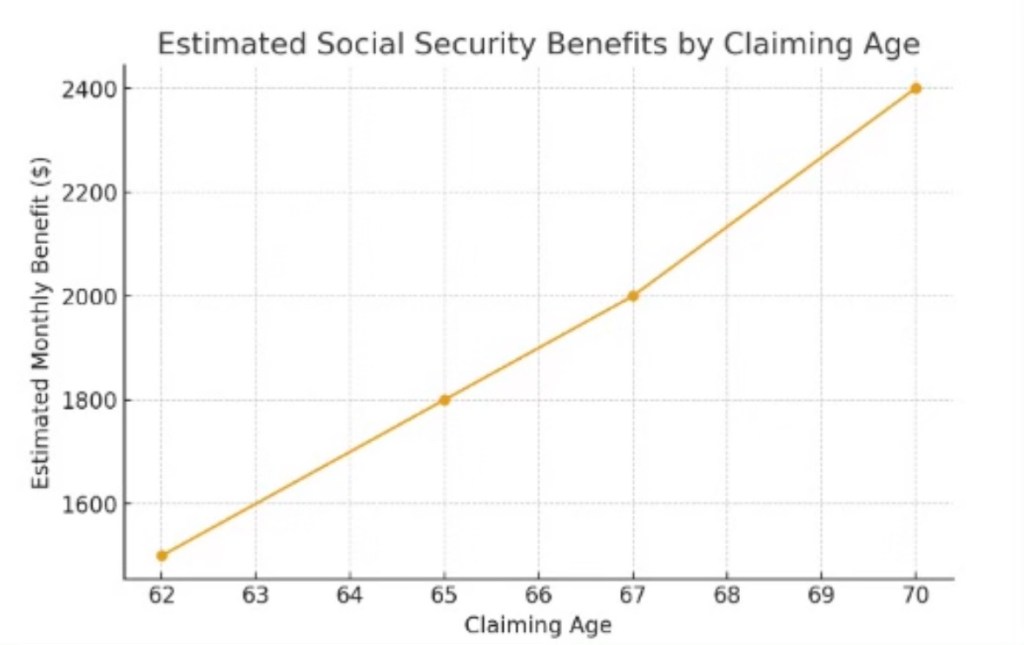
Many retirees assume Social Security will replace most of their income, only to discover their benefits cover far less than expected. With the average monthly benefit hovering around modest levels, relying on Social Security alone can put retirees at risk of falling behind rising costs of living and healthcare expenses.

A smarter alternative:
Build a layered income plan that includes Social Security, retirement accounts like 401(k)s or IRAs, pensions (if available), and supplemental income sources. Consider part-time work or consulting if feasible. The key is diversifying your income streams so one isn’t carrying the entire load.


Trap 2: Underestimating Healthcare Costs

Healthcare is one of the biggest retirement expenses, and Medicare doesn’t cover everything. Many retirees are shocked by premiums, deductibles, dental costs, and long-term care needs.

A smarter alternative:
Plan early. Look into long-term care insurance or hybrid life-insurance policies with LTC riders. Create a dedicated healthcare fund within your retirement savings. And don’t overlook supplemental Medicare plans that can greatly reduce out-of-pocket expenses.


Trap 3: Cashing Out Retirement Accounts Too Early

Taking large withdrawals early in retirement—especially before age 59½—can trigger steep taxes and penalties, diminishing your long-term nest egg. Even after that age, withdrawing too aggressively can make savings run out sooner than expected.

A smarter alternative:
Use a structured withdrawal plan, such as the 4% rule or dynamic withdrawal strategies that adjust based on market performance. Pair withdrawals with tax-efficient strategies like Roth conversions before RMD age to reduce future tax burdens.


Trap 4: Failing to Account for Inflation

Inflation has made a fierce comeback in recent years. Retirees with fixed incomes or overly conservative portfolios risk losing purchasing power over time.

A smarter alternative:
Include growth investments—like diversified stock funds—even in retirement, to stay ahead of inflation. Treasury Inflation-Protected Securities (TIPS) and annuities that offer inflation adjustments can also provide peace of mind.


Trap 5: Overlooking Housing Costs

Many retirees assume their housing expenses will drop once the mortgage is gone, but property taxes, insurance, and maintenance continue—and often increase.

A smarter alternative:
Evaluate your housing situation realistically. Downsizing, relocating to a lower-cost area, or exploring 55+ communities may reduce expenses. Some retirees also use a portion of home equity strategically through downsizing or a Home Equity Conversion Mortgage (HECM) as part of their financial plan.


Trap 6: Not Preparing Emotionally for Retirement

Retirement isn’t just a financial transition—it’s a lifestyle change. Without structure, purpose, or social engagement, many retirees face loneliness, boredom, or even depression.

A smarter alternative:
Design your retirement life as intentionally as your financial strategy. Volunteer, join clubs, take classes, or explore part-time work in a field you enjoy. Staying mentally and socially active is essential for long-term well-being.


Smart Alternatives for Soon-to-Be and Current Retirees

Beyond avoiding traps, here are simple, proactive steps that make retirement more stable and satisfying:

  • Create a retirement income roadmap that outlines exactly where your money will come from and how long it should last.
  • Meet with a financial professional to stress-test your plan against inflation, market downturns, and health surprises.
  • Diversify income, including predictable sources like annuities, rental income, dividends, or guaranteed pension payouts.
  • Stay flexible—your retirement plan should evolve as life, health, and markets change.
  • Review your insurance coverage, including life, home, auto, and long-term care, to ensure you’re protected.
  • Stay active and engaged, both socially and physically, to support overall happiness and health.

Long and Short

Retirement doesn’t have to be uncertain. By steering clear of common traps and embracing a well-rounded financial and lifestyle strategy, retirees can build a future that’s not only secure—but rewarding. With thoughtful planning and the right support, this next chapter can be the best one yet.

About the Author:

David Dandaneau is a client relations analyst that covers the insurance and financial services industry. He is known for his insightful analysis and comprehensive coverage of market trends and regulatory developments.

Avoiding Common Mistakes in Inheritance Planning

When it comes to building wealth, most families focus on earning, saving, and investing. Yet one of the most overlooked parts of financial planning happens at the end of the journey: preparing the next generation to handle what’s left behind. Experts warn that simply passing down money—without communication or financial education—can lead to confusion, conflict, and costly mistakes.

A recent study by multiple wealth-management groups found that nearly 70% of inherited wealth is lost by the second generation, and 90% is gone by the third. The cause isn’t the financial markets—it’s a lack of preparation. When heirs are suddenly handed assets, properties, or cash with little context, they may mismanage the money, disagree with each other, or unintentionally make tax-heavy decisions.

Why Preparation Matters

Inheritance isn’t just about money—it’s about clarity and continuity. When families don’t talk about what’s being passed down, heirs often must make high-pressure decisions during periods of grief. Without a roadmap, even well-intentioned children or beneficiaries may disagree on how to handle a home, manage investments, or split proceeds.

And the stakes are rising. As Baby Boomers pass on an estimated $84 trillion over the next two decades, families who fail to prepare run the risk of watching generational wealth disappear.

Communication Is the First Step

Open dialogue ensures everyone understands what exists, where it is, who gets what, and—equally important—why. These conversations take the mystery out of money and help heirs feel responsible, not overwhelmed.

Good communication also reduces legal challenges, sibling tension, and last-minute surprises. Beneficiaries who know the plan ahead of time make smarter choices because they’re not operating in the dark.

Teach Financial Know-How Before It’s Needed

Even the best inheritance plan can fall apart if heirs don’t know how to manage money. Families should consider sharing basic financial skills: how taxes on inheritance work, the risks of cashing out investments too quickly, how to evaluate insurance needs, and how to make a long-term plan.

Working with a financial advisor, estate attorney, or tax professional can also give heirs a clear framework to manage their new responsibilities confidently.


Table: Smart Ways to Pass Down Inheritance

MethodWhat It IsBest Use CaseKey BenefitsPotential Pitfalls
WillLegal document stating who receives assetsStraightforward asset distributionSimple, inexpensive, widely recognizedCan go through probate; may be challenged
Revocable Living TrustA trust you control during your lifetimeAvoiding probate and ensuring smooth transferFaster distribution, more privacy, flexibleRequires proper funding; setup cost
Beneficiary DesignationsNamed beneficiaries on accounts (401k, life insurance, IRAs)Retirement and insurance assetsBypasses probate, easy to updateConflicts with wills if not aligned
Gifting During LifetimeGiving money or assets while aliveReducing estate taxes; preparing heirs earlyLets heirs learn with guidance; tax advantagesAnnual gift limits; may impact your retirement
Family MeetingsRegular discussions about assets and plansMulti-heir families; complex estatesReduces conflict, sets expectationsRequires openness; emotional topics
Financial Education for HeirsTeaching heirs money skills before they inheritAny family wanting generational wealthBuilds confidence and reduces mistakesTime investment; requires ongoing support
Insurance PoliciesUsing life insurance to create liquidityWhen heirs need cash to pay taxes or debtsPredictable payout; avoids asset liquidationPremium costs; needs proper planning
Professional AdvisorsAttorneys, financial planners, tax prosSignificant or complex estatesExpert guidance, reduced errorsCosts vary; choose reputable advisors

To Sum Up

In the end, passing down wealth isn’t just about assets—it’s about equipping the next generation to use those assets wisely. By communicating openly, planning thoughtfully, and preparing heirs with real financial understanding, families can protect their legacy and ensure their hard work continues to make a positive impact for years to come.

About the Author:

David Dandaneau is a client relations analyst that covers the insurance and financial services industry. He is known for his insightful analysis and comprehensive coverage of market trends and regulatory developments.

Navigating Major Life Transitions with Confidence

Life is full of transitions—whether it’s buying your first home, changing careers, starting a family, or preparing for retirement. While these moments bring opportunity and excitement, they can also create uncertainty and stress. The good news: with proactive planning and professional guidance, individuals can navigate these turning points with greater confidence and clarity.

“Transitions can feel overwhelming because they often involve financial, emotional, and lifestyle changes all at once,” says certified financial planner Jenna Morales. “Having a plan and a professional partner to guide you helps you make informed decisions rather than emotional ones.”

The Power of Planning Ahead

Proactive planning means thinking ahead—mapping out potential outcomes and creating strategies that align with your long-term goals. It’s not about predicting the future but preparing for it. Whether you’re moving to a new city, managing an inheritance, or downsizing in retirement, foresight helps reduce risk and stress.

Professional advisors, from financial planners to insurance agents and career coaches, can offer valuable expertise to help identify blind spots and opportunities. They can also act as objective voices when emotions run high, ensuring you stay focused on your priorities.


Top Tips for Navigating Major Life Transitions

  1. Start Early: Begin planning before the change happens. The earlier you prepare, the more control you’ll have over your options.
  2. Clarify Your Goals: Define what success looks like for you—financially, emotionally, and personally.
  3. Seek Professional Advice: Don’t go it alone. Certified experts can provide insights and structure your plan for maximum benefit.
  4. Review Your Insurance and Finances: Major changes often affect your coverage needs and cash flow. Make sure your policies and budget reflect your new circumstances.
  5. Build a Safety Net: Set aside emergency savings to cushion unexpected costs during transitions.
  6. Stay Organized: Keep key documents—such as wills, policies, and financial records—accessible and updated.
  7. Adjust as You Go: Life plans are not one-size-fits-all. Revisit and revise your strategy regularly as your needs evolve.
  8. Focus on Mental Well-Being: Change can be stressful. Prioritize self-care and seek support when needed.

Moving Forward with Confidence

While no one can avoid life’s major transitions, being proactive and seeking professional guidance can transform uncertainty into opportunity. It’s about taking control of what you can—and having trusted experts help you navigate what you can’t.

“Confidence comes from preparation,” Morales adds. “When you plan ahead and surround yourself with knowledgeable support, you move forward not with fear—but with clarity.”

Why Headlight Maintenance Could Save Your Life: The Hidden Dangers of Night Driving

As daylight fades and drivers take to the roads after sunset, the risks rise dramatically. According to the National Safety Council, the fatal crash rate at night is about three times higher than during the day. Despite making up only a small portion of total driving time, nighttime driving accounts for nearly 50% of all traffic deaths in the United States each year.

Experts point to one primary reason: reduced visibility. Even with streetlights and modern vehicle technology, the human eye struggles in low-light conditions. But what many drivers don’t realize is how much their own vehicle’s headlights can contribute to the danger.

Over time, headlight lenses become cloudy or yellowed from oxidation, cutting light output by as much as 50%. Bulbs can also dim gradually, often without the driver noticing, and misaligned headlights may shine too low or too high, limiting visibility or blinding oncoming traffic.

“Headlights are your first line of defense at night,” says a local automotive safety technician. “Keeping them clean, bright, and properly aimed can make the difference between spotting a hazard in time or not at all.”

Regular maintenance—such as cleaning lenses, checking bulb brightness, and ensuring correct alignment—can dramatically improve safety. Replacing bulbs in pairs and restoring headlight covers can also restore lost visibility and reduce glare for others.

Drivers should also be mindful of when they’re on the road. Statistics show that the hours after midnight are the most dangerous, as fatigue, alcohol impairment, and reduced alertness peak. For the safest travel, experts recommend getting home before midnight whenever possible.

In short, maintaining your headlights isn’t just about looks—it’s about safety. As nights grow longer, take a few minutes to check your car’s lights. It could be one of the simplest ways to protect yourself and everyone else on the road.

About the Author:

David Dandaneau is a client relations analyst that covers the insurance and financial services industry. He is known for his insightful analysis and comprehensive coverage of market trends and regulatory developments.

Falling Back: Adjusting to the Changing Seasons and the Time Change

As the vibrant colors of fall begin to fade and the crisp chill of winter settles in, we prepare for one of the most noticeable transitions of the year—the end of Daylight Saving Time. On Sunday, November 2nd, clocks “fall back” one hour, marking the shift to standard time. While the extra hour of sleep sounds like a treat, the darker evenings and shorter days can affect more than just our schedules—they can influence our mood, energy, and overall well-being.

The Emotional Shift of Seasonal Change

Many people notice a change in their mood this time of year. With less sunlight and longer nights, it’s common to feel more sluggish, irritable, or even down. This phenomenon, often referred to as the “winter blues,” can stem from disruptions in our body’s internal clock and reduced exposure to natural light. Some individuals experience a more serious form called Seasonal Affective Disorder (SAD), which can bring on symptoms similar to depression.

Experts note that our brains rely on sunlight to regulate serotonin (the “feel-good” hormone) and melatonin (which controls sleep). When daylight hours shrink, so does our natural boost in mood and energy. But with a little preparation and self-care, you can ease the transition and keep your spirits high.

7 Simple Ways to Feel Better During the Time Change

  1. Set Your Clocks Back — Remember to turn your clocks back one hour before bed on Saturday night. It’s a small step that helps keep your schedule on track.
  2. Get Morning Sunlight — Spend at least 15–30 minutes outdoors in the morning light. It helps reset your body clock and improves alertness.
  3. Keep a Consistent Sleep Schedule — Go to bed and wake up at the same time each day, even on weekends. Consistency helps regulate your energy.
  4. Stay Active — Physical activity boosts mood and helps combat sluggishness. Try indoor workouts, yoga, or brisk walks during daylight hours.
  5. Eat Well — Foods rich in vitamin D, omega-3s, and whole grains can help stabilize mood and energy levels.
  6. Use Light Therapy — Consider a light therapy lamp to mimic natural sunlight if you spend most of your time indoors.
  7. Stay Social — Don’t hibernate! Stay connected with friends and family to keep your spirits up.

As we “fall back” into standard time, it’s a perfect opportunity to slow down, reflect, and adjust your routines for the months ahead. Embrace the cozy side of the season—warm drinks, soft blankets, and quiet evenings—and take care of both your body and your mind.

Because while we can’t control the darkness of winter, we can always create our own light. ☕🍂🕰️