How a Digital Detox Enhances Life Quality

Stepping away from digital devices can greatly enhance your mental and physical well-being. Whether you’re constantly scrolling social media, replying to emails, or binge-watching your favorite shows, it’s easy to lose track of time and feel drained. A digital detox—a conscious break from electronic devices—can be the key to recharging and finding balance.

Why Go on a Digital Detox?

Improved Sleep: Blue light from screens suppresses melatonin production, making it harder to fall asleep. Unplugging at least an hour before bed can promote deeper and more restful sleep.

Enhanced Focus and Productivity: Constant notifications and screen time can scatter your attention. By stepping away, you allow your mind to reset, improving concentration and efficiency.

Stronger Relationships: Dedicating uninterrupted time to friends and family fosters deeper connections and more meaningful conversations.

Reduced Stress and Anxiety: Endless scrolling often leads to information overload and social comparison, heightening stress levels. A break helps you regain mental clarity and emotional balance.

Tips for a Successful Digital Detox

Set Clear Goals: Identify why you’re unplugging—whether it’s for better sleep, improved focus, or quality time with loved ones.

Create Tech-Free Zones: Designate spaces like the bedroom or dining area as screen-free zones to encourage mindfulness and connection.

Plan Engaging Activities: Fill your time with hobbies, outdoor adventures, or social outings to stay engaged without screens.

Inform Your Network: Let friends and colleagues know you’re taking a break so they can respect your boundaries.

Start Small: If a full detox feels overwhelming, begin with short breaks—like screen-free evenings or weekend mornings.

Taking time away from screens isn’t just about unplugging; it’s about rediscovering the joys of real-world connections, mindfulness, and improved well-being. So why not take the first step today and experience the transformative power of a digital detox?

ONDO Finance: A Rising Star in the Crypto Investment Landscape

The cryptocurrency market continues to evolve, with new projects constantly emerging that aim to redefine finance. One such project making waves is ONDO Finance. This innovative platform bridges traditional finance with decentralized finance (DeFi), providing investors with unique opportunities to gain exposure to real-world assets on the blockchain.

What is ONDO Finance?
ONDO Finance is a decentralized finance protocol that focuses on tokenizing traditional financial assets, such as bonds, treasury securities, and other stable investments. By leveraging blockchain technology, ONDO Finance offers transparency, security, and ease of access to investors seeking diversified income streams.

The ONDO token is the platform’s utility and governance token, allowing holders to participate in decision-making processes, earn rewards, and access exclusive investment opportunities.

Why is ONDO Finance Gaining Attention?

Real-World Asset Integration: ONDO Finance bridges traditional finance with crypto by tokenizing real-world assets. This unique model offers stability and predictable returns, attracting risk-averse investors seeking consistent yields.

Transparency and Security: Blockchain technology ensures that all transactions are recorded and verifiable, reducing fraud risk and enhancing trust among investors.

Yield Opportunities: ONDO Finance offers structured investment products designed to maximize returns, making it an attractive platform for both retail and institutional investors.

Institutional Partnerships: The project has forged partnerships with major financial institutions, reinforcing its credibility and growth potential.

DeFi Growth Potential: As DeFi continues to expand, platforms like ONDO Finance that focus on real-world asset integration are poised for strong growth.

Investment Considerations
While ONDO Finance presents an exciting opportunity, potential investors should be mindful of the risks inherent to the crypto market. Market volatility, regulatory changes, and platform-specific risks should be carefully considered. Conducting thorough research and diversifying investments is crucial.


ONDO Finance is emerging as a significant player in the crypto landscape by combining traditional finance stability with blockchain innovation. For investors seeking exposure to real-world assets with the added benefits of DeFi, ONDO Finance may offer a promising avenue for growth. However, as with any investment, due diligence is key to making informed decisions.

Disclaimer: The author holds a position in ONDO Finance and this article should not be considered financial advice. Always conduct your own research before making any investment decisions.

Why You Need to Update Your Life Insurance Regularly

Life is constantly changing, and your life insurance policy should keep up with those changes. While purchasing a policy is a great step toward financial security, it’s not a “set it and forget it” decision. Experts recommend reviewing your life insurance coverage every couple of years to ensure it still meets your needs.

  1. Life Changes, So Should Your Coverage
    Major life events such as getting married, having children, buying a home, or starting a business can significantly impact your financial responsibilities. If your coverage is outdated, your family may not have the necessary financial protection in case the unexpected happens.
  2. Income and Expenses Fluctuate
    As your salary increases or your financial obligations shift, your coverage should reflect those changes. A higher income might mean more assets to protect, while increased debt could require more coverage to avoid leaving loved ones with financial burdens.
  3. Policy Benefits May Have Improved
    Life insurance policies evolve over time, and newer options may offer better benefits or lower premiums. Reviewing your policy allows you to compare offerings and potentially switch to a more favorable plan.
  4. Health Changes Can Affect Your Options
    If your health improves due to lifestyle changes or medical advancements, you might qualify for lower premiums. On the other hand, if your health declines, ensuring you have adequate coverage becomes even more critical.
  5. Inflation Impacts Your Policy’s Value
    Over time, inflation reduces the purchasing power of your insurance payout. What seemed like enough coverage a decade ago may not be sufficient today. Regular reviews help ensure your policy keeps pace with economic changes.
  6. Beneficiary Updates Are Essential
    Life circumstances can change relationships. Whether through marriage, divorce, or other family adjustments, it’s crucial to ensure the right beneficiaries are named on your policy.

How to Review Your Policy
Set a reminder to review your coverage every two to three years or whenever a major life event occurs. Work with your insurance agent to assess whether adjustments are needed. A quick check-up could make all the difference in securing your family’s financial future.

Bottom Line: Life insurance is a crucial part of financial planning, but its effectiveness depends on keeping it updated. By regularly reviewing your policy, you can ensure that your loved ones are adequately protected no matter what life brings.

Schedule a Free Life Insurance Review
If it’s been a while since you last reviewed your life insurance policy, now is the perfect time to do so. I can help you assess your current coverage and make sure it aligns with your current needs and future goals. Contact me today for a free, no-obligation policy review—your peace of mind is worth it!

About the Author:

David Dandaneau is a insurance agent that covers the insurance and financial services industry. He is known for his insightful analysis and comprehensive coverage of market trends and regulatory developments.

Why UiPath’s AI Strategy Could Shape Future Investments

UiPath Inc. (NYSE: PATH), a leading company in robotic process automation (RPA) and artificial intelligence (AI), has recently garnered attention from investors due to its strategic advancements and market positioning.

Financial Performance and Outlook

In its fiscal second quarter, UiPath reported a 10% revenue increase to $316 million, surpassing Wall Street expectations. Adjusted earnings stood at 4 cents per share, exceeding analysts’ predictions of 3 cents per share. This performance underscores the growing demand for AI and automation technologies. The company has also approved a $500 million share buyback program, reflecting confidence in its financial health.

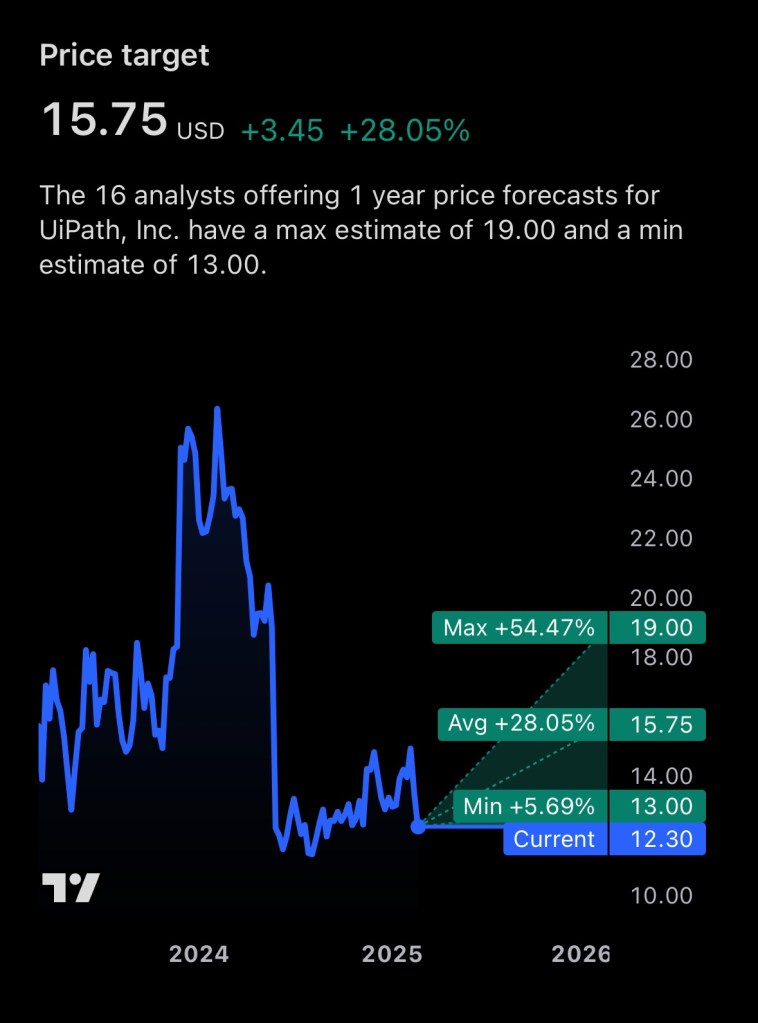
Despite these positive indicators, UiPath’s stock has experienced volatility. Shares fell 5% in premarket trading after the company maintained its fourth-quarter revenue forecast, leading to investor disappointment. The stock has declined approximately 40% in 2024, reflecting broader market challenges.

Strategic Positioning in AI and Automation

UiPath continues to innovate within the RPA and AI sectors. The company leverages AI to transform RPA, enabling complex automation and market growth while addressing profitability challenges. This strategic focus positions UiPath to capitalize on the increasing need for intelligent automation solutions across various industries.

Analyst Perspectives

Analysts present mixed views on UiPath’s prospects. Some highlight the company’s potential in the evolving AI landscape, while others express caution due to profitability concerns. Investors are advised to consider these diverse perspectives when evaluating UiPath’s investment potential.

UiPath’s advancements in AI and automation, coupled with its solid financial performance, position it as a noteworthy player in the technology sector. However, potential investors should remain mindful of market volatility and conduct comprehensive research before making investment decisions.

Disclosure:

I do not own any stock or have any financial interest in UiPath Inc. (NYSE: PATH). This article is for informational purposes only and should not be considered financial or investment advice. Investing in stocks carries risks, and past performance is not indicative of future results. Always conduct your own research and consult with a qualified financial professional before making any investment decisions.

References

MarketWatch. (2024, February 29). UiPath sees 10% revenue jump on ‘increasing need’ for AI; stock rallies. MarketWatch. https://www.marketwatch.com/story/uipath-sees-10-revenue-jump-on-increasing-need-for-ai-stock-rallies-f4587d09

MarketWatch. (2024, February 29). UiPath shares drop as Cathie Wood-backed software developer holds guidance. MarketWatch. https://www.marketwatch.com/story/uipath-shares-drop-as-cathie-wood-backed-software-developer-holds-guidance-9ffa2bc0

Investopedia. (2024, February 29). UiPath stock is falling after earnings and the company is boosting its buyback plan. Investopedia. https://www.investopedia.com/uipath-posts-results-and-guidance-on-ai-demand-buyback-8707490

Seeking Alpha. (2024, February 28). UiPath: AI potential vs. margin reality. Seeking Alpha. https://seekingalpha.com/article/4762394-uipath-ai-potential-vs-margin-reality

Understanding the Parts of an Auto Insurance Policy and What to Consider Adding

Auto insurance is a crucial financial safeguard that protects drivers from unexpected costs due to accidents, theft, and other incidents. While most states require drivers to carry at least a minimum level of insurance, understanding the different parts of an auto insurance policy can help policyholders make informed decisions about their coverage. Here’s a breakdown of the key components of an auto insurance policy and optional coverages to consider adding for extra protection.

Car insurance policy. Man handshake with agent. Contract for safe and protect automobile from disaster or crash. Guarantee vector concept. Agreement for damaged vehicle service, deal

The Core Components of an Auto Insurance Policy

Liability Coverage
Liability insurance is typically required by law and covers bodily injury and property damage that you cause to others in an accident.

Bodily Injury Liability (BI): Pays for medical expenses, lost wages, and legal fees if you injure someone in an accident.

Property Damage Liability (PD): Covers the cost of repairing or replacing another person’s property that you damage, such as vehicles, fences, or buildings.

Collision Coverage
This coverage pays for repairs or replacement of your vehicle if it is damaged in an accident, regardless of who is at fault. It is particularly beneficial for newer or high-value vehicles.

Comprehensive Coverage
Often called “other than collision” coverage, comprehensive insurance covers damage to your vehicle from non-collision incidents such as theft, vandalism, fire, natural disasters, or animal collisions.

Uninsured/Underinsured Motorist Coverage (UM/UIM)
This coverage protects you if you’re involved in an accident with a driver who has no insurance or insufficient coverage. It can cover medical bills, lost wages, and other expenses resulting from the accident.

Personal Injury Protection (PIP) / Medical Payments (MedPay)
These coverages help pay for medical expenses for you and your passengers, regardless of fault. PIP may also cover lost wages and essential services like childcare if you’re unable to work due to injuries.

Additional Coverages to Consider

Roadside Assistance
Provides help with common vehicle issues such as towing, battery jump-starts, flat tire changes, and lockout services.

Rental Car Reimbursement
Covers the cost of a rental car while your vehicle is being repaired due to a covered accident.

Gap Insurance
If your car is totaled or stolen and you owe more on your loan or lease than the car’s current value, gap insurance covers the difference.

Custom Equipment Coverage
If you’ve added aftermarket modifications to your vehicle, such as custom wheels or a sound system, this coverage helps protect those enhancements.

Rideshare Insurance
If you drive for companies like Uber or Lyft, personal auto insurance may not cover you while you’re working. Rideshare insurance fills the gap in coverage.

Choosing the Right Policy

When selecting auto insurance, consider factors such as your vehicle’s value, driving habits, and budget. While state minimums may keep you legally covered, adding comprehensive protection can prevent costly out-of-pocket expenses in case of an accident or theft. Consulting with a trusted insurance agent can help you customize your policy to fit your specific needs.

Understanding the different parts of an auto insurance policy and tailoring your coverage accordingly ensures that you are adequately protected on the road. Taking the time to review and adjust your policy can provide peace of mind and financial security in the event of an unexpected incident.

For a personalized insurance review, contact me today to ensure you have the right coverage for your needs.

About the Author:

David Dandaneau is a insurance agent that covers the insurance and financial services industry. He is known for his insightful analysis and comprehensive coverage of market trends and regulatory developments.

Why Protecting Your Business Against Cybersecurity Threats is Essential

Cybersecurity threats have become a major concern for businesses of all sizes. With cyberattacks on the rise, failing to safeguard sensitive data can result in devastating consequences, including financial losses, reputational damage, and legal repercussions.

The Growing Threat of Cybercrime

Cybercriminals are constantly developing new tactics to exploit vulnerabilities in business networks. From ransomware attacks to data breaches and phishing scams, organizations face a variety of risks that can compromise customer information, trade secrets, and financial records. According to cybersecurity reports, cybercrime is projected to cost the global economy trillions of dollars annually, highlighting the urgent need for proactive security measures.

Financial and Reputational Risks

A successful cyberattack can have severe financial implications, including loss of revenue, regulatory fines, and the high costs of recovering compromised systems. Beyond monetary losses, businesses may suffer reputational harm, leading to decreased customer trust and lost business opportunities. A single security breach can permanently damage a company’s brand and credibility.

Compliance and Legal Consequences

Businesses that handle sensitive customer data are often subject to strict regulatory requirements. Failing to implement proper cybersecurity measures can result in non-compliance with laws such as the General Data Protection Regulation (GDPR) and the California Consumer Privacy Act (CCPA). Non-compliance can lead to hefty fines and legal action, further impacting a company’s bottom line.

Best Practices for Cybersecurity Protection

To mitigate cybersecurity threats, businesses should adopt a multi-layered security approach that includes:

  • Regular software updates to patch vulnerabilities and enhance security.
  • Employee training programs to educate staff on recognizing phishing scams and security best practices.
  • Strong password policies and multi-factor authentication to secure accounts.
  • Data encryption and backups to protect sensitive information and ensure quick recovery in case of an attack.
  • Network security measures such as firewalls, antivirus software, and intrusion detection systems.
Portrait of tired programer rubbing eyes while typing on laptop sitting at desk with multiple screens parsing code in software agency. Coder losing focus while working on user interface.

Stay Protected – Contact Me Today

Investing in cybersecurity is not just an option—it is a necessity for businesses that want to protect their assets, customers, and reputation. By implementing robust security measures and staying informed about emerging threats, companies can minimize risks and ensure long-term success in an increasingly digital world. If you want to learn more about how to safeguard your company’s data and infrastructure, don’t hesitate to reach out. Contact me today to discuss the best cybersecurity insurance solutions tailored to your business needs.

Key Components of Effective Risk Assessment in Organizations

In today’s unpredictable business landscape, risk assessment has become a critical component of effective business management. Organizations across industries are recognizing the importance of identifying, evaluating, and mitigating risks to ensure sustainability and growth.

The Role of Risk Assessment in Business

Risk assessment is the systematic process of identifying potential hazards, analyzing their impact, and implementing measures to minimize threats. From financial uncertainties to cybersecurity threats and operational challenges, businesses face a myriad of risks that can disrupt their operations.

Effective risk assessment enables companies to anticipate challenges and make informed decisions. It fosters resilience by preparing organizations for adverse events, allowing them to respond proactively rather than reactively.

Key Components of Risk Assessment

Identification of Risks: Businesses must first pinpoint possible risks, whether they stem from market volatility, regulatory changes, technological disruptions, or internal inefficiencies.

Risk Analysis and Evaluation: Once identified, these risks must be analyzed based on their likelihood and potential impact. High-risk areas require immediate attention, while lower-risk concerns may need monitoring.

Implementation of Risk Mitigation Strategies: Companies must develop strategies to either eliminate, mitigate, transfer, or accept risks. These strategies can include diversifying investments, enhancing cybersecurity measures, or creating contingency plans.

Continuous Monitoring and Review: Risk assessment is an ongoing process. Businesses must regularly review and update their risk management strategies to adapt to evolving threats.

The Business Benefits of Risk Assessment

A robust risk assessment framework enhances business management in several ways:

Improved Decision-Making: With a clear understanding of risks, businesses can make data-driven decisions and allocate resources effectively.

Regulatory Compliance: Many industries have strict regulatory requirements. Risk assessment helps organizations adhere to legal and compliance standards, avoiding penalties.

Financial Stability: Identifying and mitigating financial risks protect businesses from unexpected losses and economic downturns.

Enhanced Reputation: Companies that proactively manage risks build trust among customers, investors, and stakeholders, fostering long-term growth.

The Future of Risk Assessment

With advancements in technology, businesses are leveraging artificial intelligence (AI) and data analytics to enhance risk assessment processes. Predictive analytics, machine learning, and real-time monitoring tools are revolutionizing how organizations assess and respond to risks.

As business environments continue to evolve, integrating risk assessment into business management strategies will remain crucial for success. Organizations that prioritize risk management will be better positioned to navigate uncertainties and achieve sustainable growth in the competitive marketplace.

Business continuity management concept. “Business Continuity” with icons strategy, risk assessment, and operational planning. business continuity planning and resilience in managing disruptions.

Risk assessment is no longer optional but a necessity for businesses aiming for longevity and profitability. By embedding risk assessment into their core management strategies, businesses can ensure resilience, maintain operational efficiency, and drive long-term success.

About the Author:

David Dandaneau is a insurance agent that covers the insurance and financial services industry. He is known for his insightful analysis and comprehensive coverage of market trends and regulatory developments.

Effective Techniques to Beat Distractions and Stay Productive

In a world filled with endless distractions and responsibilities, staying productive can often feel overwhelming. Whether you’re juggling work, school, or personal projects, finding focus and efficiency is often a challenge. Fortunately, there are proven strategies to help you maximize your time and energy. Here are some of the best productivity tips to get you back on track.

  1. Prioritize with the Eisenhower Matrix
    Not all tasks are created equal. Using the Eisenhower Matrix—a method that categorizes tasks as urgent, important, both, or neither—can help you focus on what truly matters. Prioritize essential and time-sensitive tasks while eliminating or delegating distractions.
  2. The Pomodoro Technique: Work in Intervals
    Long hours of continuous work can lead to burnout. The Pomodoro Technique suggests working in 25-minute focused intervals, followed by a short break. This method improves concentration while preventing fatigue, making it easier to power through your to-do list.
  3. Limit Digital Distractions
    One of the biggest productivity killers is the constant stream of notifications from social media, emails, and messaging apps. Consider using website blockers, putting your phone on silent, or scheduling designated screen time to minimize distractions.
  4. Start Your Day with a Clear Plan
    Beginning your day without direction can lead to wasted time. Each morning (or the night before), jot down your top priorities. Having a roadmap ensures that you stay focused on essential tasks rather than getting lost in unimportant ones.
  5. Leverage the “Two-Minute Rule”
    If a task takes less than two minutes to complete, do it immediately. Small tasks like replying to an email, tidying your desk, or setting an appointment can pile up and create unnecessary mental clutter if left undone.
  6. Optimize Your Work Environment
    Your surroundings play a significant role in productivity. A clutter-free, comfortable workspace with adequate lighting and minimal noise can improve focus and efficiency. Consider using ergonomic furniture to enhance comfort and avoid fatigue.
  7. Don’t Multitask—Single-Task Instead
    Despite popular belief, multitasking reduces productivity and increases errors. Instead, focus on one task at a time, complete it efficiently, and then move on to the next. This improves both the quality and speed of your work.
  8. Take Regular Breaks to Recharge
    Working non-stop can drain your mental energy. Short breaks between tasks can help refresh your mind and improve overall productivity. Activities like stretching, walking, or deep breathing can boost focus and creativity.
  9. Set Realistic Goals and Celebrate Small Wins
    Breaking down large projects into manageable steps makes them less overwhelming. Set achievable goals and celebrate progress along the way. Recognizing small wins can boost motivation and keep you moving forward.
  10. Prioritize Sleep and Self-Care
    A well-rested mind is a productive mind. Lack of sleep and neglecting self-care can lead to sluggishness, poor concentration, and increased stress. Prioritize rest, hydration, and nutrition to maintain peak performance.


Boosting productivity doesn’t mean working longer hours—it’s about working smarter. By implementing these tips, you can improve focus, efficiency, and overall well-being. Start small, be consistent, and watch your productivity soar!


Clover Health ($CLOV): Key Growth and Profitability Insights

Clover Health Investments Corp. (NASDAQ: $CLOV), a physician enablement company focused on improving healthcare for Medicare beneficiaries, has recently demonstrated significant growth and strategic initiatives that may appeal to investors.

Robust Membership Growth

As of January 2025, Clover Health reported a 27% increase in Medicare Advantage membership, surpassing 100,000 members. Notably, approximately 95% of these members are enrolled in the company’s flagship 4-Star Preferred Provider Organization (PPO) plan, reflecting Clover’s commitment to delivering high-quality care.

Strategic Focus on Profitability

In December 2023, Clover Health announced its decision to exit the Centers for Medicare and Medicaid Services’ (CMS) ACO REACH program. This move allows the company to concentrate resources on its core Medicare Advantage insurance business and the Clover Assistant platform, aiming to achieve profitability on an Adjusted EBITDA basis for the full year 2024.

Financial Performance and Outlook

The company’s financial trajectory shows promise, with earnings expected to improve from a loss of $0.12 per share to $0.07 per share in the coming year. Analysts have set a 12-month price target of $5.00 for Clover Health’s stock, suggesting potential upside from its current trading price of $4.46 as of February 16, 2025.

Investment Considerations

While Clover Health’s recent membership growth and strategic refocusing are positive indicators, potential investors should be mindful of market volatility. The stock has experienced fluctuations, and with a significant portion of retail ownership, there is a risk of profit-taking following earnings reports. Therefore, a cautious approach is advisable, possibly awaiting the upcoming Q4 2024 earnings release for more clarity on the company’s financial health.

Clover Health’s strategic initiatives and growth in the Medicare Advantage sector position it as a noteworthy contender in the healthcare market. However, investors should conduct thorough research and consider market dynamics before making investment decisions.

Disclosure: I currently hold a position in Clover Health Investments Corp. (NASDAQ: $CLOV). This article reflects my personal opinions and analysis, and is not intended as financial advice. Please conduct your own research or consult a financial advisor before making any investment decisions.

References

Clover Health. (2023, December 15). Clover Health exits ACO REACH to accelerate path to profitability. Clover Health Investors. https://investors.cloverhealth.com/news-releases/news-release-details/clover-health-exits-aco-reach-accelerate-path-profitability

Finance Yahoo. (2025, January 10). Clover Health reports 27% growth in Medicare Advantage membership. Yahoo Finance. https://finance.yahoo.com/news/clover-health-reports-27-growth-140000713.html

Seeking Alpha. (2025, February 10). Clover Health: Watch out for volatility following Q4 earnings results. Seeking Alpha. https://seekingalpha.com/article/4756994-clover-health-watch-out-for-volatility-following-q4-earnings-results

Stock Analysis. (2025, February 15). Clover Health (CLOV) stock forecast and price target. Stock Analysis. https://stockanalysis.com/stocks/clov/forecast

Why You Should Consider Medical Payments Coverage for Your Auto Policy

When selecting auto insurance coverage, many drivers focus on liability, collision, and comprehensive coverage. However, one often-overlooked component that could make a significant difference in the event of an accident is Medical Payments Coverage, also known as MedPay.

What is Medical Payments Coverage?

MedPay is an optional add-on to your auto insurance policy that helps cover medical expenses for you and your passengers, regardless of who is at fault in an accident. This can include hospital visits, surgeries, X-rays, ambulance fees, and even funeral expenses.

Reasons to Consider Medical Payments Coverage

  1. Covers Out-of-Pocket Medical Expenses

Even if you have health insurance, MedPay can help cover deductibles, co-pays, and other out-of-pocket expenses. This means less financial burden in case of an accident-related injury.

  1. Provides Immediate Medical Coverage

Unlike health insurance, which may have waiting periods or require approvals for certain procedures, MedPay provides immediate coverage for medical costs, ensuring quick access to necessary treatments.

  1. Covers You and Your Passengers

MedPay not only covers the policyholder but also any passengers in the vehicle at the time of the accident. This can be especially beneficial if you frequently drive with family or friends.

  1. Extends Beyond Car Accidents

In many cases, MedPay can cover medical expenses if you are injured as a pedestrian, bicyclist, or even while riding public transportation, adding an extra layer of protection.

  1. No Deductibles or Co-Pays

Unlike standard health insurance, MedPay typically does not require a deductible or co-pay, allowing you to receive the full benefits of the coverage without additional costs.

A Small Price for Peace of Mind

Adding MedPay to your auto insurance policy is relatively affordable compared to other types of coverage. The cost varies based on your insurer and coverage limits, but it can provide significant financial relief in case of an accident.

While MedPay is optional in most states, its benefits make it a worthy consideration for drivers looking for extra financial protection. Consult with your insurance agent to determine if Medical Payments Coverage is right for you.

For more information about auto insurance options, contact your local insurance professional and reach out to me today. Let’s make sure you’re covered whatever comes your way.

About the Author:

David Dandaneau is a insurance agent that covers the insurance and financial services industry. He is known for his insightful analysis and comprehensive coverage of market trends and regulatory developments.