Maneuvering through the Obstacles Seniors Face in Today’s Society

As our society continues to evolve, the challenges faced by seniors have become increasingly complex. From healthcare to technology, seniors encounter various obstacles that can significantly impact their quality of life. In this article, I’ll dive into some of the prominent hurdles faced by seniors and explore potential solutions to address these issues.

  1. Healthcare Access and Affordability: One of the foremost challenges seniors grapple with is access to affordable and comprehensive healthcare. As medical costs soar, many seniors find themselves struggling to afford necessary medications, treatments, and even routine check-ups. Limited mobility and transportation difficulties can exacerbate this issue, making it harder for seniors to access the care they need.
    • Solution: Community outreach programs, increased availability of home healthcare services, and advocacy for affordable healthcare policies can contribute to a more accessible and affordable healthcare system for seniors.
  2. Technological Barriers: In an era dominated by technology, seniors often face challenges in adapting to new devices and digital platforms. From online banking to virtual healthcare appointments, the digital divide can isolate seniors and hinder their ability to connect with the modern world.
    • Solution: Implementing user-friendly technology, providing digital literacy programs for seniors, and encouraging intergenerational tech support can help bridge the technological gap.
  3. Social Isolation: Seniors may experience social isolation due to factors such as the loss of friends and family members, physical limitations, or the lack of community engagement. Loneliness and social isolation can have detrimental effects on mental and physical well-being.
    • Solution: Creating community centers, organizing social activities for seniors, and fostering intergenerational connections can combat social isolation and enhance the overall quality of life for older adults.
  4. Financial Insecurity: Many seniors face financial challenges, including a fixed income, rising living costs, and the potential depletion of retirement savings. Economic instability can limit seniors’ ability to enjoy their golden years without constant financial worry.
    • Solution: Implementing policies that support affordable housing, providing financial education for seniors, and expanding access to senior-friendly employment opportunities can contribute to financial security in later years.
  5. Transportation Limitations: Limited mobility can restrict seniors’ ability to travel independently, leading to increased dependency on others for transportation. This can hinder access to essential services and social activities.
    • Solution: Developing senior-friendly transportation services, promoting community-based transportation initiatives, and incorporating age-friendly design in urban planning can enhance seniors’ mobility and independence.

Addressing the obstacles faced by seniors requires a multifaceted approach that involves community engagement, policy changes, and technological advancements. By understanding and actively working to overcome these challenges, we can create a more inclusive and supportive society for our aging population. Ask not what a senior can do for you but what you can do for your senior is what we all should be doing. Most importantly, if you have an important senior in your life, remember to tell them you love them and keep smiling cause it really does look good on them. Make it a GREAT DAY!!!

Retirement Investments: A Statistical Comparison of 401(k) and Annuities

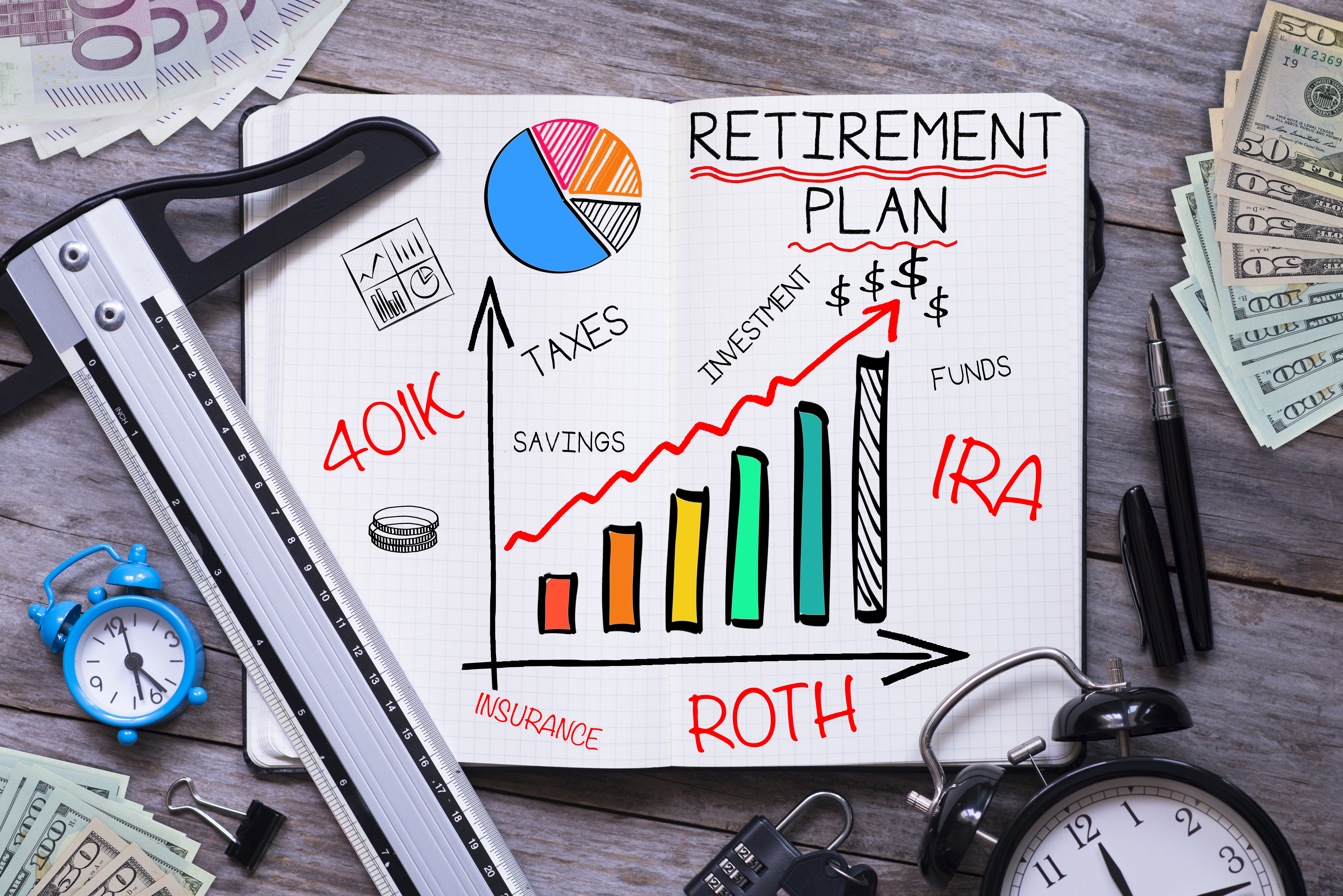
When it comes to planning for retirement, individuals are often faced with a myriad of investment options. Two popular choices are 401(k) plans and annuities, each offering unique features and benefits. In this blog post, we’ll delve into a statistical comparison of 401(k) plans and annuities to help you make an informed decision for your retirement portfolio.

401(k) Plans:

  1. Contribution Limits:
    • In 2023, the maximum annual contribution limit for 401(k) plans is $19,500 for individuals under the age of 50, and $26,000 for those 50 and older, including catch-up contributions.
    • The ability to contribute pre-tax income to a 401(k) can significantly reduce taxable income during your working years.
  2. Employer Matching:
    • Many employers offer matching contributions to 401(k) plans, providing an instant boost to your retirement savings.
    • A common matching structure is a dollar-for-dollar match up to a certain percentage of your salary.
  3. Investment Options:
    • 401(k) plans typically offer a range of investment options, including stocks, bonds, and mutual funds.
    • Participants have control over their investment choices, allowing for a diversified portfolio based on risk tolerance and investment goals.

Annuities:

  1. Guaranteed Income:
    • Annuities are designed to provide a steady stream of income during retirement.
    • With certain types of annuities, such as immediate or fixed annuities, you can receive a guaranteed income for life.
  2. Risk Mitigation:
    • Annuities can act as a hedge against market volatility, making them appealing for individuals seeking a more stable retirement income.
    • Fixed and fixed indexed annuities protect against market downturns, providing a level of security.
  3. Liquidity and Accessibility:
    • Annuities often come with surrender charges and withdrawal restrictions.
    • Some annuities offer liquidity features, allowing partial withdrawals or access to funds under certain circumstances.

Statistical Analysis:

  1. Historical Returns:
    • 401(k) plans historically benefit from market growth, with average annual returns influenced by market conditions.
    • Annuities may offer lower returns compared to the stock market, but they provide stability and consistent income.
  2. Long-Term Growth:
    • The compounding effect of long-term investments in 401(k) plans can result in substantial growth over time.
    • Annuities focus on preserving capital and generating income, prioritizing a more conservative approach.
  3. Risk Tolerance and Diversification:
    • 401(k) plans allow for greater flexibility in managing risk through diversification across asset classes.
    • Annuities are often favored by those with lower risk tolerance, seeking a guaranteed income stream without exposure to market fluctuations.

Choosing between a 401(k) plan and annuities depends on your individual financial goals, risk tolerance, and preferences. While 401(k) plans offer growth potential through market participation, annuities provide a secure income stream with reduced market exposure. Understanding the statistical aspects of each option is crucial for crafting a well-balanced retirement strategy that aligns with your unique circumstances. If you need help moving a dormant or inactive 401(k) to an annuity, give me a shout or drop me a line, as I would love to help show you how we can make your money grow without the risk of downside. Otherwise, and like usual keep smiling cause it really does look good on you.

Navigating Healthcare Costs: A Comprehensive Guide to Understanding Medicare Supplements

In the complex landscape of healthcare, especially for seniors, understanding and managing costs is crucial. Medicare, the federal health insurance program for individuals aged 65 and older, provides essential coverage, but it doesn’t cover all expenses. This is where Medicare Supplements, also known as Medigap, come into play. Let’s delve into the world of Medicare Supplements, supported by statistics to shed light on their significance.

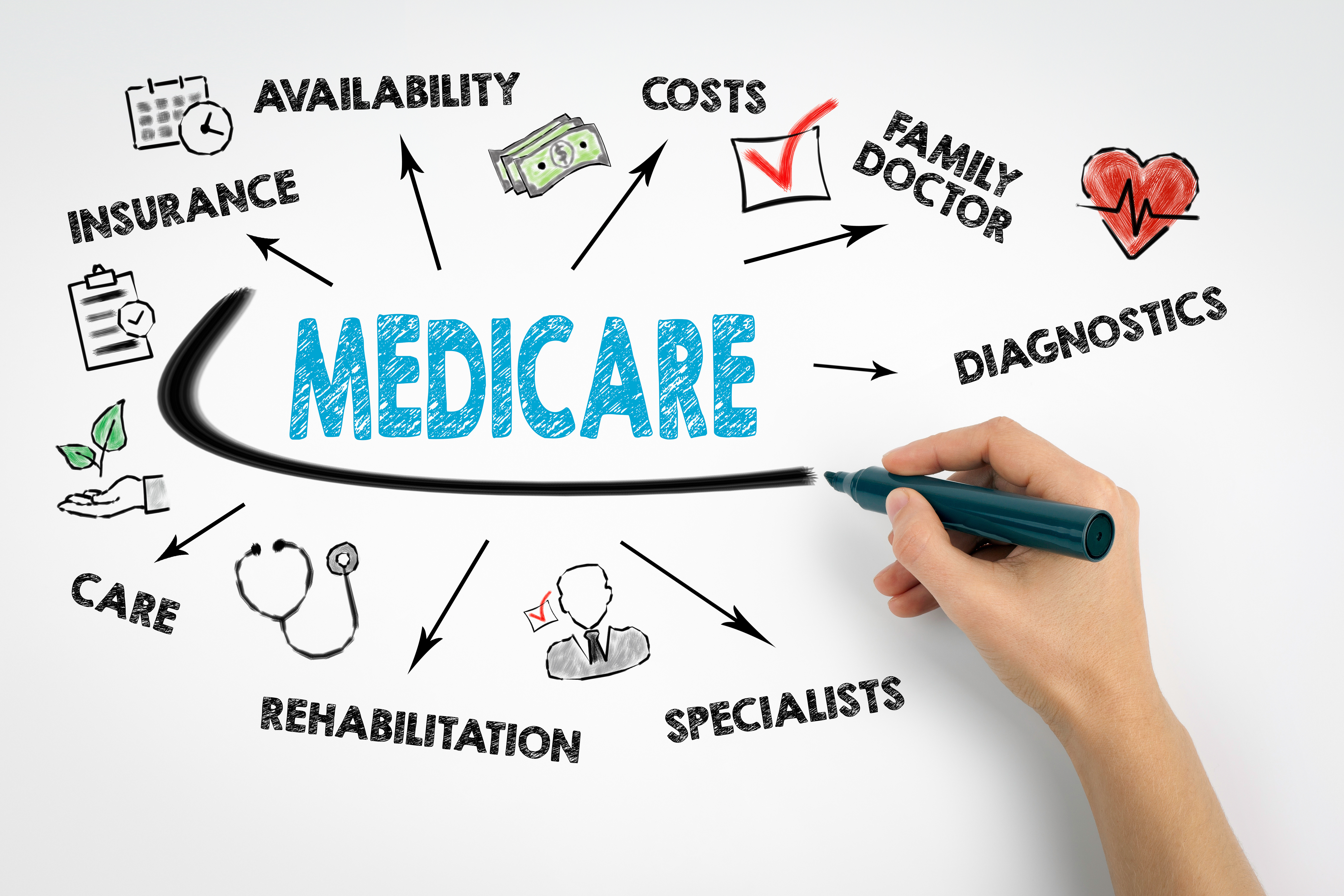
Medicare Conceptual Map

Rising Healthcare Costs: A Growing Concern According to a report by the Kaiser Family Foundation, the average annual premium for a Medicare Part B plan was $1,452 in 2021. With healthcare costs steadily rising, many seniors find it challenging to cover the gaps left by traditional Medicare. Healthcare costs have been rising at an average rate of 4% per year, outpacing inflation and wage growth.

Understanding Medicare Gaps: The Need for Supplements Medicare Parts A and B cover hospital and medical expenses, but there are gaps in coverage, including copayments, deductibles, and coinsurance. Medicare Supplements aim to fill these gaps, providing seniors with more comprehensive coverage. In 2021, the average deductible for Medicare Part B was $203, and the Part A deductible was $1,484 per benefit period.

The Popularity of Medicare Supplements Millions of seniors opt for Medicare Supplements to enhance their healthcare coverage. These plans are offered by private insurance companies and come in standardized packages, labeled from Plan A to Plan N. As of 2021, over 14 million Medicare beneficiaries were enrolled in Medigap plans, accounting for approximately 34% of all Medicare beneficiaries.

Cost Savings with Medigap Plans While Medicare Supplements come with their own premiums, they often result in significant cost savings for beneficiaries in the long run. This is especially true for individuals with frequent healthcare needs. A study by the American Association for Medicare Supplement Insurance found that Medigap Plan G, on average, could save beneficiaries over $1,000 per year compared to other plans.

Comparing Medigap Plans: A Matter of Choice With various Medigap plans available, it’s essential for seniors to choose the one that aligns with their healthcare needs and budget. Each plan offers different coverage options, allowing individuals to tailor their insurance to their specific requirements. In 2021, Plan F and Plan G were the most popular Medigap plans, collectively accounting for more than half of all Medigap enrollments.

As healthcare costs continue to rise, understanding the role of Medicare Supplements becomes increasingly important for seniors seeking comprehensive coverage. With millions of beneficiaries already benefiting from these plans, the statistics highlight the growing significance of Medicare Supplements in ensuring financial security and peace of mind in the realm of healthcare. If you need help picking the right Medicare Supplemental policies, drop me a line, give me a call or shoot me an email, as I would love to help. Otherwise, until next time don’t sweat the little things and keep smiling.

Aging Gracefully: The Vital Role of Exercise in Seniors’ Lives

As the sands of time continue to fall, the importance of maintaining an active lifestyle becomes even more crucial, especially for our beloved seniors. Aging is a natural part of life, but it doesn’t mean surrendering to a sedentary existence. In fact, engaging in regular exercise is a powerful tool that can enhance the quality of life for everyone, especially seniors in numerous ways.

  1. Physical Well-being: A Fountain of Youth

Aging often brings with it a myriad of physical challenges, from diminishing bone density to muscle loss and joint stiffness. However, regular exercise is akin to a fountain of youth, counteracting these effects and promoting overall physical well-being. Weight-bearing exercises, such as walking or strength training, can help maintain bone density and muscle mass, preventing conditions like osteoporosis and sarcopenia.

  1. Mental Agility: Exercising the Mind

The benefits of exercise extend beyond the physical realm—they also have a profound impact on cognitive function. Studies have shown that regular physical activity can help prevent cognitive decline and reduce the risk of developing conditions like Alzheimer’s disease. Engaging in activities that challenge the mind, such as dancing or participating in group exercise classes, stimulates brain function and keeps those synapses firing.

  1. Emotional Health: A Natural Mood Booster

The golden years should be a time of joy and fulfillment, but they often come with their fair share of life changes and challenges. Exercise, however, acts as a natural mood booster, releasing endorphins that combat stress, anxiety, and depression. Seniors who incorporate regular physical activity into their routines often report improved mood, increased self-esteem, and a greater sense of well-being.

  1. Social Connections: Building Bonds Through Movement

Exercise provides a fantastic opportunity for seniors to connect with others and build meaningful relationships. Group classes, walking clubs, or even simple strolls with friends create a sense of community and combat feelings of isolation. Social interactions foster emotional support, encourage a sense of belonging, and contribute to an overall positive outlook on life.

  1. Chronic Disease Management: A Preventive Measure

Many chronic conditions become more prevalent with age, including heart disease, diabetes, and arthritis. Exercise serves as a preventive measure and can help manage these conditions. Cardiovascular exercises, for instance, promote heart health, while regular physical activity helps control blood sugar levels and alleviates symptoms of arthritis.

In the grand tapestry of life, aging is but one thread. With the right mindset and a commitment to staying active, seniors can ensure that this chapter is filled with vibrancy, good health, and a sense of fulfillment. Exercise is not just a physical activity; it’s a celebration of life, a testament to the resilience of the human spirit, and a pathway to aging gracefully. So, let’s embrace the power of movement and empower our seniors to live their best lives—healthy, happy, and full of vitality. Even though I’m not officially a senior, regular exercise is part of my daily regime. So, regardless of age, let’s make sure we stay healthy and wealthy together. Remember age is just a number it’s the smile that matters the most, so keep exercising and smiling cause it really does look good on you.

The Labyrinth of ADHD: Embracing Awareness and Understanding

October is more than just the month of falling leaves and pumpkin spice; it’s also ADHD Awareness Month. A time when we turn our attention to a neurodevelopmental disorder that affects millions of lives around the world. Attention Deficit Hyperactivity Disorder (ADHD) isn’t just about being easily distracted or hyperactive—it’s a complex and nuanced condition that deserves our understanding and empathy.

Attention Deficit Hyperactivity Disorder

Understanding ADHD: Beyond the Stereotypes

ADHD is often misunderstood, and its stereotypes can perpetuate misconceptions. To truly grasp its impact, it’s essential to go beyond the surface. Dr. Russell A. Barkley, a renowned expert on ADHD, provides a profound insight: “ADHD isn’t a deficit of attention; it’s a self-regulation problem. It’s about managing arousal levels to be self-aware enough to do what’s necessary.”

These words challenge the common perception of ADHD as a mere attention issue. Instead, they invite us to explore the multifaceted nature of the disorder, recognizing the challenges individuals face in regulating their attention, emotions, and behavior.

ADHD in the Real World: Navigating Challenges

Living with ADHD means navigating a labyrinth of challenges, from difficulties in concentration to impulsivity. Dr. Edward M. Hallowell, a psychiatrist and author, captures the essence of ADHD by saying, “ADHD is like having a race car brain with bicycle brakes.” This analogy vividly illustrates the incongruence between the rapid flow of thoughts and the struggle to apply the brakes when necessary.

For those with ADHD, daily tasks that others may find routine can feel like monumental feats. Simple activities such as staying organized, managing time, and completing tasks become hurdles to overcome. ADHD Awareness Month serves as a reminder that these challenges are not a result of laziness or lack of effort but rather a manifestation of the underlying neurobiological differences associated with the disorder.

Breaking Stigmas: Embracing Neurodiversity

In our journey to promote ADHD awareness, it is crucial to break down stigmas and embrace neurodiversity. Dr. Temple Grandin, a prominent advocate for individuals with autism, wisely notes, “The world needs different kinds of minds to work together.” This sentiment extends beyond autism to encompass all neurodivergent individuals, including those with ADHD.

By recognizing and celebrating neurodiversity, we foster a culture of inclusion where the unique strengths and perspectives of individuals with ADHD can thrive. Rather than viewing ADHD as a limitation, let’s appreciate it as a unique way of experiencing the world.

Moving Forward: Advocacy and Support

ADHD Awareness Month is not only about understanding the challenges but also about advocating for support and resources. Dr. Ned Hallowell, co-author of “Driven to Distraction,” emphasizes the importance of intervention: “The more you can do to understand ADHD and get proper treatment, the better you can do in managing your symptoms.”

Advocacy involves promoting access to appropriate accommodations, educational support, and mental health resources. It’s a collective effort to create an environment where individuals with ADHD can thrive, leveraging their strengths while receiving the necessary assistance to overcome challenges.

ADHD Awareness Month is an opportunity for all of us to deepen our understanding, challenge stereotypes, and advocate for a more inclusive and supportive society. As we reflect on the quotes from experts in the field, let us carry their wisdom into action, fostering a world where everyone, regardless of their neurodivergence, can flourish. As a person who has suffered with ADHD his whole life remember it’s not often what you see that you know the most. Give those around you the benefit of the doubt if they seem to be a little outside the ordinary. Besides who wants ordinary anyway? As always, I would love to hear if you or you know someone that suffers from ADHD? Drop me a line or comment and remember to be kind to your neighbors while smiling cause it really does look good on you. Until next time… Cheers!

Ensuring Tomorrow: The Power of Guaranteed Universal Life Insurance

In the intricate tapestry of financial planning, individuals often seek an insurance solution that seamlessly combines reliability and flexibility. Guaranteed Universal Life Insurance (GUL) emerges as a beacon of financial security, offering a unique blend that caters to the evolving needs of individuals and families. Let’s delve into the world of GUL, exploring its features and benefits, accompanied by insightful quotes from financial experts.

Understanding Guaranteed Universal Life (GUL) Insurance:

Guaranteed Universal Life Insurance is a financial tool that goes beyond the typical life insurance offering. It’s a unique blend of lifelong coverage and a guaranteed death benefit, providing a safety net that remains unwavering through the twists and turns of life. The core strength of GUL lies in its ability to offer stability in an ever-changing financial landscape.

Quotes on the Essence of Guaranteed Universal Life Insurance:

  1. “In the journey of financial planning, Guaranteed Universal Life Insurance serves as a guardian angel, ensuring that your loved ones are protected, regardless of what the future holds.”
  2. “Life is unpredictable, but your financial safety doesn’t have to be. Guaranteed Universal Life Insurance is the anchor that holds steady in the storm, providing a guaranteed lifeline for your family’s future.”

Key Features That Make GUL Stand Out:

  1. Lifetime Assurance: GUL offers coverage that spans a lifetime, assuring policyholders that their loved ones are protected for the long haul. This permanence makes it an invaluable component of a comprehensive financial plan.
  2. Financial Flexibility: The flexibility in premium payments allows individuals to adapt to changing financial circumstances without compromising the security of a guaranteed death benefit. It’s a dance between stability and adaptability.
  3. Guaranteed Death Benefit: The heart of GUL lies in the promise of a guaranteed death benefit, providing peace of mind to policyholders. This assurance ensures that, regardless of market volatility, their loved ones will receive the intended financial protection.

Realizing the Potential:

In a world where financial uncertainties can cast a shadow over our plans, Guaranteed Universal Life Insurance stands as a testament to the power of proactive planning. It’s not just an insurance policy; it’s a promise—an unwavering commitment to securing the dreams and aspirations of those we hold dear.

As we navigate the complex landscape of financial choices, Guaranteed Universal Life Insurance emerges as a beacon of stability. It’s not merely an investment in the future; it’s a declaration of love and responsibility. In the wise words of an unknown author, “Life insurance is a love note to your family, ensuring that the story you started together continues, no matter what.”

In the symphony of life, let Guaranteed Universal Life Insurance (GUL) be the harmonious chord that resonates through generations, ensuring a melody of financial security and peace of mind. If you have an questions or comments please feel free to share and comment. If you want additional information of GUL or any life insurance product lets schedule a time to talk. Until next time keep the light shining and keep smiling cause it truly does look good on you!

Why Seniors Need Social Activities

Social activities play a crucial role in the well-being of seniors, providing them with a myriad of physical, mental, and emotional benefits. As individuals age, social connections become increasingly vital in warding off feelings of loneliness and isolation, which are prevalent among the elderly. Engaging in group activities allows seniors to build and maintain relationships, fostering a sense of community and belonging. This social interaction not only enhances their overall mood but also acts as a protective factor against mental health issues such as depression and anxiety.

Photo by Alena Darmel on Pexels.com

Moreover, participating in social activities contributes to the cognitive health of seniors. Mental stimulation through social engagement has been linked to a lower risk of cognitive decline and dementia. Whether it’s playing board games, joining clubs, or attending social events, these activities challenge the brain, keeping it active and resilient. Additionally, the exchange of ideas and experiences in a social setting stimulates cognitive functions, contributing to improved memory, problem-solving skills, and overall mental sharpness.

On a physical level, social activities for seniors often involve movement and exercise, promoting better physical health. Regular physical activity is essential for maintaining mobility, preventing chronic conditions, and ensuring a higher quality of life. From dancing and yoga classes to walking groups, these activities not only provide health benefits but also create opportunities for seniors to connect with their peers, fostering a supportive environment that encourages an active lifestyle. In essence, social activities serve as a holistic approach to promoting the well-being of seniors, addressing their physical, mental, and emotional needs. I work with seniors of all ages and love to help put on events for them. If your young or old, near or far and in need of someone to talk with, please feel free to reach out or leave me a comment. Otherwise, and as I always say… keep smiling cause it really does look good on you.

Remembering a Great Man- Our Uncle

As many of you already know, last week on April 16, 2019 in Arizona our dearest Uncle Bill passed in his sleep. During his short time there, he was in the care of some wonderful family members talking about all the good times spent with each other throughout his and their lives.

memories

As one of Uncle Bill’s God Children, I never knew a time where he wasn’t part of my life. He did the best he could throughout this time and my life to call on birthdays, holidays, and other special events. He was there sharing in these good times and even in the bad times including the final days of my own dads life.

In fact, I think I was about 10 when I realized that Uncle Bill was more than my God Father. That weekend that I spent with him changing the landscape of his yard was the first time, I realized if there was something you could be proud at a young age was hard work pays off in the end with a finished product. From that weekend on, we continued to share memories and stories. Memories of family vacations, reunions, dinners, and other events of enjoying each other’s company. These events combined with others would also continue to define who I would become as a person when he and my Aunt Kay moved to Florida to enjoy their retirement, as I attended school at the University of South Florida. These memories were not a coincidence and it’s not just me being selective in remembering, it’s because Uncle Bill was a good man and a man that AGAIN helped shape me into who I am today!

Even in his final years, months, and days Uncle Bill made every attempt to do right by his family and friends. Sometimes that meant he would call, visit, or help in any way he could with advice, new perspectives, or financially. He was an inspiration to many with his contagious smile and enthusiasm for life. He made differences in the lives of almost everyone he came into contact with. He was an example of what a true man can be, what a family member can be, or what a friend can be. Now that he is gone we must all learn to grieve for a man that gave everything to all those who knew him. Grieve that he is now reunited with his mom, dad, wife, brothers, sisters, and friends that have went before him.

memory

Although there may be a hole left behind by Uncle Bill’s passing, he will never be forgotten because he filled mine and other lives with memories of happiness and joy. Grieving must remind us of how memories of how hard work pays off. Memories of how time never stands still. Memories of personal triumphs and struggles. Memories of how Uncle Bill touched each one of us and how he helped shape our lives in the past and in the future.

I ask for all of those who knew Uncle Bill and even those who did not that you remember him in your prayers. Let heaven accept this great man and reunite him with others who went before him. My heart is broken but on this Easter Sunday, I pray for Uncle Bill and all those others that I am lucky enough to have or had him as a friend or family member. Please tell those you love how much you love them because we never know when the last time will be that we have to say it. Continue to be strong and enjoy your time spent with each other, so when it is our time to go we know we have not left any stone unturned in our own voyage to the heavens. Give thanks for memories of your past and continue to make memories for the future. It is all these memories (good/bad) others will remember in the end when you are gone. Memories my friends and family are what we have to give, so never stop giving, never stop creating, and never stop telling others how much they mean to you. God bless all and RIP our dearest Uncle Bill!

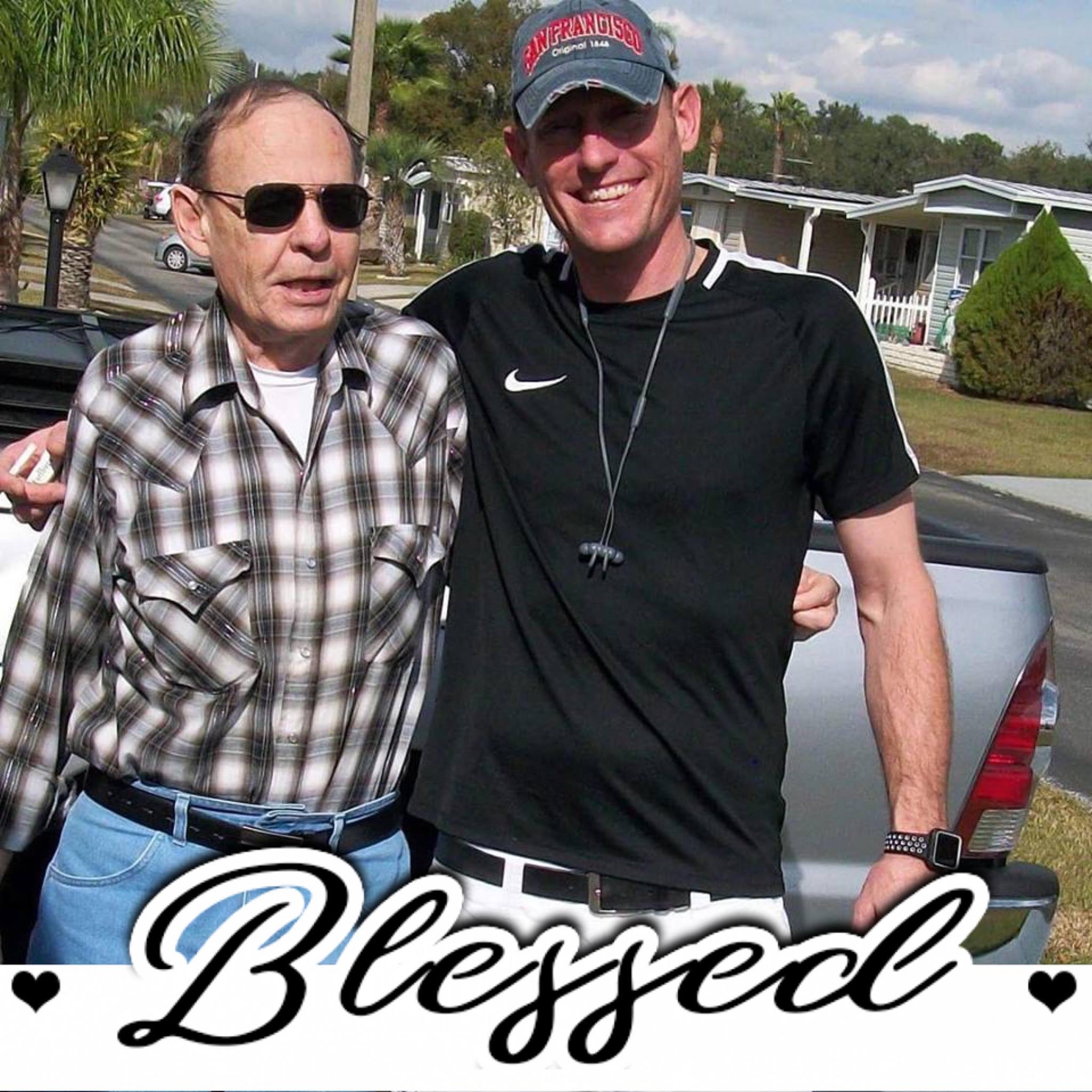
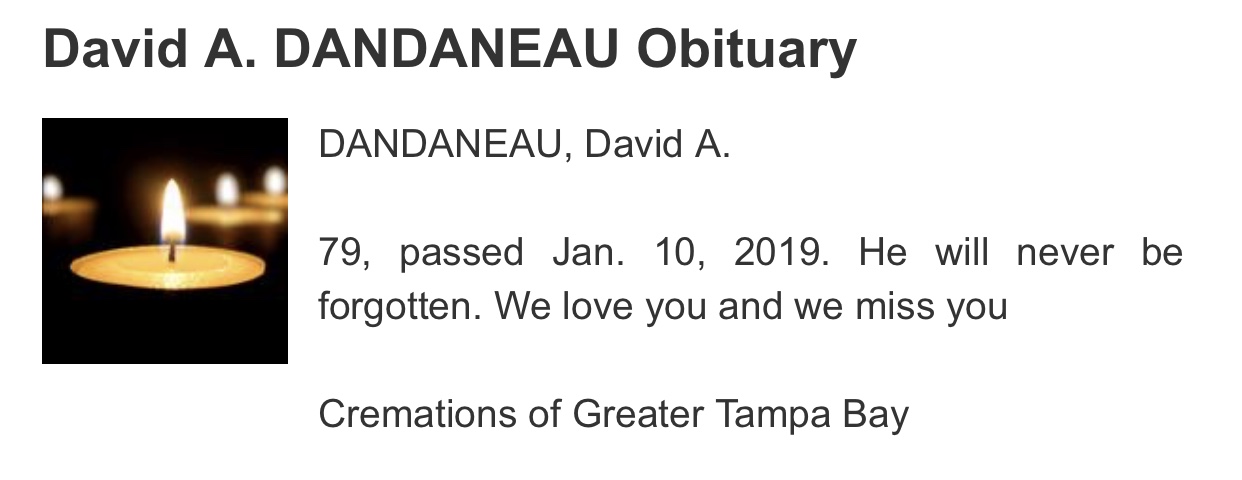
From left to right “Uncle” William Albert Dandaneau, “Dad, Grandpa, Uncle” David Alexander Dandaneau & “Son, Nephew, Uncle” David William Dandaneau

Happier: Is there Happiness as a Care-Giver?

Is anyone really happy? What is happiness anyway? I’ve touched on this before in previous posts but let’s dive deeper into this thing they call happiness but from a care givers point of view! So many of us wonder through life looking for some reason to be happy but is happiness really just waking up and being happy, being thankful for those we have in life, that first cup of coffee, piece of toast, or that fruit?

keepcalmhappy

Let me be the first to tell you that true happiness is those things and so much more. Happiness is something that we have control over. Happiness is in fact, what we decide to be happy over. Recently, I became a care-giver of my father in his final weeks fighting stage 4 lung cancer. This made me very happy, as it was rewarding to be with dad during these troubling times, yet it was also very stressful seeing the decline in such a good man making me unhappy.

Care-giving while remaining optimistic and happy was a new concept to us in our newly formed family life but is something millions of people around the world do everyday and very challenging to say the least. Being cared for or cared by is a team effort no matter what side of the fence you are on and if everyone can remain happy during these times the easier it can be. However, how can anyone remain happy having to manage doctor visits, medications, hospice personal, and the mental/physical health of a loved one? On the flip side and as I have yet to find out… what toll did all this short-term happiness that I had during this time will/is playing on my overall real state of happiness both mentally and physically. I guess only time will tell huh?

Going at anything in life alone can be very challenging, scary, and filled with unknowns but trying to remain happy during these times is very important. Here are some things I found helped and are helping right up to this post.

Rule #1

Don’t do it alone. One thing I noticed over the last few years in fighting this cancer is that there is a lot of help out there for you whether it comes from the doctors, hospice crew, co-workers, or other family and friends. If you don’t ask or take any help think about how this will affect your overall happiness. Also think about how this will affect your health, finances, and spirit? Chances are you will see them all decline eventually and you will end up broke, depressed, and unhappy that you didn’t do enough. Yes? No?

Rule #2

Make it worth every minute. in my dads final weeks/month we were very blessed to have worked with amazing doctors (although dad was convinced they were only after his money), family, and an amazing hospice staff throughout the greater Tampa area. Over this time, I felt a great sense of happiness and continually told myself (even if I was NOT getting paid) that this time spent with him was worth every minute and every dollar of energy we all put into his full-time care. Even though my health and finances continued to decline throughout this time, I tried my best to remain happy and make every minute count. I think dad appreciated it although I still think sometimes he could see the stress mounting.

Rule #3

Tell those your with how much you love them. All to often in life, I think a lot of us get caught up in the moment regardless of what it is. Care-giving is no different. Care-giving requires all your time, energy, and effort, so how can you remain happy and tell all those others in your life that you love them? I by no means have excelled or am excelling in this category but did/do my best each day to tell others how much I love/loved them. Heck, I was even telling the hospice crew I loved them at the end. Now that both my parents have passed I will continue to work on this and hopefully when it’s my time those I touched throughout my life will tell me those exact words… I love you in the end!


decidehappy

I know that I could create an endless list of how to remain happy as a care-giver but I’ll save those for another day. The fact(s) is that most of us choose to be unhappy and more people should choose to be happy, especially if you are or will become a care-giver. Life as a care-giver can be filled with spreadsheets, charts, sleepless nights, etc. but if you somehow can remain happy, I think that is what will carry you to a long end life, while not pissing off all those that you are so close to. And as Mother Teresa said “spread love everywhere you go. Let no one ever come without leaving happier.” Thoughts?

In memory of my AWESOME LOVING DAD!!!

32f526f7-a1df-4cc8-8f72-a79ac9a623d5

0b01c2e1-41f0-4301-a407-6e9d96c3ccbe