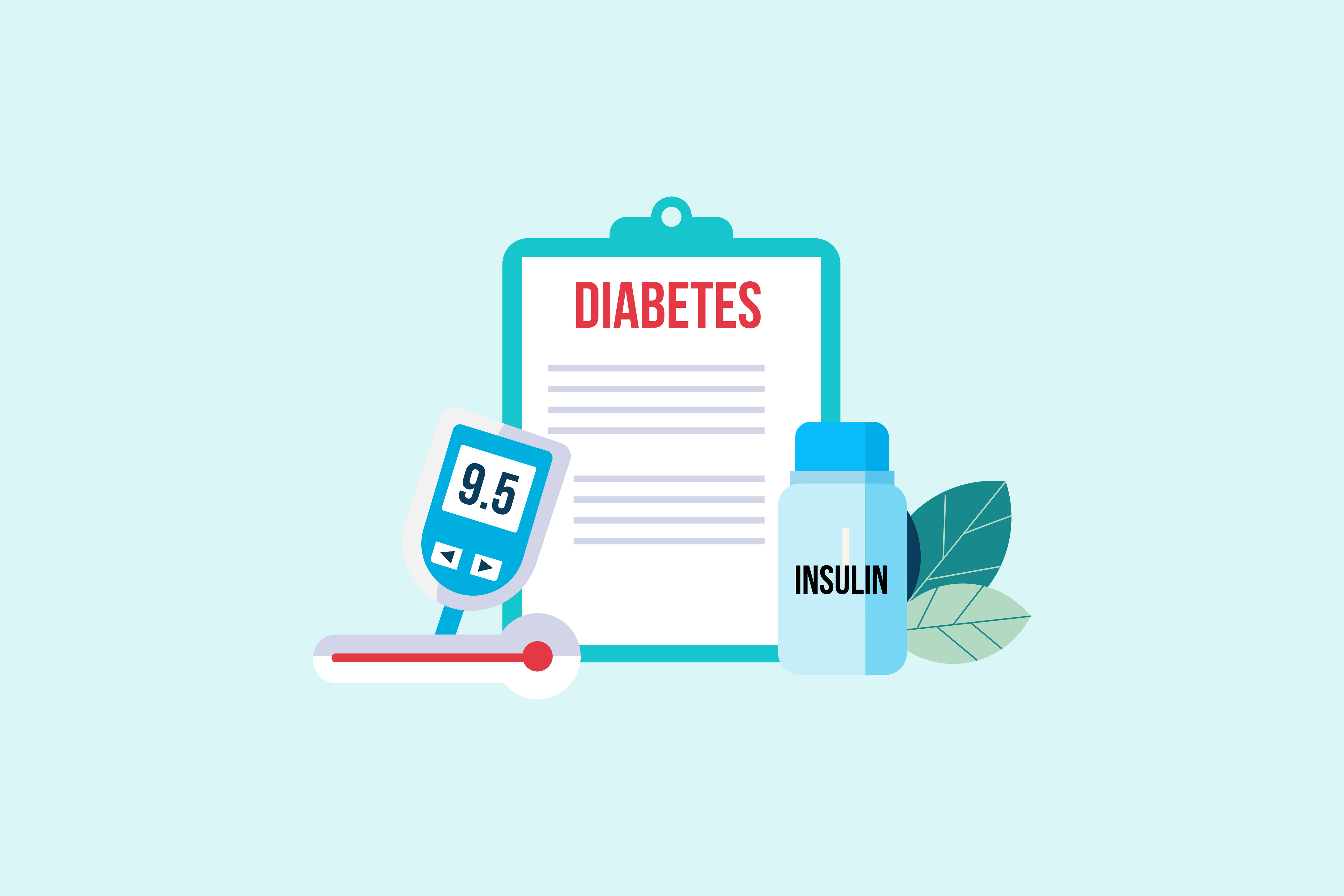
Unmasking the Silent Epidemic: Diabetes Awareness

Diabetes, often referred to as the silent epidemic, is a chronic condition that affects millions of people worldwide. The importance of diabetes awareness cannot be overstated, as it plays a crucial role in prevention, early detection, and improved management of this chronic disease.

  1. Global Prevalence: Diabetes knows no boundaries, affecting people of all ages, races, and backgrounds. According to the International Diabetes Federation (IDF), approximately 463 million adults (20-79 years) were living with diabetes in 2019. This number is expected to rise to 700 million by 2045 if current trends persist.
  2. Types of Diabetes: Diabetes is not a one-size-fits-all condition. There are primarily two types: Type 1, an autoimmune disease usually diagnosed in childhood, and Type 2, which is often linked to lifestyle factors. Approximately 90% of diabetes cases are Type 2.
  3. Impact on Health: Diabetes is more than just high blood sugar. It can lead to a range of complications, including cardiovascular diseases, kidney failure, blindness, and nerve damage. In fact, diabetes is a leading cause of death globally.
  4. Economic Burden: Beyond its impact on health, diabetes places a significant economic burden on individuals and healthcare systems. The IDF estimates that global healthcare spending on diabetes reached $760 billion in 2019.
  5. Rise in Childhood Diabetes: Disturbingly, there has been an increase in the number of children and adolescents diagnosed with Type 2 diabetes, traditionally seen in adults. This shift is attributed to sedentary lifestyles and poor dietary habits.
  6. Contributing Factors: Lifestyle factors such as poor diet, lack of physical activity, and obesity play a crucial role in the development of Type 2 diabetes. Genetic predisposition also contributes to the risk.
  7. Prevention and Awareness: The good news is that diabetes is largely preventable. Simple lifestyle modifications, such as a healthy diet, regular exercise, and weight management, can significantly reduce the risk. Public awareness campaigns are crucial to educate individuals about the importance of early detection and prevention.

As the diabetes epidemic continues to escalate, understanding the disease is a vital step toward addressing this global health crisis. By promoting awareness, advocating for healthier lifestyles, and supporting ongoing research, we can collectively work towards a world where the prevalence of diabetes is not just a statistic, but a thing of the past. What are your thoughts on this deadly disease? Drop me a line, send me a note, or give me a call if you would like to discuss this topic in more depth. And until next time make sure to continue smiling cause it really does look good on you.

🌞✨ The Tranquility of a Happy Sunday 🌿🌼

In the realm of Sunday’s gentle light, A day of rest, serene and bright. The world slows down, a calming hush, A respite from the weekday rush.

The sun ascends with a golden kiss, Bathing the day in tranquil bliss. Nature whispers, trees sway with ease, As if sharing secrets carried by the breeze.

A cup of warmth, the morning brew, A quiet moment just for you. Embrace the stillness, let worries cease, Find solace in the Sunday peace.

The pages turn, a favorite book, Immersed in worlds that gently hook. Escape reality, if just a while, Let imagination dance and beguile.

A stroll outside, beneath the sky, Where clouds like cotton float on high. Nature’s canvas, a tranquil art, A soothing balm for the weary heart.

The ticking clock, a lullaby, As hours pass with a gentle sigh. No need for haste, no need for rush, In Sunday’s embrace, time’s a plush.

Naptime calls with a soft allure, As dreams and blankets gently blur. A siesta’s grace, a sweet encore, Happy Sunday, we adore.

In the kitchen, a simmering pot, Aromatic flavors, a culinary lot. Savor the taste, each bite divine, A feast for the senses, a mealtime shrine.

As shadows lengthen, and evening falls, The day unwinds in tranquil thralls. A palette of colors, the sunset’s grace, A symphony of hues, a warm embrace.

In the silence, find gratitude, For simple joys and moments accrued. Happy Sunday, a gift untold, A sanctuary for the heart to unfold.

As stars emerge in the velvet sky, Bid Sunday’s hush a fond goodbye. Tomorrow awaits with tasks anew, But for now, in peace, we gently strew.

So let the world pause and troubles sway, In the cradle of this peaceful Sunday. A day to cherish, a day to be, In the quiet embrace of serenity.

The Importance of Yearly Medicare Coverage Reviews: A Vital Investment in Your Health

As the seasons change, so do our health needs and the landscape of healthcare options. One crucial aspect of maintaining your well-being is ensuring that your Medicare coverage aligns with your current health status and requirements. While it might be tempting to stick with the same plan year after year, reviewing your Medicare coverage annually is a proactive step that can have a significant impact on both your health and finances.

  1. Evolving Health Needs: Our health is dynamic and subject to change. What worked for us last year may not be sufficient for our current needs. Regular check-ups, changing medications, or new health conditions can alter the services and treatments we require. By reviewing your Medicare coverage yearly, you can ensure that your plan is keeping pace with your evolving health needs.
  2. New Plan Offerings: The world of healthcare is ever-evolving, with new treatments, medications, and technologies constantly emerging. Likewise, Medicare plans are regularly updated and expanded to accommodate these advancements. Reviewing your coverage annually allows you to explore new plan offerings that may provide better coverage or additional benefits, ensuring you have access to the latest and most effective healthcare options.
  3. Cost Considerations: Healthcare costs can be a significant burden, and understanding your financial commitment is crucial. Medicare plans often adjust premiums, copayments, and deductibles from year to year. By reviewing your coverage annually, you can identify any changes in costs and evaluate whether your current plan remains cost-effective or if there are more budget-friendly alternatives available.
  4. Prescription Drug Coverage: Medication needs can change, whether due to the introduction of new medications or adjustments to existing prescriptions. Your current Medicare plan may not provide the most cost-effective or comprehensive coverage for your medications. An annual review gives you the opportunity to assess your prescription drug coverage, ensuring that it meets your current medication needs while keeping costs manageable.
  5. Preventive Care Benefits: Preventive care is a cornerstone of maintaining good health. Medicare plans often offer a range of preventive services, from vaccinations to screenings, at no additional cost to beneficiaries. By reviewing your coverage yearly, you can confirm that you are taking full advantage of these preventive care benefits, promoting early detection and proactive health management.

In the ever-changing landscape of healthcare, reviewing your Medicare coverage annually is not just a recommended practice—it’s a vital investment in your health and financial well-being. Taking the time to assess your plan, considering your current health needs and exploring new options, ensures that you are equipped with the best possible coverage for the upcoming year. In the realm of healthcare, knowledge is power, and an annual Medicare coverage review empowers you to make informed decisions about your health and longevity. If you need help navigating the complex landscape of Medicare or insurance policies give me a shout, drop me a line or give me a call and I would be happy to help. Otherwise, keep smiling cause it really does look good on you!

Long-Term Care Awareness Month: The Importance of Planning your Future

Long Term Care Awareness Month is the perfect time to shed light on the importance of planning for your future well-being. As we go through life, it’s easy to overlook the possibility that we may require assistance with daily activities as we age. However, the reality is that long-term care services might become a necessity for many of us.

  • Changing Demographics: The aging population is increasing, and with longer life expectancies, the need for long-term care is becoming more prevalent. Highlighting these demographic shifts can emphasize the importance of being prepared for the potential challenges that come with aging. As of 2021, around 16.5% of the U.S. population is aged 65 and older. This number is expected to increase significantly in the coming decades.
  • Financial Protection: Long-term care can be expensive, and without proper planning, it could significantly impact your financial stability. Discussing the financial aspects of long-term care and how planning ahead can provide a safety net for your assets is crucial. While the ownership of long-term care insurance has decreased in recent years, it remains an essential tool for financial planning. In 2020, approximately 7.2 million Americans were covered by long-term care insurance policies
  • Preserving Independence: Long-term care doesn’t just mean nursing homes. It can encompass a range of services that allow individuals to age gracefully in their own homes. Emphasizing the importance of maintaining independence and the role of long-term care in enabling this can be a powerful motivator. There is a growing preference for home and community-based services. As of 2018, about 4.5 million people received these services, allowing them to age in place.
  • Family Dynamics: Long-term care can also affect your family members. Discussing the potential impact on your loved ones and how planning ahead can ease the burden on them emotionally and financially can be a persuasive argument. It is estimated that approximately 70% of individuals turning 65 will require some form of long-term care services in their lifetime.
  • Peace of Mind: Knowing that you have a plan in place for your long-term care needs can provide peace of mind. It allows you to focus on enjoying your retirement and the later stages of life without the constant worry about what might happen if you need assistance.
  • Healthcare System Considerations: Exploring the strain on the healthcare system due to the increasing demand for long-term care services can underscore the importance of individual responsibility in planning for one’s future care needs. The cost of long-term care can vary, but on average, a private room in a nursing home can cost over $100,000 per year. In-home care services can also be expensive, with costs varying based on the level of assistance needed.
  • Educational Resources: Use Long Term Care Awareness Month as an opportunity to provide educational resources. Share information about different long-term care options, how they work, and steps individuals can take to prepare for their future care.

Remember, the key is to approach the topic with a positive and proactive mindset. Long-term care planning is an investment in your future well-being, and creating awareness during this month can inspire others to take the necessary steps to ensure a secure and comfortable retirement. If you need help obtaining a policy give me a shout, drop me a line or give me a call and I would be happy to help you find the right policy..

Peace of Mind Beyond the Grave: The Crucial Role of Final Expense Insurance

In the intricate tapestry of life, death is an inevitable thread. While it’s a topic most people would rather avoid, planning for the inevitable is a responsible and compassionate act. One crucial aspect of this planning is final expense insurance, a financial safety net designed to alleviate the burden on loved ones during a challenging time. In this blog post, we’ll explore how final expense insurance serves as a beacon of support, offering peace of mind beyond the grave.

The Weight of Final Expenses:

When a loved one passes away, grieving family members are left to navigate not only the emotional challenges but also the financial repercussions. Final expenses, including funeral costs, medical bills, and legal fees, can quickly accumulate, adding an additional layer of stress to an already difficult situation. This is where final expense insurance steps in, acting as a shield against the financial strain that often accompanies the loss of a family member.

Dignified Farewell:

Funeral costs alone can be a significant financial burden. Final expense insurance ensures that your loved ones have the means to provide a dignified farewell. From the choice of a casket to the selection of a memorial service, having the necessary funds can make a profound difference in honoring the departed with the respect they deserve.

Protecting Loved Ones:

The grieving process is challenging enough without the added stress of financial concerns. Final expense insurance offers a layer of protection for your loved ones, allowing them the space and time to mourn without the immediate pressure of mounting bills. Knowing that financial matters are taken care of enables family members to focus on healing and cherishing the memories of their departed.

Ease of Access:

One of the key advantages of final expense insurance is its accessibility. Unlike some life insurance policies that may involve lengthy approval processes and medical examinations, final expense insurance is often more straightforward to obtain. This accessibility ensures that individuals can secure coverage regardless of age or health status, making it an inclusive option for many.

Planning for the Inevitable:

Death is a part of life, and planning for it is a responsible and considerate act. Final expense insurance allows individuals to take control of their financial legacy, ensuring that their passing doesn’t leave loved ones burdened with unexpected expenses. By taking proactive steps to secure this form of insurance, individuals can provide a lasting gift of peace of mind to those they leave behind.

In the intricate dance between life and death, final expense insurance emerges as a guardian of financial well-being for grieving families. By addressing the practical and financial aspects of the inevitable, individuals can leave a legacy of care and consideration. In the face of loss, the presence of final expense insurance serves as a comforting reminder that even beyond the grave, thoughtful planning can make a world of difference for those left behind. If you need help or have questions about whether or not a final expense policy is best for you, give me a call, shoot me an email or drop me a line.

Maneuvering through the Obstacles Seniors Face in Today’s Society

As our society continues to evolve, the challenges faced by seniors have become increasingly complex. From healthcare to technology, seniors encounter various obstacles that can significantly impact their quality of life. In this article, I’ll dive into some of the prominent hurdles faced by seniors and explore potential solutions to address these issues.

  1. Healthcare Access and Affordability: One of the foremost challenges seniors grapple with is access to affordable and comprehensive healthcare. As medical costs soar, many seniors find themselves struggling to afford necessary medications, treatments, and even routine check-ups. Limited mobility and transportation difficulties can exacerbate this issue, making it harder for seniors to access the care they need.
    • Solution: Community outreach programs, increased availability of home healthcare services, and advocacy for affordable healthcare policies can contribute to a more accessible and affordable healthcare system for seniors.
  2. Technological Barriers: In an era dominated by technology, seniors often face challenges in adapting to new devices and digital platforms. From online banking to virtual healthcare appointments, the digital divide can isolate seniors and hinder their ability to connect with the modern world.
    • Solution: Implementing user-friendly technology, providing digital literacy programs for seniors, and encouraging intergenerational tech support can help bridge the technological gap.
  3. Social Isolation: Seniors may experience social isolation due to factors such as the loss of friends and family members, physical limitations, or the lack of community engagement. Loneliness and social isolation can have detrimental effects on mental and physical well-being.
    • Solution: Creating community centers, organizing social activities for seniors, and fostering intergenerational connections can combat social isolation and enhance the overall quality of life for older adults.
  4. Financial Insecurity: Many seniors face financial challenges, including a fixed income, rising living costs, and the potential depletion of retirement savings. Economic instability can limit seniors’ ability to enjoy their golden years without constant financial worry.
    • Solution: Implementing policies that support affordable housing, providing financial education for seniors, and expanding access to senior-friendly employment opportunities can contribute to financial security in later years.
  5. Transportation Limitations: Limited mobility can restrict seniors’ ability to travel independently, leading to increased dependency on others for transportation. This can hinder access to essential services and social activities.
    • Solution: Developing senior-friendly transportation services, promoting community-based transportation initiatives, and incorporating age-friendly design in urban planning can enhance seniors’ mobility and independence.

Addressing the obstacles faced by seniors requires a multifaceted approach that involves community engagement, policy changes, and technological advancements. By understanding and actively working to overcome these challenges, we can create a more inclusive and supportive society for our aging population. Ask not what a senior can do for you but what you can do for your senior is what we all should be doing. Most importantly, if you have an important senior in your life, remember to tell them you love them and keep smiling cause it really does look good on them. Make it a GREAT DAY!!!

Retirement Investments: A Statistical Comparison of 401(k) and Annuities

When it comes to planning for retirement, individuals are often faced with a myriad of investment options. Two popular choices are 401(k) plans and annuities, each offering unique features and benefits. In this blog post, we’ll delve into a statistical comparison of 401(k) plans and annuities to help you make an informed decision for your retirement portfolio.

401(k) Plans:

  1. Contribution Limits:
    • In 2023, the maximum annual contribution limit for 401(k) plans is $19,500 for individuals under the age of 50, and $26,000 for those 50 and older, including catch-up contributions.
    • The ability to contribute pre-tax income to a 401(k) can significantly reduce taxable income during your working years.
  2. Employer Matching:
    • Many employers offer matching contributions to 401(k) plans, providing an instant boost to your retirement savings.
    • A common matching structure is a dollar-for-dollar match up to a certain percentage of your salary.
  3. Investment Options:
    • 401(k) plans typically offer a range of investment options, including stocks, bonds, and mutual funds.
    • Participants have control over their investment choices, allowing for a diversified portfolio based on risk tolerance and investment goals.

Annuities:

  1. Guaranteed Income:
    • Annuities are designed to provide a steady stream of income during retirement.
    • With certain types of annuities, such as immediate or fixed annuities, you can receive a guaranteed income for life.
  2. Risk Mitigation:
    • Annuities can act as a hedge against market volatility, making them appealing for individuals seeking a more stable retirement income.
    • Fixed and fixed indexed annuities protect against market downturns, providing a level of security.
  3. Liquidity and Accessibility:
    • Annuities often come with surrender charges and withdrawal restrictions.
    • Some annuities offer liquidity features, allowing partial withdrawals or access to funds under certain circumstances.

Statistical Analysis:

  1. Historical Returns:
    • 401(k) plans historically benefit from market growth, with average annual returns influenced by market conditions.
    • Annuities may offer lower returns compared to the stock market, but they provide stability and consistent income.
  2. Long-Term Growth:
    • The compounding effect of long-term investments in 401(k) plans can result in substantial growth over time.
    • Annuities focus on preserving capital and generating income, prioritizing a more conservative approach.
  3. Risk Tolerance and Diversification:
    • 401(k) plans allow for greater flexibility in managing risk through diversification across asset classes.
    • Annuities are often favored by those with lower risk tolerance, seeking a guaranteed income stream without exposure to market fluctuations.

Choosing between a 401(k) plan and annuities depends on your individual financial goals, risk tolerance, and preferences. While 401(k) plans offer growth potential through market participation, annuities provide a secure income stream with reduced market exposure. Understanding the statistical aspects of each option is crucial for crafting a well-balanced retirement strategy that aligns with your unique circumstances. If you need help moving a dormant or inactive 401(k) to an annuity, give me a shout or drop me a line, as I would love to help show you how we can make your money grow without the risk of downside. Otherwise, and like usual keep smiling cause it really does look good on you.

Navigating Healthcare Costs: A Comprehensive Guide to Understanding Medicare Supplements

In the complex landscape of healthcare, especially for seniors, understanding and managing costs is crucial. Medicare, the federal health insurance program for individuals aged 65 and older, provides essential coverage, but it doesn’t cover all expenses. This is where Medicare Supplements, also known as Medigap, come into play. Let’s delve into the world of Medicare Supplements, supported by statistics to shed light on their significance.

Medicare Conceptual Map

Rising Healthcare Costs: A Growing Concern According to a report by the Kaiser Family Foundation, the average annual premium for a Medicare Part B plan was $1,452 in 2021. With healthcare costs steadily rising, many seniors find it challenging to cover the gaps left by traditional Medicare. Healthcare costs have been rising at an average rate of 4% per year, outpacing inflation and wage growth.

Understanding Medicare Gaps: The Need for Supplements Medicare Parts A and B cover hospital and medical expenses, but there are gaps in coverage, including copayments, deductibles, and coinsurance. Medicare Supplements aim to fill these gaps, providing seniors with more comprehensive coverage. In 2021, the average deductible for Medicare Part B was $203, and the Part A deductible was $1,484 per benefit period.

The Popularity of Medicare Supplements Millions of seniors opt for Medicare Supplements to enhance their healthcare coverage. These plans are offered by private insurance companies and come in standardized packages, labeled from Plan A to Plan N. As of 2021, over 14 million Medicare beneficiaries were enrolled in Medigap plans, accounting for approximately 34% of all Medicare beneficiaries.

Cost Savings with Medigap Plans While Medicare Supplements come with their own premiums, they often result in significant cost savings for beneficiaries in the long run. This is especially true for individuals with frequent healthcare needs. A study by the American Association for Medicare Supplement Insurance found that Medigap Plan G, on average, could save beneficiaries over $1,000 per year compared to other plans.

Comparing Medigap Plans: A Matter of Choice With various Medigap plans available, it’s essential for seniors to choose the one that aligns with their healthcare needs and budget. Each plan offers different coverage options, allowing individuals to tailor their insurance to their specific requirements. In 2021, Plan F and Plan G were the most popular Medigap plans, collectively accounting for more than half of all Medigap enrollments.

As healthcare costs continue to rise, understanding the role of Medicare Supplements becomes increasingly important for seniors seeking comprehensive coverage. With millions of beneficiaries already benefiting from these plans, the statistics highlight the growing significance of Medicare Supplements in ensuring financial security and peace of mind in the realm of healthcare. If you need help picking the right Medicare Supplemental policies, drop me a line, give me a call or shoot me an email, as I would love to help. Otherwise, until next time don’t sweat the little things and keep smiling.

Aging Gracefully: The Vital Role of Exercise in Seniors’ Lives

As the sands of time continue to fall, the importance of maintaining an active lifestyle becomes even more crucial, especially for our beloved seniors. Aging is a natural part of life, but it doesn’t mean surrendering to a sedentary existence. In fact, engaging in regular exercise is a powerful tool that can enhance the quality of life for everyone, especially seniors in numerous ways.

  1. Physical Well-being: A Fountain of Youth

Aging often brings with it a myriad of physical challenges, from diminishing bone density to muscle loss and joint stiffness. However, regular exercise is akin to a fountain of youth, counteracting these effects and promoting overall physical well-being. Weight-bearing exercises, such as walking or strength training, can help maintain bone density and muscle mass, preventing conditions like osteoporosis and sarcopenia.

  1. Mental Agility: Exercising the Mind

The benefits of exercise extend beyond the physical realm—they also have a profound impact on cognitive function. Studies have shown that regular physical activity can help prevent cognitive decline and reduce the risk of developing conditions like Alzheimer’s disease. Engaging in activities that challenge the mind, such as dancing or participating in group exercise classes, stimulates brain function and keeps those synapses firing.

  1. Emotional Health: A Natural Mood Booster

The golden years should be a time of joy and fulfillment, but they often come with their fair share of life changes and challenges. Exercise, however, acts as a natural mood booster, releasing endorphins that combat stress, anxiety, and depression. Seniors who incorporate regular physical activity into their routines often report improved mood, increased self-esteem, and a greater sense of well-being.

  1. Social Connections: Building Bonds Through Movement

Exercise provides a fantastic opportunity for seniors to connect with others and build meaningful relationships. Group classes, walking clubs, or even simple strolls with friends create a sense of community and combat feelings of isolation. Social interactions foster emotional support, encourage a sense of belonging, and contribute to an overall positive outlook on life.

  1. Chronic Disease Management: A Preventive Measure

Many chronic conditions become more prevalent with age, including heart disease, diabetes, and arthritis. Exercise serves as a preventive measure and can help manage these conditions. Cardiovascular exercises, for instance, promote heart health, while regular physical activity helps control blood sugar levels and alleviates symptoms of arthritis.

In the grand tapestry of life, aging is but one thread. With the right mindset and a commitment to staying active, seniors can ensure that this chapter is filled with vibrancy, good health, and a sense of fulfillment. Exercise is not just a physical activity; it’s a celebration of life, a testament to the resilience of the human spirit, and a pathway to aging gracefully. So, let’s embrace the power of movement and empower our seniors to live their best lives—healthy, happy, and full of vitality. Even though I’m not officially a senior, regular exercise is part of my daily regime. So, regardless of age, let’s make sure we stay healthy and wealthy together. Remember age is just a number it’s the smile that matters the most, so keep exercising and smiling cause it really does look good on you.

The Labyrinth of ADHD: Embracing Awareness and Understanding

October is more than just the month of falling leaves and pumpkin spice; it’s also ADHD Awareness Month. A time when we turn our attention to a neurodevelopmental disorder that affects millions of lives around the world. Attention Deficit Hyperactivity Disorder (ADHD) isn’t just about being easily distracted or hyperactive—it’s a complex and nuanced condition that deserves our understanding and empathy.

Attention Deficit Hyperactivity Disorder

Understanding ADHD: Beyond the Stereotypes

ADHD is often misunderstood, and its stereotypes can perpetuate misconceptions. To truly grasp its impact, it’s essential to go beyond the surface. Dr. Russell A. Barkley, a renowned expert on ADHD, provides a profound insight: “ADHD isn’t a deficit of attention; it’s a self-regulation problem. It’s about managing arousal levels to be self-aware enough to do what’s necessary.”

These words challenge the common perception of ADHD as a mere attention issue. Instead, they invite us to explore the multifaceted nature of the disorder, recognizing the challenges individuals face in regulating their attention, emotions, and behavior.

ADHD in the Real World: Navigating Challenges

Living with ADHD means navigating a labyrinth of challenges, from difficulties in concentration to impulsivity. Dr. Edward M. Hallowell, a psychiatrist and author, captures the essence of ADHD by saying, “ADHD is like having a race car brain with bicycle brakes.” This analogy vividly illustrates the incongruence between the rapid flow of thoughts and the struggle to apply the brakes when necessary.

For those with ADHD, daily tasks that others may find routine can feel like monumental feats. Simple activities such as staying organized, managing time, and completing tasks become hurdles to overcome. ADHD Awareness Month serves as a reminder that these challenges are not a result of laziness or lack of effort but rather a manifestation of the underlying neurobiological differences associated with the disorder.

Breaking Stigmas: Embracing Neurodiversity

In our journey to promote ADHD awareness, it is crucial to break down stigmas and embrace neurodiversity. Dr. Temple Grandin, a prominent advocate for individuals with autism, wisely notes, “The world needs different kinds of minds to work together.” This sentiment extends beyond autism to encompass all neurodivergent individuals, including those with ADHD.

By recognizing and celebrating neurodiversity, we foster a culture of inclusion where the unique strengths and perspectives of individuals with ADHD can thrive. Rather than viewing ADHD as a limitation, let’s appreciate it as a unique way of experiencing the world.

Moving Forward: Advocacy and Support

ADHD Awareness Month is not only about understanding the challenges but also about advocating for support and resources. Dr. Ned Hallowell, co-author of “Driven to Distraction,” emphasizes the importance of intervention: “The more you can do to understand ADHD and get proper treatment, the better you can do in managing your symptoms.”

Advocacy involves promoting access to appropriate accommodations, educational support, and mental health resources. It’s a collective effort to create an environment where individuals with ADHD can thrive, leveraging their strengths while receiving the necessary assistance to overcome challenges.

ADHD Awareness Month is an opportunity for all of us to deepen our understanding, challenge stereotypes, and advocate for a more inclusive and supportive society. As we reflect on the quotes from experts in the field, let us carry their wisdom into action, fostering a world where everyone, regardless of their neurodivergence, can flourish. As a person who has suffered with ADHD his whole life remember it’s not often what you see that you know the most. Give those around you the benefit of the doubt if they seem to be a little outside the ordinary. Besides who wants ordinary anyway? As always, I would love to hear if you or you know someone that suffers from ADHD? Drop me a line or comment and remember to be kind to your neighbors while smiling cause it really does look good on you. Until next time… Cheers!