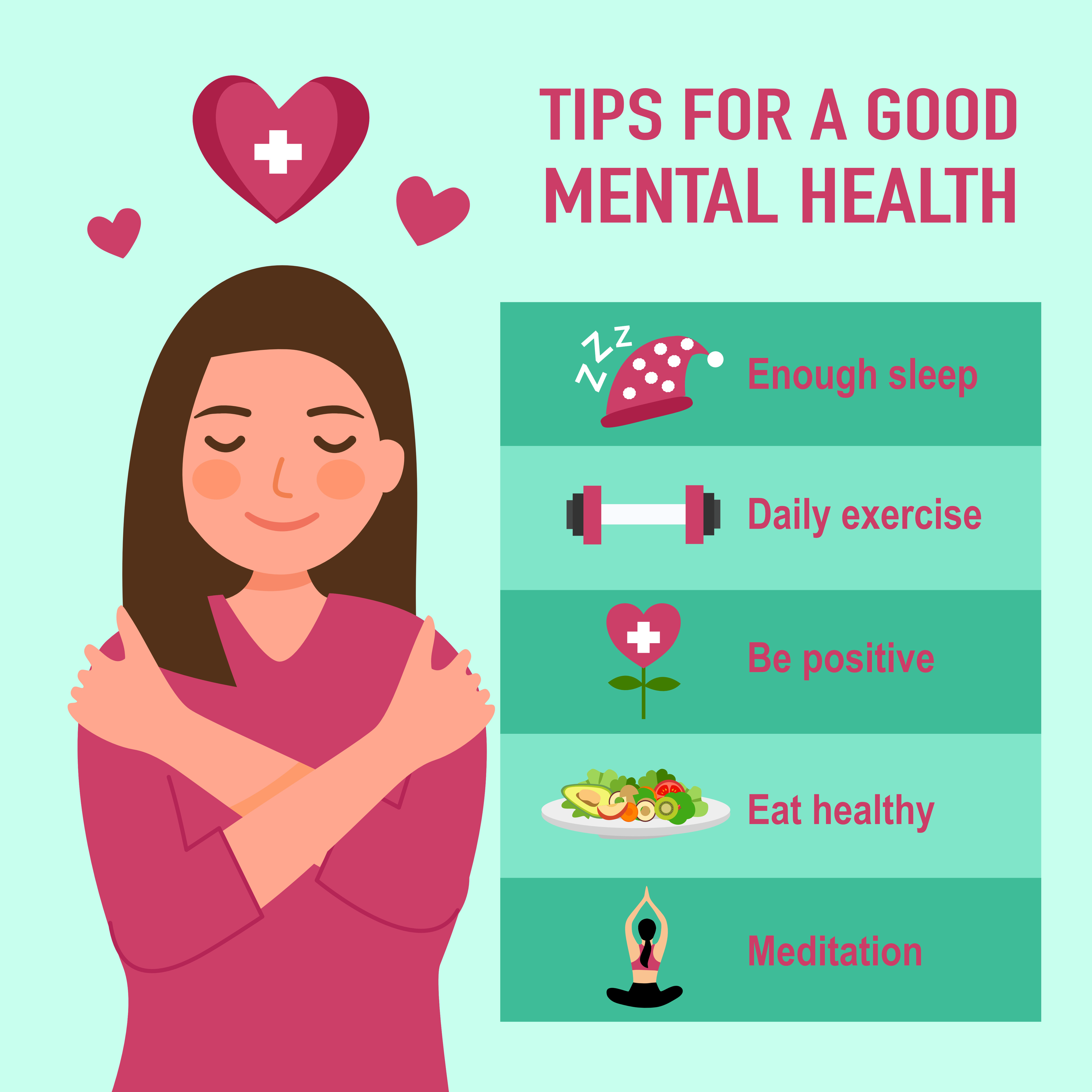
How Empty Nesters Navigate the Transition and Find Renewed Purpose

It won’t be long now before our last child packs up and heads off to college and begins their own journey into adulthood. Many parents like myself, find themselves facing the bittersweet reality of becoming empty nesters. For some, the newfound quietude and absence of children bustling around the house can evoke a profound sense of loss and loneliness. However, this life stage also presents an opportunity for parents to rediscover themselves, rekindle their passions, and embark on new adventures.

Empty nest syndrome, characterized by feelings of sadness and loss when children leave home, is a common experience for many parents. The sudden shift from a bustling household to an eerily quiet one can leave parents feeling adrift and unsure of how to fill the void. However, experts suggest that acknowledging and embracing these feelings is the first step toward finding fulfillment in this new chapter of life.

“It’s natural for parents to feel a mix of emotions when their children leave home,” says Dr. Sarah Johnson, a psychologist specializing in life transitions. “The key is to view this time as an opportunity for personal growth and exploration rather than focusing solely on the loss.”

One way empty nesters can navigate this transition is by focusing on self-care and rediscovering their interests and passions. Whether it’s picking up a hobby they set aside years ago, pursuing further education, or traveling to destinations they’ve always dreamed of, empty nesters have the freedom to prioritize their own needs and desires.

“For many parents, the empty nest phase can be a time of reconnection with oneself,” says Dr. Johnson. “It’s an opportunity to pursue activities and interests that may have taken a backseat during the busy child-rearing years.”

Beyond individual pursuits, empty nesters can also strengthen their relationships with their partners. With children out of the house, parents have more time to devote to each other and nurture their bond. Planning date nights, taking up a new hobby, strolling the beach together, or simply enjoying quiet evenings at home can help couples reconnect and rediscover the joy of spending time together.

In addition to focusing on personal and relational fulfillment, empty nesters can also find purpose and meaning through giving back to their communities. Volunteering, mentoring younger individuals, or getting involved in local organizations are all ways in which empty nesters can make a positive impact and find fulfillment outside of their roles as parents.

Ultimately, while the transition to empty nesthood may come with its challenges, it also offers a wealth of opportunities for growth, exploration, and reinvention. By embracing this new phase of life with an open mind and a sense of adventure, empty nesters can discover a renewed sense of purpose and fulfillment that extends far beyond the confines of their empty nest.

The Positive Impacts of Vacations on Mental Health, Productivity, and Overall Well-Being

In a world where hustle culture often glorifies overwork and burnout, a recent study sheds light on the importance of taking time off. Contrary to the prevailing notion that incessant work leads to success, researchers have found that vacations play a crucial role in promoting mental health, enhancing productivity, and improving overall quality of life.

The study, conducted by a team of psychologists and published in the Journal of Behavioral Sciences, surveyed over 2,000 working professionals across various industries. The results revealed a striking correlation between vacation time and well-being, with participants reporting significant benefits from taking regular breaks from work.

One of the key findings of the study was the positive impact of vacations on mental health. Participants who took regular vacations reported lower levels of stress, anxiety, and depression compared to those who did not. Dr. Emily Roberts, lead researcher on the study, emphasized the importance of disconnecting from work to alleviate psychological strain. “Vacations provide an opportunity to recharge both mentally and emotionally, allowing individuals to return to work with renewed energy and focus,” she stated.

Furthermore, vacations were found to boost creativity and problem-solving skills. Time away from the daily grind allows individuals to gain new perspectives, explore different environments, and engage in activities that stimulate the mind. This fresh outlook often translates into increased innovation and efficiency upon returning to work.

In addition to mental health benefits, vacations were also linked to improved physical health outcomes. Research has shown that chronic stress, often exacerbated by long hours and workplace pressure, can have detrimental effects on the body. By taking regular breaks, individuals can reduce their risk of developing stress-related illnesses such as heart disease, hypertension, and obesity.

Employers are also beginning to recognize the importance of promoting a healthy work-life balance. Many companies are implementing policies that encourage employees to use their allotted vacation time and prioritize self-care. Companies like Google and Netflix are renowned for their generous vacation policies, which have been shown to improve employee morale, retention, and overall productivity.

Despite the evidence supporting the benefits of vacations, many individuals still struggle to disconnect from work. The rise of remote work and constant connectivity through smartphones has blurred the boundaries between work and leisure, making it challenging for people to fully unplug during their time off. Experts recommend setting boundaries, scheduling regular breaks, and prioritizing self-care to reap the full benefits of vacation time.

As we navigate an increasingly demanding and fast-paced world, taking time to rest and recharge is more important than ever. Whether it’s a tropical getaway, a weekend retreat, or a simple staycation, prioritizing vacation time is essential for maintaining balance, happiness, and well-being in both our personal and professional lives.

References

Roberts, Emily et al. “The Impact of Vacations on Mental Health and Well-Being: A Survey Study.” Journal of Behavioral Sciences, vol. 25, no. 3, 2023, pp. 45-62.

Senior Social Networks and the Crucial Role of Friendship

In a world often characterized by hustle and bustle, the value of companionship cannot be overstated, especially for seniors. As individuals age, the significance of maintaining social connections becomes increasingly evident, not just for mental and emotional well-being but also for overall health. Recent research underscores the critical role of friendship in the lives of seniors, highlighting its profound impact on their quality of life.

Studies have consistently shown that social isolation among seniors can lead to detrimental health outcomes, including increased risks of depression, anxiety, cognitive decline, and even mortality. Loneliness, often exacerbated by factors such as retirement, mobility limitations, and the loss of loved ones, can take a significant toll on older adults’ physical and mental health.

Conversely, fostering and nurturing friendships can offer a plethora of benefits for seniors. Companionship provides a sense of belonging and purpose, reduces feelings of loneliness and isolation, and enhances overall happiness and life satisfaction. Engaging in social activities with peers not only stimulates the mind but also promotes emotional resilience and a positive outlook on life.

Moreover, friendships among seniors contribute to a supportive network that offers practical assistance, encouragement, and a shared sense of camaraderie. Whether through regular gatherings, hobbies, or community involvement, these social connections create a safety net that helps individuals navigate life’s challenges with greater ease and confidence.

Importantly, friendships also play a vital role in promoting physical health among seniors. Research suggests that individuals with strong social ties are more likely to adopt healthy behaviors, such as regular exercise and nutritious eating habits. Furthermore, the emotional support provided by friends can buffer the effects of stress and improve immune function, thereby reducing the risk of chronic diseases.

Recognizing the significance of friendship in the lives of seniors, communities and organizations are increasingly implementing initiatives to foster social connections among older adults. From senior centers and clubs to intergenerational programs and volunteer opportunities, these efforts aim to combat social isolation and promote active aging.

As we continue to navigate an aging population demographic worldwide, prioritizing the importance of friendship for seniors becomes paramount. By encouraging and facilitating social engagement, we not only enhance the well-being of older adults but also cultivate a society that values inclusivity, compassion, and mutual support across generations.

The significance of friendship for seniors cannot be overstated. From enhancing mental and emotional well-being to promoting physical health and resilience, companionship plays a crucial role in fostering a fulfilling and vibrant life in later years. As we strive to build age-friendly communities, let us recognize and celebrate the profound impact of friendship on the lives of older adults, ensuring that no senior walks alone in their journey.

Research Highlights Multifaceted Benefits of Regular Physical Activity

In a study published in the Journal of Health and Exercise Science, researchers unveil compelling evidence of the profound effects exercise has on both the body and mind. The findings shed light on the multifaceted benefits of regular physical activity, reaffirming its pivotal role in promoting overall well-being.

The study, conducted over a span of two years, involved a diverse cohort of participants ranging from various age groups and fitness levels. Researchers meticulously tracked participants’ exercise routines while closely monitoring changes in their physical health and mental well-being.

The results were striking, demonstrating a myriad of positive outcomes associated with consistent exercise. Notably, participants exhibited significant improvements in cardiovascular health, with lowered blood pressure and improved cholesterol levels observed across the board. Furthermore, regular physical activity was linked to enhanced muscular strength and endurance, contributing to better overall physical fitness and resilience.

Beyond the tangible benefits to physical health, the study also underscored the profound impact of exercise on mental well-being. Participants reported reduced levels of stress and anxiety, attributing their newfound sense of calm and clarity to their exercise regimens. Moreover, regular physical activity was associated with improved mood and enhanced cognitive function, suggesting a powerful correlation between exercise and mental acuity.

Dr. Emily Watson, lead researcher on the study, emphasized the holistic nature of the findings, stating, “Our research unequivocally demonstrates that exercise is not only beneficial for physical health but also plays a pivotal role in promoting mental well-being. From reducing stress and anxiety to enhancing cognitive function, the benefits of regular physical activity are truly multifaceted.”

The study’s findings hold significant implications for public health initiatives, advocating for the integration of exercise as a cornerstone of preventive medicine. With sedentary lifestyles on the rise and mental health concerns reaching alarming levels, the importance of prioritizing regular physical activity cannot be overstated.

In light of these findings, health experts urge individuals of all ages to incorporate exercise into their daily routines, emphasizing the importance of finding activities that are enjoyable and sustainable. Whether it’s brisk walking, swimming, or yoga, the key lies in consistency and finding activities that align with one’s interests and preferences.

As the world grapples with ongoing health challenges, from the obesity epidemic to rising mental health concerns, the prescription for a healthier, happier life may lie in something as simple as taking a walk or going for a jog. With each step, individuals not only strengthen their bodies but also nurture their minds, unlocking the transformative power of exercise for a brighter, more vibrant future.

References

  1. Watson, Emily et al. “The Impact of Regular Exercise on Physical and Mental Health: A Two-Year Longitudinal Study.” Journal of Health and Exercise Science, vol. 27, no. 2, 2024, pp. 45-68.
  2. American Heart Association. “Physical Activity Improves Quality of Life.” American Heart Association, http://www.heart.org/en/healthy-living/fitness/fitness-basics/physical-activity-improves-quality-of-life. Accessed 19 March 2024.
  3. Harvard Health Publishing. “Regular Exercise Releases Brain Chemicals Key for Memory, Concentration, and Mental Sharpness.” Harvard Health Publishing, www.health.harvard.edu/blog/regular-exercise-changes-brain-improve-memory-thinking-skills-201404097110. Accessed 19 March 2024.
  4. Centers for Disease Control and Prevention. “Physical Activity and Health.” Centers for Disease Control and Prevention, www.cdc.gov/physicalactivity/basics/pa-health/index.htm. Accessed 19 March 2024.
  5. National Institute of Mental Health. “Physical Activity and Mental Health.” National Institute of Mental Health, www.nimh.nih.gov/health/publications/physical-activity-and-mental-health/index.shtml. Accessed 19 March 2024.

Tips to Relieve Everyday Stress: Simple Strategies for a Balanced Life

In an era marked by relentless deadlines, endless notifications, and constant connectivity, stress has become an unavoidable aspect of daily life for many. However, experts emphasize the importance of managing stress to maintain overall well-being. Fortunately, there are numerous simple yet effective strategies that individuals can incorporate into their everyday routines to alleviate stress and foster a sense of balance.

1. Practice Mindfulness: Taking time to focus on the present moment can significantly reduce stress levels. Mindfulness techniques, such as deep breathing exercises, meditation, or simply paying attention to sensations and thoughts without judgment, can help individuals cultivate a sense of calmness amidst the chaos of daily life.

2. Engage in Physical Activity: Regular exercise is not only beneficial for physical health but also plays a crucial role in managing stress. Activities like walking, jogging, yoga, or dancing release endorphins, which are natural mood lifters, and promote relaxation. Even a short walk during lunch break can make a notable difference in stress levels.

3. Prioritize Self-Care: Taking care of oneself is essential for combating stress. This includes getting an adequate amount of sleep, maintaining a healthy diet, and staying hydrated. Additionally, engaging in activities that bring joy and relaxation, such as reading, gardening, or spending time with loved ones, can rejuvenate the mind and body.

4. Set Boundaries: In today’s hyper-connected world, it’s crucial to establish boundaries to prevent burnout. This may involve setting limits on screen time, learning to say no to excessive commitments, and carving out designated periods for relaxation and leisure activities.

5. Practice Time Management: Feeling overwhelmed by a never-ending to-do list is a common source of stress. Utilizing time management techniques, such as prioritizing tasks, breaking them down into smaller, manageable steps, and delegating when possible, can help individuals regain a sense of control and reduce stress levels.

6. Seek Support: It’s important to remember that seeking support is not a sign of weakness but rather a proactive step towards managing stress. Whether through talking to a trusted friend, family member, or seeking professional help from a therapist or counselor, sharing concerns and receiving guidance can provide valuable perspective and coping strategies.

Incorporating these strategies into everyday life can help individuals navigate the inevitable challenges and pressures with greater resilience and ease. By prioritizing self-care, setting boundaries, and seeking support when needed, individuals can cultivate a balanced and fulfilling lifestyle, where stress becomes more manageable and moments of peace and joy are cherished.

Tips to Ease the Transition of Daylight Saving Time

As daylight saving time approaches, many individuals are gearing up to set their clocks forward, signaling the onset of longer, brighter evenings. While this change brings the promise of warmer weather and extended daylight hours, it also disrupts our internal body clocks, potentially leading to feelings of fatigue and grogginess. To help navigate this biannual transition smoothly, experts recommend several strategies to cope with the upcoming time change.

1. Gradually Adjust Sleep Schedule: Begin adjusting your sleep schedule a few days before the time change by going to bed and waking up 15-30 minutes earlier each day. This gradual shift can help your body adapt more easily to the new time.

2. Prioritize Sleep Hygiene: Create a sleep-friendly environment by dimming the lights, reducing screen time before bed, and maintaining a comfortable room temperature. Establishing a calming bedtime routine can signal to your body that it’s time to wind down and prepare for rest.

3. Exposure to Natural Light: Take advantage of the extended daylight hours by spending time outdoors during the day, especially in the morning. Natural light exposure helps regulate your internal clock, making it easier to adjust to the time change.

4. Limit Caffeine and Alcohol Intake: Avoid consuming caffeine and alcohol close to bedtime, as they can interfere with your sleep quality and make it harder to fall asleep or stay asleep during the night.

5. Stay Active: Engage in regular physical activity, but try to avoid vigorous exercise close to bedtime, as it may interfere with your ability to fall asleep. Instead, aim for moderate-intensity activities earlier in the day to promote better sleep at night.

6. Nap Strategically: If you feel excessively tired during the transition period, taking short, 20-30 minute naps earlier in the day can help alleviate fatigue without disrupting your nighttime sleep schedule.

7. Be Patient: Recognize that it may take your body some time to adjust to the new time schedule, so be patient with yourself and prioritize self-care during this transition period.

8. Maintain Consistency: Stick to a consistent sleep schedule, even on weekends, to help regulate your body’s internal clock. Consistency is key to minimizing the impact of the time change on your sleep patterns.

9. Consider Light Therapy: For individuals who continue to struggle with adjusting to the time change, light therapy can be beneficial. Light therapy involves exposure to bright artificial light during specific times of the day to help regulate sleep-wake cycles.

By implementing these strategies, individuals can ease the transition of daylight saving time and mitigate the potential negative effects on sleep and overall well-being. Remember, small adjustments and a proactive approach can make a significant difference in how smoothly you adapt to the changing season. Until next time, and for heavens sake don’t forget to keep smiling cause it really does look good on you!

The Crucial Decision: Why Choosing the Right University is Vital for Secondary Education

As high school seniors embark on the exciting journey of transitioning from secondary education to higher learning, the decision of selecting the right university becomes paramount. The significance of this choice extends beyond academic considerations, impacting personal growth, career opportunities, and overall well-being. As my son looks to take this next step in his life, what follows are a few reasons why picking the right university is crucial for him and for others looking for a successful secondary education experience.

  1. Academic Fit: Selecting a university that aligns with one’s academic goals and interests is fundamental. Different universities have unique strengths in various fields of study, and finding the right match can enhance the quality of education. Consider factors such as faculty expertise, research opportunities, and available resources that cater to your chosen field.
  2. Cultural and Social Environment: Universities offer diverse cultural and social environments. Choosing a campus that resonates with one’s values and preferences fosters a positive learning experience. A supportive community and vibrant campus life contribute significantly to personal growth and a sense of belonging.
  3. Career Opportunities: The reputation of a university often plays a crucial role in shaping future career prospects. Employers frequently consider the alma mater of job candidates, and graduates from reputable institutions may have a competitive edge. Additionally, some universities have strong networks and connections with industries, providing students with valuable internship and job placement opportunities.
  4. Financial Considerations: The cost of education is a significant factor in the decision-making process. While some prestigious universities come with a higher price tag, it’s essential to weigh the potential return on investment. Consider scholarship opportunities, financial aid programs, and the overall affordability of the chosen university.
  5. Personal Growth and Development: University life is not only about academics but also about personal growth and development. Exposure to diverse perspectives, extracurricular activities, and leadership opportunities contribute to a well-rounded education. Choosing a university that offers a balance between academic excellence and personal enrichment is key.
  6. Global Perspectives: In an increasingly interconnected world, exposure to global perspectives is invaluable. Some universities have strong international programs, exchange opportunities, and collaborations with institutions worldwide. Such exposure can broaden one’s horizons and enhance cultural competency, providing a unique edge in today’s globalized job market.

The decision to pick the right university for secondary education goes beyond rankings and prestige. It involves a thoughtful consideration of academic fit, cultural environment, career opportunities, financial considerations, and personal growth. Students are encouraged to research, visit campuses, and seek guidance to make an informed decision that will pave the way for a fulfilling and successful higher education experience. Remember, the right university is not just a stepping stone; it’s a foundation for future success.

Seize the New Year with a Fresh Attitude: Your Guide to Staying Motivated

As the clock strikes midnight and we bid farewell to the old year, we’re given the opportunity to welcome a fresh startβ€”a chance to embrace a new year with renewed vigor and enthusiasm. The mantra “New Year, New Attitude” becomes a beacon of hope, urging us to leave behind the challenges of the past and step into the future with a positive mindset. In this post, we’ll explore practical tips to help you stay motivated and cultivate a resilient attitude as you embark on the journey of a new year.

Reflect on the Past: Before diving headfirst into the new year, take a moment to reflect on the lessons and experiences of the past year. Acknowledge both the triumphs and the challenges, as they have shaped the person you are today. Use this reflection as a foundation to build upon, understanding that growth often arises from adversity.

Set Realistic Goals: As you embark on the new year, set realistic and achievable goals. Break down larger objectives into smaller, manageable tasks. This approach not only makes your goals more attainable but also provides a sense of accomplishment as you check off each milestone. Celebrate these small victories along the wayβ€”they are the building blocks of success.

Create a Vision Board: Visualizing your goals can be a powerful motivator. Consider creating a vision board that showcases your aspirations for the year ahead. Include images, quotes, and affirmations that resonate with your objectives. Placing this board in a visible location serves as a daily reminder of your ambitions, fueling your motivation to take consistent action.

Cultivate a Positive Mindset: A positive mindset is a key ingredient for success. Practice gratitude daily by acknowledging the positive aspects of your life. Surround yourself with uplifting influences, whether it be through supportive relationships, inspiring books, or motivational podcasts. Remember, your attitude is a choice, and choosing positivity can significantly impact your overall well-being.

Stay Flexible: Life is unpredictable, and challenges are inevitable. Staying motivated doesn’t mean avoiding setbacks but rather adapting and overcoming them. Cultivate flexibility in your approach to goals, and be willing to adjust your plans when necessary. A resilient attitude is built on the ability to navigate obstacles with grace and determination.

Establish a Routine: Consistency is a cornerstone of motivation. Establishing a daily routine provides structure and discipline, helping you stay focused on your goals. Whether it’s a morning ritual, an exercise routine, or dedicated work hours, a well-defined routine creates a sense of stability and purpose.

Connect with Like-Minded Individuals: Surround yourself with individuals who share similar goals and aspirations. Connecting with like-minded people provides a support system, fostering motivation and accountability. Share your journey, seek advice, and celebrate each other’s successes. Together, you can create a positive and empowering environment.

As you step into the new year, remember that a new attitude or a new mindset is not about erasing the past but rather about embracing the opportunity for growth and positive change that leads to new results. Stay motivated by reflecting on the past, setting realistic goals, visualizing success, maintaining a positive mindset, staying flexible, establishing a routine, and connecting with supportive individuals. With these tools in your arsenal, you’re well-equipped to make the most of the opportunities that the new year presents. Here’s to a year filled with growth, resilience, and unwavering motivation! And more importantly, here’s to a year of more smiles, so keep smiling cause it really does look good on you!

🌞✨ The Tranquility of a Happy Sunday πŸŒΏπŸŒΌ

In the realm of Sunday’s gentle light, A day of rest, serene and bright. The world slows down, a calming hush, A respite from the weekday rush.

The sun ascends with a golden kiss, Bathing the day in tranquil bliss. Nature whispers, trees sway with ease, As if sharing secrets carried by the breeze.

A cup of warmth, the morning brew, A quiet moment just for you. Embrace the stillness, let worries cease, Find solace in the Sunday peace.

The pages turn, a favorite book, Immersed in worlds that gently hook. Escape reality, if just a while, Let imagination dance and beguile.

A stroll outside, beneath the sky, Where clouds like cotton float on high. Nature’s canvas, a tranquil art, A soothing balm for the weary heart.

The ticking clock, a lullaby, As hours pass with a gentle sigh. No need for haste, no need for rush, In Sunday’s embrace, time’s a plush.

Naptime calls with a soft allure, As dreams and blankets gently blur. A siesta’s grace, a sweet encore, Happy Sunday, we adore.

In the kitchen, a simmering pot, Aromatic flavors, a culinary lot. Savor the taste, each bite divine, A feast for the senses, a mealtime shrine.

As shadows lengthen, and evening falls, The day unwinds in tranquil thralls. A palette of colors, the sunset’s grace, A symphony of hues, a warm embrace.

In the silence, find gratitude, For simple joys and moments accrued. Happy Sunday, a gift untold, A sanctuary for the heart to unfold.

As stars emerge in the velvet sky, Bid Sunday’s hush a fond goodbye. Tomorrow awaits with tasks anew, But for now, in peace, we gently strew.

So let the world pause and troubles sway, In the cradle of this peaceful Sunday. A day to cherish, a day to be, In the quiet embrace of serenity.