Random Acts of Kindness: The Ripple Effect That Propels and Uplifts

In a world often overshadowed by stress and negativity, random acts of kindness offer a refreshing counterbalance that not only uplift others but also benefit those who perform them. Whether it’s paying for a stranger’s coffee, offering a compliment, or volunteering time for a cause, these small gestures can create a powerful ripple effect that touches lives in unexpected ways.

The Science of Kindness
Research shows that kindness isn’t just good for the recipient; it’s also beneficial for the giver. According to a 2022 study published in Frontiers in Psychology, acts of kindness trigger the release of endorphins, often referred to as “feel-good” hormones, and reduce levels of cortisol, the stress hormone. This chemical reaction can lead to lower blood pressure, increased feelings of happiness, and an overall boost in mental well-being.

Dr. Laura Stein, a psychologist specializing in positive psychology, explains, “When we engage in selfless acts, our brains release dopamine, creating what’s often called a ‘helper’s high.’ This physiological response is why doing good for others makes us feel good too.”

Kindness as a Catalyst for Personal Growth
Kindness not only boosts emotional well-being but can also serve as a catalyst for personal and professional growth. A culture of kindness encourages stronger social connections, which can open doors to new opportunities, foster collaboration, and build trust. In the workplace, acts of kindness can lead to improved teamwork, higher morale, and increased productivity.

Business leaders have taken note of this trend, incorporating kindness into corporate culture. For example, many companies now emphasize empathy training and employee recognition programs, recognizing that fostering a kind work environment improves employee satisfaction and retention.

The Ripple Effect
One act of kindness can set off a chain reaction. Studies show that witnessing acts of kindness inspires others to act similarly, creating a ripple effect that spreads positivity. Imagine a driver letting another car merge during rush hour—this simple act can influence the next driver to do the same, reducing stress and promoting goodwill on the road.

Moreover, communities that prioritize kindness report lower crime rates and higher levels of social cohesion. Neighborhood initiatives such as “pay-it-forward” programs or community gardens thrive on this principle, demonstrating how kindness can transform entire communities.

Small Gestures, Big Impact
The beauty of random acts of kindness lies in their simplicity. You don’t need wealth or influence to make a difference. From smiling at a passerby to leaving a heartfelt note for a coworker, every small act contributes to a larger culture of kindness.

In an increasingly digital world, even virtual acts—such as sharing a positive comment on social media or supporting a friend’s online fundraiser—can have significant effects. These gestures remind us that kindness transcends physical boundaries.

A Global Movement
Kindness is gaining recognition as a global movement, with initiatives like World Kindness Day and Random Acts of Kindness Week encouraging millions to participate. These events highlight how kindness can unite people across cultures, fostering a sense of shared humanity.

As the world continues to face challenges, from economic uncertainty to environmental crises, the power of kindness has never been more crucial. By choosing to spread kindness, individuals can contribute to a more compassionate, resilient society.

So, the next time you hold the door open, lend a hand, or offer a kind word, remember: your small act could ignite a wave of positivity that extends far beyond what you can see.

Kindness isn’t just contagious—it’s transformative.

Rekindle Your Hobbies for Health and Happiness

In life where the demands of work, family, and social obligations often take precedence, it’s easy to let personal hobbies and interests slide down the priority list. Many of us set aside our hobbies with the promise that we’ll pick them up again “when life slows down” — but that time rarely arrives. More than just a way to fill spare moments, hobbies are essential to our well-being, offering a range of benefits from stress relief to personal growth. Here’s why it’s worth rekindling those passions and why letting go of hobbies can be a loss.

Hobbies for Health
According to recent research, people who engage in hobbies experience lower stress levels and improved mental health. Pursuing a hobby can lower cortisol levels, which in turn reduces the risk of high blood pressure, heart disease, and other stress-related illnesses. Engaging in a creative pursuit, such as painting, writing, or crafting, can act as a form of self-expression, offering emotional release and a way to process feelings. Physical hobbies, like hiking or cycling, benefit the body as well as the mind, providing a sense of accomplishment and physical fitness.

Building Skills and Self-Confidence
Hobbies are not just for relaxation; they also offer opportunities to develop new skills and hone existing ones. Whether it’s learning an instrument, mastering a sport, or improving your culinary skills, hobbies provide a sense of growth and progress. This pursuit of knowledge and skill can be incredibly satisfying, leading to greater self-confidence and resilience.

Engaging in a hobby, particularly one that requires practice and improvement, can also foster patience and determination. Persevering through challenging stages in a hobby often reflects positively on other areas of life, where overcoming obstacles requires a similar commitment. In a way, hobbies act as training grounds for perseverance.

Enhancing Social Connections
Hobbies also offer the chance to build new social connections with like-minded people. Group activities, such as sports teams, book clubs, or dance classes, provide opportunities to bond over shared interests. This sense of community can help combat loneliness and add a meaningful layer to our social interactions. Even solo hobbies can offer social opportunities, as people connect online over forums, groups, or local meet-ups dedicated to shared interests.

A Break from Technology
In a time when screen time is at an all-time high, physical or creative hobbies offer a refreshing break from technology. Gardening, knitting, woodworking, or painting, for example, can provide a calming escape and give our eyes a much-needed rest from the constant glow of screens. Studies have shown that hobbies which do not involve digital screens can improve focus, creativity, and overall mental clarity.

Rediscovering a Sense of Purpose and Joy
Hobbies can be profoundly rewarding, offering moments of joy and a sense of accomplishment outside of work or family duties. They allow us to explore our own interests and reconnect with ourselves on a personal level, often sparking a deep sense of purpose. In the grind of daily life, this sense of intrinsic motivation can be a powerful force for mental health and life satisfaction.

In addition, hobbies can remind us of our younger selves, helping to rekindle memories of what we once enjoyed and valued before adult responsibilities took over. They are a way to keep a part of our personal history alive, enriching our identities and reminding us of the broad spectrum of our interests and abilities.

Balancing Hobbies with Life’s Demands
It’s important to acknowledge that fitting hobbies into a busy life isn’t always easy. However, even small moments spent on a hobby can be valuable. Fifteen minutes of drawing before bed, a quick walk during lunch, or a few pages of reading in the morning can make a difference. Scheduling these moments regularly can turn hobbies into consistent practices, helping maintain a sense of balance and joy.

Rekindling Your Passions
In a fast-paced world, hobbies may seem like a luxury — but they’re really an essential part of a fulfilling life. They add depth, satisfaction, and often a dose of much-needed happiness. The next time you’re tempted to shelve a hobby in favor of productivity or obligations, consider the long-term benefits it brings to your well-being. Whether you pick up a new hobby or revisit an old one, remember that these pursuits are a worthwhile investment in your health, happiness, and sense of self. So, don’t give up on your hobbies. Instead, embrace them as an integral part of a richer, more joyful life.

The Power of Inspirational Morning and Evening Routines

Finding time for self-care and personal growth can seem daunting; yet, those who achieve success often attribute much of their productivity and happiness to consistent morning and evening routines. These rituals help set the tone for a focused, fulfilling day and offer a peaceful wind-down at night. The key? Intentionality and inspiration.

Morning Routines: Setting the Tone for Success
Mornings present an opportunity to start fresh, to approach the day with a clear mind and energy. Successful individuals often share similar habits that center around mindfulness, physical activity, and mental stimulation.

  1. Mindfulness and Meditation
    Many successful people, from Oprah Winfrey to Bill Gates, emphasize the importance of starting the day with mindfulness. A few minutes of meditation, deep breathing, or simply sitting in silence can help center thoughts and reduce stress. For instance, dedicating even five minutes to focus on your breath can significantly lower cortisol levels, helping you to approach the day calmly and confidently.
  2. Exercise to Jumpstart Energy
    Whether it’s a brisk walk, yoga, or a full workout session, incorporating physical activity in the morning has numerous benefits. It boosts endorphins, enhances mental clarity, and improves overall health. Studies show that people who exercise in the morning are more likely to stick with their fitness routines, setting them up for long-term success.
  3. Positive Affirmations and Visualization
    Repeating positive affirmations or visualizing your goals are powerful tools for building confidence and focus. Many people like to journal or create vision boards, articulating their goals and dreams. By mentally rehearsing success, they create a roadmap for achieving it. “I am capable, and today I will achieve my goals” can transform your mindset from doubt to empowerment.
  4. Nourishing Breakfast
    While often overlooked, a balanced breakfast is crucial to fueling the body and brain for a productive day. Healthy options like oats, fruits, and proteins help maintain energy levels and focus throughout the day, rather than the crash that comes with sugary, processed alternatives.
  5. Planning and Prioritizing
    Before diving into work, taking a few minutes to outline the day’s priorities can prevent overwhelm and improve time management. Writing a to-do list or using a planner helps to establish a clear direction and keeps you on track for achieving daily goals.

Evening Routines: Reflecting and Recharging
As the day comes to a close, evening routines are essential for decompressing, reflecting, and preparing for restful sleep. Just as mornings set the tone for the day, evenings set the tone for tomorrow.

  1. Unplug and Wind Down
    Many people have adopted the habit of unplugging from technology at least an hour before bed. Reducing screen time and creating a peaceful environment helps signal to the brain that it’s time to rest. Light stretching, a warm bath, or reading a book can all help in shifting gears from productivity to relaxation.
  2. Reflection and Gratitude
    Taking a few moments to reflect on the day can foster growth and positivity. Journaling about achievements or challenges, or simply listing things to be grateful for, can promote a more optimistic outlook. Studies suggest that practicing gratitude regularly can improve sleep quality and overall well-being.
  3. Light Planning for Tomorrow
    Just as mornings benefit from planning, so do evenings. A quick review of the next day’s schedule can reduce stress and create a sense of preparedness. Preparing clothes, packing a lunch, or writing down key tasks ensures that tomorrow begins smoothly.
  4. Sleep Rituals
    Creating an optimal sleep environment is often part of a successful evening routine. This could include lowering room temperatures, using calming scents like lavender, or listening to soothing sounds. A consistent sleep schedule and a clear routine leading to bedtime signal to the body that it’s time to rest, promoting better and deeper sleep.
  5. Positive Affirmations Before Bed
    Ending the day with positive affirmations or a brief meditation helps cultivate peace of mind and relieves any lingering worries. Many successful individuals use this time to visualize their goals and set intentions for the next day, reinforcing a forward-looking, growth-oriented mindset.

The Science Behind Routine
Routine is more than a series of actions—it’s about building habits that shape mental, emotional, and physical well-being. According to psychologists, routines help reduce decision fatigue, increase self-discipline, and create a sense of control. When you know what your day or evening will look like, you conserve mental energy, reduce anxiety, and allow creativity to flourish.

Building Your Own Inspirational Routine
Whether you’re looking to boost productivity, find peace in a chaotic world, or achieve personal goals, inspirational routines can be a game changer. It’s important to find what resonates with you—start small, experiment, and gradually build a routine that enhances your life. Remember, the goal is not perfection but progress.

Morning and evening routines are an investment in your future. They offer the chance to align your actions with your aspirations, ensuring that each day begins and ends with purpose. So why not start today? Whether it’s a morning run or a nightly gratitude practice, your future self will thank you.

Random Acts of Kindness Inspire Communities Nationwide

At a time when many feel disconnected, random acts of kindness serve as a reminder that compassion and empathy are still at the heart of human nature. Social media has played a significant role in spreading these moments of goodwill, with hashtags like #RandomActsOfKindness and #KindnessMatters going viral.

One notable example took place in Kansas City, where an anonymous donor paid off school lunch debts for an entire elementary school. The generous act not only relieved financial stress for many families but also inspired a wave of kindness across the city. Community members began organizing clothing drives, offering free tutoring, and even setting up “kindness walls” where people could leave gifts or services for those in need.

Another heartwarming story comes from New York City, where a group of commuters pooled their resources to help a homeless man reunite with his family after being separated for years. What started as a few dollars for a meal turned into a larger community effort, showcasing the ripple effect of even the smallest gestures.

Psychologists note that these acts of kindness have a profound psychological benefit for both the giver and receiver. Studies have shown that performing or witnessing kindness releases oxytocin, the “love hormone,” which can reduce stress and boost mood. In fact, many schools and workplaces are now incorporating “kindness challenges” to encourage daily acts of goodwill.

While the headlines are often filled with stories of conflict and hardship, random acts of kindness remind us that positive, meaningful connections still flourish in our communities. “It doesn’t have to be a grand gesture,” says Mary Smith, a volunteer who regularly leaves handwritten notes of encouragement at bus stops. “Just knowing that someone cares can make a huge difference in someone’s day.”

As more people participate in these spontaneous acts of generosity, the movement continues to grow. In cities big and small, the spirit of kindness is proving contagious, sparking a renewed sense of hope and connection.

So the next time you’re out, whether you buy a stranger a cup of coffee or simply offer a smile, remember: a little kindness goes a long way.

Kindness in Action: Ideas to Spread Joy in Your Community

  • Leave an uplifting note on a coworker’s desk.
  • Pay for someone’s meal at a restaurant or drive-thru.
  • Donate clothing, books, or toys to a local charity.
  • Compliment a stranger or send a heartfelt message to a friend.
  • Volunteer your time at a local food bank or shelter.

Random acts of kindness are not just fleeting moments of generosity; they have the power to build bridges and foster a sense of community. As more individuals embrace this mindset, we are reminded that, even in a world full of challenges, kindness truly matters, so remember to be good to people for no reason.

Transform Your Life with Effective Goal Planning

In today’s demanding world, it’s easy to get caught up in the daily grind, losing sight of the bigger picture. Whether it’s career aspirations, personal development, or financial security, many of us dream of achieving something greater. However, without a clear plan, these dreams often remain just that—dreams. Goal planning, a practice that involves setting specific, measurable, and time-bound objectives, is a powerful tool that can help turn aspirations into reality. This article explores the significance of goal planning and its profound impact on various aspects of life.

The Importance of Goal Setting

Goal setting is more than just jotting down a wish list of things you’d like to do. It’s a strategic process that requires careful thought and intention. By clearly defining your goals, you create a roadmap that guides your decisions and actions. This clarity provides a sense of purpose and direction, helping you stay focused even when faced with challenges.

Studies have shown that individuals who set goals are more likely to achieve success in their personal and professional lives. According to a study conducted by Dr. Gail Matthews, a psychology professor at Dominican University in California, people who wrote down their goals and shared them with others were 33% more successful in achieving them than those who only formulated goals in their minds.

How Goal Planning Impacts Your Life

  1. Increased Motivation and Focus Goal planning ignites a sense of motivation. When you have a clear vision of what you want to achieve, you’re more likely to stay committed to the necessary tasks. This focus helps you to prioritize your time and energy, allowing you to make meaningful progress. As you start achieving small milestones, your confidence grows, reinforcing your motivation to continue.
  2. Better Time Management With clear goals in place, time management becomes more effective. You can allocate your resources—time, energy, and money—more efficiently, ensuring that your efforts align with your priorities. This can help reduce procrastination and minimize distractions, leading to a more productive and fulfilling life.
  3. Enhanced Self-Discipline Goal planning fosters self-discipline. When you have a plan, you’re more likely to resist temptations and stay on track. This discipline not only helps in achieving your goals but also spills over into other areas of life, such as maintaining healthy habits, managing finances, and improving relationships.
  4. A Sense of Accomplishment The satisfaction of achieving a goal is unparalleled. It brings a sense of accomplishment that boosts your self-esteem and encourages you to set and pursue new goals. This positive cycle of setting, working towards, and achieving goals can significantly improve your overall well-being and happiness.
  5. Resilience in the Face of Challenges Life is unpredictable, and setbacks are inevitable. However, having a well-structured goal plan can help you navigate these challenges with resilience. When you encounter obstacles, your goals provide a framework for adjusting your strategies without losing sight of your ultimate objectives. This adaptability is key to long-term success.

Practical Tips for Effective Goal Planning

  • Be Specific: Vague goals lead to vague results. Clearly define what you want to achieve, why it matters, and how you plan to get there.
  • Set Measurable Goals: Establish criteria to measure your progress. This will help you stay on track and recognize when you’ve reached your goal.
  • Make Your Goals Attainable: While it’s important to challenge yourself, setting unrealistic goals can lead to frustration and burnout. Ensure your goals are achievable within your current resources and constraints.
  • Set Relevant Goals: Your goals should align with your broader life objectives. This ensures that your efforts are meaningful and contribute to your overall growth.
  • Time-Bound: Every goal should have a deadline. This creates a sense of urgency and encourages consistent progress.

Goal planning is more than just a productivity tool—it’s a transformative practice that can shape your life in profound ways. By setting clear, actionable goals, you can unlock your potential, overcome challenges, and create a fulfilling life aligned with your deepest aspirations. Whether you’re striving for personal growth, professional success, or overall well-being, effective goal planning is the key to making your dreams a reality. So, take the time to plan your goals, and watch as your life begins to change, one step at a time.

Overcoming Setbacks: The Path to Resilience and Success

In life, setbacks are inevitable. Whether in personal endeavors, professional pursuits, or societal challenges, obstacles often arise, testing our resolve and resilience. While setbacks can be disheartening, they also offer a unique opportunity for growth and transformation. The true measure of success lies not in avoiding these challenges, but in how we respond to them.

The Nature of Setbacks

Setbacks come in many forms unexpected job loss, financial difficulties, personal tragedies, or even global crises like the COVID-19 pandemic. These challenges can derail our plans and shake our confidence. However, setbacks are not indicative of failure; they are a natural part of the journey towards achieving meaningful goals.

The Power of Resilience

Resilience is the ability to bounce back from adversity, and it is a critical factor in overcoming setbacks. Research shows that resilient individuals are more likely to adapt to change, maintain a positive outlook, and persevere in the face of difficulties. Building resilience involves developing a growth mindset, which views challenges as opportunities to learn and improve rather than insurmountable obstacles.

Stories of Triumph

History is replete with examples of individuals and communities who have faced significant setbacks and emerged stronger. One such example is the story of J.K. Rowling, who faced numerous rejections before her Harry Potter series became a global phenomenon. Her experience is a testament to the power of perseverance and belief in one’s vision, even when the odds seem insurmountable.

Similarly, the late Steve Jobs faced a major setback when he was ousted from Apple, the company he co-founded. Rather than giving up, Jobs used the experience to innovate further, eventually returning to Apple and transforming it into one of the most successful companies in the world.

Strategies for Overcoming Setbacks

While everyone’s journey is unique, several strategies can help individuals navigate setbacks effectively:

  1. Reframe the Situation: Viewing setbacks as temporary challenges rather than permanent failures can help maintain a positive outlook. This shift in perspective allows for creative problem-solving and opens the door to new possibilities.
  2. Seek Support: Surrounding oneself with a supportive network of friends, family, and mentors can provide emotional strength and practical advice. Sharing challenges with others often leads to new insights and solutions.
  3. Set Realistic Goals: Breaking down long-term goals into smaller, manageable steps can make setbacks feel less overwhelming. Celebrating small victories along the way helps maintain motivation and momentum.
  4. Learn from the Experience: Every setback is a learning opportunity. Reflecting on what went wrong and why can provide valuable lessons for the future. This process of self-assessment and growth is essential for long-term success.
  5. Stay Persistent: Persistence is key to overcoming setbacks. Success often requires multiple attempts, and each setback is a step closer to achieving the ultimate goal.

The Road Ahead

Setbacks are not the end of the road; they are a detour on the path to success. By cultivating resilience, seeking support, and learning from challenges, individuals can turn setbacks into stepping stones. As society continues to face new challenges, the collective ability to overcome setbacks will determine our future success.

In the end, the most successful people are not those who avoid setbacks but those who embrace them, learn from them, and continue moving forward with renewed determination.

Preparing for Retirement: Key Questions to Ask Yourself

As retirement approaches, the excitement of new possibilities often mingles with apprehension about the unknown. To ensure a smooth transition into this new chapter, it’s crucial to reflect on several key questions. These questions will help clarify your financial readiness, lifestyle aspirations, and overall preparedness, ensuring your retirement years are as fulfilling as they are secure.

1. Have I Saved Enough?

One of the most fundamental questions is whether you have saved enough to sustain your desired lifestyle throughout retirement. Consider the following:

  • Current Savings and Investments: Assess your retirement accounts, savings, and other investments. Are they sufficient to support you for 20-30 years, considering inflation and healthcare costs?
  • Expected Expenses: Calculate your anticipated monthly expenses, including housing, utilities, food, healthcare, and leisure activities. Don’t forget to account for unexpected costs.
  • Income Sources: Identify all potential income sources, such as Social Security, pensions, annuities, and part-time work.

2. What Will My Retirement Lifestyle Be Like?

Envisioning your day-to-day life in retirement is essential for financial and emotional planning.

  • Hobbies and Activities: What activities and hobbies do you plan to pursue? Will you travel, volunteer, or engage in new educational opportunities?
  • Living Arrangements: Do you plan to stay in your current home, downsize, or relocate to a different city or country?
  • Social Connections: How will you maintain and build social connections? Consider the role of community involvement and proximity to family and friends.

3. Am I Prepared for Healthcare Costs?

Healthcare is a significant expense in retirement. Ask yourself:

  • Insurance Coverage: Have you reviewed your Medicare options and other supplemental insurance plans?
  • Long-Term Care: Have you considered long-term care insurance or other strategies to cover potential long-term care needs?
  • Health and Wellness: How will you stay healthy and active to minimize medical costs and improve your quality of life?

4. Do I Have a Solid Financial Plan?

A comprehensive financial plan is crucial for managing your resources effectively.

  • Budgeting: Have you created a detailed retirement budget? Are you comfortable adjusting it as needed?
  • Debt Management: Have you paid off outstanding debts, or do you have a strategy to manage them in retirement?
  • Estate Planning: Have you updated your will, established a trust, or designated beneficiaries for your accounts?

5. What Will Give My Life Purpose?

Retirement is not just about financial security; it’s also about finding meaning and fulfillment.

  • Passions and Interests: What are you passionate about? How can you incorporate these passions into your daily life?
  • Volunteering and Giving Back: Are there causes or organizations you want to support through volunteer work or donations?
  • Personal Growth: How will you continue to learn and grow? Consider activities that challenge you mentally and physically.

6. Have I Consulted with Professionals?

Expert advice can provide clarity and confidence.

  • Financial Advisors: Have you consulted with a financial advisor to ensure your plan is robust and adaptable?
  • Legal Advisors: Have you sought legal advice for estate planning and other legal matters?
  • Healthcare Professionals: Have you discussed your retirement health plans with your healthcare providers?

Preparing for retirement involves more than just financial planning; it requires a holistic approach that considers your lifestyle, health, and personal fulfillment. By asking yourself these critical questions, you can create a comprehensive plan that ensures a smooth and satisfying transition into your retirement years. Take the time to reflect, plan, and seek advice, so you can embrace this new chapter with confidence and enthusiasm.

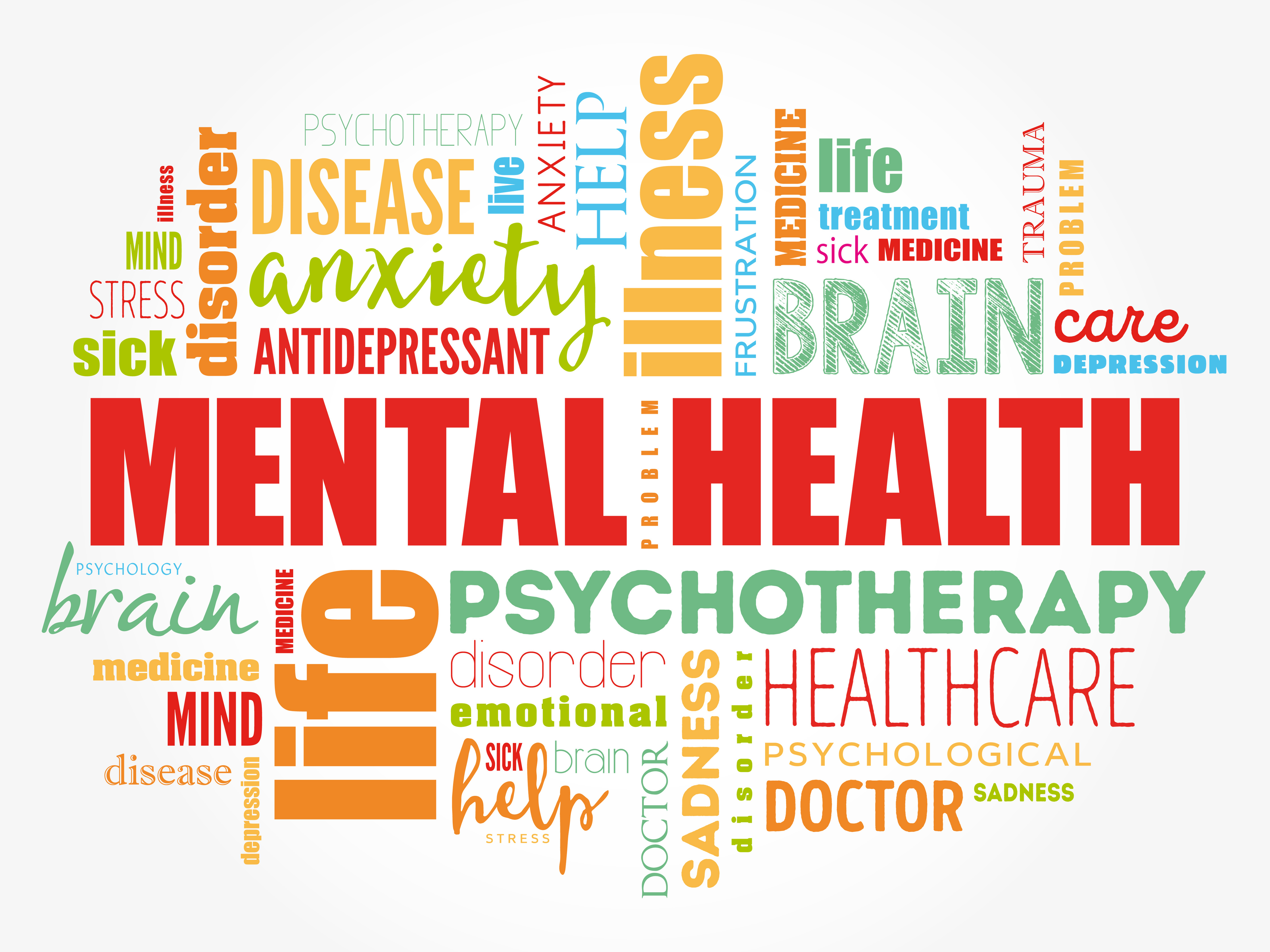
The Importance of Mental Health at Every Life Stage

In this day and age where the pace of life is ever-increasing and the demands of daily living are constantly evolving, the importance of mental health cannot be overstated. From childhood to old age, taking care of your mental health is crucial for overall well-being and quality of life.

Mental Health in Childhood

For children, mental health is the foundation for future development. A child’s early experiences shape their brain development, influencing their emotional and social capabilities. According to the American Psychological Association, untreated mental health issues in childhood, such as anxiety or depression, can lead to difficulties in school, trouble forming healthy relationships, and an increased risk of substance abuse later in life. Early intervention and support from parents, teachers, and mental health professionals can help children develop resilience and coping skills.

Adolescence: A Critical Period

Adolescence is a critical period for mental health, as teenagers navigate the complexities of identity, relationships, and academic pressures. The World Health Organization (WHO) reports that half of all mental health conditions start by age 14, but most cases are undetected and untreated. Encouraging open conversations about mental health, reducing stigma, and providing access to mental health services are essential for supporting adolescents during this tumultuous time. Schools and communities play a pivotal role in creating safe environments where young people feel empowered to seek help.

Adult Mental Health: Balancing Responsibilities

Adulthood brings a new set of challenges, including career pressures, family responsibilities, and financial stress. The National Institute of Mental Health (NIMH) highlights that adults with untreated mental health issues are at risk for chronic diseases, decreased productivity, and strained relationships. Regular self-care practices, such as exercise, healthy eating, and mindfulness, can help manage stress. Employers can contribute by fostering a supportive workplace culture and offering mental health resources.

Aging and Mental Health

Mental health remains important in older adulthood, where issues such as loneliness, grief, and physical health problems can impact well-being. According to the Centers for Disease Control and Prevention (CDC), depression and anxiety are common among older adults but often go undiagnosed. Staying socially active, engaging in mentally stimulating activities, and seeking support for mental health concerns can significantly enhance the quality of life for seniors.

Breaking the Stigma

Across all ages, one of the biggest barriers to seeking help is the stigma associated with mental health issues. Education and awareness campaigns can play a crucial role in normalizing mental health care. Encouraging open discussions about mental health, sharing personal stories, and promoting the message that it’s okay to seek help are vital steps in breaking down these barriers.

The Role of Technology

In recent years, technology has become a valuable tool in mental health care. Teletherapy, mental health apps, and online support groups provide accessible options for those seeking help. However, it’s important to ensure that these digital solutions are used in conjunction with traditional care methods and are accessible to people of all ages.

Taking care of your mental health is a lifelong commitment that requires attention and effort at every stage of life. Whether it’s a child learning to navigate emotions, a teenager dealing with peer pressure, an adult balancing work and family, or a senior facing the challenges of aging, mental health matters. By prioritizing mental health and breaking down the barriers to seeking help, we can build a healthier, more resilient society where everyone can thrive.


Sources:

  1. American Psychological Association (APA)
  2. World Health Organization (WHO)
  3. National Institute of Mental Health (NIMH)
  4. Centers for Disease Control and Prevention (CDC)

Common Misconceptions About Nutrition and Healthy Eating

In today’s information age, navigating the world of nutrition and healthy eating can be overwhelming. With countless diets, conflicting advice, and a plethora of “superfoods” touted for miraculous benefits, it’s easy to get lost in misinformation. Here, we debunk some of the most common misconceptions about nutrition and healthy eating.

Myth 1: Carbs Are the Enemy

Carbohydrates often get a bad rap, especially with the popularity of low-carb diets like keto and Atkins. However, not all carbs are created equal. Whole grains, fruits, vegetables, and legumes are rich in essential nutrients and fiber. They provide sustained energy and are a vital part of a balanced diet. Cutting out carbs entirely can lead to nutrient deficiencies and lack of energy.

Myth 2: Fat-Free Means Healthy

The fat-free craze of the 1990s led many to believe that all dietary fat is bad. However, fats are essential for absorbing vitamins A, D, E, and K, and for maintaining cell membranes. The key is to choose healthy fats, such as those found in avocados, nuts, seeds, and olive oil, and to avoid trans fats and excessive saturated fats.

Myth 3: You Need to Detox Your Body

Detox diets and cleanses promise to rid the body of toxins and promote rapid weight loss. However, the body is naturally equipped with its own detoxification system—the liver, kidneys, and digestive tract. No scientific evidence supports the need for external detox products. A balanced diet, regular exercise, and adequate hydration are sufficient for maintaining your body’s natural detoxification processes.

Myth 4: Skipping Meals Helps You Lose Weight

Skipping meals, especially breakfast, can lead to overeating later in the day and disrupt your metabolism. Regular, balanced meals help maintain stable blood sugar levels and prevent the extreme hunger that leads to poor food choices. Eating a nutritious breakfast can kickstart your metabolism and provide the energy needed to start your day.

Myth 5: All Calories Are Equal

While calorie counting can be helpful for weight management, not all calories have the same nutritional value. For instance, 200 calories from a sugary soda do not provide the same nutrients as 200 calories from a serving of mixed nuts. Nutrient-dense foods provide vitamins, minerals, fiber, and other beneficial compounds, which are essential for overall health.

Myth 6: Supplements Can Replace a Balanced Diet

Dietary supplements can be beneficial for addressing specific deficiencies, but they should not replace whole foods. Whole foods offer a complex matrix of nutrients that work together synergistically. Over-reliance on supplements can lead to imbalances and neglect the benefits of a diverse diet.

Myth 7: Eating Late at Night Causes Weight Gain

The idea that eating late at night directly causes weight gain is a misconception. What matters more is the total caloric intake and the quality of the food consumed throughout the day. Eating a large, unhealthy meal late at night can lead to weight gain, but this is due to overall poor dietary habits rather than the timing of the meal.

Myth 8: You Must Avoid Gluten to Be Healthy

Unless you have celiac disease or gluten sensitivity, there is no need to avoid gluten. Whole grains that contain gluten, such as wheat, barley, and rye, are rich in fiber, vitamins, and minerals. A gluten-free diet can sometimes be lower in fiber and other important nutrients, making it less healthy for people without gluten-related disorders.

Understanding the facts about nutrition is crucial for making informed dietary choices. Instead of falling for trendy diets and misconceptions, focusing on a balanced diet rich in whole foods, healthy fats, lean proteins, and complex carbohydrates can lead to better health and well-being. Consulting with a registered dietitian or nutritionist can also provide personalized advice tailored to your individual needs.

Positive Attitude Linked to Healthier Living, Experts Say

In a world where physical health often takes center stage, emerging research highlights the profound impact of mental outlook on overall well-being. Experts are increasingly pointing to the power of a positive attitude as a key contributor to healthier living, advocating that the right mindset can pave the way to a longer, more vibrant life.

The Science Behind Positivity

A growing body of evidence suggests that a positive attitude does more than just lift spirits; it significantly influences physical health. Studies published in medical journals such as the Journal of the American Medical Association (JAMA) have shown that individuals who maintain an optimistic outlook are less likely to develop chronic diseases such as heart disease and diabetes. Positive thinkers tend to have lower levels of stress-related hormones like cortisol, which are linked to various health problems when chronically elevated.

Dr. Samantha Greene, a psychologist specializing in health psychology, explains, “When we are optimistic, we are more likely to engage in healthy behaviors such as exercising regularly, eating balanced diets, and getting adequate sleep. Additionally, positive thinking reduces the physiological impact of stress, thereby decreasing the risk of stress-related illnesses.”

Mental Health and Physical Health: A Symbiotic Relationship

The link between mental and physical health is undeniable. Optimism has been associated with better immune function, quicker recovery from illnesses, and even increased lifespan. A landmark study from Harvard University tracked 70,000 women over eight years and found that those who reported higher levels of optimism had a significantly lower risk of dying from several major causes, including cancer, heart disease, stroke, respiratory disease, and infection.

Moreover, positive attitude influences health-promoting behaviors. Optimistic individuals are more likely to adhere to medical advice, seek preventive care, and engage in physical activity. They are also more resilient, better equipped to cope with challenges, and less likely to succumb to the adverse effects of stress.

Practical Steps to Foster Positivity

While the benefits of a positive outlook are clear, cultivating such an attitude can be challenging. Here are some practical steps to help foster positivity:

  1. Practice Gratitude: Regularly reflecting on the things you are thankful for can shift your focus from negative to positive aspects of life.
  2. Engage in Physical Activity: Exercise is a natural mood booster that can help reduce anxiety and improve mental health.
  3. Mindfulness and Meditation: These practices help you stay grounded in the present moment, reducing stress and promoting a sense of well-being.
  4. Build Strong Relationships: Surrounding yourself with supportive and positive people can enhance your mood and outlook.
  5. Set Realistic Goals: Achieving small, manageable goals can create a sense of accomplishment and forward momentum.

Real-Life Impact

Consider the case of John Martinez, a 55-year-old from Seattle who turned his life around by adopting a positive outlook. After being diagnosed with hypertension, John joined a local wellness group where he learned about the power of positive thinking. By integrating gratitude exercises, regular walks, and mindfulness meditation into his routine, John not only managed to lower his blood pressure but also reported feeling more energetic and hopeful.

“Changing my mindset was like flipping a switch,” John shares. “I started seeing challenges as opportunities rather than setbacks, and my health has never been better.”

The message from health experts is clear: a positive attitude is not just about feeling good; it is a crucial component of healthy living. By fostering optimism and focusing on the positive aspects of life, individuals can significantly enhance their physical health and overall quality of life. As the research continues to evolve, one thing remains certain—embracing a positive outlook can lead to a healthier, more fulfilling life.