Life in our home just got a little more exciting. We recently welcomed a new cat into the family, which now brings us to three cats and one dog. It’s a full house, and while it means more food dishes, more fur on the couch, and a bit more chaos, I can already feel the positive impact on my mental health.
For me, pets are more than just companions-they’re a steady source of comfort and joy. On stressful days, there’s something grounding about a cat curling up in my lap or the dog nudging me for a walk. Each animal adds a different type of support. The cats bring a sense of calm, their quiet purrs easing my anxiety, while the dog encourages me to stay active and present.
I’ve noticed that with multiple pets, the benefits seem to multiply. There’s always a warm presence in the house, always a reminder that I’m not alone. It keeps me connected, responsible, and often laughing at their playful antics. Science backs this up too-studies show pets can reduce stress, ease depression, and even help create structure in daily life.
Of course, caring for four animals comes with challenges. It requires patience, time, and commitment. But the rewards-companionship, unconditional love, and a boost to my overall well-being-far outweigh the effort.
As I adjust to life with our newest cat, I’m reminded how much these animals give back. In a world that can feel overwhelming at times, their presence is a gentle reminder that joy can be found in small, furry packages. For me, a purr or a wagging tail isn’t just cute… it’s therapy.
As August rolls on, I’m preparing for a major life shift-sending not one, but two kids off to college.
This fall, my daughter will begin her journey as a freshman at Florida Gulf Coast University (FGCU), ready to explore a new chapter in the sunshine-filled town of Fort Myers. Meanwhile, my son is entering his second year at the University of South Florida (USF), well on his way toward earning his degree and carving out his own path.
I’m incredibly proud of both of them. But I’d be lying if I said it wasn’t bittersweet.
The house that once echoed with teenage chatter, shared meals, and last-minute school deadlines is starting to feel a little quieter-and emptier.
I’ve been bracing for the ‘empty nest’ for a while. And now that it’s actually happening, it feels surreal.
Watching Their Independence Take Flight
One of the most rewarding parts of parenting-yet also the most emotional-is watching your kids grow into their independence. It’s happening right before my eyes. They’re making decisions for themselves, solving their own problems, setting their own goals. And while I’ll always be their biggest cheerleader, I know this next stage is about them leading their own lives.
My daughter is eager to make new friends, figure out her place in the world, and maybe even learn how to do laundry without help. My son is more confident this year-he’s navigating his classes, campus life, and adulthood with a little more ease. It’s a beautiful thing to witness, even if it tugs at my heart.
This growing independence doesn’t mean I’m any less involved. It just means I’m learning how to support them from a different seat-more in the stands now than on the field.
While emotions are running high, so is the excitement. My daughter is already shopping for dorm supplies and dreaming of beachside study breaks, while my son is eager to reunite with friends and dive deeper into his major at USF.
Still, the looming quiet at home is a reality that’s setting in fast.
Everything is changing-the routines, the conversations-it’s all shifting. I’ll miss them deeply, but this is their time to soar.
As the suitcases pile up and the goodbyes draw near, one thing is clear: while my nest may be emptying, my heart is fuller than ever-with love, pride, and hope for what’s ahead.
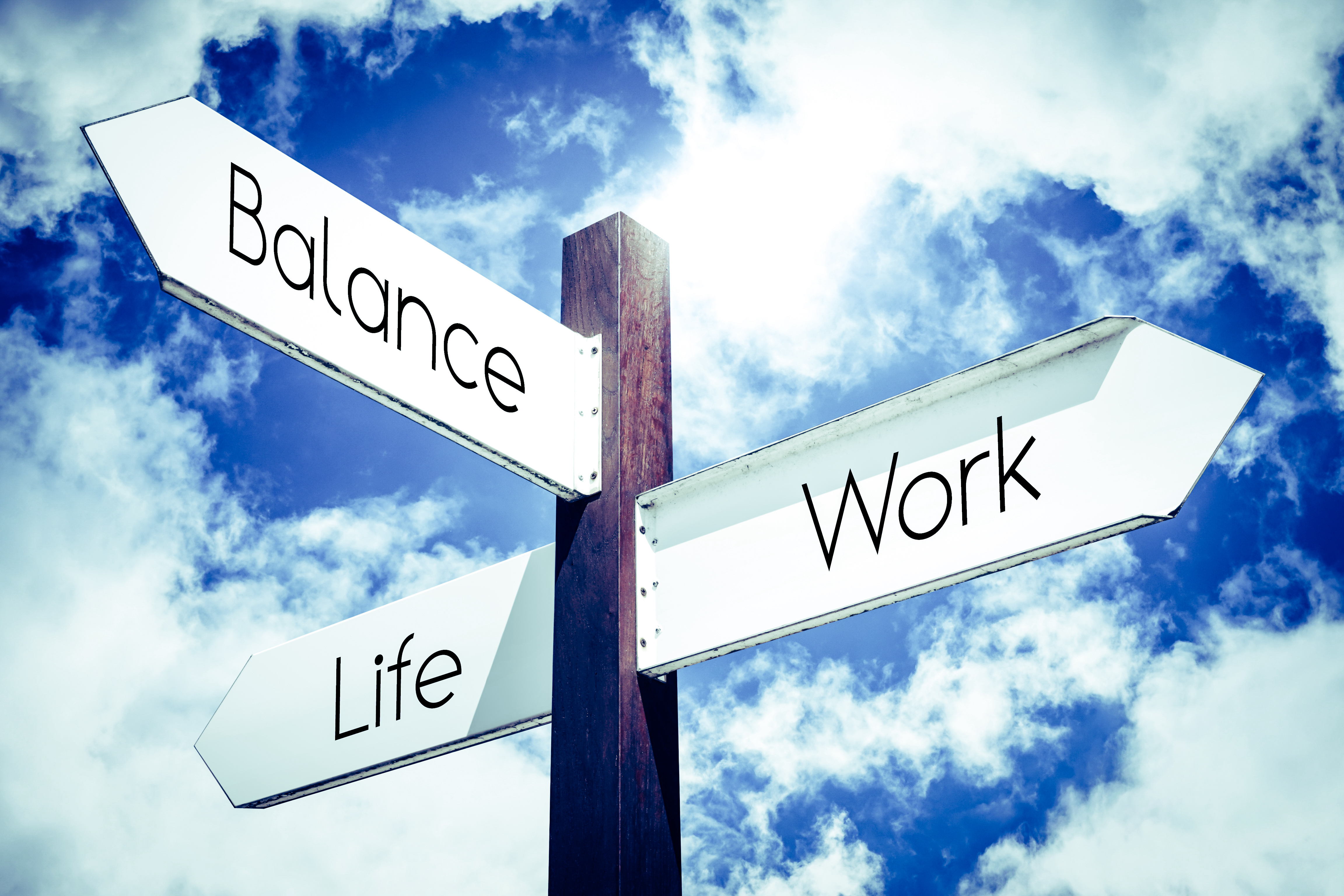
Finding balance between work and family has been one of the biggest challenges- and greatest lessons- of my life. For a long time, I thought I could achieve some magical state where everything stayed perfectly organized and everyone’s needs were met without any hiccups. I quickly learned that life doesn’t work that way. What I’ve discovered instead is that balance is a daily choice, a constant practice, and a mindset that helps me stay grounded when life gets messy.
It starts with being honest about my priorities. I know there will always be more emails to answer, calls to return, and projects to complete. But my family only gets one version of me-and I want that version to be fully present. That’s why I carve out dedicated time on my calendar for family dinners, school events, and quiet evenings at home. I block those moments off the same way I would for an important meeting with a client because, to me, they’re just as important.
Another thing that helps is clear and open communication. I talk to my family about my work schedule, and I keep my team at work updated on my family commitments. When everyone’s on the same page, it’s easier to manage expectations and avoid unnecessary stress. I’ve learned that it’s okay to ask for help or to say “no” when my plate is too full. It doesn’t make me any less dedicated-it just makes me human.
I also try to protect small moments for myself. These pockets of time-like enjoying my morning coffee before anyone else is awake, squeezing in a quick workout, or reading a few pages of a book before bed-give me the energy to show up for both work and family. I’ve found that when I neglect my own needs, it catches up with me fast. Self-care isn’t selfish; it’s essential.
Flexibility is another big piece of the puzzle. Some days, work will demand more of my time. Other days, family emergencies or milestones take priority. Instead of getting frustrated when plans change, I remind myself that balance isn’t about splitting my time evenly every day-it’s about adjusting as life unfolds. I try to be kind to myself when things don’t go perfectly.
Finding balance will always be a moving target for me, but over time, I’ve gotten better at recognizing what works and what doesn’t. I’ve stopped trying to do it all at once. Instead, I focus on being fully present wherever I am-whether I’m leading a meeting, helping with homework, or just laughing around the dinner table.
In the end, my biggest takeaway is that balance doesn’t come from rigid rules-it comes from giving myself grace, staying flexible, and remembering what matters most. And as long as I keep showing up for both my work and my family with intention and love, I know I’m doing something right.
A growing body of research suggests that what you eat doesn’t just affect your waistline—it also plays a crucial role in how well you sleep. Among the most impactful dietary components for a good night’s rest? Fruits and vegetables.
Nutrients That Nurture Sleep Fruits and vegetables are rich in essential vitamins, minerals, and antioxidants that support the body’s natural sleep-wake cycle. For instance, bananas and kiwis contain serotonin precursors that help regulate melatonin, the hormone responsible for sleep timing. Leafy greens, like spinach and kale, are packed with magnesium—a mineral shown to promote relaxation and deeper sleep.
Cherries, particularly tart cherries, have also earned a reputation as a sleep superfood. They are one of the few natural sources of melatonin, and several studies have found that drinking tart cherry juice can modestly improve both sleep quality and duration.
The Fiber Factor Dietary fiber, abundant in vegetables like broccoli and carrots and fruits like apples and pears, has also been linked to more restorative sleep. A study published in the Journal of Clinical Sleep Medicine found that higher fiber intake was associated with more time spent in slow-wave sleep—the deepest, most physically restorative stage of the sleep cycle.
Timing and Portion Matter While increasing fruit and vegetable intake is beneficial, experts advise against late-night snacking, even on healthy produce. High-sugar fruits close to bedtime—like grapes or mangoes—can spike blood sugar levels and delay sleep onset for some individuals. Instead, a small serving of low-sugar fruits like berries or a banana with peanut butter may provide just enough of a serotonin boost to ease you into slumber.
What This Means for You Sleep specialists and dietitians alike recommend incorporating a variety of fruits and vegetables throughout the day—not just for overall health, but to improve sleep hygiene. Consistency is key, and the benefits are cumulative. As registered dietitian Dr. Leena Patel notes, “A balanced, plant-rich diet creates the foundation for stable energy during the day and restorative sleep at night.”
So if you’re struggling to fall or stay asleep, your dinner plate might be part of the problem—and the solution. Skipping processed foods in favor of more colorful, plant-based choices could be a simple yet powerful step toward better shut-eye.
Did You Know?
Kiwis have been shown to improve sleep onset and duration due to their serotonin and folate content.
Magnesium-rich foods like avocados and leafy greens help calm the nervous system.
Eating at regular mealtimes helps synchronize your circadian rhythm.
A growing body of research has confirmed what many have long suspected: your mental health has a profound effect on your physical health. The relationship between the mind and body is not just metaphorical—it’s biological, chemical, and very real.
The Hidden Toll of Stress and Anxiety Stress, anxiety, and depression can do more than cloud your thoughts—they can literally wear down your body. Chronic stress triggers the release of hormones like cortisol and adrenaline, which are helpful in short bursts but harmful when sustained. Elevated cortisol levels over time have been linked to high blood pressure, weakened immune function, and increased risk of heart disease.
“When someone experiences chronic anxiety or depression, the brain’s constant state of alert can keep the body in a low-level fight-or-flight mode,” explains Dr. Tara Simmons, a clinical psychologist. “This state contributes to inflammation, sleep disruption, and poor digestion—conditions that can lead to more serious physical illnesses.”
Mental Health and Chronic Conditions There’s a strong correlation between mental health disorders and chronic physical illnesses. People suffering from depression, for instance, are more likely to develop conditions like diabetes, arthritis, and cardiovascular disease. At the same time, those living with chronic illnesses are more prone to experiencing anxiety or depression, creating a cycle that can be difficult to break.
One study published in the Journal of the American Heart Association found that patients with heart disease who also suffer from depression were twice as likely to die from cardiac-related causes compared to those without depression.
Immune Function and Inflammation Mental health also plays a crucial role in immune system performance. Depression and chronic stress can suppress the immune response, making the body more vulnerable to infections and slowing down recovery times. On the other hand, positive mental health is associated with a stronger immune system and better resilience in the face of illness.
In particular, inflammation—the body’s natural response to injury or illness—can be exacerbated by poor mental health. Long-term inflammation is a key contributor to diseases such as cancer, Alzheimer’s, and autoimmune disorders.
The Path Forward: Treating the Whole Person Fortunately, this connection also offers a path to better health. Taking care of your mental well-being—through therapy, medication, mindfulness, exercise, or social support—can directly improve your physical health.
Healthcare providers are increasingly embracing integrative approaches that address both mental and physical health. Routine screenings for depression and anxiety are becoming more common in primary care settings, and many insurance plans now include mental health services as part of holistic wellness programs.
“It’s time we stop treating the body and mind as separate entities,” says Dr. Simmons. “Whole-person care is the future of medicine.”
Takeaway: Mental health isn’t just about feeling good emotionally—it’s foundational to your overall health. By investing in your mental well-being, you’re also protecting your heart, your immune system, and your long-term quality of life.
If you’re struggling, you’re not alone—and help is out there. A healthier mind leads to a healthier body.
As the days grow longer and the sun warms both skin and spirit, summer quietly unfolds its magic—inviting us to break free from routines and rediscover the world beyond our doorstep. Whether it’s a road trip through scenic backroads, a spontaneous weekend escape, or a long-awaited overseas adventure, there’s something uniquely transformative about summer travel that no other season can quite replicate.
The Season of Possibility Summer sparks a sense of possibility. School’s out, schedules are looser, and nature itself seems to conspire to draw us outside—into forests, onto beaches, up mountains, and through charming small towns. The warm weather opens doors to festivals, outdoor dining, late sunsets, and cool morning hikes. With fewer constraints, people feel more inspired to explore, try something new, and create lasting memories.
Wellness for the Soul Travel in the summer isn’t just a leisure activity—it’s good for your mental health. Studies show that taking a break from daily pressures boosts mood, reduces stress, and can even improve productivity upon return. Being in new environments enhances creativity and strengthens personal relationships, whether you’re traveling solo or with loved ones.
Connecting with the World—and Yourself When you step out of your comfort zone and into unfamiliar territory, you engage more deeply with the world around you. From discovering hidden gems in your own state to immersing yourself in a different culture, travel encourages mindfulness, presence, and curiosity. Summer’s slower pace gives us time to reflect, recharge, and reconnect—with nature, with others, and with ourselves.
Your Adventure Awaits So, whether you’re craving ocean air, mountain trails, bustling city streets, or quiet countryside mornings—don’t let this summer pass you by. Pack a bag, make a plan (or don’t), and see where the road takes you. Because summer isn’t just a season—it’s an invitation. And the world is ready when you are.
Remote work has gone global—literally. What was once a niche lifestyle reserved for freelancers and adventurous tech workers is now a mainstream movement. The digital nomad lifestyle—working remotely while traveling or living abroad—has skyrocketed in popularity since the COVID-19 pandemic reshaped the modern workplace.
According to data from MBO Partners, the number of American digital nomads rose from 4.8 million in 2018 to over 17.3 million in 2024, a 260% increase. And it’s not just freelancers or self-employed workers anymore—corporate employees now make up more than half of the digital nomad population.
🌍 What’s Driving the Trend? Several factors have contributed to this rise:
Remote Work Normalization: Hybrid and remote work policies are now standard at many companies, removing the need to stay in a fixed location.
Cost of Living: Many nomads relocate to countries with lower living costs, maximizing their income.
Technology Access: Fast internet, coworking spaces, and communication tools like Slack and Zoom make it easy to stay productive from anywhere.
Travel-Friendly Visas: Countries like Portugal, Thailand, and Costa Rica have launched digital nomad visas to attract remote workers.
“We’re seeing a global redefinition of where and how work gets done,” says Dr. Leah Park, a labor economist at the Global Mobility Institute. “People are optimizing for lifestyle, cost, and flexibility.”
📊 Trends in Digital Nomadism (2018–2024) Here’s a chart showing the rise in digital nomads across different job types:
Note: Graph illustrates the increase in digital nomads by job category (freelancers, corporate employees, entrepreneurs, etc.) from 2018 to 2024. Data sourced from MBO Partners and Nomad List.
🧳 Who Are Today’s Digital Nomads?
Average Age: 32
Top Professions: Marketing, software development, design, and content creation
Top Locations: Lisbon, Bali, Mexico City, and Medellín
Top Tools: Starlink, Airbnb, Notion, and AI productivity apps
⚖️ Challenges and Considerations While the lifestyle sounds idyllic, digital nomads face challenges including visa restrictions, healthcare access, time zone conflicts, and loneliness. Employers are also navigating the legal complexities of managing a global remote workforce.
🚀 What’s Next? With major companies now offering “work-from-anywhere” policies and countries competing to attract remote talent, the digital nomad trend is poised for even more growth. Experts predict over 30 million digital nomads globally by 2030.
In a world untethered by office walls, the future of work may be wherever the Wi-Fi connects.
Sleep: it’s something we all do, but many of us underestimate its power. New research continues to confirm that good sleep is not just a luxury—it’s a critical pillar of overall health. But beyond feeling well-rested, there’s a surprising link between sleep and financial stability. Yes, getting good sleep may help protect your wealth just as much as your health.
The Science of Sleep: More Than Just Rest Scientists have long studied the stages of sleep—light, deep, and REM (rapid eye movement)—to understand how rest affects the brain and body. During sleep, your body undergoes essential maintenance: the brain clears waste products, muscles repair, hormones rebalance, and memories consolidate. Sleep also helps regulate mood, immune function, and even appetite.
According to the National Sleep Foundation, adults need between 7 and 9 hours of sleep per night for optimal function. Chronic sleep deprivation has been linked to a wide range of health problems, including:
Heart disease
Obesity
Type 2 diabetes
Depression and anxiety
Impaired cognitive function and memory
But the ripple effects of poor sleep go beyond biology—they can reach into your bank account.
Sleep and Wealth: What’s the Connection? It turns out that sleep can affect financial well-being in both direct and indirect ways.
Better Decision-Making A well-rested brain makes better choices. Sleep deprivation impairs judgment, increases risk-taking behavior, and clouds your ability to process information. Whether you’re making a major purchase, investing, or negotiating a raise, sleep can be the secret weapon behind smarter financial decisions.
Increased Productivity and Career Success Sleep is closely tied to performance. Employees who get enough rest tend to be more focused, creative, and efficient. On the other hand, chronic sleep issues are associated with absenteeism, burnout, and job loss—factors that can threaten income and career growth.
Fewer Health Costs Lack of sleep raises your risk of chronic illnesses, which can mean higher medical bills, more missed workdays, and increased insurance premiums. By supporting immune health and reducing the risk of disease, good sleep may help keep medical expenses—and related financial stress—at bay.
Reduced Risk of Accidents Fatigue is a leading cause of car accidents and workplace injuries. A single lapse in attention due to poor sleep can have expensive—and even tragic—consequences. The Centers for Disease Control and Prevention (CDC) estimates that drowsy driving causes thousands of crashes every year. Protecting your sleep may also mean protecting your assets, your car, and your insurance premiums.
Final Thoughts: Sleep is a Smart Investment While good sleep won’t directly deposit money into your bank account, it strengthens the foundation of a healthy, focused, and financially stable life. In a world obsessed with productivity and hustle, rest might feel like a compromise. But science shows it’s the opposite—sleep is an investment that pays off in better health, wiser choices, and greater financial resilience.
So, does good sleep help protect your wealth? Absolutely. Rested minds make better choices, lead healthier lives, and build stronger financial futures.
Tips for Better Sleep:
Stick to a consistent sleep schedule—even on weekends
Limit caffeine and alcohol in the evening
Avoid screens an hour before bedtime
Create a calm, dark, and cool sleeping environment
Incorporate relaxation techniques like deep breathing or meditation
By prioritizing your sleep, you’re not just boosting your health—you’re safeguarding your wealth.
When inflation continues to chip away at household budgets, finding ways to save on daily expenses can have a big impact over time. Fortunately, a few small changes to your routine can lead to significant savings without drastically altering your lifestyle.
Here are some practical strategies to cut costs on common daily expenses:
Cut the Coffee Shop Habit If you’re stopping by your local café every day, you’re likely spending more than you think. Brewing your coffee at home can save hundreds per year, and with so many quality at-home brewers on the market, the taste doesn’t have to suffer.
Switch to Generic Brands From groceries to medicine, store-brand products often offer the same quality as name brands at a fraction of the price. A weekly grocery trip can be trimmed by 20–30% just by switching brands.
Reduce Energy Use Turn off lights when you leave the room, unplug electronics not in use, and consider upgrading to energy-efficient bulbs and appliances. Small efforts add up on your utility bill.
Use Public Transportation or Carpool Gas, maintenance, and parking costs can eat into your budget. Using public transit or sharing a ride just a few times per week can make a noticeable difference.
Cook at Home More Often Dining out “even fast food” can cost two to three times more than a home-cooked meal. Planning meals and prepping ingredients ahead of time can save both money and stress.
Shop Smarter Use cashback apps, look for sales, and take advantage of store loyalty programs. Planning your shopping trips and making a list can prevent impulse buys.
Expense Category
Strategy
Estimated Monthly Savings
Coffee/Drinks
Brew at home
\$60
Groceries
Switch to generic/store brands
\$50
Electricity
Use LED bulbs, unplug devices
\$30
Transportation
Carpool/public transport
\$80
Dining Out
Cook at home more frequently
\$100
Shopping
Use discounts, avoid impulse buys
\$40
Total Potential Savings
\$360/month
While saving $360 per month may not sound dramatic at first glance, it adds up to $4,320 per year enough for a vacation, a healthy emergency fund, or investing in long-term financial goals.
Bottom line: Small, mindful changes to your daily routine can make a big difference. By identifying where your money goes and being proactive, you can take control of your finances one dollar at a time.
The boundaries between work and personal life have become increasingly blurred. Smartphones, laptops, and collaboration tools make it easier than ever to stay connected to work—sometimes too connected. While this digital connectivity has its advantages, it also presents new challenges to maintaining a healthy work-life balance.
The Double-Edged Sword of Connectivity Technology has transformed the modern workplace, enabling remote work, flexible schedules, and real-time collaboration across time zones. For many, this has opened up opportunities to balance personal responsibilities with professional demands more effectively. However, the same tools that provide freedom also tether employees to their jobs around the clock.
The expectation to be constantly available can lead to burnout, stress, and reduced productivity. Emails after dinner, Slack messages on weekends, and Zoom calls outside of regular hours can erode the boundary that once clearly separated work from life.
Understanding the Importance of Work-Life Balance Work-life balance isn’t just a trendy phrase; it’s a vital component of mental and physical health. Research shows that employees who maintain a healthy balance are more engaged, creative, and resilient. They also tend to have better relationships, sleep quality, and overall well-being.
Without balance, overworking can lead to anxiety, depression, and even serious health problems like cardiovascular disease. For employers, an imbalanced workforce can result in higher turnover rates, lower morale, and decreased performance.
Strategies for Achieving Balance
Set Clear Boundaries Create a defined start and end to your workday. Turn off work notifications during personal time and use tools like calendar blocking to separate work tasks from personal obligations.
Embrace Flexibility—Wisely Flexibility is a benefit, but it should serve you, not control you. Use flexible schedules to accommodate your life, but be cautious not to let work bleed into every free moment.
Prioritize and Delegate Focus on high-impact tasks and delegate where possible. Not every task needs your immediate attention or direct involvement. Learn to say “no” or “not right now” to non-essential demands.
Take Regular Breaks Stepping away from your screen helps reset your brain. Incorporate short breaks during the day and make time for longer stretches away from work, such as weekend unplugging or vacations.
Communicate Openly Whether you’re an employee or a leader, talk openly about work-life balance. Set realistic expectations and encourage a culture where taking personal time is respected.
Use Technology Intentionally Use digital tools to enhance, not hinder, balance. Apps that promote mindfulness, track screen time, or automate tasks can be powerful allies in managing digital overload.
The Role of Employers Employers have a crucial role in promoting work-life balance. Forward-thinking companies offer wellness programs, flexible work arrangements, and support systems for mental health. Encouraging regular time off, discouraging after-hours communications, and recognizing efforts to maintain balance can create a healthier work culture.
Balance Is a Moving Target In the digital age, achieving work-life balance isn’t about perfect symmetry—it’s about creating harmony between work and personal priorities. It requires intention, discipline, and adaptability. As technology continues to evolve, so too must our strategies for staying grounded. By being mindful of how we engage with digital tools and setting healthy boundaries, we can reclaim balance and build more fulfilling lives—both at work and at home.














 Health to Wealth Ventures