What “Healthy and Wealthy” Means to Me

Success is often measured in numbers—bank accounts, investments, or even social media followers—the deeper meaning of being both healthy and wealthy can sometimes get lost. For me, the phrase isn’t about chasing material excess, but about balance, fulfillment, and sustainability in both body and mind.

Health as the Foundation
Health is more than the absence of illness; it’s the daily practice of treating your body and mind with respect. For me, that includes maintaining energy to do the things I love, fueling my body with good food, and taking time to reduce stress. Without health, even the greatest fortune feels empty. Wealth is meaningless if you don’t have the strength or clarity to enjoy it.

Wealth Beyond Money
When I think of being “wealthy,” I don’t immediately picture luxury cars or sprawling mansions. Instead, I see freedom—the freedom to spend time with loved ones, pursue passions, and give back to the community. True wealth, to me, includes financial security, but also peace of mind, strong relationships, and opportunities to grow.

Healthy and Wealthy Together
The two go hand in hand. Being healthy allows me to work toward financial stability with focus and determination. Being financially stable allows me to invest in my health—whether that’s quality healthcare, nutritious food, or the ability to take time off when I need it. Together, they create a cycle that builds not just a lifestyle, but a legacy.

A Personal Vision
Ultimately, “healthy and wealthy” means living in a way that supports long-term happiness. It’s about waking up each day with energy, knowing I have the resources to handle life’s challenges, and feeling grateful for both the small and big wins. To me, that’s real success—being rich in health, rich in love, and rich in purpose.
Uninsured Motorist Coverage: Essential or Unnecessary?

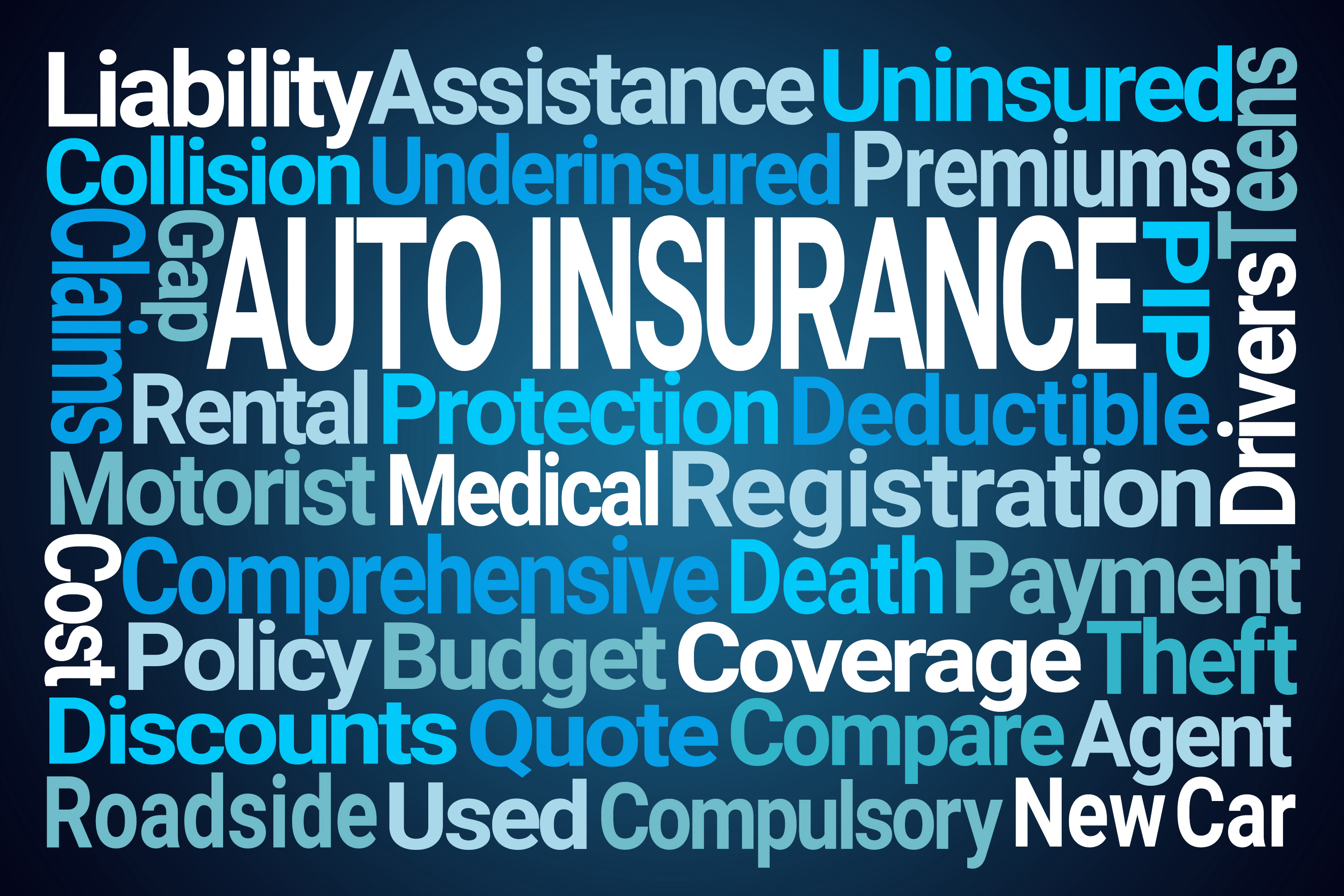
When shopping for car insurance, most drivers focus on the basics—liability, collision, and comprehensive coverage. But one part of your policy that often gets overlooked could end up being your financial lifeline in an accident: Uninsured Motorist (UM) coverage. At the same time, some drivers question whether it’s necessary. So, should you add it to your policy? The answer depends on several factors.

The Case For Uninsured Motorist Coverage
Despite mandatory insurance laws in most states, millions of drivers remain uninsured. According to the Insurance Research Council, about 1 in 8 drivers in the U.S. is uninsured. That means if you’re hit by one of them, you could be left paying out-of-pocket for injuries and damages—unless you have UM coverage.

Uninsured Motorist Bodily Injury (UMBI) covers your medical expenses, lost wages, and even pain and suffering if you’re injured by an at-fault driver who doesn’t have insurance. Uninsured Motorist Property Damage (UMPD), where available, helps pay for repairs to your vehicle.

“Uninsured motorist coverage acts like a safety net,” says Karen Simmons, a claims manager at Midwest Auto Insurance. “It protects you and your passengers when someone else’s irresponsibility puts you at risk.”

It can also protect you in hit-and-run accidents, which are legally treated as if the other driver is uninsured in many states. Given rising medical costs, even a minor accident could leave you with thousands in bills.

The Case Against Uninsured Motorist Coverage
On the other hand, some argue that UM coverage may not be essential—particularly if you already have strong health and collision coverage.

If your health insurance plan is comprehensive and has low deductibles, you might already be covered for medical treatment resulting from an accident. Likewise, if you carry collision coverage, your car repairs could be handled without relying on UMPD.

“In some situations, uninsured motorist coverage may duplicate benefits you already have,” explains Joseph Martinez, a financial advisor in Houston. “If you’re budget-conscious and have overlapping protection, it might be an area to consider trimming.”

In states where no-fault laws apply, your own insurance pays for injury-related expenses regardless of who caused the accident—making UM coverage less critical.

Additionally, if you rarely drive, live in a state with low uninsured rates, or have a well-funded emergency savings account, the risk of going without may seem acceptable.

Ultimately, the decision to carry uninsured motorist coverage comes down to your personal risk tolerance, financial situation, and existing insurance portfolio.

It tends to be one of the more affordable add-ons to a policy, offering valuable peace of mind. But for others with overlapping coverage, it may be a redundant cost.

Before making a decision, it’s smart to consult with a licensed insurance agent who can help you evaluate your exposure and craft a policy that works for you.

About the Author:

David Dandaneau is a insurance agent that covers the insurance and financial services industry. He is known for his insightful analysis and comprehensive coverage of market trends and regulatory developments.

Why You Should Consider Medical Payments Coverage for Your Auto Insurance

When thinking about auto insurance, most drivers focus on liability, collision, and comprehensive coverage. However, an often-overlooked option that could make a significant difference in the aftermath of an accident is Medical Payments Coverage, also known as MedPay. This add-on can provide critical financial relief, covering medical expenses regardless of who is at fault in an accident.

What Is Medical Payments Coverage?
Medical Payments Coverage is an optional component of auto insurance that helps pay for medical and funeral expenses resulting from a car accident. Unlike health insurance, MedPay covers a broader range of scenarios, including injuries sustained by passengers, pedestrians, or cyclists involved in the accident.

Why Should You Consider MedPay?
Covers Gaps in Health Insurance
Many health insurance policies have high deductibles or limited coverage for accident-related injuries. MedPay can step in to cover out-of-pocket expenses like copays, deductibles, and even ambulance fees, reducing the financial burden during recovery.

No Fault, No Problem
MedPay applies regardless of who caused the accident. Whether you or another driver is at fault, this coverage ensures that medical bills are taken care of without lengthy legal battles or delays.

Covers More Than Just Medical Bills
MedPay can extend beyond hospital visits to include services like dental care, rehabilitation, prosthetic devices, and even funeral expenses. This comprehensive approach ensures that all aspects of recovery are considered.

Affordable Addition to Your Policy
Typically, adding MedPay to your auto insurance policy is relatively inexpensive compared to other types of coverage. For a modest increase in your premium, you gain peace of mind knowing you’re protected against unexpected medical costs.

Peace of Mind for Passengers
If you often drive with family or friends, MedPay ensures their medical expenses are also covered. This added protection can be a significant relief, especially in severe accidents involving multiple passengers.

Real-Life Scenarios
Imagine being involved in a minor accident where you and your passengers sustain injuries requiring emergency room visits. Without MedPay, you could face thousands of dollars in medical bills, even with health insurance. With MedPay, those expenses are covered, allowing you to focus on recovery rather than finances.

Is MedPay Right for You?
While MedPay is optional, it can be a valuable safety net for drivers concerned about potential medical costs after an accident. If you have a high-deductible health plan, frequently transport passengers, or simply want extra peace of mind, MedPay could be a smart addition to your auto insurance policy.

Before finalizing your auto insurance, consider discussing MedPay with your agent. This small but impactful choice could save you significant financial stress in the event of an accident. If you’re unsure whether MedPay is right for you, don’t hesitate to reach out to me for personalized guidance. I can help you understand your options and tailor a policy that fits your needs and budget.

About the Author:

David Dandaneau is a insurance agent that covers the insurance and financial services industry. He is known for his insightful analysis and comprehensive coverage of market trends and regulatory developments.

The Imperative of Saving for Retirement Today

In an era where financial security is increasingly precarious, one aspect of personal finance stands out as non-negotiable: saving for retirement. As life expectancy rises and traditional pension plans dwindle, the responsibility for ensuring a comfortable post-work life falls squarely on individuals. Despite this, a concerning number of people neglect this crucial aspect of financial planning, risking their future well-being.

The importance of saving for retirement cannot be overstated. It’s not merely about setting aside a portion of income; it’s about investing in one’s future self, safeguarding against the uncertainties that come with aging. Here are several compelling reasons why saving for retirement should be a top priority:

  1. Financial Independence:
    Saving for retirement empowers individuals to maintain financial independence in their later years. Without sufficient savings, retirees may find themselves relying solely on government assistance or family support, significantly limiting their autonomy and quality of life.
  2. Rising Life Expectancy:
    With advancements in healthcare and lifestyle, people are living longer than ever before. While increased longevity is undoubtedly a positive development, it also means that retirement savings must stretch further to cover an extended retirement period.
  3. Decline of Traditional Pension Plans:
    Traditional pension plans, which guaranteed retirees a fixed income for life, are becoming increasingly rare in today’s workforce. Instead, many companies offer defined-contribution plans like 401(k)s, placing the onus of retirement savings on employees themselves. Consequently, individuals must take an active role in saving and investing for their retirement years.
  4. Inflation and Cost of Living:
    Inflation erodes the purchasing power of money over time. Therefore, even seemingly substantial savings can lose value if not properly invested to outpace inflation. Saving for retirement involves not only accumulating wealth but also strategically managing it to ensure it maintains its real value over the years.
  5. Peace of Mind:
    Financial security in retirement provides peace of mind, allowing individuals to enjoy their golden years without the constant worry of making ends meet. Having a robust retirement savings plan in place alleviates stress and enables retirees to focus on pursuing their passions and interests.

In light of these factors, saving for retirement emerges as an imperative rather than an option. Whether through employer-sponsored retirement plans, individual retirement accounts (IRAs), or other investment vehicles, allocating a portion of income towards retirement savings is an investment in one’s future well-being.

Governments, employers, and financial institutions all have roles to play in promoting retirement savings awareness and facilitating access to retirement planning resources. However, the ultimate responsibility lies with individuals to prioritize their financial future by starting to save for retirement as early as possible.

In a world where uncertainty looms large, securing tomorrow begins with prudent financial planning today. By embracing the importance of saving for retirement, individuals can embark on their golden years with confidence, knowing that they’ve laid a solid foundation for a fulfilling and financially secure future. If you’re ready to take control of your financial future contact me and lets get started today.

Making Informed Choices About Long-Term Care LTC Insurance

As the aging population continues to grow, the importance of planning for long-term care needs becomes increasingly evident. Long-term care insurance is a topic at the forefront of financial discussions, with individuals grappling to understand whether it is a necessary investment. To shed light on this issue, what follows are a few insights from experts in the field.

Why Consider Long-Term Care Insurance?

  1. Financial Security in Retirement: According to the American Association for Long-Term Care Insurance (AALTCI), the cost of long-term care services can be staggering, with nursing home expenses averaging over $100,000 annually. Long-term care insurance provides a safety net, preventing individuals from depleting their savings to cover these costs.
  2. Preserving Assets and Legacy: Jason Fisher, a certified financial planner, emphasizes the asset protection aspect of long-term care insurance. “It’s not just about covering your care expenses; it’s about preserving your hard-earned assets and ensuring a legacy for your loved ones.”
  3. Personalized Care Choices: Mary Johnson, spokesperson for the National Clearinghouse for Long-Term Care Information, notes that long-term care insurance offers flexibility in choosing the type and location of care. “This insurance empowers individuals to receive care in their preferred setting—whether it’s at home, in assisted living, or a nursing facility.”

Why You May Hesitate:

  1. High Premiums and Affordability: Sarah Thompson, a senior financial analyst, cautions that the cost of long-term care insurance can be a barrier for some. “Premiums vary based on age, health status, and coverage, making it essential for individuals to carefully evaluate their budget and weigh the long-term financial commitment.”
  2. Changing Insurance Landscape: The Center for Retirement Research at Boston College highlights the evolving nature of the long-term care insurance market. “Policyholders should be aware of potential rate increases and changes in policy terms, which can impact the perceived stability of their coverage.”
  3. Potential Alternatives: Financial advisor, Mark Turner, suggests exploring alternative solutions such as hybrid life insurance policies or setting aside dedicated savings for long-term care. “It’s important to assess all options and choose the approach that aligns best with your unique circumstances and preferences.”

The decision to invest in long-term care insurance is a nuanced one that requires careful consideration of individual financial goals, health, and risk tolerance. While the potential benefits in terms of financial security and personalized care are evident, the associated costs and changing insurance landscape necessitate a thorough evaluation in case you run into an emergency later in life. As always, consulting with financial advisors and exploring various options remains crucial in making informed decisions about long-term care planning. If I can help you decide on a long-term care policy drop me a line or give me a call and we can continue the discussion.

Ensuring Financial Security in the Face of Unforeseen Challenges

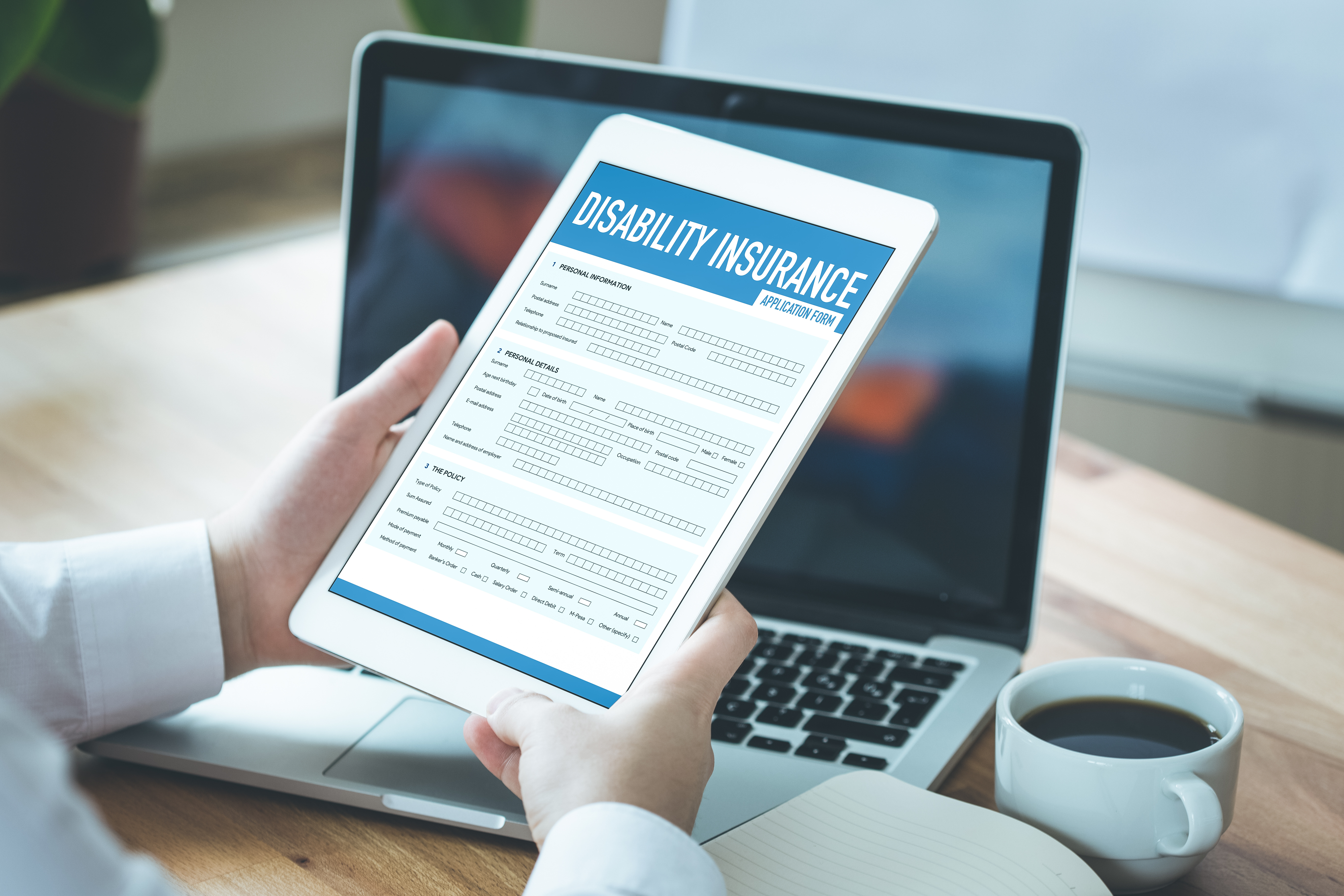
In a world filled with uncertainties, one aspect that often goes overlooked is the potential for unexpected health challenges that can impact our ability to work. Disability insurance emerges as a crucial safeguard, offering a financial safety net to individuals facing unforeseen circumstances.

Disability insurance provides protection for workers who find themselves unable to perform their job duties due to illness or injury. While many individuals recognize the importance of life insurance, the significance of disability insurance is often underestimated.

Here are some key reasons why disability insurance should be a priority for everyone:

Financial Stability During Health Challenges

Imagine a scenario where an unexpected accident or illness leaves you unable to work for an extended period. Disability insurance steps in to provide a portion of your income, ensuring that you can meet your financial obligations, such as mortgage payments, utility bills, and daily living expenses.

Protecting Your Most Valuable Asset – Your Income

For most individuals, their ability to earn a living is their most valuable asset. Disability insurance acts as a shield for your income, offering peace of mind knowing that, even in challenging times, you can maintain a certain level of financial stability.

Peace of Mind for You and Your Loved Ones

Knowing that you have a safety net in place can alleviate the stress and anxiety that often accompany unexpected health challenges. Disability insurance not only benefits you but also provides reassurance to your loved ones that their financial well-being is secured in the event of unforeseen circumstances.

Employer Coverage Might Not Be Enough

While some employers offer disability coverage as part of their benefits package, it’s crucial to assess whether the provided coverage is sufficient for your needs. Personal disability insurance allows you to tailor coverage to your specific circumstances, ensuring that you have the protection you require.

Planning for the Long Term

Disability insurance is not just a short-term solution; it provides long-term support if you face a disabling condition that requires an extended period away from work. This long-term perspective makes disability insurance an integral part of your overall financial planning.

In conclusion, disability insurance is a valuable investment in your financial security and well-being. It offers a safety net that can make a significant difference in your ability to navigate unforeseen health challenges without compromising your financial stability. As the saying goes, “hope for the best, but prepare for the worst.” Disability insurance is a proactive step towards securing a stable and worry-free future. If you need help picking the right disability insurance plan please feel free to reach out, drop me a line, or give me a call and we can find you the best plan. Otherwise and as usual keep smiling cause it really looks good on you!