
Flooding is the most common and costly natural disaster in the United States, yet millions of homeowners remain uninsured for flood damage. Standard homeowners insurance policies typically do not cover flood losses, leaving property owners vulnerable to potentially devastating financial consequences. Understanding why flood insurance exists, when it is required, and how federal programs help manage risk is essential for homeowners and property investors alike.
Flooding: A Risk Many Homeowners Underestimate
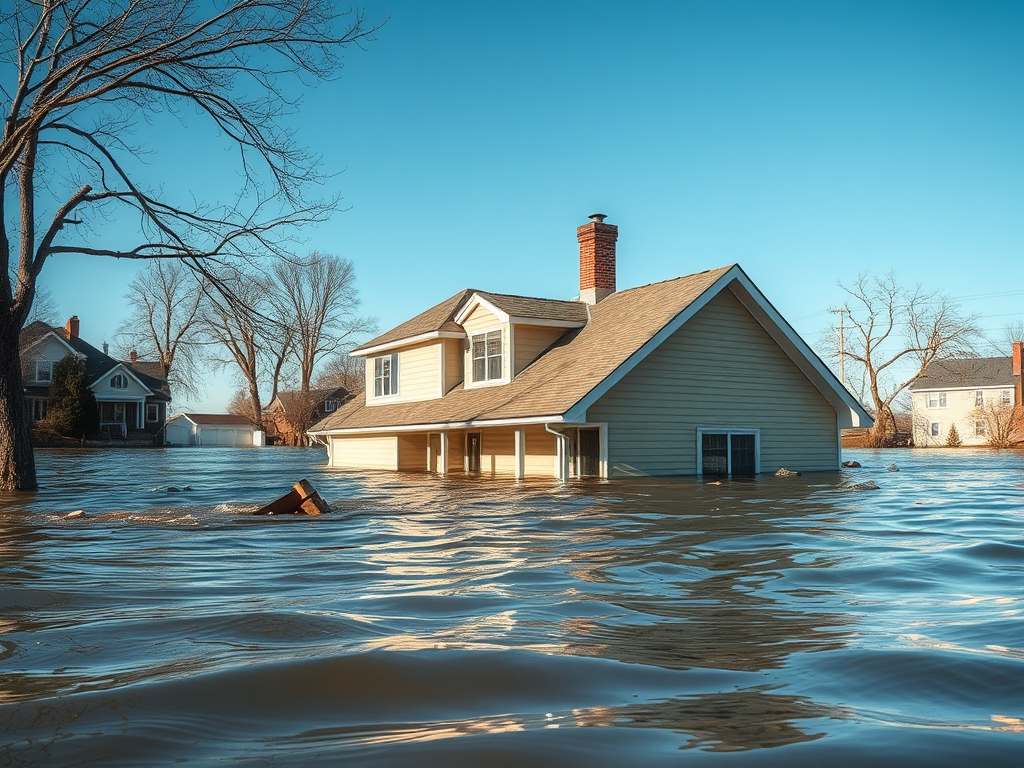
Floods can occur almost anywhere. Heavy rainfall, storm surge, overflowing rivers, blocked drainage systems, and even rapid snowmelt can lead to flooding. According to the Federal Emergency Management Agency (FEMA), more than 20% of flood insurance claims come from properties located outside of high-risk flood zones, highlighting that flood risk is not limited to coastal or riverfront communities.
The financial damage from flooding can escalate quickly. FEMA estimates that just one inch of water in a home can cause approximately $25,000 in damage. Repairing flooring, drywall, electrical systems, furniture, and appliances often costs far more than many homeowners expect.
Why Standard Homeowners Insurance Doesn’t Cover Flooding
Most homeowners carry policies designed to cover risks like fire, theft, and wind damage. However, flood damage is specifically excluded because it is considered a catastrophic and widespread event that could produce extremely high losses across large geographic areas simultaneously.
To manage this risk, flood coverage is typically purchased separately through programs backed by the federal government.
The largest provider of flood insurance in the United States is the National Flood Insurance Program (NFIP), which is administered by FEMA.
When Your Mortgage Company Requires Flood Insurance
Mortgage lenders are required by federal law to ensure flood insurance coverage on properties located in designated high-risk flood zones.
Flood zones are determined using maps created by FEMA known as Flood Insurance Rate Maps (FIRMs). These maps identify areas with varying levels of flood risk.
Properties located in Special Flood Hazard Areas (SFHAs) often labeled Zone A or Zone V on FEMA maps typically require flood insurance if the home has a federally backed mortgage.
If a homeowner fails to secure the required coverage, lenders may purchase insurance on the homeowner’s behalf through a process called force-placed flood insurance. This coverage is often more expensive and offers less flexibility than a policy purchased directly by the homeowner.
FEMA’s Role in Flood Insurance
The Federal Emergency Management Agency (FEMA) plays several key roles in the flood insurance ecosystem:
- Administers the National Flood Insurance Program
- Creates and updates flood maps used by lenders and insurers
- Provides disaster assistance after major flood events
- Promotes floodplain management standards to reduce future damage
Through the NFIP, FEMA partners with private insurance companies to sell and service policies, making flood insurance more widely accessible across the country.
However, it’s important to note that federal disaster assistance is not a substitute for insurance. FEMA aid after disasters often comes in the form of low-interest loans or limited grants and typically does not fully cover rebuilding costs.
What Flood Insurance Typically Covers
NFIP flood policies generally include two primary types of coverage:
Building Coverage
- Structure of the home
- Electrical and plumbing systems
- HVAC systems
- Water heaters
- Permanently installed carpeting and cabinets
- Detached garages (limited)
Contents Coverage
- Furniture
- Clothing
- Electronics
- Portable appliances
Maximum coverage limits under the NFIP currently include:
- $250,000 for residential structures
- $100,000 for personal property
Some private insurers also offer excess flood insurance for homeowners needing higher coverage limits.
Typical Cost of Flood Insurance
Flood insurance premiums vary widely depending on several factors:
- Property elevation
- Flood zone designation
- Age and construction of the home
- Coverage limits selected
- Deductible chosen
Average costs nationwide fall roughly within these ranges:
| Risk Level | Typical Annual Premium |
|---|---|
| Low-to-moderate risk areas | $300 – $700 |
| Moderate risk areas | $700 – $1,200 |
| High-risk flood zones | $1,200 – $3,500+ |
Recent FEMA pricing updates under the NFIP’s Risk Rating 2.0 system now use more sophisticated modeling to determine premiums, including distance to water sources, rebuilding costs, and historical flood data.
Why Some Homeowners Choose Not to Carry Flood Insurance
Despite the risks, some homeowners opt not to purchase flood coverage. Common reasons include:
- The property lies outside a high-risk flood zone
- The homeowner does not have a mortgage requiring coverage
- Premium costs are considered too high
- The homeowner believes the flood risk is minimal
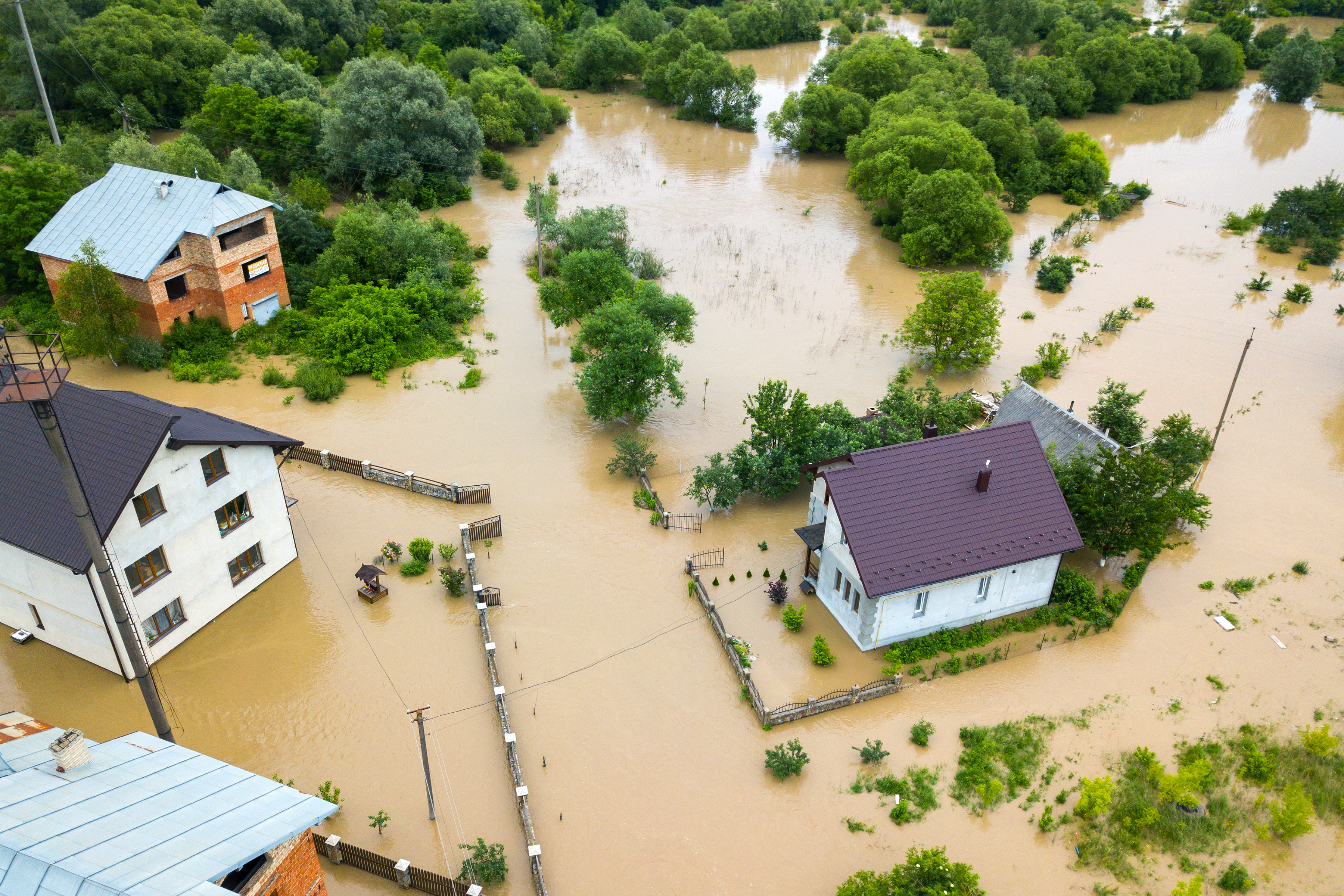
However, flooding can occur in unexpected locations, particularly as weather patterns shift and development alters natural drainage patterns.
The Bottom Line
Flood insurance represents a critical but often overlooked component of financial protection for homeowners. While it may not be required for every property, the relatively small annual cost can prevent massive financial losses in the event of a flood.
Whether coverage is required by a lender or chosen voluntarily, understanding flood risk and the protections available through programs like FEMA’s National Flood Insurance Program allows homeowners to make informed decisions about protecting their property and financial future.
About the Author:
David Dandaneau is a client relations analyst that covers the insurance and financial services industry. He is known for his insightful analysis and comprehensive coverage of market trends and regulatory developments.



 Health to Wealth Ventures