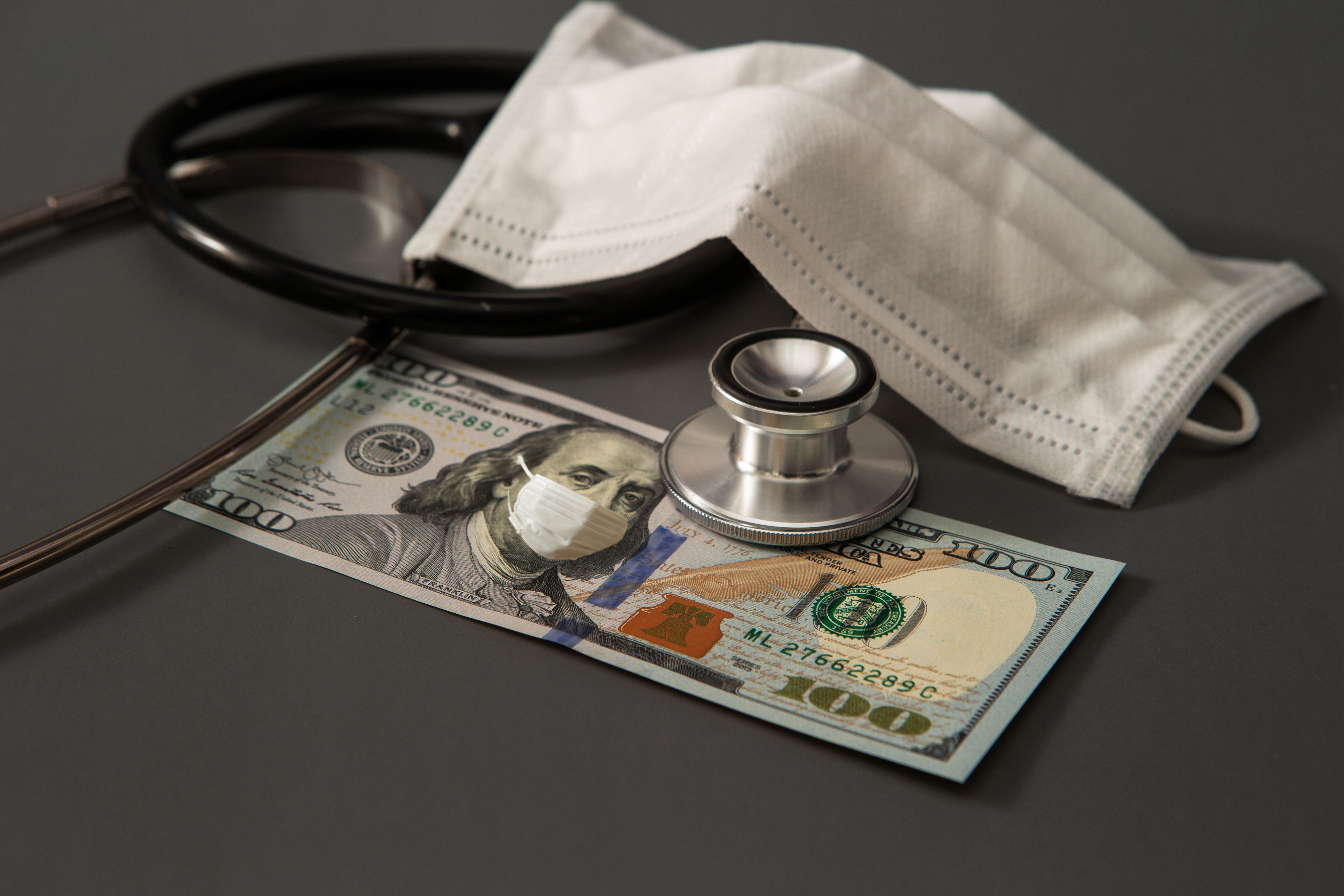
Why You Should Review Your Car Insurance Premiums Every Year

Every year, millions of drivers renew their car insurance policies without giving them a second thought. However, failing to review your coverage annually could mean missing out on potential savings or leaving yourself underinsured in the event of an accident. Understanding key aspects of your policy—such as bodily injury liability, property damage coverage, and personal injury protection—can help you make informed decisions and ensure you have the right protection at the best price.

Rates Change, and So Should Your Coverage
Car insurance premiums fluctuate based on multiple factors, including your driving history, credit score, local accident trends, and even changes in state laws. A rate that was competitive last year may no longer be the best option today. By reviewing your policy annually, you can compare quotes from different providers and adjust your coverage to match your current needs.

Bodily Injury Liability: Are You Adequately Covered?
Bodily injury liability coverage is crucial because it helps pay for medical expenses, lost wages, and legal fees if you’re at fault in an accident that injures another person. Many states set minimum coverage requirements, but these may not be sufficient in a serious accident. Reviewing your policy ensures that your coverage limits are high enough to protect your assets if you’re sued.

Property Damage Liability: Protecting More Than Just Cars
Property damage liability covers the costs of repairing or replacing another person’s vehicle or property if you’re responsible for an accident. With the rising cost of car repairs and replacements, minimum state-required coverage may not be enough. A yearly policy review can help you determine if increasing your limits is necessary to avoid paying out of pocket in a worst-case scenario.

Personal Injury Protection (PIP): Covering Your Medical Costs
Personal injury protection, or PIP, is required in some states and optional in others. It helps cover medical expenses, lost wages, and even funeral costs for you and your passengers, regardless of fault. As healthcare costs continue to rise, ensuring that your PIP coverage is sufficient can prevent financial strain in the event of an accident.

Discounts and Savings You Might Be Missing
Many insurers offer discounts for safe driving, bundling policies, vehicle safety features, and even good credit. However, these discounts aren’t always applied automatically. Reviewing your policy yearly allows you to check for any available savings and ensure you’re not overpaying.

When Should You Review Your Policy?
Experts recommend reviewing your car insurance at least once a year or whenever a significant life event occurs, such as:

  • Buying a new car
  • Moving to a new location
  • Getting married or divorced
  • Adding a teen driver to your policy
  • Experiencing changes in your driving habits

    Your car insurance policy is not a “set it and forget it” expense. Taking the time to review your coverage each year can save you money, ensure adequate protection, and provide peace of mind on the road. By staying proactive and informed, you can make sure you’re getting the best value without compromising on essential coverage.

About the Author:

David Dandaneau is a insurance agent that covers the insurance and financial services industry. He is known for his insightful analysis and comprehensive coverage of market trends and regulatory developments.

Why Renters Insurance is a Must-Have for Renters

By David Dandaneau

Renting a home or apartment can be a convenient and flexible way to live, but many renters overlook a critical aspect of their financial security: renters insurance. If you’re currently renting, here’s why this affordable coverage should be on your radar.

  1. Protect Your Personal Belongings
    Did you know your landlord’s insurance only covers the building structure, not your personal belongings? In the event of a fire, theft, or water damage, renters insurance can reimburse you for lost or damaged items such as electronics, furniture, and clothing.
  2. Liability Coverage
    Accidents happen. If someone gets injured in your rental or you accidentally damage someone else’s property, renters insurance can help cover medical and legal costs. This liability coverage can save you thousands in out-of-pocket expenses.
  3. Temporary Housing Costs
    If your rental becomes uninhabitable due to a covered event like a fire, renters insurance can help pay for temporary housing expenses, ensuring you have a safe place to stay while repairs are made.
  4. It’s Surprisingly Affordable
    Most renters insurance policies cost less than a daily cup of coffee, with monthly premiums averaging around $15–$30. This small investment provides peace of mind and financial protection against unexpected events.
  5. Peace of Mind
    Renters insurance eliminates the “what if” worries that come with renting. Knowing that you’re protected against unforeseen circumstances can help you focus on enjoying your home.

Don’t Wait Until It’s Too Late
Disasters strike when you least expect them, and the cost of replacing everything you own or dealing with liability claims can be overwhelming. By getting renters insurance, you’re taking a proactive step to safeguard your financial future.

For more information or to get started with a renters insurance policy, contact me today. I’m here to help you find affordable coverage that fits your needs and protects what matters most.

About the Author:

David Dandaneau is a insurance agent that covers the insurance and financial services industry. He is known for his insightful analysis and comprehensive coverage of market trends and regulatory developments.

Why Uninsured Motorist Coverage Is a Crucial Addition to Your Auto Insurance Policy

When it comes to shopping for auto insurance, many drivers prioritize liability coverage, collision, and comprehensive policies. However, one often-overlooked option that can be a lifesaver in the event of an accident is uninsured motorist (UM) coverage.

The Growing Concern: Uninsured Drivers
According to a recent report by the Insurance Research Council (IRC), nearly 1 in 8 drivers in the United States is uninsured. In some states, the percentage is even higher, posing a significant risk to insured motorists. If you are involved in an accident with an uninsured driver, you could be left footing the bill for medical expenses, vehicle repairs, and other damages—costs that can quickly add up to tens of thousands of dollars.

What Is Uninsured Motorist Coverage?
Uninsured motorist coverage is designed to protect you financially if you are hit by a driver who doesn’t carry auto insurance. In many cases, it also covers underinsured motorists—drivers whose insurance limits are too low to fully compensate for the damages they cause.

UM coverage typically applies to:

  • Medical expenses for you and your passengers.
  • Lost wages due to injuries sustained in the accident.
  • Pain and suffering caused by the collision.
  • Funeral expenses, if applicable.


Benefits of Uninsured Motorist Coverage
1) Peace of Mind: Knowing you’re protected against the financial fallout of an uninsured driver gives you one less thing to worry about on the road.
2) Affordable Protection: Adding UM coverage to your policy is often relatively inexpensive, especially when compared to the potential costs of being hit by an uninsured driver.
3) Broader Coverage: In some cases, UM coverage extends beyond just your car. It can also apply if you’re struck as a pedestrian or while riding a bicycle.


Real-Life Scenarios: Why UM Coverage Matters
Imagine being rear-ended at a red light, only to discover the at-fault driver lacks insurance. Without UM coverage, you’d be forced to rely on your own savings or health insurance to cover expenses. UM coverage steps in where the other driver’s policy should have, ensuring you aren’t left in financial ruin.

Is It Required?
While some states mandate uninsured motorist coverage, in many others, it’s optional. Even if it’s not required, insurance experts strongly recommend including it in your policy.

How to Choose the Right Coverage
When shopping for UM coverage, consider factors like:

  • The likelihood of encountering uninsured drivers in your area.
  • The limits of your health insurance, which may not fully cover accident-related injuries.
  • The value of your vehicle and any potential out-of-pocket repair costs.

Final Thoughts
Uninsured motorist coverage isn’t just an add-on; it’s a safety net. With the number of uninsured drivers on the road today, ensuring you’re covered is a practical and smart financial decision. When discussing your options with an insurance agent, be sure to explore UM coverage and how it can protect you and your loved ones from life’s unexpected moments.

For more information or a personalized quote, contact me directly or your local insurance agent today.

About the Author:

David Dandaneau is a insurance agent that covers the insurance and financial services industry. He is known for his insightful analysis and comprehensive coverage of market trends and regulatory developments.

Why You Should Consider Medical Payments Coverage for Your Auto Insurance

When thinking about auto insurance, most drivers focus on liability, collision, and comprehensive coverage. However, an often-overlooked option that could make a significant difference in the aftermath of an accident is Medical Payments Coverage, also known as MedPay. This add-on can provide critical financial relief, covering medical expenses regardless of who is at fault in an accident.

What Is Medical Payments Coverage?
Medical Payments Coverage is an optional component of auto insurance that helps pay for medical and funeral expenses resulting from a car accident. Unlike health insurance, MedPay covers a broader range of scenarios, including injuries sustained by passengers, pedestrians, or cyclists involved in the accident.

Why Should You Consider MedPay?
Covers Gaps in Health Insurance
Many health insurance policies have high deductibles or limited coverage for accident-related injuries. MedPay can step in to cover out-of-pocket expenses like copays, deductibles, and even ambulance fees, reducing the financial burden during recovery.

No Fault, No Problem
MedPay applies regardless of who caused the accident. Whether you or another driver is at fault, this coverage ensures that medical bills are taken care of without lengthy legal battles or delays.

Covers More Than Just Medical Bills
MedPay can extend beyond hospital visits to include services like dental care, rehabilitation, prosthetic devices, and even funeral expenses. This comprehensive approach ensures that all aspects of recovery are considered.

Affordable Addition to Your Policy
Typically, adding MedPay to your auto insurance policy is relatively inexpensive compared to other types of coverage. For a modest increase in your premium, you gain peace of mind knowing you’re protected against unexpected medical costs.

Peace of Mind for Passengers
If you often drive with family or friends, MedPay ensures their medical expenses are also covered. This added protection can be a significant relief, especially in severe accidents involving multiple passengers.

Real-Life Scenarios
Imagine being involved in a minor accident where you and your passengers sustain injuries requiring emergency room visits. Without MedPay, you could face thousands of dollars in medical bills, even with health insurance. With MedPay, those expenses are covered, allowing you to focus on recovery rather than finances.

Is MedPay Right for You?
While MedPay is optional, it can be a valuable safety net for drivers concerned about potential medical costs after an accident. If you have a high-deductible health plan, frequently transport passengers, or simply want extra peace of mind, MedPay could be a smart addition to your auto insurance policy.

Before finalizing your auto insurance, consider discussing MedPay with your agent. This small but impactful choice could save you significant financial stress in the event of an accident. If you’re unsure whether MedPay is right for you, don’t hesitate to reach out to me for personalized guidance. I can help you understand your options and tailor a policy that fits your needs and budget.

About the Author:

David Dandaneau is a insurance agent that covers the insurance and financial services industry. He is known for his insightful analysis and comprehensive coverage of market trends and regulatory developments.

Understanding PIP Insurance in Florida: What You Need to Know

Florida drivers face unique challenges when it comes to auto insurance, particularly with the state’s no-fault laws. At the heart of this system is Personal Injury Protection (PIP) insurance, a coverage type designed to provide quick access to medical care and financial support after an accident—regardless of who caused it. Here’s a closer look at PIP insurance and why it’s essential for Floridians.

What Is PIP Insurance?

PIP insurance, often referred to as no-fault insurance, is required for all vehicle owners in Florida. The minimum coverage includes:

  • $10,000 for medical expenses: Covers up to 80% of medical bills for accident-related injuries.
  • $5,000 in death benefits: Provides compensation to your family in the event of a fatal accident.
  • Lost wages reimbursement: Covers up to 60% of lost income if you are unable to work due to accident injuries.

Why Is PIP Important?

PIP coverage ensures that medical bills and other immediate expenses are addressed promptly, even before liability is determined. This can be especially critical in Florida, where motor vehicle accident rates are among the highest in the nation.

What Does PIP Cover?

PIP insurance doesn’t just apply to the driver—it extends to passengers, pedestrians, and even family members in certain situations. Common expenses covered by PIP include:

  • Hospital visits and medical treatments
  • Physical therapy
  • Rehabilitation services
  • Prescriptions
  • Household services if you’re unable to perform daily tasks

Common Questions About PIP

  1. Can I waive PIP coverage?
    No, it’s mandatory for all vehicle owners in Florida. However, you can purchase additional coverage for more comprehensive protection.
  2. Does PIP cover pain and suffering?
    No, PIP is limited to tangible financial losses. Compensation for pain and suffering typically falls under separate liability claims.
  3. What happens if my expenses exceed PIP limits?
    If your medical bills or losses exceed the $10,000 minimum coverage, you may need to rely on health insurance, MedPay, or legal action against the at-fault party.

Make Sure You’re Covered

Navigating the complexities of Florida’s auto insurance laws can be overwhelming, but having a clear understanding of your PIP coverage is the first step to protecting yourself and your family.

Have questions or need help reviewing your policy? Contact me today! As an experienced insurance professional, I can help you better understand your coverage options and ensure you’re fully protected on Florida’s roads.

About the Author:

David Dandaneau is a insurance agent that covers the insurance and financial services industry. He is known for his insightful analysis and comprehensive coverage of market trends and regulatory developments.

Does Your Auto Insurance Cover Rental Cars? Here’s What You Need to Know

When you rent a car, one of the first questions you’re likely to face at the rental counter is whether you want to purchase insurance coverage. But before you pay extra for rental car insurance, it’s important to understand how your personal auto insurance policy might already have you covered.

What Your Auto Insurance May Cover
In most cases, your existing auto insurance policy extends to rental vehicles. Here’s how:

Liability Coverage
If your policy includes liability insurance, it will typically cover damage or injury you cause to other people or property while driving a rental car. However, keep in mind that your liability limits will be the same as those on your personal policy.

Collision and Comprehensive Coverage
If you have collision or comprehensive coverage on your personal vehicle, it may also apply to a rental car. This means that damage to the rental car from an accident, theft, or natural disaster may be covered—minus your deductible.

Medical Payments or Personal Injury Protection (PIP)
Your medical payments coverage or PIP can also extend to a rental car, helping cover medical expenses for you and your passengers in the event of an accident.

Gaps to Watch Out For
While your auto insurance may cover many scenarios, there are some potential gaps:

Loss of Use
Rental car companies may charge for the income lost while the car is being repaired. Many personal policies don’t cover this, but rental car insurance usually does.

Diminished Value
If a rental car loses resale value after an accident, the rental company may charge for that depreciation. This is rarely covered by personal auto insurance.

Higher Deductibles
If you make a claim on your auto policy for a rental car incident, you’ll still need to pay your deductible. This may make rental car insurance appealing if it has a lower or no deductible.

Credit Card Rental Coverage
Many credit cards offer secondary rental car coverage, which can supplement your auto insurance. Typically, this covers damage to the rental car but not liability or medical expenses. Be sure to check your credit card terms before relying on this option.

When to Consider Rental Car Insurance
While your personal policy may suffice in many situations, you might want to purchase rental car insurance if:

You don’t have comprehensive or collision coverage.
You’re renting an expensive or exotic vehicle that exceeds your policy limits.
You want to avoid potential claims on your personal auto policy.

Bottom Line
Before renting a car, review your auto insurance policy and credit card benefits to understand your coverage. Being informed can help you make the right decision at the rental counter—and save you money.

Need Help Understanding Your Coverage?
If you’re unsure about your auto insurance policy, reach out to me or your agent. They can clarify what’s included and recommend the best options for your needs.

About the Author:

David Dandaneau is a insurance agent that covers the insurance and financial services industry. He is known for his insightful analysis and comprehensive coverage of market trends and regulatory developments.

Why You Should Consider a Personal Articles Policy to Protect What Matters Most

As life unfolds, we often acquire items of significant personal and financial value. Whether it’s an engagement ring, a rare art collection, high-end photography equipment, or an antique watch passed down through generations, these items carry both sentimental and monetary worth. A standard homeowner’s insurance policy might not fully cover such valuables. That’s where a Personal Articles Policy (PAP) comes in—a specialized insurance policy that offers tailored protection for the things that matter most to you.

What Is a Personal Articles Policy?
A Personal Articles Policy (PAP) is designed to provide coverage for high-value personal items, above and beyond what a standard homeowner’s or renter’s insurance policy offers. Homeowner’s policies often have coverage limits or restrictions on valuable items, leaving you potentially underinsured. A PAP allows you to add an additional layer of security for your high-value possessions, typically without a deductible.

This type of policy can cover a wide array of personal belongings, including but not limited to:

  • Jewelry
  • Fine art
  • Musical instruments
  • Collectibles
  • Electronics, such as cameras or laptops
  • Sports equipment, like golf clubs

Why Should You Consider a Personal Articles Policy?
Full Replacement Cost Coverage: A PAP generally provides coverage up to the full replacement value of the insured item, ensuring you can replace or repair it to its original quality if it’s damaged, lost, or stolen.

Worldwide Protection: Most PAPs offer worldwide coverage, meaning your valuable items are protected even when you take them on trips. For example, if your camera equipment is stolen during an overseas vacation, a PAP can help ensure you’re covered.

Broader Range of Perils: While a standard homeowner’s policy typically covers losses from specific risks like fire or theft, a PAP often includes coverage for accidental losses, such as dropping and damaging a ring or losing a valuable collectible.

No Deductible Options: Many PAPs provide the option to have no deductible, meaning you don’t have to pay out of pocket before the policy kicks in. This can be particularly advantageous when covering items that are costly to repair or replace.

Peace of Mind: Knowing that your prized possessions are fully protected provides invaluable peace of mind, allowing you to enjoy them without worry.

Why Now?
With rising costs for valuables and a growing range of risks—from accidental loss to natural disasters—considering a PAP has never been more prudent. Protecting your valuables today ensures they remain secure, regardless of what tomorrow may bring.

For anyone looking to safeguard their treasures and gain confidence in their coverage, a Personal Articles Policy offers an ideal solution. Contact me directly to discuss how a PAP can help you protect what matters most. Get in touch today to find the best coverage for your prized possessions and enjoy the peace of mind that comes with knowing they’re safeguarded.

About the Author:

David Dandaneau is a insurance agent that covers the insurance and financial services industry. He is known for his insightful analysis and comprehensive coverage of market trends and regulatory developments.

Why Shopping Around for Homeowners Insurance Can Save You Money and Boost Your Coverage

In today’s economy, we’re all looking for ways to save money without sacrificing quality. When it comes to homeowners insurance, shopping around could be one of the best ways to do both. Just as with other major purchases, a little comparison can reveal more competitive rates, customized coverage options, and the opportunity for savings through bundled services. So, why is it important to review and compare your homeowners insurance regularly, and what steps can you take to ensure you’re getting the best deal? Let’s break it down.

  1. Coverage Needs Can Change
    The home you insure today may be different from the home you bought years ago. Renovations, new furniture, or improvements like a remodeled kitchen or new outdoor patio all add value to your property, meaning your coverage should reflect these changes. On the flip side, if you’ve downsized or taken steps to make your home safer (like adding a security system), you may qualify for discounts.
  2. Policies Vary Widely
    Homeowners insurance policies come with varying levels of protection, and not all policies are created equal. One insurer may offer a broader “all-risk” policy, while another might offer specific coverage for certain events like floods or earthquakes. By comparing policies, you can ensure you’re not underinsured or paying for coverage you don’t need.
  3. Bundling Options Can Mean Big Savings
    If you already have auto or life insurance with one company, many insurers offer discounts if you bundle these with a homeowners policy. Bundling could potentially save you a significant amount on monthly premiums, all while simplifying your insurance management.
  4. Prices Fluctuate Over Time
    Insurance premiums are impacted by a variety of factors, including inflation, weather patterns, and the overall market. Shopping around every year or two allows you to take advantage of better rates that reflect current trends. Even if you don’t switch, gathering a few quotes can be helpful when negotiating with your current provider.
  5. Discounts Can Add Up
    There are more discounts available than many homeowners realize. From loyalty rewards to savings for energy-efficient upgrades, insurers offer various ways to reduce premiums. By comparing quotes, you may find that one provider offers discounts you didn’t know were possible.

If you’re interested in exploring your options or getting a free quote, contact me, David at Austin Connors State Farm Agency. As an experienced insurance agent, I can help you navigate the complex world of homeowners insurance and find a policy that suits your needs and budget. Don’t leave your home and your finances unprotected. Give me a call today, and let’s see how much you can save!

Pros and Cons of Renting vs. Owning in Retirement

As retirement approaches, many individuals face a critical decision about where and how they’ll live: should they continue owning a home or switch to renting? Both options offer advantages and challenges, and the right choice depends on personal financial circumstances, lifestyle preferences, and long-term goals.

The Case for Owning a Home
Owning a home has long been considered a key pillar of financial security, especially in retirement. For those who own their home outright, this can mean living without the burden of monthly mortgage payments and the ability to build equity over time. Here are a few reasons why many retirees choose to own:

Stability and Predictability: Owning a home provides stability and protection from rising rents, which can be especially valuable on a fixed income. Property taxes, insurance, and maintenance costs may fluctuate, but they’re often more predictable than rent increases.

Equity and Investment Potential: For those who have paid off their mortgage, a home is a valuable asset. It can be sold or leveraged as equity for a reverse mortgage, providing financial flexibility. Additionally, property values may appreciate over time, offering the potential for profit if the home is eventually sold.

Freedom and Personalization: Homeowners have the freedom to modify their living space without landlord restrictions. They can make accessibility modifications, renovate, or create the perfect environment for their retirement lifestyle.

However, owning a home also comes with responsibilities. Property taxes, maintenance, and repairs can be costly and time-consuming. For retirees who want a more carefree lifestyle, these ongoing expenses and duties may be burdensome.

The Benefits of Renting in Retirement
Renting offers a different set of advantages that can appeal to retirees looking for flexibility and less financial commitment. Here’s why renting may be the preferred option for some:

Flexibility and Mobility: Renting allows retirees to move easily without the complications of selling a home. For those who want to spend their retirement traveling, downsizing, or relocating to be closer to family or better weather, renting offers the freedom to do so without the constraints of homeownership.

Reduced Maintenance Responsibilities: With renting, landlords typically handle property upkeep and repairs, relieving retirees from the hassle and expense of home maintenance. This can be particularly appealing for those who want to avoid physical labor or unpredictable repair costs.

Access to Amenities: Many rental communities cater to retirees, offering amenities like pools, fitness centers, social activities, and transportation services. These can enhance quality of life without the added cost or responsibility of owning such amenities.

However, renting also has its downsides. Renters may face annual rent increases, which can strain a fixed income, and there is no opportunity to build equity or benefit from property value appreciation. Additionally, renters are subject to the rules and restrictions set by landlords, which may limit personalization or changes to the living space.

Financial Considerations
The financial aspect of renting versus owning is often the deciding factor for many retirees. For those with a paid-off home, staying put can be more cost-effective. However, for retirees who still carry a mortgage or have high property taxes, selling and renting might free up capital and reduce monthly expenses.

It’s also important to consider healthcare needs and long-term planning. Renting may be beneficial for those who anticipate needing assisted living or other senior services that are often available in rental communities.

Making the Right Choice
There is no one-size-fits-all answer when it comes to deciding between renting and owning in retirement. It’s essential for retirees to evaluate their financial situation, health, and lifestyle preferences. Consulting with a financial advisor or retirement planner can provide clarity and help make an informed decision.

Whether choosing to rent or own, the key is to ensure that the living arrangement aligns with one’s financial stability, comfort, and long-term happiness in retirement.

About the Author:

David Dandaneau is a insurance agent that covers the insurance and financial services industry. He is known for his insightful analysis and comprehensive coverage of market trends and regulatory developments.

Picking Up the Pieces After a Storm: What to Do and What Not to Do

In the aftermath of a severe storm, communities often face a daunting cleanup process. From fallen trees to damaged homes, the path to recovery can be overwhelming. Knowing what steps to take—and which to avoid—can make all the difference in getting back on your feet safely and efficiently.

What to Do: Essential Steps for Storm Recovery
Prioritize Safety First Before you begin any cleanup efforts, make sure it’s safe to do so. Stay informed by tuning in to local weather reports for updates. Watch out for hazards like downed power lines, damaged gas lines, and unstable structures. If you encounter any dangerous situations, avoid them and report them to emergency services immediately.

Document Damage for Insurance Purposes Take photos and videos of any damage to your property before starting the cleanup. This documentation is crucial for filing insurance claims. Make sure to capture the condition of your home, vehicles, and other valuable possessions. Contact your insurance agent as soon as possible to begin the claims process.

Use Proper Safety Gear If you plan to assist with the cleanup, wear the appropriate safety gear, such as gloves, sturdy boots, and protective eyewear. A hard hat is recommended if there are potential falling debris hazards. Wearing a mask is also advised, especially if there is dust or mold present.

Dispose of Debris Properly Follow local guidelines for debris disposal. Many communities set up special collection sites or organize pickup services after a major storm. Ensure that you separate hazardous materials like chemicals, electronics, or sharp objects, which may require special disposal methods.

Seek Professional Help When Necessary For significant damage, such as roof repairs, electrical issues, or structural concerns, hire licensed professionals. Attempting complex repairs without proper skills can be dangerous. Certified contractors can ensure that repairs meet safety standards and prevent further damage.

What Not to Do: Avoiding Common Mistakes
Don’t Enter Flooded Areas Even after the storm has passed, flooded areas can pose significant risks. Floodwaters may contain contaminants, sharp debris, or concealed electrical currents. Avoid entering these areas, and wait for authorities to declare them safe before proceeding.

Don’t Delay Filing Insurance Claims The sooner you file a claim, the faster you can access the resources you need for repairs and recovery. Procrastinating can lead to delays, especially when insurance companies experience high volumes of claims. Make contacting your insurance company a priority once it is safe to do so.

Don’t Use Damaged Appliances Flood-damaged or wet appliances can be hazardous. Before using any electrical device, have it inspected by a professional to avoid the risk of shock or fire. Unplug and avoid using anything that may have been exposed to water until it is cleared for use.

Don’t Attempt Major Repairs on Your Own While it may be tempting to save money by repairing structural damage yourself, doing so can be risky. Improper fixes can lead to further damage and put you and your family in danger. Always consult with licensed contractors or repair services for any major work.

Don’t Overexert Yourself During Cleanup Storm cleanup is physically demanding, and it’s easy to push your body too hard. Take breaks, stay hydrated, and ask for help when needed. Avoid lifting heavy objects alone, as this can lead to injuries. Pace yourself, and remember that recovery is a marathon, not a sprint.

Moving Forward with Caution
Picking up the pieces after a storm can be a long and stressful process, but staying organized and following these guidelines can make it safer and more manageable. By prioritizing safety, documenting damage, and seeking professional help when necessary, you can ensure a smoother path to recovery for you and your community.