Making Informed Choices About Long-Term Care LTC Insurance

As the aging population continues to grow, the importance of planning for long-term care needs becomes increasingly evident. Long-term care insurance is a topic at the forefront of financial discussions, with individuals grappling to understand whether it is a necessary investment. To shed light on this issue, what follows are a few insights from experts in the field.

Why Consider Long-Term Care Insurance?

  1. Financial Security in Retirement: According to the American Association for Long-Term Care Insurance (AALTCI), the cost of long-term care services can be staggering, with nursing home expenses averaging over $100,000 annually. Long-term care insurance provides a safety net, preventing individuals from depleting their savings to cover these costs.
  2. Preserving Assets and Legacy: Jason Fisher, a certified financial planner, emphasizes the asset protection aspect of long-term care insurance. “It’s not just about covering your care expenses; it’s about preserving your hard-earned assets and ensuring a legacy for your loved ones.”
  3. Personalized Care Choices: Mary Johnson, spokesperson for the National Clearinghouse for Long-Term Care Information, notes that long-term care insurance offers flexibility in choosing the type and location of care. “This insurance empowers individuals to receive care in their preferred setting—whether it’s at home, in assisted living, or a nursing facility.”

Why You May Hesitate:

  1. High Premiums and Affordability: Sarah Thompson, a senior financial analyst, cautions that the cost of long-term care insurance can be a barrier for some. “Premiums vary based on age, health status, and coverage, making it essential for individuals to carefully evaluate their budget and weigh the long-term financial commitment.”
  2. Changing Insurance Landscape: The Center for Retirement Research at Boston College highlights the evolving nature of the long-term care insurance market. “Policyholders should be aware of potential rate increases and changes in policy terms, which can impact the perceived stability of their coverage.”
  3. Potential Alternatives: Financial advisor, Mark Turner, suggests exploring alternative solutions such as hybrid life insurance policies or setting aside dedicated savings for long-term care. “It’s important to assess all options and choose the approach that aligns best with your unique circumstances and preferences.”
The decision to invest in long-term care insurance is a nuanced one that requires careful consideration of individual financial goals, health, and risk tolerance. While the potential benefits in terms of financial security and personalized care are evident, the associated costs and changing insurance landscape necessitate a thorough evaluation in case you run into an emergency later in life. As always, consulting with financial advisors and exploring various options remains crucial in making informed decisions about long-term care planning. If I can help you decide on a long-term care policy drop me a line or give me a call and we can continue the discussion.
Ensuring Financial Security in the Face of Unforeseen Challenges

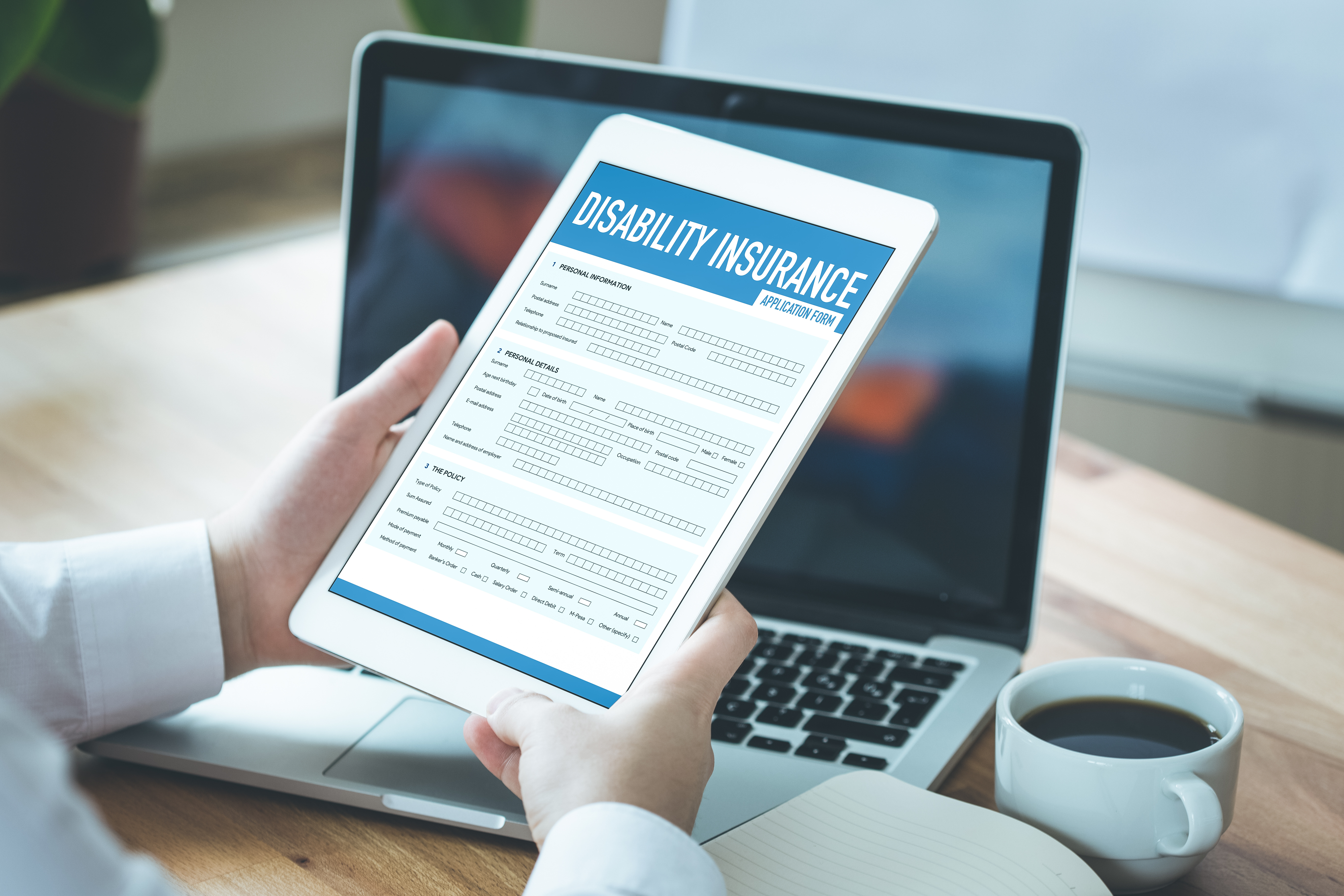
In a world filled with uncertainties, one aspect that often goes overlooked is the potential for unexpected health challenges that can impact our ability to work. Disability insurance emerges as a crucial safeguard, offering a financial safety net to individuals facing unforeseen circumstances.

Disability insurance provides protection for workers who find themselves unable to perform their job duties due to illness or injury. While many individuals recognize the importance of life insurance, the significance of disability insurance is often underestimated.

Here are some key reasons why disability insurance should be a priority for everyone:

Financial Stability During Health Challenges

Imagine a scenario where an unexpected accident or illness leaves you unable to work for an extended period. Disability insurance steps in to provide a portion of your income, ensuring that you can meet your financial obligations, such as mortgage payments, utility bills, and daily living expenses.

Protecting Your Most Valuable Asset – Your Income

For most individuals, their ability to earn a living is their most valuable asset. Disability insurance acts as a shield for your income, offering peace of mind knowing that, even in challenging times, you can maintain a certain level of financial stability.

Peace of Mind for You and Your Loved Ones

Knowing that you have a safety net in place can alleviate the stress and anxiety that often accompany unexpected health challenges. Disability insurance not only benefits you but also provides reassurance to your loved ones that their financial well-being is secured in the event of unforeseen circumstances.

Employer Coverage Might Not Be Enough

While some employers offer disability coverage as part of their benefits package, it’s crucial to assess whether the provided coverage is sufficient for your needs. Personal disability insurance allows you to tailor coverage to your specific circumstances, ensuring that you have the protection you require.

Planning for the Long Term

Disability insurance is not just a short-term solution; it provides long-term support if you face a disabling condition that requires an extended period away from work. This long-term perspective makes disability insurance an integral part of your overall financial planning.

In conclusion, disability insurance is a valuable investment in your financial security and well-being. It offers a safety net that can make a significant difference in your ability to navigate unforeseen health challenges without compromising your financial stability. As the saying goes, “hope for the best, but prepare for the worst.” Disability insurance is a proactive step towards securing a stable and worry-free future. If you need help picking the right disability insurance plan please feel free to reach out, drop me a line, or give me a call and we can find you the best plan. Otherwise and as usual keep smiling cause it really looks good on you!

Beyond Protection – How Life Insurance Provides Immediate Support in Times of Need

Life insurance has long been recognized as a crucial financial tool to provide a safety net for loved ones in the event of an unexpected tragedy. However, many are unaware of the valuable living benefits that modern life insurance policies offer, providing policyholders with a range of immediate advantages that go beyond the traditional scope of protection.

Financial Protection in the Face of Critical Illness

One of the significant living benefits of life insurance is the coverage for critical illnesses. In the unfortunate event of a policyholder being diagnosed with a critical illness such as cancer, heart attack, or stroke, many life insurance policies now provide accelerated death benefits. This means that a portion of the death benefit can be accessed to cover medical expenses, treatment costs, or any other financial obligations, offering much-needed relief during a challenging time.

Cash Value Accumulation

Unlike other types of insurance, many life insurance policies build cash value over time. A portion of the premiums paid by the policyholder is invested, and this cash value grows tax-deferred. As the cash value accumulates, policyholders have the flexibility to borrow against it or withdraw funds, providing a valuable source of liquidity in times of financial need. This feature can be particularly beneficial for education expenses, home purchases, or other significant life events.

Supplementing Retirement Income

Life insurance can also play a role in retirement planning. Some policies offer options to convert a portion of the death benefit into a stream of income during retirement. This can serve as a valuable supplement to other retirement income sources, helping policyholders maintain their lifestyle and cover expenses throughout their golden years.

Protecting Against Disability

In addition to critical illness coverage, many life insurance policies include provisions for disability benefits. If a policyholder becomes disabled and unable to work, the insurance company may waive premiums or provide a regular income stream to help cover living expenses. This added layer of protection ensures that individuals and their families are shielded from the financial hardships that often accompany disability.

The Changing Landscape of Life Insurance

The traditional perception of life insurance as a safety net for beneficiaries after death is evolving. Modern life insurance policies are designed to offer living benefits that provide policyholders with financial flexibility, security, and peace of mind during their lifetimes. As individuals assess their financial planning strategies, understanding and leveraging these living benefits can be a key factor in building a comprehensive and resilient financial foundation.

In a world where uncertainties abound, life insurance not only offers protection but also serves as a dynamic financial tool that adapts to the changing needs of policyholders. As more people become aware of the living benefits embedded in life insurance policies, they may discover a powerful ally in securing their financial well-being today and for the future. If you need help picking the right policy for you give me a call, shoot me a email, or drop me a line and I would be willing to help you navigate the insurance landscape.

Unveiling the Power of Sharp Minds: Seniors Defy Stereotypes with Surprising Mental Alertness

In a society that often underestimates the cognitive prowess of seniors, a growing body of research is challenging age-related stereotypes by showcasing the remarkable mental alertness exhibited by older individuals. Far from the conventional belief that aging inevitably leads to cognitive decline, recent studies are shedding light on the resilience and vitality of senior minds.

The Myth of Cognitive Decline

For years, the prevailing narrative has been that aging is synonymous with a decline in mental acuity. However, groundbreaking research in gerontology is challenging this notion, revealing that many seniors maintain and even enhance their mental alertness well into their golden years. Cognitive abilities such as memory, problem-solving, and decision-making are proving to be more adaptable and robust than previously thought.

Lifestyle Factors and Mental Sharpness

Experts point to various lifestyle factors that contribute to the sustained mental alertness observed in seniors. Regular physical exercise, a balanced diet rich in nutrients, and engaging in intellectually stimulating activities have emerged as key contributors to maintaining cognitive function. Social interaction and strong community ties also play a vital role in keeping seniors mentally agile.

Technology as a Catalyst

Contrary to the assumption that seniors struggle with technology, many are embracing digital tools to stimulate their minds. From online courses and brain-training apps to social media and video calls, seniors are leveraging technology to stay connected, learn new skills, and keep their brains active.

Community Initiatives Supporting Senior Mental Wellness

Communities are recognizing the importance of promoting mental alertness among seniors and are implementing various initiatives to support their cognitive health. Senior centers are offering a diverse range of activities, from chess tournaments to book clubs, fostering an environment that encourages mental stimulation and social interaction.

Personal Stories of Resilience

Interviews with seniors from different walks of life highlight inspiring stories of resilience and determination. Many are pursuing new hobbies, learning new languages, or even going back to school to acquire new knowledge. These personal narratives challenge stereotypes and serve as powerful testimonials to the potential for continuous mental growth in later life.

Looking Ahead

As our understanding of aging continues to evolve, it is becoming clear that mental alertness in seniors is not only achievable but often exceeds expectations. The shift in perspective challenges societal norms and encourages a more inclusive view of aging—one that embraces the potential for lifelong learning and mental vitality.

In a world where age is often associated with limitations, these findings serve as a beacon of hope, emphasizing the importance of fostering an environment that supports the mental well-being and potential of seniors. The journey toward challenging stereotypes and promoting a positive narrative on aging has only just begun, and the stories of resilient seniors are paving the way for a brighter, more inclusive future.

Championing a life well-lived: Prioritize Health, Accumulate Wealth, and Safeguard Every Moment

In the pursuit of a fulfilling and well-rounded life, the triumvirate of Health, Wealth, and Safety stands as pillars of paramount importance. Managing these three facets with diligence and balance is not just a choice but a necessity for a resilient and prosperous journey.

Health: The Foundation of Prosperity

A sound body and mind lay the foundation for any successful endeavor. Prioritizing health involves adopting a holistic approach, encompassing physical fitness, mental well-being, and wholesome nutrition. Regular exercise, adequate sleep, and stress management contribute to a robust health regimen. Remember, a healthy individual is better equipped to tackle life’s challenges and capitalize on opportunities.

Wealth: Fueling Aspirations

Wealth, in its various forms, serves as the fuel that propels our ambitions forward. Financial well-being allows us to meet our basic needs, pursue passions, and plan for the future. Effective wealth management involves budgeting, saving, and investing wisely. It’s not just about accumulating assets but creating a sustainable financial ecosystem that aligns with one’s goals and values.

Safety: The Guardian of Progress

Amidst the pursuit of health and wealth, safety emerges as the guardian that ensures the preservation of our achievements and the safeguarding of our well-being. This encompasses personal safety, workplace security, and measures to protect against unforeseen risks. A comprehensive safety net provides the confidence to take calculated risks, knowing that there is a resilient foundation to fall back on if needed.

Harmonizing the Trio

Balancing health, wealth, and safety requires a harmonious integration of these elements into our daily lives. It involves making conscious choices that contribute to overall well-being. For instance, combining physical activities that enhance health with financial decisions that promote wealth, all while being mindful of safety considerations, creates a synergy that amplifies the benefits of each.

Strategies for Success:

  1. Create Holistic Habits: Cultivate habits that support health, wealth, and safety simultaneously. For example, walking or biking to work not only promotes physical health but also reduces transportation costs and contributes to environmental safety.
  2. Educate Yourself: Stay informed about advancements in health, financial strategies, and safety measures. Knowledge empowers individuals to make informed decisions that align with their well-being goals.
  3. Emergency Preparedness: Develop contingency plans for unexpected events. This includes having financial reserves, health insurance, and safety protocols in place. Preparedness is a key component of resilience.
  4. Regular Assessments: Periodically evaluate your progress in managing health, wealth, and safety. Adjust your strategies as needed, ensuring that your approach remains relevant and effective.

The synergy of Health, Wealth, and Safety forms the essence of a truly prosperous and meaningful life. By consciously integrating these elements into our daily routines and decision-making processes, we create a robust framework that not only withstands the tests of time but also propels us toward greater heights of well-being and success.

The Landscape of Permanent Life Insurance: Understanding Universal and Indexed Life Insurance

In the vast realm of life insurance, two prominent players, Universal Life Insurance (UL) and Indexed Life Insurance (ILI), offer individuals the opportunity to secure their financial future with permanent coverage. While both fall under the umbrella of permanent life insurance, they possess distinct features that cater to diverse financial preferences. In this post, I aim to unravel the differences between Universal and Indexed Life Insurance, empowering readers to make informed decisions about their life insurance needs.

Understanding Universal Life Insurance (UL): Universal Life Insurance is a flexible and versatile form of permanent life insurance that provides a combination of death benefit protection and a cash value component. The key feature of UL lies in its flexibility, allowing policyholders to adjust their premium payments and death benefits over time. The cash value component grows based on a declared interest rate, providing a degree of stability.

Key Features of Universal Life Insurance:

  1. Flexibility: UL policies offer flexibility in premium payments and death benefit adjustments, making them suitable for individuals with changing financial needs.
  2. Interest Rate: The cash value in a UL policy grows based on an interest rate declared by the insurance company. This rate is influenced by market conditions and the company’s financial performance.
  3. Risk and Reward: Policyholders bear minimal investment risk, as the declared interest rate provides a guaranteed minimum return. Any excess becomes the profit for the insurance company.

Indexed Life Insurance (ILI) Unveiled: Indexed Life Insurance, on the other hand, introduces a unique twist by linking the cash value growth to the performance of a specific financial index, such as the S&P 500. This market-driven approach allows policyholders to potentially benefit from higher returns while providing a level of downside protection.

Key Features of Indexed Life Insurance:

  1. Index-Based Growth: The cash value in an ILI policy grows based on the movements of a chosen financial index. This provides an opportunity for higher returns compared to traditional UL policies.
  2. Risk and Reward: ILI policies carry a degree of investment risk, as the cash value is linked to market performance. However, there are often caps or participation rates that limit the potential returns.
  3. Guarantees: Despite the market-linked nature of ILI, there are typically guaranteed minimum interest rates, ensuring a baseline level of cash value growth even in the face of market downturns.

Choosing the Right Fit: The decision between Universal and Indexed Life Insurance hinges on individual financial goals, risk tolerance, and preferences. If flexibility and a stable, guaranteed return are priorities, Universal Life Insurance may be the preferred choice. On the other hand, individuals seeking potential market-linked returns and willing to bear some investment risk may find Indexed Life Insurance more appealing.

As individuals embark on the journey of securing their financial legacy, understanding the nuances between Universal and Indexed Life Insurance is paramount. Each option presents a unique set of features, catering to diverse financial needs. By delving into the specifics of these permanent life insurance options, individuals can make informed decisions that align with their long-term financial objectives. Ultimately, the choice between Universal and Indexed Life Insurance is a personalized one, guided by an individual’s unique financial circumstances and aspirations. If I can help you decide on a policy that is right for you give me a shout, call or send me a message and I would be happy to help.

The Transformative Power of Daily Exercise: A Prescription for a Healthier Life

In a world filled with sedentary lifestyles and the conveniences of modern technology, the importance of daily exercise cannot be overstated. Beyond the pursuit of a sculpted physique, regular physical activity offers a myriad of health benefits that extend far beyond the confines of the gym. From improved mental well-being to enhanced cardiovascular health, embracing a routine of daily exercise is akin to investing in a longer, healthier, and more fulfilling life.

  1. Physical Health:

One of the most immediate and tangible benefits of daily exercise is the positive impact on physical health. Regular physical activity helps maintain a healthy weight, reduce the risk of chronic diseases such as diabetes and cardiovascular issues, and strengthen the immune system. Engaging in activities like brisk walking, jogging, or cycling stimulates the cardiovascular system, promoting better circulation and oxygenation of the body’s tissues and organs.

  1. Mental Well-being:

Exercise is a powerful antidote to the stresses of daily life. The release of endorphins during physical activity acts as a natural mood enhancer, reducing symptoms of anxiety and depression. Moreover, regular exercise has been linked to improved cognitive function, enhanced memory, and a reduced risk of neurodegenerative diseases. Whether it’s a high-intensity workout or a calming yoga session, daily exercise is a holistic approach to mental well-being.

  1. Increased Energy Levels:

Contrary to the misconception that exercise depletes energy, incorporating daily physical activity into your routine can significantly boost your energy levels. Regular exercise improves the efficiency of the cardiovascular and respiratory systems, leading to increased stamina and endurance. As your body becomes more adept at using oxygen and nutrients, you’ll find yourself more alert, focused, and ready to tackle the challenges of the day.

  1. Better Sleep Quality:

Struggling with insomnia or restless nights? Daily exercise might be the solution. Physical activity helps regulate sleep patterns by promoting a more restful and deeper sleep. The body’s temperature rhythm, which plays a crucial role in sleep, is positively influenced by regular exercise. However, it’s essential to complete your workout at least a few hours before bedtime to allow your body to wind down for a peaceful night’s sleep.

  1. Social Connection:

Exercise provides an excellent opportunity to foster social connections and build a sense of community. Whether it’s joining a fitness class, participating in team sports, or going for a group hike, shared physical activities create bonds and a support system. Social interaction is a vital aspect of overall well-being, contributing to a sense of belonging and reducing feelings of isolation.

The benefits of daily exercise extend far beyond the physical, encompassing mental, emotional, and social well-being. As we navigate the demands of modern life, prioritizing a daily exercise routine is a powerful investment in our health and longevity. Whether it’s a morning jog, a yoga session, or a strength training workout, finding a form of exercise that brings joy and fulfillment can be the key to unlocking a healthier and more vibrant life. So, lace up those sneakers, embrace the endorphin rush, and embark on the journey to a better you.

Healthcare with Confidence: The Benefits of Medicare Advantage

Medicare Advantage, often referred to as Medicare Part C, has gained popularity as a compelling choice for individuals seeking comprehensive healthcare coverage. This innovative program offers a range of benefits that make it a wise decision for those looking to prioritize their health and well-being.

One of the key advantages of Medicare Advantage is its all-in-one approach to healthcare. Unlike Original Medicare, which includes Part A (hospital insurance) and Part B (medical insurance), Medicare Advantage plans often integrate additional services such as vision, dental, and prescription drug coverage. This comprehensive coverage helps individuals manage their health more effectively by addressing a broader spectrum of healthcare needs.

Cost-effectiveness is another compelling reason to consider Medicare Advantage. Many of these plans come with a cap on out-of-pocket expenses, providing financial predictability and protection against unexpected medical costs. This financial peace of mind is particularly crucial for seniors on fixed incomes who want to ensure that healthcare expenses remain manageable.

Furthermore, Medicare Advantage plans often feature lower monthly premiums than some supplemental insurance options. This affordability makes quality healthcare accessible to a wider range of individuals, promoting inclusivity in healthcare coverage.

Flexibility in choosing healthcare providers is a significant advantage of Medicare Advantage. Unlike some restrictive networks associated with certain insurance plans, Medicare Advantage often allows beneficiaries to choose from a broad network of doctors and specialists. This flexibility ensures that individuals can continue seeing their preferred healthcare providers, fostering continuity of care and strong doctor-patient relationships.

Preventive care and wellness programs are also integral components of many Medicare Advantage plans. These initiatives are designed to proactively address health issues before they escalate, promoting overall well-being and reducing the likelihood of more serious health problems in the future. By encouraging regular check-ups and screenings, Medicare Advantage plans contribute to a healthier and more proactive approach to healthcare.

Medicare Advantage stands out as a smart choice for individuals prioritizing their health. With its comprehensive coverage, cost-effectiveness, flexibility, and focus on preventive care, it offers a holistic approach to healthcare that aligns with the diverse needs of beneficiaries. As the landscape of healthcare continues to evolve, Medicare Advantage emerges as a beacon of innovation and effectiveness in promoting overall well-being. Annual enrollment period is almost over, so if you need help finding a plan, navigating the complex landscape or someone to talk to give me a call, shoot me an email or drop me a line and I will be more than happy to help you find a plan that best fits your needs. Otherwise, remember to keep smiling cause it really does look good on you.

Unlocking Financial Security: The Benefits of Universal Life Insurance as an Investment

In the realm of financial planning, the concept of universal life insurance often stands out as a versatile and powerful tool. While the primary purpose of life insurance is to provide a death benefit to beneficiaries, universal life insurance goes beyond this by offering a unique combination of protection and investment. In this article, we explore the reasons why universal life insurance can be a good investment, providing financial security and potential growth for policyholders.

  1. Flexible Premiums and Death Benefits:

One key advantage of universal life insurance is its flexibility. Unlike traditional whole life insurance, universal life policies allow policyholders to adjust their premium payments and death benefits within certain limits. This adaptability makes it easier for individuals to align their coverage with their evolving financial situations, ensuring that the policy remains relevant throughout different life stages.

  1. Cash Value Accumulation:

Universal life insurance includes a cash value component, which functions as an investment account within the policy. A portion of the premium paid by the policyholder goes towards this cash value, which accumulates over time on a tax-deferred basis. This cash value can be accessed by the policyholder through policy loans or withdrawals, providing a source of liquidity in times of need.

  1. Tax Advantages:

The tax benefits associated with universal life insurance make it an attractive investment option. The growth of the cash value is not subject to income tax, allowing policyholders to build wealth without immediate tax implications. Additionally, death benefits are generally paid out to beneficiaries income-tax-free, providing a tax-efficient way to transfer wealth to the next generation.

  1. Investment Options:

Universal life insurance policies typically offer a range of investment options for the cash value component. Policyholders can choose from various investment vehicles, such as fixed interest accounts, indexed accounts, or variable subaccounts. This flexibility empowers individuals to tailor their investment strategy based on their risk tolerance and financial goals.

  1. Estate Planning Tool:

For individuals with significant assets, universal life insurance can serve as a valuable estate planning tool. The death benefit can help cover estate taxes, ensuring that the intended beneficiaries receive a more substantial inheritance. This strategic use of life insurance can contribute to the seamless transfer of wealth from one generation to the next.

Universal life insurance stands out as a robust and multifaceted financial instrument. Its combination of flexible premiums, cash value accumulation, tax advantages, investment options, and estate planning benefits make it a compelling choice for individuals looking to secure their financial future. While it may not be suitable for everyone, those seeking a versatile and long-term investment strategy should consider the unique advantages that universal life insurance brings to the table. As with any financial decision, it’s crucial to consult with a financial advisor to determine the best approach based on individual circumstances and goals. If you need help finding a policy that fits your needs give me a call, shoot me an email, or drop me a line in the comments and I will be happy to help.

Securing Tomorrow: The Undeniable Importance of Critical Illness Insurance

In the grand tapestry of life, health is our most valuable asset. Yet, as we traverse the unpredictable terrain of time, we inevitably encounter twists and turns that challenge our well-being. In these moments of uncertainty, having a safety net becomes paramount—a financial parachute that can soften the fall when life takes an unexpected detour. This is where the importance of critical illness insurance shines.

1. A Shield Against Financial Storms: Life is unpredictable, and so is our health. Critical illness insurance serves as a shield against the financial storms that can accompany a serious health crisis. Imagine a scenario where you or a loved one is diagnosed with a major illness like cancer or suffers a heart attack. While health insurance may cover medical bills, critical illness insurance steps in to address additional costs—be it home modifications, alternative treatments, or day-to-day living expenses that might accrue during the recovery period.

2. Freedom to Focus on Recovery: Worrying about financial obligations should be the last thing on your mind when faced with a critical illness. Critical illness insurance provides a lump sum benefit upon diagnosis, giving you the freedom to focus on what truly matters—your health and recovery. It allows you to make decisions based on well-being rather than financial strain, facilitating a smoother journey toward healing.

3. Bridging Gaps in Traditional Coverage: While health insurance is a crucial component of financial planning, it may not cover all the bases when it comes to a critical illness. Critical illness insurance bridges these gaps, offering a complementary layer of protection. Whether it’s covering deductibles, replacing lost income, or providing funds for unforeseen expenses, this insurance ensures that you’re not left grappling with financial uncertainty during a challenging period.

4. A Lifeline for Lifestyle Adjustments: Serious illnesses often necessitate lifestyle adjustments, from adapting your living space to accommodate new needs to potentially exploring alternative therapies. The lump sum benefit from critical illness insurance gives you the financial means to make these adjustments without compromising your financial stability.

5. Accessibility and Simplicity: One of the standout features of critical illness insurance is its accessibility and simplicity. With straightforward premium payments, policyholders gain peace of mind knowing that they have a straightforward plan in place. The uncomplicated nature of critical illness insurance makes it an attractive and practical choice for individuals looking to secure their financial future.

In the grand narrative of life, critical illness insurance emerges as a pivotal chapter—a testament to our commitment to safeguarding our well-being and that of our loved ones. It is a reminder that, in the face of uncertainty, proactive financial planning can be the beacon that guides us through the storm. So, as you navigate the chapters of your life, consider the profound importance of critical illness insurance—a beacon of financial security that shines brightest when life’s journey takes an unexpected turn. If you need help securing a critical illness policy give me a shout, drop me a line, or give me a call as I would love to discuss your options with you.