How Small Adventures Enrich Daily Life

In a time where epic journeys and extraordinary feats dominate social media feeds, it’s easy to overlook the small adventures that enrich our daily lives. These “everyday adventures” often go unnoticed, but they hold the power to bring just as much excitement, joy, and fulfillment as any grand escapade.

The Power of the Mundane
For many, adventure conjures up images of faraway destinations or adrenaline-fueled activities. However, everyday adventures remind us that life’s true richness lies in the mundane moments. A spontaneous hike in a nearby park, a stroll through a neighborhood you’ve never explored, or even the thrill of trying a new recipe—these are the types of experiences that can turn an ordinary day into something special.

“Adventure doesn’t always mean bungee jumping or traveling to a foreign country,” says Sarah Kim, a wellness coach based in Denver. “It’s a mindset. When we approach the everyday with curiosity and openness, everything becomes an adventure.”

Discovering New Places in Familiar Spaces
One of the most accessible ways to add a dash of adventure to daily life is by viewing familiar places through fresh eyes. Whether it’s taking a new route on your daily commute or visiting a local café you’ve never tried, these small changes help break the monotony and ignite a sense of wonder.

Tom Garcia, a teacher from Portland, has made it his mission to find a new corner of his city every week. “It’s amazing how much we take for granted,” he says. “Even places you pass by every day can reveal something new if you take the time to look.”

Connection Through the Unexpected
Often, the magic of everyday adventures lies in the unexpected connections we make. A chance encounter with a neighbor during an evening walk, a deep conversation sparked by a random topic, or even getting lost in a new part of town can lead to memorable experiences.

For Amanda Spencer, a working mother of two, these small moments of connection are priceless. “I don’t have time for big vacations, but taking my kids on little adventures around our town has created some of our best memories. It’s those impromptu picnics at the park or random ice cream stops that we talk about for years.”

The Joy of Learning Something New
Everyday adventures also offer endless opportunities for learning. From picking up a hobby like painting or birdwatching to challenging yourself with new skills, such as gardening or photography, these experiences can enhance your day-to-day routine. By stepping out of your comfort zone, you open yourself up to new perspectives and personal growth.

Psychologist Dr. Naomi Mitchell emphasizes the importance of continual discovery. “When people engage in small-scale adventures, they’re rewiring their brains to experience joy in novelty and change. Even learning something as simple as a new fact or technique provides the brain with a hit of dopamine, which boosts mood and motivation.”

Creating a Habit of Adventure
To cultivate a life filled with everyday adventures, it helps to develop a sense of intentionality. Small changes in your routine can lead to new, exciting experiences. Start by planning mini-adventures once a week. These could be anything from visiting a nearby town, attending a local event, or even spending time outdoors without a fixed agenda.

“It’s about making space for the unknown,” says Kate Peters, an adventure travel writer who is a big advocate for micro-adventures. “You don’t have to climb mountains every day to live adventurously. You just need to give yourself permission to be curious and try something new, even if it’s in your own backyard.”

In a time that often glorifies big adventures and major life events, it’s refreshing to realize that excitement and joy can be found in the simple, everyday moments. Whether it’s discovering a hidden gem in your hometown, forming an unexpected friendship, or learning a new skill, everyday adventures remind us that life is full of opportunities for wonder, no matter where we are.

So, the next time you feel stuck in routine, take a moment to look around—there may be an adventure waiting just outside your door.

Transform Your Health with Balanced Eating

With increasing awareness of the importance of nutrition, more individuals and communities are embracing wholesome diets as the foundation for long-term health and wellness. The benefits of healthy eating are profound, impacting everything from heart health to mental clarity, and laying the groundwork for a healthier society.

The Science Behind Healthy Eating
At its core, healthy eating is about nourishing the body with the right balance of nutrients—vitamins, minerals, proteins, healthy fats, and carbohydrates—required for optimal function. According to the World Health Organization (WHO), a balanced diet can prevent malnutrition, obesity, and diseases such as diabetes, heart disease, and cancer. In fact, studies show that populations with diets rich in fruits, vegetables, lean proteins, and whole grains experience significantly lower rates of chronic illness.

One of the key recommendations from nutritionists is to eat a variety of colorful fruits and vegetables. “These foods are packed with antioxidants, which help combat inflammation in the body,” says Dr. Amanda Rivers, a dietitian based in New York. “They also provide essential fiber, which promotes digestive health and can reduce the risk of heart disease.”

Mindful Eating in a Fast-Paced World
The challenge many people face is the busy pace of modern life, which often leads to unhealthy food choices. Fast food chains offer convenience, but the trade-off is often high-calorie meals laden with unhealthy fats, sugar, and salt. However, experts are increasingly advocating for “mindful eating,” a practice that emphasizes being aware of what you consume, savoring each bite, and making more intentional choices.

“A little planning can go a long way in maintaining a nutritious diet,” says Rivers. “Prepping meals at home and carrying healthy snacks like nuts or fruit can help you avoid the temptation of unhealthy foods when you’re on the go.”

In addition, many experts recommend reducing consumption of processed and sugary foods, which are linked to weight gain and increased risk of diseases like diabetes. Instead, whole foods—those that are minimally processed and closer to their natural state—should be the cornerstone of every meal.

The Role of Hydration
Water is another critical component of healthy eating. Staying well-hydrated aids digestion, supports the immune system, and maintains skin health. The Institute of Medicine recommends about 9 to 13 cups of water a day for adults, depending on factors like climate and activity level.

For those who struggle to drink enough water, adding slices of citrus fruit or fresh herbs like mint can make it more enjoyable.

Community and Policy Initiatives
The growing movement toward healthy eating isn’t limited to individual households. Schools and governments are also getting involved. Many school districts across the U.S. are revising their lunch menus to include more nutritious options, while campaigns like “Meatless Monday” encourage families to explore plant-based meals one day a week.

On a larger scale, governments are implementing policies aimed at improving public health through better nutrition. For example, some countries have introduced taxes on sugary drinks or implemented stricter regulations on food labeling to help consumers make healthier choices.

The Future of Healthy Eating
As the conversation around nutrition evolves, so does our understanding of what constitutes a healthy diet. With new studies exploring the gut microbiome, plant-based diets, and the benefits of intermittent fasting, the future of healthy eating promises to bring even more insights into how we can live longer, healthier lives.

In the end, the secret to a healthy diet isn’t just in what we eat but how we approach food. By prioritizing nutritious, whole foods and making thoughtful decisions about our meals, we can build a foundation for wellness that lasts a lifetime.


As the movement for healthy eating continues to grow, it’s clear that this is more than just a trend. It’s a vital step toward improving public health, reducing healthcare costs, and enhancing quality of life for individuals around the globe. Whether it’s making small changes to your daily meals or supporting broader policy initiatives, healthy eating is a choice that benefits everyone.

The Power of Creative Inspiration: Fueling Innovation and Imagination

In the changing times of innovation and design, creative inspiration has become the bedrock for transformative ideas, bridging the gap between concept and reality. Whether in the arts, technology, or business, the spark of creativity is what drives new inventions, fresh approaches, and groundbreaking achievements.

What Is Creative Inspiration?

Creative inspiration refers to that moment when an idea strikes, offering a fresh perspective on a challenge or an entirely new way of doing things. Often, it comes unexpectedly—a result of personal experiences, observations, or even emotions. But behind what seems like a moment of brilliance lies a process: one that requires openness to the world, active engagement with one’s surroundings, and the ability to connect disparate thoughts in innovative ways.

From the works of legendary artists like Vincent van Gogh to the technological marvels conceived by inventors such as Steve Jobs, history offers countless examples of how inspiration can change the course of industries and societies.

Sources of Creative Inspiration

Creativity thrives on diversity, both in experiences and ideas. Here are a few key sources where individuals across disciplines draw their creative energy:

  1. Nature: For centuries, nature has been a prime source of inspiration. The intricate patterns found in plants, animals, and landscapes can prompt solutions to complex problems in fields like architecture, engineering, and design. Biomimicry, a practice that mimics natural processes to solve human challenges, is a direct result of this connection.
  2. Art and Culture: Art in its various forms—painting, music, literature, and dance—has always inspired new perspectives. Creative professionals often immerse themselves in art to gain new insights, blending styles and themes into their own work. Cultural experiences, such as traveling to different countries or experiencing new traditions, also offer fresh lenses through which to view the world.
  3. Technological Advancements: In today’s digital age, technology is both a tool and a source of creative inspiration. New platforms, tools, and software have made it easier for creators to experiment and collaborate across boundaries. From 3D printing and AI-generated art to virtual reality and gaming, technology enables endless possibilities for innovative expression.
  4. Collaboration: Collaboration is a powerful catalyst for creativity. When individuals with different backgrounds and perspectives come together, they can challenge each other’s assumptions, leading to creative breakthroughs. Companies like Google and Apple have famously fostered environments where cross-disciplinary teams can thrive and innovate together.
  5. Everyday Life: Many creative professionals emphasize the importance of staying open to the inspiration found in everyday experiences. Whether it’s observing a conversation at a café or the interaction between light and shadow on a building, small details often hold the seeds for the next big idea.

How to Cultivate Creativity

While some people seem to have a natural affinity for creativity, inspiration can be nurtured. Here are a few strategies to boost creative thinking:

  • Mindfulness and Meditation: Practices like mindfulness help clear mental clutter, making room for new ideas to emerge. Regular meditation can enhance focus and improve one’s ability to generate creative thoughts.
  • Journaling: Writing down thoughts, observations, and ideas—whether in a structured or freeform way—can help creators explore their subconscious, discover patterns, and generate new concepts.
  • Exploring New Skills: Learning something new—whether it’s coding, a musical instrument, or photography—can open doors to creativity. This cross-training of the mind enhances flexibility, allowing creators to approach problems from different angles.
  • Embracing Failure: Failure is a natural part of the creative process. Some of the most significant inventions in history were born from failed experiments or unexpected results. Embracing these moments as opportunities to learn can often lead to breakthroughs.

The Future of Creativity

As the world continues to evolve, creativity will play a central role in shaping the future. Whether addressing environmental challenges, developing new art forms, or advancing science and technology, creative inspiration will be the force driving humanity forward. In a world full of information, the ability to think outside the box, to make connections where none seem obvious, will be more valuable than ever.

In the words of Albert Einstein, “Creativity is intelligence having fun.” It’s a reminder that creativity is not a linear process—it’s a playful, imaginative, and exploratory journey that brings together elements of both art and science.

So whether you are an artist, entrepreneur, or engineer, the key to unlocking your next big idea might be as simple as taking a step back, embracing curiosity, and letting inspiration find its way to you.

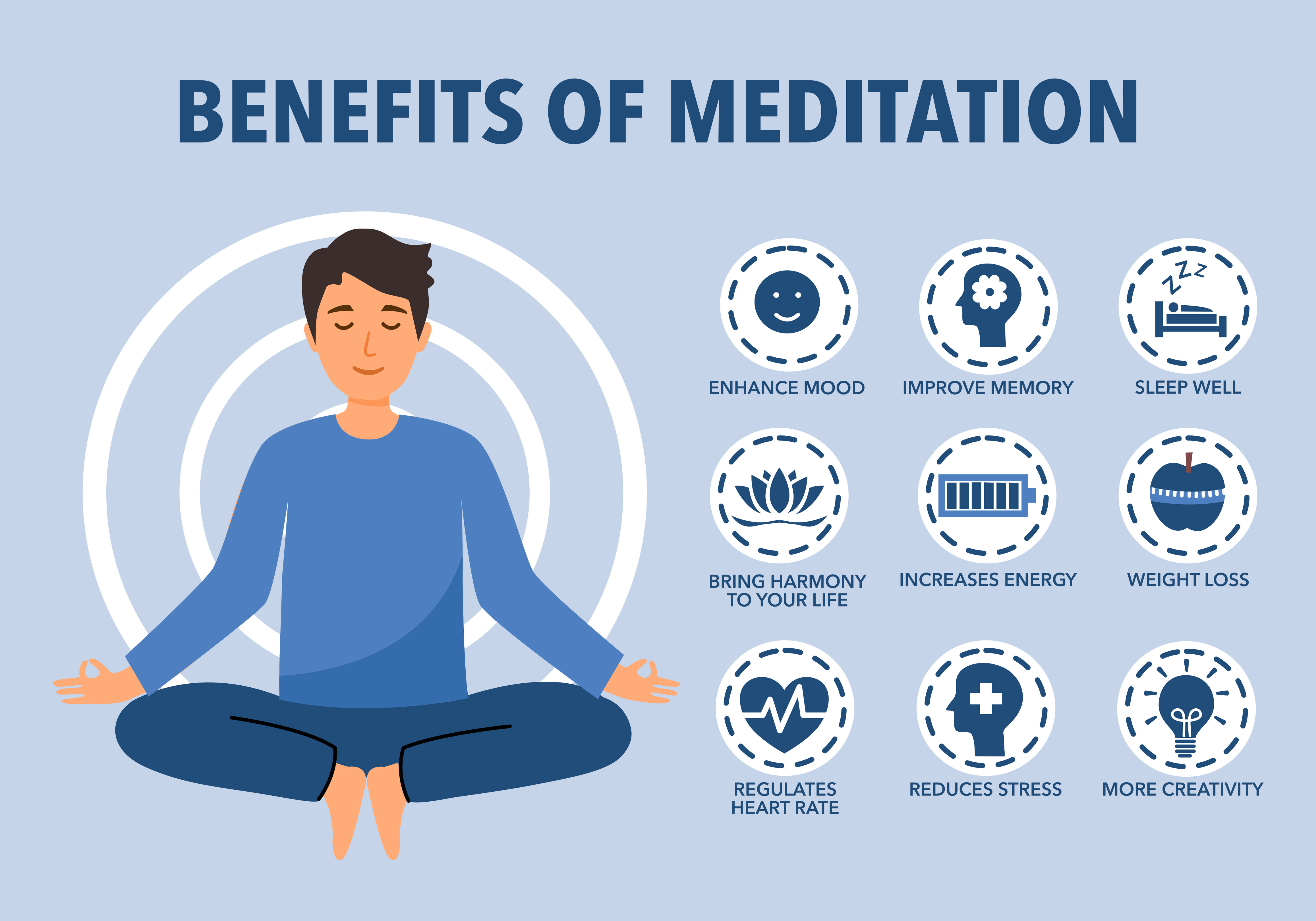
The Surging Popularity of Meditation and Mindfulness

In a society characterized by constant connectivity, rapid technological advancements, and an ever-increasing pace of life, more individuals are turning to ancient practices like meditation and mindfulness to find peace, focus, and balance. Once considered niche or even esoteric, these practices have moved into the mainstream, with scientific studies and wellness experts alike touting their benefits.

The Rise of Meditation and Mindfulness

Over the past decade, meditation and mindfulness have experienced a surge in popularity. From Silicon Valley tech giants to classrooms and corporate boardrooms, the practices are being embraced as essential tools for managing stress and enhancing mental well-being.

The proliferation of smartphone apps like Headspace and Calm has played a significant role in bringing these practices to the masses. These platforms offer guided sessions that are accessible to beginners and seasoned practitioners alike, making it easier than ever for people to integrate mindfulness into their daily lives.

The Science Behind the Practice

Meditation and mindfulness are not just trendy buzzwords; they are practices backed by a growing body of scientific research. Studies have shown that regular meditation can reduce stress, lower blood pressure, and improve overall mental health. Mindfulness, which involves paying attention to the present moment without judgment, has been linked to enhanced focus, emotional regulation, and even better relationships.

A study published in the journal JAMA Internal Medicine found that mindfulness meditation programs can help reduce anxiety, depression, and pain. Similarly, research from Harvard Medical School has shown that mindfulness can lead to structural changes in the brain, including an increase in gray matter in areas associated with learning and memory.

Applications Across Sectors

The benefits of meditation and mindfulness are being recognized across various sectors. In education, schools are incorporating mindfulness programs to help students manage stress and improve concentration. Corporate wellness programs are also embracing mindfulness as a way to boost employee productivity and reduce burnout. Even the healthcare industry is exploring the integration of mindfulness into treatment plans for chronic pain, addiction, and mental health disorders.

Challenges and Misconceptions

Despite the growing popularity, there are still challenges and misconceptions surrounding meditation and mindfulness. Some individuals believe that these practices require significant time commitments or that they are religious in nature. However, experts emphasize that even a few minutes of daily practice can yield positive results and that meditation and mindfulness are secular practices accessible to anyone.

Another challenge is the commodification of mindfulness, with critics arguing that the practice is being co-opted by consumer culture. The abundance of mindfulness-related products and services has led some to question whether the true essence of the practice is being diluted.

The Future of Mindfulness

As the demand for mental health and wellness solutions continues to rise, meditation and mindfulness are likely to become even more entrenched in everyday life. Future trends may include the development of more personalized mindfulness programs, advances in technology that enhance the practice, and further integration into various aspects of society, from healthcare to education.

In a world that often feels overwhelming, meditation and mindfulness offer a timeless antidote—a way to reconnect with the present moment, cultivate inner peace, and navigate life’s challenges with greater resilience. As more people discover the profound benefits of these practices, they are not just embracing a trend but a path to long-lasting well-being.

Transform Your Life with Effective Goal Planning

In today’s demanding world, it’s easy to get caught up in the daily grind, losing sight of the bigger picture. Whether it’s career aspirations, personal development, or financial security, many of us dream of achieving something greater. However, without a clear plan, these dreams often remain just that—dreams. Goal planning, a practice that involves setting specific, measurable, and time-bound objectives, is a powerful tool that can help turn aspirations into reality. This article explores the significance of goal planning and its profound impact on various aspects of life.

The Importance of Goal Setting

Goal setting is more than just jotting down a wish list of things you’d like to do. It’s a strategic process that requires careful thought and intention. By clearly defining your goals, you create a roadmap that guides your decisions and actions. This clarity provides a sense of purpose and direction, helping you stay focused even when faced with challenges.

Studies have shown that individuals who set goals are more likely to achieve success in their personal and professional lives. According to a study conducted by Dr. Gail Matthews, a psychology professor at Dominican University in California, people who wrote down their goals and shared them with others were 33% more successful in achieving them than those who only formulated goals in their minds.

How Goal Planning Impacts Your Life

  1. Increased Motivation and Focus Goal planning ignites a sense of motivation. When you have a clear vision of what you want to achieve, you’re more likely to stay committed to the necessary tasks. This focus helps you to prioritize your time and energy, allowing you to make meaningful progress. As you start achieving small milestones, your confidence grows, reinforcing your motivation to continue.
  2. Better Time Management With clear goals in place, time management becomes more effective. You can allocate your resources—time, energy, and money—more efficiently, ensuring that your efforts align with your priorities. This can help reduce procrastination and minimize distractions, leading to a more productive and fulfilling life.
  3. Enhanced Self-Discipline Goal planning fosters self-discipline. When you have a plan, you’re more likely to resist temptations and stay on track. This discipline not only helps in achieving your goals but also spills over into other areas of life, such as maintaining healthy habits, managing finances, and improving relationships.
  4. A Sense of Accomplishment The satisfaction of achieving a goal is unparalleled. It brings a sense of accomplishment that boosts your self-esteem and encourages you to set and pursue new goals. This positive cycle of setting, working towards, and achieving goals can significantly improve your overall well-being and happiness.
  5. Resilience in the Face of Challenges Life is unpredictable, and setbacks are inevitable. However, having a well-structured goal plan can help you navigate these challenges with resilience. When you encounter obstacles, your goals provide a framework for adjusting your strategies without losing sight of your ultimate objectives. This adaptability is key to long-term success.

Practical Tips for Effective Goal Planning

  • Be Specific: Vague goals lead to vague results. Clearly define what you want to achieve, why it matters, and how you plan to get there.
  • Set Measurable Goals: Establish criteria to measure your progress. This will help you stay on track and recognize when you’ve reached your goal.
  • Make Your Goals Attainable: While it’s important to challenge yourself, setting unrealistic goals can lead to frustration and burnout. Ensure your goals are achievable within your current resources and constraints.
  • Set Relevant Goals: Your goals should align with your broader life objectives. This ensures that your efforts are meaningful and contribute to your overall growth.
  • Time-Bound: Every goal should have a deadline. This creates a sense of urgency and encourages consistent progress.

Goal planning is more than just a productivity tool—it’s a transformative practice that can shape your life in profound ways. By setting clear, actionable goals, you can unlock your potential, overcome challenges, and create a fulfilling life aligned with your deepest aspirations. Whether you’re striving for personal growth, professional success, or overall well-being, effective goal planning is the key to making your dreams a reality. So, take the time to plan your goals, and watch as your life begins to change, one step at a time.

Effective Strategies for Saving Money on Insurance Premiums

In an economy where every dollar counts, finding ways to save money is a priority for many households. Insurance, a necessary expense for most, is often viewed as a fixed cost. However, there are several strategies consumers can use to reduce their premiums without sacrificing coverage. This article provides a few effective money-saving tips within the insurance industry, helping you keep more of your hard-earned cash while ensuring you remain adequately protected.

1. Shop Around for the Best Rates

One of the simplest ways to save money on insurance is to compare rates from different providers. Insurance companies assess risk differently, which can lead to significant variations in premiums for the same coverage. Utilize online comparison tools, or work with an independent insurance agent to gather quotes from multiple companies. Don’t forget to re-evaluate your insurance provider every year to ensure you’re still getting the best deal.

2. Bundle Your Policies

Many insurance companies offer discounts to customers who purchase multiple policies, such as home and auto insurance, from the same provider. Bundling your policies can lead to significant savings, sometimes as much as 25% off your premiums. Before bundling, however, compare the total cost with separate providers to ensure it’s the most cost-effective option.

3. Increase Your Deductible

Raising your deductible—the amount you pay out of pocket before your insurance kicks in—can lower your premium significantly. For example, increasing your auto insurance deductible from $500 to $1,000 could reduce your premium by up to 40%. However, ensure that you have enough savings to cover the higher deductible in case of a claim.

4. Maintain a Good Credit Score

Insurance companies often use credit scores to assess risk and determine premiums. A higher credit score indicates responsible financial behavior, which can lead to lower insurance rates. To improve your credit score, pay your bills on time, reduce debt, and check your credit report regularly for errors.

5. Take Advantage of Discounts

Insurance companies offer a variety of discounts that can help lower your premium. These can include discounts for safe driving, installing security systems in your home, being a loyal customer, or even for being a good student. Ask your insurance provider about all the available discounts and make sure you’re taking advantage of any that apply to you.

6. Review Your Coverage Annually

Your insurance needs change over time, and what was essential a few years ago may no longer be necessary. Review your policies annually to ensure you’re not paying for coverage you don’t need. For example, if your car is older, you might consider dropping comprehensive or collision coverage, especially if the car’s value is low.

7. Consider Usage-Based Insurance

Usage-based insurance (UBI) programs track your driving habits through a mobile app or device installed in your vehicle. Drivers who are safe and drive less frequently can save money on their auto insurance premiums. If you’re a low-mileage driver, this could be a great way to cut costs.

8. Improve Home Security

For homeowners, installing safety features such as smoke detectors, burglar alarms, and deadbolt locks can reduce your home insurance premiums. Some companies offer discounts for more advanced security systems, such as monitored alarm systems and smart home technology.

Saving money on insurance doesn’t mean you have to compromise on coverage. By shopping around, taking advantage of discounts, and making strategic adjustments to your policies, you can reduce your insurance costs while still ensuring that you and your assets are adequately protected. As the insurance industry evolves, staying informed and proactive will be key to keeping your premiums low without sacrificing peace of mind. If you need help or have a question be sure to drop me a line, give me a call or comment below and I will be glad to help you navigate your own financial plan.

About the Author:

David Dandaneau is a insurance agent that covers the insurance and financial services industry. He is known for his insightful analysis and comprehensive coverage of market trends and regulatory developments.

Overcoming Setbacks: The Path to Resilience and Success

In life, setbacks are inevitable. Whether in personal endeavors, professional pursuits, or societal challenges, obstacles often arise, testing our resolve and resilience. While setbacks can be disheartening, they also offer a unique opportunity for growth and transformation. The true measure of success lies not in avoiding these challenges, but in how we respond to them.

The Nature of Setbacks

Setbacks come in many forms unexpected job loss, financial difficulties, personal tragedies, or even global crises like the COVID-19 pandemic. These challenges can derail our plans and shake our confidence. However, setbacks are not indicative of failure; they are a natural part of the journey towards achieving meaningful goals.

The Power of Resilience

Resilience is the ability to bounce back from adversity, and it is a critical factor in overcoming setbacks. Research shows that resilient individuals are more likely to adapt to change, maintain a positive outlook, and persevere in the face of difficulties. Building resilience involves developing a growth mindset, which views challenges as opportunities to learn and improve rather than insurmountable obstacles.

Stories of Triumph

History is replete with examples of individuals and communities who have faced significant setbacks and emerged stronger. One such example is the story of J.K. Rowling, who faced numerous rejections before her Harry Potter series became a global phenomenon. Her experience is a testament to the power of perseverance and belief in one’s vision, even when the odds seem insurmountable.

Similarly, the late Steve Jobs faced a major setback when he was ousted from Apple, the company he co-founded. Rather than giving up, Jobs used the experience to innovate further, eventually returning to Apple and transforming it into one of the most successful companies in the world.

Strategies for Overcoming Setbacks

While everyone’s journey is unique, several strategies can help individuals navigate setbacks effectively:

  1. Reframe the Situation: Viewing setbacks as temporary challenges rather than permanent failures can help maintain a positive outlook. This shift in perspective allows for creative problem-solving and opens the door to new possibilities.
  2. Seek Support: Surrounding oneself with a supportive network of friends, family, and mentors can provide emotional strength and practical advice. Sharing challenges with others often leads to new insights and solutions.
  3. Set Realistic Goals: Breaking down long-term goals into smaller, manageable steps can make setbacks feel less overwhelming. Celebrating small victories along the way helps maintain motivation and momentum.
  4. Learn from the Experience: Every setback is a learning opportunity. Reflecting on what went wrong and why can provide valuable lessons for the future. This process of self-assessment and growth is essential for long-term success.
  5. Stay Persistent: Persistence is key to overcoming setbacks. Success often requires multiple attempts, and each setback is a step closer to achieving the ultimate goal.

The Road Ahead

Setbacks are not the end of the road; they are a detour on the path to success. By cultivating resilience, seeking support, and learning from challenges, individuals can turn setbacks into stepping stones. As society continues to face new challenges, the collective ability to overcome setbacks will determine our future success.

In the end, the most successful people are not those who avoid setbacks but those who embrace them, learn from them, and continue moving forward with renewed determination.

Practical Strategies for Building Unshakable Confidence

In a society that demands constant adaptation and resilience, confidence has emerged as a critical asset for both personal and professional growth. Whether it’s presenting a new project at work, navigating social interactions, or pursuing new ventures, confidence can significantly impact one’s ability to achieve success.

The Importance of Confidence

Confidence is more than just a feeling; it’s a fundamental trait that influences how individuals approach challenges and opportunities. Research indicates that confident people are more likely to take risks, persevere through setbacks, and achieve their goals. Dr. Sarah Thompson, a psychologist specializing in self-esteem and motivation, explains, “Confidence acts as a catalyst for action. It empowers individuals to step out of their comfort zones and embrace growth.”

Building Confidence: Practical Strategies

  1. Set Achievable Goals: Setting small, attainable goals can provide a sense of accomplishment and boost self-esteem. Achieving these goals creates a positive feedback loop, encouraging individuals to tackle more significant challenges.
  2. Embrace Failure: Viewing failure as a learning opportunity rather than a setback is crucial. By understanding that mistakes are a natural part of the growth process, individuals can develop resilience and a more positive outlook.
  3. Positive Self-Talk: The way we talk to ourselves matters. Replacing negative thoughts with positive affirmations can reshape our self-perception. “I am capable,” and “I can handle this” are powerful statements that can enhance confidence.
  4. Skill Development: Building competence in specific areas through education and practice can naturally increase confidence. As skills improve, so does the belief in one’s abilities.
  5. Seek Support: Surrounding oneself with supportive and encouraging individuals can make a significant difference. Constructive feedback and encouragement from others can bolster self-confidence.

The Workplace Connection

In the professional realm, confidence is often linked to leadership and success. Companies are increasingly recognizing the value of confident employees who can lead teams, innovate, and drive organizational growth. “Confident employees are more likely to take initiative, propose new ideas, and navigate the uncertainties of the business world,” notes John Carter, CEO of a leading consulting firm.

Confidence in Action: Success Stories

Consider the story of Emily Davis, a marketing manager who transformed her career by building confidence. Initially hesitant to voice her ideas, Emily started setting small goals and practicing positive self-talk. Over time, she began presenting her ideas more assertively, eventually leading her team to a successful product launch that garnered industry accolades.

Similarly, Michael Rodriguez, a recent college graduate, used confidence-building techniques to secure his dream job. Despite initial rejections, he remained persistent, refining his skills and maintaining a positive outlook. His confidence during interviews eventually landed him a coveted position at a top tech firm.

Confidence is a vital attribute that can be developed with intentional effort and practice. By setting achievable goals, embracing failure, practicing positive self-talk, developing skills, and seeking support, individuals can enhance their confidence and unlock new opportunities for success. As society continues to evolve, the importance of confidence in personal and professional spheres cannot be overstated. Building confidence is not just about achieving goals; it’s about fostering a mindset that empowers individuals to live their fullest potential.

Diversifying Your Financial Portfolio for Stability and Growth

By spreading investments across various financial instruments such as annuities, life insurance, certificates of deposit (CDs), money market accounts, stocks, and individual retirement accounts (IRAs), individuals can mitigate risk, ensure financial stability, and secure long-term growth. Here’s a closer look at why diversifying your financial holdings with these assets is a prudent strategy.

Annuities: Guaranteed Income for Life

Annuities are insurance products that provide a steady income stream, typically for life, making them a valuable component of a diversified portfolio. They are particularly beneficial for retirees seeking a reliable income source. Annuities can be fixed or variable, with fixed annuities offering guaranteed payments and variable annuities linked to the performance of underlying investments.

Why Consider Annuities?

  • Stability: Annuities provide a predictable income, which can help cover living expenses and reduce reliance on fluctuating markets.
  • Longevity Protection: With increasing life expectancy, annuities can ensure you don’t outlive your savings.
  • Tax Advantages: Earnings from annuities grow tax-deferred until withdrawal, allowing your investment to compound over time.

Life Insurance: Protecting Your Loved Ones

Life insurance is a crucial financial tool that offers protection and peace of mind. By incorporating life insurance into your financial plan, you ensure that your loved ones are financially secure in the event of your untimely death. Life insurance comes in various forms, including term life, whole life, and universal life insurance, each with its unique benefits.

Why Consider Life Insurance?

  • Financial Security: Life insurance provides a death benefit to beneficiaries, helping them cover expenses such as funeral costs, debts, and living expenses.
  • Wealth Transfer: It can be an effective way to transfer wealth to heirs or charitable organizations.
  • Cash Value Growth: Permanent life insurance policies build cash value over time, which can be borrowed against or withdrawn under certain conditions.

Certificates of Deposit (CDs): Safe and Predictable Returns

CDs are low-risk, time-bound deposits offered by banks and credit unions. They pay a fixed interest rate over a specified period, ranging from a few months to several years. While they may not offer high returns, CDs are a safe investment option, particularly in a volatile market.

Why Consider CDs?

  • Safety: CDs are insured by the FDIC up to $250,000 per depositor, per institution, providing a high level of security.
  • Predictable Returns: The fixed interest rate guarantees a known return on investment.
  • No Market Risk: CDs are not subject to market fluctuations, ensuring your principal investment is secure.

Money Market Accounts: Flexible and Accessible

Money market accounts (MMAs) are interest-bearing accounts that offer higher interest rates than regular savings accounts while providing easy access to funds. They are ideal for maintaining liquidity while earning a reasonable return on your savings.

Why Consider Money Market Accounts?

  • Liquidity: MMAs allow easy access to your funds, making them suitable for emergency savings or short-term financial goals.
  • Higher Interest Rates: Typically, MMAs offer better interest rates compared to standard savings accounts.
  • Security: Like CDs, MMAs are insured by the FDIC, ensuring your money is protected.

Stocks: Growth Potential and Dividends

Stocks represent ownership in a company and can provide substantial returns through capital appreciation and dividends. They are a fundamental part of any diversified portfolio, offering the potential for significant growth.

Why Consider Stocks?

  • High Growth Potential: Stocks have historically outperformed other asset classes over the long term.
  • Dividends: Many companies pay dividends, providing a steady income stream in addition to potential capital gains.
  • Ownership: Owning stock gives you a stake in a company’s success and the right to vote on corporate matters.

Individual Retirement Accounts (IRAs): Tax-Advantaged Growth

IRAs are tax-advantaged accounts designed to help individuals save for retirement. They come in two main types: Traditional IRAs, which offer tax-deductible contributions and tax-deferred growth, and Roth IRAs, which provide tax-free growth and withdrawals.

Why Consider IRAs?

  • Tax Advantages: Traditional IRAs offer tax-deferred growth, while Roth IRAs provide tax-free growth and withdrawals.
  • Flexibility: IRAs can hold a wide range of investments, including stocks, bonds, and mutual funds, allowing for diversified growth.
  • Retirement Security: IRAs are a key component of a comprehensive retirement plan, helping ensure financial security in your later years.

Diversifying your financial holdings with annuities, life insurance, CDs, money market accounts, stocks, and IRAs offers a balanced approach to managing risk and achieving financial goals. Each of these instruments serves a unique purpose, from providing steady income and protecting loved ones to ensuring safety, liquidity, and growth potential. By integrating these assets into your financial strategy, you can build a robust and resilient portfolio capable of weathering economic uncertainties and securing your financial future. If you need help deciding on your best investment strategy drop me a line, send me an email or give me a call and we can talk about what strategy fits your risk tolerances.

About the Author:

David Dandaneau is a insurance agent that covers the insurance and financial services industry. He is known for his insightful analysis and comprehensive coverage of market trends and regulatory developments.

Navigating Self-Improvement in the Digital Age

When technology rapidly evolves and societal norms continuously shift, self-improvement has emerged as a prominent movement, captivating the attention of millions worldwide. From mindfulness practices to professional development, the pursuit of personal growth has become a defining feature of contemporary life.

The Rise of Self-Improvement

The self-improvement industry has seen exponential growth in recent years. According to Market Research Future, the global personal development market is projected to reach USD $41.81 billion by 2027, expanding at a compound annual growth rate (CAGR) of 5.1%. This surge is driven by a growing awareness of mental health, the want for work-life balance, and the accessibility of self-improvement resources.

Digital Platforms Fuel Growth

The advent of digital platforms has revolutionized access to self-improvement content. Podcasts, webinars, and online courses offer a plethora of resources, enabling individuals to embark on their personal development journeys from the comfort of their homes. Popular platforms like MasterClass, Skillshare, and Coursera give courses on a wide range of topics, from leadership skills to creative writing, making self-improvement more accessible than ever before.

Mindfulness and Mental Health

Mindfulness and mental health have become central themes in the self-improvement narrative. The rise of mindfulness apps like Headspace and Calm underscores the increasing recognition of the importance of mental well-being. These apps offer guided meditations, breathing exercises, and sleep stories, helping users manage stress and improve their mental health.

Dr. Sarah Thompson, a psychologist and mindfulness expert, explains, “The integration of mindfulness practices into daily life can lead to significant improvements in mental health, reducing anxiety and depression while enhancing overall well-being.”

Professional Development

In the professional realm, self-improvement is closely linked with career advancement. Employers are increasingly recognizing the value of investing in their employees’ personal development. Programs focused on leadership training, communication skills, and emotional intelligence are becoming commonplace in the corporate world.

John Miller, CEO of a leading tech firm, emphasizes, “Continuous learning and development are crucial for staying competitive in today’s fast-paced business environment. By investing in our employees’ growth, we not only enhance their skills but also foster a culture of innovation and resilience.”

The Role of Social Media

Social media has played a pivotal role in popularizing self-improvement. Influencers and thought leaders share their journeys, offering tips and inspiration to their followers. Hashtags like #SelfImprovement, #PersonalGrowth, and #Mindfulness have garnered millions of posts, creating a global community of individuals committed to bettering themselves.

However, experts caution against the potential downsides of social media-driven self-improvement. Dr. Emily Roberts, a sociologist, notes, “While social media can be a valuable source of inspiration, it can also create unrealistic expectations and contribute to feelings of inadequacy. It’s important for individuals to set realistic goals and understand that personal growth is a continuous, individualized process.”

Looking Ahead

The future of self-improvement looks promising as more people embrace the journey of personal growth. As technological advancements continue and societal attitudes towards mental health evolve, the self-improvement movement is poised to make a lasting impact on individuals and communities worldwide.

The self-improvement surge is a significant cultural shift towards prioritizing personal growth and well-being. With the support of digital platforms, corporate initiatives, and a global community, individuals are empowered to embark on their unique journeys of self-discovery and development. As the movement continues to gain momentum, it holds the potential to transform lives and shape a more mindful, resilient, and fulfilled society.