How I Keep My Brain Sharp as I Age

As I’ve gotten older, I’ve realized that taking care of my mind is just as important as taking care of my body. It’s not just about preventing memory lapses; it’s about staying sharp, curious, and engaged with life. Over the years, I’ve adopted several habits that I truly believe have helped me keep my brain in good shape—and the science backs it up.

Exercise Is My Non-Negotiable
I’ve found that moving my body daily, whether it’s a brisk walk, yoga, or light weightlifting, doesn’t just keep me physically fit—it clears my mind. Research shows that exercise increases blood flow to the brain and encourages the growth of new brain cells. I can feel the difference in my focus and energy on the days I move versus the days I don’t.

Food as Brain Fuel
What I eat has changed a lot. I’ve cut back on processed foods and leaned more into fresh vegetables, fruits, nuts, and fish. The Mediterranean diet, which many doctors recommend, isn’t just about longevity—it’s about mental clarity. When I eat clean, my thoughts feel sharper and my mood steadier.

Protecting My Sleep
In my younger years, I thought burning the candle at both ends was normal. Now, I treat sleep like medicine. Deep sleep helps my brain “clean house,” and when I get a solid 7–8 hours, my memory and problem-solving are noticeably better.

The Power of People
I’ve learned that socializing isn’t just about fun—it’s brain protection. Conversations, laughter, and community keep me engaged and emotionally balanced. Isolation, on the other hand, makes my mind feel sluggish.

Challenging My Mind Daily
Reading books, doing puzzles, or even trying to learn new skills keeps my brain on its toes. Recently, I started learning a new language—it’s humbling, but I can feel my brain stretching in ways it hasn’t in years.

Managing Stress the Hard Way
Stress used to be my constant companion. Over time, I noticed how it clouded my judgment and wore me down mentally. Now, I practice mindfulness and deep breathing. Even a few minutes of stillness in the morning changes how my entire day feels.

Checking In on My Health
Finally, I don’t ignore routine checkups anymore. Managing blood pressure, cholesterol, and overall health directly affects brain health. I’ve seen too many people neglect this, only to face cognitive issues later in life.

At the end of the day, brain health is not about one magic trick—it’s about small, consistent habits. For me, it’s a mix of movement, nourishment, rest, connection, curiosity, peace of mind, and medical awareness. And I can honestly say, these practices make me feel sharper, more alive, and ready for whatever comes next.

The Surprising Link Between Fruits, Vegetables, and Better Sleep

A growing body of research suggests that what you eat doesn’t just affect your waistline—it also plays a crucial role in how well you sleep. Among the most impactful dietary components for a good night’s rest? Fruits and vegetables.

Nutrients That Nurture Sleep
Fruits and vegetables are rich in essential vitamins, minerals, and antioxidants that support the body’s natural sleep-wake cycle. For instance, bananas and kiwis contain serotonin precursors that help regulate melatonin, the hormone responsible for sleep timing. Leafy greens, like spinach and kale, are packed with magnesium—a mineral shown to promote relaxation and deeper sleep.

Cherries, particularly tart cherries, have also earned a reputation as a sleep superfood. They are one of the few natural sources of melatonin, and several studies have found that drinking tart cherry juice can modestly improve both sleep quality and duration.

The Fiber Factor
Dietary fiber, abundant in vegetables like broccoli and carrots and fruits like apples and pears, has also been linked to more restorative sleep. A study published in the Journal of Clinical Sleep Medicine found that higher fiber intake was associated with more time spent in slow-wave sleep—the deepest, most physically restorative stage of the sleep cycle.

Timing and Portion Matter
While increasing fruit and vegetable intake is beneficial, experts advise against late-night snacking, even on healthy produce. High-sugar fruits close to bedtime—like grapes or mangoes—can spike blood sugar levels and delay sleep onset for some individuals. Instead, a small serving of low-sugar fruits like berries or a banana with peanut butter may provide just enough of a serotonin boost to ease you into slumber.

What This Means for You
Sleep specialists and dietitians alike recommend incorporating a variety of fruits and vegetables throughout the day—not just for overall health, but to improve sleep hygiene. Consistency is key, and the benefits are cumulative. As registered dietitian Dr. Leena Patel notes, “A balanced, plant-rich diet creates the foundation for stable energy during the day and restorative sleep at night.”

So if you’re struggling to fall or stay asleep, your dinner plate might be part of the problem—and the solution. Skipping processed foods in favor of more colorful, plant-based choices could be a simple yet powerful step toward better shut-eye.

Did You Know?

  • Kiwis have been shown to improve sleep onset and duration due to their serotonin and folate content.
  • Magnesium-rich foods like avocados and leafy greens help calm the nervous system.
  • Eating at regular mealtimes helps synchronize your circadian rhythm.

Bottom Line: Want better sleep? Eat more plants.

The Surprising Link Between Sleep and Wealth

Sleep: it’s something we all do, but many of us underestimate its power. New research continues to confirm that good sleep is not just a luxury—it’s a critical pillar of overall health. But beyond feeling well-rested, there’s a surprising link between sleep and financial stability. Yes, getting good sleep may help protect your wealth just as much as your health.

The Science of Sleep: More Than Just Rest
Scientists have long studied the stages of sleep—light, deep, and REM (rapid eye movement)—to understand how rest affects the brain and body. During sleep, your body undergoes essential maintenance: the brain clears waste products, muscles repair, hormones rebalance, and memories consolidate. Sleep also helps regulate mood, immune function, and even appetite.

According to the National Sleep Foundation, adults need between 7 and 9 hours of sleep per night for optimal function. Chronic sleep deprivation has been linked to a wide range of health problems, including:

  • Heart disease
  • Obesity
  • Type 2 diabetes
  • Depression and anxiety
  • Impaired cognitive function and memory

But the ripple effects of poor sleep go beyond biology—they can reach into your bank account.

Sleep and Wealth: What’s the Connection?
It turns out that sleep can affect financial well-being in both direct and indirect ways.

  1. Better Decision-Making
    A well-rested brain makes better choices. Sleep deprivation impairs judgment, increases risk-taking behavior, and clouds your ability to process information. Whether you’re making a major purchase, investing, or negotiating a raise, sleep can be the secret weapon behind smarter financial decisions.
  2. Increased Productivity and Career Success
    Sleep is closely tied to performance. Employees who get enough rest tend to be more focused, creative, and efficient. On the other hand, chronic sleep issues are associated with absenteeism, burnout, and job loss—factors that can threaten income and career growth.
  3. Fewer Health Costs
    Lack of sleep raises your risk of chronic illnesses, which can mean higher medical bills, more missed workdays, and increased insurance premiums. By supporting immune health and reducing the risk of disease, good sleep may help keep medical expenses—and related financial stress—at bay.
  4. Reduced Risk of Accidents
    Fatigue is a leading cause of car accidents and workplace injuries. A single lapse in attention due to poor sleep can have expensive—and even tragic—consequences. The Centers for Disease Control and Prevention (CDC) estimates that drowsy driving causes thousands of crashes every year. Protecting your sleep may also mean protecting your assets, your car, and your insurance premiums.

Final Thoughts: Sleep is a Smart Investment
While good sleep won’t directly deposit money into your bank account, it strengthens the foundation of a healthy, focused, and financially stable life. In a world obsessed with productivity and hustle, rest might feel like a compromise. But science shows it’s the opposite—sleep is an investment that pays off in better health, wiser choices, and greater financial resilience.

So, does good sleep help protect your wealth?
Absolutely. Rested minds make better choices, lead healthier lives, and build stronger financial futures.

Tips for Better Sleep:

  • Stick to a consistent sleep schedule—even on weekends
  • Limit caffeine and alcohol in the evening
  • Avoid screens an hour before bedtime
  • Create a calm, dark, and cool sleeping environment
  • Incorporate relaxation techniques like deep breathing or meditation

By prioritizing your sleep, you’re not just boosting your health—you’re safeguarding your wealth.

How Eating Right Can Help You Sleep Better

Struggling to get a good night’s sleep? The solution might be on your plate. Research shows that diet plays a significant role in sleep quality, with certain foods promoting restful sleep while others disrupt it. By making better nutritional choices, you can improve both the duration and quality of your sleep.

The Connection Between Diet and Sleep

Nutrition plays a crucial role in regulating the body’s sleep-wake cycle. Certain foods contain sleep-promoting nutrients like magnesium, melatonin, and tryptophan, which can help improve both the quality and duration of sleep. Meanwhile, consuming excessive caffeine, sugar, or heavy meals before bedtime can lead to restlessness and insomnia.

Foods That Promote Better Sleep

  1. Nuts and Seeds – Almonds and walnuts contain melatonin and magnesium, which help regulate sleep patterns.
  2. Fatty Fish – Salmon and tuna are rich in omega-3 fatty acids and vitamin D, which aid in serotonin production, a key sleep hormone.
  3. Dairy Products – Milk, yogurt, and cheese are great sources of tryptophan, which the body converts into serotonin and then melatonin.
  4. Whole Grains – Oatmeal and whole wheat bread help stabilize blood sugar levels and promote relaxation.
  5. Fruits – Bananas, kiwis, and cherries contain natural compounds that support restful sleep.

Foods to Avoid Before Bed

  1. Caffeine and Energy Drinks – These stimulants can keep you awake longer and reduce deep sleep.
  2. Spicy and Acidic Foods – These can trigger acid reflux and discomfort, making it harder to sleep.
  3. High-Sugar Foods – Excess sugar can cause blood sugar spikes, leading to restlessness.
  4. Heavy or Greasy Meals – These take longer to digest, which can lead to discomfort and disrupted sleep.

Tips for a Sleep-Friendly Diet

  • Eat dinner at least two to three hours before bed to allow proper digestion.
  • Limit caffeine intake in the afternoon and evening.
  • Drink herbal teas like chamomile or valerian root to promote relaxation.
  • Maintain a balanced diet with lean proteins, whole grains, and healthy fats to support overall sleep health.

By making mindful choices about what you eat, you can significantly improve your sleep quality. A nutritious diet not only enhances overall health but also ensures you wake up feeling refreshed and energized. So next time you’re struggling to get a good night’s rest, take a look at what’s on your plate!

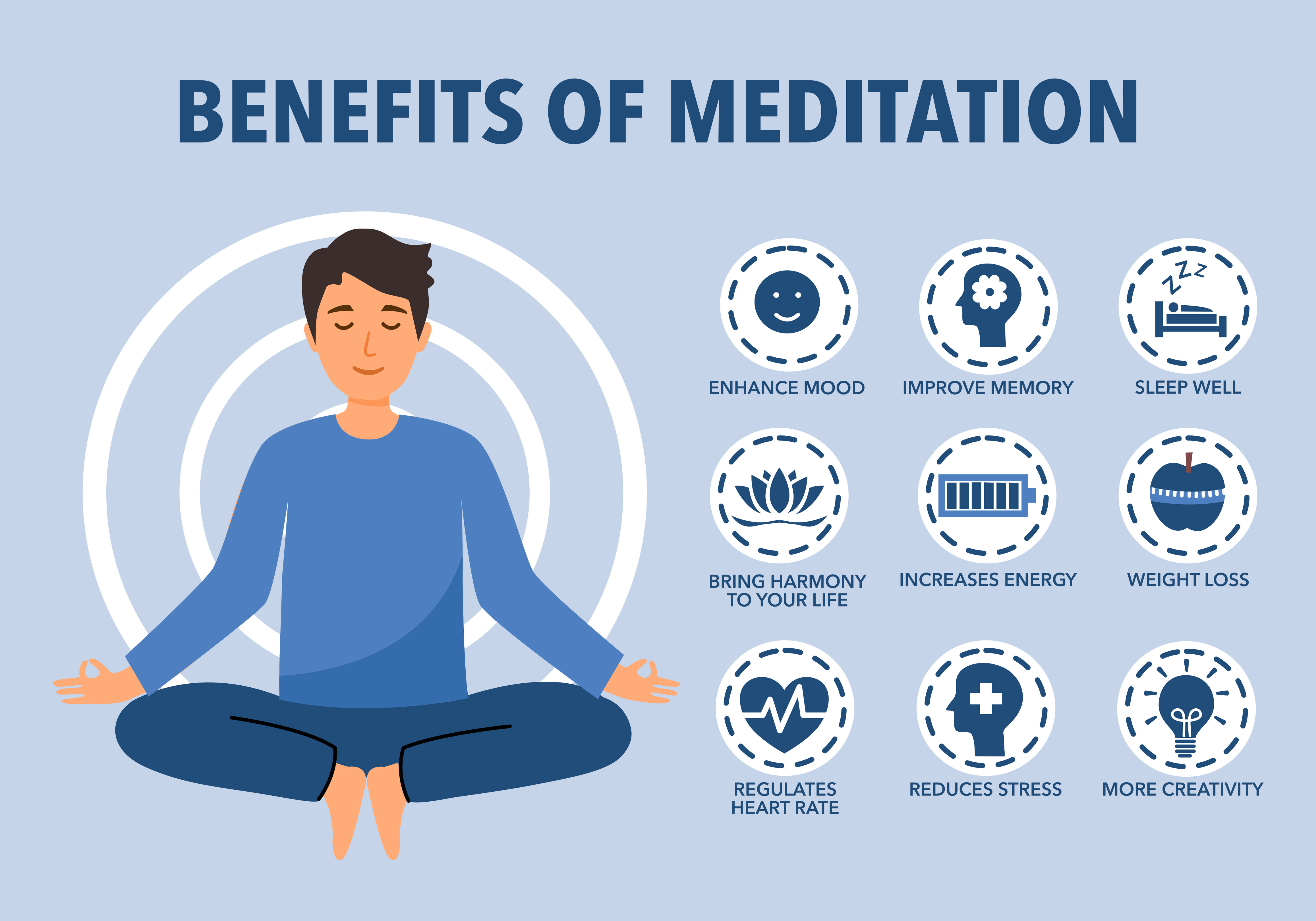
The Surging Popularity of Meditation and Mindfulness

In a society characterized by constant connectivity, rapid technological advancements, and an ever-increasing pace of life, more individuals are turning to ancient practices like meditation and mindfulness to find peace, focus, and balance. Once considered niche or even esoteric, these practices have moved into the mainstream, with scientific studies and wellness experts alike touting their benefits.

The Rise of Meditation and Mindfulness

Over the past decade, meditation and mindfulness have experienced a surge in popularity. From Silicon Valley tech giants to classrooms and corporate boardrooms, the practices are being embraced as essential tools for managing stress and enhancing mental well-being.

The proliferation of smartphone apps like Headspace and Calm has played a significant role in bringing these practices to the masses. These platforms offer guided sessions that are accessible to beginners and seasoned practitioners alike, making it easier than ever for people to integrate mindfulness into their daily lives.

The Science Behind the Practice

Meditation and mindfulness are not just trendy buzzwords; they are practices backed by a growing body of scientific research. Studies have shown that regular meditation can reduce stress, lower blood pressure, and improve overall mental health. Mindfulness, which involves paying attention to the present moment without judgment, has been linked to enhanced focus, emotional regulation, and even better relationships.

A study published in the journal JAMA Internal Medicine found that mindfulness meditation programs can help reduce anxiety, depression, and pain. Similarly, research from Harvard Medical School has shown that mindfulness can lead to structural changes in the brain, including an increase in gray matter in areas associated with learning and memory.

Applications Across Sectors

The benefits of meditation and mindfulness are being recognized across various sectors. In education, schools are incorporating mindfulness programs to help students manage stress and improve concentration. Corporate wellness programs are also embracing mindfulness as a way to boost employee productivity and reduce burnout. Even the healthcare industry is exploring the integration of mindfulness into treatment plans for chronic pain, addiction, and mental health disorders.

Challenges and Misconceptions

Despite the growing popularity, there are still challenges and misconceptions surrounding meditation and mindfulness. Some individuals believe that these practices require significant time commitments or that they are religious in nature. However, experts emphasize that even a few minutes of daily practice can yield positive results and that meditation and mindfulness are secular practices accessible to anyone.

Another challenge is the commodification of mindfulness, with critics arguing that the practice is being co-opted by consumer culture. The abundance of mindfulness-related products and services has led some to question whether the true essence of the practice is being diluted.

The Future of Mindfulness

As the demand for mental health and wellness solutions continues to rise, meditation and mindfulness are likely to become even more entrenched in everyday life. Future trends may include the development of more personalized mindfulness programs, advances in technology that enhance the practice, and further integration into various aspects of society, from healthcare to education.

In a world that often feels overwhelming, meditation and mindfulness offer a timeless antidote—a way to reconnect with the present moment, cultivate inner peace, and navigate life’s challenges with greater resilience. As more people discover the profound benefits of these practices, they are not just embracing a trend but a path to long-lasting well-being.

The Power of the Early Riser: Why Your Wake-Up Time Shapes a Winning Attitude

In a world that constantly champions productivity and success, the adage “the early bird catches the worm” holds more weight than ever. Research and anecdotal evidence alike suggest that waking up early is not just about starting your day with the sunrise, but about cultivating a winning attitude that permeates every aspect of life. Here’s why the time you wake up can make all the difference.

The Science of Waking Up Early

Numerous studies have shown that early risers tend to exhibit characteristics associated with a winning attitude, such as enhanced productivity, better mental health, and improved physical health. A study by the University of Toronto found that early risers are generally happier and healthier than night owls. The reason? Our bodies are wired to respond to the natural light and dark cycles, known as circadian rhythms. Aligning our waking hours with daylight helps regulate our biological clock, leading to better sleep quality and overall well-being.

Productivity and Focus

Waking up early provides a head start on the day. Morning hours are typically free from distractions, offering a quiet and focused environment conducive to deep work. Successful individuals like Apple CEO Tim Cook and Virgin Group founder Richard Branson swear by their early morning routines. These quiet hours allow for strategic planning, goal setting, and tackling high-priority tasks before the demands of the day begin to mount.

Mental Health Benefits

The psychological benefits of waking up early extend beyond mere productivity. Early risers often report lower levels of stress and anxiety. According to a study published in the journal Psychiatric Research, those who wake up earlier tend to have more positive moods and are less likely to develop depression. This is partly due to the sense of control and accomplishment that comes with starting the day early and partly because early risers are more likely to engage in morning exercise, which has well-documented mood-boosting effects.

Physical Health and Fitness

Morning routines often include time for physical activity, which is crucial for maintaining a healthy body and mind. Regular morning exercise boosts metabolism, improves energy levels, and enhances cognitive function. Additionally, those who wake up early are more likely to eat a healthy breakfast, which sets a positive tone for dietary choices throughout the day. The combination of physical activity and good nutrition contributes to overall fitness and well-being, essential components of a winning attitude.

Building Discipline and Resilience

The habit of waking up early requires discipline, a trait that is integral to success. Overcoming the initial struggle to leave the comfort of bed builds mental resilience. This discipline often translates into other areas of life, fostering a mindset that embraces challenges and persists in the face of obstacles. The ability to consistently wake up early, even when it’s difficult, reinforces a growth mindset and a strong work ethic.

In essence, the time you wake up sets the tone for the rest of your day. Early risers gain a psychological and practical edge, cultivating a winning attitude that is reflected in their productivity, mental health, physical well-being, and overall life satisfaction. While waking up early is not a panacea and individual preferences vary, the benefits of aligning your schedule with natural circadian rhythms and seizing the morning hours cannot be overstated. For those striving for success, the first step might just be as simple as setting an earlier alarm.

Tips to Ease the Transition of Daylight Saving Time

As daylight saving time approaches, many individuals are gearing up to set their clocks forward, signaling the onset of longer, brighter evenings. While this change brings the promise of warmer weather and extended daylight hours, it also disrupts our internal body clocks, potentially leading to feelings of fatigue and grogginess. To help navigate this biannual transition smoothly, experts recommend several strategies to cope with the upcoming time change.

1. Gradually Adjust Sleep Schedule: Begin adjusting your sleep schedule a few days before the time change by going to bed and waking up 15-30 minutes earlier each day. This gradual shift can help your body adapt more easily to the new time.

2. Prioritize Sleep Hygiene: Create a sleep-friendly environment by dimming the lights, reducing screen time before bed, and maintaining a comfortable room temperature. Establishing a calming bedtime routine can signal to your body that it’s time to wind down and prepare for rest.

3. Exposure to Natural Light: Take advantage of the extended daylight hours by spending time outdoors during the day, especially in the morning. Natural light exposure helps regulate your internal clock, making it easier to adjust to the time change.

4. Limit Caffeine and Alcohol Intake: Avoid consuming caffeine and alcohol close to bedtime, as they can interfere with your sleep quality and make it harder to fall asleep or stay asleep during the night.

5. Stay Active: Engage in regular physical activity, but try to avoid vigorous exercise close to bedtime, as it may interfere with your ability to fall asleep. Instead, aim for moderate-intensity activities earlier in the day to promote better sleep at night.

6. Nap Strategically: If you feel excessively tired during the transition period, taking short, 20-30 minute naps earlier in the day can help alleviate fatigue without disrupting your nighttime sleep schedule.

7. Be Patient: Recognize that it may take your body some time to adjust to the new time schedule, so be patient with yourself and prioritize self-care during this transition period.

8. Maintain Consistency: Stick to a consistent sleep schedule, even on weekends, to help regulate your body’s internal clock. Consistency is key to minimizing the impact of the time change on your sleep patterns.

9. Consider Light Therapy: For individuals who continue to struggle with adjusting to the time change, light therapy can be beneficial. Light therapy involves exposure to bright artificial light during specific times of the day to help regulate sleep-wake cycles.

By implementing these strategies, individuals can ease the transition of daylight saving time and mitigate the potential negative effects on sleep and overall well-being. Remember, small adjustments and a proactive approach can make a significant difference in how smoothly you adapt to the changing season. Until next time, and for heavens sake don’t forget to keep smiling cause it really does look good on you!

The Transformative Power of Daily Exercise: A Prescription for a Healthier Life

In a world filled with sedentary lifestyles and the conveniences of modern technology, the importance of daily exercise cannot be overstated. Beyond the pursuit of a sculpted physique, regular physical activity offers a myriad of health benefits that extend far beyond the confines of the gym. From improved mental well-being to enhanced cardiovascular health, embracing a routine of daily exercise is akin to investing in a longer, healthier, and more fulfilling life.

  1. Physical Health:

One of the most immediate and tangible benefits of daily exercise is the positive impact on physical health. Regular physical activity helps maintain a healthy weight, reduce the risk of chronic diseases such as diabetes and cardiovascular issues, and strengthen the immune system. Engaging in activities like brisk walking, jogging, or cycling stimulates the cardiovascular system, promoting better circulation and oxygenation of the body’s tissues and organs.

  1. Mental Well-being:

Exercise is a powerful antidote to the stresses of daily life. The release of endorphins during physical activity acts as a natural mood enhancer, reducing symptoms of anxiety and depression. Moreover, regular exercise has been linked to improved cognitive function, enhanced memory, and a reduced risk of neurodegenerative diseases. Whether it’s a high-intensity workout or a calming yoga session, daily exercise is a holistic approach to mental well-being.

  1. Increased Energy Levels:

Contrary to the misconception that exercise depletes energy, incorporating daily physical activity into your routine can significantly boost your energy levels. Regular exercise improves the efficiency of the cardiovascular and respiratory systems, leading to increased stamina and endurance. As your body becomes more adept at using oxygen and nutrients, you’ll find yourself more alert, focused, and ready to tackle the challenges of the day.

  1. Better Sleep Quality:

Struggling with insomnia or restless nights? Daily exercise might be the solution. Physical activity helps regulate sleep patterns by promoting a more restful and deeper sleep. The body’s temperature rhythm, which plays a crucial role in sleep, is positively influenced by regular exercise. However, it’s essential to complete your workout at least a few hours before bedtime to allow your body to wind down for a peaceful night’s sleep.

  1. Social Connection:

Exercise provides an excellent opportunity to foster social connections and build a sense of community. Whether it’s joining a fitness class, participating in team sports, or going for a group hike, shared physical activities create bonds and a support system. Social interaction is a vital aspect of overall well-being, contributing to a sense of belonging and reducing feelings of isolation.

The benefits of daily exercise extend far beyond the physical, encompassing mental, emotional, and social well-being. As we navigate the demands of modern life, prioritizing a daily exercise routine is a powerful investment in our health and longevity. Whether it’s a morning jog, a yoga session, or a strength training workout, finding a form of exercise that brings joy and fulfillment can be the key to unlocking a healthier and more vibrant life. So, lace up those sneakers, embrace the endorphin rush, and embark on the journey to a better you.