Retirement Planning: Starting Early vs. Starting Late – The Financial Fork in the Road

As Americans continue to grapple with economic uncertainty, rising living costs, and increasing life expectancy, the importance of retirement planning has never been more pressing. One of the biggest debates among financial experts and everyday workers alike is this: Is it better to start saving early, or can a late start still lead to a secure retirement?

The Power of Starting Early
Financial advisors almost universally agree—when it comes to retirement, time is your greatest asset. Starting in your 20s or early 30s allows compound interest to work its magic.

Take, for example, a 25-year-old who invests $300 a month in a retirement account with an average annual return of 7%. By the time they turn 65, they could accumulate nearly $725,000. On the other hand, someone who begins investing the same amount at age 40 would end up with just over $225,000 at retirement.

“Starting early doesn’t just mean you’ll have more saved—it also means you can afford to take less risk, contribute less monthly, and still enjoy financial freedom later,” says Michelle Harris, a certified financial planner in Chicago.

Early starters also have the advantage of weathering market volatility. They have decades to recover from downturns, allowing for a more aggressive, growth-oriented investment approach early on.

The Challenges—and Hope—of Starting Late
Still, not everyone has the means or knowledge to begin saving in their 20s. Life events such as student debt, low-paying jobs, or unexpected medical expenses can push retirement planning to the back burner.

“If you’re starting in your 40s or even 50s, the hill is steeper, but it’s not insurmountable,” says Tony Kim, a retirement strategist based in San Diego. “The key is discipline, increased contributions, and possibly working a bit longer.”

Late starters are often advised to max out retirement accounts like 401(k)s and IRAs, take advantage of catch-up contributions (available to those 50 and older), and consider delaying Social Security benefits to increase monthly payouts.

Financial experts also emphasize the importance of budgeting, eliminating debt, and making intentional lifestyle choices to accelerate savings.

A Matter of Mindset
Whether you start at 25 or 55, the most important step is simply to start. Procrastination is often the biggest enemy of retirement planning.

“Too many people think they have time or that it’s too late,” says Harris. “Both beliefs are harmful. The sooner you face your financial future, the better your options will be.”


Retirement planning is not a one-size-fits-all journey. Starting early gives investors more flexibility and freedom, but starting late doesn’t mean the game is over. With the right strategy, discipline, and mindset, it’s possible to secure a comfortable retirement at any age.

About the Author:

David Dandaneau is a insurance agent that covers the insurance and financial services industry. He is known for his insightful analysis and comprehensive coverage of market trends and regulatory developments.

SOFI Stock: A Promising Investment Opportunity for the Future

SoFi Technologies Inc. (NASDAQ: $SOFI) has been making waves in the financial services industry with its innovative approach to digital banking and lending. As a disruptor in the fintech space, SoFi is well-positioned to capitalize on the evolving preferences of tech-savvy consumers and investors alike. Here’s why SOFI stock could be a strong addition to your portfolio for the future.

  1. Expanding Product Ecosystem

SoFi offers a comprehensive range of financial products and services, including student loan refinancing, personal loans, mortgages, investment management, and checking and savings accounts. This diversified product suite not only caters to various customer needs but also promotes cross-selling opportunities within its ecosystem. The company’s “SoFi Relay” and “SoFi Invest” platforms have particularly gained traction among younger consumers who seek a seamless, all-in-one financial solution.

  1. Strong Growth Metrics

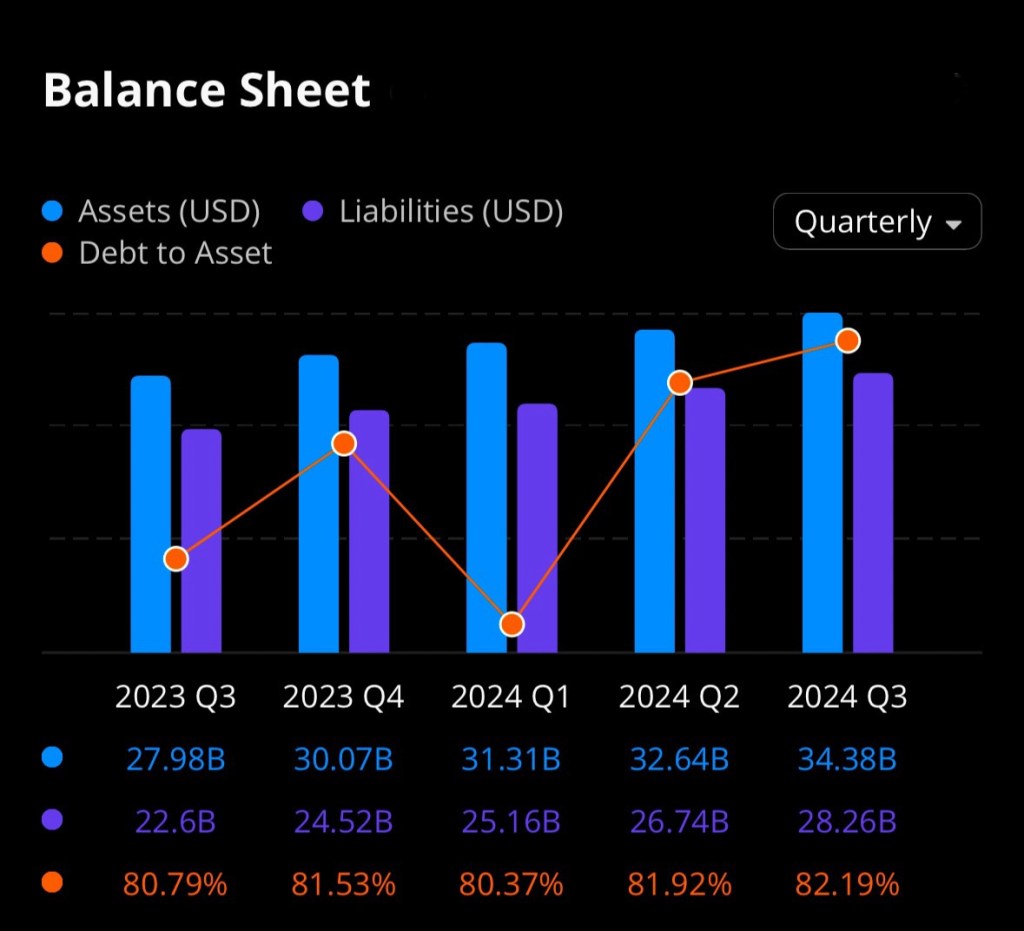
SoFi has reported impressive growth in recent quarters, driven by its increasing customer base and expanding revenue streams. The company’s membership count recently surpassed the 10 million mark, reflecting a year-over-year growth of over 40%. Such robust growth metrics highlight the effectiveness of SoFi’s business strategy and its ability to scale operations efficiently.

  1. The Digital Banking Revolution

The global banking landscape is undergoing a significant transformation, with digital-first platforms gaining popularity over traditional brick-and-mortar institutions. SoFi’s fully digital infrastructure and user-friendly mobile app place it at the forefront of this revolution. As more consumers shift to digital banking, SoFi’s market share is expected to grow, further solidifying its position in the fintech industry.

  1. Unique Competitive Advantages

One of SoFi’s standout features is its recently acquired banking charter. This allows the company to offer banking services without relying on third-party partnerships, reducing costs and improving profit margins. Moreover, SoFi’s proprietary technology and data-driven insights give it a competitive edge in delivering personalized financial solutions.

  1. Tailwinds from Student Loan Refinancing

With the federal student loan moratorium ending, SoFi’s student loan refinancing segment is expected to see a surge in demand. This development could significantly boost the company’s revenue in the near term, adding to its already strong growth trajectory.

  1. Analyst Optimism

Many analysts remain bullish on SOFI stock, citing its growth potential and strategic initiatives. The company’s focus on profitability, coupled with its expanding market reach, has garnered positive sentiment from Wall Street. Some analysts have even raised their price targets, suggesting substantial upside potential for the stock.

Risks to Consider

While SoFi’s growth story is compelling, investors should be mindful of potential risks, such as regulatory changes, competition from other fintech players, and macroeconomic factors that could impact consumer borrowing trends. Additionally, the company’s path to sustained profitability remains a critical factor to monitor.

SoFi Technologies is revolutionizing the financial services industry with its innovative products and customer-centric approach. Its strong growth metrics, expanding product ecosystem, and strategic advantages make SOFI stock a promising investment for the future. While risks exist, the company’s long-term growth potential and market leadership position offer an attractive opportunity for investors seeking exposure to the burgeoning fintech sector.

Disclosure: I currently hold a position in SoFi Technologies, Inc. ($SOFI). This article reflects my personal opinions and analysis, and is not intended as financial advice. Please conduct your own research or consult a financial advisor before making any investment decisions.

Preparing for Retirement: Key Questions to Ask Yourself

As retirement approaches, the excitement of new possibilities often mingles with apprehension about the unknown. To ensure a smooth transition into this new chapter, it’s crucial to reflect on several key questions. These questions will help clarify your financial readiness, lifestyle aspirations, and overall preparedness, ensuring your retirement years are as fulfilling as they are secure.

1. Have I Saved Enough?

One of the most fundamental questions is whether you have saved enough to sustain your desired lifestyle throughout retirement. Consider the following:

  • Current Savings and Investments: Assess your retirement accounts, savings, and other investments. Are they sufficient to support you for 20-30 years, considering inflation and healthcare costs?
  • Expected Expenses: Calculate your anticipated monthly expenses, including housing, utilities, food, healthcare, and leisure activities. Don’t forget to account for unexpected costs.
  • Income Sources: Identify all potential income sources, such as Social Security, pensions, annuities, and part-time work.

2. What Will My Retirement Lifestyle Be Like?

Envisioning your day-to-day life in retirement is essential for financial and emotional planning.

  • Hobbies and Activities: What activities and hobbies do you plan to pursue? Will you travel, volunteer, or engage in new educational opportunities?
  • Living Arrangements: Do you plan to stay in your current home, downsize, or relocate to a different city or country?
  • Social Connections: How will you maintain and build social connections? Consider the role of community involvement and proximity to family and friends.

3. Am I Prepared for Healthcare Costs?

Healthcare is a significant expense in retirement. Ask yourself:

  • Insurance Coverage: Have you reviewed your Medicare options and other supplemental insurance plans?
  • Long-Term Care: Have you considered long-term care insurance or other strategies to cover potential long-term care needs?
  • Health and Wellness: How will you stay healthy and active to minimize medical costs and improve your quality of life?

4. Do I Have a Solid Financial Plan?

A comprehensive financial plan is crucial for managing your resources effectively.

  • Budgeting: Have you created a detailed retirement budget? Are you comfortable adjusting it as needed?
  • Debt Management: Have you paid off outstanding debts, or do you have a strategy to manage them in retirement?
  • Estate Planning: Have you updated your will, established a trust, or designated beneficiaries for your accounts?

5. What Will Give My Life Purpose?

Retirement is not just about financial security; it’s also about finding meaning and fulfillment.

  • Passions and Interests: What are you passionate about? How can you incorporate these passions into your daily life?
  • Volunteering and Giving Back: Are there causes or organizations you want to support through volunteer work or donations?
  • Personal Growth: How will you continue to learn and grow? Consider activities that challenge you mentally and physically.

6. Have I Consulted with Professionals?

Expert advice can provide clarity and confidence.

  • Financial Advisors: Have you consulted with a financial advisor to ensure your plan is robust and adaptable?
  • Legal Advisors: Have you sought legal advice for estate planning and other legal matters?
  • Healthcare Professionals: Have you discussed your retirement health plans with your healthcare providers?

Preparing for retirement involves more than just financial planning; it requires a holistic approach that considers your lifestyle, health, and personal fulfillment. By asking yourself these critical questions, you can create a comprehensive plan that ensures a smooth and satisfying transition into your retirement years. Take the time to reflect, plan, and seek advice, so you can embrace this new chapter with confidence and enthusiasm.

Retirement Planning Shift: Old 401(k) Transfers Gain Momentum Towards IRAs and Annuities

In a dynamic financial landscape characterized by market volatility and evolving retirement planning strategies, a growing number of individuals are opting to transfer their old 401(k) accounts into Individual Retirement Accounts (IRAs) or annuities. This trend reflects a desire among investors to gain more control over their retirement savings and potentially secure more stable income streams for the future.

The decision to transition from a traditional 401(k) plan, often tied to an employer, to an IRA or annuity offers several advantages, according to financial experts. Among the primary motivations cited are increased investment flexibility, potential cost savings, and a wider array of retirement income options.

“With the uncertainty in the market, many individuals are reevaluating their retirement savings strategies,” says John Smith, a certified financial planner with over two decades of experience. “Transferring old 401(k) funds to IRAs or annuities allows investors to take advantage of a broader range of investment opportunities and tailor their portfolios to their specific needs and risk tolerances.”

IRAs, in particular, offer a diverse selection of investment options, including stocks, bonds, mutual funds, and exchange-traded funds (ETFs), empowering investors to customize their asset allocations based on their retirement goals and time horizon. Additionally, IRAs often come with lower administrative fees compared to employer-sponsored 401(k) plans, potentially resulting in cost savings over the long term.

For individuals seeking guaranteed income in retirement, annuities present an attractive alternative. An annuity is a contract between an individual and an insurance company, wherein the individual makes a lump-sum payment or series of payments in exchange for regular income payments starting at a predetermined date. With various types of annuities available, such as fixed, variable, and indexed annuities, retirees can select an option that aligns with their income needs and risk preferences.

However, experts caution that while transferring funds from a 401(k) to an IRA or annuity can offer numerous benefits, it’s essential for individuals to carefully assess their options and consider potential drawbacks. These may include early withdrawal penalties, tax implications, and differences in investment performance and fees.

“Before making any decisions regarding a 401(k) rollover, individuals should thoroughly evaluate their financial situation and consult with a qualified financial advisor,” advises Sarah Johnson, a retirement planning specialist. “Each person’s circumstances are unique, and what works well for one individual may not be suitable for another.”

Despite the complexities involved, the trend towards transferring old 401(k) accounts to IRAs or annuities underscores a broader shift in retirement planning strategies towards greater customization and flexibility. As individuals navigate the complexities of retirement saving in an ever-changing economic environment, strategic moves such as these can play a crucial role in securing financial stability and peace of mind in the years ahead. If you need help deciding on the right option for your retirement give me a shout, drop me a line, or give me a call and I would be happy to help you along the way.

The Festive Season: A Guide to Financial Planning for Retirement

The holiday season is upon us, bringing joy, festivities, and the spirit of giving. While it’s a time to celebrate and cherish moments with loved ones, it’s also crucial to keep an eye on your financial well-being, especially when it comes to planning for your retirement. In the midst of holiday cheer, let’s explore some practical tips for financial planning during this season.

1. Set Realistic Budgets for Gifts and Celebrations

The allure of gift-giving and festive feasts can sometimes lead to overspending. Create a realistic budget for your holiday expenditures, ensuring that you allocate funds sensibly. By doing so, you can avoid unnecessary financial strain and ensure that your retirement savings remain intact.

2. Prioritize Retirement Contributions

Amidst the hustle and bustle, it’s easy to overlook your retirement savings. Make it a priority to contribute to your retirement accounts before splurging on holiday expenses. Consistent contributions will bolster your retirement nest egg, helping you enjoy a financially secure future.

3. Consider Thoughtful, Cost-Effective Gifts

Show your love and appreciation without breaking the bank by opting for thoughtful and budget-friendly gifts. Homemade presents, personalized gestures, or experiences can be just as meaningful as expensive material items. This way, you can maintain your financial goals without compromising the spirit of the season.

4. Review and Adjust Investment Strategies

Take some time during the holidays to review your investment portfolio. Ensure that it aligns with your retirement goals and risk tolerance. If needed, consider adjusting your investment strategies to better position yourself for long-term financial success.

5. Explore Tax-Advantaged Savings Opportunities

The end of the year is an opportune time to explore tax-saving options. Contribute to tax-advantaged accounts such as IRAs or 401(k)s to maximize your potential tax benefits. This not only helps reduce your taxable income but also boosts your retirement savings.

6. Create a Retirement Wishlist

As you’re making holiday wishlists, consider creating one for your retirement goals. Identify the lifestyle you envision during retirement and estimate the associated costs. This can serve as a motivational tool, inspiring you to stay committed to your financial plan.

7. Seek Professional Financial Guidance

If you find yourself overwhelmed or uncertain about your retirement planning, consider consulting with a financial advisor. They can provide personalized advice, review your current financial situation, and help you make informed decisions to secure your retirement.

While the holidays are a time for celebration, incorporating these financial planning tips will ensure that you also celebrate a financially secure retirement. By balancing the joy of the season with responsible financial decisions, you can welcome the new year with peace of mind and confidence in your retirement plan. Cheers to a festive season filled with joy, love, and smart financial choices!