Maximizing Retirement Planning: Choosing Between Roth IRAs and Annuities

Roth IRAs and annuities are two popular financial vehicles, each offering unique advantages and considerations for retirement planning, Understanding the differences between these two options is crucial for anyone looking to secure their financial future. This article will explore the key distinctions between Roth IRAs and annuities, helping you make an informed decision.

Roth IRA: Tax-Free Growth with Flexibility
A Roth IRA (Individual Retirement Account) is a retirement savings account that allows individuals to contribute after-tax dollars. The primary advantage of a Roth IRA is that withdrawals during retirement are tax-free, provided certain conditions are met.

Key Features of Roth IRAs:
Tax-Free Withdrawals:
Contributions to a Roth IRA are made with after-tax dollars, meaning you don’t get a tax deduction upfront. However, the significant advantage is that both the contributions and the earnings can be withdrawn tax-free during retirement, provided the account has been open for at least five years and the account holder is at least 59½ years old.

Contribution Limits: For 2024, the maximum contribution limit for a Roth IRA is $6,500, or $7,500 for individuals aged 50 and older. However, these limits are subject to income thresholds. High-income earners may have reduced contribution limits or may not be eligible to contribute directly to a Roth IRA.

Investment Flexibility: Roth IRAs offer a wide range of investment options, including stocks, bonds, mutual funds, ETFs, and more. This flexibility allows account holders to tailor their investment strategy to their risk tolerance and retirement goals.

No Required Minimum Distributions (RMDs): Unlike traditional IRAs, Roth IRAs do not have required minimum distributions (RMDs) during the account holder’s lifetime. This means you can let your money grow tax-free for as long as you like, making Roth IRAs an excellent tool for wealth transfer.

Annuities: Guaranteed Income with Stability
Annuities are financial products offered by insurance companies that provide a guaranteed income stream, typically for life. They are often used to supplement other retirement income sources, such as Social Security or a pension.

Key Features of Annuities:
Guaranteed Income:
One of the most attractive features of annuities is the promise of a guaranteed income stream. Depending on the type of annuity, this income can last for a specific period or for the rest of your life. This can provide a sense of financial security, knowing you have a steady income regardless of market fluctuations.

Tax-Deferred Growth: Annuities offer tax-deferred growth, meaning you don’t pay taxes on the earnings until you start receiving payments. This feature allows your investment to grow more quickly since the money that would have gone to taxes remains invested.

Variety of Options: There are several types of annuities, including fixed, variable, and indexed annuities, each with different risk levels and potential returns. Fixed annuities offer a guaranteed rate of return, while variable annuities’ returns depend on the performance of the underlying investments. Indexed annuities offer returns based on a stock market index while providing some downside protection.

Fees and Costs: Annuities can be complex and often come with various fees, including administrative fees, mortality and expense risk charges, and investment management fees. These costs can reduce the overall return on your investment, so it’s essential to understand the fee structure before purchasing an annuity.

Roth IRA vs. Annuities: Which Is Right for You?
Choosing between a Roth IRA and an annuity depends on your financial goals, risk tolerance, and retirement strategy.

If you prioritize tax-free growth and flexibility, a Roth IRA might be the better option. It offers investment freedom, no RMDs, and the potential for significant tax savings during retirement.

If you value guaranteed income and financial stability, an annuity could be more suitable. Annuities provide a predictable income stream, making them an attractive option for those concerned about outliving their savings or needing a steady income regardless of market conditions.


Both Roth IRAs and annuities have their distinct advantages, and in many cases, they can complement each other within a well-rounded retirement plan. While a Roth IRA offers tax-free growth and flexibility, an annuity provides guaranteed income and stability. Consulting with a financial advisor can help you determine the best approach for your specific situation, ensuring a secure and comfortable retirement. If you need help deciding on what investment vehicle is right for you give me a call, shoot me an email, or comment below and we can discuss your options.

About the Author:

David Dandaneau is a insurance agent that covers the insurance and financial services industry. He is known for his insightful analysis and comprehensive coverage of market trends and regulatory developments.

The Surging Popularity of Meditation and Mindfulness

In a society characterized by constant connectivity, rapid technological advancements, and an ever-increasing pace of life, more individuals are turning to ancient practices like meditation and mindfulness to find peace, focus, and balance. Once considered niche or even esoteric, these practices have moved into the mainstream, with scientific studies and wellness experts alike touting their benefits.

The Rise of Meditation and Mindfulness

Over the past decade, meditation and mindfulness have experienced a surge in popularity. From Silicon Valley tech giants to classrooms and corporate boardrooms, the practices are being embraced as essential tools for managing stress and enhancing mental well-being.

The proliferation of smartphone apps like Headspace and Calm has played a significant role in bringing these practices to the masses. These platforms offer guided sessions that are accessible to beginners and seasoned practitioners alike, making it easier than ever for people to integrate mindfulness into their daily lives.

The Science Behind the Practice

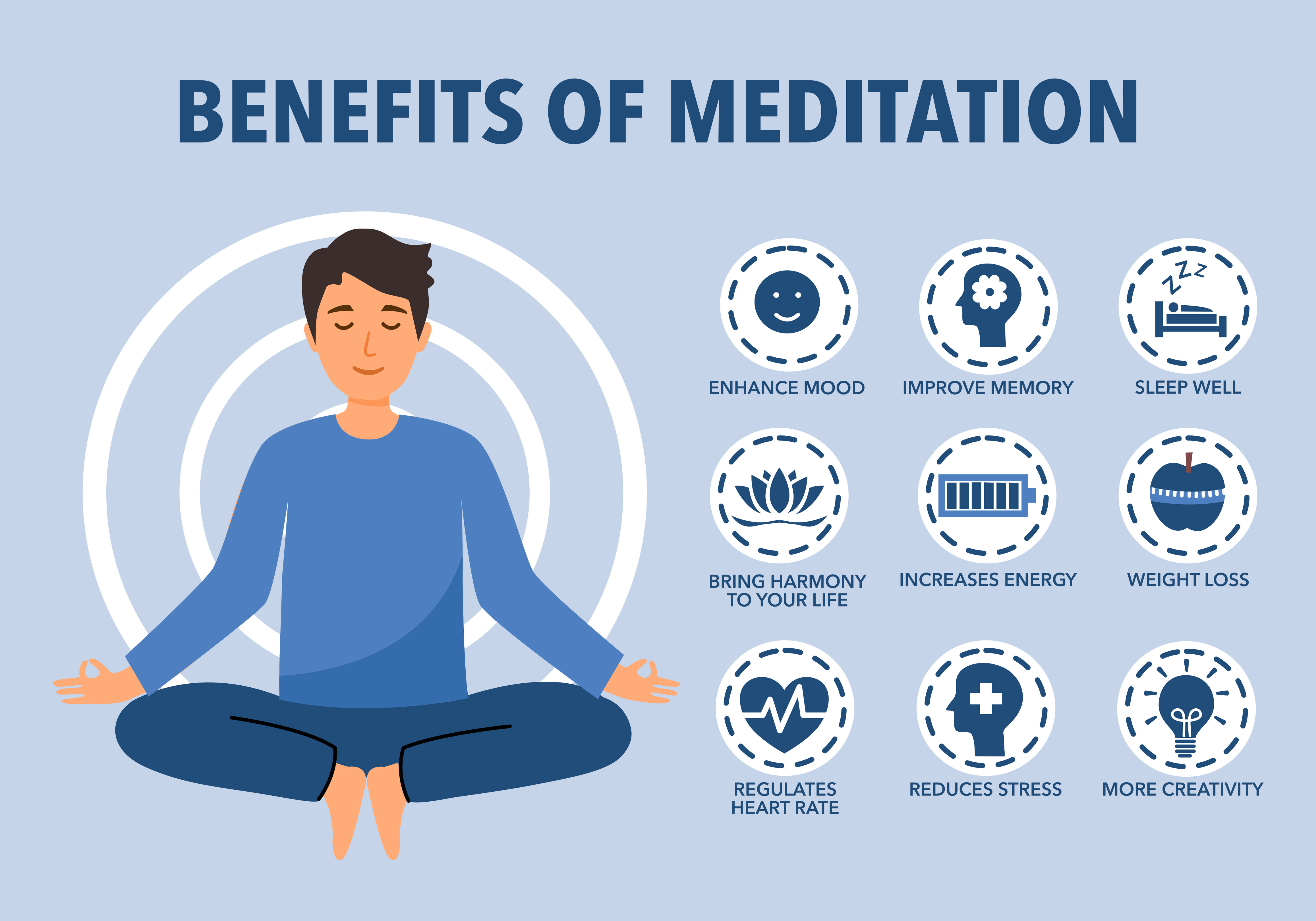
Meditation and mindfulness are not just trendy buzzwords; they are practices backed by a growing body of scientific research. Studies have shown that regular meditation can reduce stress, lower blood pressure, and improve overall mental health. Mindfulness, which involves paying attention to the present moment without judgment, has been linked to enhanced focus, emotional regulation, and even better relationships.

A study published in the journal JAMA Internal Medicine found that mindfulness meditation programs can help reduce anxiety, depression, and pain. Similarly, research from Harvard Medical School has shown that mindfulness can lead to structural changes in the brain, including an increase in gray matter in areas associated with learning and memory.

Applications Across Sectors

The benefits of meditation and mindfulness are being recognized across various sectors. In education, schools are incorporating mindfulness programs to help students manage stress and improve concentration. Corporate wellness programs are also embracing mindfulness as a way to boost employee productivity and reduce burnout. Even the healthcare industry is exploring the integration of mindfulness into treatment plans for chronic pain, addiction, and mental health disorders.

Challenges and Misconceptions

Despite the growing popularity, there are still challenges and misconceptions surrounding meditation and mindfulness. Some individuals believe that these practices require significant time commitments or that they are religious in nature. However, experts emphasize that even a few minutes of daily practice can yield positive results and that meditation and mindfulness are secular practices accessible to anyone.

Another challenge is the commodification of mindfulness, with critics arguing that the practice is being co-opted by consumer culture. The abundance of mindfulness-related products and services has led some to question whether the true essence of the practice is being diluted.

The Future of Mindfulness

As the demand for mental health and wellness solutions continues to rise, meditation and mindfulness are likely to become even more entrenched in everyday life. Future trends may include the development of more personalized mindfulness programs, advances in technology that enhance the practice, and further integration into various aspects of society, from healthcare to education.

In a world that often feels overwhelming, meditation and mindfulness offer a timeless antidote—a way to reconnect with the present moment, cultivate inner peace, and navigate life’s challenges with greater resilience. As more people discover the profound benefits of these practices, they are not just embracing a trend but a path to long-lasting well-being.

Effective Strategies for Saving Money on Insurance Premiums

In an economy where every dollar counts, finding ways to save money is a priority for many households. Insurance, a necessary expense for most, is often viewed as a fixed cost. However, there are several strategies consumers can use to reduce their premiums without sacrificing coverage. This article provides a few effective money-saving tips within the insurance industry, helping you keep more of your hard-earned cash while ensuring you remain adequately protected.

1. Shop Around for the Best Rates

One of the simplest ways to save money on insurance is to compare rates from different providers. Insurance companies assess risk differently, which can lead to significant variations in premiums for the same coverage. Utilize online comparison tools, or work with an independent insurance agent to gather quotes from multiple companies. Don’t forget to re-evaluate your insurance provider every year to ensure you’re still getting the best deal.

2. Bundle Your Policies

Many insurance companies offer discounts to customers who purchase multiple policies, such as home and auto insurance, from the same provider. Bundling your policies can lead to significant savings, sometimes as much as 25% off your premiums. Before bundling, however, compare the total cost with separate providers to ensure it’s the most cost-effective option.

3. Increase Your Deductible

Raising your deductible—the amount you pay out of pocket before your insurance kicks in—can lower your premium significantly. For example, increasing your auto insurance deductible from $500 to $1,000 could reduce your premium by up to 40%. However, ensure that you have enough savings to cover the higher deductible in case of a claim.

4. Maintain a Good Credit Score

Insurance companies often use credit scores to assess risk and determine premiums. A higher credit score indicates responsible financial behavior, which can lead to lower insurance rates. To improve your credit score, pay your bills on time, reduce debt, and check your credit report regularly for errors.

5. Take Advantage of Discounts

Insurance companies offer a variety of discounts that can help lower your premium. These can include discounts for safe driving, installing security systems in your home, being a loyal customer, or even for being a good student. Ask your insurance provider about all the available discounts and make sure you’re taking advantage of any that apply to you.

6. Review Your Coverage Annually

Your insurance needs change over time, and what was essential a few years ago may no longer be necessary. Review your policies annually to ensure you’re not paying for coverage you don’t need. For example, if your car is older, you might consider dropping comprehensive or collision coverage, especially if the car’s value is low.

7. Consider Usage-Based Insurance

Usage-based insurance (UBI) programs track your driving habits through a mobile app or device installed in your vehicle. Drivers who are safe and drive less frequently can save money on their auto insurance premiums. If you’re a low-mileage driver, this could be a great way to cut costs.

8. Improve Home Security

For homeowners, installing safety features such as smoke detectors, burglar alarms, and deadbolt locks can reduce your home insurance premiums. Some companies offer discounts for more advanced security systems, such as monitored alarm systems and smart home technology.

Saving money on insurance doesn’t mean you have to compromise on coverage. By shopping around, taking advantage of discounts, and making strategic adjustments to your policies, you can reduce your insurance costs while still ensuring that you and your assets are adequately protected. As the insurance industry evolves, staying informed and proactive will be key to keeping your premiums low without sacrificing peace of mind. If you need help or have a question be sure to drop me a line, give me a call or comment below and I will be glad to help you navigate your own financial plan.

About the Author:

David Dandaneau is a insurance agent that covers the insurance and financial services industry. He is known for his insightful analysis and comprehensive coverage of market trends and regulatory developments.
Diversifying Your Financial Portfolio for Stability and Growth

By spreading investments across various financial instruments such as annuities, life insurance, certificates of deposit (CDs), money market accounts, stocks, and individual retirement accounts (IRAs), individuals can mitigate risk, ensure financial stability, and secure long-term growth. Here’s a closer look at why diversifying your financial holdings with these assets is a prudent strategy.

Annuities: Guaranteed Income for Life

Annuities are insurance products that provide a steady income stream, typically for life, making them a valuable component of a diversified portfolio. They are particularly beneficial for retirees seeking a reliable income source. Annuities can be fixed or variable, with fixed annuities offering guaranteed payments and variable annuities linked to the performance of underlying investments.

Why Consider Annuities?

  • Stability: Annuities provide a predictable income, which can help cover living expenses and reduce reliance on fluctuating markets.
  • Longevity Protection: With increasing life expectancy, annuities can ensure you don’t outlive your savings.
  • Tax Advantages: Earnings from annuities grow tax-deferred until withdrawal, allowing your investment to compound over time.

Life Insurance: Protecting Your Loved Ones

Life insurance is a crucial financial tool that offers protection and peace of mind. By incorporating life insurance into your financial plan, you ensure that your loved ones are financially secure in the event of your untimely death. Life insurance comes in various forms, including term life, whole life, and universal life insurance, each with its unique benefits.

Why Consider Life Insurance?

  • Financial Security: Life insurance provides a death benefit to beneficiaries, helping them cover expenses such as funeral costs, debts, and living expenses.
  • Wealth Transfer: It can be an effective way to transfer wealth to heirs or charitable organizations.
  • Cash Value Growth: Permanent life insurance policies build cash value over time, which can be borrowed against or withdrawn under certain conditions.

Certificates of Deposit (CDs): Safe and Predictable Returns

CDs are low-risk, time-bound deposits offered by banks and credit unions. They pay a fixed interest rate over a specified period, ranging from a few months to several years. While they may not offer high returns, CDs are a safe investment option, particularly in a volatile market.

Why Consider CDs?

  • Safety: CDs are insured by the FDIC up to $250,000 per depositor, per institution, providing a high level of security.
  • Predictable Returns: The fixed interest rate guarantees a known return on investment.
  • No Market Risk: CDs are not subject to market fluctuations, ensuring your principal investment is secure.

Money Market Accounts: Flexible and Accessible

Money market accounts (MMAs) are interest-bearing accounts that offer higher interest rates than regular savings accounts while providing easy access to funds. They are ideal for maintaining liquidity while earning a reasonable return on your savings.

Why Consider Money Market Accounts?

  • Liquidity: MMAs allow easy access to your funds, making them suitable for emergency savings or short-term financial goals.
  • Higher Interest Rates: Typically, MMAs offer better interest rates compared to standard savings accounts.
  • Security: Like CDs, MMAs are insured by the FDIC, ensuring your money is protected.

Stocks: Growth Potential and Dividends

Stocks represent ownership in a company and can provide substantial returns through capital appreciation and dividends. They are a fundamental part of any diversified portfolio, offering the potential for significant growth.

Why Consider Stocks?

  • High Growth Potential: Stocks have historically outperformed other asset classes over the long term.
  • Dividends: Many companies pay dividends, providing a steady income stream in addition to potential capital gains.
  • Ownership: Owning stock gives you a stake in a company’s success and the right to vote on corporate matters.

Individual Retirement Accounts (IRAs): Tax-Advantaged Growth

IRAs are tax-advantaged accounts designed to help individuals save for retirement. They come in two main types: Traditional IRAs, which offer tax-deductible contributions and tax-deferred growth, and Roth IRAs, which provide tax-free growth and withdrawals.

Why Consider IRAs?

  • Tax Advantages: Traditional IRAs offer tax-deferred growth, while Roth IRAs provide tax-free growth and withdrawals.
  • Flexibility: IRAs can hold a wide range of investments, including stocks, bonds, and mutual funds, allowing for diversified growth.
  • Retirement Security: IRAs are a key component of a comprehensive retirement plan, helping ensure financial security in your later years.

Diversifying your financial holdings with annuities, life insurance, CDs, money market accounts, stocks, and IRAs offers a balanced approach to managing risk and achieving financial goals. Each of these instruments serves a unique purpose, from providing steady income and protecting loved ones to ensuring safety, liquidity, and growth potential. By integrating these assets into your financial strategy, you can build a robust and resilient portfolio capable of weathering economic uncertainties and securing your financial future. If you need help deciding on your best investment strategy drop me a line, send me an email or give me a call and we can talk about what strategy fits your risk tolerances.

About the Author:

David Dandaneau is a insurance agent that covers the insurance and financial services industry. He is known for his insightful analysis and comprehensive coverage of market trends and regulatory developments.

Preparing for Retirement: Key Questions to Ask Yourself

As retirement approaches, the excitement of new possibilities often mingles with apprehension about the unknown. To ensure a smooth transition into this new chapter, it’s crucial to reflect on several key questions. These questions will help clarify your financial readiness, lifestyle aspirations, and overall preparedness, ensuring your retirement years are as fulfilling as they are secure.

1. Have I Saved Enough?

One of the most fundamental questions is whether you have saved enough to sustain your desired lifestyle throughout retirement. Consider the following:

  • Current Savings and Investments: Assess your retirement accounts, savings, and other investments. Are they sufficient to support you for 20-30 years, considering inflation and healthcare costs?
  • Expected Expenses: Calculate your anticipated monthly expenses, including housing, utilities, food, healthcare, and leisure activities. Don’t forget to account for unexpected costs.
  • Income Sources: Identify all potential income sources, such as Social Security, pensions, annuities, and part-time work.

2. What Will My Retirement Lifestyle Be Like?

Envisioning your day-to-day life in retirement is essential for financial and emotional planning.

  • Hobbies and Activities: What activities and hobbies do you plan to pursue? Will you travel, volunteer, or engage in new educational opportunities?
  • Living Arrangements: Do you plan to stay in your current home, downsize, or relocate to a different city or country?
  • Social Connections: How will you maintain and build social connections? Consider the role of community involvement and proximity to family and friends.

3. Am I Prepared for Healthcare Costs?

Healthcare is a significant expense in retirement. Ask yourself:

  • Insurance Coverage: Have you reviewed your Medicare options and other supplemental insurance plans?
  • Long-Term Care: Have you considered long-term care insurance or other strategies to cover potential long-term care needs?
  • Health and Wellness: How will you stay healthy and active to minimize medical costs and improve your quality of life?

4. Do I Have a Solid Financial Plan?

A comprehensive financial plan is crucial for managing your resources effectively.

  • Budgeting: Have you created a detailed retirement budget? Are you comfortable adjusting it as needed?
  • Debt Management: Have you paid off outstanding debts, or do you have a strategy to manage them in retirement?
  • Estate Planning: Have you updated your will, established a trust, or designated beneficiaries for your accounts?

5. What Will Give My Life Purpose?

Retirement is not just about financial security; it’s also about finding meaning and fulfillment.

  • Passions and Interests: What are you passionate about? How can you incorporate these passions into your daily life?
  • Volunteering and Giving Back: Are there causes or organizations you want to support through volunteer work or donations?
  • Personal Growth: How will you continue to learn and grow? Consider activities that challenge you mentally and physically.

6. Have I Consulted with Professionals?

Expert advice can provide clarity and confidence.

  • Financial Advisors: Have you consulted with a financial advisor to ensure your plan is robust and adaptable?
  • Legal Advisors: Have you sought legal advice for estate planning and other legal matters?
  • Healthcare Professionals: Have you discussed your retirement health plans with your healthcare providers?

Preparing for retirement involves more than just financial planning; it requires a holistic approach that considers your lifestyle, health, and personal fulfillment. By asking yourself these critical questions, you can create a comprehensive plan that ensures a smooth and satisfying transition into your retirement years. Take the time to reflect, plan, and seek advice, so you can embrace this new chapter with confidence and enthusiasm.

The Importance of Mental Health at Every Life Stage

In this day and age where the pace of life is ever-increasing and the demands of daily living are constantly evolving, the importance of mental health cannot be overstated. From childhood to old age, taking care of your mental health is crucial for overall well-being and quality of life.

Mental Health in Childhood

For children, mental health is the foundation for future development. A child’s early experiences shape their brain development, influencing their emotional and social capabilities. According to the American Psychological Association, untreated mental health issues in childhood, such as anxiety or depression, can lead to difficulties in school, trouble forming healthy relationships, and an increased risk of substance abuse later in life. Early intervention and support from parents, teachers, and mental health professionals can help children develop resilience and coping skills.

Adolescence: A Critical Period

Adolescence is a critical period for mental health, as teenagers navigate the complexities of identity, relationships, and academic pressures. The World Health Organization (WHO) reports that half of all mental health conditions start by age 14, but most cases are undetected and untreated. Encouraging open conversations about mental health, reducing stigma, and providing access to mental health services are essential for supporting adolescents during this tumultuous time. Schools and communities play a pivotal role in creating safe environments where young people feel empowered to seek help.

Adult Mental Health: Balancing Responsibilities

Adulthood brings a new set of challenges, including career pressures, family responsibilities, and financial stress. The National Institute of Mental Health (NIMH) highlights that adults with untreated mental health issues are at risk for chronic diseases, decreased productivity, and strained relationships. Regular self-care practices, such as exercise, healthy eating, and mindfulness, can help manage stress. Employers can contribute by fostering a supportive workplace culture and offering mental health resources.

Aging and Mental Health

Mental health remains important in older adulthood, where issues such as loneliness, grief, and physical health problems can impact well-being. According to the Centers for Disease Control and Prevention (CDC), depression and anxiety are common among older adults but often go undiagnosed. Staying socially active, engaging in mentally stimulating activities, and seeking support for mental health concerns can significantly enhance the quality of life for seniors.

Breaking the Stigma

Across all ages, one of the biggest barriers to seeking help is the stigma associated with mental health issues. Education and awareness campaigns can play a crucial role in normalizing mental health care. Encouraging open discussions about mental health, sharing personal stories, and promoting the message that it’s okay to seek help are vital steps in breaking down these barriers.

The Role of Technology

In recent years, technology has become a valuable tool in mental health care. Teletherapy, mental health apps, and online support groups provide accessible options for those seeking help. However, it’s important to ensure that these digital solutions are used in conjunction with traditional care methods and are accessible to people of all ages.

Taking care of your mental health is a lifelong commitment that requires attention and effort at every stage of life. Whether it’s a child learning to navigate emotions, a teenager dealing with peer pressure, an adult balancing work and family, or a senior facing the challenges of aging, mental health matters. By prioritizing mental health and breaking down the barriers to seeking help, we can build a healthier, more resilient society where everyone can thrive.


Sources:

  1. American Psychological Association (APA)
  2. World Health Organization (WHO)
  3. National Institute of Mental Health (NIMH)
  4. Centers for Disease Control and Prevention (CDC)

The Pros and Cons of Owning a Final Expense Policy

In a world where financial security and peace of mind are paramount, final expense insurance policies have emerged as a popular option for many individuals looking to cover end-of-life costs. These policies, specifically designed to handle expenses related to funerals, burial, and other final arrangements, offer a unique blend of benefits and challenges. As more people consider these policies, understanding their pros and cons is essential for making an informed decision.

The Pros of Owning a Final Expense Policy

  1. Affordability: One of the primary advantages of final expense insurance is its affordability. These policies typically have lower premiums compared to other life insurance options. This makes them accessible to a broader range of individuals, especially seniors and those on fixed incomes.
  2. Simplified Application Process: Final expense policies usually have a straightforward application process, often requiring minimal medical underwriting. This means that individuals with health issues who might be denied traditional life insurance can still secure coverage.
  3. Quick Payouts: The nature of final expense policies ensures that beneficiaries receive funds promptly. This quick payout can be crucial for families needing to cover funeral costs and other immediate expenses without delay.
  4. Flexibility in Use: Although designed for end-of-life costs, the payout from a final expense policy can be used by beneficiaries in any way they see fit. This flexibility allows families to address various financial needs that may arise upon the policyholder’s death.
  5. Peace of Mind: For many, the greatest benefit of a final expense policy is the peace of mind it offers. Knowing that their loved ones won’t be burdened with funeral costs and other end-of-life expenses provides significant emotional relief.
The Cons of Owning a Final Expense Policy

  1. Limited Coverage: One of the main drawbacks of final expense insurance is its limited coverage amount. These policies typically offer smaller death benefits, usually ranging from $5,000 to $25,000. This might not be sufficient for individuals seeking to cover more extensive financial obligations.
  2. Higher Cost per Dollar of Coverage: While premiums are generally affordable, the cost per dollar of coverage can be higher compared to term or whole life insurance policies. For those needing substantial coverage, this can make final expense policies less cost-effective.
  3. Potential for Overlap: Individuals who already have other types of life insurance might find final expense policies redundant. Evaluating existing coverage to avoid unnecessary overlap is crucial.
  4. Misleading Sales Practices: There have been instances where aggressive marketing tactics have led consumers to believe that final expense policies are the best or only option for end-of-life planning. It’s essential for potential buyers to conduct thorough research and consider other insurance products that might better suit their needs.
  5. Age and Health Restrictions: Although the application process is simplified, some final expense policies still have age and health restrictions. Older individuals or those with severe health conditions might face higher premiums or limited policy options.

Final expense policies offer a viable solution for individuals seeking to ensure their end-of-life expenses are covered without placing a financial burden on their loved ones. However, like any financial product, they come with both advantages and disadvantages. Prospective buyers should weigh these factors carefully, considering their unique financial situation and long-term needs. Consulting with a knowledgeable insurance advisor can provide additional clarity, helping individuals make the best decision for their circumstances. If I can help answer any questions please give me a call, send me a direct message or drop me a line below. Together we can decide what’s best for you.

About the Author:

David Dandaneau is a insurance agent that covers the insurance and financial services industry. He is known for his insightful analysis and comprehensive coverage of market trends and regulatory developments.

The Power of the Early Riser: Why Your Wake-Up Time Shapes a Winning Attitude

In a world that constantly champions productivity and success, the adage “the early bird catches the worm” holds more weight than ever. Research and anecdotal evidence alike suggest that waking up early is not just about starting your day with the sunrise, but about cultivating a winning attitude that permeates every aspect of life. Here’s why the time you wake up can make all the difference.

The Science of Waking Up Early

Numerous studies have shown that early risers tend to exhibit characteristics associated with a winning attitude, such as enhanced productivity, better mental health, and improved physical health. A study by the University of Toronto found that early risers are generally happier and healthier than night owls. The reason? Our bodies are wired to respond to the natural light and dark cycles, known as circadian rhythms. Aligning our waking hours with daylight helps regulate our biological clock, leading to better sleep quality and overall well-being.

Productivity and Focus

Waking up early provides a head start on the day. Morning hours are typically free from distractions, offering a quiet and focused environment conducive to deep work. Successful individuals like Apple CEO Tim Cook and Virgin Group founder Richard Branson swear by their early morning routines. These quiet hours allow for strategic planning, goal setting, and tackling high-priority tasks before the demands of the day begin to mount.

Mental Health Benefits

The psychological benefits of waking up early extend beyond mere productivity. Early risers often report lower levels of stress and anxiety. According to a study published in the journal Psychiatric Research, those who wake up earlier tend to have more positive moods and are less likely to develop depression. This is partly due to the sense of control and accomplishment that comes with starting the day early and partly because early risers are more likely to engage in morning exercise, which has well-documented mood-boosting effects.

Physical Health and Fitness

Morning routines often include time for physical activity, which is crucial for maintaining a healthy body and mind. Regular morning exercise boosts metabolism, improves energy levels, and enhances cognitive function. Additionally, those who wake up early are more likely to eat a healthy breakfast, which sets a positive tone for dietary choices throughout the day. The combination of physical activity and good nutrition contributes to overall fitness and well-being, essential components of a winning attitude.

Building Discipline and Resilience

The habit of waking up early requires discipline, a trait that is integral to success. Overcoming the initial struggle to leave the comfort of bed builds mental resilience. This discipline often translates into other areas of life, fostering a mindset that embraces challenges and persists in the face of obstacles. The ability to consistently wake up early, even when it’s difficult, reinforces a growth mindset and a strong work ethic.

In essence, the time you wake up sets the tone for the rest of your day. Early risers gain a psychological and practical edge, cultivating a winning attitude that is reflected in their productivity, mental health, physical well-being, and overall life satisfaction. While waking up early is not a panacea and individual preferences vary, the benefits of aligning your schedule with natural circadian rhythms and seizing the morning hours cannot be overstated. For those striving for success, the first step might just be as simple as setting an earlier alarm.

Common Misconceptions About Nutrition and Healthy Eating

In today’s information age, navigating the world of nutrition and healthy eating can be overwhelming. With countless diets, conflicting advice, and a plethora of “superfoods” touted for miraculous benefits, it’s easy to get lost in misinformation. Here, we debunk some of the most common misconceptions about nutrition and healthy eating.

Myth 1: Carbs Are the Enemy

Carbohydrates often get a bad rap, especially with the popularity of low-carb diets like keto and Atkins. However, not all carbs are created equal. Whole grains, fruits, vegetables, and legumes are rich in essential nutrients and fiber. They provide sustained energy and are a vital part of a balanced diet. Cutting out carbs entirely can lead to nutrient deficiencies and lack of energy.

Myth 2: Fat-Free Means Healthy

The fat-free craze of the 1990s led many to believe that all dietary fat is bad. However, fats are essential for absorbing vitamins A, D, E, and K, and for maintaining cell membranes. The key is to choose healthy fats, such as those found in avocados, nuts, seeds, and olive oil, and to avoid trans fats and excessive saturated fats.

Myth 3: You Need to Detox Your Body

Detox diets and cleanses promise to rid the body of toxins and promote rapid weight loss. However, the body is naturally equipped with its own detoxification system—the liver, kidneys, and digestive tract. No scientific evidence supports the need for external detox products. A balanced diet, regular exercise, and adequate hydration are sufficient for maintaining your body’s natural detoxification processes.

Myth 4: Skipping Meals Helps You Lose Weight

Skipping meals, especially breakfast, can lead to overeating later in the day and disrupt your metabolism. Regular, balanced meals help maintain stable blood sugar levels and prevent the extreme hunger that leads to poor food choices. Eating a nutritious breakfast can kickstart your metabolism and provide the energy needed to start your day.

Myth 5: All Calories Are Equal

While calorie counting can be helpful for weight management, not all calories have the same nutritional value. For instance, 200 calories from a sugary soda do not provide the same nutrients as 200 calories from a serving of mixed nuts. Nutrient-dense foods provide vitamins, minerals, fiber, and other beneficial compounds, which are essential for overall health.

Myth 6: Supplements Can Replace a Balanced Diet

Dietary supplements can be beneficial for addressing specific deficiencies, but they should not replace whole foods. Whole foods offer a complex matrix of nutrients that work together synergistically. Over-reliance on supplements can lead to imbalances and neglect the benefits of a diverse diet.

Myth 7: Eating Late at Night Causes Weight Gain

The idea that eating late at night directly causes weight gain is a misconception. What matters more is the total caloric intake and the quality of the food consumed throughout the day. Eating a large, unhealthy meal late at night can lead to weight gain, but this is due to overall poor dietary habits rather than the timing of the meal.

Myth 8: You Must Avoid Gluten to Be Healthy

Unless you have celiac disease or gluten sensitivity, there is no need to avoid gluten. Whole grains that contain gluten, such as wheat, barley, and rye, are rich in fiber, vitamins, and minerals. A gluten-free diet can sometimes be lower in fiber and other important nutrients, making it less healthy for people without gluten-related disorders.

Understanding the facts about nutrition is crucial for making informed dietary choices. Instead of falling for trendy diets and misconceptions, focusing on a balanced diet rich in whole foods, healthy fats, lean proteins, and complex carbohydrates can lead to better health and well-being. Consulting with a registered dietitian or nutritionist can also provide personalized advice tailored to your individual needs.

The Rising Importance of Critical Illness Insurance in the Face of Heart Disease, Stroke, and Cancer

As the prevalence of major health conditions such as heart disease, stroke, and cancer continues to rise, the importance of critical illness insurance has become increasingly apparent. These life-threatening diseases not only pose significant health risks but also bring substantial financial burdens that can overwhelm individuals and families. Understanding the impact of these illnesses and the benefits of having a critical illness policy can provide crucial protection and peace of mind.

The Burden of Heart Disease, Stroke, and Cancer

Heart disease remains the leading cause of death globally, responsible for nearly 18 million deaths each year. It encompasses a range of conditions, including coronary artery disease, heart attacks, and congestive heart failure. The treatment and recovery processes for heart disease are often long and costly, requiring significant medical intervention and lifestyle adjustments.

Similarly, stroke is a major health concern, with approximately 15 million people worldwide suffering from strokes annually. Of these, around 5 million die, and another 5 million are left permanently disabled. Stroke treatment typically involves emergency care, rehabilitation, and long-term therapy, which can lead to substantial medical expenses and loss of income due to disability.

Cancer, the second leading cause of death globally, affects millions of people each year. Advances in medical technology have improved survival rates, but cancer treatment remains expensive and often involves surgery, chemotherapy, radiation therapy, and ongoing medication. The financial strain can be exacerbated by the need for time off work and additional support during recovery.

The Role of Critical Illness Insurance

Critical illness insurance is designed to provide financial support upon the diagnosis of a serious illness, such as heart disease, stroke, or cancer. Unlike traditional health insurance, which typically covers medical expenses, critical illness policies provide a lump-sum payment that can be used at the policyholder’s discretion. This flexibility allows individuals to address various financial needs, such as:

  1. Medical Expenses: Covering out-of-pocket costs not fully paid by health insurance, including specialist consultations, advanced treatments, and alternative therapies.
  2. Income Replacement: Compensating for lost wages if the policyholder is unable to work during treatment and recovery, ensuring financial stability for their family.
  3. Home Modifications: Funding necessary changes to the home to accommodate new physical limitations, such as installing ramps, stairlifts, or accessible bathrooms.
  4. Support Services: Paying for additional care services, such as in-home nursing, rehabilitation, or even psychological support, to aid in recovery.
  5. Debt Repayment: Reducing or eliminating outstanding debts, such as mortgages, car loans, or credit card balances, to alleviate financial stress.

Why Critical Illness Insurance is Essential

In the absence of a critical illness policy, individuals facing heart disease, stroke, or cancer may find themselves dipping into savings, accruing debt, or relying on family and friends for financial support. This added financial pressure can hinder recovery and diminish the quality of life.

Moreover, critical illness insurance offers peace of mind. Knowing that there is a financial safety net allows patients and their families to focus on what truly matters: recovery and well-being. With a lump-sum payout, they have the flexibility to make choices that best suit their unique circumstances without the constraints of financial limitations.

As heart disease, stroke, and cancer continue to affect millions of lives worldwide, the importance of critical illness insurance cannot be overstated. By providing financial support during one of the most challenging times, these policies offer a crucial lifeline that can help individuals navigate the complexities of serious illnesses. Ensuring adequate coverage through a critical illness policy is a proactive step towards safeguarding one’s financial future and securing peace of mind in the face of life’s uncertainties. If you need help securing a critical illness policy give me a call, shoot me an email or drop a comment and we can work together so you can live your life to the fullest without the extra worries.

About the Author:

David Dandaneau is a insurance agent that covers the insurance and financial services industry. He is known for his insightful analysis and comprehensive coverage of market trends and regulatory developments.