🏡 What You Need to Know About Law & Ordinance Coverage—and Why It Matters More Than Ever

When most homeowners think about their insurance policies, they focus on the obvious: fire, theft, storms, and liability. But there’s a lesser-known protection that can make or break your financial recovery after a disaster—Law and Ordinance Coverage, sometimes referred to as “Building Code Coverage.”

And in 2025, with stricter building codes nationwide and rising construction costs, this coverage has never been more important.


What Is Law & Ordinance Coverage?

Law and Ordinance coverage is a component of your homeowners insurance that helps cover the additional costs required to rebuild or repair your home according to current building codes after a covered loss.

Many homes—especially those built 10, 20, or 50 years ago—no longer meet today’s safety and construction standards. If a fire, storm, or other covered event damages your home, local regulations may require you to upgrade wiring, plumbing, insulation, roofing systems, or structural components.

Without Law & Ordinance coverage, those upgrades come straight out of your pocket.


Three Key Parts of Law & Ordinance Coverage

Most policies break this coverage into three categories:

1. Coverage A: Loss to the Undamaged Portion of the Home

If 40% of your home is destroyed but local law requires the entire house to be rebuilt to meet current code, this coverage pays for the undamaged portion.

2. Coverage B: Demolition Costs

Bringing a damaged structure down safely isn’t cheap. Demolition, debris removal, and hauling away materials can be surprisingly costly.

3. Coverage C: Increased Cost of Construction

This covers the code-required upgrades—such as new electrical systems, energy-efficient windows, reinforced roofing, or accessibility requirements—that weren’t part of your original home.


Why It Matters in 2025

✔️ Building Codes Change Constantly

Many communities have tightened codes after severe weather events, wildfires, and structural failures. Even small repairs often trigger mandatory upgrades.

✔️ Construction Costs Continue Rising

The price of materials and skilled labor remains elevated. Code upgrades can add tens of thousands of dollars to a reconstruction project.

✔️ Older Homes Are Especially at Risk

Homes built before 2000 often lack modern safety requirements, meaning mandatory upgrades are more likely after a partial loss.

✔️ It Can Protect Your Savings and Prevent Delays

Without Law & Ordinance coverage, homeowners often face unexpected out-of-pocket expenses that can stall rebuilding and extend displacement.


Real-World Example

A kitchen fire damages 30% of a 1980s home. The city requires:

  • New electrical wiring throughout the entire house
  • Upgraded insulation
  • A modern HVAC system with energy efficiency standards

Only the portion of the home physically damaged by fire is covered by standard insurance. All code-required upgrades to undamaged areas are not — unless you have Law & Ordinance coverage.

The homeowner could face up to $40,000–$75,000 in uncovered expenses.


How Much Coverage Should You Carry?

Insurers typically offer Law & Ordinance limits as a percentage of the dwelling amount, commonly:

  • 10%
  • 25%
  • 50%
  • 100% (offered in some states)

For older homes or areas with aggressive code enforcement, higher limits may provide critical protection.


A Small Coverage That Makes a Big Difference

You can’t control when disaster strikes, but you can protect yourself from the financial shock that comes with rebuilding to today’s standards. Law and Ordinance coverage ensures your home can be rebuilt safely—and legally—without draining your savings or delaying your recovery.

If you haven’t reviewed your homeowners policy lately, now is the time to check your limits and make sure this essential coverage is in place.

About the Author:

David Dandaneau is a client relations analyst that covers the insurance and financial services industry. He is known for his insightful analysis and comprehensive coverage of market trends and regulatory developments.

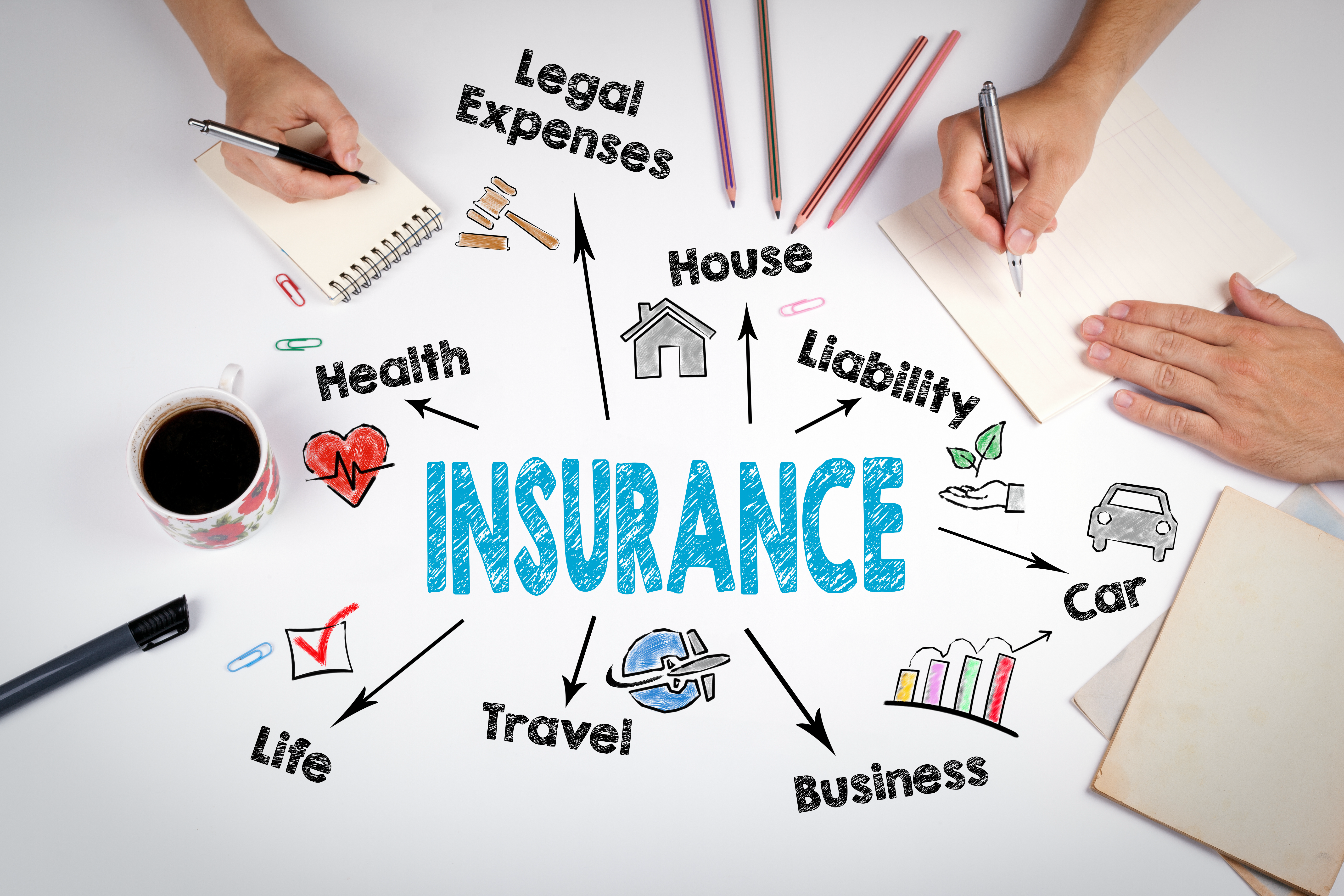
Trends to Watch as We Close Out 2025: The Property Insurance Market

As we approach the end of 2025, the property insurance marketplace is navigating a mix of change, challenge and opportunity. Here’s a look at the key trends shaping the sector — and what they might mean for insurers, brokers and property owners alike.


1. Climate-Driven Losses Are Now the New Normal

The pace and severity of natural catastrophes continue to place major pressure on the property insurance market. The Swiss Re Institute estimates that global insured losses from natural catastrophes hit roughly US $80 billion in the first half of 2025, nearly double the 10-year average. (Reuters+2Insurance Journal+2)
For insurers, that means heavier claims, tougher underwriting decisions and heightened scrutiny of exposures in high-risk zones.

What to watch:

  • Insurers will increasingly pull back or raise rates in high-catastrophe zones — e.g., coastal and wildfire-prone areas.
  • Property owners in those zones will receive stronger signals to invest in resilience (storm hardening, wildfire mitigation, flood defence).
  • Coverage gaps may grow where private insurers no longer provide adequate support, leading to more reliance on state/last-resort markets.

2. Pricing and Coverage Conditions Are Mixed — Softening in Some Segments, Hardening in Others

While recent years were characterised by sharp rate increases and tightening terms, there are signs that some parts of the market are stabilising or even softening. For example:

  • The Alera Group in its 2025 P&C update notes greater market stability, with disciplined underwriting, improving investment yields, and signs that premium growth may moderate. (Alera Group)
  • In commercial property, accounts with favourable loss history and limited catastrophe exposure may now see flat to single-digit rate increases, rather than the double-digit hikes of earlier years. (Dominion Risk+1)
  • On the flip side, in the homeowners/home-insurance space, average premiums remain elevated, and the insurers’ “combined ratio” suggests limited profitability in some segments. (Rate)

Key take-aways:

  • For well-performing risks, carriers are competing — more capacity, more flexible terms.
  • For high-risk exposures (wildfire zones, flood zones, older properties in hazard-prone states) terms remain challenging: higher deductibles, non-standard exclusions, pressured availability.
  • Brokers and agents who can help clients demonstrate strong mitigation/maintenance will be in demand.

3. Technology & Risk-Modelling Innovations Are Moving From “Nice to Have” to “Must-Have”

Insurers are rapidly expanding their use of technology — sensors, drones, satellite imagery, IoT monitoring, artificial intelligence — to refine risk assessments, improve underwriting and streamline claims. According to a recent legal-firm insight, insurers are deploying drones, satellite-imagery and IoT to track damage and property condition in real time. (Greenberg Traurig)
Meanwhile, homeowners are seeing insurers push risk-mitigation incentives (smart-home sensors, leak detectors, fire-resistant construction) as a way to differentiate risk. (Rate)

What this means:

  • Risk-differentiation will widen: properties with upgraded resilience features may enjoy better terms/discounts.
  • Older or non-mitigated properties may face fewer options or harsher terms.
  • Agents and insurers who embrace these tools will have a competitive edge, especially in emerging hazard-zones.

4. Reinsurance and Capacity Pressures Remain Real

While direct insurance pricing may be moderating for some risks, the broader ecosystem — especially reinsurance — remains under strain. The costs of reinsurance for catastrophe risk continue to climb as global natural hazard exposures grow. (Greenberg Traurig)
Also, some last-resort markets (state-backed, residual lines) are under pressure to raise rates or adjust eligibility, particularly in states with chronic exposure. (San Francisco Chronicle)

Implication:
Insurers must manage their reinsurance treaties carefully, be selective about exposures they carry, and pass through appropriate pricing and terms to stay sustainable.


5. Market Size is Growing — With Geographic and Product Gaps Emerging

From a volume perspective, the property-insurance market remains on a growth path. For example, in North America the market for property insurance was projected to reach about US $365 billion in 2025, with a five-to-seven-year compound annual growth rate (CAGR) of nearly 7%. (Statista) Globally, a report projects the property-insurance market to be around US $364.75 billion in 2025, growing toward ~US$591 billion by 2034. (Business Research Insights)

Yet, growth is uneven:

  • Regions with escalating risk (wildfire, flood, storm) may struggle with supply and affordability.
  • Specialized products (wildfire-only, flood-only, resiliency add-ons) are gaining traction.
  • Bundled products (home + auto) and value-added services (risk-engineering, smart-home upgrades) are becoming differentiators.

6. Homeowners Face Increasing Burden — Affordability, Availability and Risk

For homeowners, especially in climate-exposed states (e.g., coastal Florida, wildfire-prone California), the challenges are mounting:

  • Rising premiums and deductibles: some reports show average home-insurance premiums nationally up ~20 % year-over-year in certain markets. (Rate+1)
  • Higher deductibles and more peril-specific deductibles (wind/hail, wildfire, flood) are becoming more common. (Matic Insurance)
  • Coverage availability is still strained in many high-risk ZIP codes; the E&S (Excess & Surplus) market is filling gaps. (Matic Insurance)

For agents and homeowners:

  • Risk mitigation (roof upgrades, fire-resistant landscaping, flood mitigation) is no longer optional—it can materially affect access and cost of coverage.
  • The choice of market (traditional carrier vs. surplus market) matters more than ever; early renewal/placement is advised.
  • For homeowners in highly exposed zones, budgeting for rising insurance costs (and potential policy non-renewals) is prudent.

7. Regulatory & Geographic Regulation Shifts

Regulators in states like Hawaii, Florida and California are responding to the stability challenges in property-insurance markets. For example, in Hawaii legislators pledged efforts to stabilise the market in the face of rising rates and insurers pulling out. (AP News)
Rate filings and underwriting criteria adjustments are happening in several jurisdictions — meaning agents must stay abreast of local regulatory changes that could affect availability, coverage form, or premium.


Looking Ahead to Late 2025 and Early 2026

As we close out 2025, a few strategic themes for stakeholders:

  • For insurers and brokers: Market segmentation will deepen. Strong, well-mitigated risks will benefit from capacity and competition. Weakly mitigated risks will face greater terms and possibly coverage erosion.
  • For homeowners/property owners: Now is a contact point: review your property’s risk profile, invest in mitigation where possible, explore multiple carriers, and monitor renewal dates early.
  • For agents in your position (auto/property insurance): There’s an opportunity to advise clients on the “property side” in addition to auto — helping them understand risk exposures, mitigation, bundling opportunities, and market shifts. For example, bundling home + auto may give you more leverage.
  • For regulatory watchers: The interplay of climate risk, insurance affordability, and public policy will remain front-and-centre. Watch for state-level reforms, changes in last-resort insurers, and potential new coverage mandates or premium subsidies.

What Lies Ahead

The property-insurance market at the end of 2025 is in a state of transition. Big picture: demand is growing, but risk is mounting and not evenly distributed. Pricing and terms are moderating in some segments — yet for high-exposure zones the pressure remains acute. Technology, mitigation and geographic nuance will distinguish winners from laggards.

For you (and your clients) this means: be proactive. Know the risks. Position properties (or clients’ homes) for reward (through mitigation) rather than punishment. And stay flexible — the “next renewal” is likely to look quite different from the last.

About the Author:

David Dandaneau is a client relations analyst that covers the insurance and financial services industry. He is known for his insightful analysis and comprehensive coverage of market trends and regulatory developments.

References

Alera Group. (2025, January 15). 2025 property and casualty market update. Alera Group. https://aleragroup.com/insights/alera-groups-2025-property-and-casualty-market-update

Associated Press. (2025, March 10). Hawaii lawmakers pledge to stabilize property insurance market amid rate increases. AP News. https://apnews.com/article/9119f220251bb44eced5ffb4ddd80b15

Business Research Insights. (2025). Property insurance market size, share, growth, and forecast 2025–2034. https://www.businessresearchinsights.com/market-reports/property-insurance-market-125238

Domrisk. (2025, March 5). 2025 market outlook: Commercial property insurance. https://domrisk.com/2025/03/2025-market-outlook-commercial-property-insurance

Greenberg Traurig, LLP. (2025, March 1). Five trends to watch in the 2025 property insurance market. https://www.gtlaw.com/en/insights/2025/3/5-trends-to-watch-in-2025-property-insurance-market

Matic Insurance. (2025, April). 2025 home insurance report. https://matic.com/blog/2025-home-insurance-report

Rate.com. (2025, May 20). Consumer insights: Home insurance trends for 2025. Guaranteed Rate Insurance. https://www.rate.com/insurance/resources/consumer-insights-home-insurance-trends-for-2025

Reuters. (2025, August 6). Global insured catastrophe losses hit $80 billion in first half of 2025, report shows. Reuters. https://www.reuters.com/business/environment/global-insured-catastrophe-losses-hit-80-billion-first-half-2025-report-shows-2025-08-06

San Francisco Chronicle. (2025, August 21). California FAIR Plan seeks huge rate hike: Map shows which ZIPs hit hardest. https://www.sfchronicle.com/california-wildfires/article/fair-plan-insurance-rate-21081370.php

Statista. (2025). Property insurance market in North America — Revenue forecast 2025. https://www.statista.com/outlook/fmo/insurances/non-life-insurances/property-insurance/north-america

Florida Homeowners Face Challenge After Being Dropped from State-Run Insurance Program

Florida homeowners are once again feeling the squeeze as thousands are being removed from the state-run insurer of last resort, Citizens Property Insurance Corporation, and redirected to private carriers. The move is part of an ongoing effort to reduce the size of Citizens’ policy portfolio and shift risk back into the private market.

When homeowners are “depopulated” from Citizens, they are required to accept coverage from an alternative private insurance company if the offered premium is within 20% of their Citizens rate. For many, this creates both relief and frustration: while it means they may avoid losing coverage altogether, it also leaves them with limited options and rising costs.

“I was paying $2,800 a year with Citizens, and the new carrier came in at $3,200. It’s technically within the 20% rule, so I had no choice but to move,” said one Tampa homeowner. “It feels like a forced decision at a time when the market is already tough.”

Insurance analysts note that while the depopulation program helps reduce taxpayer exposure to catastrophic hurricane losses, it places additional pressure on families already navigating skyrocketing premiums, stricter underwriting, and fewer choices. Private carriers, however, argue that they offer more sustainable long-term solutions than Citizens, which was never intended to be a permanent insurer for a large share of the market.

State regulators defend the process, emphasizing that the 20% price window is meant to strike a balance between protecting consumers from steep cost increases while encouraging participation in the private market. Without this system, they warn, Citizens could swell beyond capacity, putting all Floridians at risk of paying hefty assessments after a major storm.

Still, homeowners are left in a difficult position. With hurricane season stretching until November and reinsurance costs continuing to climb, experts say Florida’s property insurance crisis is far from over. For many, the decision isn’t whether they want to leave Citizens—it’s how they can afford to stay insured at all.

About the Author:

David Dandaneau is a client relations analyst that covers the insurance and financial services industry. He is known for his insightful analysis and comprehensive coverage of market trends and regulatory developments.

Why You Need Coverage for Your Recreational Vehicles

When it comes to motorcycles, boats, golf carts, and ATVs, most people think about the thrill of the ride, the open water, or a sunny day on the course-not the financial risks. But accidents, theft, and unexpected liabilities don’t take a holiday, and that’s why insurance for your recreational “toys” is worth serious consideration.

Required vs. Optional Coverage

The first step in understanding toy insurance is knowing what’s required by law and what’s optional.

  • Motorcycles: Like cars, most states require liability insurance if you’re taking your motorcycle on public roads. This covers injury or damage you may cause to others, but not your own bike. Collision and comprehensive coverage—protecting your motorcycle against accidents, theft, or weather damage are optional but highly recommended.
  • Boats: While boat insurance isn’t federally mandated, some states and marinas require proof of coverage. Even if it’s not required, carrying liability and property protection can shield you from costly repairs or lawsuits if an accident occurs on the water.
  • ATVs & Dirt Bikes: If you’re riding on private land, insurance is usually optional. However, many state parks, trails, and off-road areas require proof of coverage to operate. Considering the high rate of ATV accidents and theft, insuring your four-wheeler is a smart move.
  • Golf Carts: Most neighborhoods and golf courses don’t require golf cart insurance, but if you’re using the cart on public roads-or even just around your community-liability coverage can protect you if an accident happens. Some homeowners’ policies provide limited coverage, but standalone golf cart insurance can fill the gaps.

Why You Should Insure Even When It’s Optional

Just because coverage isn’t required doesn’t mean it isn’t essential. Repair costs, medical bills, or liability lawsuits can quickly outweigh the value of your toy itself. Theft is another growing concern-ATVs, motorcycles, and even boats are among the most commonly stolen recreational vehicles.

Insurance not only protects your investment but also your financial stability. For many, the peace of mind of knowing that a fun weekend won’t turn into a financial nightmare is worth the modest premium.

A Smarter Way to Protect Your Fun

Your recreational vehicles are more than just “toys”-they’re part of your lifestyle. Adding the right insurance ensures that your good times don’t come with unnecessary risks. Before the next ride, round of golf, or day on the water, check your coverage and make sure your adventures are backed by protection as strong as your passion.

About the Author:

David Dandaneau is a client relations analyst that covers the insurance and financial services industry. He is known for his insightful analysis and comprehensive coverage of market trends and regulatory developments.

The Economic Benefits of Property Transformation Projects

November 2, 2024 – As cities grow and populations shift, an exciting trend is emerging in the real estate market: property transformations. Homeowners, investors, and architects are working together to breathe new life into older buildings, turning underutilized spaces into functional and appealing properties that fit modern needs.

The Rise of Adaptive Reuse and Sustainable Remodeling
As more people seek eco-friendly lifestyles, adaptive reuse—repurposing old structures rather than building from scratch—has gained popularity. By converting old factories, warehouses, and historic buildings into homes, offices, or co-working spaces, property transformations not only retain the character of communities but also reduce the environmental impact of construction.

“Adaptive reuse is one of the most sustainable approaches to property development,” said architect Laura Mendoza, who has led several transformation projects in New York City. “It allows us to cut down on materials while creating something functional and unique.”

This trend also extends to smaller, residential projects. Homeowners are turning unused attics, basements, and even garages into additional living spaces. With the right design, these spaces can be transformed into home offices, rental units, or cozy retreats that add both value and versatility to properties.

The Economic Impact of Property Transformations
For urban and suburban areas facing housing shortages, transforming existing properties has proven to be an efficient way to meet demand without urban sprawl. Municipalities, in turn, benefit from an increased tax base and revitalized neighborhoods.

“Property transformation is a win-win for both developers and the community,” says Jordan Lee, a real estate developer in Seattle. “It allows us to create affordable, high-quality spaces without needing to clear new land, which can be a lengthy and costly process.”

In some cases, transformation projects have stimulated local economies, attracting new residents and businesses. For instance, the renovation of old industrial districts in places like Detroit has led to a wave of new businesses, boosting local economies and creating jobs.

Trends in Property Transformations: What to Expect
While repurposing old buildings and creating versatile living spaces remains a core aspect of property transformations, several other trends are influencing the market:

Mixed-Use Spaces: Property owners are designing buildings that offer residential, commercial, and recreational spaces under one roof, creating a vibrant community hub.
Smart Renovations: Incorporating smart technology, from energy-efficient appliances to security systems, is becoming a priority in transformed properties.
Art and Design Integration: Many transformations now incorporate art and design elements from the building’s original history. This can include restoring architectural details or featuring art pieces that reflect the area’s cultural background.


Challenges in Property Transformations
While property transformations offer exciting possibilities, they also come with challenges. Renovating old buildings can require careful planning and creativity to meet modern building codes. Additionally, costs can quickly escalate if unexpected structural issues arise.

“Finding a balance between preserving historical integrity and meeting contemporary standards is challenging,” Mendoza noted. “But when done right, the results are truly remarkable.”

The Future of Property Transformations
As cities continue to adapt to population growth, climate change, and evolving community needs, property transformations will likely remain a cornerstone of urban development. With both economic and environmental benefits, it’s a trend that has redefined how people live, work, and interact within urban spaces.

As more communities embrace these innovative solutions, property transformations are not only preserving the past but also building a sustainable, interconnected future.

Top Trends Facing the Property and Casualty Market in 2024

The property and casualty (P&C) insurance market is experiencing significant shifts in 2024, driven by technological advancements, climate change, regulatory updates, and evolving consumer expectations. As insurers navigate these changes, several key trends have emerged that are helping shape the industry landscape.

1. Digital Transformation and Insurtech Integration

The integration of insurtech is revolutionizing the P&C insurance sector. Advanced data analytics, artificial intelligence (AI), and machine learning are enhancing underwriting accuracy, risk assessment, and customer experience. Insurtech startups are partnering with traditional insurers to offer innovative solutions, such as usage-based insurance (UBI) and on-demand coverage, which cater to the modern consumer’s needs for flexibility and personalization.

2. Climate Change and Catastrophe Modeling

Climate change continues to be a critical concern for the P&C market. Increasing frequency and severity of natural disasters, such as hurricanes, wildfires, and floods, are leading to higher claims and losses. Insurers are investing in advanced catastrophe modeling and predictive analytics to better assess and manage these risks. Additionally, there is a growing emphasis on sustainable practices and green insurance products that incentivize policyholders to adopt environmentally friendly measures.

3. Regulatory Changes and Compliance

Regulatory landscapes are evolving, with new laws and guidelines being introduced to address emerging risks and ensure consumer protection. In 2024, insurers are focusing on enhancing compliance frameworks to meet stricter data privacy regulations and cybersecurity standards. The rise of digital channels has also prompted regulators to scrutinize digital sales practices, leading to the development of more robust guidelines for online insurance transactions.

4. Telematics and IoT in Risk Management

Telematics and the Internet of Things (IoT) are playing a pivotal role in transforming risk management in the P&C insurance sector. Telematics devices, particularly in auto insurance, provide real-time data on driving behavior, enabling insurers to offer personalized premiums based on individual risk profiles. Similarly, IoT devices in homes and businesses help monitor potential hazards, such as water leaks or fire risks, allowing for proactive mitigation and reduced claims.

5. Focus on Cyber Insurance

With the rise in cyber threats, cyber insurance has become a critical component of the P&C market. Businesses and individuals are increasingly seeking coverage to protect against data breaches, ransomware attacks, and other cyber risks. Insurers are expanding their cyber insurance offerings and developing comprehensive policies that address the evolving nature of cyber threats. This trend underscores the importance of cybersecurity in the overall risk management strategy.

6. Customer-Centric Innovations

In an era of heightened customer expectations, insurers are prioritizing customer-centric innovations. This includes the adoption of omnichannel communication strategies, offering seamless interactions across digital and traditional platforms. Personalized policy options, streamlined claims processes, and enhanced customer service through AI-driven chatbots are some of the ways insurers are improving customer engagement and satisfaction.

7. Expansion of Parametric Insurance

Parametric insurance is gaining traction as a viable alternative to traditional indemnity insurance. Unlike traditional policies, parametric insurance pays out a predetermined amount based on the occurrence of a specific event, such as a natural disaster reaching a certain intensity. This model offers faster claims processing and payouts, providing policyholders with quicker financial relief. The simplicity and efficiency of parametric insurance are driving its adoption across various segments, including agriculture, travel, and climate-related risks.

The property and casualty insurance market in 2024 is marked by rapid technological advancements, heightened awareness of climate risks, regulatory changes, and a focus on customer-centric approaches. Insurers that embrace these trends and invest in innovation are likely to thrive in this dynamic environment. As the industry continues to evolve, staying ahead of these trends will be crucial for delivering value to policyholders and maintaining a competitive edge.


About the Author:

David Dandaneau is a insurance agent that covers the insurance and financial services industry. He is known for his insightful analysis and comprehensive coverage of market trends and regulatory developments.