The Gift of Gratitude: Why Seniors Should Embrace Thanksgiving

As Thanksgiving approaches, a season of gratitude sweeps across the nation. While this sentiment is universal, there’s a unique significance for seniors to embrace the spirit of Thanksgiving. Beyond the traditional feast and family gatherings, this holiday holds a profound opportunity for older adults to reflect on and appreciate the richness of their lives.

  1. Reflection on a Lifetime of Memories: Thanksgiving offers seniors a chance to reflect on a lifetime filled with memories. From the joyous moments to the challenges overcome, each experience has shaped their unique journey. Taking a moment to appreciate these memories can bring a deep sense of fulfillment and gratitude.
  2. Quality Time with Loved Ones: For many seniors, Thanksgiving is a time when family and friends come together. Whether surrounded by children, grandchildren, or lifelong friends, the holiday provides an opportunity to strengthen bonds and create lasting memories. Seniors can be thankful for the warmth and companionship that these connections bring into their lives.
  3. Appreciation for Health and Well-Being: As the years go by, health becomes an even more precious gift. Thanksgiving prompts seniors to express gratitude for the well-being they enjoy, acknowledging the strength and resilience that has carried them through the years. This gratitude can inspire a proactive approach to maintaining and enhancing their health.
  4. A Feast for the Senses: Thanksgiving is a feast not only for the taste buds but for all the senses. The aroma of a delicious meal, the sound of laughter and conversation, the touch of a loved one’s hand—all contribute to a sensory-rich experience. Seniors can be thankful for the ability to savor these moments and find joy in the simple pleasures.
  5. Wisdom and Legacy: Thanksgiving serves as a moment for seniors to share their wisdom and life lessons with younger generations. Whether through stories told around the dinner table or the passing down of family traditions, seniors contribute to the legacy of knowledge and values. This sharing of wisdom can be a source of great pride and gratitude.

As the Thanksgiving season unfolds, seniors have a unique opportunity to embrace gratitude for the richness of their lives. From a lifetime of memories to the joy of family gatherings, the holiday encourages a reflection on the blessings that have shaped their journey. By cultivating a spirit of thankfulness, seniors can find fulfillment in the present moment and look forward to the abundance of experiences that each new day brings.

Securing Tomorrow: The Undeniable Importance of Critical Illness Insurance

In the grand tapestry of life, health is our most valuable asset. Yet, as we traverse the unpredictable terrain of time, we inevitably encounter twists and turns that challenge our well-being. In these moments of uncertainty, having a safety net becomes paramount—a financial parachute that can soften the fall when life takes an unexpected detour. This is where the importance of critical illness insurance shines.

1. A Shield Against Financial Storms: Life is unpredictable, and so is our health. Critical illness insurance serves as a shield against the financial storms that can accompany a serious health crisis. Imagine a scenario where you or a loved one is diagnosed with a major illness like cancer or suffers a heart attack. While health insurance may cover medical bills, critical illness insurance steps in to address additional costs—be it home modifications, alternative treatments, or day-to-day living expenses that might accrue during the recovery period.

2. Freedom to Focus on Recovery: Worrying about financial obligations should be the last thing on your mind when faced with a critical illness. Critical illness insurance provides a lump sum benefit upon diagnosis, giving you the freedom to focus on what truly matters—your health and recovery. It allows you to make decisions based on well-being rather than financial strain, facilitating a smoother journey toward healing.

3. Bridging Gaps in Traditional Coverage: While health insurance is a crucial component of financial planning, it may not cover all the bases when it comes to a critical illness. Critical illness insurance bridges these gaps, offering a complementary layer of protection. Whether it’s covering deductibles, replacing lost income, or providing funds for unforeseen expenses, this insurance ensures that you’re not left grappling with financial uncertainty during a challenging period.

4. A Lifeline for Lifestyle Adjustments: Serious illnesses often necessitate lifestyle adjustments, from adapting your living space to accommodate new needs to potentially exploring alternative therapies. The lump sum benefit from critical illness insurance gives you the financial means to make these adjustments without compromising your financial stability.

5. Accessibility and Simplicity: One of the standout features of critical illness insurance is its accessibility and simplicity. With straightforward premium payments, policyholders gain peace of mind knowing that they have a straightforward plan in place. The uncomplicated nature of critical illness insurance makes it an attractive and practical choice for individuals looking to secure their financial future.

In the grand narrative of life, critical illness insurance emerges as a pivotal chapter—a testament to our commitment to safeguarding our well-being and that of our loved ones. It is a reminder that, in the face of uncertainty, proactive financial planning can be the beacon that guides us through the storm. So, as you navigate the chapters of your life, consider the profound importance of critical illness insurance—a beacon of financial security that shines brightest when life’s journey takes an unexpected turn. If you need help securing a critical illness policy give me a shout, drop me a line, or give me a call as I would love to discuss your options with you.

Elevating Golden Years: Seniors Staying Active with Hands and Minds

In the tapestry of life, our golden years should be a vibrant and fulfilling chapter. As we age, staying active becomes paramount for maintaining a healthy and happy lifestyle. In this blog post, we’ll explore the importance of seniors engaging both their hands and minds to unlock a world of possibilities, fostering well-being in the process.

Keeping Hands Busy

1. Embracing the Arts

Artistic endeavors are a fantastic way for seniors to keep their hands agile and creative juices flowing. From painting and drawing to pottery and crafts, the options are as diverse as the individuals themselves. Art not only provides a satisfying outlet but also stimulates the brain, promoting mental well-being.

2. Gardening Therapy

Getting hands dirty in the garden has therapeutic benefits for seniors. Planting flowers, tending to vegetables, and feeling the soil beneath their fingers connects them with nature. Gardening is not only a physical activity but also a mindful one, promoting relaxation and reducing stress.

3. Cooking Adventures

For many seniors, the kitchen is a sanctuary where creativity meets functionality. Trying out new recipes, experimenting with flavors, and preparing meals not only keeps hands nimble but also engages the mind in a delightful way.

Nurturing the Mind

1. Lifelong Learning

The adage “you’re never too old to learn” holds true. Seniors can engage their minds by taking up new hobbies, attending workshops, or even pursuing online courses. Lifelong learning not only keeps the brain active but also instills a sense of accomplishment.

2. Mind Games and Puzzles

Challenging the mind with puzzles, crosswords, and sudoku is an excellent way for seniors to maintain cognitive function. These activities stimulate memory, enhance problem-solving skills, and provide a daily mental workout.

3. Book Clubs and Writing

Reading and sharing thoughts on literature through book clubs can be a fulfilling social activity. Additionally, many seniors find joy in expressing their own thoughts and experiences through writing—whether it’s memoirs, poetry, or short stories.

The Power of Integration

1. Social Connections

Engaging in group activities, be it art classes, gardening clubs, or book discussions, fosters social connections. The combination of physical and mental engagement in a social setting contributes to a holistic approach to well-being.

2. Technology for Mind and Hands

Embracing technology opens up new avenues for seniors. From video calls with loved ones to interactive brain games, technology can be a powerful tool for staying connected and mentally active.

As the years unfold, the key to a fulfilling and active senior life lies in the harmonious integration of both hands and mind. Embracing creativity, pursuing lifelong learning, and maintaining social connections contribute to a vibrant tapestry of experiences in the golden years. By keeping hands and minds busy, seniors can continue to savor the richness of life and contribute to the colorful mosaic of the aging journey.

Maneuvering through the Obstacles Seniors Face in Today’s Society

As our society continues to evolve, the challenges faced by seniors have become increasingly complex. From healthcare to technology, seniors encounter various obstacles that can significantly impact their quality of life. In this article, I’ll dive into some of the prominent hurdles faced by seniors and explore potential solutions to address these issues.

  1. Healthcare Access and Affordability: One of the foremost challenges seniors grapple with is access to affordable and comprehensive healthcare. As medical costs soar, many seniors find themselves struggling to afford necessary medications, treatments, and even routine check-ups. Limited mobility and transportation difficulties can exacerbate this issue, making it harder for seniors to access the care they need.
    • Solution: Community outreach programs, increased availability of home healthcare services, and advocacy for affordable healthcare policies can contribute to a more accessible and affordable healthcare system for seniors.
  2. Technological Barriers: In an era dominated by technology, seniors often face challenges in adapting to new devices and digital platforms. From online banking to virtual healthcare appointments, the digital divide can isolate seniors and hinder their ability to connect with the modern world.
    • Solution: Implementing user-friendly technology, providing digital literacy programs for seniors, and encouraging intergenerational tech support can help bridge the technological gap.
  3. Social Isolation: Seniors may experience social isolation due to factors such as the loss of friends and family members, physical limitations, or the lack of community engagement. Loneliness and social isolation can have detrimental effects on mental and physical well-being.
    • Solution: Creating community centers, organizing social activities for seniors, and fostering intergenerational connections can combat social isolation and enhance the overall quality of life for older adults.
  4. Financial Insecurity: Many seniors face financial challenges, including a fixed income, rising living costs, and the potential depletion of retirement savings. Economic instability can limit seniors’ ability to enjoy their golden years without constant financial worry.
    • Solution: Implementing policies that support affordable housing, providing financial education for seniors, and expanding access to senior-friendly employment opportunities can contribute to financial security in later years.
  5. Transportation Limitations: Limited mobility can restrict seniors’ ability to travel independently, leading to increased dependency on others for transportation. This can hinder access to essential services and social activities.
    • Solution: Developing senior-friendly transportation services, promoting community-based transportation initiatives, and incorporating age-friendly design in urban planning can enhance seniors’ mobility and independence.

Addressing the obstacles faced by seniors requires a multifaceted approach that involves community engagement, policy changes, and technological advancements. By understanding and actively working to overcome these challenges, we can create a more inclusive and supportive society for our aging population. Ask not what a senior can do for you but what you can do for your senior is what we all should be doing. Most importantly, if you have an important senior in your life, remember to tell them you love them and keep smiling cause it really does look good on them. Make it a GREAT DAY!!!

Navigating the Future: Emerging Trends in Medicare

In the ever-evolving landscape of healthcare, Medicare stands as a crucial pillar in providing essential coverage for millions of Americans. As we stride into the future, several trends are reshaping the Medicare landscape, promising improved access, enhanced services, and greater efficiency. Let’s explore the emerging trends that are set to transform the way we experience and perceive Medicare.

  1. Telehealth Revolution:

The COVID-19 pandemic catapulted telehealth into the spotlight, and in my opinion, its influence on healthcare is here to stay. In the realm of Medicare, telehealth services have become a game-changer, offering beneficiaries the convenience of virtual consultations, remote monitoring, and digital access to health resources. As technology continues to advance, we can expect a surge in telehealth offerings, promoting better healthcare accessibility, especially for those in rural or underserved areas.

  1. Value-Based Care Models:

Traditional fee-for-service models are gradually making way for value-based care. Medicare is increasingly shifting towards payment structures that reward healthcare providers for delivering high-quality care and positive patient outcomes. This paradigm shift incentivizes preventive care, coordinated services, and patient engagement, ultimately aiming to improve overall healthcare quality while reducing costs.

  1. Personalized Medicine and Precision Health:

Advancements in genomic research are paving the way for personalized medicine, tailoring healthcare interventions to an individual’s unique genetic makeup. Medicare is likely to embrace precision health, leveraging genetic information to prescribe more effective treatments, reduce adverse reactions, and enhance overall health outcomes. This shift towards precision medicine aligns with the broader trend of moving from a one-size-fits-all approach to a more personalized and targeted healthcare strategy.

  1. Social Determinants of Health:

Recognizing that health outcomes are influenced by factors beyond clinical care, Medicare is increasingly addressing social determinants of health. This includes factors such as socioeconomic status, education, and community resources. By incorporating a holistic approach to healthcare, Medicare aims to improve health equity and address disparities, ultimately enhancing the overall well-being of beneficiaries.

  1. Digital Health Tools and Wearables:

The rise of health-related apps, wearables, and other digital tools is transforming how individuals engage with their health. Medicare beneficiaries can expect to see an increased integration of these technologies into their healthcare experience. From monitoring chronic conditions to promoting healthy lifestyle choices, digital health tools empower individuals to take an active role in their well-being, aligning with the broader trend of patient-centered care.

The future of Medicare is bright, marked by a convergence of technological innovation, policy evolution, and a commitment to improving patient outcomes. As we witness the emergence of these trends, beneficiaries can look forward to a healthcare system that is more accessible, personalized, and focused on holistic well-being. By embracing these changes, Medicare is not only adapting to the evolving healthcare landscape but also leading the way towards a healthier and more resilient future. If you have any other trends that you would like to share, leave me a note, schedule a meeting, or give me a call, as I would love to hear them. As usual and like always, remember to keep smiling cause it really looks good on you.

About the Author:

David Dandaneau is a insurance agent that covers the insurance and financial services industry. He is known for his insightful analysis and comprehensive coverage of market trends and regulatory developments.

Safeguarding Your Golden Years: The Crucial Role of Insurance in Aging Gracefully

As the years gracefully unfold and we find ourselves navigating the beautiful tapestry of life, one essential aspect often overlooked is the significance of insurance in our golden years. Aging is a natural part of life, and with it come various challenges and uncertainties. However, a well-structured insurance plan can serve as a sturdy pillar of support, providing financial security and peace of mind as we traverse the journey of aging.

  1. Health Insurance: A Cornerstone of Self-Care Health is indeed wealth, especially in the later chapters of life. As we age, the likelihood of facing health issues increases. A comprehensive health insurance plan ensures that medical expenses are not a burden but a manageable aspect of life. Regular check-ups, preventive care, and coverage for unexpected health events become invaluable assets in maintaining a good quality of life.
  2. Long-Term Care Insurance: Planning for the Future With age, the need for assistance with daily living activities may arise. Long-term care insurance plays a pivotal role in covering the costs associated with nursing homes, assisted living facilities, or home healthcare services. By planning ahead and investing in such insurance, individuals can preserve their assets and make informed choices about their care in the future.
  3. Life Insurance: A Legacy of Financial Security Life insurance isn’t just a safety net for the family; it’s a legacy of financial security. It provides a tax-free lump sum to beneficiaries, ensuring that loved ones are not burdened with financial uncertainties in the event of the policyholder’s passing. This financial cushion can be especially important for covering funeral expenses, outstanding debts, or leaving behind an inheritance for future generations.
  4. Income Protection: Safeguarding Retirement Years Retirement is a time to savor the fruits of one’s labor. However, unforeseen events such as disability can disrupt financial stability. Disability insurance provides a regular income if one is unable to work due to illness or injury. This safeguard ensures that the retirement years remain enjoyable and stress-free, even in the face of unexpected challenges.
  5. Property and Liability Insurance: Preserving Your Assets As homeowners or renters age, protecting property and assets becomes crucial. Property insurance safeguards against damages or loss of property due to natural disasters, accidents, or theft. Liability insurance protects against potential legal claims. These insurance types ensure that the years spent acquiring and building a home are not jeopardized by unexpected events.
Photo by Andrea Piacquadio on Pexels.com

In the grand symphony of life, aging is a harmonious movement that deserves to be celebrated. By recognizing the importance of insurance, individuals can orchestrate a future that is not only financially secure but also filled with the joys of a well-lived life. Whether it’s health, long-term care, life, or income protection insurance, each serves as a note in the melody of aging, contributing to a harmonious and worry-free journey into the golden years. So, let’s embrace the wisdom of preparedness and ensure that our later years are a composition of joy, security, and serenity. If you would like additional information on any of the aforementioned strategies, drop me a line or give me a shout, as I would love to help you navigate the maze of insurance products. Remember, until next time to keep smiling cause it really does look good on you.

Decoding TRICARE: Who’s Covered and Why It Matters

Navigating the world of healthcare can be a daunting task, especially for military families. Fortunately, there’s TRICARE—a comprehensive healthcare program designed to provide coverage for active duty service members, retirees, and their families. In this blog post, we’ll unravel the intricacies of TRICARE and explore who it covers and why it matters.

Military vaccination and immunization.

Understanding TRICARE:

TRICARE is the Department of Defense’s healthcare program, offering a range of health plans to meet the diverse needs of the military community. The program is not only for active duty service members but also extends its coverage to eligible family members, retirees, and certain reserve component members.

  1. Active Duty Service Members:
    • TRICARE Prime is the primary health care option for active duty service members. It offers comprehensive coverage and requires enrollment.
  2. Family Members:
    • Spouses and children of active duty service members can also benefit from TRICARE Prime, as well as other plans like TRICARE Select. These options provide flexibility in choosing healthcare providers and accessing a wide range of medical services.
  3. Retirees:
    • TRICARE offers different plans for military retirees, including TRICARE Prime, TRICARE Select, and TRICARE for Life. The availability of these plans depends on various factors such as age, location, and whether the retiree is eligible for Medicare.
  4. Reserve and National Guard Members:
    • Reserve and National Guard members may qualify for TRICARE Reserve Select, a premium-based health plan that offers comprehensive coverage similar to TRICARE Select.

Why TRICARE Matters:

  1. Comprehensive Coverage:
    • TRICARE provides a wide range of health services, from preventive care and routine check-ups to specialized medical treatments and surgeries.
  2. Accessibility:
    • With a vast network of healthcare providers, TRICARE ensures that beneficiaries have access to quality healthcare services, whether they’re stationed stateside or overseas.
  3. Cost-Effective Options:
    • TRICARE offers a variety of plans with different cost structures, allowing military families to choose the one that best fits their needs and budget.
  4. Continuity of Care:
    • For military families, having a reliable and consistent healthcare program is crucial. TRICARE provides continuity of care, even during relocations or deployments.

In the complex landscape of healthcare, TRICARE stands as a beacon of support for military families. From active duty service members to retirees and their families, TRICARE offers comprehensive coverage, ensuring that the brave individuals who serve our nation receive the healthcare they deserve. Understanding the different plans and eligibility criteria is key to maximizing the benefits of this vital program. TRICARE not only covers medical needs but also provides peace of mind, allowing military families to focus on what matters most—serving their country with dedication and resilience. If you are serving or have served thank you for you service. If you need help or questions answered about TRICARE or any other Medicare plan I’m a ping, text, or phone call away. Let’s do our best to help those who need it most, as we all look for solutions to all our healthcare concerns.

Navigating Healthcare Costs: A Comprehensive Guide to Understanding Medicare Supplements

In the complex landscape of healthcare, especially for seniors, understanding and managing costs is crucial. Medicare, the federal health insurance program for individuals aged 65 and older, provides essential coverage, but it doesn’t cover all expenses. This is where Medicare Supplements, also known as Medigap, come into play. Let’s delve into the world of Medicare Supplements, supported by statistics to shed light on their significance.

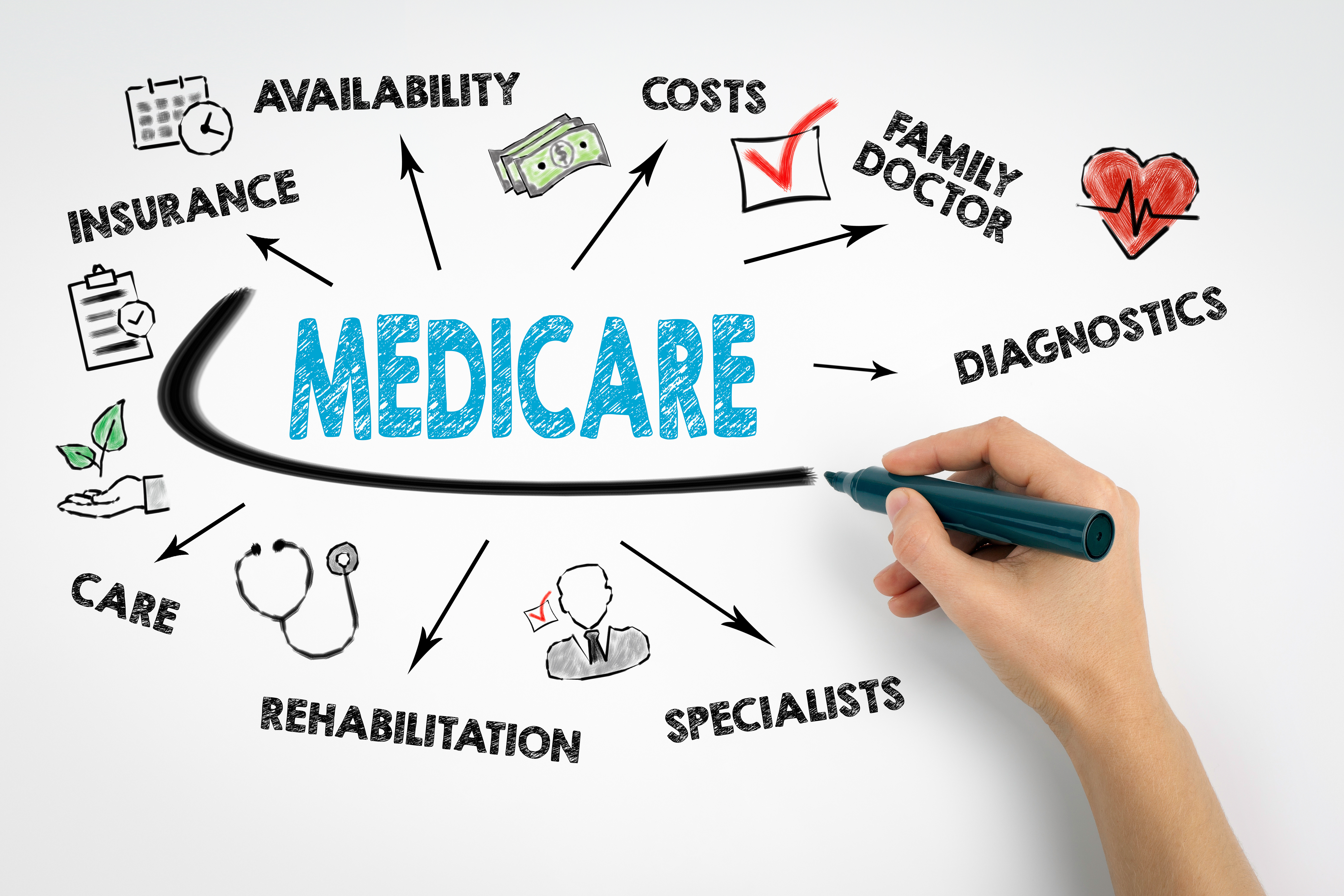
Medicare Conceptual Map

Rising Healthcare Costs: A Growing Concern According to a report by the Kaiser Family Foundation, the average annual premium for a Medicare Part B plan was $1,452 in 2021. With healthcare costs steadily rising, many seniors find it challenging to cover the gaps left by traditional Medicare. Healthcare costs have been rising at an average rate of 4% per year, outpacing inflation and wage growth.

Understanding Medicare Gaps: The Need for Supplements Medicare Parts A and B cover hospital and medical expenses, but there are gaps in coverage, including copayments, deductibles, and coinsurance. Medicare Supplements aim to fill these gaps, providing seniors with more comprehensive coverage. In 2021, the average deductible for Medicare Part B was $203, and the Part A deductible was $1,484 per benefit period.

The Popularity of Medicare Supplements Millions of seniors opt for Medicare Supplements to enhance their healthcare coverage. These plans are offered by private insurance companies and come in standardized packages, labeled from Plan A to Plan N. As of 2021, over 14 million Medicare beneficiaries were enrolled in Medigap plans, accounting for approximately 34% of all Medicare beneficiaries.

Cost Savings with Medigap Plans While Medicare Supplements come with their own premiums, they often result in significant cost savings for beneficiaries in the long run. This is especially true for individuals with frequent healthcare needs. A study by the American Association for Medicare Supplement Insurance found that Medigap Plan G, on average, could save beneficiaries over $1,000 per year compared to other plans.

Comparing Medigap Plans: A Matter of Choice With various Medigap plans available, it’s essential for seniors to choose the one that aligns with their healthcare needs and budget. Each plan offers different coverage options, allowing individuals to tailor their insurance to their specific requirements. In 2021, Plan F and Plan G were the most popular Medigap plans, collectively accounting for more than half of all Medigap enrollments.

As healthcare costs continue to rise, understanding the role of Medicare Supplements becomes increasingly important for seniors seeking comprehensive coverage. With millions of beneficiaries already benefiting from these plans, the statistics highlight the growing significance of Medicare Supplements in ensuring financial security and peace of mind in the realm of healthcare. If you need help picking the right Medicare Supplemental policies, drop me a line, give me a call or shoot me an email, as I would love to help. Otherwise, until next time don’t sweat the little things and keep smiling.

Aging Gracefully: The Vital Role of Exercise in Seniors’ Lives

As the sands of time continue to fall, the importance of maintaining an active lifestyle becomes even more crucial, especially for our beloved seniors. Aging is a natural part of life, but it doesn’t mean surrendering to a sedentary existence. In fact, engaging in regular exercise is a powerful tool that can enhance the quality of life for everyone, especially seniors in numerous ways.

  1. Physical Well-being: A Fountain of Youth

Aging often brings with it a myriad of physical challenges, from diminishing bone density to muscle loss and joint stiffness. However, regular exercise is akin to a fountain of youth, counteracting these effects and promoting overall physical well-being. Weight-bearing exercises, such as walking or strength training, can help maintain bone density and muscle mass, preventing conditions like osteoporosis and sarcopenia.

  1. Mental Agility: Exercising the Mind

The benefits of exercise extend beyond the physical realm—they also have a profound impact on cognitive function. Studies have shown that regular physical activity can help prevent cognitive decline and reduce the risk of developing conditions like Alzheimer’s disease. Engaging in activities that challenge the mind, such as dancing or participating in group exercise classes, stimulates brain function and keeps those synapses firing.

  1. Emotional Health: A Natural Mood Booster

The golden years should be a time of joy and fulfillment, but they often come with their fair share of life changes and challenges. Exercise, however, acts as a natural mood booster, releasing endorphins that combat stress, anxiety, and depression. Seniors who incorporate regular physical activity into their routines often report improved mood, increased self-esteem, and a greater sense of well-being.

  1. Social Connections: Building Bonds Through Movement

Exercise provides a fantastic opportunity for seniors to connect with others and build meaningful relationships. Group classes, walking clubs, or even simple strolls with friends create a sense of community and combat feelings of isolation. Social interactions foster emotional support, encourage a sense of belonging, and contribute to an overall positive outlook on life.

  1. Chronic Disease Management: A Preventive Measure

Many chronic conditions become more prevalent with age, including heart disease, diabetes, and arthritis. Exercise serves as a preventive measure and can help manage these conditions. Cardiovascular exercises, for instance, promote heart health, while regular physical activity helps control blood sugar levels and alleviates symptoms of arthritis.

In the grand tapestry of life, aging is but one thread. With the right mindset and a commitment to staying active, seniors can ensure that this chapter is filled with vibrancy, good health, and a sense of fulfillment. Exercise is not just a physical activity; it’s a celebration of life, a testament to the resilience of the human spirit, and a pathway to aging gracefully. So, let’s embrace the power of movement and empower our seniors to live their best lives—healthy, happy, and full of vitality. Even though I’m not officially a senior, regular exercise is part of my daily regime. So, regardless of age, let’s make sure we stay healthy and wealthy together. Remember age is just a number it’s the smile that matters the most, so keep exercising and smiling cause it really does look good on you.

Why Seniors Need Social Activities

Social activities play a crucial role in the well-being of seniors, providing them with a myriad of physical, mental, and emotional benefits. As individuals age, social connections become increasingly vital in warding off feelings of loneliness and isolation, which are prevalent among the elderly. Engaging in group activities allows seniors to build and maintain relationships, fostering a sense of community and belonging. This social interaction not only enhances their overall mood but also acts as a protective factor against mental health issues such as depression and anxiety.

Photo by Alena Darmel on Pexels.com

Moreover, participating in social activities contributes to the cognitive health of seniors. Mental stimulation through social engagement has been linked to a lower risk of cognitive decline and dementia. Whether it’s playing board games, joining clubs, or attending social events, these activities challenge the brain, keeping it active and resilient. Additionally, the exchange of ideas and experiences in a social setting stimulates cognitive functions, contributing to improved memory, problem-solving skills, and overall mental sharpness.

On a physical level, social activities for seniors often involve movement and exercise, promoting better physical health. Regular physical activity is essential for maintaining mobility, preventing chronic conditions, and ensuring a higher quality of life. From dancing and yoga classes to walking groups, these activities not only provide health benefits but also create opportunities for seniors to connect with their peers, fostering a supportive environment that encourages an active lifestyle. In essence, social activities serve as a holistic approach to promoting the well-being of seniors, addressing their physical, mental, and emotional needs. I work with seniors of all ages and love to help put on events for them. If your young or old, near or far and in need of someone to talk with, please feel free to reach out or leave me a comment. Otherwise, and as I always say… keep smiling cause it really does look good on you.