The Importance of Business and Professional Liability Insurance in Today’s Market

In an increasingly litigious society, businesses of all sizes face a variety of risks that could lead to devastating financial losses. Business and professional liability insurance have become essential tools for safeguarding companies against potential lawsuits, ensuring that they can operate confidently and sustainably.

Understanding Business Liability Insurance
Business liability insurance, often referred to as general liability insurance, protects companies from financial loss resulting from claims of injury or property damage caused by the business’s operations, products, or services. This coverage is crucial for businesses that interact with customers, clients, or the public, as it covers legal fees, settlements, and medical expenses that could arise from accidents or damages linked to the business.

“Even a minor slip-and-fall accident in your store can lead to a significant lawsuit,” explains John Reynolds, a small business owner and insurance advocate. “Without liability insurance, one lawsuit could potentially bankrupt a small business.”

The Role of Professional Liability Insurance
Professional liability insurance, also known as errors and omissions (E&O) insurance, is equally important, particularly for businesses that provide professional services. This type of insurance covers legal costs and damages resulting from negligence, errors, or omissions in the professional services provided by the business.

Professionals such as doctors, lawyers, consultants, and architects often face high-stakes decisions and actions that can have serious consequences if mistakes occur. In such cases, professional liability insurance acts as a safety net, protecting the professional’s reputation and financial stability.

“Clients trust us with critical aspects of their lives and businesses, and sometimes things don’t go as planned,” says Dr. Sarah Mitchell, a healthcare professional. “Professional liability insurance ensures that we can address these issues without the added stress of financial ruin.”

Why These Insurances Are More Critical Than Ever
The modern business landscape is marked by increased regulation, higher customer expectations, and a more litigious culture. With the rise of social media, dissatisfied clients or customers can quickly amplify negative experiences, leading to reputational damage and potential legal action.

Moreover, as businesses embrace digital transformation, new risks such as cyberattacks and data breaches emerge. While general liability insurance may not cover these specific risks, the broader spectrum of liability insurance, including specialized policies, provides a comprehensive safety net.

“In today’s fast-paced and interconnected world, the potential for a lawsuit is higher than ever,” notes Laura Gomez, a risk management expert. “Having robust liability insurance is not just a precaution—it’s a necessity for any business that wants to thrive in the long term.”

The Financial Impact
The financial implications of being uninsured or underinsured can be staggering. A single lawsuit, even if unfounded, can cost tens of thousands of dollars in legal fees alone. For small businesses, these costs can be catastrophic. Liability insurance mitigates this risk, allowing businesses to allocate resources to growth and innovation rather than legal battles.

Furthermore, many clients and partners now require proof of liability insurance before engaging in business, making it a critical component of building trust and credibility in the marketplace.


Business and professional liability insurance are not merely optional add-ons—they are fundamental to the sustainability and growth of any business. As risks evolve and the business environment becomes more complex, investing in comprehensive liability coverage is one of the smartest decisions a business owner can make.

By protecting against unforeseen legal challenges, these insurances provide peace of mind and allow businesses to focus on what they do best—serving their customers and growing their operations. As the old adage goes, it’s better to be safe than sorry, and in the case of liability insurance, being safe can also mean being solvent.

About the Author:

David Dandaneau is a insurance agent that covers the insurance and financial services industry. He is known for his insightful analysis and comprehensive coverage of market trends and regulatory developments.


Peak 65: Surge in Medicare Enrollment Expected in 2024

As the United States braces for a significant demographic milestone, experts predict a surge in Medicare enrollment in 2024, as a large cohort of Americans reaches the age of 65. Dubbed “Peak 65,” this phenomenon marks a pivotal moment in the nation’s healthcare landscape.

With the first wave of baby boomers turning 65 in 2011, the subsequent years have witnessed a steady increase in Medicare enrollment. However, 2024 is anticipated to be a standout year, with a notable spike in the number of individuals becoming eligible for this federally funded health insurance program.

According to projections from the Centers for Medicare & Medicaid Services (CMS), approximately 4.1 million Americans are expected to enroll in Medicare this year alone. This surge reflects not only the sheer size of the baby boomer generation but also the broader societal shifts in aging demographics.

The implications of Peak 65 extend beyond mere statistics. It underscores the pressing need for robust healthcare infrastructure and resources to accommodate the healthcare needs of older adults. With an aging population comes a greater demand for healthcare services, from routine check-ups to specialized treatments for chronic conditions.

Furthermore, the influx of new Medicare beneficiaries places added strain on the program’s finances. Medicare, which provides coverage for hospital care (Part A), medical services (Part B), and prescription drugs (Part D), relies on a combination of payroll taxes, premiums, and general revenue to fund its operations. The surge in enrollment poses challenges in maintaining the program’s fiscal sustainability while ensuring quality care for beneficiaries.

In response to the anticipated surge, policymakers and healthcare stakeholders are exploring strategies to enhance Medicare’s effectiveness and efficiency. Initiatives focusing on preventive care, care coordination, and value-based reimbursement are being prioritized to improve outcomes and contain costs.

Moreover, the advent of digital health technologies and telemedicine holds promise in revolutionizing how healthcare is delivered to older adults. These innovations offer opportunities to enhance access to care, promote independent living, and mitigate the burden on traditional healthcare systems.

As Peak 65 approaches, it serves as a poignant reminder of the evolving healthcare needs of an aging population. It calls for proactive measures to address the challenges and seize the opportunities presented by this demographic shift. By fostering collaboration among policymakers, healthcare providers, and communities, the nation can navigate Peak 65 and ensure that every American enjoys access to quality, affordable healthcare in their golden years.

Diversification with Annuities and Life Insurance Vital for Long-Term Financial Security

In the landscape of retirement planning, the traditional pillars of 401(k)s and pensions are being reassessed as sole sources of income. Amidst economic uncertainties and demographic shifts, financial experts emphasize the critical need for diversification. Annuities and life insurance emerge as essential components to fortify retirement portfolios and ensure sustained financial well-being in the later stages of life.

The Limitations of 401(k)s and Pensions:

While 401(k)s and pensions have long served as cornerstones of retirement planning, their reliance as standalone solutions is increasingly precarious. Market volatility, fluctuating interest rates, and legislative changes can impact the growth and stability of 401(k) investments, potentially jeopardizing retirees’ financial security. Similarly, the sustainability of pension funds is challenged by demographic trends, with an aging population and fewer workers contributing to these systems.

Diversification Beyond Traditional Assets:

In response to these challenges, diversification beyond 401(k)s and pensions is paramount. Annuities and life insurance products offer complementary benefits that can enhance retirement income and mitigate risks. Annuities, with their ability to provide guaranteed income streams, offer a reliable source of cash flow to supplement 401(k) withdrawals and pension payments. Whether through fixed, variable, or indexed annuities, retirees can secure predictable income to meet their ongoing expenses.

Meanwhile, life insurance serves not only as a protection for beneficiaries but also as a tool for wealth accumulation and distribution in retirement. Certain types of permanent life insurance policies accumulate cash value over time, which can be accessed tax-efficiently to supplement retirement income or cover unforeseen expenses. By incorporating these products into their retirement portfolios, individuals can diversify their income sources and reduce reliance on volatile market returns or fluctuating pension benefits.

The Importance of Comprehensive Planning:

Diversification with annuities and life insurance complements existing retirement assets and strengthens overall financial resilience. Beyond providing a safety net against market downturns or pension uncertainties, these products offer peace of mind and financial flexibility for retirees. Comprehensive planning that integrates multiple income streams ensures that retirees can weather various economic conditions and life events without compromising their standard of living or long-term goals.

Moreover, diversification extends beyond asset allocation to encompass risk management and estate planning considerations. Annuities and life insurance can play a pivotal role in protecting against longevity risk, healthcare costs, and estate taxes, safeguarding retirees’ legacies and preserving intergenerational wealth.

In navigating the complexities of modern retirement planning, diversification beyond 401(k)s and pensions is essential for long-term financial security. Annuities and life insurance products offer unique advantages that complement traditional retirement assets, providing retirees with stable income streams, asset protection, and estate planning benefits. By embracing a diversified approach to retirement income, individuals can mitigate risks, optimize returns, and achieve greater confidence in their financial futures. In an ever-changing economic landscape, adaptability and foresight are the keys to unlocking a secure and fulfilling retirement. If you need help evaluating your retirement portfolio give me a shout, send me a message or comment and lets get started by building a brighter future together.

About the Author:

David Dandaneau is a insurance agent that covers the insurance and financial services industry. He is known for his insightful analysis and comprehensive coverage of market trends and regulatory developments.

The Healing Potential of Nutritious Foods and Enhancing Well-being through Healthy Eating

In a world where the pursuit of well-being reigns supreme, the role of nutrition in shaping our mental and physical health has garnered significant attention. Recent studies have underscored the profound impact of diet on overall well-being, highlighting the transformative potential of certain foods in enhancing mood, boosting energy levels, and promoting a sense of vitality. From vibrant fruits to nutrient-rich greens, the realm of healthy foods offers a treasure trove of nourishment that not only fuels the body but also uplifts the spirit.

Drawing from a plethora of scientific research, experts have identified a myriad of wholesome foods that possess remarkable healing properties, capable of making individuals feel better both inside and out. Among these nutritional powerhouses are:

1. Leafy Greens: Spinach, kale, and other leafy greens are rich in vitamins, minerals, and antioxidants, which have been shown to reduce inflammation and promote brain health. Incorporating these greens into meals can contribute to enhanced cognitive function and a greater sense of vitality.

2. Berries: Bursting with flavor and packed with antioxidants, berries such as blueberries, strawberries, and raspberries offer a potent dose of health-boosting nutrients. Studies suggest that regular consumption of berries may improve mood, cognition, and overall well-being, making them a delightful addition to any diet.

3. Fatty Fish: Salmon, mackerel, and sardines are renowned for their high omega-3 fatty acid content, which plays a crucial role in brain health and emotional well-being. Incorporating fatty fish into meals provides essential nutrients that support mental clarity and emotional resilience, fostering a sense of calm and contentment.

4. Nuts and Seeds: Almonds, walnuts, chia seeds, and flaxseeds are rich sources of healthy fats, protein, and fiber, offering a myriad of benefits for both physical and mental health. Regular consumption of nuts and seeds has been linked to improved mood, reduced stress levels, and enhanced cognitive function, making them an excellent snack choice for nourishing the body and mind.

5. Whole Grains: Whole grains such as quinoa, brown rice, and oats are packed with fiber, vitamins, and minerals, providing sustained energy and promoting feelings of satiety. Incorporating whole grains into meals can help stabilize blood sugar levels, regulate mood, and enhance overall well-being, making them a staple in a balanced diet.

As individuals increasingly prioritize holistic approaches to health and wellness, the significance of nutrition in fostering vitality and resilience cannot be overstated. By embracing a diet rich in nutrient-dense foods such as leafy greens, berries, fatty fish, nuts, seeds, and whole grains, individuals can nourish their bodies and minds, unlocking the transformative power of healthy eating.

In the quest for optimal well-being, the journey begins on the plate, where every meal presents an opportunity to nourish the body, elevate the spirit, and embark on a path toward lasting vitality. As science continues to unravel the intricate connections between diet and health, one thing remains abundantly clear: the healing power of healthy foods extends far beyond mere sustenance, offering a beacon of hope and resilience in an ever-changing world.

References

  1. Harvard T.H. Chan School of Public Health. “The Nutrition Source – Vegetables and Fruits.” Harvard T.H. Chan School of Public Health, Harvard University, www.hsph.harvard.edu/nutritionsource/what-should-you-eat/vegetables-and-fruits/. Accessed 23 Mar. 2024.
  2. Mayo Clinic Staff. “Omega-3 in Fish: How Eating Fish Helps Your Heart.” Mayo Clinic, Mayo Foundation for Medical Education and Research, 1 May 2020, www.mayoclinic.org/diseases-conditions/heart-disease/in-depth/omega-3/art-20045614. Accessed 23 Mar. 2024.
  3. National Institute on Aging. “Eating Patterns and Meal Planning.” National Institute on Aging, U.S. Department of Health and Human Services, www.nia.nih.gov/health/eating-patterns-and-meal-planning. Accessed 23 Mar. 2024.
  4. Office of Dietary Supplements – National Institutes of Health. “Omega-3 Fatty Acids.” U.S. Department of Health & Human Services, National Institutes of Health, ods.od.nih.gov/factsheets/Omega3FattyAcids-Consumer/. Accessed 23 Mar. 2024.
  5. University of Rochester Medical Center. “Whole Grains.” University of Rochester Medical Center, http://www.urmc.rochester.edu/encyclopedia/content.aspx?contenttypeid=19&contentid=WholeGrains. Accessed 23 Mar. 2024.

Understanding the Advantages and Long-Term Benefits of Universal Whole Life Insurance

In an era where financial stability and long-term planning are paramount, universal whole life insurance emerges as a beacon of security for individuals and families alike. This form of insurance offers a comprehensive package that not only provides death benefits but also serves as a strategic financial tool during one’s lifetime. Let’s delve into the benefits that make universal whole life insurance a valuable asset in today’s uncertain world.

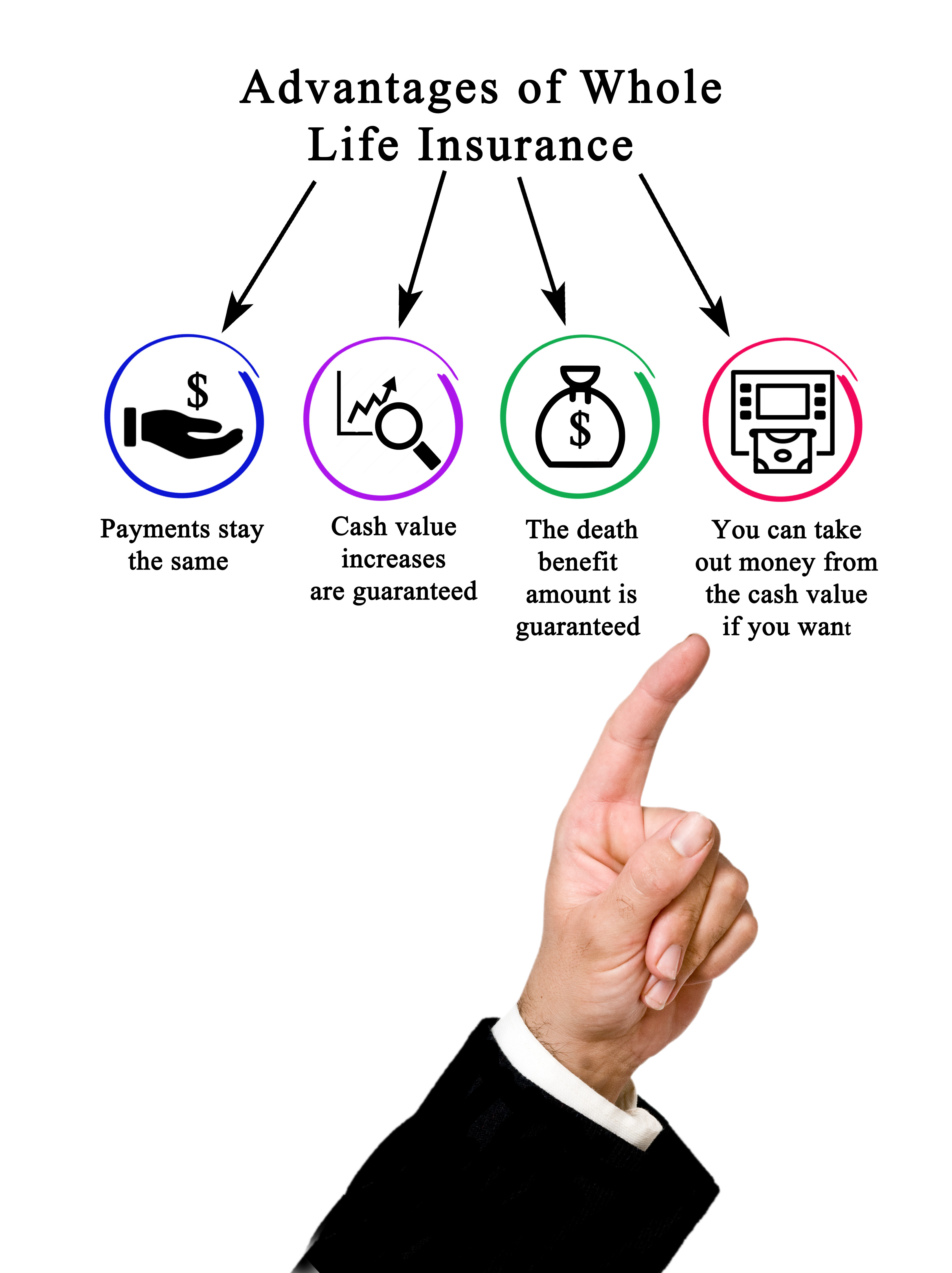
1. Lifetime Coverage: Unlike term life insurance, which covers a specific period, universal whole life insurance guarantees coverage for the entirety of one’s life. This permanence ensures that loved ones are provided for regardless of when the policyholder passes away, offering peace of mind and stability to families.

2. Cash Value Accumulation: One of the most appealing aspects of universal whole life insurance is its cash value component. A portion of the premiums paid accumulates as cash value over time, which policyholders can access through loans or withdrawals. This feature serves as a financial safety net, offering liquidity and flexibility during emergencies or to supplement retirement income.

3. Tax Advantages: The tax benefits associated with universal whole life insurance further enhance its appeal. The cash value growth within the policy is tax-deferred, meaning that policyholders are not required to pay taxes on the earnings until they withdraw them. Additionally, death benefits are typically received by beneficiaries tax-free, providing a substantial financial advantage to heirs.

4. Estate Planning Tool: Universal whole life insurance is a powerful tool for estate planning. It allows policyholders to transfer wealth to future generations efficiently, as the death benefit bypasses the probate process, ensuring a smooth and timely transfer of assets to beneficiaries. Moreover, the liquidity provided by the policy can help cover estate taxes and other expenses, preserving the integrity of the estate.

5. Financial Security and Stability: In an unpredictable world, universal whole life insurance offers a sense of financial security and stability. It provides a guaranteed death benefit, ensuring that loved ones are protected financially in the event of the policyholder’s passing. Moreover, the cash value component can be utilized to weather financial storms or pursue opportunities without compromising long-term goals.

Universal whole life insurance stands as a pillar of financial strength, offering comprehensive coverage, cash value accumulation, tax advantages, and estate planning benefits. In an uncertain world, having a reliable financial plan is essential, and universal whole life insurance provides individuals and families with the security and peace of mind they need to navigate life’s journey with confidence.

As always, individuals interested in purchasing insurance should consult with a qualified financial advisor to determine the most suitable options based on their unique circumstances and financial goals. Or if I can help you decide what coverage is best for your particular situation, please reach out, drop me a line or give me a call and I will be happy to assist you.

The Undeniable Benefits of Long-Term Care: A Vital Pillar in Healthcare

In an era where healthcare demands are evolving and populations are aging, the importance of long-term care (LTC) has never been more pronounced. Beyond providing essential support to individuals with chronic illnesses or disabilities, LTC offers a myriad of benefits that not only enhance quality of life but also contribute to overall societal well-being. Recent statistics underscore the crucial role LTC plays in the healthcare landscape, shedding light on its profound impact.

According to data from the National Center for Health Statistics, approximately 1 in 7 adults over the age of 65 require long-term care services, a figure expected to rise as the population continues to age. Additionally, the U.S. Department of Health and Human Services estimates that 70% of people turning 65 will need some form of LTC in their lifetime, with the average duration of care being around three years. These statistics underscore the prevalence and necessity of LTC in contemporary society.

Beyond the sheer necessity, long-term care offers a multitude of benefits to individuals and communities alike. Firstly, it provides specialized support tailored to the unique needs of each individual, whether it be assistance with activities of daily living, medical care, or emotional support. This personalized approach not only improves the quality of life for recipients but also alleviates the burden on family members who may otherwise struggle to provide care independently.

Furthermore, LTC services are instrumental in preventing and managing chronic conditions, reducing hospital readmissions, and promoting overall health and well-being. By offering access to skilled nursing care, rehabilitation services, and therapeutic interventions, LTC facilities empower individuals to maintain their independence and dignity while receiving the care they need.

Moreover, LTC facilities serve as hubs of community and social interaction, fostering meaningful connections and combating isolation, particularly among older adults. Through organized activities, outings, and communal dining experiences, residents have the opportunity to engage with peers, cultivate friendships, and maintain a sense of belonging—a crucial aspect of mental and emotional health.

From an economic standpoint, investing in long-term care yields substantial returns by reducing healthcare costs associated with preventable hospitalizations and complications. Studies have shown that for every dollar spent on LTC services, significant savings are realized in terms of healthcare expenditures, highlighting the cost-effectiveness of early intervention and ongoing support.

In light of these benefits, policymakers and healthcare stakeholders are increasingly recognizing the importance of prioritizing and expanding access to long-term care services. Initiatives aimed at strengthening LTC infrastructure, enhancing workforce training, and promoting community-based care models are essential steps towards ensuring that individuals receive the support they need, when they need it.

Long-term care is not merely a healthcare necessity but a fundamental component of a compassionate and sustainable society. By acknowledging its benefits and investing in its expansion and improvement, we can uphold the dignity, autonomy, and well-being of individuals across the lifespan.

As the population continues to age, the importance of long-term care will only grow, making it imperative for policymakers, healthcare providers, and communities to collaborate in ensuring its accessibility and effectiveness for all who require it. If you need help navigating the long-term care maize feel free to reach out, drop me a line, or give me a call and we can review your options together. Because together we all can accomplish more.

In a Volatile World, Disability Insurance Offers Crucial Protection

In an unpredictable world where unforeseen circumstances can disrupt livelihoods in an instant, the significance of disability insurance cannot be overstated. Beyond traditional health coverage, disability insurance serves as a financial safety net, offering protection against the economic ramifications of unexpected disabilities or injuries. As individuals and families navigate the complexities of modern life, understanding the importance of disability insurance has become paramount.

Disability insurance provides a source of income replacement for individuals who are unable to work due to a disabling illness or injury. Whether temporary or permanent, such conditions can profoundly impact one’s ability to earn an income, thereby jeopardizing financial stability. In such instances, disability insurance steps in to bridge the gap, ensuring that essential expenses are covered and maintaining a semblance of financial security.

The need for disability insurance extends across all demographics. Contrary to popular belief, disabilities are not solely the result of catastrophic events but can also stem from chronic illnesses, mental health conditions, or even routine accidents. Moreover, disabilities can strike anyone at any time, irrespective of age or occupation. Therefore, having adequate disability insurance coverage is essential for safeguarding one’s financial future.

For individuals reliant on their income to support themselves and their families, the absence of disability insurance can lead to dire consequences. Without a steady stream of income, meeting financial obligations such as mortgage payments, utility bills, and medical expenses can become daunting tasks. In the absence of proper coverage, individuals may be forced to exhaust savings, liquidate assets, or even incur significant debt to make ends meet.

Furthermore, disability insurance offers peace of mind not only to policyholders but also to their loved ones. By mitigating the financial strain associated with disabilities, it alleviates the burden on family members who may otherwise be tasked with providing care or financial support. In doing so, disability insurance helps preserve familial relationships and promotes overall well-being.

Despite its undeniable importance, disability insurance remains overlooked by many. According to a survey conducted by the Council for Disability Awareness, nearly half of all U.S. adults lack any form of disability insurance, leaving them vulnerable to financial hardship in the event of a disability. Addressing this gap requires increased awareness and proactive measures to encourage individuals to prioritize disability insurance as an integral component of their financial planning.

In light of the ongoing COVID-19 pandemic and its widespread impact on public health and employment, the need for disability insurance has never been more apparent. The pandemic has underscored the fragility of our health and livelihoods, emphasizing the importance of preparing for unforeseen circumstances. As individuals reassess their priorities and plan for an uncertain future, disability insurance offers a practical solution for mitigating financial risks and ensuring long-term security.

Disability insurance serves as a vital lifeline for individuals and families, offering protection against the economic ramifications of disabilities or injuries. By providing income replacement and alleviating financial strain, disability insurance fosters resilience in the face of adversity. As society grapples with an increasingly volatile landscape, recognizing the importance of disability insurance is imperative for securing a stable and prosperous future.

Empowering Seniors: Unveiling the Essentials of Medicare Supplement Policies

In an era where healthcare costs are on the rise, individuals covered by Medicare are increasingly turning to Medicare supplement policies to bridge the gaps in their coverage. These supplemental policies, also known as Medigap plans, play a crucial role in providing additional benefits and financial security for seniors across the nation.

Medicare supplement policies are designed to complement original Medicare (Part A and Part B) by covering expenses such as copayments, deductibles, and coinsurance. With various plan options available, beneficiaries can choose the coverage that best suits their individual healthcare needs.

One of the key advantages of Medicare supplement policies is the flexibility they offer. Unlike Medicare Advantage plans, which are managed by private insurance companies and may restrict access to certain healthcare providers, Medigap plans allow beneficiaries to visit any doctor or specialist that accepts Medicare.

Additionally, these policies often include coverage for services not covered by original Medicare, such as emergency medical care during foreign travel. This added layer of protection can be particularly appealing to seniors with an adventurous spirit or those who frequently travel internationally.

However, it’s important for beneficiaries to be aware that Medicare supplement policies do not include prescription drug coverage. For this aspect, individuals may need to enroll in a separate Medicare Part D prescription drug plan.

Understanding the various Medigap plans and their coverage options can be a complex task. It’s recommended that individuals carefully compare plans to find the one that aligns with their specific healthcare needs and budget.

As healthcare continues to evolve, the role of Medicare supplement policies becomes increasingly vital in ensuring that seniors receive the comprehensive coverage they need without breaking the bank. For those navigating the intricate landscape of Medicare options, exploring the world of Medigap plans could be the key to unlocking a more secure and worry-free healthcare experience. If you need help deciding on a Supplemental policy give me a call, shoot me an email or leave me a comment and we can chose a plan that’s right for you.