Practical Strategies for Building Unshakable Confidence

In a society that demands constant adaptation and resilience, confidence has emerged as a critical asset for both personal and professional growth. Whether it’s presenting a new project at work, navigating social interactions, or pursuing new ventures, confidence can significantly impact one’s ability to achieve success.

The Importance of Confidence

Confidence is more than just a feeling; it’s a fundamental trait that influences how individuals approach challenges and opportunities. Research indicates that confident people are more likely to take risks, persevere through setbacks, and achieve their goals. Dr. Sarah Thompson, a psychologist specializing in self-esteem and motivation, explains, “Confidence acts as a catalyst for action. It empowers individuals to step out of their comfort zones and embrace growth.”

Building Confidence: Practical Strategies

  1. Set Achievable Goals: Setting small, attainable goals can provide a sense of accomplishment and boost self-esteem. Achieving these goals creates a positive feedback loop, encouraging individuals to tackle more significant challenges.
  2. Embrace Failure: Viewing failure as a learning opportunity rather than a setback is crucial. By understanding that mistakes are a natural part of the growth process, individuals can develop resilience and a more positive outlook.
  3. Positive Self-Talk: The way we talk to ourselves matters. Replacing negative thoughts with positive affirmations can reshape our self-perception. “I am capable,” and “I can handle this” are powerful statements that can enhance confidence.
  4. Skill Development: Building competence in specific areas through education and practice can naturally increase confidence. As skills improve, so does the belief in one’s abilities.
  5. Seek Support: Surrounding oneself with supportive and encouraging individuals can make a significant difference. Constructive feedback and encouragement from others can bolster self-confidence.

The Workplace Connection

In the professional realm, confidence is often linked to leadership and success. Companies are increasingly recognizing the value of confident employees who can lead teams, innovate, and drive organizational growth. “Confident employees are more likely to take initiative, propose new ideas, and navigate the uncertainties of the business world,” notes John Carter, CEO of a leading consulting firm.

Confidence in Action: Success Stories

Consider the story of Emily Davis, a marketing manager who transformed her career by building confidence. Initially hesitant to voice her ideas, Emily started setting small goals and practicing positive self-talk. Over time, she began presenting her ideas more assertively, eventually leading her team to a successful product launch that garnered industry accolades.

Similarly, Michael Rodriguez, a recent college graduate, used confidence-building techniques to secure his dream job. Despite initial rejections, he remained persistent, refining his skills and maintaining a positive outlook. His confidence during interviews eventually landed him a coveted position at a top tech firm.

Confidence is a vital attribute that can be developed with intentional effort and practice. By setting achievable goals, embracing failure, practicing positive self-talk, developing skills, and seeking support, individuals can enhance their confidence and unlock new opportunities for success. As society continues to evolve, the importance of confidence in personal and professional spheres cannot be overstated. Building confidence is not just about achieving goals; it’s about fostering a mindset that empowers individuals to live their fullest potential.

Navigating Self-Improvement in the Digital Age

When technology rapidly evolves and societal norms continuously shift, self-improvement has emerged as a prominent movement, captivating the attention of millions worldwide. From mindfulness practices to professional development, the pursuit of personal growth has become a defining feature of contemporary life.

The Rise of Self-Improvement

The self-improvement industry has seen exponential growth in recent years. According to Market Research Future, the global personal development market is projected to reach USD $41.81 billion by 2027, expanding at a compound annual growth rate (CAGR) of 5.1%. This surge is driven by a growing awareness of mental health, the want for work-life balance, and the accessibility of self-improvement resources.

Digital Platforms Fuel Growth

The advent of digital platforms has revolutionized access to self-improvement content. Podcasts, webinars, and online courses offer a plethora of resources, enabling individuals to embark on their personal development journeys from the comfort of their homes. Popular platforms like MasterClass, Skillshare, and Coursera give courses on a wide range of topics, from leadership skills to creative writing, making self-improvement more accessible than ever before.

Mindfulness and Mental Health

Mindfulness and mental health have become central themes in the self-improvement narrative. The rise of mindfulness apps like Headspace and Calm underscores the increasing recognition of the importance of mental well-being. These apps offer guided meditations, breathing exercises, and sleep stories, helping users manage stress and improve their mental health.

Dr. Sarah Thompson, a psychologist and mindfulness expert, explains, “The integration of mindfulness practices into daily life can lead to significant improvements in mental health, reducing anxiety and depression while enhancing overall well-being.”

Professional Development

In the professional realm, self-improvement is closely linked with career advancement. Employers are increasingly recognizing the value of investing in their employees’ personal development. Programs focused on leadership training, communication skills, and emotional intelligence are becoming commonplace in the corporate world.

John Miller, CEO of a leading tech firm, emphasizes, “Continuous learning and development are crucial for staying competitive in today’s fast-paced business environment. By investing in our employees’ growth, we not only enhance their skills but also foster a culture of innovation and resilience.”

The Role of Social Media

Social media has played a pivotal role in popularizing self-improvement. Influencers and thought leaders share their journeys, offering tips and inspiration to their followers. Hashtags like #SelfImprovement, #PersonalGrowth, and #Mindfulness have garnered millions of posts, creating a global community of individuals committed to bettering themselves.

However, experts caution against the potential downsides of social media-driven self-improvement. Dr. Emily Roberts, a sociologist, notes, “While social media can be a valuable source of inspiration, it can also create unrealistic expectations and contribute to feelings of inadequacy. It’s important for individuals to set realistic goals and understand that personal growth is a continuous, individualized process.”

Looking Ahead

The future of self-improvement looks promising as more people embrace the journey of personal growth. As technological advancements continue and societal attitudes towards mental health evolve, the self-improvement movement is poised to make a lasting impact on individuals and communities worldwide.

The self-improvement surge is a significant cultural shift towards prioritizing personal growth and well-being. With the support of digital platforms, corporate initiatives, and a global community, individuals are empowered to embark on their unique journeys of self-discovery and development. As the movement continues to gain momentum, it holds the potential to transform lives and shape a more mindful, resilient, and fulfilled society.

Why We Should Never Settle for Less Than What We Deserve

In a world that often emphasizes compromise and contentment, the notion of “never settling for less than we deserve” can seem almost radical. Yet, this principle is crucial for personal growth, happiness, and overall well-being. Here’s why we should always strive for what we truly deserve and never settle for less.

The Importance of Self-Worth

At the core of never settling is the recognition of one’s self-worth. Understanding and valuing yourself is fundamental to setting the standards for what you deserve in life, be it in relationships, career, or personal goals. When we settle for less, we undermine our own value, sending a message to ourselves and others that we are not worth more. This can lead to a cycle of dissatisfaction and low self-esteem.

Professional Fulfillment

In the workplace, settling for less than you deserve can have long-lasting impacts on your career trajectory and job satisfaction. Accepting a job that does not challenge you or offer growth opportunities can lead to stagnation. Moreover, settling for a lower salary than you’re worth can affect your financial stability and sense of professional accomplishment. Advocating for what you deserve in your career helps you achieve your potential and find fulfillment in your work.

Healthy Relationships

Settling in relationships can be particularly damaging. Whether in friendships or romantic relationships, accepting less than you deserve can lead to feelings of resentment, unhappiness, and a lack of fulfillment. Healthy relationships are built on mutual respect, support, and shared values. By not settling, you ensure that your relationships are enriching and positive, rather than draining and detrimental.

Personal Growth and Happiness

Personal growth stems from the pursuit of our true desires and aspirations. When we settle for less, we often put our dreams and ambitions on hold, leading to regret and dissatisfaction. Striving for what we truly deserve encourages continuous growth and the realization of our full potential. This pursuit is not about perfection but about setting realistic, yet ambitious goals that push us towards a fulfilling and happy life.

The Power of Perseverance

Choosing not to settle requires perseverance and resilience. It means facing challenges head-on and not giving up in the face of adversity. This perseverance builds character and resilience, equipping us with the strength to overcome obstacles and achieve our goals. The journey of striving for what we deserve can be demanding, but it is ultimately rewarding and empowering.

A Positive Ripple Effect

When we refuse to settle, we not only benefit ourselves but also inspire others to do the same. Our actions can create a ripple effect, encouraging friends, family, and even colleagues to recognize their own worth and strive for what they deserve. This collective mindset can lead to a more empowered and motivated community.

Never settling for less than we deserve is not about being unrealistic or overly demanding; it’s about recognizing our worth and striving for a life that reflects our true potential. Whether in our careers, relationships, or personal endeavors, holding ourselves to this standard ensures a more fulfilling, happy, and meaningful existence. In the end, we owe it to ourselves to pursue the best that life has to offer.

Preparing for Retirement: Key Questions to Ask Yourself

As retirement approaches, the excitement of new possibilities often mingles with apprehension about the unknown. To ensure a smooth transition into this new chapter, it’s crucial to reflect on several key questions. These questions will help clarify your financial readiness, lifestyle aspirations, and overall preparedness, ensuring your retirement years are as fulfilling as they are secure.

1. Have I Saved Enough?

One of the most fundamental questions is whether you have saved enough to sustain your desired lifestyle throughout retirement. Consider the following:

  • Current Savings and Investments: Assess your retirement accounts, savings, and other investments. Are they sufficient to support you for 20-30 years, considering inflation and healthcare costs?
  • Expected Expenses: Calculate your anticipated monthly expenses, including housing, utilities, food, healthcare, and leisure activities. Don’t forget to account for unexpected costs.
  • Income Sources: Identify all potential income sources, such as Social Security, pensions, annuities, and part-time work.

2. What Will My Retirement Lifestyle Be Like?

Envisioning your day-to-day life in retirement is essential for financial and emotional planning.

  • Hobbies and Activities: What activities and hobbies do you plan to pursue? Will you travel, volunteer, or engage in new educational opportunities?
  • Living Arrangements: Do you plan to stay in your current home, downsize, or relocate to a different city or country?
  • Social Connections: How will you maintain and build social connections? Consider the role of community involvement and proximity to family and friends.

3. Am I Prepared for Healthcare Costs?

Healthcare is a significant expense in retirement. Ask yourself:

  • Insurance Coverage: Have you reviewed your Medicare options and other supplemental insurance plans?
  • Long-Term Care: Have you considered long-term care insurance or other strategies to cover potential long-term care needs?
  • Health and Wellness: How will you stay healthy and active to minimize medical costs and improve your quality of life?

4. Do I Have a Solid Financial Plan?

A comprehensive financial plan is crucial for managing your resources effectively.

  • Budgeting: Have you created a detailed retirement budget? Are you comfortable adjusting it as needed?
  • Debt Management: Have you paid off outstanding debts, or do you have a strategy to manage them in retirement?
  • Estate Planning: Have you updated your will, established a trust, or designated beneficiaries for your accounts?

5. What Will Give My Life Purpose?

Retirement is not just about financial security; it’s also about finding meaning and fulfillment.

  • Passions and Interests: What are you passionate about? How can you incorporate these passions into your daily life?
  • Volunteering and Giving Back: Are there causes or organizations you want to support through volunteer work or donations?
  • Personal Growth: How will you continue to learn and grow? Consider activities that challenge you mentally and physically.

6. Have I Consulted with Professionals?

Expert advice can provide clarity and confidence.

  • Financial Advisors: Have you consulted with a financial advisor to ensure your plan is robust and adaptable?
  • Legal Advisors: Have you sought legal advice for estate planning and other legal matters?
  • Healthcare Professionals: Have you discussed your retirement health plans with your healthcare providers?

Preparing for retirement involves more than just financial planning; it requires a holistic approach that considers your lifestyle, health, and personal fulfillment. By asking yourself these critical questions, you can create a comprehensive plan that ensures a smooth and satisfying transition into your retirement years. Take the time to reflect, plan, and seek advice, so you can embrace this new chapter with confidence and enthusiasm.

The Importance of Mental Health at Every Life Stage

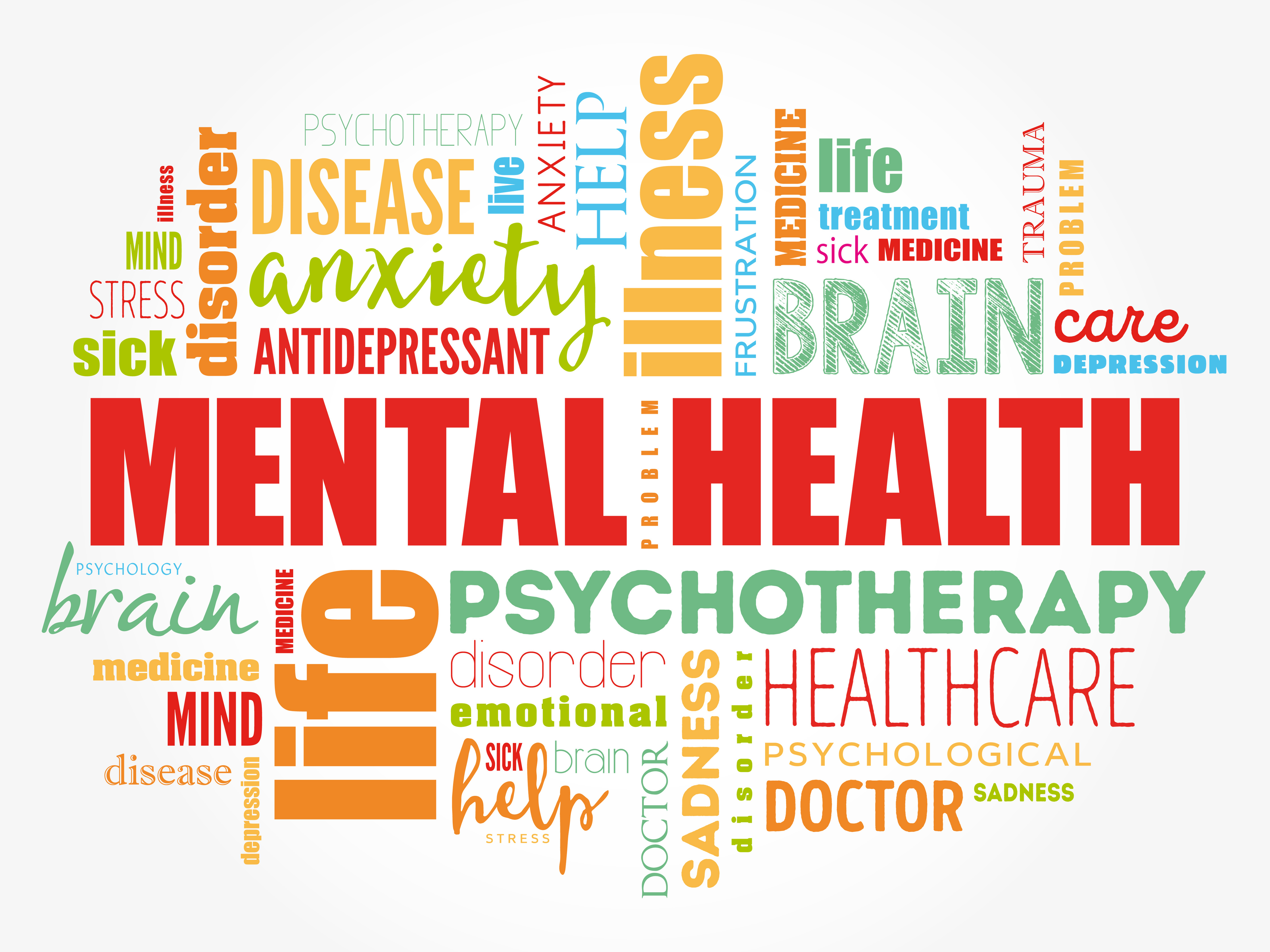
In this day and age where the pace of life is ever-increasing and the demands of daily living are constantly evolving, the importance of mental health cannot be overstated. From childhood to old age, taking care of your mental health is crucial for overall well-being and quality of life.

Mental Health in Childhood

For children, mental health is the foundation for future development. A child’s early experiences shape their brain development, influencing their emotional and social capabilities. According to the American Psychological Association, untreated mental health issues in childhood, such as anxiety or depression, can lead to difficulties in school, trouble forming healthy relationships, and an increased risk of substance abuse later in life. Early intervention and support from parents, teachers, and mental health professionals can help children develop resilience and coping skills.

Adolescence: A Critical Period

Adolescence is a critical period for mental health, as teenagers navigate the complexities of identity, relationships, and academic pressures. The World Health Organization (WHO) reports that half of all mental health conditions start by age 14, but most cases are undetected and untreated. Encouraging open conversations about mental health, reducing stigma, and providing access to mental health services are essential for supporting adolescents during this tumultuous time. Schools and communities play a pivotal role in creating safe environments where young people feel empowered to seek help.

Adult Mental Health: Balancing Responsibilities

Adulthood brings a new set of challenges, including career pressures, family responsibilities, and financial stress. The National Institute of Mental Health (NIMH) highlights that adults with untreated mental health issues are at risk for chronic diseases, decreased productivity, and strained relationships. Regular self-care practices, such as exercise, healthy eating, and mindfulness, can help manage stress. Employers can contribute by fostering a supportive workplace culture and offering mental health resources.

Aging and Mental Health

Mental health remains important in older adulthood, where issues such as loneliness, grief, and physical health problems can impact well-being. According to the Centers for Disease Control and Prevention (CDC), depression and anxiety are common among older adults but often go undiagnosed. Staying socially active, engaging in mentally stimulating activities, and seeking support for mental health concerns can significantly enhance the quality of life for seniors.

Breaking the Stigma

Across all ages, one of the biggest barriers to seeking help is the stigma associated with mental health issues. Education and awareness campaigns can play a crucial role in normalizing mental health care. Encouraging open discussions about mental health, sharing personal stories, and promoting the message that it’s okay to seek help are vital steps in breaking down these barriers.

The Role of Technology

In recent years, technology has become a valuable tool in mental health care. Teletherapy, mental health apps, and online support groups provide accessible options for those seeking help. However, it’s important to ensure that these digital solutions are used in conjunction with traditional care methods and are accessible to people of all ages.

Taking care of your mental health is a lifelong commitment that requires attention and effort at every stage of life. Whether it’s a child learning to navigate emotions, a teenager dealing with peer pressure, an adult balancing work and family, or a senior facing the challenges of aging, mental health matters. By prioritizing mental health and breaking down the barriers to seeking help, we can build a healthier, more resilient society where everyone can thrive.


Sources:

  1. American Psychological Association (APA)
  2. World Health Organization (WHO)
  3. National Institute of Mental Health (NIMH)
  4. Centers for Disease Control and Prevention (CDC)

The Power of the Early Riser: Why Your Wake-Up Time Shapes a Winning Attitude

In a world that constantly champions productivity and success, the adage “the early bird catches the worm” holds more weight than ever. Research and anecdotal evidence alike suggest that waking up early is not just about starting your day with the sunrise, but about cultivating a winning attitude that permeates every aspect of life. Here’s why the time you wake up can make all the difference.

The Science of Waking Up Early

Numerous studies have shown that early risers tend to exhibit characteristics associated with a winning attitude, such as enhanced productivity, better mental health, and improved physical health. A study by the University of Toronto found that early risers are generally happier and healthier than night owls. The reason? Our bodies are wired to respond to the natural light and dark cycles, known as circadian rhythms. Aligning our waking hours with daylight helps regulate our biological clock, leading to better sleep quality and overall well-being.

Productivity and Focus

Waking up early provides a head start on the day. Morning hours are typically free from distractions, offering a quiet and focused environment conducive to deep work. Successful individuals like Apple CEO Tim Cook and Virgin Group founder Richard Branson swear by their early morning routines. These quiet hours allow for strategic planning, goal setting, and tackling high-priority tasks before the demands of the day begin to mount.

Mental Health Benefits

The psychological benefits of waking up early extend beyond mere productivity. Early risers often report lower levels of stress and anxiety. According to a study published in the journal Psychiatric Research, those who wake up earlier tend to have more positive moods and are less likely to develop depression. This is partly due to the sense of control and accomplishment that comes with starting the day early and partly because early risers are more likely to engage in morning exercise, which has well-documented mood-boosting effects.

Physical Health and Fitness

Morning routines often include time for physical activity, which is crucial for maintaining a healthy body and mind. Regular morning exercise boosts metabolism, improves energy levels, and enhances cognitive function. Additionally, those who wake up early are more likely to eat a healthy breakfast, which sets a positive tone for dietary choices throughout the day. The combination of physical activity and good nutrition contributes to overall fitness and well-being, essential components of a winning attitude.

Building Discipline and Resilience

The habit of waking up early requires discipline, a trait that is integral to success. Overcoming the initial struggle to leave the comfort of bed builds mental resilience. This discipline often translates into other areas of life, fostering a mindset that embraces challenges and persists in the face of obstacles. The ability to consistently wake up early, even when it’s difficult, reinforces a growth mindset and a strong work ethic.

In essence, the time you wake up sets the tone for the rest of your day. Early risers gain a psychological and practical edge, cultivating a winning attitude that is reflected in their productivity, mental health, physical well-being, and overall life satisfaction. While waking up early is not a panacea and individual preferences vary, the benefits of aligning your schedule with natural circadian rhythms and seizing the morning hours cannot be overstated. For those striving for success, the first step might just be as simple as setting an earlier alarm.

Common Misconceptions About Nutrition and Healthy Eating

In today’s information age, navigating the world of nutrition and healthy eating can be overwhelming. With countless diets, conflicting advice, and a plethora of “superfoods” touted for miraculous benefits, it’s easy to get lost in misinformation. Here, we debunk some of the most common misconceptions about nutrition and healthy eating.

Myth 1: Carbs Are the Enemy

Carbohydrates often get a bad rap, especially with the popularity of low-carb diets like keto and Atkins. However, not all carbs are created equal. Whole grains, fruits, vegetables, and legumes are rich in essential nutrients and fiber. They provide sustained energy and are a vital part of a balanced diet. Cutting out carbs entirely can lead to nutrient deficiencies and lack of energy.

Myth 2: Fat-Free Means Healthy

The fat-free craze of the 1990s led many to believe that all dietary fat is bad. However, fats are essential for absorbing vitamins A, D, E, and K, and for maintaining cell membranes. The key is to choose healthy fats, such as those found in avocados, nuts, seeds, and olive oil, and to avoid trans fats and excessive saturated fats.

Myth 3: You Need to Detox Your Body

Detox diets and cleanses promise to rid the body of toxins and promote rapid weight loss. However, the body is naturally equipped with its own detoxification system—the liver, kidneys, and digestive tract. No scientific evidence supports the need for external detox products. A balanced diet, regular exercise, and adequate hydration are sufficient for maintaining your body’s natural detoxification processes.

Myth 4: Skipping Meals Helps You Lose Weight

Skipping meals, especially breakfast, can lead to overeating later in the day and disrupt your metabolism. Regular, balanced meals help maintain stable blood sugar levels and prevent the extreme hunger that leads to poor food choices. Eating a nutritious breakfast can kickstart your metabolism and provide the energy needed to start your day.

Myth 5: All Calories Are Equal

While calorie counting can be helpful for weight management, not all calories have the same nutritional value. For instance, 200 calories from a sugary soda do not provide the same nutrients as 200 calories from a serving of mixed nuts. Nutrient-dense foods provide vitamins, minerals, fiber, and other beneficial compounds, which are essential for overall health.

Myth 6: Supplements Can Replace a Balanced Diet

Dietary supplements can be beneficial for addressing specific deficiencies, but they should not replace whole foods. Whole foods offer a complex matrix of nutrients that work together synergistically. Over-reliance on supplements can lead to imbalances and neglect the benefits of a diverse diet.

Myth 7: Eating Late at Night Causes Weight Gain

The idea that eating late at night directly causes weight gain is a misconception. What matters more is the total caloric intake and the quality of the food consumed throughout the day. Eating a large, unhealthy meal late at night can lead to weight gain, but this is due to overall poor dietary habits rather than the timing of the meal.

Myth 8: You Must Avoid Gluten to Be Healthy

Unless you have celiac disease or gluten sensitivity, there is no need to avoid gluten. Whole grains that contain gluten, such as wheat, barley, and rye, are rich in fiber, vitamins, and minerals. A gluten-free diet can sometimes be lower in fiber and other important nutrients, making it less healthy for people without gluten-related disorders.

Understanding the facts about nutrition is crucial for making informed dietary choices. Instead of falling for trendy diets and misconceptions, focusing on a balanced diet rich in whole foods, healthy fats, lean proteins, and complex carbohydrates can lead to better health and well-being. Consulting with a registered dietitian or nutritionist can also provide personalized advice tailored to your individual needs.

Positive Attitude Linked to Healthier Living, Experts Say

In a world where physical health often takes center stage, emerging research highlights the profound impact of mental outlook on overall well-being. Experts are increasingly pointing to the power of a positive attitude as a key contributor to healthier living, advocating that the right mindset can pave the way to a longer, more vibrant life.

The Science Behind Positivity

A growing body of evidence suggests that a positive attitude does more than just lift spirits; it significantly influences physical health. Studies published in medical journals such as the Journal of the American Medical Association (JAMA) have shown that individuals who maintain an optimistic outlook are less likely to develop chronic diseases such as heart disease and diabetes. Positive thinkers tend to have lower levels of stress-related hormones like cortisol, which are linked to various health problems when chronically elevated.

Dr. Samantha Greene, a psychologist specializing in health psychology, explains, “When we are optimistic, we are more likely to engage in healthy behaviors such as exercising regularly, eating balanced diets, and getting adequate sleep. Additionally, positive thinking reduces the physiological impact of stress, thereby decreasing the risk of stress-related illnesses.”

Mental Health and Physical Health: A Symbiotic Relationship

The link between mental and physical health is undeniable. Optimism has been associated with better immune function, quicker recovery from illnesses, and even increased lifespan. A landmark study from Harvard University tracked 70,000 women over eight years and found that those who reported higher levels of optimism had a significantly lower risk of dying from several major causes, including cancer, heart disease, stroke, respiratory disease, and infection.

Moreover, positive attitude influences health-promoting behaviors. Optimistic individuals are more likely to adhere to medical advice, seek preventive care, and engage in physical activity. They are also more resilient, better equipped to cope with challenges, and less likely to succumb to the adverse effects of stress.

Practical Steps to Foster Positivity

While the benefits of a positive outlook are clear, cultivating such an attitude can be challenging. Here are some practical steps to help foster positivity:

  1. Practice Gratitude: Regularly reflecting on the things you are thankful for can shift your focus from negative to positive aspects of life.
  2. Engage in Physical Activity: Exercise is a natural mood booster that can help reduce anxiety and improve mental health.
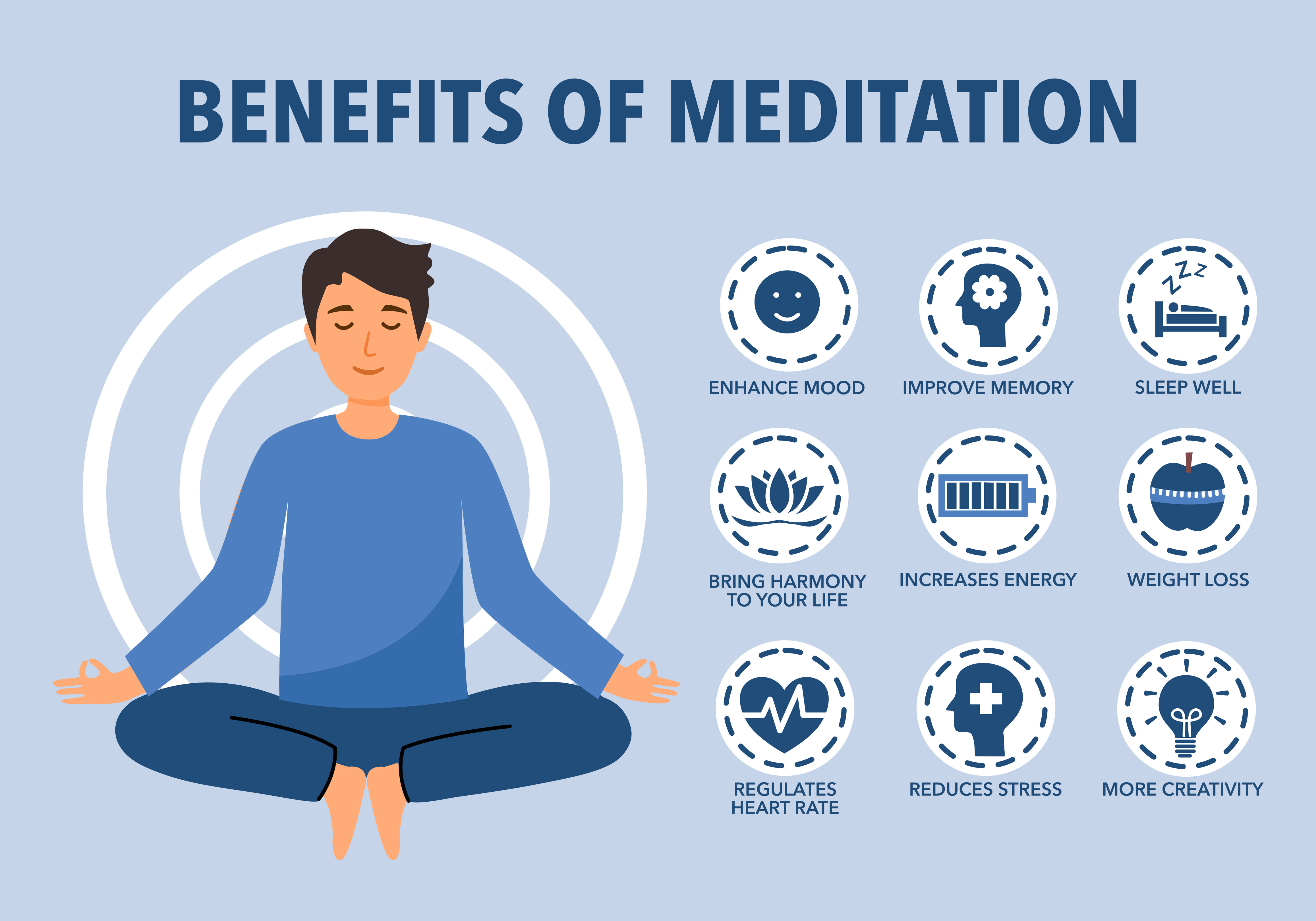
  3. Mindfulness and Meditation: These practices help you stay grounded in the present moment, reducing stress and promoting a sense of well-being.
  4. Build Strong Relationships: Surrounding yourself with supportive and positive people can enhance your mood and outlook.
  5. Set Realistic Goals: Achieving small, manageable goals can create a sense of accomplishment and forward momentum.

Real-Life Impact

Consider the case of John Martinez, a 55-year-old from Seattle who turned his life around by adopting a positive outlook. After being diagnosed with hypertension, John joined a local wellness group where he learned about the power of positive thinking. By integrating gratitude exercises, regular walks, and mindfulness meditation into his routine, John not only managed to lower his blood pressure but also reported feeling more energetic and hopeful.

“Changing my mindset was like flipping a switch,” John shares. “I started seeing challenges as opportunities rather than setbacks, and my health has never been better.”

The message from health experts is clear: a positive attitude is not just about feeling good; it is a crucial component of healthy living. By fostering optimism and focusing on the positive aspects of life, individuals can significantly enhance their physical health and overall quality of life. As the research continues to evolve, one thing remains certain—embracing a positive outlook can lead to a healthier, more fulfilling life.


The Everlasting Benefits of Lifelong Learning

In an era defined by rapid technological advancements and ever-evolving industries, the concept of lifelong learning has emerged as a cornerstone for personal and professional development. Embracing a mindset of continuous education not only enhances individual knowledge and skills but also brings forth a myriad of societal benefits. As the world navigates through a landscape of constant change, the significance of lifelong learning has never been more pronounced.

1. Adaptability and Resilience: Lifelong learning fosters adaptability and resilience in individuals, equipping them with the ability to navigate through uncertainties and challenges. In a dynamic job market where roles and requirements evolve rapidly, those committed to continuous learning are better prepared to embrace change and thrive amidst disruption. By staying abreast of emerging trends and technologies, individuals can remain relevant and resilient in the face of shifting professional landscapes.

2. Career Advancement and Opportunities: The pursuit of lifelong learning opens doors to a plethora of career advancement opportunities. Acquiring new skills and knowledge not only enhances one’s existing expertise but also broadens their professional horizons. Employers increasingly value candidates who demonstrate a commitment to ongoing development, making lifelong learners more attractive in the job market. Furthermore, lifelong learning empowers individuals to explore new career paths, transition between industries, and pursue entrepreneurial ventures with confidence.

3. Cognitive Health and Well-being: Engaging in continuous learning stimulates cognitive function and promotes mental well-being. Research indicates that lifelong learning activities, such as reading, attending classes, or learning a new language, can contribute to improved memory, critical thinking, and overall brain health. Furthermore, the intellectual stimulation provided by lifelong learning has been linked to a reduced risk of cognitive decline and age-related cognitive impairments, underscoring its role in promoting healthy aging and quality of life.

4. Personal Growth and Fulfillment: Beyond professional aspirations, lifelong learning facilitates personal growth and fulfillment. Whether pursuing a passion, delving into a new hobby, or acquiring knowledge for the sheer joy of learning, the journey of lifelong learning enriches individuals on a profound level. It nurtures curiosity, creativity, and self-discovery, fostering a sense of fulfillment and purpose. By continuously expanding their intellectual horizons, individuals cultivate a deeper understanding of the world around them and forge meaningful connections with diverse communities.

As society continues to evolve in the digital age, the importance of lifelong learning cannot be overstated. It serves as a catalyst for personal and professional growth, empowering individuals to adapt, thrive, and contribute meaningfully to a rapidly changing world. By embracing a commitment to lifelong learning, individuals not only invest in their own success but also contribute to the collective advancement of society as a whole. In an era defined by innovation and progress, lifelong learning stands as a beacon of opportunity, offering endless possibilities for those who dare to pursue knowledge without bounds.

Personal Finance Strategies and Resilience Propel Many Towards Financial Freedom

In a world often characterized by mounting debts and financial uncertainty, tales of triumph over fiscal adversity shine like beacons of hope. Across diverse demographics, individuals are harnessing determination and strategic planning to liberate themselves from the suffocating grasp of debt. These success stories not only inspire, but also offer invaluable lessons in navigating the complex terrain of personal finance.

Rising from the Depths

Meet Sarah Ramirez, a 34-year-old marketing executive from Chicago, whose journey from debt-ridden despair to financial sovereignty is nothing short of remarkable. Faced with mounting credit card bills and student loans, Ramirez confronted her financial reality head-on. “I reached a breaking point where I knew something had to change,” she recounts.

Employing a combination of budgeting, frugality, and side hustles, Ramirez embarked on a debt repayment journey. “Every extra dollar went towards paying off debt,” she explains. Sacrifices were made, but the sense of liberation from financial burdens spurred her forward.

Strategies for Success

Ramirez’s story is emblematic of a broader trend where individuals are leveraging various strategies to conquer debt. Financial experts emphasize the importance of creating a detailed budget, distinguishing between essential and discretionary spending, and negotiating lower interest rates with creditors.

Moreover, the burgeoning gig economy offers a plethora of opportunities for supplementary income. From freelance writing to ride-sharing, individuals are tapping into their skills and passions to boost earnings and expedite debt repayment.

Community Support and Accountability

For many, the journey out of debt is not solitary. Online forums, support groups, and accountability partners provide crucial encouragement and guidance. “Sharing my progress and setbacks with others kept me accountable,” notes Ramirez, who found solace in virtual communities dedicated to financial wellness.

Additionally, seeking professional assistance from credit counselors or financial advisors can provide tailored strategies and expert insights to navigate complex financial landscapes.

The Road to Financial Freedom

As success stories like Ramirez’s proliferate, the notion of financial freedom becomes increasingly tangible for countless individuals burdened by debt. However, the path to solvency is fraught with challenges, requiring discipline, perseverance, and resilience.

Nevertheless, the rewards are profound. Beyond the alleviation of financial stress, escaping the debt trap empowers individuals to pursue their passions, invest in their futures, and cultivate a sense of security for themselves and their loved ones.

As Ramirez reflects on her journey, she is filled with gratitude for the newfound freedom she enjoys. “Breaking free from debt was the best decision I ever made,” she declares. Her story serves as a beacon of hope for all those navigating the tumultuous waters of financial hardship, reminding us that with determination and discipline, financial liberation is within reach.