Nike Stock Decline: Key Factors and Recovery Strategies

Nike’s stock has experienced a significant decline over the past year, with shares dropping from a high of $175 to approximately $77, marking a decrease of over 55%.

Factors Contributing to the Decline

  1. Overvaluation Concerns: In 2021, Nike’s stock reached an all-time peak at over $170 per share, a valuation some experts considered overhyped. The market is now adjusting to more realistic valuations. sneakerfreaker.com
  2. Increased Competition: Brands like Hoka and On have gained popularity, capturing market share from Nike. sneakerfreaker.com
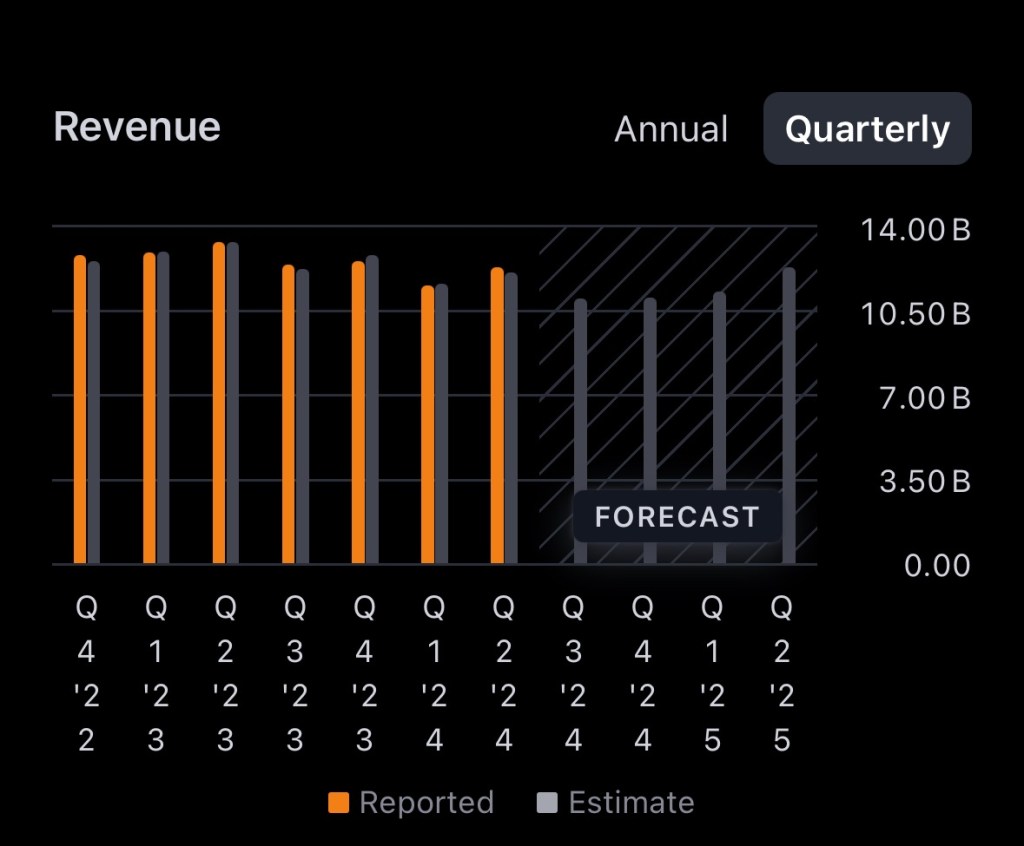
  3. Sales and Revenue Challenges: In its fiscal Q4 2024, Nike reported a 2% year-over-year revenue decline to $12.6 billion, missing analyst expectations. The company also projected a 10% sales decline for the current quarter, attributing it to aggressive management of classic footwear lines and challenges in digital sales. Fast Company

Strategic Initiatives for Recovery

Under the leadership of new CEO Elliott Hill, Nike is implementing a turnaround plan focusing on:

  • Refocusing on Sports: Hill emphasizes a return to Nike’s roots by prioritizing athlete-centered product innovation and storytelling, targeting key categories such as running, basketball, and training. Business Insider
  • Reducing Discounting: To protect brand integrity, Nike plans to limit promotional sales and focus on full-price, premium products. Business Insider
  • Rebuilding Retail Partnerships: The company aims to strengthen relationships with wholesale partners, recognizing that previous strategies may have strained these collaborations. Business Insider

Investment Considerations

Despite recent challenges, several factors may make Nike an attractive investment opportunity:

  • Strong Brand Equity: Nike remains a globally recognized brand with a loyal customer base.
  • Strategic Leadership: The new CEO’s initiatives are designed to address current issues and position the company for long-term growth.
  • Market Position: Nike’s extensive distribution network and innovative product lines provide a solid foundation for recovery.

While the turnaround strategy may impact short-term results, the focus on core strengths and strategic realignment could enhance long-term shareholder value. Investors should monitor the company’s progress and consider the potential for future growth when evaluating Nike as an investment.

Disclosure: The author of this article may hold a position in Nike, Inc. ($NKE) stock at the time of publication. This article is for informational purposes only and should not be construed as investment advice. Readers are encouraged to conduct their own research or consult with a financial advisor before making any investment decisions.

References

Barrons. (n.d.). Nike unveils its new CEO’s turnaround plan. Can it get its mojo back? Retrieved January 25, 2025, from https://www.barrons.com/articles/nike-earnings-new-ceo-turnaround-plan-0dba83f3

Business Insider. (2024). Nike’s new CEO said the company messed up 3 key areas that he’s trying to fix — and it’s bad news for customers who like cheap stuff. Retrieved January 25, 2025, from https://www.businessinsider.com/nike-new-ceo-elliott-hill-change-sport-sales-wholesalers-turnaround-2024-12

MarketWatch. (n.d.). Nike just laid out an ambitious turnaround plan. But it will come at a cost. Retrieved January 25, 2025, from https://www.marketwatch.com/story/nikes-ceo-touts-immediate-action-to-please-shareholders-shares-are-rallying-after-earnings-e22764a8

Sneaker Freaker. (n.d.). Why is Nike stock down? Revenue loss explained. Retrieved January 25, 2025, from https://www.sneakerfreaker.com/features/why-nike-stock-down-revenue-loss-explainer

Fast Company. (2025). Nike stock price drops after earnings miss and new CEO’s challenges. Retrieved January 25, 2025, from https://www.fastcompany.com/91148691/nike-stock-price-today-shares-decline-reason-2025-outlook

AMD’s Strategic Rise in the Semiconductor Market

Advanced Micro Devices (AMD) has emerged as a formidable player in the semiconductor industry, showcasing significant growth and strategic initiatives that position it as a compelling investment opportunity.

Financial Performance and Market Position

As of January 19, 2025, AMD’s stock is trading at $121.46, reflecting a 2.54% increase from the previous close. This upward trend underscores investor confidence in AMD’s market strategies and financial health. Notably, AMD’s market valuation surpassed $300 billion in March 2024, highlighting its substantial growth trajectory.

Strategic Acquisitions and AI Expansion

AMD has made significant strides in the artificial intelligence (AI) sector through strategic acquisitions. In July 2024, the company acquired Finnish AI startup Silo AI for $665 million, aiming to enhance its AI capabilities and compete more effectively with industry leader Nvidia. Additionally, AMD’s $4.9 billion acquisition of ZT Systems in August 2024 bolstered its AI infrastructure, providing access to a team of 1,000 design engineers to strengthen its AI system designs.

Leadership and Innovation

Under the leadership of CEO Lisa Su, AMD has transformed from a struggling entity into a semiconductor powerhouse. Since she took charge in 2014, AMD’s stock price has surged from $3 to approximately $140, with the company’s market value surpassing that of Intel. Su’s strategic focus on product redesign, customer relationships, and capitalizing on the AI boom has been instrumental in this turnaround.

Analyst Perspectives

Wall Street analysts have shown optimism regarding AMD’s prospects. UBS identified AMD as a top semiconductor pick, citing its competitive pricing and performance in AI chips compared to Nvidia. Despite a 5.8% drop in shares earlier in the year, UBS analysts remain positive about AMD’s future in the AI market. However, some analysts urge caution, noting that while AMD’s AI accelerator chips show promise, the company faces challenges in closing the performance gap with Nvidia. Following announcements about AI chip revenue forecasts, AMD shares experienced a nearly 8% decline, reflecting market skepticism about its competitive positioning.

AMD’s robust financial performance, strategic acquisitions, and visionary leadership under Lisa Su position it as a strong contender in the semiconductor industry. While the company faces challenges, particularly in the competitive AI sector dominated by Nvidia, its proactive strategies and market responsiveness suggest a promising outlook for investors considering AMD as part of their portfolio.

Disclosure: I currently hold a position in Advanced Micro Devices ($AMD). This article reflects my personal opinions and analysis, and is not intended as financial advice. Please conduct your own research or consult a financial advisor before making any investment decisions.

References

MarketWatch. (2024, August 15). AMD to make $4.9 billion AI acquisition as it steps up race against Nvidia. MarketWatch. https://www.marketwatch.com/story/amd-to-make-4-9-billion-ai-acquisition-as-it-steps-up-race-against-nvidia-7c2d4d34

Cunningham, A. (2024, August 18). AMD deal shows AI chip business isn’t just about chips. The Wall Street Journal. https://www.wsj.com/tech/ai/amd-deal-shows-ai-chip-business-isnt-just-about-chips-81fb46d9

Toh, M. (2024, December 7). Lisa Su: TIME’s CEO of the year 2024. TIME. https://time.com/7200909/ceo-of-the-year-2024-lisa-su