The Fitness Connection: How Exercise Builds Friendships

Staying active is essential not just for physical health but for overall well-being. Regular exercise strengthens the body, sharpens the mind, and enhances emotional resilience. However, beyond its physical and mental benefits, fitness also serves as a powerful tool for building friendships and social connections.

The Social Side of Fitness
Whether it’s joining a gym, participating in a local running club, or attending a group yoga session, exercising with others fosters a sense of community. Studies have shown that social interactions during physical activities can increase motivation, accountability, and long-term commitment to fitness goals.

“When people exercise together, they encourage one another, share progress, and build friendships that extend beyond the gym or track,” says Dr. Emily Carter, a health and wellness expert. “It’s an excellent way to stay committed while also enjoying the support of a like-minded community.”

Breaking Isolation Through Movement
For many, social isolation has become a growing concern, especially in the wake of increased remote work and digital communication. Group fitness activities provide an opportunity to break out of solitude, fostering genuine face-to-face interactions. From recreational sports leagues to dance classes, these activities create an environment where people bond over shared interests.

John Reynolds, a 42-year-old marathon runner, shares his experience: “When I started running, I was just looking for a way to stay in shape. What I didn’t expect was finding a community that felt like family. We train together, support each other during races, and even celebrate milestones in our personal lives.”

The Mental Health Boost
Engaging in physical activities with others has been linked to improved mental health. Exercise releases endorphins, the body’s natural mood boosters, while social interactions help reduce stress and anxiety. Group workouts can also provide a sense of belonging, improving self-esteem and emotional resilience.

A recent study by the American Psychological Association found that people who engage in regular group exercises report lower levels of stress and higher overall happiness compared to those who exercise alone.

How to Get Started
For those looking to incorporate fitness and socialization into their routine, here are a few simple ways to begin:

Join a fitness class: From spin sessions to Pilates, structured group workouts provide a built-in support system.
Try team sports: Basketball, soccer, and volleyball leagues offer both physical benefits and opportunities to connect.
Sign up for community events: Charity runs, hiking meetups, and yoga in the park bring people together while promoting wellness.
Find a workout buddy: Having a partner can increase accountability and make exercising more enjoyable.

Staying active isn’t just about improving one’s physical health—it’s also a gateway to forming meaningful connections. Whether through shared goals, friendly competition, or simply the joy of movement, fitness has the power to strengthen both the body and the bonds between people.

So, the next time you lace up your running shoes or roll out your yoga mat, remember: you’re not just working out—you’re opening the door to new friendships and a healthier, happier life.

How a Digital Detox Enhances Life Quality

Stepping away from digital devices can greatly enhance your mental and physical well-being. Whether you’re constantly scrolling social media, replying to emails, or binge-watching your favorite shows, it’s easy to lose track of time and feel drained. A digital detox—a conscious break from electronic devices—can be the key to recharging and finding balance.

Why Go on a Digital Detox?

Improved Sleep: Blue light from screens suppresses melatonin production, making it harder to fall asleep. Unplugging at least an hour before bed can promote deeper and more restful sleep.

Enhanced Focus and Productivity: Constant notifications and screen time can scatter your attention. By stepping away, you allow your mind to reset, improving concentration and efficiency.

Stronger Relationships: Dedicating uninterrupted time to friends and family fosters deeper connections and more meaningful conversations.

Reduced Stress and Anxiety: Endless scrolling often leads to information overload and social comparison, heightening stress levels. A break helps you regain mental clarity and emotional balance.

Tips for a Successful Digital Detox

Set Clear Goals: Identify why you’re unplugging—whether it’s for better sleep, improved focus, or quality time with loved ones.

Create Tech-Free Zones: Designate spaces like the bedroom or dining area as screen-free zones to encourage mindfulness and connection.

Plan Engaging Activities: Fill your time with hobbies, outdoor adventures, or social outings to stay engaged without screens.

Inform Your Network: Let friends and colleagues know you’re taking a break so they can respect your boundaries.

Start Small: If a full detox feels overwhelming, begin with short breaks—like screen-free evenings or weekend mornings.

Taking time away from screens isn’t just about unplugging; it’s about rediscovering the joys of real-world connections, mindfulness, and improved well-being. So why not take the first step today and experience the transformative power of a digital detox?

Social Change: The Forces Reshaping Society in 2024

The year 2024 marks a pivotal moment in the story of social change, driven by rapid technological advances, growing environmental concerns, and evolving cultural norms. Across the globe, movements and innovations are pushing boundaries, challenging traditions, and redefining the human experience.

The Rise of Digital Activism
Social media platforms have become powerful tools for advocacy, mobilization, and education. In recent months, global campaigns like the “Green Reset” movement have rallied millions online to demand stricter climate policies and corporate accountability. With hashtags like #ActNowForTomorrow trending worldwide, digital activism is proving that virtual platforms can translate into real-world impact.

“Social media allows us to amplify voices that were once marginalized,” says digital strategist Amira Lopez. “It’s no longer about a single leader or organization. It’s about communities coming together.”

Environmental Justice Takes Center Stage
Climate change is not a distant threat; it’s a current crisis. Record-breaking heatwaves, catastrophic floods, and raging wildfires have pushed environmental justice to the forefront of public consciousness. Grassroots organizations are partnering with policymakers to address the intersection of environmental degradation and socioeconomic inequality.

One such initiative, the “Climate Equity Project,” focuses on ensuring underserved communities—often the hardest hit by climate disasters—receive the resources and support they need to adapt and thrive.

Redefining Gender and Equality
The global conversation about gender is evolving, with movements advocating for inclusivity and breaking traditional binaries. Countries are passing progressive laws to protect LGBTQ+ rights, while workplaces are adopting more inclusive policies to ensure gender equity.

“This is about more than just representation,” says activist and author Zane Patel. “It’s about creating a world where everyone feels seen, valued, and empowered to be themselves.”

The Role of Technology
From artificial intelligence to blockchain, technology is both a driver and a disruptor of social change. Innovations in healthcare are making treatments more accessible, while digital education platforms are bridging gaps in learning opportunities. However, the rapid pace of technological advancement also raises questions about privacy, ethics, and equity.

“We have to ensure that technology serves humanity, not the other way around,” warns ethicist Dr. Lina Arjun.

A Global Movement
While challenges like inequality, political polarization, and environmental degradation remain significant, the spirit of collective action offers hope. From youth-led protests to corporate commitments to sustainability, social change is becoming a shared responsibility.

As the year progresses, the question is no longer if change is possible but rather how individuals, communities, and institutions will shape the future.

The Power of Creative Inspiration: Fueling Innovation and Imagination

In the changing times of innovation and design, creative inspiration has become the bedrock for transformative ideas, bridging the gap between concept and reality. Whether in the arts, technology, or business, the spark of creativity is what drives new inventions, fresh approaches, and groundbreaking achievements.

What Is Creative Inspiration?

Creative inspiration refers to that moment when an idea strikes, offering a fresh perspective on a challenge or an entirely new way of doing things. Often, it comes unexpectedly—a result of personal experiences, observations, or even emotions. But behind what seems like a moment of brilliance lies a process: one that requires openness to the world, active engagement with one’s surroundings, and the ability to connect disparate thoughts in innovative ways.

From the works of legendary artists like Vincent van Gogh to the technological marvels conceived by inventors such as Steve Jobs, history offers countless examples of how inspiration can change the course of industries and societies.

Sources of Creative Inspiration

Creativity thrives on diversity, both in experiences and ideas. Here are a few key sources where individuals across disciplines draw their creative energy:

  1. Nature: For centuries, nature has been a prime source of inspiration. The intricate patterns found in plants, animals, and landscapes can prompt solutions to complex problems in fields like architecture, engineering, and design. Biomimicry, a practice that mimics natural processes to solve human challenges, is a direct result of this connection.
  2. Art and Culture: Art in its various forms—painting, music, literature, and dance—has always inspired new perspectives. Creative professionals often immerse themselves in art to gain new insights, blending styles and themes into their own work. Cultural experiences, such as traveling to different countries or experiencing new traditions, also offer fresh lenses through which to view the world.
  3. Technological Advancements: In today’s digital age, technology is both a tool and a source of creative inspiration. New platforms, tools, and software have made it easier for creators to experiment and collaborate across boundaries. From 3D printing and AI-generated art to virtual reality and gaming, technology enables endless possibilities for innovative expression.
  4. Collaboration: Collaboration is a powerful catalyst for creativity. When individuals with different backgrounds and perspectives come together, they can challenge each other’s assumptions, leading to creative breakthroughs. Companies like Google and Apple have famously fostered environments where cross-disciplinary teams can thrive and innovate together.
  5. Everyday Life: Many creative professionals emphasize the importance of staying open to the inspiration found in everyday experiences. Whether it’s observing a conversation at a café or the interaction between light and shadow on a building, small details often hold the seeds for the next big idea.

How to Cultivate Creativity

While some people seem to have a natural affinity for creativity, inspiration can be nurtured. Here are a few strategies to boost creative thinking:

  • Mindfulness and Meditation: Practices like mindfulness help clear mental clutter, making room for new ideas to emerge. Regular meditation can enhance focus and improve one’s ability to generate creative thoughts.
  • Journaling: Writing down thoughts, observations, and ideas—whether in a structured or freeform way—can help creators explore their subconscious, discover patterns, and generate new concepts.
  • Exploring New Skills: Learning something new—whether it’s coding, a musical instrument, or photography—can open doors to creativity. This cross-training of the mind enhances flexibility, allowing creators to approach problems from different angles.
  • Embracing Failure: Failure is a natural part of the creative process. Some of the most significant inventions in history were born from failed experiments or unexpected results. Embracing these moments as opportunities to learn can often lead to breakthroughs.

The Future of Creativity

As the world continues to evolve, creativity will play a central role in shaping the future. Whether addressing environmental challenges, developing new art forms, or advancing science and technology, creative inspiration will be the force driving humanity forward. In a world full of information, the ability to think outside the box, to make connections where none seem obvious, will be more valuable than ever.

In the words of Albert Einstein, “Creativity is intelligence having fun.” It’s a reminder that creativity is not a linear process—it’s a playful, imaginative, and exploratory journey that brings together elements of both art and science.

So whether you are an artist, entrepreneur, or engineer, the key to unlocking your next big idea might be as simple as taking a step back, embracing curiosity, and letting inspiration find its way to you.

Navigating Self-Improvement in the Digital Age

When technology rapidly evolves and societal norms continuously shift, self-improvement has emerged as a prominent movement, captivating the attention of millions worldwide. From mindfulness practices to professional development, the pursuit of personal growth has become a defining feature of contemporary life.

The Rise of Self-Improvement

The self-improvement industry has seen exponential growth in recent years. According to Market Research Future, the global personal development market is projected to reach USD $41.81 billion by 2027, expanding at a compound annual growth rate (CAGR) of 5.1%. This surge is driven by a growing awareness of mental health, the want for work-life balance, and the accessibility of self-improvement resources.

Digital Platforms Fuel Growth

The advent of digital platforms has revolutionized access to self-improvement content. Podcasts, webinars, and online courses offer a plethora of resources, enabling individuals to embark on their personal development journeys from the comfort of their homes. Popular platforms like MasterClass, Skillshare, and Coursera give courses on a wide range of topics, from leadership skills to creative writing, making self-improvement more accessible than ever before.

Mindfulness and Mental Health

Mindfulness and mental health have become central themes in the self-improvement narrative. The rise of mindfulness apps like Headspace and Calm underscores the increasing recognition of the importance of mental well-being. These apps offer guided meditations, breathing exercises, and sleep stories, helping users manage stress and improve their mental health.

Dr. Sarah Thompson, a psychologist and mindfulness expert, explains, “The integration of mindfulness practices into daily life can lead to significant improvements in mental health, reducing anxiety and depression while enhancing overall well-being.”

Professional Development

In the professional realm, self-improvement is closely linked with career advancement. Employers are increasingly recognizing the value of investing in their employees’ personal development. Programs focused on leadership training, communication skills, and emotional intelligence are becoming commonplace in the corporate world.

John Miller, CEO of a leading tech firm, emphasizes, “Continuous learning and development are crucial for staying competitive in today’s fast-paced business environment. By investing in our employees’ growth, we not only enhance their skills but also foster a culture of innovation and resilience.”

The Role of Social Media

Social media has played a pivotal role in popularizing self-improvement. Influencers and thought leaders share their journeys, offering tips and inspiration to their followers. Hashtags like #SelfImprovement, #PersonalGrowth, and #Mindfulness have garnered millions of posts, creating a global community of individuals committed to bettering themselves.

However, experts caution against the potential downsides of social media-driven self-improvement. Dr. Emily Roberts, a sociologist, notes, “While social media can be a valuable source of inspiration, it can also create unrealistic expectations and contribute to feelings of inadequacy. It’s important for individuals to set realistic goals and understand that personal growth is a continuous, individualized process.”

Looking Ahead

The future of self-improvement looks promising as more people embrace the journey of personal growth. As technological advancements continue and societal attitudes towards mental health evolve, the self-improvement movement is poised to make a lasting impact on individuals and communities worldwide.

The self-improvement surge is a significant cultural shift towards prioritizing personal growth and well-being. With the support of digital platforms, corporate initiatives, and a global community, individuals are empowered to embark on their unique journeys of self-discovery and development. As the movement continues to gain momentum, it holds the potential to transform lives and shape a more mindful, resilient, and fulfilled society.

The Revolutionary Power of Blockchain in Social Media: A DeSo Success Story

In recent years, blockchain technology has been making waves across various industries, and its impact on social media is nothing short of revolutionary. One standout example is the decentralized social media platform, DeSo, which has harnessed the power of blockchain to create a unique and empowering experience for its users.

Blockchain technology, most commonly associated with cryptocurrencies like Bitcoin and Ethereum, is a decentralized and distributed ledger that records transactions across a network of computers. This technology offers transparency, security, and immutability, making it an ideal solution for transforming the landscape of social media.

DeSo, short for “decentralized social,” has emerged as a trailblazer in the realm of decentralized social media platforms. Founded by Nader Al-Naji, the platform is built on the blockchain, allowing users to have greater control over their data and interactions.

One of the key advantages of blockchain in social media is the enhanced security it provides. Traditional social media platforms often face challenges related to data breaches and unauthorized access. However, with DeSo’s blockchain-based infrastructure, user data is encrypted and securely stored across a distributed network, reducing the risk of hacks and unauthorized access.

Transparency is another crucial aspect that blockchain brings to social media. DeSo leverages blockchain’s transparency to provide users with a clear view of content distribution and engagement. This ensures that creators are fairly compensated for their contributions, as blockchain eliminates the opaque algorithms that often govern content visibility on centralized platforms.

Smart Contracts, a feature of blockchain technology, play a pivotal role on DeSo. These self-executing contracts enable creators to establish transparent and immutable rules for content monetization. Creators can receive direct support from their audience without intermediaries, fostering a more direct and equitable relationship between content creators and consumers.

DeSo’s native cryptocurrency, $DESO, is an integral part of the platform’s ecosystem. Users can earn $DESO through various activities, such as content creation and engagement. This innovative approach to monetization democratizes the earning potential of social media, empowering users to directly benefit from their contributions to the platform.

DeSo’s introduction of its new native cryptocurrency, $FOCUS, marks a significant milestone in the platform’s commitment to innovation and user empowerment. $FOCUS is poised to play a crucial role in shaping the economic dynamics within the DeSo ecosystem. This novel cryptocurrency is designed to enhance the user experience by providing a streamlined and efficient means of transacting within the platform. As a decentralized social media platform, DeSo recognizes the importance of fostering a vibrant and self-sustaining community. $FOCUS serves as a catalyst for this vision, offering users a seamless way to participate in the DeSo economy. Whether it be tipping content creators, engaging in transactions, or supporting community initiatives, $FOCUS represents a tangible and versatile asset that strengthens the decentralized fabric of DeSo. This new coin not only aligns with the platform’s core values of transparency and decentralization but also amplifies the potential for users to actively contribute to and benefit from the burgeoning DeSo ecosystem.

DeSo stands as a shining example of the transformative power of blockchain in the realm of social media. By leveraging the principles of decentralization, transparency, and security, DeSo provides users with a more empowered and equitable social media experience. As blockchain technology continues to evolve, its potential to reshape the landscape of social media remains a promising avenue for innovation and positive change.

Inbound Sales is ALL About Outbound Social Media? Or is it?

As the world changes, so does the way(s) we all continue to communicate with one another. According to the Merriam Webster Dictionary, “communication” originated in the 14th century (WOW) and is defined as “the act or process of using words, sounds, signs, or behaviors to express or exchange information or to express your ideas, thoughts, feelings, etc., to someone else.” So then why do most people NOT consider SOCIAL MEDIA and SALES communicative and social tasks? What I mean by that is why do marketers, as well as other professionals think that social media isn’t the best tool available to communicate with others, thus increasing sales (i.e. inbound selling). In fact, I believe that customers take joy in being social over the web and would rather buy online at their own pace versus someone else’s or in-person. Am I being naive or do you agree or disagree? Whether you agree or disagree, one thing is certain and that is if you understand the role(s) of communicating and social media in general that these two combined can be paramount and vital to your personal or long-term business success(es).

How buying is changing online

With the advent of online sites such as Google, Ebay, Yelp, Facebook, Twitter, FourSqaure, EmpireAvenue, Pinterest, Tumblr, StumbleUpon, LinkedIn, Quora, etc people have more say “dictating the buying/selling processes” and can voice their opinions as little and/or as often as they want, thus dictating what customers/businesses ultimately buy and sell. In fact, (I believe you already may know this) but it is no longer about what a salesperson/company says or presents but instead about what a buyer says online or in person that dictates what they truly want in a (B2C business-to-consumer or B2B business-to-business) competitive environment.

Forrester, which is a leading research company recently reported that over 90% of the time B2B (in this case B2B IT buyers) are involved in some form of social media, not so much as actual purchasers but as purchase spectators. What this actually means and maybe the case more times than not in any industry is that 90% of the people or businesses that are looking for IT services or ‘YOUR services/products” are on some form of social media site. Regardless of the industry, you and/or your company cannot afford to ignore these statistics if you want to continue increasing sales over the long run. Yes, this also means that even though these people are online (i.e. social media) they maybe just there to see how you and/or your company is perceived, so they also can adjust their business strategy around what people want (i.e. again inbound selling adjustments) throughout an industry not just your company. Yes?

Not just for the traditionalists

While not too long ago and perhaps even to this day (you have more than likely experienced this) many people have/did enter(ed) into the online social sphere of things with the whole “get rich quick scheme or multi-level marketing” but as time passed we all have voiced our opinions thus we are seeing a dramatic decline in this category. That is a big relief huh? Personally, over the years I have grown to hate all these multi-level marketing schemes and am very pleased to see them fading into the night just as the typewriter of several years past. Since these multi-level schemes were and never will be credible ways of making money or advancing sales online (instead only making a few people rich) while making other people more skeptical of online buying/selling. Having a tremendous amount of prior B2B and B2C sales experience, I came into social media marketing (social media selling) with a determination to grow a community and eliminate the hard sell, since generating awareness and need for a purchase are at the forefront of sales and have always been my way of producing sales not the other way around. Let’s face it who likes that nagging sales person that calls 10 times a day or week trying to sell you something you don’t necessarily need but instead trying to sell you something they think you need in order to increase their own sales numbers, while making their boss(es) happy. Social media selling gives the customer what they need and that is relevant information that they can use to create their own need; thus, calling you (INBOUND) when they are actually ready to buy on their own terms and not yours. So, let’s say bye to all those bait and switch techniques of the past and hello to transparency of the present “gifts” that help you and your prospects make good buying decisions. An honest conversation online thorough social media and other like platforms that make your phone ring not you ringing others, thus increasing sales and creating more long-term partnerships.

Social Sales

If what I have mentioned so far hasn’t convinced you that social media is/has changed the way everyone communicates, then I ask you to think about all the people you and/or your company reach daily, weekly, or yearly to create awareness, while maintaining one-on-one contact. Do you see how or perhaps create some of the most important relationships that you or your company has/can develop online? Have you or your company closed any accounts or sales online without actually even talking to another person? If you are like most others the answer to this question should be YES (even in the lowest form you surely have purchased from EBay or Amazon)and if not then you really need to get or build your online presence immediately. If you are in sales and also answered NO to this question, you also need to start building your own online presence as well as your companies since you cannot or will not be able to rely on in person or personality only to seal more deals moving into the future.

As social media helps to continue to shaping sales by changing the old mantra of “who you know” by “what you actually know” especially what you know about others (i.e. communicative spectators). The new age of selling should demand online communication of every one of its employees regardless of position in order to enhance other purchasing decisions by adding value to an online conversation. Needless to say and long story short is that I ask you to stop convincing yourself or business that social media cannot help you and instead embrace how communication/social media can help you leverage your personal or business goals. Those people and companies that understand these concepts most and are willing to forge forward into this new business space of sales will be the ones that I will be still writing about 20 years from now.

David Dandaneau is a Consultant at [SevenTimesSeven]. He specializes in helping business owners “manage their business and not their processes!” For more connect with him via Twitter @ddandaneau or any of the other social platforms you may find him on.

Social Media Selling! Say What?

Image via Flickr: Cambodia4kids.org
‘Social’ is the art of connecting, interacting, and engaging in a since. I like most others appreciate this broad definition of SOCIAL or in this discussion ‘Social Communication’…
So, with that being said, let’s talk about a less fashionable “S-word”: SALES.
As mentioned previously in many of my other posts, the new era of communication, engagement, sharing quality content, combined with the new social media approach makes ‘SALES’, along with its partner ‘SELLING’, a word(s) many people and organizations have started to discuss removing from the dictionary. Well maybe not that extreme but check out this article which seems a little contradictory since the author points out that social media can help with customer service, engagement and marketing (i.e. are these not part of the sales process anyway, so why not selling through these in the social space?)
Needless to say, whatever your viewpoint is of sales or selling online (i.e. through social media) almost every business (big or small) have/has to use these social medians now a days to make money, while promoting, networking, and marketing… I think others would refer to these along the lines of brand recognition, huh? Furthermore, believe it or not there are quite a few ways that you can insert yourself or business in this space in order to boost your reputation and/or revenue, while not disrespecting the developing social world, which I think is what most people are really talking about here. Yes?
In fact, I have identified a couple of techniques for you and or your team to use, so you can take advantage of engagement, networking, and referrals in the new social world.
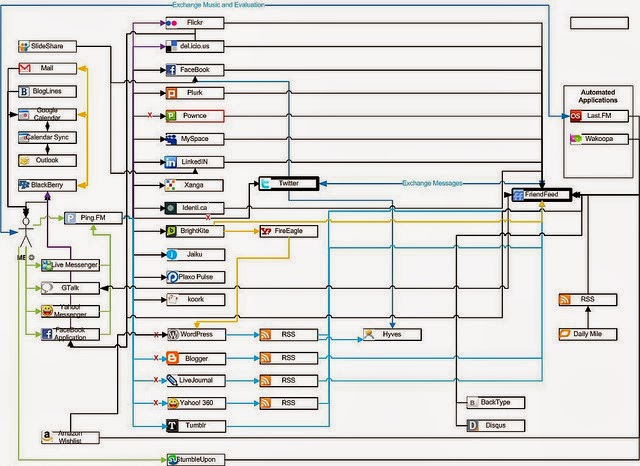
1. Evaluation

The art of knowing everything you can about a particular product, service, and/or target market is just that… an art without proper evaluation of your network or your potential prospects. With all the online resources available to you/your business, you now have the ability to target just about anyone or any company anywhere for your ideal sale pitches… well this is assuming that you or your organizational leaders have used these tools before and you have them available to create detailed social accounts for your growth plans. If not try developing/development in this/these simple steps:

Create some saved searches based around keywords relevant to your business (Google is a good place to start, after all who doesn’t ask the Google Gods for just about everything?):
  • Your product/service offerings
  • Your company and competitors name(s)
  • Your and other related industry sector(s)

Basically, what I am saying here is that you need to search and develop ideas or anything that reflects on you and/or your business acumen, which offers you the best ability to engage with people who are showing an interest in creating offers you may be considering promoting yourself. Let us also not forget about some other key components in selling.
  • Listen and/or listening! Perhaps this is the most important part of any sales pitch but one in which many people ignore because most salespeople are tempted to jump straight to the sale in fear of rejection or needing a sale now. Whether you are in person or online remember not to take over a conversation or hijack a comment stream just for a sale, as this more times than not turn’s people off especially if you are complaining about your brand or another person or company. Instead feed people (prospects) information backed up by quantitative research in order to engage, add value, and educate people or companies in order to grow relationships that will lead to long-term partnerships and ultimately more sales and referrals- (this was a big part of my dissertation, so please email me if you would like more information on this).
  • After you have identified people and other businesses of interest, try assigning some sort of “lead/prospect rating” in order to categorize the who, what, and when of first contact in your networking strategy.

Lastly, keep records of your data, findings, and future plans for all new or potential sales leads, in your CRM system. If you don’t have a CRM it is about time you put away all the Excel spreadsheets and bought a program such as ACT or subscribed to another system such as Sugar, Salesforce, Zoho, etc if you want to really take on SALES in the new Social CRM world.
“Going viral is not an outcome; it’s a happening. Sometimes it happens; sometimes it doesn’t. Just remember, fans are vanity and sales are sanity.” Lori Taylor (@lorirtaylor) 

2. Engagement

Now once you have identified, rated, and perhaps even already engaged a person or business of interest about your product or service stop a minute and think about a few other things:
  • Depending on what social sites you are part of Facebook, Twitter, FourSqaure, EmpireAvenue, Pinterest, Tumblr, StumbleUpon, etc you need to start or continue to reach out and join other people or companies conversations who are talking about you, your product, service, or other similar products or services in order to showcase to others why they need you or why you or your company can add value to their life or future business plans.
  • Have you ever heard of the old saying… plan the work and work the plan? Well, this holds true online also as after you have planned your networks of engagement, you need to work your leads in order to nurture future sales. If possible let others start and drive the conversation (i.e. a great site(s) for this are LinkedIn or Quora), while you listen (remember this was spoken about earlier?) for the right opportunity/opportunities to add value to that conversation. Remember IT’s NOT ALL ABOUT YOU!  

Lastly, do not forget that in this new age of communicating and engaging that the customer is not 100% of the time correct but do remember that if you engage properly, while showcasing your skills that you can gain more control even over the most pesky customers. Perhaps you may also want to check out this article out about the shifting customer landscape, as it illustrates and highlights some things (tools) customers use now a days as they communicate (good or bad) online.
“Engage, Enlighten, Encourage and especially…just be yourself! Social media is a community effort, everyone is an asset.”Susan Cooper (@buzzedition) 

3. Now Get Social and Sell

After you have joined other networks and conversations, as well as engaging with others, it is now your chance to get social and start your own conversations. Remember that social media is a two way dialogue that starts with the construction of networks and builds into relationships that you and even your entire team can use to build target messages, which
  • Invite their own comments on particular topics thus building other(s) interest, potentially creating new customers especially if those who engage share with others in their network(s)
  • Take the time to share company news, highlights, and goals regularly whether they are about you, an industry, or other relevant sector
Image via Flickr: Fredrick Md Publicity

Don’t forget to develop a personal face or avatar that is the face of you or your business!

“People want to do business with you because you help them get what they want. They don’t do business with you to help you get what you want.” Don Crowther (@don_crowther) 

Now Go Get’em

If you use some if not all of these tips in developing your network, you, and your sales team will be light years ahead of others that still have not decided to take a social ‘online’ approach to selling. If you have or are considering a CRM system? Stop that nonsense already and get your CRM in check and take your socialCRM and sale efforts to a new level by combing them into one approach. If I can help you or your business please drop me a line or if you have any comments, please feel free to comment below. Otherwise, thanks for stopping by and until next time KEEP SMILING!
David Dandaneau is a Consultant at [SevenTimesSeven] and a Contractor at [FedEx]. He specializes in helping business owners “manage their business and not their processes!” For more connect with him via his About.Me Page or any of his other social platforms.


Social Media Engagement – Using #HashTags

Social Media Engagement Spheres 
social engagement
Image via Flickr: Cambodia4kids.org

It is no secret that in today’s world people/companies are investing/relying on social media to keep in touch and up-to-date, while looking to gain new customers and increasing sales. This obsession whatever the case maybe is vital for your personal and/or businesses long-term success (I have a feeling you may already know this), as more and more people turn to the internet to find answers to unanswered questions they or you may have. Whether you are looking for lost friends, starting or sustaining a business, or looking for additional support in a cause you deem important you probably know this and that social media can really make a difference huh? Not only does it help but if done correctly social engagement can pay huge dividends in terms of more supporters, followers, and/or sales? Yes?

Compared to Traditional Advertising
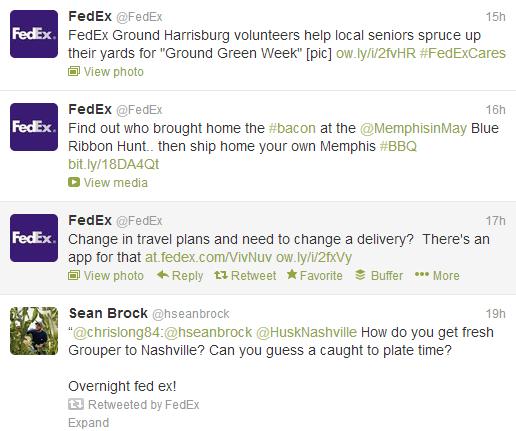
Although I personally started using social media some 10 years ago, I really didn’t write about any dividends derived from this median until my business partner posed a question to me about Traditional Media being on the Verge of Death in late 2011. At that time, we agreed that traditional media was not on the verge of death, instead it was/continuing to evolve like everything in our personal and business lives. Using that same frame of thinking now, I would like to know whether or not you think Traditional Marketing/Advertising is on the verge of death? Well if you know anything about advertising you would know that this is also NOT the case, as more and more companies still are/continuing to use these old medians to relay their messages on a larger scale and aimed at their specific local, regional, and global target markets (i.e. TV, radio, billboards, magazines, newspapers, etc.). However, unlike social media where people and companies can communicate instantly with their friends, followers, clients, potential customers, etc. these older forms of advertising merely provide content and/or images to help sell/educate others about themselves, their products and/or services. Still effective but not nearly as effective as social media has and can be… right? Let’s see how some of the people, companies, and brands I follow, shop at, and work with are using social media (more specifically Twitter accounts Arbys, Target, FedEx, & 97X) to communicate with their customers.

From this brief view of these chosen Twitter profiles you can see these companies and individuals behind the tweets are using a variety of hashtags (#), lists, chats, tagging, and/ @username, @mentions, @replies and @connect to engage their audiences. In fact, by using these medians/tools these companies don’t have to pay much for engagement, plus they can integrate these into their other online platforms (creating more reach) rather easily while providing feedback, supporting sponsors, customers, running contests, etc. How great right? What’s even better is if you do have a genuine problem or complement to provide organizations such as these, you can message, tag, or @them you can expect a reply most if not all the time in 24-48hrs… now that’s advertising that works with real ROI and track ability isn’t it?

Application Need(s) of HashTags (#)

hashtag
Image via Flickr: Dan Moyle

Even though some traditional forms of advertising can be used to engage customers (i.e. coupons, snail mail, telephone, email, etc.) for many social media is the one that should be used more to create ROI that is almost instantaneously for many different causes. Other big companies like McDonalds, TMobile, Publix, etc. also provide their online social media followers with news, information, coupons, and give-a-ways to spread their message(s) and provide product/service updates. All of the aforementioned Twitter accounts along with those and many others just mentioned are also using #hashtags to imprint their digital footprint, while increasing brand exposure and reach. Yes, #hashtags one of the most important features I have found to be the most relevant in a business or even personal reach viewpoint. Why, well it’s simple more and more people use what is now referred to as Googling to locate data, information, and reviews of products or services, which ultimately these #hashtags help bring to the forefront of most search engines. By creating personal or business #hashtags whether on Twitter, Facebook, Instagram, FourSquare, etc. you can help yourself and/or company grow while helping others locate reasons why they need you, your product, or service. Make since? Good, now with just a simple creation of a unique #hashtag you and or your company is set to engage, receive feedback, and provide a more customized approach to customer service without having to spend big bucks doing so… thus increasing sales, ROI, and your online reputation.

If you haven’t already, I would love to connect with you on any or all of my social networks, so we can all stay connected, while continuing to learn what people, clients, and customers really want #LetsStayConnected while providing #CustomerService that is #OutofThisWorld! Until next time continue your #Marketing, #Advertising, #Sales, #HashTags, and #SocialMedia engagement so you too can create a solid foundation and positive digital footprint.

David Dandaneau is a Consultant at [SevenTimesSeven]. He specializes in helping business owners “manage their business and not their processes!” For more connect with him via Twitter @ddandaneau or any of the other social platforms you may find him on.


Personal and/or Business Use for Twitter Vine

[Image Credit: VineTwitter Account]
Well hello again and long time no talk fellow socialites! Needless to say, hope all is well and you are continuing to grow and prosper this New Year. As with most years that pass there are many new instruments, ideas, and strategies that are continuing to transform the way we communicate and if you have been a reader here for any amount of time you already know that! With that said, recently I decided to upgrade my old iPhone 3GS to the new iPhone 5, which to my surprise if extremely AWESOME. As with any upgrade (personal or professional), of course, my initial thinking was to get used to my new device (mentally) and discover some new apps to help make my life and business more organized, which I always love to share with all you. So far and just a couple weeks in with the new iPhone 5, I have discovered a new platform known as Vine(perhaps you have already discovered this application) to continue growing online via social media? Regardless if you are familiar or not with this particular application you’ll want to check it out and/or revisit it after you read the next few paragraphs.
From my research Vine for Twitter was just introduced in January of this year, which means many (perhaps you again) have discovered how valuable this new platform can be for increases in search, marketing, and sales purposes for yourself or business? Yes/No? Okay I know what you’re thinking and that’s… great now another social media site to manage? Well contrary to your thinking (open your mind already) this application is not just another app to fill up your Twitter stream but instead this app is a new way to create interesting stories using short video (i.e. 6 seconds or less) so you/your business can share your thoughts, ideas, and life changing personal or business stories. Just like many of the other social applications such as Facebook, YouTube, Twitter, LinkedIn, FourSquare, etc. all the items (in this case videos) that you create can be publically or privately posted to your Vine followers and/or shared among your existing networks via Facebook or Twitter by recording a video with the push of a button on your iPhone, iPod, iPad or other device that may run this type of mobile application. Okay, so what does this all mean to me? Even though I am also still new to this app, here are three easy steps to take in order to find the who, what, when, and how to simply use this application to benefit you or company while staying ahead of the social media madness we often refer to in our postings.
1) Showcase what you have to offer
Have you or your company created a unique way to showcase your competences or unique qualifications yet? If not, use Vine to create a small one or multiple set of online videos (again 6 seconds or less) for others to see what EXACTLY you have to offer. This is especially important if you have decided to look for that new job (creating an online resume) or looking to bring a new product or service to market (give everyone a sneak peek into your old or new offering(s).
2) Take other people behind the curtain of your life or business
What if you don’t have anything to showcase? Well that’s okay because behind everyone showcase is a story of how you or your business was born, started, or operates right? Use Vine to create a picture of what everyday life is like for yourself or business by showing off your daily routines, friends, office, or other interesting things others in your life or place of work do on daily, weekly, or monthly basis. Give your audience a firsthand encounter of events that will get you found and/or noticed in the social cloud, or in other words, pull back the curtain on your life or business!
3) Let others help you succeed
If you are familiar with networking or use other social media sites, which have you already engaged with many of your followers, friends, and acquaintances let them know about your new personal or business plans with Vine. Once others become familiar with this new application ask them to help you achieve what it is you are looking to achieve. In fact, if you use other platforms such as Twitter or Instagram get a little more creative and create a NEW hashtag dedicated to your cause and ask other people in your network to share or use this hashtag to create additional push or buzz about yourself, company, and/or brand. The old help others and they will help you back approach to Marketing.
[Image Credit: TechCrunch Blog Post]
Obviously, these three things are not the only things you can use Vinefor but they are a good way to start or retool your account if you have already started down this road. Regardless of how you use this platform, I sure would like to hear from others (if you have already set up an account) about your successes or other techniques that you are considering if you haven’t already started. As always thanks for stopping by and don’t forget to wear that smile like you mean it today ((>>:-))
David Dandaneau is a Consultant at [SevenTimesSeven] and a Contractor at [FedEx]. He specializes in helping business owners “manage their business and not their processes!” For more connect with him via his About.Me Page or any of his other social platforms.