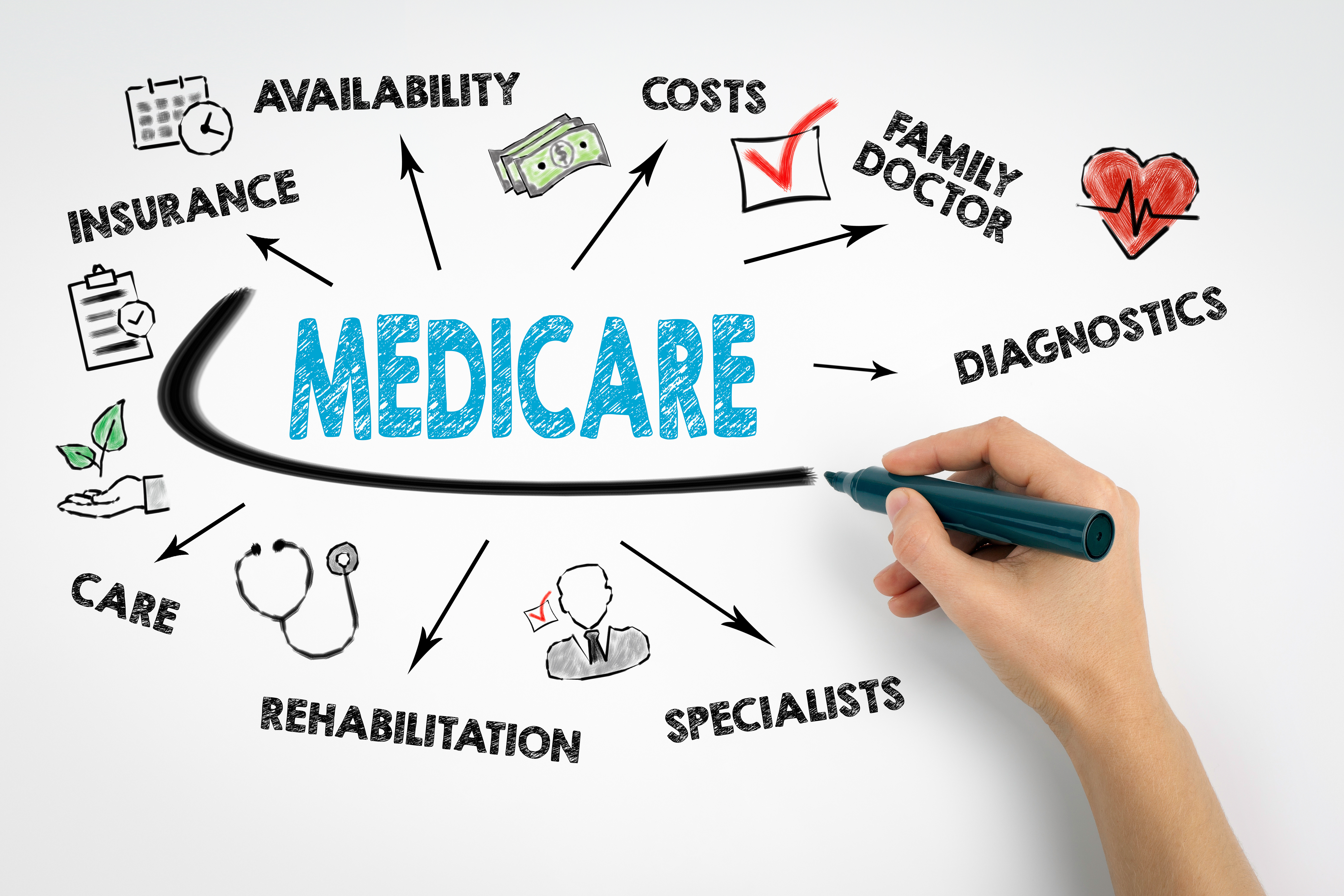
Peak 65: Surge in Medicare Enrollment Expected in 2024

As the United States braces for a significant demographic milestone, experts predict a surge in Medicare enrollment in 2024, as a large cohort of Americans reaches the age of 65. Dubbed “Peak 65,” this phenomenon marks a pivotal moment in the nation’s healthcare landscape.

With the first wave of baby boomers turning 65 in 2011, the subsequent years have witnessed a steady increase in Medicare enrollment. However, 2024 is anticipated to be a standout year, with a notable spike in the number of individuals becoming eligible for this federally funded health insurance program.

According to projections from the Centers for Medicare & Medicaid Services (CMS), approximately 4.1 million Americans are expected to enroll in Medicare this year alone. This surge reflects not only the sheer size of the baby boomer generation but also the broader societal shifts in aging demographics.

The implications of Peak 65 extend beyond mere statistics. It underscores the pressing need for robust healthcare infrastructure and resources to accommodate the healthcare needs of older adults. With an aging population comes a greater demand for healthcare services, from routine check-ups to specialized treatments for chronic conditions.

Furthermore, the influx of new Medicare beneficiaries places added strain on the program’s finances. Medicare, which provides coverage for hospital care (Part A), medical services (Part B), and prescription drugs (Part D), relies on a combination of payroll taxes, premiums, and general revenue to fund its operations. The surge in enrollment poses challenges in maintaining the program’s fiscal sustainability while ensuring quality care for beneficiaries.

In response to the anticipated surge, policymakers and healthcare stakeholders are exploring strategies to enhance Medicare’s effectiveness and efficiency. Initiatives focusing on preventive care, care coordination, and value-based reimbursement are being prioritized to improve outcomes and contain costs.

Moreover, the advent of digital health technologies and telemedicine holds promise in revolutionizing how healthcare is delivered to older adults. These innovations offer opportunities to enhance access to care, promote independent living, and mitigate the burden on traditional healthcare systems.

As Peak 65 approaches, it serves as a poignant reminder of the evolving healthcare needs of an aging population. It calls for proactive measures to address the challenges and seize the opportunities presented by this demographic shift. By fostering collaboration among policymakers, healthcare providers, and communities, the nation can navigate Peak 65 and ensure that every American enjoys access to quality, affordable healthcare in their golden years.


Healthcare with Confidence: The Benefits of Medicare Advantage

Medicare Advantage, often referred to as Medicare Part C, has gained popularity as a compelling choice for individuals seeking comprehensive healthcare coverage. This innovative program offers a range of benefits that make it a wise decision for those looking to prioritize their health and well-being.

One of the key advantages of Medicare Advantage is its all-in-one approach to healthcare. Unlike Original Medicare, which includes Part A (hospital insurance) and Part B (medical insurance), Medicare Advantage plans often integrate additional services such as vision, dental, and prescription drug coverage. This comprehensive coverage helps individuals manage their health more effectively by addressing a broader spectrum of healthcare needs.

Cost-effectiveness is another compelling reason to consider Medicare Advantage. Many of these plans come with a cap on out-of-pocket expenses, providing financial predictability and protection against unexpected medical costs. This financial peace of mind is particularly crucial for seniors on fixed incomes who want to ensure that healthcare expenses remain manageable.

Furthermore, Medicare Advantage plans often feature lower monthly premiums than some supplemental insurance options. This affordability makes quality healthcare accessible to a wider range of individuals, promoting inclusivity in healthcare coverage.

Flexibility in choosing healthcare providers is a significant advantage of Medicare Advantage. Unlike some restrictive networks associated with certain insurance plans, Medicare Advantage often allows beneficiaries to choose from a broad network of doctors and specialists. This flexibility ensures that individuals can continue seeing their preferred healthcare providers, fostering continuity of care and strong doctor-patient relationships.

Preventive care and wellness programs are also integral components of many Medicare Advantage plans. These initiatives are designed to proactively address health issues before they escalate, promoting overall well-being and reducing the likelihood of more serious health problems in the future. By encouraging regular check-ups and screenings, Medicare Advantage plans contribute to a healthier and more proactive approach to healthcare.

Medicare Advantage stands out as a smart choice for individuals prioritizing their health. With its comprehensive coverage, cost-effectiveness, flexibility, and focus on preventive care, it offers a holistic approach to healthcare that aligns with the diverse needs of beneficiaries. As the landscape of healthcare continues to evolve, Medicare Advantage emerges as a beacon of innovation and effectiveness in promoting overall well-being. Annual enrollment period is almost over, so if you need help finding a plan, navigating the complex landscape or someone to talk to give me a call, shoot me an email or drop me a line and I will be more than happy to help you find a plan that best fits your needs. Otherwise, remember to keep smiling cause it really does look good on you.

Navigating the Future: Emerging Trends in Medicare

In the ever-evolving landscape of healthcare, Medicare stands as a crucial pillar in providing essential coverage for millions of Americans. As we stride into the future, several trends are reshaping the Medicare landscape, promising improved access, enhanced services, and greater efficiency. Let’s explore the emerging trends that are set to transform the way we experience and perceive Medicare.

  1. Telehealth Revolution:

The COVID-19 pandemic catapulted telehealth into the spotlight, and in my opinion, its influence on healthcare is here to stay. In the realm of Medicare, telehealth services have become a game-changer, offering beneficiaries the convenience of virtual consultations, remote monitoring, and digital access to health resources. As technology continues to advance, we can expect a surge in telehealth offerings, promoting better healthcare accessibility, especially for those in rural or underserved areas.

  1. Value-Based Care Models:

Traditional fee-for-service models are gradually making way for value-based care. Medicare is increasingly shifting towards payment structures that reward healthcare providers for delivering high-quality care and positive patient outcomes. This paradigm shift incentivizes preventive care, coordinated services, and patient engagement, ultimately aiming to improve overall healthcare quality while reducing costs.

  1. Personalized Medicine and Precision Health:

Advancements in genomic research are paving the way for personalized medicine, tailoring healthcare interventions to an individual’s unique genetic makeup. Medicare is likely to embrace precision health, leveraging genetic information to prescribe more effective treatments, reduce adverse reactions, and enhance overall health outcomes. This shift towards precision medicine aligns with the broader trend of moving from a one-size-fits-all approach to a more personalized and targeted healthcare strategy.

  1. Social Determinants of Health:

Recognizing that health outcomes are influenced by factors beyond clinical care, Medicare is increasingly addressing social determinants of health. This includes factors such as socioeconomic status, education, and community resources. By incorporating a holistic approach to healthcare, Medicare aims to improve health equity and address disparities, ultimately enhancing the overall well-being of beneficiaries.

  1. Digital Health Tools and Wearables:

The rise of health-related apps, wearables, and other digital tools is transforming how individuals engage with their health. Medicare beneficiaries can expect to see an increased integration of these technologies into their healthcare experience. From monitoring chronic conditions to promoting healthy lifestyle choices, digital health tools empower individuals to take an active role in their well-being, aligning with the broader trend of patient-centered care.

The future of Medicare is bright, marked by a convergence of technological innovation, policy evolution, and a commitment to improving patient outcomes. As we witness the emergence of these trends, beneficiaries can look forward to a healthcare system that is more accessible, personalized, and focused on holistic well-being. By embracing these changes, Medicare is not only adapting to the evolving healthcare landscape but also leading the way towards a healthier and more resilient future. If you have any other trends that you would like to share, leave me a note, schedule a meeting, or give me a call, as I would love to hear them. As usual and like always, remember to keep smiling cause it really looks good on you.

About the Author:

David Dandaneau is a insurance agent that covers the insurance and financial services industry. He is known for his insightful analysis and comprehensive coverage of market trends and regulatory developments.

Navigating Healthcare Costs: A Comprehensive Guide to Understanding Medicare Supplements

In the complex landscape of healthcare, especially for seniors, understanding and managing costs is crucial. Medicare, the federal health insurance program for individuals aged 65 and older, provides essential coverage, but it doesn’t cover all expenses. This is where Medicare Supplements, also known as Medigap, come into play. Let’s delve into the world of Medicare Supplements, supported by statistics to shed light on their significance.

Medicare Conceptual Map

Rising Healthcare Costs: A Growing Concern According to a report by the Kaiser Family Foundation, the average annual premium for a Medicare Part B plan was $1,452 in 2021. With healthcare costs steadily rising, many seniors find it challenging to cover the gaps left by traditional Medicare. Healthcare costs have been rising at an average rate of 4% per year, outpacing inflation and wage growth.

Understanding Medicare Gaps: The Need for Supplements Medicare Parts A and B cover hospital and medical expenses, but there are gaps in coverage, including copayments, deductibles, and coinsurance. Medicare Supplements aim to fill these gaps, providing seniors with more comprehensive coverage. In 2021, the average deductible for Medicare Part B was $203, and the Part A deductible was $1,484 per benefit period.

The Popularity of Medicare Supplements Millions of seniors opt for Medicare Supplements to enhance their healthcare coverage. These plans are offered by private insurance companies and come in standardized packages, labeled from Plan A to Plan N. As of 2021, over 14 million Medicare beneficiaries were enrolled in Medigap plans, accounting for approximately 34% of all Medicare beneficiaries.

Cost Savings with Medigap Plans While Medicare Supplements come with their own premiums, they often result in significant cost savings for beneficiaries in the long run. This is especially true for individuals with frequent healthcare needs. A study by the American Association for Medicare Supplement Insurance found that Medigap Plan G, on average, could save beneficiaries over $1,000 per year compared to other plans.

Comparing Medigap Plans: A Matter of Choice With various Medigap plans available, it’s essential for seniors to choose the one that aligns with their healthcare needs and budget. Each plan offers different coverage options, allowing individuals to tailor their insurance to their specific requirements. In 2021, Plan F and Plan G were the most popular Medigap plans, collectively accounting for more than half of all Medigap enrollments.

As healthcare costs continue to rise, understanding the role of Medicare Supplements becomes increasingly important for seniors seeking comprehensive coverage. With millions of beneficiaries already benefiting from these plans, the statistics highlight the growing significance of Medicare Supplements in ensuring financial security and peace of mind in the realm of healthcare. If you need help picking the right Medicare Supplemental policies, drop me a line, give me a call or shoot me an email, as I would love to help. Otherwise, until next time don’t sweat the little things and keep smiling.

Medicare Advantage vs Original Medicare


Choosing Medicare Advantage over Original Medicare can offer several advantages tailored to your individual healthcare needs and preferences. Firstly, Medicare Advantage plans often provide an all-in-one solution that combines hospital coverage (Part A), medical coverage (Part B), and prescription drug coverage (Part D) into a single plan. This comprehensive coverage can simplify your healthcare experience by consolidating various aspects of your care under one policy. With Original Medicare, you’d typically need to purchase a separate Part D plan and consider supplemental insurance, potentially leading to more complex and fragmented coverage.

Secondly, cost considerations play a significant role in selecting Medicare Advantage. These plans often come with lower monthly premiums than Original Medicare, making them an appealing option for budget-conscious individuals. Additionally, Medicare Advantage plans typically cap annual out-of-pocket expenses, providing financial predictability and reducing the risk of catastrophic medical costs. While Original Medicare involves deductibles and coinsurance without an annual maximum out-of-pocket limit, Medicare Advantage can offer a more controlled approach to managing healthcare expenses.

Photo by Miguel u00c1. Padriu00f1u00e1n on Pexels.com

Lastly, Medicare Advantage plans often include extra benefits not covered by Original Medicare, such as dental, vision, hearing, wellness programs, and even perks like gym memberships. These additional services can enhance your overall well-being and quality of life, making Medicare Advantage a compelling choice if you value these extras. While Original Medicare offers strong core coverage, it may not provide the same level of supplemental benefits that can help you address various aspects of your health beyond medical treatments.

Medicare Advantage can be a desirable option for those seeking simplified, cost-effective, and comprehensive healthcare coverage. By combining various Medicare components into a single plan, offering lower premiums, and providing extra benefits, it can cater to a wide range of healthcare needs and preferences. However, it’s essential to carefully compare available plans in your area, taking into account factors like network restrictions and specific benefits to ensure that a Medicare Advantage plan aligns with your individual health and financial circumstances. If I can help you find your way through the maze, please reach out or drop me a line. Otherwise, keep smiling and living healthy cause it really does look good on you.

Go back

Your message has been sent

Warning
Warning
Warning
Warning.

*We do not offer every plan available in your area. Any information we provide is limited to those plans we do offer in your area. Please contact Medicare.gov or 1-800-MEDICARE to get information on all of your options. Not affiliated with or endorsed by any government agency. Your information will be provided to a licensed insurance agent. You may be contacted by a licensed insurance agent.

Reviewing your Medicare Plan Annually

Reviewing your Medicare coverage is a crucial step to ensure you are receiving the best healthcare benefits tailored to your evolving needs. First and foremost, healthcare needs change over time, and what was suitable for you a few years ago may no longer meet your requirements today. By reviewing your Medicare coverage regularly, you can make adjustments to ensure that your plan aligns with your current health status and preferences. For example, if you’ve developed new medical conditions or require specific medications, you may need a different plan that covers these services more comprehensively, potentially saving you money on out-of-pocket expenses.

Secondly, Medicare plans and regulations can change annually, impacting your coverage and costs. Staying informed about these changes and comparing your current plan to available alternatives during the annual open enrollment period (AEP Oct.15- Dec.7) is essential. You might discover that a different plan offers better benefits, lower premiums, or improved prescription drug coverage, allowing you to maximize your healthcare benefits while minimizing your expenses.

Lastly, financial considerations play a significant role in reviewing your Medicare coverage. As your income, assets, and overall financial situation fluctuate, you may become eligible for different assistance programs or qualify for savings on your Medicare premiums and out-of-pocket expenses. Failing to review your coverage could result in missed opportunities to reduce your healthcare costs, potentially putting undue strain on your finances. By conducting regular reviews of your Medicare coverage, you can ensure you’re making the most cost-effective choices for your healthcare needs, providing peace of mind and financial security in your retirement years. I work with seniors on retirement planning and Medicare is no different, as it should be part of your long term care planning. If I can be of help or answer any questions please feel free to reach out or schedule a time we can speak. Otherwise and as usual keep smiling, as it really does look good on you!

Should Long Term Care be Part of your Long Term Strategy?

Long-term care coverage is essential for many individuals to safeguard their financial well-being and ensure they receive the necessary care in the event of a chronic illness or disability. As a licensed life and health professional I figured it would be nice to view a list of some compelling reasons why you might need long-term care coverage:

  1. Protection against rising healthcare costs: Long-term care can be expensive, and the costs tend to increase over time. Without insurance, you may have to deplete your savings, investments, or other assets to cover these expenses, which can jeopardize your financial security.
  2. Preservation of assets and inheritance: Long-term care coverage helps protect your assets and estate, allowing you to leave a legacy for your loved ones. Without it, the cost of care could deplete your savings, leaving little or nothing to pass on to your heirs.
  3. Maintaining independence and choice: With long-term care insurance, you have more options and control over the type of care you receive. You can choose where and how you receive care, whether that’s in your own home, an assisted living facility, or a nursing home. This enables you to maintain a higher level of independence and quality of life.
  4. Reducing the burden on family members: Long-term care insurance can relieve your family of the financial and caregiving responsibilities that come with taking care of a loved one with chronic health issues. This can help preserve family relationships and reduce the stress associated with caregiving.
  5. Peace of mind and future planning: Knowing that you have long-term care coverage can provide peace of mind, allowing you to focus on other aspects of your life and retirement planning. It ensures that you have a plan in place for potential health challenges in the future.
  6. Early access to quality care: Long-term care insurance can provide access to high-quality care services when needed, without waiting for government programs to kick in. This can be especially important if you have specific care preferences or want to avoid the limitations of publicly funded programs.
  7. Tax benefits: Depending on your jurisdiction and the specific policy, you may be eligible for tax advantages when you purchase long-term care insurance. These tax benefits can make the coverage more affordable.
  8. Longevity and health considerations: As people are living longer, the likelihood of needing long-term care at some point in their lives increases. Having coverage in place ensures you’re prepared for potential health challenges in your later years.
  9. Avoiding a Medicaid spend-down: If you exhaust your assets and qualify for Medicaid, you may have limited choices regarding the type and location of care you receive. Long-term care insurance can help you avoid this situation and maintain more control over your care.
  10. Planning for the unexpected: Illnesses and accidents can happen at any age. Long-term care insurance provides financial protection and allows you to plan for the unexpected, ensuring you’re prepared for unforeseen health issues.

Like many things that go into planning for your future retirement, long-term care coverage is a valuable tool for protecting your financial well-being, preserving assets, maintaining independence, and ensuring that you receive the care you need in the event of a chronic illness or disability. It offers peace of mind and financial security for you and your loved ones as you age. In my opinion, if you haven’t considered long term care as part of your overall financial well being, maybe now is the time you gave it some thought? Of course, I would love to know if you have it, considered it, or are considering purchasing a long term care policy? If so or if not, drop me a line or schedule a call if I can help you; otherwise, and until next time keep smiling cause it really does lock good on you!