Common Misconceptions About Nutrition and Healthy Eating

In today’s information age, navigating the world of nutrition and healthy eating can be overwhelming. With countless diets, conflicting advice, and a plethora of “superfoods” touted for miraculous benefits, it’s easy to get lost in misinformation. Here, we debunk some of the most common misconceptions about nutrition and healthy eating.

Myth 1: Carbs Are the Enemy

Carbohydrates often get a bad rap, especially with the popularity of low-carb diets like keto and Atkins. However, not all carbs are created equal. Whole grains, fruits, vegetables, and legumes are rich in essential nutrients and fiber. They provide sustained energy and are a vital part of a balanced diet. Cutting out carbs entirely can lead to nutrient deficiencies and lack of energy.

Myth 2: Fat-Free Means Healthy

The fat-free craze of the 1990s led many to believe that all dietary fat is bad. However, fats are essential for absorbing vitamins A, D, E, and K, and for maintaining cell membranes. The key is to choose healthy fats, such as those found in avocados, nuts, seeds, and olive oil, and to avoid trans fats and excessive saturated fats.

Myth 3: You Need to Detox Your Body

Detox diets and cleanses promise to rid the body of toxins and promote rapid weight loss. However, the body is naturally equipped with its own detoxification system—the liver, kidneys, and digestive tract. No scientific evidence supports the need for external detox products. A balanced diet, regular exercise, and adequate hydration are sufficient for maintaining your body’s natural detoxification processes.

Myth 4: Skipping Meals Helps You Lose Weight

Skipping meals, especially breakfast, can lead to overeating later in the day and disrupt your metabolism. Regular, balanced meals help maintain stable blood sugar levels and prevent the extreme hunger that leads to poor food choices. Eating a nutritious breakfast can kickstart your metabolism and provide the energy needed to start your day.

Myth 5: All Calories Are Equal

While calorie counting can be helpful for weight management, not all calories have the same nutritional value. For instance, 200 calories from a sugary soda do not provide the same nutrients as 200 calories from a serving of mixed nuts. Nutrient-dense foods provide vitamins, minerals, fiber, and other beneficial compounds, which are essential for overall health.

Myth 6: Supplements Can Replace a Balanced Diet

Dietary supplements can be beneficial for addressing specific deficiencies, but they should not replace whole foods. Whole foods offer a complex matrix of nutrients that work together synergistically. Over-reliance on supplements can lead to imbalances and neglect the benefits of a diverse diet.

Myth 7: Eating Late at Night Causes Weight Gain

The idea that eating late at night directly causes weight gain is a misconception. What matters more is the total caloric intake and the quality of the food consumed throughout the day. Eating a large, unhealthy meal late at night can lead to weight gain, but this is due to overall poor dietary habits rather than the timing of the meal.

Myth 8: You Must Avoid Gluten to Be Healthy

Unless you have celiac disease or gluten sensitivity, there is no need to avoid gluten. Whole grains that contain gluten, such as wheat, barley, and rye, are rich in fiber, vitamins, and minerals. A gluten-free diet can sometimes be lower in fiber and other important nutrients, making it less healthy for people without gluten-related disorders.

Understanding the facts about nutrition is crucial for making informed dietary choices. Instead of falling for trendy diets and misconceptions, focusing on a balanced diet rich in whole foods, healthy fats, lean proteins, and complex carbohydrates can lead to better health and well-being. Consulting with a registered dietitian or nutritionist can also provide personalized advice tailored to your individual needs.

The Rising Importance of Critical Illness Insurance in the Face of Heart Disease, Stroke, and Cancer

As the prevalence of major health conditions such as heart disease, stroke, and cancer continues to rise, the importance of critical illness insurance has become increasingly apparent. These life-threatening diseases not only pose significant health risks but also bring substantial financial burdens that can overwhelm individuals and families. Understanding the impact of these illnesses and the benefits of having a critical illness policy can provide crucial protection and peace of mind.

The Burden of Heart Disease, Stroke, and Cancer

Heart disease remains the leading cause of death globally, responsible for nearly 18 million deaths each year. It encompasses a range of conditions, including coronary artery disease, heart attacks, and congestive heart failure. The treatment and recovery processes for heart disease are often long and costly, requiring significant medical intervention and lifestyle adjustments.

Similarly, stroke is a major health concern, with approximately 15 million people worldwide suffering from strokes annually. Of these, around 5 million die, and another 5 million are left permanently disabled. Stroke treatment typically involves emergency care, rehabilitation, and long-term therapy, which can lead to substantial medical expenses and loss of income due to disability.

Cancer, the second leading cause of death globally, affects millions of people each year. Advances in medical technology have improved survival rates, but cancer treatment remains expensive and often involves surgery, chemotherapy, radiation therapy, and ongoing medication. The financial strain can be exacerbated by the need for time off work and additional support during recovery.

The Role of Critical Illness Insurance

Critical illness insurance is designed to provide financial support upon the diagnosis of a serious illness, such as heart disease, stroke, or cancer. Unlike traditional health insurance, which typically covers medical expenses, critical illness policies provide a lump-sum payment that can be used at the policyholder’s discretion. This flexibility allows individuals to address various financial needs, such as:

  1. Medical Expenses: Covering out-of-pocket costs not fully paid by health insurance, including specialist consultations, advanced treatments, and alternative therapies.
  2. Income Replacement: Compensating for lost wages if the policyholder is unable to work during treatment and recovery, ensuring financial stability for their family.
  3. Home Modifications: Funding necessary changes to the home to accommodate new physical limitations, such as installing ramps, stairlifts, or accessible bathrooms.
  4. Support Services: Paying for additional care services, such as in-home nursing, rehabilitation, or even psychological support, to aid in recovery.
  5. Debt Repayment: Reducing or eliminating outstanding debts, such as mortgages, car loans, or credit card balances, to alleviate financial stress.

Why Critical Illness Insurance is Essential

In the absence of a critical illness policy, individuals facing heart disease, stroke, or cancer may find themselves dipping into savings, accruing debt, or relying on family and friends for financial support. This added financial pressure can hinder recovery and diminish the quality of life.

Moreover, critical illness insurance offers peace of mind. Knowing that there is a financial safety net allows patients and their families to focus on what truly matters: recovery and well-being. With a lump-sum payout, they have the flexibility to make choices that best suit their unique circumstances without the constraints of financial limitations.

As heart disease, stroke, and cancer continue to affect millions of lives worldwide, the importance of critical illness insurance cannot be overstated. By providing financial support during one of the most challenging times, these policies offer a crucial lifeline that can help individuals navigate the complexities of serious illnesses. Ensuring adequate coverage through a critical illness policy is a proactive step towards safeguarding one’s financial future and securing peace of mind in the face of life’s uncertainties. If you need help securing a critical illness policy give me a call, shoot me an email or drop a comment and we can work together so you can live your life to the fullest without the extra worries.

About the Author:

David Dandaneau is a insurance agent that covers the insurance and financial services industry. He is known for his insightful analysis and comprehensive coverage of market trends and regulatory developments.

Positive Attitude Linked to Healthier Living, Experts Say

In a world where physical health often takes center stage, emerging research highlights the profound impact of mental outlook on overall well-being. Experts are increasingly pointing to the power of a positive attitude as a key contributor to healthier living, advocating that the right mindset can pave the way to a longer, more vibrant life.

The Science Behind Positivity

A growing body of evidence suggests that a positive attitude does more than just lift spirits; it significantly influences physical health. Studies published in medical journals such as the Journal of the American Medical Association (JAMA) have shown that individuals who maintain an optimistic outlook are less likely to develop chronic diseases such as heart disease and diabetes. Positive thinkers tend to have lower levels of stress-related hormones like cortisol, which are linked to various health problems when chronically elevated.

Dr. Samantha Greene, a psychologist specializing in health psychology, explains, “When we are optimistic, we are more likely to engage in healthy behaviors such as exercising regularly, eating balanced diets, and getting adequate sleep. Additionally, positive thinking reduces the physiological impact of stress, thereby decreasing the risk of stress-related illnesses.”

Mental Health and Physical Health: A Symbiotic Relationship

The link between mental and physical health is undeniable. Optimism has been associated with better immune function, quicker recovery from illnesses, and even increased lifespan. A landmark study from Harvard University tracked 70,000 women over eight years and found that those who reported higher levels of optimism had a significantly lower risk of dying from several major causes, including cancer, heart disease, stroke, respiratory disease, and infection.

Moreover, positive attitude influences health-promoting behaviors. Optimistic individuals are more likely to adhere to medical advice, seek preventive care, and engage in physical activity. They are also more resilient, better equipped to cope with challenges, and less likely to succumb to the adverse effects of stress.

Practical Steps to Foster Positivity

While the benefits of a positive outlook are clear, cultivating such an attitude can be challenging. Here are some practical steps to help foster positivity:

  1. Practice Gratitude: Regularly reflecting on the things you are thankful for can shift your focus from negative to positive aspects of life.
  2. Engage in Physical Activity: Exercise is a natural mood booster that can help reduce anxiety and improve mental health.
  3. Mindfulness and Meditation: These practices help you stay grounded in the present moment, reducing stress and promoting a sense of well-being.
  4. Build Strong Relationships: Surrounding yourself with supportive and positive people can enhance your mood and outlook.
  5. Set Realistic Goals: Achieving small, manageable goals can create a sense of accomplishment and forward momentum.

Real-Life Impact

Consider the case of John Martinez, a 55-year-old from Seattle who turned his life around by adopting a positive outlook. After being diagnosed with hypertension, John joined a local wellness group where he learned about the power of positive thinking. By integrating gratitude exercises, regular walks, and mindfulness meditation into his routine, John not only managed to lower his blood pressure but also reported feeling more energetic and hopeful.

“Changing my mindset was like flipping a switch,” John shares. “I started seeing challenges as opportunities rather than setbacks, and my health has never been better.”

The message from health experts is clear: a positive attitude is not just about feeling good; it is a crucial component of healthy living. By fostering optimism and focusing on the positive aspects of life, individuals can significantly enhance their physical health and overall quality of life. As the research continues to evolve, one thing remains certain—embracing a positive outlook can lead to a healthier, more fulfilling life.


Key Considerations for a Smooth Transition into Retirement

As retirement approaches, many individuals find themselves facing a mix of excitement and anxiety. Transitioning from a structured work life to the flexibility of retirement involves careful planning and consideration to ensure financial stability, health maintenance, and emotional well-being. Here are some critical aspects to ponder as you prepare for this new chapter.

1. Financial Readiness

Ensuring financial stability is paramount for a comfortable retirement. Here are some key financial steps to take:

  • Assess Savings and Investments: Calculate your total savings, including 401(k) plans, IRAs, pensions, and other investments. Determine if these funds will sustain your desired lifestyle.
  • Budgeting for Retirement: Create a retirement budget that reflects your expected expenses. Consider housing, healthcare, travel, and daily living costs. Remember, expenses might change; some may decrease, such as commuting costs, while others, like healthcare, may increase.
  • Social Security Benefits: Decide the optimal time to start claiming Social Security benefits. While you can begin as early as 62, waiting until 70 can maximize your monthly benefits.
  • Debt Management: Aim to reduce or eliminate outstanding debts before retiring. Lower debt levels can significantly decrease financial stress.

2. Healthcare Planning

Healthcare is a critical consideration as you age. Here are steps to ensure you’re prepared:

  • Medicare Enrollment: Understand the different parts of Medicare and enroll on time to avoid penalties. Consider supplemental insurance plans to cover additional healthcare costs.
  • Long-Term Care Insurance: Evaluate whether long-term care insurance is necessary for your situation. This can help cover costs for services like nursing homes or in-home care, which aren’t covered by Medicare.
  • Health Savings Account (HSA): If you have an HSA, continue contributing to it as it can be used to pay for qualified medical expenses tax-free during retirement.

3. Lifestyle Planning

Retirement is not just about financial security; it’s also about enjoying life. Consider the following to make the most of your retirement years:

  • Hobbies and Interests: Identify activities and hobbies you wish to pursue. Staying active and engaged can contribute to your mental and physical health.
  • Volunteer Work: Many retirees find fulfillment in giving back to the community. Volunteering can provide a sense of purpose and help maintain social connections.
  • Travel Plans: If travel is a part of your retirement dream, plan your trips and budget accordingly. Look for senior discounts and travel insurance options tailored for retirees.

4. Housing Decisions

Where and how you live in retirement can greatly impact your quality of life:

  • Downsizing: Evaluate whether downsizing your home makes sense. A smaller home can reduce maintenance and utility costs.
  • Relocation: Consider relocating to a more retirement-friendly area. Some retirees choose places with lower living costs, better climate, or proximity to family and friends.
  • Aging in Place: If you prefer to stay in your current home, consider modifications that make it safer and more accessible as you age.

5. Emotional Preparation

Retirement brings a significant lifestyle shift that can affect your mental and emotional well-being:

  • Social Connections: Maintain and build social networks. Loneliness and isolation can be detrimental to your health, so stay connected with family, friends, and community groups.
  • Retirement Identity: Many people struggle with the loss of identity that can come from no longer being in the workforce. Finding new roles and activities that provide a sense of purpose is essential.

6. Legal and Estate Planning

Ensure your legal and estate affairs are in order:

  • Wills and Trusts: Update your will or trust to reflect your current wishes. Consider setting up a power of attorney and healthcare directive to manage your affairs if you become incapacitated.
  • Beneficiary Designations: Review and update beneficiary designations on retirement accounts and life insurance policies.

Preparing for retirement is a multifaceted process that requires thoughtful planning and consideration. By addressing these key areas, you can pave the way for a fulfilling and financially secure retirement. If you need help getting started give me a call, send me a message or drop me a comment below. Together we can secure the future you deserve.

Peak 65: Surge in Medicare Enrollment Expected in 2024

As the United States braces for a significant demographic milestone, experts predict a surge in Medicare enrollment in 2024, as a large cohort of Americans reaches the age of 65. Dubbed “Peak 65,” this phenomenon marks a pivotal moment in the nation’s healthcare landscape.

With the first wave of baby boomers turning 65 in 2011, the subsequent years have witnessed a steady increase in Medicare enrollment. However, 2024 is anticipated to be a standout year, with a notable spike in the number of individuals becoming eligible for this federally funded health insurance program.

According to projections from the Centers for Medicare & Medicaid Services (CMS), approximately 4.1 million Americans are expected to enroll in Medicare this year alone. This surge reflects not only the sheer size of the baby boomer generation but also the broader societal shifts in aging demographics.

The implications of Peak 65 extend beyond mere statistics. It underscores the pressing need for robust healthcare infrastructure and resources to accommodate the healthcare needs of older adults. With an aging population comes a greater demand for healthcare services, from routine check-ups to specialized treatments for chronic conditions.

Furthermore, the influx of new Medicare beneficiaries places added strain on the program’s finances. Medicare, which provides coverage for hospital care (Part A), medical services (Part B), and prescription drugs (Part D), relies on a combination of payroll taxes, premiums, and general revenue to fund its operations. The surge in enrollment poses challenges in maintaining the program’s fiscal sustainability while ensuring quality care for beneficiaries.

In response to the anticipated surge, policymakers and healthcare stakeholders are exploring strategies to enhance Medicare’s effectiveness and efficiency. Initiatives focusing on preventive care, care coordination, and value-based reimbursement are being prioritized to improve outcomes and contain costs.

Moreover, the advent of digital health technologies and telemedicine holds promise in revolutionizing how healthcare is delivered to older adults. These innovations offer opportunities to enhance access to care, promote independent living, and mitigate the burden on traditional healthcare systems.

As Peak 65 approaches, it serves as a poignant reminder of the evolving healthcare needs of an aging population. It calls for proactive measures to address the challenges and seize the opportunities presented by this demographic shift. By fostering collaboration among policymakers, healthcare providers, and communities, the nation can navigate Peak 65 and ensure that every American enjoys access to quality, affordable healthcare in their golden years.

Retirees are Embracing Healthier Lifestyles, Leading to Longer Lifespans

A recent study has revealed that retirees are enjoying longer and more fulfilling lives thanks to a concerted effort to prioritize health and wellness. Contrary to the stereotype of sedentary retirement years, a significant portion of retirees are now actively engaging in healthier lifestyles, resulting in increased longevity and vitality.

The study, conducted by a team of researchers from prominent institutions, analyzed data from a diverse sample of retirees across different demographic groups. Their findings, published in the latest issue of the Journal of Aging and Health, paint a promising picture of aging in today’s society.

One of the most striking discoveries was the prevalence of healthier habits among retirees. From adopting nutritious diets to regular exercise routines, retirees are increasingly taking proactive steps to maintain their physical and mental well-being. This shift is attributed to a growing awareness of the importance of healthy living and the availability of resources to support such lifestyles.

Dr. Emily Rodriguez, lead author of the study, remarked, “We were pleasantly surprised to see the extent to which retirees are embracing healthier behaviors. Many are actively seeking ways to stay fit, eat well, and engage in activities that promote overall wellness.”

The benefits of these lifestyle changes are evident in the increased life expectancy among retirees. According to the study’s findings, participants who reported adhering to healthier habits tended to live longer than those who did not prioritize their health. Moreover, they experienced a higher quality of life, with lower rates of chronic diseases and disabilities.

Retirees themselves attest to the transformative power of healthier living. Margaret Thompson, 72, credits her active lifestyle for her robust health and vitality. “I never imagined I’d feel this good in my seventies,” she remarked. “Regular exercise, nutritious meals, and staying socially connected have made all the difference.”

The implications of these findings extend beyond individual retirees to society as a whole. As the population ages, the importance of promoting healthy aging becomes increasingly paramount. By encouraging and supporting retirees in adopting healthier lifestyles, communities can not only enhance the well-being of their older residents but also alleviate strain on healthcare systems and social support networks.

However, the researchers caution that there is still work to be done. Despite the positive trends, disparities exist in access to resources and opportunities for healthy living, particularly among marginalized populations. Addressing these inequities will be essential in ensuring that all retirees have the opportunity to enjoy longer, healthier lives.

As society continues to evolve, so too does our understanding of aging. The paradigm of retirement as a period of decline is being replaced by one of vitality and opportunity. With a commitment to healthier living, retirees are rewriting the narrative of aging and inspiring future generations to embrace the golden years with vigor and resilience.

Multifaceted Advantages of Marriage Beyond Romance

In an time where relationship dynamics are evolving rapidly, marriage still stands as a steadfast institution, offering a multitude of benefits that extend far beyond the realms of love and romance. Recent studies have shed light on the enduring strength of long-term partnerships, emphasizing their profound impacts on mental, physical, and even financial well-being.

Marriage, often dubbed as the ultimate commitment, serves as a cornerstone for emotional support and stability. According to research conducted by the American Psychological Association, married individuals tend to exhibit lower levels of stress and anxiety compared to their unmarried counterparts. The presence of a supportive partner can act as a buffer against life’s challenges, fostering resilience and enhancing overall mental health.

Furthermore, the benefits of marriage extend to physical health, with numerous studies highlighting its positive impact on longevity. A study published in the Journal of Epidemiology & Community Health found that married individuals have a lower risk of cardiovascular diseases and other chronic illnesses. The mutual support and encouragement inherent in a marital relationship can contribute to healthier lifestyle choices and better health outcomes.

Financial stability is another significant advantage associated with long-term partnerships. Joint finances and shared responsibilities often lead to greater economic security and resource pooling. Couples can leverage their combined assets to navigate financial challenges more effectively, whether it’s purchasing a home, investing in education, or planning for retirement. Additionally, tax benefits and spousal benefits offered by employers further bolster the financial advantages of marriage.

Beyond individual well-being, marriage also plays a pivotal role in societal cohesion and community resilience. Stable family units serve as the building blocks of a strong society, providing a nurturing environment for children to thrive and grow. Research consistently demonstrates that children raised in stable, two-parent households tend to fare better academically, socially, and emotionally.

Moreover, marriage fosters social connections and support networks, enriching the fabric of communities. Couples often form enduring friendships with other married individuals, creating a sense of belonging and camaraderie. These social bonds serve as a safety net during times of need and contribute to overall community cohesion.

While the benefits of marriage are undeniable, it’s essential to recognize that not all relationships follow the traditional marital path. Long-term partnerships encompass a diverse spectrum of arrangements, including cohabitation and civil unions, each with its own unique advantages. What remains constant, however, is the profound impact of committed, enduring partnerships on individual well-being and societal flourishing.

In an age marked by rapid social change and shifting norms, the enduring strength of marriage serves as a beacon of stability and resilience. Beyond its romantic allure, marriage offers a myriad of benefits that transcend the boundaries of love, enriching the lives of individuals and communities alike.

As we navigate the complexities of modern relationships, let us not overlook the profound value of long-term partnerships in fostering happiness, health, and prosperity for generations to come.

Personal Finance Strategies and Resilience Propel Many Towards Financial Freedom

In a world often characterized by mounting debts and financial uncertainty, tales of triumph over fiscal adversity shine like beacons of hope. Across diverse demographics, individuals are harnessing determination and strategic planning to liberate themselves from the suffocating grasp of debt. These success stories not only inspire, but also offer invaluable lessons in navigating the complex terrain of personal finance.

Rising from the Depths

Meet Sarah Ramirez, a 34-year-old marketing executive from Chicago, whose journey from debt-ridden despair to financial sovereignty is nothing short of remarkable. Faced with mounting credit card bills and student loans, Ramirez confronted her financial reality head-on. “I reached a breaking point where I knew something had to change,” she recounts.

Employing a combination of budgeting, frugality, and side hustles, Ramirez embarked on a debt repayment journey. “Every extra dollar went towards paying off debt,” she explains. Sacrifices were made, but the sense of liberation from financial burdens spurred her forward.

Strategies for Success

Ramirez’s story is emblematic of a broader trend where individuals are leveraging various strategies to conquer debt. Financial experts emphasize the importance of creating a detailed budget, distinguishing between essential and discretionary spending, and negotiating lower interest rates with creditors.

Moreover, the burgeoning gig economy offers a plethora of opportunities for supplementary income. From freelance writing to ride-sharing, individuals are tapping into their skills and passions to boost earnings and expedite debt repayment.

Community Support and Accountability

For many, the journey out of debt is not solitary. Online forums, support groups, and accountability partners provide crucial encouragement and guidance. “Sharing my progress and setbacks with others kept me accountable,” notes Ramirez, who found solace in virtual communities dedicated to financial wellness.

Additionally, seeking professional assistance from credit counselors or financial advisors can provide tailored strategies and expert insights to navigate complex financial landscapes.

The Road to Financial Freedom

As success stories like Ramirez’s proliferate, the notion of financial freedom becomes increasingly tangible for countless individuals burdened by debt. However, the path to solvency is fraught with challenges, requiring discipline, perseverance, and resilience.

Nevertheless, the rewards are profound. Beyond the alleviation of financial stress, escaping the debt trap empowers individuals to pursue their passions, invest in their futures, and cultivate a sense of security for themselves and their loved ones.

As Ramirez reflects on her journey, she is filled with gratitude for the newfound freedom she enjoys. “Breaking free from debt was the best decision I ever made,” she declares. Her story serves as a beacon of hope for all those navigating the tumultuous waters of financial hardship, reminding us that with determination and discipline, financial liberation is within reach.

How Empty Nesters Navigate the Transition and Find Renewed Purpose

It won’t be long now before our last child packs up and heads off to college and begins their own journey into adulthood. Many parents like myself, find themselves facing the bittersweet reality of becoming empty nesters. For some, the newfound quietude and absence of children bustling around the house can evoke a profound sense of loss and loneliness. However, this life stage also presents an opportunity for parents to rediscover themselves, rekindle their passions, and embark on new adventures.

Empty nest syndrome, characterized by feelings of sadness and loss when children leave home, is a common experience for many parents. The sudden shift from a bustling household to an eerily quiet one can leave parents feeling adrift and unsure of how to fill the void. However, experts suggest that acknowledging and embracing these feelings is the first step toward finding fulfillment in this new chapter of life.

“It’s natural for parents to feel a mix of emotions when their children leave home,” says Dr. Sarah Johnson, a psychologist specializing in life transitions. “The key is to view this time as an opportunity for personal growth and exploration rather than focusing solely on the loss.”

One way empty nesters can navigate this transition is by focusing on self-care and rediscovering their interests and passions. Whether it’s picking up a hobby they set aside years ago, pursuing further education, or traveling to destinations they’ve always dreamed of, empty nesters have the freedom to prioritize their own needs and desires.

“For many parents, the empty nest phase can be a time of reconnection with oneself,” says Dr. Johnson. “It’s an opportunity to pursue activities and interests that may have taken a backseat during the busy child-rearing years.”

Beyond individual pursuits, empty nesters can also strengthen their relationships with their partners. With children out of the house, parents have more time to devote to each other and nurture their bond. Planning date nights, taking up a new hobby, strolling the beach together, or simply enjoying quiet evenings at home can help couples reconnect and rediscover the joy of spending time together.

In addition to focusing on personal and relational fulfillment, empty nesters can also find purpose and meaning through giving back to their communities. Volunteering, mentoring younger individuals, or getting involved in local organizations are all ways in which empty nesters can make a positive impact and find fulfillment outside of their roles as parents.

Ultimately, while the transition to empty nesthood may come with its challenges, it also offers a wealth of opportunities for growth, exploration, and reinvention. By embracing this new phase of life with an open mind and a sense of adventure, empty nesters can discover a renewed sense of purpose and fulfillment that extends far beyond the confines of their empty nest.

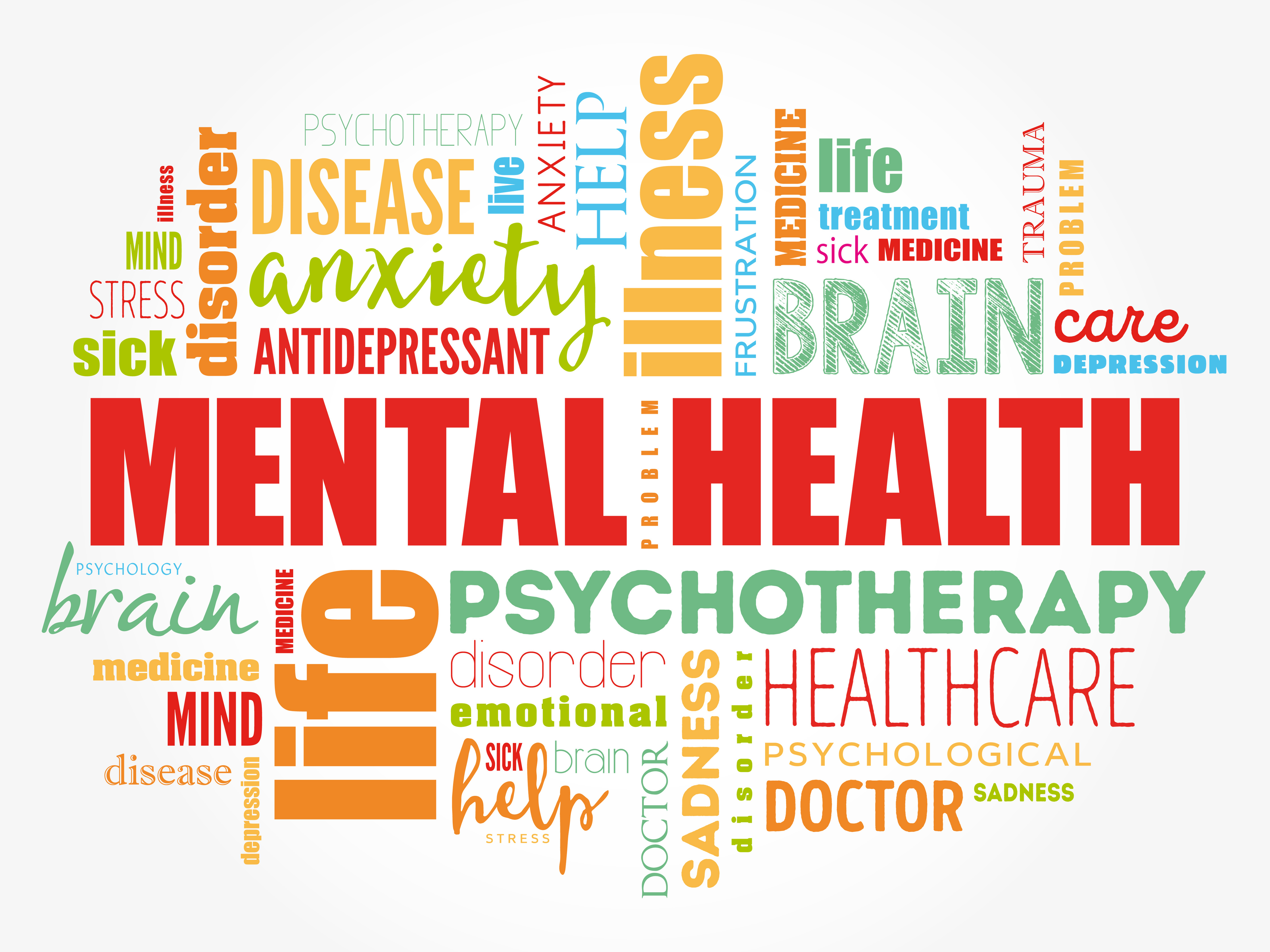
The Crucial Connection: Mental Health Holds Equal Importance to Physical Well-being

In the pursuit of overall health and well-being, the importance of mental health has often been overlooked or relegated to the sidelines. However, recent studies and societal shifts have underscored the critical link between mental and physical health, highlighting that they are not distinct entities but rather intricately interconnected aspects of our well-being.

Mental health encompasses our emotional, psychological, and social well-being, affecting how we think, feel, and act. It influences how we handle stress, relate to others, and make choices in our daily lives. In essence, it’s the foundation upon which our overall well-being is built.

One of the primary reasons mental health is as important as physical health is its profound impact on our physical well-being. Research has consistently shown that mental health disorders, such as depression and anxiety, can significantly increase the risk of developing chronic physical conditions like heart disease, diabetes, and even cancer. Moreover, mental health issues can exacerbate existing physical conditions, leading to poorer treatment outcomes and reduced quality of life.

Beyond its implications for physical health, mental well-being also plays a crucial role in our productivity, relationships, and overall quality of life. Poor mental health can impair cognitive function, decrease work performance, and strain interpersonal relationships. In contrast, maintaining good mental health enhances resilience, fosters creativity, and promotes social connections, ultimately leading to a more fulfilling life.

Furthermore, the societal and economic costs of neglecting mental health are staggering. Mental health disorders impose a significant burden on healthcare systems, economies, and communities worldwide. From lost productivity and absenteeism in the workplace to increased healthcare expenditures and reduced educational attainment, the consequences of untreated mental health conditions reverberate throughout society.

Addressing mental health with the same level of urgency and resources as physical health is essential for creating a healthier and more equitable society. This includes improving access to mental health services, reducing stigma surrounding mental illness, and integrating mental health promotion into various sectors, including education, workplaces, and communities.

Fortunately, there is growing recognition of the importance of mental health on both individual and societal levels. Initiatives promoting mental health awareness and resilience-building are gaining traction, and conversations about mental health are becoming more open and destigmatized.

As we continue to navigate the complexities of the modern world, it’s imperative to recognize that mental health is not a luxury but a fundamental human right. Just as we prioritize physical health through exercise, nutrition, and medical care, we must also prioritize mental health through self-care, social support, and professional intervention when needed. Only by embracing a holistic approach to health can we truly thrive as individuals and as a society.