Embracing Purpose Amid Adversity in 2025

In a world that moves faster every year, 2025 has become a year of reflection. People are revisiting past decisions—career moves, relationships, financial choices, lifestyle habits—with a clearer lens and a deeper understanding of consequence. The old saying “everything happens for a reason” has resurfaced from a previous post of mine, not as a cliché, but as a guidepost for navigating uncertainty and reconciliation in our lives.

A Shift Toward Reflective Living

Across the country, more Americans are reporting that they feel more intentional than they did a decade ago. According to several national surveys, individuals in their 30s, 40s, and 50s say they now view pivotal moments—good and bad—as necessary steps that shaped their current stability. This movement toward reflective living has become especially prominent after years of global disruptions and economic volatility.

“For many, 2025 is the year of understanding,” says life coach and behavioral specialist Dana Reeves. “People look back and realize that even the setbacks taught them something that ultimately pushed them forward.”

Learning From Past Decisions

The theme of “If I knew then what I know now” has been revisited in countless workplaces, retirement discussions, and financial planning meetings. Individuals who once regretted switching careers, making certain investments, or delaying big decisions are beginning to see those choices differently.

Many professionals say that hardships in earlier years helped them build resilience, leading to promotions, stronger relationships, and greater financial responsibility today. Some even credit prior failures for their current success.

Turning Regret Into Growth

Mental-health experts note that regrets are being reframed in 2025 as tools for personal evolution, not anchors that weigh us down.

“Regret is a powerful teacher,” explains psychologist Dr. Liana Mercer. “If we’re willing to study our past with compassion, we unlock the intelligence needed to make better choices moving forward.”

This mindset shift has led to an uptick in personal development programs, career retraining, and financial literacy courses. People want to apply what they’ve learned, not dwell on what they’ve lost.

Embracing Purpose Through Adversity

Challenges—job losses, health scares, failed relationships—are being viewed through a new lens: as catalysts. Individuals who experienced major disruptions in the early 2020s often say those moments forced them to slow down, reassess their priorities, and rebuild in healthier ways.

As one community leader put it, “Sometimes life has to fall apart a little so it can fall into place later.”

Why 2025 Feels Different

Unlike articles and discussions from previous years, the 2025 perspective is grounded in lived experience and hindsight. People aren’t just repeating the phrase “everything happens for a reason”—they’re proving it through the stability, insight, and resilience they’ve cultivated.

Retirees are expressing gratitude that earlier financial struggles taught them discipline. Families are appreciating the detours that led them to stronger bonds. Career professionals are recognizing that their long roads were necessary to build confidence and competence.

The Takeaway

Looking back is no longer about regret—it’s about recognition. Every difficult chapter, every unexpected turn, every leap of faith has contributed to where people stand today.

As we continue through 2025, the message is clear:
We can’t rewrite the past—but we can honor it. And often, we discover that the past knew exactly what it was doing.

The Best Ways to Learn Faster and Improve Your Memory — and How It Can Boost Your Health and Wealth

From classrooms to careers, the ability to learn quickly and remember effectively has become one of the most valuable skills a person can develop. Strong memory and sharper learning don’t just lead to better grades or job performance—they also support long-term health and financial success. A stronger mind means better choices, less stress, and greater opportunities.

1. Embrace Active Learning
Engaging with material—summarizing, teaching, or using flashcards—creates stronger memory pathways. Beyond academics, this skill translates into sharper thinking in business and personal finance, where quick recall of information can mean smarter money choices.

2. Use Spaced Repetition
By reinforcing knowledge over time, you’re not only improving retention but also reducing the stress that comes with last-minute cramming. Lower stress means healthier blood pressure and better long-term focus—both of which are linked to higher productivity and earning potential.

3. Prioritize Sleep
Sleep is the body’s reset button. It strengthens memory, sharpens focus, and promotes better decision-making. Studies show well-rested people are less likely to make impulsive purchases, more effective at managing investments, and healthier overall.

4. Exercise for Brain Health
Movement increases blood flow and oxygen to the brain, boosting memory and creativity. Regular exercise has also been tied to higher lifetime earnings by improving workplace performance and reducing healthcare costs.

5. Practice Mindfulness and Meditation
Mindfulness lowers stress hormones, improves concentration, and sharpens memory. The payoff is twofold: better mental health and more disciplined financial habits, since mindfulness helps people avoid emotional, costly decisions.

6. Fuel Your Brain with the Right Nutrition
A diet rich in brain-boosting foods like salmon, nuts, and leafy greens not only strengthens cognitive function but also reduces the risk of costly long-term health problems. Investing in nutrition today saves on medical expenses tomorrow.

7. Limit Multitasking
Single-tasking leads to better retention and fewer mistakes—whether you’re learning new skills, balancing your budget, or making a career move. Fewer mistakes in health and financial decisions directly translate to long-term gains.

8. Use Mnemonics and Visualization
Simple memory tools like acronyms or visualization techniques make learning easier. Applied to personal finance or career growth, these methods help people remember key strategies, deadlines, and opportunities—small advantages that compound into wealth.

Looking Ahead
Improving how you learn and remember doesn’t just give you an edge in the classroom or workplace. It’s also a blueprint for healthier living and greater financial success. By combining proven learning strategies with lifestyle habits that strengthen the brain, you can build a sharper mind, a stronger body, and a wealthier future.

Navigating Self-Improvement in the Digital Age

When technology rapidly evolves and societal norms continuously shift, self-improvement has emerged as a prominent movement, captivating the attention of millions worldwide. From mindfulness practices to professional development, the pursuit of personal growth has become a defining feature of contemporary life.

The Rise of Self-Improvement

The self-improvement industry has seen exponential growth in recent years. According to Market Research Future, the global personal development market is projected to reach USD $41.81 billion by 2027, expanding at a compound annual growth rate (CAGR) of 5.1%. This surge is driven by a growing awareness of mental health, the want for work-life balance, and the accessibility of self-improvement resources.

Digital Platforms Fuel Growth

The advent of digital platforms has revolutionized access to self-improvement content. Podcasts, webinars, and online courses offer a plethora of resources, enabling individuals to embark on their personal development journeys from the comfort of their homes. Popular platforms like MasterClass, Skillshare, and Coursera give courses on a wide range of topics, from leadership skills to creative writing, making self-improvement more accessible than ever before.

Mindfulness and Mental Health

Mindfulness and mental health have become central themes in the self-improvement narrative. The rise of mindfulness apps like Headspace and Calm underscores the increasing recognition of the importance of mental well-being. These apps offer guided meditations, breathing exercises, and sleep stories, helping users manage stress and improve their mental health.

Dr. Sarah Thompson, a psychologist and mindfulness expert, explains, “The integration of mindfulness practices into daily life can lead to significant improvements in mental health, reducing anxiety and depression while enhancing overall well-being.”

Professional Development

In the professional realm, self-improvement is closely linked with career advancement. Employers are increasingly recognizing the value of investing in their employees’ personal development. Programs focused on leadership training, communication skills, and emotional intelligence are becoming commonplace in the corporate world.

John Miller, CEO of a leading tech firm, emphasizes, “Continuous learning and development are crucial for staying competitive in today’s fast-paced business environment. By investing in our employees’ growth, we not only enhance their skills but also foster a culture of innovation and resilience.”

The Role of Social Media

Social media has played a pivotal role in popularizing self-improvement. Influencers and thought leaders share their journeys, offering tips and inspiration to their followers. Hashtags like #SelfImprovement, #PersonalGrowth, and #Mindfulness have garnered millions of posts, creating a global community of individuals committed to bettering themselves.

However, experts caution against the potential downsides of social media-driven self-improvement. Dr. Emily Roberts, a sociologist, notes, “While social media can be a valuable source of inspiration, it can also create unrealistic expectations and contribute to feelings of inadequacy. It’s important for individuals to set realistic goals and understand that personal growth is a continuous, individualized process.”

Looking Ahead

The future of self-improvement looks promising as more people embrace the journey of personal growth. As technological advancements continue and societal attitudes towards mental health evolve, the self-improvement movement is poised to make a lasting impact on individuals and communities worldwide.

The self-improvement surge is a significant cultural shift towards prioritizing personal growth and well-being. With the support of digital platforms, corporate initiatives, and a global community, individuals are empowered to embark on their unique journeys of self-discovery and development. As the movement continues to gain momentum, it holds the potential to transform lives and shape a more mindful, resilient, and fulfilled society.

The Everlasting Benefits of Lifelong Learning

In an era defined by rapid technological advancements and ever-evolving industries, the concept of lifelong learning has emerged as a cornerstone for personal and professional development. Embracing a mindset of continuous education not only enhances individual knowledge and skills but also brings forth a myriad of societal benefits. As the world navigates through a landscape of constant change, the significance of lifelong learning has never been more pronounced.

1. Adaptability and Resilience: Lifelong learning fosters adaptability and resilience in individuals, equipping them with the ability to navigate through uncertainties and challenges. In a dynamic job market where roles and requirements evolve rapidly, those committed to continuous learning are better prepared to embrace change and thrive amidst disruption. By staying abreast of emerging trends and technologies, individuals can remain relevant and resilient in the face of shifting professional landscapes.

2. Career Advancement and Opportunities: The pursuit of lifelong learning opens doors to a plethora of career advancement opportunities. Acquiring new skills and knowledge not only enhances one’s existing expertise but also broadens their professional horizons. Employers increasingly value candidates who demonstrate a commitment to ongoing development, making lifelong learners more attractive in the job market. Furthermore, lifelong learning empowers individuals to explore new career paths, transition between industries, and pursue entrepreneurial ventures with confidence.

3. Cognitive Health and Well-being: Engaging in continuous learning stimulates cognitive function and promotes mental well-being. Research indicates that lifelong learning activities, such as reading, attending classes, or learning a new language, can contribute to improved memory, critical thinking, and overall brain health. Furthermore, the intellectual stimulation provided by lifelong learning has been linked to a reduced risk of cognitive decline and age-related cognitive impairments, underscoring its role in promoting healthy aging and quality of life.

4. Personal Growth and Fulfillment: Beyond professional aspirations, lifelong learning facilitates personal growth and fulfillment. Whether pursuing a passion, delving into a new hobby, or acquiring knowledge for the sheer joy of learning, the journey of lifelong learning enriches individuals on a profound level. It nurtures curiosity, creativity, and self-discovery, fostering a sense of fulfillment and purpose. By continuously expanding their intellectual horizons, individuals cultivate a deeper understanding of the world around them and forge meaningful connections with diverse communities.

As society continues to evolve in the digital age, the importance of lifelong learning cannot be overstated. It serves as a catalyst for personal and professional growth, empowering individuals to adapt, thrive, and contribute meaningfully to a rapidly changing world. By embracing a commitment to lifelong learning, individuals not only invest in their own success but also contribute to the collective advancement of society as a whole. In an era defined by innovation and progress, lifelong learning stands as a beacon of opportunity, offering endless possibilities for those who dare to pursue knowledge without bounds.

A New Chapter: The Remarkable Benefits of Turning 65

As individuals reach the milestone of turning 65, they embark on a journey filled with numerous benefits and opportunities that come with this significant age. Far from just a number, reaching 65 opens doors to a range of advantages that can enhance one’s quality of life and well-being.

1. Financial Freedom: One of the most notable perks of turning 65 is eligibility for Medicare, the federal health insurance program primarily for seniors. This coverage helps alleviate the financial burden of medical expenses, ensuring access to essential healthcare services without the worry of exorbitant bills. Additionally, seniors may enjoy other financial benefits, such as pension plans, Social Security, and senior discounts, providing a sense of economic security.

2. Leisure and Travel Opportunities: Retirement often accompanies the age of 65, offering newfound freedom and time to explore the world. Seniors can take advantage of discounted travel options, ranging from cruises to airfare and accommodations. Whether it’s a dream vacation or a spontaneous getaway, the age of 65 grants individuals the chance to indulge in leisurely pursuits they may not have had the time for earlier in life.

3. Pursuing Passions and Hobbies: With the demands of work life behind them, individuals at 65 have the luxury of dedicating more time to their passions and hobbies. Whether it’s painting, gardening, writing, or learning a new skill, the retirement years provide an opportunity for self-discovery and personal fulfillment.

4. Community Engagement and Volunteering: Many retirees find immense joy and purpose in giving back to their communities through volunteering. At 65, individuals can explore various volunteer opportunities, contributing their skills and experiences to make a positive impact on society. Engaging in community service not only benefits others but also enhances the retiree’s sense of fulfillment and connection.

5. Lifelong Learning: Age is no barrier to learning, and turning 65 opens doors to educational opportunities. Many universities and institutions offer discounted or even free courses for seniors, allowing them to pursue intellectual interests and continue learning throughout their retirement years.

6. Emotional Well-Being: The age of 65 often brings a sense of accomplishment and the opportunity to reflect on a life well-lived. This introspection can contribute to improved emotional well-being and a greater appreciation for the simple pleasures of life. Seniors may find themselves more focused on relationships, personal growth, and overall happiness.

.

Turning 65 is not just a chronological marker; it represents a gateway to a multitude of benefits and opportunities. From financial security and travel perks to pursuing passions and giving back to the community, the age of 65 is truly a time to savor the rewards of a life well spent. Embracing these opportunities can make the golden years truly golden for individuals entering this exciting chapter of life.

Aging: Unveiling the Secrets to Senior Happiness

As the sun sets on our busy lives, a new chapter unfolds—the golden years of seniorhood. Contrary to popular belief, happiness doesn’t retire with age; in fact, it takes on a new and profound meaning. In this journey of graceful aging, let’s uncover the secrets to being happy as a senior.

  1. Cultivate Connections: One of the greatest treasures of life is the relationships we build. As seniors, investing time in nurturing connections with friends, family, and community becomes paramount. Social bonds not only provide emotional support but also contribute significantly to our overall well-being.
  2. Stay Active, Stay Alive: Physical activity isn’t just for the young; it’s a vital ingredient for a fulfilling senior life. Engaging in regular exercise not only keeps the body fit but also boosts mental health. Whether it’s a daily stroll in the park, gentle yoga, or water aerobics, finding an activity that brings joy is key.
  3. Embrace Lifelong Learning: The pursuit of knowledge is a timeless endeavor. Seniors can find immense joy and fulfillment in exploring new interests, hobbies, and skills. Whether it’s learning a musical instrument, picking up a new language, or diving into the world of literature, the mind remains vibrant when it continues to learn.
  4. Practice Gratitude: In a world that often rushes by, taking a moment to appreciate life’s simple pleasures can be transformative. Seniors can find happiness in expressing gratitude for the experiences, relationships, and moments that have shaped their journey.
  5. Embrace Change with a Positive Mindset: Life is a series of changes, and aging is no exception. Embracing these changes with a positive mindset can turn challenges into opportunities. Seniors who focus on the present, adapt to new circumstances, and maintain a hopeful outlook find greater joy in their everyday lives.

As seniors navigate the golden years, happiness becomes a reflection of a life well-lived. By cultivating connections, staying active, embracing lifelong learning, practicing gratitude, and maintaining a positive mindset, seniors can unlock the secrets to a fulfilling and joyful life.

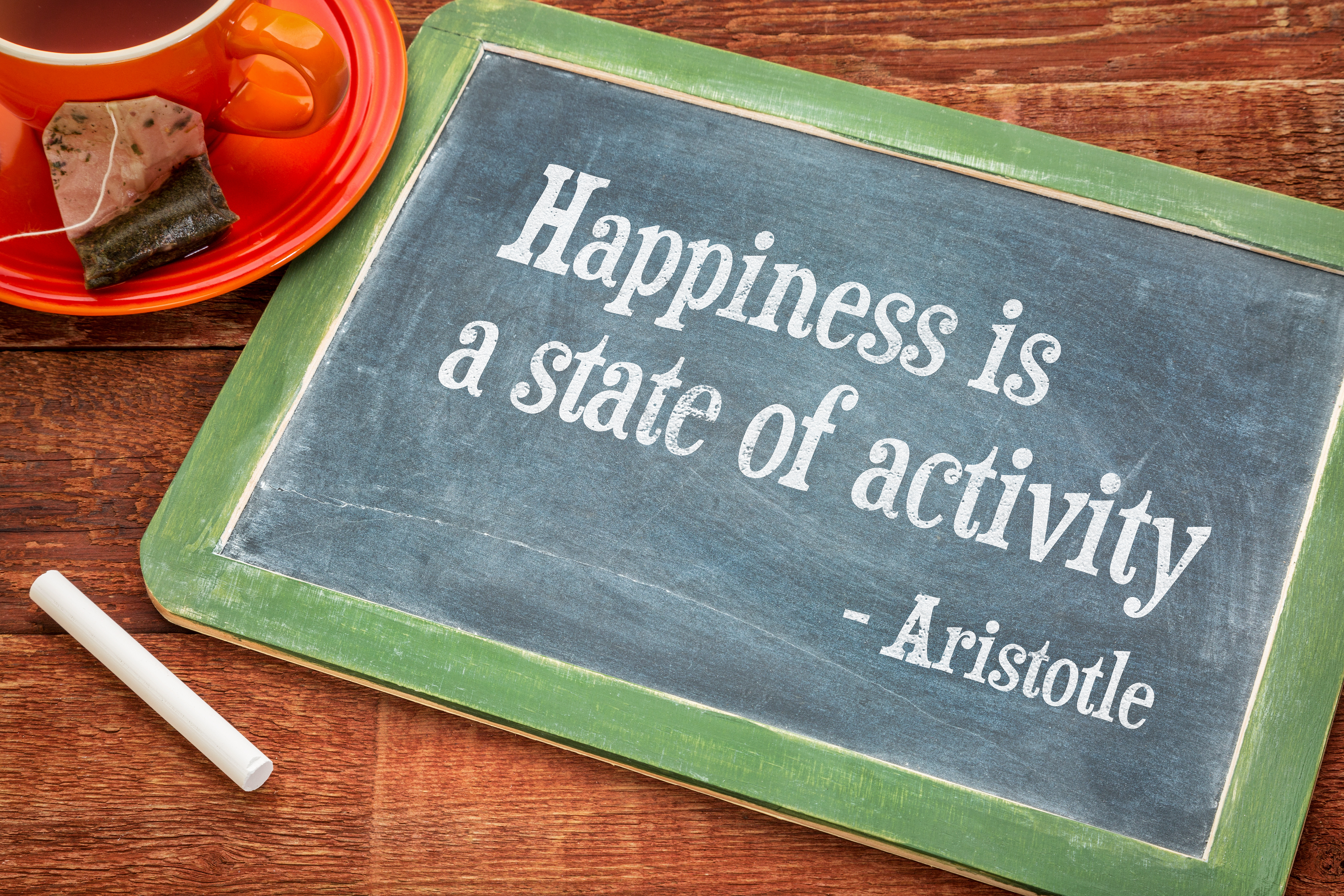
Happiness is a state of activity, a quote from Aristotle

In the words of George Burns, “You can’t help getting older, but you don’t have to get old.” Embrace the wisdom of age, savor the richness of each moment, and let happiness be the guiding light on this remarkable journey. In other words, happiness is not given but something earned over time. Remaining optimistic and having a sense of purpose is what we all should strive for. With these thoughts true happiness will be found regardless of your age. Remember nothing in life is a race, life is a marathon and in order to win, you must continue to keep smiling and happiness will be found.