Retirees are Embracing Healthier Lifestyles, Leading to Longer Lifespans

A recent study has revealed that retirees are enjoying longer and more fulfilling lives thanks to a concerted effort to prioritize health and wellness. Contrary to the stereotype of sedentary retirement years, a significant portion of retirees are now actively engaging in healthier lifestyles, resulting in increased longevity and vitality.

The study, conducted by a team of researchers from prominent institutions, analyzed data from a diverse sample of retirees across different demographic groups. Their findings, published in the latest issue of the Journal of Aging and Health, paint a promising picture of aging in today’s society.

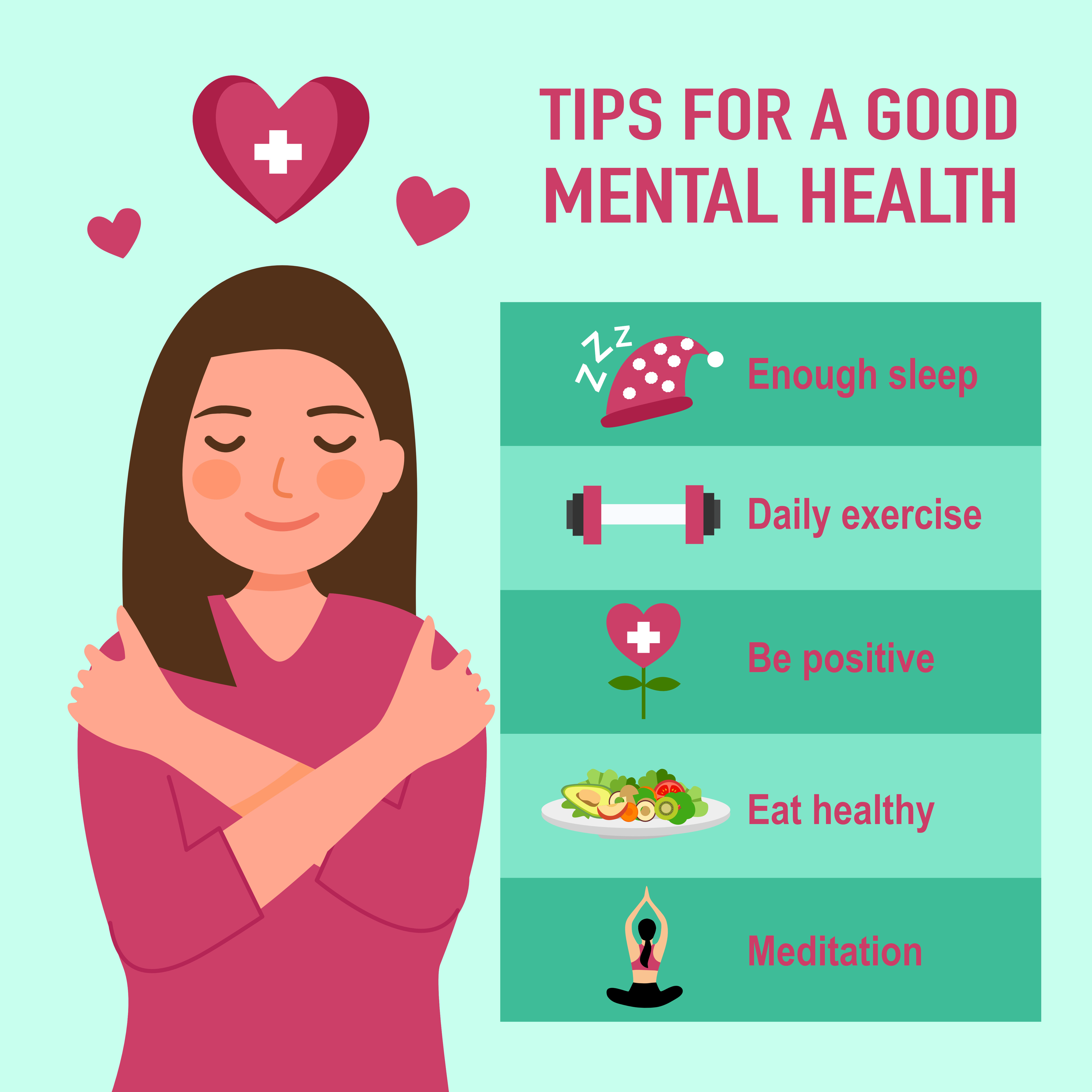
One of the most striking discoveries was the prevalence of healthier habits among retirees. From adopting nutritious diets to regular exercise routines, retirees are increasingly taking proactive steps to maintain their physical and mental well-being. This shift is attributed to a growing awareness of the importance of healthy living and the availability of resources to support such lifestyles.

Dr. Emily Rodriguez, lead author of the study, remarked, “We were pleasantly surprised to see the extent to which retirees are embracing healthier behaviors. Many are actively seeking ways to stay fit, eat well, and engage in activities that promote overall wellness.”

The benefits of these lifestyle changes are evident in the increased life expectancy among retirees. According to the study’s findings, participants who reported adhering to healthier habits tended to live longer than those who did not prioritize their health. Moreover, they experienced a higher quality of life, with lower rates of chronic diseases and disabilities.

Retirees themselves attest to the transformative power of healthier living. Margaret Thompson, 72, credits her active lifestyle for her robust health and vitality. “I never imagined I’d feel this good in my seventies,” she remarked. “Regular exercise, nutritious meals, and staying socially connected have made all the difference.”

The implications of these findings extend beyond individual retirees to society as a whole. As the population ages, the importance of promoting healthy aging becomes increasingly paramount. By encouraging and supporting retirees in adopting healthier lifestyles, communities can not only enhance the well-being of their older residents but also alleviate strain on healthcare systems and social support networks.

However, the researchers caution that there is still work to be done. Despite the positive trends, disparities exist in access to resources and opportunities for healthy living, particularly among marginalized populations. Addressing these inequities will be essential in ensuring that all retirees have the opportunity to enjoy longer, healthier lives.

As society continues to evolve, so too does our understanding of aging. The paradigm of retirement as a period of decline is being replaced by one of vitality and opportunity. With a commitment to healthier living, retirees are rewriting the narrative of aging and inspiring future generations to embrace the golden years with vigor and resilience.

Research Highlights Multifaceted Benefits of Regular Physical Activity

In a study published in the Journal of Health and Exercise Science, researchers unveil compelling evidence of the profound effects exercise has on both the body and mind. The findings shed light on the multifaceted benefits of regular physical activity, reaffirming its pivotal role in promoting overall well-being.

The study, conducted over a span of two years, involved a diverse cohort of participants ranging from various age groups and fitness levels. Researchers meticulously tracked participants’ exercise routines while closely monitoring changes in their physical health and mental well-being.

The results were striking, demonstrating a myriad of positive outcomes associated with consistent exercise. Notably, participants exhibited significant improvements in cardiovascular health, with lowered blood pressure and improved cholesterol levels observed across the board. Furthermore, regular physical activity was linked to enhanced muscular strength and endurance, contributing to better overall physical fitness and resilience.

Beyond the tangible benefits to physical health, the study also underscored the profound impact of exercise on mental well-being. Participants reported reduced levels of stress and anxiety, attributing their newfound sense of calm and clarity to their exercise regimens. Moreover, regular physical activity was associated with improved mood and enhanced cognitive function, suggesting a powerful correlation between exercise and mental acuity.

Dr. Emily Watson, lead researcher on the study, emphasized the holistic nature of the findings, stating, “Our research unequivocally demonstrates that exercise is not only beneficial for physical health but also plays a pivotal role in promoting mental well-being. From reducing stress and anxiety to enhancing cognitive function, the benefits of regular physical activity are truly multifaceted.”

The study’s findings hold significant implications for public health initiatives, advocating for the integration of exercise as a cornerstone of preventive medicine. With sedentary lifestyles on the rise and mental health concerns reaching alarming levels, the importance of prioritizing regular physical activity cannot be overstated.

In light of these findings, health experts urge individuals of all ages to incorporate exercise into their daily routines, emphasizing the importance of finding activities that are enjoyable and sustainable. Whether it’s brisk walking, swimming, or yoga, the key lies in consistency and finding activities that align with one’s interests and preferences.

As the world grapples with ongoing health challenges, from the obesity epidemic to rising mental health concerns, the prescription for a healthier, happier life may lie in something as simple as taking a walk or going for a jog. With each step, individuals not only strengthen their bodies but also nurture their minds, unlocking the transformative power of exercise for a brighter, more vibrant future.

References

  1. Watson, Emily et al. “The Impact of Regular Exercise on Physical and Mental Health: A Two-Year Longitudinal Study.” Journal of Health and Exercise Science, vol. 27, no. 2, 2024, pp. 45-68.
  2. American Heart Association. “Physical Activity Improves Quality of Life.” American Heart Association, http://www.heart.org/en/healthy-living/fitness/fitness-basics/physical-activity-improves-quality-of-life. Accessed 19 March 2024.
  3. Harvard Health Publishing. “Regular Exercise Releases Brain Chemicals Key for Memory, Concentration, and Mental Sharpness.” Harvard Health Publishing, www.health.harvard.edu/blog/regular-exercise-changes-brain-improve-memory-thinking-skills-201404097110. Accessed 19 March 2024.
  4. Centers for Disease Control and Prevention. “Physical Activity and Health.” Centers for Disease Control and Prevention, www.cdc.gov/physicalactivity/basics/pa-health/index.htm. Accessed 19 March 2024.
  5. National Institute of Mental Health. “Physical Activity and Mental Health.” National Institute of Mental Health, www.nimh.nih.gov/health/publications/physical-activity-and-mental-health/index.shtml. Accessed 19 March 2024.

Experts Highlight Key Health Concerns for Aging Population

In the journey of aging, seniors often face a myriad of health challenges that can significantly impact their quality of life. From chronic conditions to subtle signs of deterioration, staying vigilant about health becomes paramount. Medical experts emphasize several crucial health issues that seniors shouldn’t overlook as they navigate their golden years.

1. Regular Health Check-ups: Routine health check-ups are imperative for seniors to detect any underlying health issues early on. Conditions such as hypertension, diabetes, osteoporosis, and certain cancers can often go unnoticed without proper screenings. Therefore, scheduling regular visits to healthcare professionals can aid in timely diagnosis and intervention.

2. Cognitive Health: As individuals age, cognitive decline becomes a concern. Memory lapses, difficulty concentrating, and mood changes might signify conditions like Alzheimer’s or other forms of dementia. Seniors should prioritize activities that stimulate the brain, maintain social connections, and seek medical attention if they notice significant changes in cognitive function.

3. Bone Health: Osteoporosis, characterized by fragile bones prone to fractures, is a prevalent concern among seniors, especially women. Adequate calcium intake, vitamin D supplementation, weight-bearing exercises, and bone density screenings are essential measures to maintain bone health and prevent debilitating fractures.

4. Vision and Hearing: Vision and hearing impairments can significantly impact seniors’ independence and quality of life. Regular eye exams and hearing assessments are vital to address issues like cataracts, glaucoma, macular degeneration, and hearing loss. Prompt intervention, such as corrective lenses or hearing aids, can mitigate the impact of these conditions.

5. Nutrition and Hydration: Maintaining a balanced diet and adequate hydration are fundamental for overall health and well-being. Seniors should pay attention to their nutritional intake, ensuring they consume sufficient nutrients while avoiding excessive salt, sugar, and processed foods. Dehydration is also a common concern, especially among older adults, so staying hydrated is crucial to prevent complications.

6. Mental Health: Seniors may face various stressors such as loneliness, grief, or chronic illness, which can affect their mental health. It’s essential to prioritize emotional well-being by seeking social support, engaging in meaningful activities, and addressing any signs of depression or anxiety through therapy or counseling.

7. Medication Management: Managing multiple medications can be complex and increase the risk of adverse drug interactions or side effects. Seniors should maintain an updated list of medications, follow prescribed dosages diligently, and consult healthcare providers before starting or stopping any medications.

As the senior population continues to grow, addressing these vital health concerns becomes increasingly important. By staying proactive about their health, seniors can enhance their overall well-being, maintain independence, and enjoy a fulfilling lifestyle in their later years. Regular monitoring, healthy lifestyle choices, and prompt medical attention when needed can empower seniors to age gracefully and with vitality.

Understanding the Link between Cardiovascular Disease and Financial Security

In a world where health uncertainties loom large, raising awareness about cardiovascular diseases has become more crucial than ever. Cardiovascular diseases, including heart attacks and strokes, continue to be leading causes of global morbidity and mortality. As we strive for better health, it is equally important to consider financial protection, with life insurance emerging as a critical component of that strategy.

The Silent Threat of Cardiovascular Disease: A Global Concern

According to the World Health Organization (WHO), cardiovascular diseases claim the lives of approximately 17.9 million people each year, making up 31% of all global deaths. These conditions not only pose a severe threat to one’s health but can also have significant financial implications for individuals and their families.

Cardiovascular diseases can strike unexpectedly, leading to medical expenses, rehabilitation costs, and potential loss of income due to extended recovery periods. Many individuals are caught off guard, unprepared for the financial burden that accompanies such health crises.

Why Life Insurance Matters: Financial Security in the Face of Uncertainty

Life insurance serves as a crucial safety net, providing financial protection for individuals and their families in the event of unexpected tragedies. It ensures that loved ones are not left grappling with the financial aftermath of medical bills, funeral expenses, and potential debts.

Key Reasons to Consider Life Insurance in the Context of Cardiovascular Health:

  1. Financial Stability for Dependents: Life insurance acts as a financial cushion, offering stability for dependents in the face of sudden illness or untimely death.
  2. Covering Outstanding Debts: In the event of a cardiovascular event, life insurance can help cover outstanding debts, preventing the transfer of financial burdens to surviving family members.
  3. Ensuring Future Planning: Life insurance can be a vital tool for future financial planning, helping individuals secure their family’s well-being and education even in their absence.
  4. Peace of Mind: Knowing that loved ones are financially protected can provide peace of mind, reducing stress and contributing positively to overall well-being.

Creating Awareness and Taking Action:

Educating individuals about the risks of cardiovascular diseases and the importance of life insurance is a shared responsibility. Health organizations, insurance companies, and community leaders should collaborate to spread awareness through informational campaigns, workshops, and educational initiatives.

By understanding the critical link between cardiovascular health and financial security, individuals can make informed decisions about their well-being and that of their families. Taking proactive steps, such as adopting a healthy lifestyle and securing life insurance coverage, ensures a more resilient future in the face of life’s uncertainties.

As we navigate the complexities of modern life, let us prioritize both our physical health and financial well-being, recognizing that a holistic approach is the key to a more secure and prosperous future.