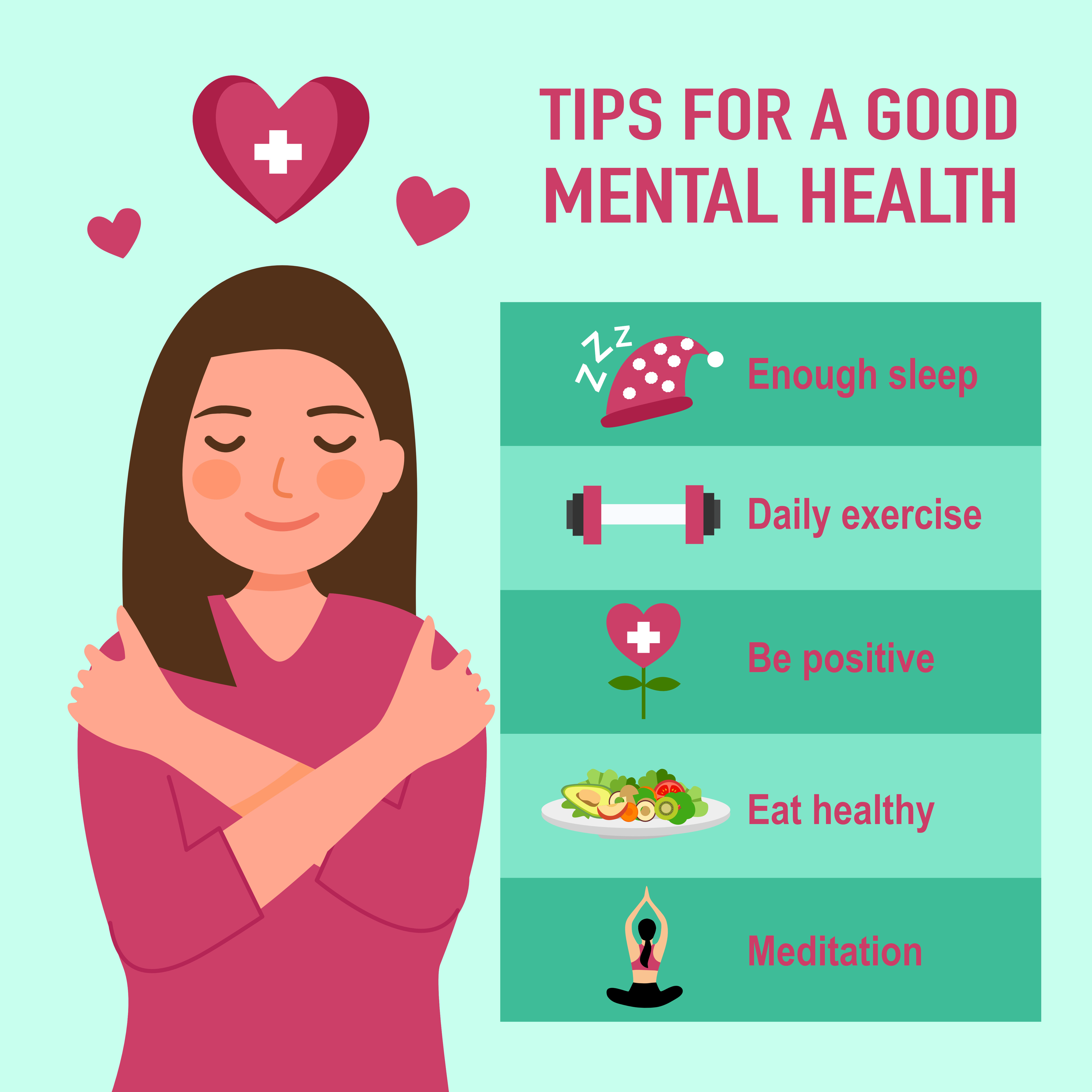
7 Daily Exercises for a Healthier Lifestyle

Staying active is one of the most important aspects of maintaining a healthy lifestyle. While high-intensity workouts and weight training can be beneficial, incorporating a few simple exercises into your daily routine can improve flexibility, strength, and cardiovascular health. Here are the best exercises you should do every day:

  1. Walking

Walking is one of the easiest and most effective exercises. It helps improve cardiovascular health, strengthens muscles, and enhances mood. A brisk 30-minute walk can make a significant difference in overall well-being.

  1. Squats

Squats strengthen the lower body, including the legs, glutes, and core. Doing 15–20 squats daily can help improve mobility and support joint health.

  1. Push-Ups

Push-ups work the chest, shoulders, triceps, and core muscles. This bodyweight exercise builds upper body strength and enhances posture. Start with 10–15 reps and increase gradually.

  1. Planks

Planking is a great way to engage the core, improve posture, and build endurance. Holding a plank for at least 30 seconds daily can strengthen your core and reduce back pain.

  1. Stretching

Stretching keeps muscles flexible and prevents stiffness. Focus on full-body stretches, such as hamstring stretches, shoulder stretches, and neck rolls, to maintain mobility and reduce injury risks.

  1. Jumping Jacks

Jumping jacks are a simple but effective way to get your heart rate up and improve coordination. Doing a set of 30 daily can enhance cardiovascular fitness and warm up the body.

  1. Lunges

Lunges target the legs and glutes while improving balance and coordination. Performing 10–15 lunges on each leg can strengthen lower body muscles and improve stability.

Incorporating these exercises into your daily routine can lead to improved health, increased energy levels, and better overall fitness. Whether you have a busy schedule or are just starting your fitness journey, dedicating a few minutes each day to these simple movements can lead to long-term benefits.

The Power of Inspirational Morning and Evening Routines

Finding time for self-care and personal growth can seem daunting; yet, those who achieve success often attribute much of their productivity and happiness to consistent morning and evening routines. These rituals help set the tone for a focused, fulfilling day and offer a peaceful wind-down at night. The key? Intentionality and inspiration.

Morning Routines: Setting the Tone for Success
Mornings present an opportunity to start fresh, to approach the day with a clear mind and energy. Successful individuals often share similar habits that center around mindfulness, physical activity, and mental stimulation.

  1. Mindfulness and Meditation
    Many successful people, from Oprah Winfrey to Bill Gates, emphasize the importance of starting the day with mindfulness. A few minutes of meditation, deep breathing, or simply sitting in silence can help center thoughts and reduce stress. For instance, dedicating even five minutes to focus on your breath can significantly lower cortisol levels, helping you to approach the day calmly and confidently.
  2. Exercise to Jumpstart Energy
    Whether it’s a brisk walk, yoga, or a full workout session, incorporating physical activity in the morning has numerous benefits. It boosts endorphins, enhances mental clarity, and improves overall health. Studies show that people who exercise in the morning are more likely to stick with their fitness routines, setting them up for long-term success.
  3. Positive Affirmations and Visualization
    Repeating positive affirmations or visualizing your goals are powerful tools for building confidence and focus. Many people like to journal or create vision boards, articulating their goals and dreams. By mentally rehearsing success, they create a roadmap for achieving it. “I am capable, and today I will achieve my goals” can transform your mindset from doubt to empowerment.
  4. Nourishing Breakfast
    While often overlooked, a balanced breakfast is crucial to fueling the body and brain for a productive day. Healthy options like oats, fruits, and proteins help maintain energy levels and focus throughout the day, rather than the crash that comes with sugary, processed alternatives.
  5. Planning and Prioritizing
    Before diving into work, taking a few minutes to outline the day’s priorities can prevent overwhelm and improve time management. Writing a to-do list or using a planner helps to establish a clear direction and keeps you on track for achieving daily goals.

Evening Routines: Reflecting and Recharging
As the day comes to a close, evening routines are essential for decompressing, reflecting, and preparing for restful sleep. Just as mornings set the tone for the day, evenings set the tone for tomorrow.

  1. Unplug and Wind Down
    Many people have adopted the habit of unplugging from technology at least an hour before bed. Reducing screen time and creating a peaceful environment helps signal to the brain that it’s time to rest. Light stretching, a warm bath, or reading a book can all help in shifting gears from productivity to relaxation.
  2. Reflection and Gratitude
    Taking a few moments to reflect on the day can foster growth and positivity. Journaling about achievements or challenges, or simply listing things to be grateful for, can promote a more optimistic outlook. Studies suggest that practicing gratitude regularly can improve sleep quality and overall well-being.
  3. Light Planning for Tomorrow
    Just as mornings benefit from planning, so do evenings. A quick review of the next day’s schedule can reduce stress and create a sense of preparedness. Preparing clothes, packing a lunch, or writing down key tasks ensures that tomorrow begins smoothly.
  4. Sleep Rituals
    Creating an optimal sleep environment is often part of a successful evening routine. This could include lowering room temperatures, using calming scents like lavender, or listening to soothing sounds. A consistent sleep schedule and a clear routine leading to bedtime signal to the body that it’s time to rest, promoting better and deeper sleep.
  5. Positive Affirmations Before Bed
    Ending the day with positive affirmations or a brief meditation helps cultivate peace of mind and relieves any lingering worries. Many successful individuals use this time to visualize their goals and set intentions for the next day, reinforcing a forward-looking, growth-oriented mindset.

The Science Behind Routine
Routine is more than a series of actions—it’s about building habits that shape mental, emotional, and physical well-being. According to psychologists, routines help reduce decision fatigue, increase self-discipline, and create a sense of control. When you know what your day or evening will look like, you conserve mental energy, reduce anxiety, and allow creativity to flourish.

Building Your Own Inspirational Routine
Whether you’re looking to boost productivity, find peace in a chaotic world, or achieve personal goals, inspirational routines can be a game changer. It’s important to find what resonates with you—start small, experiment, and gradually build a routine that enhances your life. Remember, the goal is not perfection but progress.

Morning and evening routines are an investment in your future. They offer the chance to align your actions with your aspirations, ensuring that each day begins and ends with purpose. So why not start today? Whether it’s a morning run or a nightly gratitude practice, your future self will thank you.

Research Highlights Multifaceted Benefits of Regular Physical Activity

In a study published in the Journal of Health and Exercise Science, researchers unveil compelling evidence of the profound effects exercise has on both the body and mind. The findings shed light on the multifaceted benefits of regular physical activity, reaffirming its pivotal role in promoting overall well-being.

The study, conducted over a span of two years, involved a diverse cohort of participants ranging from various age groups and fitness levels. Researchers meticulously tracked participants’ exercise routines while closely monitoring changes in their physical health and mental well-being.

The results were striking, demonstrating a myriad of positive outcomes associated with consistent exercise. Notably, participants exhibited significant improvements in cardiovascular health, with lowered blood pressure and improved cholesterol levels observed across the board. Furthermore, regular physical activity was linked to enhanced muscular strength and endurance, contributing to better overall physical fitness and resilience.

Beyond the tangible benefits to physical health, the study also underscored the profound impact of exercise on mental well-being. Participants reported reduced levels of stress and anxiety, attributing their newfound sense of calm and clarity to their exercise regimens. Moreover, regular physical activity was associated with improved mood and enhanced cognitive function, suggesting a powerful correlation between exercise and mental acuity.

Dr. Emily Watson, lead researcher on the study, emphasized the holistic nature of the findings, stating, “Our research unequivocally demonstrates that exercise is not only beneficial for physical health but also plays a pivotal role in promoting mental well-being. From reducing stress and anxiety to enhancing cognitive function, the benefits of regular physical activity are truly multifaceted.”

The study’s findings hold significant implications for public health initiatives, advocating for the integration of exercise as a cornerstone of preventive medicine. With sedentary lifestyles on the rise and mental health concerns reaching alarming levels, the importance of prioritizing regular physical activity cannot be overstated.

In light of these findings, health experts urge individuals of all ages to incorporate exercise into their daily routines, emphasizing the importance of finding activities that are enjoyable and sustainable. Whether it’s brisk walking, swimming, or yoga, the key lies in consistency and finding activities that align with one’s interests and preferences.

As the world grapples with ongoing health challenges, from the obesity epidemic to rising mental health concerns, the prescription for a healthier, happier life may lie in something as simple as taking a walk or going for a jog. With each step, individuals not only strengthen their bodies but also nurture their minds, unlocking the transformative power of exercise for a brighter, more vibrant future.

References

  1. Watson, Emily et al. “The Impact of Regular Exercise on Physical and Mental Health: A Two-Year Longitudinal Study.” Journal of Health and Exercise Science, vol. 27, no. 2, 2024, pp. 45-68.
  2. American Heart Association. “Physical Activity Improves Quality of Life.” American Heart Association, http://www.heart.org/en/healthy-living/fitness/fitness-basics/physical-activity-improves-quality-of-life. Accessed 19 March 2024.
  3. Harvard Health Publishing. “Regular Exercise Releases Brain Chemicals Key for Memory, Concentration, and Mental Sharpness.” Harvard Health Publishing, www.health.harvard.edu/blog/regular-exercise-changes-brain-improve-memory-thinking-skills-201404097110. Accessed 19 March 2024.
  4. Centers for Disease Control and Prevention. “Physical Activity and Health.” Centers for Disease Control and Prevention, www.cdc.gov/physicalactivity/basics/pa-health/index.htm. Accessed 19 March 2024.
  5. National Institute of Mental Health. “Physical Activity and Mental Health.” National Institute of Mental Health, www.nimh.nih.gov/health/publications/physical-activity-and-mental-health/index.shtml. Accessed 19 March 2024.

Championing a life well-lived: Prioritize Health, Accumulate Wealth, and Safeguard Every Moment

In the pursuit of a fulfilling and well-rounded life, the triumvirate of Health, Wealth, and Safety stands as pillars of paramount importance. Managing these three facets with diligence and balance is not just a choice but a necessity for a resilient and prosperous journey.

Health: The Foundation of Prosperity

A sound body and mind lay the foundation for any successful endeavor. Prioritizing health involves adopting a holistic approach, encompassing physical fitness, mental well-being, and wholesome nutrition. Regular exercise, adequate sleep, and stress management contribute to a robust health regimen. Remember, a healthy individual is better equipped to tackle life’s challenges and capitalize on opportunities.

Wealth: Fueling Aspirations

Wealth, in its various forms, serves as the fuel that propels our ambitions forward. Financial well-being allows us to meet our basic needs, pursue passions, and plan for the future. Effective wealth management involves budgeting, saving, and investing wisely. It’s not just about accumulating assets but creating a sustainable financial ecosystem that aligns with one’s goals and values.

Safety: The Guardian of Progress

Amidst the pursuit of health and wealth, safety emerges as the guardian that ensures the preservation of our achievements and the safeguarding of our well-being. This encompasses personal safety, workplace security, and measures to protect against unforeseen risks. A comprehensive safety net provides the confidence to take calculated risks, knowing that there is a resilient foundation to fall back on if needed.

Harmonizing the Trio

Balancing health, wealth, and safety requires a harmonious integration of these elements into our daily lives. It involves making conscious choices that contribute to overall well-being. For instance, combining physical activities that enhance health with financial decisions that promote wealth, all while being mindful of safety considerations, creates a synergy that amplifies the benefits of each.

Strategies for Success:

  1. Create Holistic Habits: Cultivate habits that support health, wealth, and safety simultaneously. For example, walking or biking to work not only promotes physical health but also reduces transportation costs and contributes to environmental safety.
  2. Educate Yourself: Stay informed about advancements in health, financial strategies, and safety measures. Knowledge empowers individuals to make informed decisions that align with their well-being goals.
  3. Emergency Preparedness: Develop contingency plans for unexpected events. This includes having financial reserves, health insurance, and safety protocols in place. Preparedness is a key component of resilience.
  4. Regular Assessments: Periodically evaluate your progress in managing health, wealth, and safety. Adjust your strategies as needed, ensuring that your approach remains relevant and effective.

The synergy of Health, Wealth, and Safety forms the essence of a truly prosperous and meaningful life. By consciously integrating these elements into our daily routines and decision-making processes, we create a robust framework that not only withstands the tests of time but also propels us toward greater heights of well-being and success.

The Transformative Power of Daily Exercise: A Prescription for a Healthier Life

In a world filled with sedentary lifestyles and the conveniences of modern technology, the importance of daily exercise cannot be overstated. Beyond the pursuit of a sculpted physique, regular physical activity offers a myriad of health benefits that extend far beyond the confines of the gym. From improved mental well-being to enhanced cardiovascular health, embracing a routine of daily exercise is akin to investing in a longer, healthier, and more fulfilling life.

  1. Physical Health:

One of the most immediate and tangible benefits of daily exercise is the positive impact on physical health. Regular physical activity helps maintain a healthy weight, reduce the risk of chronic diseases such as diabetes and cardiovascular issues, and strengthen the immune system. Engaging in activities like brisk walking, jogging, or cycling stimulates the cardiovascular system, promoting better circulation and oxygenation of the body’s tissues and organs.

  1. Mental Well-being:

Exercise is a powerful antidote to the stresses of daily life. The release of endorphins during physical activity acts as a natural mood enhancer, reducing symptoms of anxiety and depression. Moreover, regular exercise has been linked to improved cognitive function, enhanced memory, and a reduced risk of neurodegenerative diseases. Whether it’s a high-intensity workout or a calming yoga session, daily exercise is a holistic approach to mental well-being.

  1. Increased Energy Levels:

Contrary to the misconception that exercise depletes energy, incorporating daily physical activity into your routine can significantly boost your energy levels. Regular exercise improves the efficiency of the cardiovascular and respiratory systems, leading to increased stamina and endurance. As your body becomes more adept at using oxygen and nutrients, you’ll find yourself more alert, focused, and ready to tackle the challenges of the day.

  1. Better Sleep Quality:

Struggling with insomnia or restless nights? Daily exercise might be the solution. Physical activity helps regulate sleep patterns by promoting a more restful and deeper sleep. The body’s temperature rhythm, which plays a crucial role in sleep, is positively influenced by regular exercise. However, it’s essential to complete your workout at least a few hours before bedtime to allow your body to wind down for a peaceful night’s sleep.

  1. Social Connection:

Exercise provides an excellent opportunity to foster social connections and build a sense of community. Whether it’s joining a fitness class, participating in team sports, or going for a group hike, shared physical activities create bonds and a support system. Social interaction is a vital aspect of overall well-being, contributing to a sense of belonging and reducing feelings of isolation.

The benefits of daily exercise extend far beyond the physical, encompassing mental, emotional, and social well-being. As we navigate the demands of modern life, prioritizing a daily exercise routine is a powerful investment in our health and longevity. Whether it’s a morning jog, a yoga session, or a strength training workout, finding a form of exercise that brings joy and fulfillment can be the key to unlocking a healthier and more vibrant life. So, lace up those sneakers, embrace the endorphin rush, and embark on the journey to a better you.

Aging Gracefully: The Vital Role of Exercise in Seniors’ Lives

As the sands of time continue to fall, the importance of maintaining an active lifestyle becomes even more crucial, especially for our beloved seniors. Aging is a natural part of life, but it doesn’t mean surrendering to a sedentary existence. In fact, engaging in regular exercise is a powerful tool that can enhance the quality of life for everyone, especially seniors in numerous ways.

  1. Physical Well-being: A Fountain of Youth

Aging often brings with it a myriad of physical challenges, from diminishing bone density to muscle loss and joint stiffness. However, regular exercise is akin to a fountain of youth, counteracting these effects and promoting overall physical well-being. Weight-bearing exercises, such as walking or strength training, can help maintain bone density and muscle mass, preventing conditions like osteoporosis and sarcopenia.

  1. Mental Agility: Exercising the Mind

The benefits of exercise extend beyond the physical realm—they also have a profound impact on cognitive function. Studies have shown that regular physical activity can help prevent cognitive decline and reduce the risk of developing conditions like Alzheimer’s disease. Engaging in activities that challenge the mind, such as dancing or participating in group exercise classes, stimulates brain function and keeps those synapses firing.

  1. Emotional Health: A Natural Mood Booster

The golden years should be a time of joy and fulfillment, but they often come with their fair share of life changes and challenges. Exercise, however, acts as a natural mood booster, releasing endorphins that combat stress, anxiety, and depression. Seniors who incorporate regular physical activity into their routines often report improved mood, increased self-esteem, and a greater sense of well-being.

  1. Social Connections: Building Bonds Through Movement

Exercise provides a fantastic opportunity for seniors to connect with others and build meaningful relationships. Group classes, walking clubs, or even simple strolls with friends create a sense of community and combat feelings of isolation. Social interactions foster emotional support, encourage a sense of belonging, and contribute to an overall positive outlook on life.

  1. Chronic Disease Management: A Preventive Measure

Many chronic conditions become more prevalent with age, including heart disease, diabetes, and arthritis. Exercise serves as a preventive measure and can help manage these conditions. Cardiovascular exercises, for instance, promote heart health, while regular physical activity helps control blood sugar levels and alleviates symptoms of arthritis.

In the grand tapestry of life, aging is but one thread. With the right mindset and a commitment to staying active, seniors can ensure that this chapter is filled with vibrancy, good health, and a sense of fulfillment. Exercise is not just a physical activity; it’s a celebration of life, a testament to the resilience of the human spirit, and a pathway to aging gracefully. So, let’s embrace the power of movement and empower our seniors to live their best lives—healthy, happy, and full of vitality. Even though I’m not officially a senior, regular exercise is part of my daily regime. So, regardless of age, let’s make sure we stay healthy and wealthy together. Remember age is just a number it’s the smile that matters the most, so keep exercising and smiling cause it really does look good on you.

Why Seniors Need Social Activities

Social activities play a crucial role in the well-being of seniors, providing them with a myriad of physical, mental, and emotional benefits. As individuals age, social connections become increasingly vital in warding off feelings of loneliness and isolation, which are prevalent among the elderly. Engaging in group activities allows seniors to build and maintain relationships, fostering a sense of community and belonging. This social interaction not only enhances their overall mood but also acts as a protective factor against mental health issues such as depression and anxiety.

Photo by Alena Darmel on Pexels.com

Moreover, participating in social activities contributes to the cognitive health of seniors. Mental stimulation through social engagement has been linked to a lower risk of cognitive decline and dementia. Whether it’s playing board games, joining clubs, or attending social events, these activities challenge the brain, keeping it active and resilient. Additionally, the exchange of ideas and experiences in a social setting stimulates cognitive functions, contributing to improved memory, problem-solving skills, and overall mental sharpness.

On a physical level, social activities for seniors often involve movement and exercise, promoting better physical health. Regular physical activity is essential for maintaining mobility, preventing chronic conditions, and ensuring a higher quality of life. From dancing and yoga classes to walking groups, these activities not only provide health benefits but also create opportunities for seniors to connect with their peers, fostering a supportive environment that encourages an active lifestyle. In essence, social activities serve as a holistic approach to promoting the well-being of seniors, addressing their physical, mental, and emotional needs. I work with seniors of all ages and love to help put on events for them. If your young or old, near or far and in need of someone to talk with, please feel free to reach out or leave me a comment. Otherwise, and as I always say… keep smiling cause it really does look good on you.

Why Managing your Health Can Help you Create Wealth

Investing in your health is akin to cultivating a fertile soil for the seeds of wealth to thrive. A robust state of well-being serves as the cornerstone for a prosperous life. When you prioritize your health, you’re making strategic decisions that ripple through every aspect of your financial landscape. Consider the productivity gains that emerge from sustained energy and mental clarity. By managing your health, you enhance your ability to perform at peak levels, whether in your career, entrepreneurial pursuits, or personal projects. This heightened productivity translates into tangible financial gains, as you become more efficient and effective in your endeavors, opening doors to advancement and increased income. Taking charge of your health isn’t just about feeling good—it’s a smart financial move too. Let’s break it down.

  1. Preventive Care Saves Money:
    • Regular health check-ups and preventive measures can catch potential issues early on, saving you from hefty medical bills down the road. Investing in preventive care is like putting money in a health savings account for the future.
  2. Reduced Medical Expenses:
    • Chronic conditions often come with high healthcare costs. By managing your health, you’re less likely to develop these conditions, reducing the financial burden associated with long-term medical care.
  3. Productivity Boost:
    • When you’re healthy, you’re more productive. Whether it’s at work or in your personal projects, being physically and mentally fit enables you to perform at your best. This can lead to career advancements, promotions, and increased income.
  4. Lower Insurance Premiums:
    • Maintaining good health can translate into lower health insurance premiums. Insurance providers often reward individuals with healthy lifestyles by offering lower rates. Over time, these savings can add up significantly.
  5. Longer Working Years:
    • Good health can extend your working years. If you’re able to stay in the workforce for a more extended period, you not only continue earning but also delay tapping into your savings for retirement.
  6. Quality of Life:
    • Wealth isn’t just about the money in your bank account; it’s also about the quality of life you lead. Good health contributes to a higher quality of life, allowing you to enjoy your wealth more fully.
  7. Mind-Body Soul Connection:
    • Mental health is a crucial aspect of overall well-being. A healthy mind is better equipped to handle stress, make sound financial decisions, and pursue opportunities that can contribute to your wealth.
  8. Economic Downturn Resilience:
    • During economic downturns or personal financial setbacks, good health can be a safety net. It reduces the likelihood of incurring additional medical expenses during already challenging times.
  9. Investing in Healthy Habits:
    • Healthy habits, such as regular exercise and a balanced diet, may seem like small expenses, but they’re investments in your long-term well-being. The returns on these investments can be seen in both your health and your financial stability.
  10. Opportunity Costs:
    • Illness often comes with opportunity costs. Time spent recovering or dealing with health issues is time not spent pursuing career opportunities, investments, or personal growth.

In essence, managing your health is a wise financial strategy. It not only safeguards your current assets but also lays the foundation for future wealth by ensuring you’re physically and mentally equipped to seize opportunities and navigate the challenges life throws your way. A healthy lifestyle is a prudent investment with compounding returns. The preventive measures you take today, such as preventative care, quality of life and healthy habits shield you from the escalating costs of potential health issues in the future. These measures not only reduce medical expenses but also contribute to an extended and more productive career. The longevity of your working years translates into a longer runway for wealth accumulation and delayed reliance on retirement funds. In essence, managing your health is a proactive strategy that not only safeguards your current financial well-being but lays the groundwork for sustained wealth creation over the long haul. I help people make better longterm decisions and if you have any additional strategies that your using to balance your health while creating wealth, please share. Otherwise, and as always keep smiling and living healthy, as it really does look good on you.