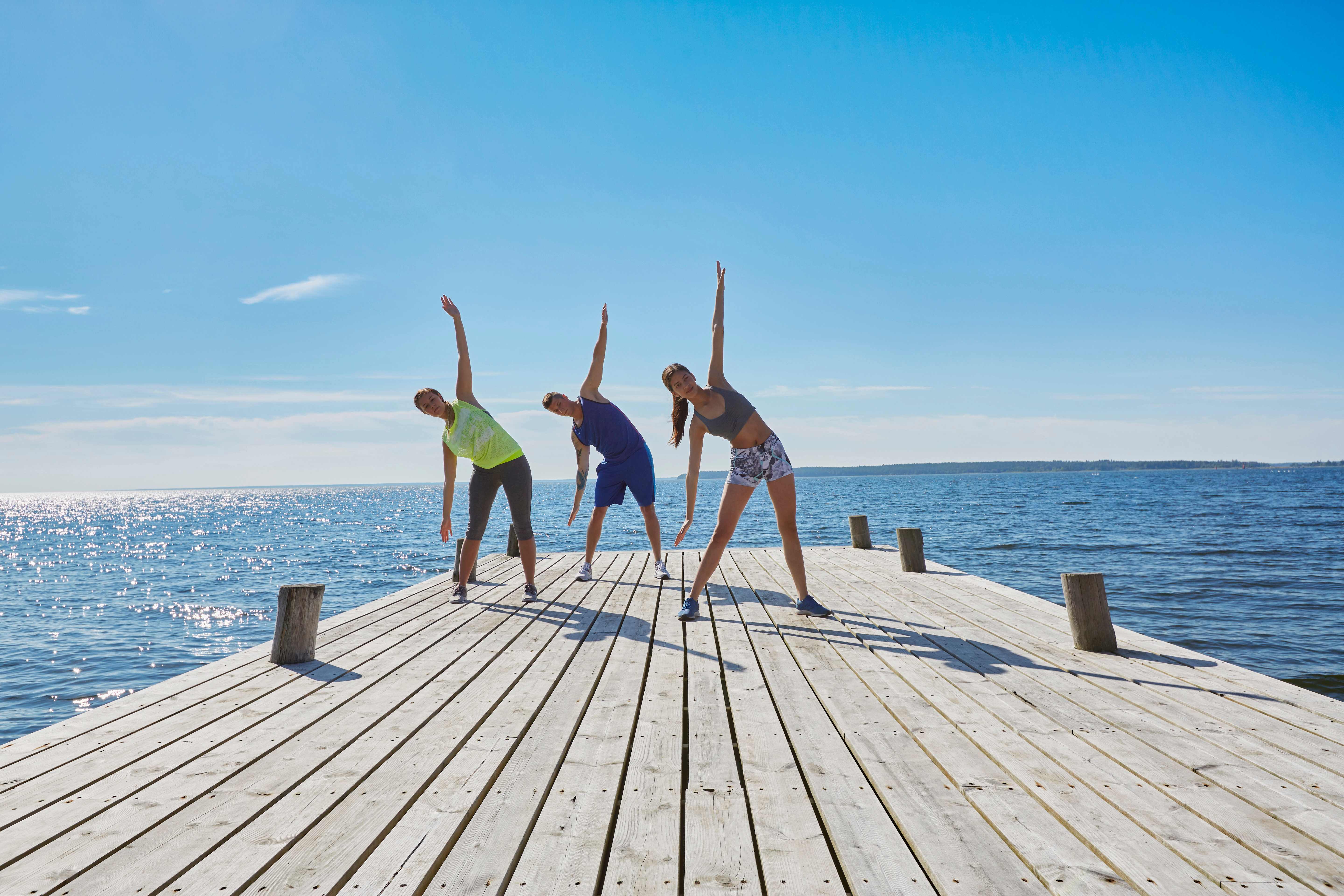
Maintain Fitness During Holiday Chaos

Every year, millions of people decide that November and December are “throwaway months” for fitness. Between travel, family gatherings, cold weather, and endless holiday treats, it’s easy to fall into the mindset of “I’ll start again on January 1.” But here’s the truth: you don’t need a new year—you need consistency, clarity, and a realistic plan.

While motivation naturally dips during the holiday season, staying committed, even at a lighter pace, provides enormous benefits. You protect your progress, stabilize your energy levels, reduce stress, and set yourself up for a smoother, more confident start to the new year.

Below is a deeper look at how to stay on track—and a few quotes to keep you inspired along the way.


Staying the Course: A Deeper Look at Holiday Fitness Success

1. Lower the Bar (But Don’t Drop It Entirely)

Holiday seasons are unpredictable. Schedules tighten. Travel interrupts routines. But instead of ditching your plan entirely, adapt it.

A 45-minute workout becomes 15.
A full gym session becomes a walk.
Progress becomes maintenance—and maintenance is still a win.

Quote:
“Success isn’t about doing everything perfectly. It’s about refusing to do nothing.”

By scaling your workouts instead of abandoning them, you keep your discipline intact. And that discipline is what will carry you into January with momentum, not guilt.


2. Plan Around Your Life, Not Against It

You know the season will bring events, family time, and unpredictable moments. Instead of fighting them, build your fitness schedule to work with the chaos.

  • Exercise first thing in the morning to avoid evening cancellations.
  • Look ahead at your week—if you have a big dinner planned, schedule an easier workout that day.
  • If you’re traveling, plan bodyweight circuits or walking routes at your destination.

Quote:
“A busy season isn’t an excuse—it’s a reason to plan smarter.”

When movement becomes part of your weekly map, it’s far easier to stay consistent.


3. Keep 2–3 Non-Negotiables

This strategy works because it removes decision fatigue. Pick a few things you will commit to no matter what.

Examples:

  • 8,000 steps a day
  • Stretching for 10 minutes before bed
  • Drinking half your body weight in ounces of water
  • A protein-focused breakfast every morning

These small habits protect your health even when your routine shifts.

Quote:
“Consistency is built on the small promises you keep to yourself.”

Non-negotiables anchor your holiday mindset and keep you from slipping into all-or-nothing behavior.


4. Use the Power of Micro-Workouts

Micro-workouts—short bursts of exercise scattered throughout the day—are incredibly effective for maintaining energy and metabolism.

Ideas include:

  • 10–20 squats every hour
  • A 2-minute plank before showering
  • Calf raises while brushing your teeth
  • Push-ups every commercial break
  • A 5-minute walk after every meal to aid digestion

Quote:
“If you don’t have time for a full workout, you still have time for movement.”

Small chunks of effort add up to big results over the course of the season.


5. Focus on Nutrition Basics (Not Perfection)

The holidays are full of indulgence. And they should be enjoyed. But with a few simple practices, you can stay balanced:

  • Eat protein with every meal to reduce cravings.
  • Drink water consistently throughout the day.
  • Fill half your plate with vegetables before adding the festive foods.
  • Don’t skip meals to “save calories”—it backfires.

Healthy eating during the holidays isn’t about restriction—it’s about strategy.

Quote:
“Holiday food isn’t the enemy; mindless habits are.”

Enjoying your favorites with intention will help you stay in control.


6. Reconnect With Your “Why”

Motivation fades—especially during the busiest season of the year. But remembering why you started can anchor your commitment.

Ask yourself:

  • Am I doing this for my long-term health?
  • For more confidence?
  • For better energy?
  • To set an example for my family?

Your why is your personal North Star.

Quote:
“When motivation fades, purpose takes over.”

Keeping your deeper reason close makes it far easier to push through the holiday challenges.


Short & Powerful

You don’t need perfect discipline to stay healthy during the holidays—you need persistent, flexible, realistic discipline.

You can enjoy the season fully and still honor your goals.
You can celebrate without losing your progress.
You can enter January proud, strong, and already in motion.

The best gift you give yourself this year may not come wrapped in a box—it may be the commitment you choose to keep.

The Best Ways to Learn Faster and Improve Your Memory — and How It Can Boost Your Health and Wealth

From classrooms to careers, the ability to learn quickly and remember effectively has become one of the most valuable skills a person can develop. Strong memory and sharper learning don’t just lead to better grades or job performance—they also support long-term health and financial success. A stronger mind means better choices, less stress, and greater opportunities.

1. Embrace Active Learning
Engaging with material—summarizing, teaching, or using flashcards—creates stronger memory pathways. Beyond academics, this skill translates into sharper thinking in business and personal finance, where quick recall of information can mean smarter money choices.

2. Use Spaced Repetition
By reinforcing knowledge over time, you’re not only improving retention but also reducing the stress that comes with last-minute cramming. Lower stress means healthier blood pressure and better long-term focus—both of which are linked to higher productivity and earning potential.

3. Prioritize Sleep
Sleep is the body’s reset button. It strengthens memory, sharpens focus, and promotes better decision-making. Studies show well-rested people are less likely to make impulsive purchases, more effective at managing investments, and healthier overall.

4. Exercise for Brain Health
Movement increases blood flow and oxygen to the brain, boosting memory and creativity. Regular exercise has also been tied to higher lifetime earnings by improving workplace performance and reducing healthcare costs.

5. Practice Mindfulness and Meditation
Mindfulness lowers stress hormones, improves concentration, and sharpens memory. The payoff is twofold: better mental health and more disciplined financial habits, since mindfulness helps people avoid emotional, costly decisions.

6. Fuel Your Brain with the Right Nutrition
A diet rich in brain-boosting foods like salmon, nuts, and leafy greens not only strengthens cognitive function but also reduces the risk of costly long-term health problems. Investing in nutrition today saves on medical expenses tomorrow.

7. Limit Multitasking
Single-tasking leads to better retention and fewer mistakes—whether you’re learning new skills, balancing your budget, or making a career move. Fewer mistakes in health and financial decisions directly translate to long-term gains.

8. Use Mnemonics and Visualization
Simple memory tools like acronyms or visualization techniques make learning easier. Applied to personal finance or career growth, these methods help people remember key strategies, deadlines, and opportunities—small advantages that compound into wealth.

Looking Ahead
Improving how you learn and remember doesn’t just give you an edge in the classroom or workplace. It’s also a blueprint for healthier living and greater financial success. By combining proven learning strategies with lifestyle habits that strengthen the brain, you can build a sharper mind, a stronger body, and a wealthier future.

How I Keep My Brain Sharp as I Age

As I’ve gotten older, I’ve realized that taking care of my mind is just as important as taking care of my body. It’s not just about preventing memory lapses; it’s about staying sharp, curious, and engaged with life. Over the years, I’ve adopted several habits that I truly believe have helped me keep my brain in good shape—and the science backs it up.

Exercise Is My Non-Negotiable
I’ve found that moving my body daily, whether it’s a brisk walk, yoga, or light weightlifting, doesn’t just keep me physically fit—it clears my mind. Research shows that exercise increases blood flow to the brain and encourages the growth of new brain cells. I can feel the difference in my focus and energy on the days I move versus the days I don’t.

Food as Brain Fuel
What I eat has changed a lot. I’ve cut back on processed foods and leaned more into fresh vegetables, fruits, nuts, and fish. The Mediterranean diet, which many doctors recommend, isn’t just about longevity—it’s about mental clarity. When I eat clean, my thoughts feel sharper and my mood steadier.

Protecting My Sleep
In my younger years, I thought burning the candle at both ends was normal. Now, I treat sleep like medicine. Deep sleep helps my brain “clean house,” and when I get a solid 7–8 hours, my memory and problem-solving are noticeably better.

The Power of People
I’ve learned that socializing isn’t just about fun—it’s brain protection. Conversations, laughter, and community keep me engaged and emotionally balanced. Isolation, on the other hand, makes my mind feel sluggish.

Challenging My Mind Daily
Reading books, doing puzzles, or even trying to learn new skills keeps my brain on its toes. Recently, I started learning a new language—it’s humbling, but I can feel my brain stretching in ways it hasn’t in years.

Managing Stress the Hard Way
Stress used to be my constant companion. Over time, I noticed how it clouded my judgment and wore me down mentally. Now, I practice mindfulness and deep breathing. Even a few minutes of stillness in the morning changes how my entire day feels.

Checking In on My Health
Finally, I don’t ignore routine checkups anymore. Managing blood pressure, cholesterol, and overall health directly affects brain health. I’ve seen too many people neglect this, only to face cognitive issues later in life.

At the end of the day, brain health is not about one magic trick—it’s about small, consistent habits. For me, it’s a mix of movement, nourishment, rest, connection, curiosity, peace of mind, and medical awareness. And I can honestly say, these practices make me feel sharper, more alive, and ready for whatever comes next.

How Sports Have Enhanced My Health and Can Improve Yours Too

When I think about the biggest changes I’ve made to improve my health, sports are at the top of the list. For me, playing and staying active isn’t just about competition—it’s about feeling stronger, clearer, and more energized in my daily life.

Over the years, I’ve noticed how much better I feel when I make time for sports. My body is healthier, my mind is sharper, and even my outlook on life improves. The more I commit to staying active, the more I see the benefits build on each other.

What Sports Do for Me (and Can Do for You)

Here are some of the ways sports have made a positive impact on my health:

  • Boost my heart health – I can feel the difference in my stamina and endurance.
  • Build stronger muscles and bones – Staying active has helped me feel stronger and more balanced.
  • Help me manage weight – Playing sports burns off stress (and calories) at the same time.
  • Improve my flexibility and coordination – I move better and feel less stiff.
  • Reduce my stress and anxiety – There’s nothing like the mood boost after a good workout or game.
  • Help me sleep better – When I stay active, I fall asleep faster and rest deeper.
  • Strengthen my immune system – I notice I get sick less often.
  • Give me social connections – Team sports especially help me bond with others and feel part of something bigger.
  • Sharpen my focus – I concentrate better and make clearer decisions.
  • Add years to my life – Staying active makes me feel younger and healthier every day.

Why I Keep Playing

For me, sports are more than exercise—they’re a way to build confidence, relieve stress, and invest in my future health. No matter your age or skill level, there’s a sport out there for you. The key is finding something you enjoy and sticking with it.

I’ve learned that when I make time for sports, I’m not just playing a game—I’m building a better version of myself. And you can too.

Why Aging Leads to Greater Happiness and Wisdom

Aging is often seen as a daunting process, but research and real-life experiences suggest that growing older comes with a wealth of benefits. While youth is often idealized, many people find that life improves as they age, bringing greater happiness, confidence, and contentment.

The Science of Happiness and Aging
Contrary to popular belief, studies show that happiness tends to increase with age. A 2023 study published in the Journal of Psychological Science found that people in their 50s and beyond reported higher life satisfaction than their younger counterparts. Experts believe this is due to increased emotional intelligence, a stronger sense of self, and a shift in priorities toward meaningful relationships and experiences.

“As we age, we become more focused on what truly matters,” says Dr. Emily Carter, a psychologist specializing in aging and well-being. “Older adults tend to let go of unnecessary stressors, focus on personal growth, and appreciate life’s simple joys.”

Wisdom, Confidence, and Emotional Strength
One of the greatest advantages of aging is the accumulation of wisdom. Life experiences shape people into more resilient, knowledgeable, and self-assured individuals. Many report feeling more confident and less concerned with societal pressures or unrealistic expectations.

“I used to worry about what others thought of me,” says 62-year-old entrepreneur Maria Lopez. “But with age, I’ve learned to embrace who I am. There’s freedom in not needing to impress anyone but yourself.”

Stronger Relationships and Better Decision-Making
Age often brings deeper and more meaningful connections. Older adults prioritize relationships that bring joy and fulfillment, letting go of toxic or superficial bonds. They also tend to make better decisions, thanks to years of learning from past mistakes.

“Experience teaches us how to navigate life’s challenges with more grace,” says Dr. Carter. “Older individuals are less impulsive and more thoughtful in their choices, leading to greater life satisfaction.”

New Opportunities and Pursuits
Retirement is no longer seen as the end of an era but rather the beginning of new adventures. Many older adults start new hobbies, travel, volunteer, or even launch second careers. With advances in healthcare and longer life expectancy, people in their 60s, 70s, and beyond are embracing active and fulfilling lifestyles.

Embracing the Beauty of Aging
While aging comes with its challenges, it also brings a sense of gratitude, purpose, and peace. By focusing on personal growth, nurturing relationships, and embracing change, life can indeed get better with age.

So, instead of dreading the passage of time, let’s celebrate it—because the best years might just be ahead.

The Fitness Connection: How Exercise Builds Friendships

Staying active is essential not just for physical health but for overall well-being. Regular exercise strengthens the body, sharpens the mind, and enhances emotional resilience. However, beyond its physical and mental benefits, fitness also serves as a powerful tool for building friendships and social connections.

The Social Side of Fitness
Whether it’s joining a gym, participating in a local running club, or attending a group yoga session, exercising with others fosters a sense of community. Studies have shown that social interactions during physical activities can increase motivation, accountability, and long-term commitment to fitness goals.

“When people exercise together, they encourage one another, share progress, and build friendships that extend beyond the gym or track,” says Dr. Emily Carter, a health and wellness expert. “It’s an excellent way to stay committed while also enjoying the support of a like-minded community.”

Breaking Isolation Through Movement
For many, social isolation has become a growing concern, especially in the wake of increased remote work and digital communication. Group fitness activities provide an opportunity to break out of solitude, fostering genuine face-to-face interactions. From recreational sports leagues to dance classes, these activities create an environment where people bond over shared interests.

John Reynolds, a 42-year-old marathon runner, shares his experience: “When I started running, I was just looking for a way to stay in shape. What I didn’t expect was finding a community that felt like family. We train together, support each other during races, and even celebrate milestones in our personal lives.”

The Mental Health Boost
Engaging in physical activities with others has been linked to improved mental health. Exercise releases endorphins, the body’s natural mood boosters, while social interactions help reduce stress and anxiety. Group workouts can also provide a sense of belonging, improving self-esteem and emotional resilience.

A recent study by the American Psychological Association found that people who engage in regular group exercises report lower levels of stress and higher overall happiness compared to those who exercise alone.

How to Get Started
For those looking to incorporate fitness and socialization into their routine, here are a few simple ways to begin:

Join a fitness class: From spin sessions to Pilates, structured group workouts provide a built-in support system.
Try team sports: Basketball, soccer, and volleyball leagues offer both physical benefits and opportunities to connect.
Sign up for community events: Charity runs, hiking meetups, and yoga in the park bring people together while promoting wellness.
Find a workout buddy: Having a partner can increase accountability and make exercising more enjoyable.

Staying active isn’t just about improving one’s physical health—it’s also a gateway to forming meaningful connections. Whether through shared goals, friendly competition, or simply the joy of movement, fitness has the power to strengthen both the body and the bonds between people.

So, the next time you lace up your running shoes or roll out your yoga mat, remember: you’re not just working out—you’re opening the door to new friendships and a healthier, happier life.

7 Daily Exercises for a Healthier Lifestyle

Staying active is one of the most important aspects of maintaining a healthy lifestyle. While high-intensity workouts and weight training can be beneficial, incorporating a few simple exercises into your daily routine can improve flexibility, strength, and cardiovascular health. Here are the best exercises you should do every day:

  1. Walking

Walking is one of the easiest and most effective exercises. It helps improve cardiovascular health, strengthens muscles, and enhances mood. A brisk 30-minute walk can make a significant difference in overall well-being.

  1. Squats

Squats strengthen the lower body, including the legs, glutes, and core. Doing 15–20 squats daily can help improve mobility and support joint health.

  1. Push-Ups

Push-ups work the chest, shoulders, triceps, and core muscles. This bodyweight exercise builds upper body strength and enhances posture. Start with 10–15 reps and increase gradually.

  1. Planks

Planking is a great way to engage the core, improve posture, and build endurance. Holding a plank for at least 30 seconds daily can strengthen your core and reduce back pain.

  1. Stretching

Stretching keeps muscles flexible and prevents stiffness. Focus on full-body stretches, such as hamstring stretches, shoulder stretches, and neck rolls, to maintain mobility and reduce injury risks.

  1. Jumping Jacks

Jumping jacks are a simple but effective way to get your heart rate up and improve coordination. Doing a set of 30 daily can enhance cardiovascular fitness and warm up the body.

  1. Lunges

Lunges target the legs and glutes while improving balance and coordination. Performing 10–15 lunges on each leg can strengthen lower body muscles and improve stability.

Incorporating these exercises into your daily routine can lead to improved health, increased energy levels, and better overall fitness. Whether you have a busy schedule or are just starting your fitness journey, dedicating a few minutes each day to these simple movements can lead to long-term benefits.

The Power of Inspirational Morning and Evening Routines

Finding time for self-care and personal growth can seem daunting; yet, those who achieve success often attribute much of their productivity and happiness to consistent morning and evening routines. These rituals help set the tone for a focused, fulfilling day and offer a peaceful wind-down at night. The key? Intentionality and inspiration.

Morning Routines: Setting the Tone for Success
Mornings present an opportunity to start fresh, to approach the day with a clear mind and energy. Successful individuals often share similar habits that center around mindfulness, physical activity, and mental stimulation.

  1. Mindfulness and Meditation
    Many successful people, from Oprah Winfrey to Bill Gates, emphasize the importance of starting the day with mindfulness. A few minutes of meditation, deep breathing, or simply sitting in silence can help center thoughts and reduce stress. For instance, dedicating even five minutes to focus on your breath can significantly lower cortisol levels, helping you to approach the day calmly and confidently.
  2. Exercise to Jumpstart Energy
    Whether it’s a brisk walk, yoga, or a full workout session, incorporating physical activity in the morning has numerous benefits. It boosts endorphins, enhances mental clarity, and improves overall health. Studies show that people who exercise in the morning are more likely to stick with their fitness routines, setting them up for long-term success.
  3. Positive Affirmations and Visualization
    Repeating positive affirmations or visualizing your goals are powerful tools for building confidence and focus. Many people like to journal or create vision boards, articulating their goals and dreams. By mentally rehearsing success, they create a roadmap for achieving it. “I am capable, and today I will achieve my goals” can transform your mindset from doubt to empowerment.
  4. Nourishing Breakfast
    While often overlooked, a balanced breakfast is crucial to fueling the body and brain for a productive day. Healthy options like oats, fruits, and proteins help maintain energy levels and focus throughout the day, rather than the crash that comes with sugary, processed alternatives.
  5. Planning and Prioritizing
    Before diving into work, taking a few minutes to outline the day’s priorities can prevent overwhelm and improve time management. Writing a to-do list or using a planner helps to establish a clear direction and keeps you on track for achieving daily goals.

Evening Routines: Reflecting and Recharging
As the day comes to a close, evening routines are essential for decompressing, reflecting, and preparing for restful sleep. Just as mornings set the tone for the day, evenings set the tone for tomorrow.

  1. Unplug and Wind Down
    Many people have adopted the habit of unplugging from technology at least an hour before bed. Reducing screen time and creating a peaceful environment helps signal to the brain that it’s time to rest. Light stretching, a warm bath, or reading a book can all help in shifting gears from productivity to relaxation.
  2. Reflection and Gratitude
    Taking a few moments to reflect on the day can foster growth and positivity. Journaling about achievements or challenges, or simply listing things to be grateful for, can promote a more optimistic outlook. Studies suggest that practicing gratitude regularly can improve sleep quality and overall well-being.
  3. Light Planning for Tomorrow
    Just as mornings benefit from planning, so do evenings. A quick review of the next day’s schedule can reduce stress and create a sense of preparedness. Preparing clothes, packing a lunch, or writing down key tasks ensures that tomorrow begins smoothly.
  4. Sleep Rituals
    Creating an optimal sleep environment is often part of a successful evening routine. This could include lowering room temperatures, using calming scents like lavender, or listening to soothing sounds. A consistent sleep schedule and a clear routine leading to bedtime signal to the body that it’s time to rest, promoting better and deeper sleep.
  5. Positive Affirmations Before Bed
    Ending the day with positive affirmations or a brief meditation helps cultivate peace of mind and relieves any lingering worries. Many successful individuals use this time to visualize their goals and set intentions for the next day, reinforcing a forward-looking, growth-oriented mindset.

The Science Behind Routine
Routine is more than a series of actions—it’s about building habits that shape mental, emotional, and physical well-being. According to psychologists, routines help reduce decision fatigue, increase self-discipline, and create a sense of control. When you know what your day or evening will look like, you conserve mental energy, reduce anxiety, and allow creativity to flourish.

Building Your Own Inspirational Routine
Whether you’re looking to boost productivity, find peace in a chaotic world, or achieve personal goals, inspirational routines can be a game changer. It’s important to find what resonates with you—start small, experiment, and gradually build a routine that enhances your life. Remember, the goal is not perfection but progress.

Morning and evening routines are an investment in your future. They offer the chance to align your actions with your aspirations, ensuring that each day begins and ends with purpose. So why not start today? Whether it’s a morning run or a nightly gratitude practice, your future self will thank you.

Research Highlights Multifaceted Benefits of Regular Physical Activity

In a study published in the Journal of Health and Exercise Science, researchers unveil compelling evidence of the profound effects exercise has on both the body and mind. The findings shed light on the multifaceted benefits of regular physical activity, reaffirming its pivotal role in promoting overall well-being.

The study, conducted over a span of two years, involved a diverse cohort of participants ranging from various age groups and fitness levels. Researchers meticulously tracked participants’ exercise routines while closely monitoring changes in their physical health and mental well-being.

The results were striking, demonstrating a myriad of positive outcomes associated with consistent exercise. Notably, participants exhibited significant improvements in cardiovascular health, with lowered blood pressure and improved cholesterol levels observed across the board. Furthermore, regular physical activity was linked to enhanced muscular strength and endurance, contributing to better overall physical fitness and resilience.

Beyond the tangible benefits to physical health, the study also underscored the profound impact of exercise on mental well-being. Participants reported reduced levels of stress and anxiety, attributing their newfound sense of calm and clarity to their exercise regimens. Moreover, regular physical activity was associated with improved mood and enhanced cognitive function, suggesting a powerful correlation between exercise and mental acuity.

Dr. Emily Watson, lead researcher on the study, emphasized the holistic nature of the findings, stating, “Our research unequivocally demonstrates that exercise is not only beneficial for physical health but also plays a pivotal role in promoting mental well-being. From reducing stress and anxiety to enhancing cognitive function, the benefits of regular physical activity are truly multifaceted.”

The study’s findings hold significant implications for public health initiatives, advocating for the integration of exercise as a cornerstone of preventive medicine. With sedentary lifestyles on the rise and mental health concerns reaching alarming levels, the importance of prioritizing regular physical activity cannot be overstated.

In light of these findings, health experts urge individuals of all ages to incorporate exercise into their daily routines, emphasizing the importance of finding activities that are enjoyable and sustainable. Whether it’s brisk walking, swimming, or yoga, the key lies in consistency and finding activities that align with one’s interests and preferences.

As the world grapples with ongoing health challenges, from the obesity epidemic to rising mental health concerns, the prescription for a healthier, happier life may lie in something as simple as taking a walk or going for a jog. With each step, individuals not only strengthen their bodies but also nurture their minds, unlocking the transformative power of exercise for a brighter, more vibrant future.

References

  1. Watson, Emily et al. “The Impact of Regular Exercise on Physical and Mental Health: A Two-Year Longitudinal Study.” Journal of Health and Exercise Science, vol. 27, no. 2, 2024, pp. 45-68.
  2. American Heart Association. “Physical Activity Improves Quality of Life.” American Heart Association, http://www.heart.org/en/healthy-living/fitness/fitness-basics/physical-activity-improves-quality-of-life. Accessed 19 March 2024.
  3. Harvard Health Publishing. “Regular Exercise Releases Brain Chemicals Key for Memory, Concentration, and Mental Sharpness.” Harvard Health Publishing, www.health.harvard.edu/blog/regular-exercise-changes-brain-improve-memory-thinking-skills-201404097110. Accessed 19 March 2024.
  4. Centers for Disease Control and Prevention. “Physical Activity and Health.” Centers for Disease Control and Prevention, www.cdc.gov/physicalactivity/basics/pa-health/index.htm. Accessed 19 March 2024.
  5. National Institute of Mental Health. “Physical Activity and Mental Health.” National Institute of Mental Health, www.nimh.nih.gov/health/publications/physical-activity-and-mental-health/index.shtml. Accessed 19 March 2024.