Navigating Self-Improvement in the Digital Age

When technology rapidly evolves and societal norms continuously shift, self-improvement has emerged as a prominent movement, captivating the attention of millions worldwide. From mindfulness practices to professional development, the pursuit of personal growth has become a defining feature of contemporary life.

The Rise of Self-Improvement

The self-improvement industry has seen exponential growth in recent years. According to Market Research Future, the global personal development market is projected to reach USD $41.81 billion by 2027, expanding at a compound annual growth rate (CAGR) of 5.1%. This surge is driven by a growing awareness of mental health, the want for work-life balance, and the accessibility of self-improvement resources.

Digital Platforms Fuel Growth

The advent of digital platforms has revolutionized access to self-improvement content. Podcasts, webinars, and online courses offer a plethora of resources, enabling individuals to embark on their personal development journeys from the comfort of their homes. Popular platforms like MasterClass, Skillshare, and Coursera give courses on a wide range of topics, from leadership skills to creative writing, making self-improvement more accessible than ever before.

Mindfulness and Mental Health

Mindfulness and mental health have become central themes in the self-improvement narrative. The rise of mindfulness apps like Headspace and Calm underscores the increasing recognition of the importance of mental well-being. These apps offer guided meditations, breathing exercises, and sleep stories, helping users manage stress and improve their mental health.

Dr. Sarah Thompson, a psychologist and mindfulness expert, explains, “The integration of mindfulness practices into daily life can lead to significant improvements in mental health, reducing anxiety and depression while enhancing overall well-being.”

Professional Development

In the professional realm, self-improvement is closely linked with career advancement. Employers are increasingly recognizing the value of investing in their employees’ personal development. Programs focused on leadership training, communication skills, and emotional intelligence are becoming commonplace in the corporate world.

John Miller, CEO of a leading tech firm, emphasizes, “Continuous learning and development are crucial for staying competitive in today’s fast-paced business environment. By investing in our employees’ growth, we not only enhance their skills but also foster a culture of innovation and resilience.”

The Role of Social Media

Social media has played a pivotal role in popularizing self-improvement. Influencers and thought leaders share their journeys, offering tips and inspiration to their followers. Hashtags like #SelfImprovement, #PersonalGrowth, and #Mindfulness have garnered millions of posts, creating a global community of individuals committed to bettering themselves.

However, experts caution against the potential downsides of social media-driven self-improvement. Dr. Emily Roberts, a sociologist, notes, “While social media can be a valuable source of inspiration, it can also create unrealistic expectations and contribute to feelings of inadequacy. It’s important for individuals to set realistic goals and understand that personal growth is a continuous, individualized process.”

Looking Ahead

The future of self-improvement looks promising as more people embrace the journey of personal growth. As technological advancements continue and societal attitudes towards mental health evolve, the self-improvement movement is poised to make a lasting impact on individuals and communities worldwide.

The self-improvement surge is a significant cultural shift towards prioritizing personal growth and well-being. With the support of digital platforms, corporate initiatives, and a global community, individuals are empowered to embark on their unique journeys of self-discovery and development. As the movement continues to gain momentum, it holds the potential to transform lives and shape a more mindful, resilient, and fulfilled society.

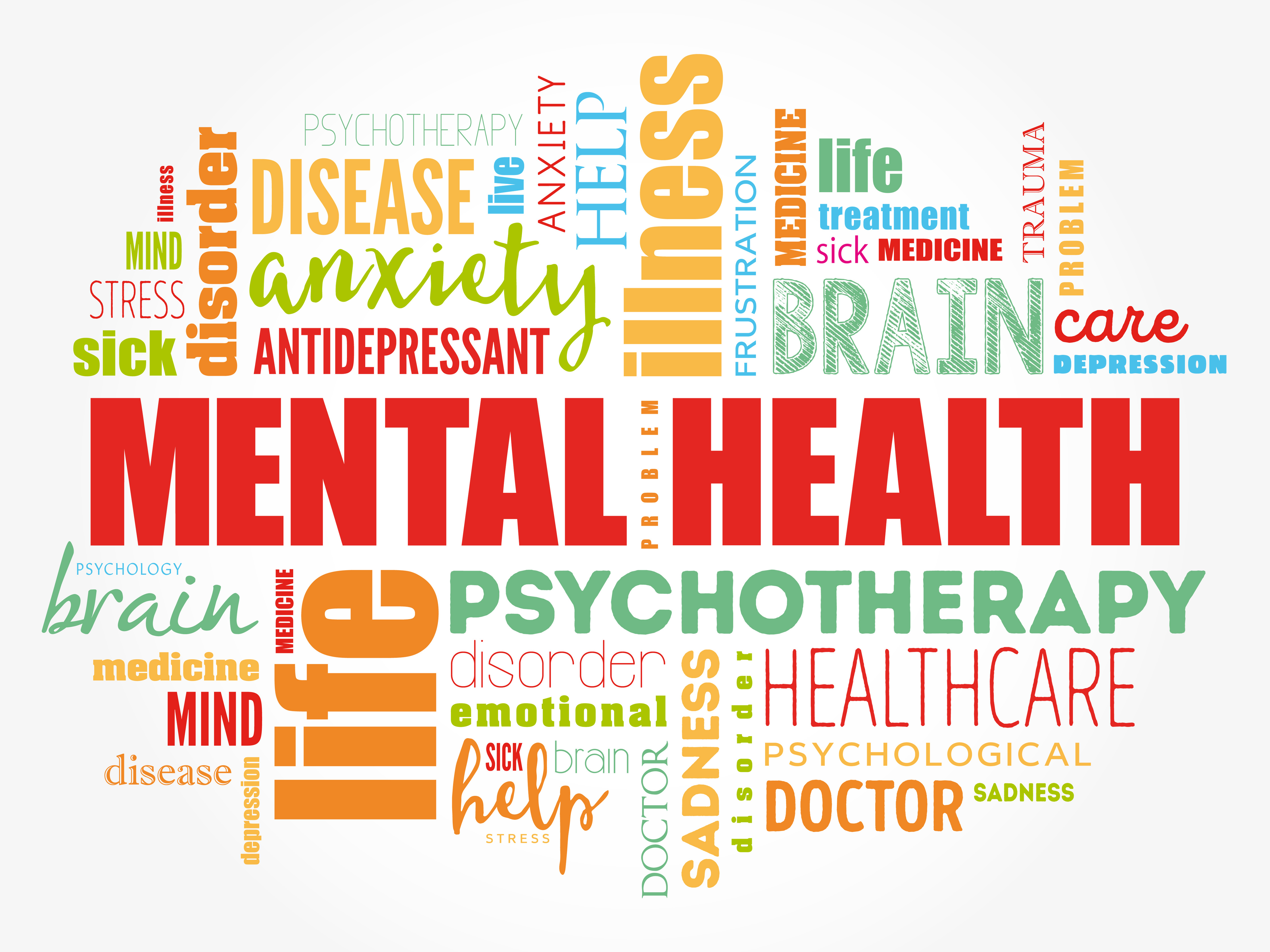
The Importance of Mental Health at Every Life Stage

In this day and age where the pace of life is ever-increasing and the demands of daily living are constantly evolving, the importance of mental health cannot be overstated. From childhood to old age, taking care of your mental health is crucial for overall well-being and quality of life.

Mental Health in Childhood

For children, mental health is the foundation for future development. A child’s early experiences shape their brain development, influencing their emotional and social capabilities. According to the American Psychological Association, untreated mental health issues in childhood, such as anxiety or depression, can lead to difficulties in school, trouble forming healthy relationships, and an increased risk of substance abuse later in life. Early intervention and support from parents, teachers, and mental health professionals can help children develop resilience and coping skills.

Adolescence: A Critical Period

Adolescence is a critical period for mental health, as teenagers navigate the complexities of identity, relationships, and academic pressures. The World Health Organization (WHO) reports that half of all mental health conditions start by age 14, but most cases are undetected and untreated. Encouraging open conversations about mental health, reducing stigma, and providing access to mental health services are essential for supporting adolescents during this tumultuous time. Schools and communities play a pivotal role in creating safe environments where young people feel empowered to seek help.

Adult Mental Health: Balancing Responsibilities

Adulthood brings a new set of challenges, including career pressures, family responsibilities, and financial stress. The National Institute of Mental Health (NIMH) highlights that adults with untreated mental health issues are at risk for chronic diseases, decreased productivity, and strained relationships. Regular self-care practices, such as exercise, healthy eating, and mindfulness, can help manage stress. Employers can contribute by fostering a supportive workplace culture and offering mental health resources.

Aging and Mental Health

Mental health remains important in older adulthood, where issues such as loneliness, grief, and physical health problems can impact well-being. According to the Centers for Disease Control and Prevention (CDC), depression and anxiety are common among older adults but often go undiagnosed. Staying socially active, engaging in mentally stimulating activities, and seeking support for mental health concerns can significantly enhance the quality of life for seniors.

Breaking the Stigma

Across all ages, one of the biggest barriers to seeking help is the stigma associated with mental health issues. Education and awareness campaigns can play a crucial role in normalizing mental health care. Encouraging open discussions about mental health, sharing personal stories, and promoting the message that it’s okay to seek help are vital steps in breaking down these barriers.

The Role of Technology

In recent years, technology has become a valuable tool in mental health care. Teletherapy, mental health apps, and online support groups provide accessible options for those seeking help. However, it’s important to ensure that these digital solutions are used in conjunction with traditional care methods and are accessible to people of all ages.

Taking care of your mental health is a lifelong commitment that requires attention and effort at every stage of life. Whether it’s a child learning to navigate emotions, a teenager dealing with peer pressure, an adult balancing work and family, or a senior facing the challenges of aging, mental health matters. By prioritizing mental health and breaking down the barriers to seeking help, we can build a healthier, more resilient society where everyone can thrive.


Sources:

  1. American Psychological Association (APA)
  2. World Health Organization (WHO)
  3. National Institute of Mental Health (NIMH)
  4. Centers for Disease Control and Prevention (CDC)