Elevating Golden Years: Seniors Staying Active with Hands and Minds

In the tapestry of life, our golden years should be a vibrant and fulfilling chapter. As we age, staying active becomes paramount for maintaining a healthy and happy lifestyle. In this blog post, we’ll explore the importance of seniors engaging both their hands and minds to unlock a world of possibilities, fostering well-being in the process.

Keeping Hands Busy

1. Embracing the Arts

Artistic endeavors are a fantastic way for seniors to keep their hands agile and creative juices flowing. From painting and drawing to pottery and crafts, the options are as diverse as the individuals themselves. Art not only provides a satisfying outlet but also stimulates the brain, promoting mental well-being.

2. Gardening Therapy

Getting hands dirty in the garden has therapeutic benefits for seniors. Planting flowers, tending to vegetables, and feeling the soil beneath their fingers connects them with nature. Gardening is not only a physical activity but also a mindful one, promoting relaxation and reducing stress.

3. Cooking Adventures

For many seniors, the kitchen is a sanctuary where creativity meets functionality. Trying out new recipes, experimenting with flavors, and preparing meals not only keeps hands nimble but also engages the mind in a delightful way.

Nurturing the Mind

1. Lifelong Learning

The adage “you’re never too old to learn” holds true. Seniors can engage their minds by taking up new hobbies, attending workshops, or even pursuing online courses. Lifelong learning not only keeps the brain active but also instills a sense of accomplishment.

2. Mind Games and Puzzles

Challenging the mind with puzzles, crosswords, and sudoku is an excellent way for seniors to maintain cognitive function. These activities stimulate memory, enhance problem-solving skills, and provide a daily mental workout.

3. Book Clubs and Writing

Reading and sharing thoughts on literature through book clubs can be a fulfilling social activity. Additionally, many seniors find joy in expressing their own thoughts and experiences through writing—whether it’s memoirs, poetry, or short stories.

The Power of Integration

1. Social Connections

Engaging in group activities, be it art classes, gardening clubs, or book discussions, fosters social connections. The combination of physical and mental engagement in a social setting contributes to a holistic approach to well-being.

2. Technology for Mind and Hands

Embracing technology opens up new avenues for seniors. From video calls with loved ones to interactive brain games, technology can be a powerful tool for staying connected and mentally active.

As the years unfold, the key to a fulfilling and active senior life lies in the harmonious integration of both hands and mind. Embracing creativity, pursuing lifelong learning, and maintaining social connections contribute to a vibrant tapestry of experiences in the golden years. By keeping hands and minds busy, seniors can continue to savor the richness of life and contribute to the colorful mosaic of the aging journey.

Long-Term Care Awareness Month: The Importance of Planning your Future

Long Term Care Awareness Month is the perfect time to shed light on the importance of planning for your future well-being. As we go through life, it’s easy to overlook the possibility that we may require assistance with daily activities as we age. However, the reality is that long-term care services might become a necessity for many of us.

  • Changing Demographics: The aging population is increasing, and with longer life expectancies, the need for long-term care is becoming more prevalent. Highlighting these demographic shifts can emphasize the importance of being prepared for the potential challenges that come with aging. As of 2021, around 16.5% of the U.S. population is aged 65 and older. This number is expected to increase significantly in the coming decades.
  • Financial Protection: Long-term care can be expensive, and without proper planning, it could significantly impact your financial stability. Discussing the financial aspects of long-term care and how planning ahead can provide a safety net for your assets is crucial. While the ownership of long-term care insurance has decreased in recent years, it remains an essential tool for financial planning. In 2020, approximately 7.2 million Americans were covered by long-term care insurance policies
  • Preserving Independence: Long-term care doesn’t just mean nursing homes. It can encompass a range of services that allow individuals to age gracefully in their own homes. Emphasizing the importance of maintaining independence and the role of long-term care in enabling this can be a powerful motivator. There is a growing preference for home and community-based services. As of 2018, about 4.5 million people received these services, allowing them to age in place.
  • Family Dynamics: Long-term care can also affect your family members. Discussing the potential impact on your loved ones and how planning ahead can ease the burden on them emotionally and financially can be a persuasive argument. It is estimated that approximately 70% of individuals turning 65 will require some form of long-term care services in their lifetime.
  • Peace of Mind: Knowing that you have a plan in place for your long-term care needs can provide peace of mind. It allows you to focus on enjoying your retirement and the later stages of life without the constant worry about what might happen if you need assistance.
  • Healthcare System Considerations: Exploring the strain on the healthcare system due to the increasing demand for long-term care services can underscore the importance of individual responsibility in planning for one’s future care needs. The cost of long-term care can vary, but on average, a private room in a nursing home can cost over $100,000 per year. In-home care services can also be expensive, with costs varying based on the level of assistance needed.
  • Educational Resources: Use Long Term Care Awareness Month as an opportunity to provide educational resources. Share information about different long-term care options, how they work, and steps individuals can take to prepare for their future care.

Remember, the key is to approach the topic with a positive and proactive mindset. Long-term care planning is an investment in your future well-being, and creating awareness during this month can inspire others to take the necessary steps to ensure a secure and comfortable retirement. If you need help obtaining a policy give me a shout, drop me a line or give me a call and I would be happy to help you find the right policy..

Peace of Mind Beyond the Grave: The Crucial Role of Final Expense Insurance

In the intricate tapestry of life, death is an inevitable thread. While it’s a topic most people would rather avoid, planning for the inevitable is a responsible and compassionate act. One crucial aspect of this planning is final expense insurance, a financial safety net designed to alleviate the burden on loved ones during a challenging time. In this blog post, we’ll explore how final expense insurance serves as a beacon of support, offering peace of mind beyond the grave.

The Weight of Final Expenses:

When a loved one passes away, grieving family members are left to navigate not only the emotional challenges but also the financial repercussions. Final expenses, including funeral costs, medical bills, and legal fees, can quickly accumulate, adding an additional layer of stress to an already difficult situation. This is where final expense insurance steps in, acting as a shield against the financial strain that often accompanies the loss of a family member.

Dignified Farewell:

Funeral costs alone can be a significant financial burden. Final expense insurance ensures that your loved ones have the means to provide a dignified farewell. From the choice of a casket to the selection of a memorial service, having the necessary funds can make a profound difference in honoring the departed with the respect they deserve.

Protecting Loved Ones:

The grieving process is challenging enough without the added stress of financial concerns. Final expense insurance offers a layer of protection for your loved ones, allowing them the space and time to mourn without the immediate pressure of mounting bills. Knowing that financial matters are taken care of enables family members to focus on healing and cherishing the memories of their departed.

Ease of Access:

One of the key advantages of final expense insurance is its accessibility. Unlike some life insurance policies that may involve lengthy approval processes and medical examinations, final expense insurance is often more straightforward to obtain. This accessibility ensures that individuals can secure coverage regardless of age or health status, making it an inclusive option for many.

Planning for the Inevitable:

Death is a part of life, and planning for it is a responsible and considerate act. Final expense insurance allows individuals to take control of their financial legacy, ensuring that their passing doesn’t leave loved ones burdened with unexpected expenses. By taking proactive steps to secure this form of insurance, individuals can provide a lasting gift of peace of mind to those they leave behind.

In the intricate dance between life and death, final expense insurance emerges as a guardian of financial well-being for grieving families. By addressing the practical and financial aspects of the inevitable, individuals can leave a legacy of care and consideration. In the face of loss, the presence of final expense insurance serves as a comforting reminder that even beyond the grave, thoughtful planning can make a world of difference for those left behind. If you need help or have questions about whether or not a final expense policy is best for you, give me a call, shoot me an email or drop me a line.

Aging: Unveiling the Secrets to Senior Happiness

As the sun sets on our busy lives, a new chapter unfolds—the golden years of seniorhood. Contrary to popular belief, happiness doesn’t retire with age; in fact, it takes on a new and profound meaning. In this journey of graceful aging, let’s uncover the secrets to being happy as a senior.

  1. Cultivate Connections: One of the greatest treasures of life is the relationships we build. As seniors, investing time in nurturing connections with friends, family, and community becomes paramount. Social bonds not only provide emotional support but also contribute significantly to our overall well-being.
  2. Stay Active, Stay Alive: Physical activity isn’t just for the young; it’s a vital ingredient for a fulfilling senior life. Engaging in regular exercise not only keeps the body fit but also boosts mental health. Whether it’s a daily stroll in the park, gentle yoga, or water aerobics, finding an activity that brings joy is key.
  3. Embrace Lifelong Learning: The pursuit of knowledge is a timeless endeavor. Seniors can find immense joy and fulfillment in exploring new interests, hobbies, and skills. Whether it’s learning a musical instrument, picking up a new language, or diving into the world of literature, the mind remains vibrant when it continues to learn.
  4. Practice Gratitude: In a world that often rushes by, taking a moment to appreciate life’s simple pleasures can be transformative. Seniors can find happiness in expressing gratitude for the experiences, relationships, and moments that have shaped their journey.
  5. Embrace Change with a Positive Mindset: Life is a series of changes, and aging is no exception. Embracing these changes with a positive mindset can turn challenges into opportunities. Seniors who focus on the present, adapt to new circumstances, and maintain a hopeful outlook find greater joy in their everyday lives.

As seniors navigate the golden years, happiness becomes a reflection of a life well-lived. By cultivating connections, staying active, embracing lifelong learning, practicing gratitude, and maintaining a positive mindset, seniors can unlock the secrets to a fulfilling and joyful life.

Happiness is a state of activity, a quote from Aristotle

In the words of George Burns, “You can’t help getting older, but you don’t have to get old.” Embrace the wisdom of age, savor the richness of each moment, and let happiness be the guiding light on this remarkable journey. In other words, happiness is not given but something earned over time. Remaining optimistic and having a sense of purpose is what we all should strive for. With these thoughts true happiness will be found regardless of your age. Remember nothing in life is a race, life is a marathon and in order to win, you must continue to keep smiling and happiness will be found.

Navigating the Future: Emerging Trends in Medicare

In the ever-evolving landscape of healthcare, Medicare stands as a crucial pillar in providing essential coverage for millions of Americans. As we stride into the future, several trends are reshaping the Medicare landscape, promising improved access, enhanced services, and greater efficiency. Let’s explore the emerging trends that are set to transform the way we experience and perceive Medicare.

  1. Telehealth Revolution:

The COVID-19 pandemic catapulted telehealth into the spotlight, and in my opinion, its influence on healthcare is here to stay. In the realm of Medicare, telehealth services have become a game-changer, offering beneficiaries the convenience of virtual consultations, remote monitoring, and digital access to health resources. As technology continues to advance, we can expect a surge in telehealth offerings, promoting better healthcare accessibility, especially for those in rural or underserved areas.

  1. Value-Based Care Models:

Traditional fee-for-service models are gradually making way for value-based care. Medicare is increasingly shifting towards payment structures that reward healthcare providers for delivering high-quality care and positive patient outcomes. This paradigm shift incentivizes preventive care, coordinated services, and patient engagement, ultimately aiming to improve overall healthcare quality while reducing costs.

  1. Personalized Medicine and Precision Health:

Advancements in genomic research are paving the way for personalized medicine, tailoring healthcare interventions to an individual’s unique genetic makeup. Medicare is likely to embrace precision health, leveraging genetic information to prescribe more effective treatments, reduce adverse reactions, and enhance overall health outcomes. This shift towards precision medicine aligns with the broader trend of moving from a one-size-fits-all approach to a more personalized and targeted healthcare strategy.

  1. Social Determinants of Health:

Recognizing that health outcomes are influenced by factors beyond clinical care, Medicare is increasingly addressing social determinants of health. This includes factors such as socioeconomic status, education, and community resources. By incorporating a holistic approach to healthcare, Medicare aims to improve health equity and address disparities, ultimately enhancing the overall well-being of beneficiaries.

  1. Digital Health Tools and Wearables:

The rise of health-related apps, wearables, and other digital tools is transforming how individuals engage with their health. Medicare beneficiaries can expect to see an increased integration of these technologies into their healthcare experience. From monitoring chronic conditions to promoting healthy lifestyle choices, digital health tools empower individuals to take an active role in their well-being, aligning with the broader trend of patient-centered care.

The future of Medicare is bright, marked by a convergence of technological innovation, policy evolution, and a commitment to improving patient outcomes. As we witness the emergence of these trends, beneficiaries can look forward to a healthcare system that is more accessible, personalized, and focused on holistic well-being. By embracing these changes, Medicare is not only adapting to the evolving healthcare landscape but also leading the way towards a healthier and more resilient future. If you have any other trends that you would like to share, leave me a note, schedule a meeting, or give me a call, as I would love to hear them. As usual and like always, remember to keep smiling cause it really looks good on you.

About the Author:

David Dandaneau is a insurance agent that covers the insurance and financial services industry. He is known for his insightful analysis and comprehensive coverage of market trends and regulatory developments.

Safeguarding Your Golden Years: The Crucial Role of Insurance in Aging Gracefully

As the years gracefully unfold and we find ourselves navigating the beautiful tapestry of life, one essential aspect often overlooked is the significance of insurance in our golden years. Aging is a natural part of life, and with it come various challenges and uncertainties. However, a well-structured insurance plan can serve as a sturdy pillar of support, providing financial security and peace of mind as we traverse the journey of aging.

  1. Health Insurance: A Cornerstone of Self-Care Health is indeed wealth, especially in the later chapters of life. As we age, the likelihood of facing health issues increases. A comprehensive health insurance plan ensures that medical expenses are not a burden but a manageable aspect of life. Regular check-ups, preventive care, and coverage for unexpected health events become invaluable assets in maintaining a good quality of life.
  2. Long-Term Care Insurance: Planning for the Future With age, the need for assistance with daily living activities may arise. Long-term care insurance plays a pivotal role in covering the costs associated with nursing homes, assisted living facilities, or home healthcare services. By planning ahead and investing in such insurance, individuals can preserve their assets and make informed choices about their care in the future.
  3. Life Insurance: A Legacy of Financial Security Life insurance isn’t just a safety net for the family; it’s a legacy of financial security. It provides a tax-free lump sum to beneficiaries, ensuring that loved ones are not burdened with financial uncertainties in the event of the policyholder’s passing. This financial cushion can be especially important for covering funeral expenses, outstanding debts, or leaving behind an inheritance for future generations.
  4. Income Protection: Safeguarding Retirement Years Retirement is a time to savor the fruits of one’s labor. However, unforeseen events such as disability can disrupt financial stability. Disability insurance provides a regular income if one is unable to work due to illness or injury. This safeguard ensures that the retirement years remain enjoyable and stress-free, even in the face of unexpected challenges.
  5. Property and Liability Insurance: Preserving Your Assets As homeowners or renters age, protecting property and assets becomes crucial. Property insurance safeguards against damages or loss of property due to natural disasters, accidents, or theft. Liability insurance protects against potential legal claims. These insurance types ensure that the years spent acquiring and building a home are not jeopardized by unexpected events.
Photo by Andrea Piacquadio on Pexels.com

In the grand symphony of life, aging is a harmonious movement that deserves to be celebrated. By recognizing the importance of insurance, individuals can orchestrate a future that is not only financially secure but also filled with the joys of a well-lived life. Whether it’s health, long-term care, life, or income protection insurance, each serves as a note in the melody of aging, contributing to a harmonious and worry-free journey into the golden years. So, let’s embrace the wisdom of preparedness and ensure that our later years are a composition of joy, security, and serenity. If you would like additional information on any of the aforementioned strategies, drop me a line or give me a shout, as I would love to help you navigate the maze of insurance products. Remember, until next time to keep smiling cause it really does look good on you.

Navigating Healthcare Costs: A Comprehensive Guide to Understanding Medicare Supplements

In the complex landscape of healthcare, especially for seniors, understanding and managing costs is crucial. Medicare, the federal health insurance program for individuals aged 65 and older, provides essential coverage, but it doesn’t cover all expenses. This is where Medicare Supplements, also known as Medigap, come into play. Let’s delve into the world of Medicare Supplements, supported by statistics to shed light on their significance.

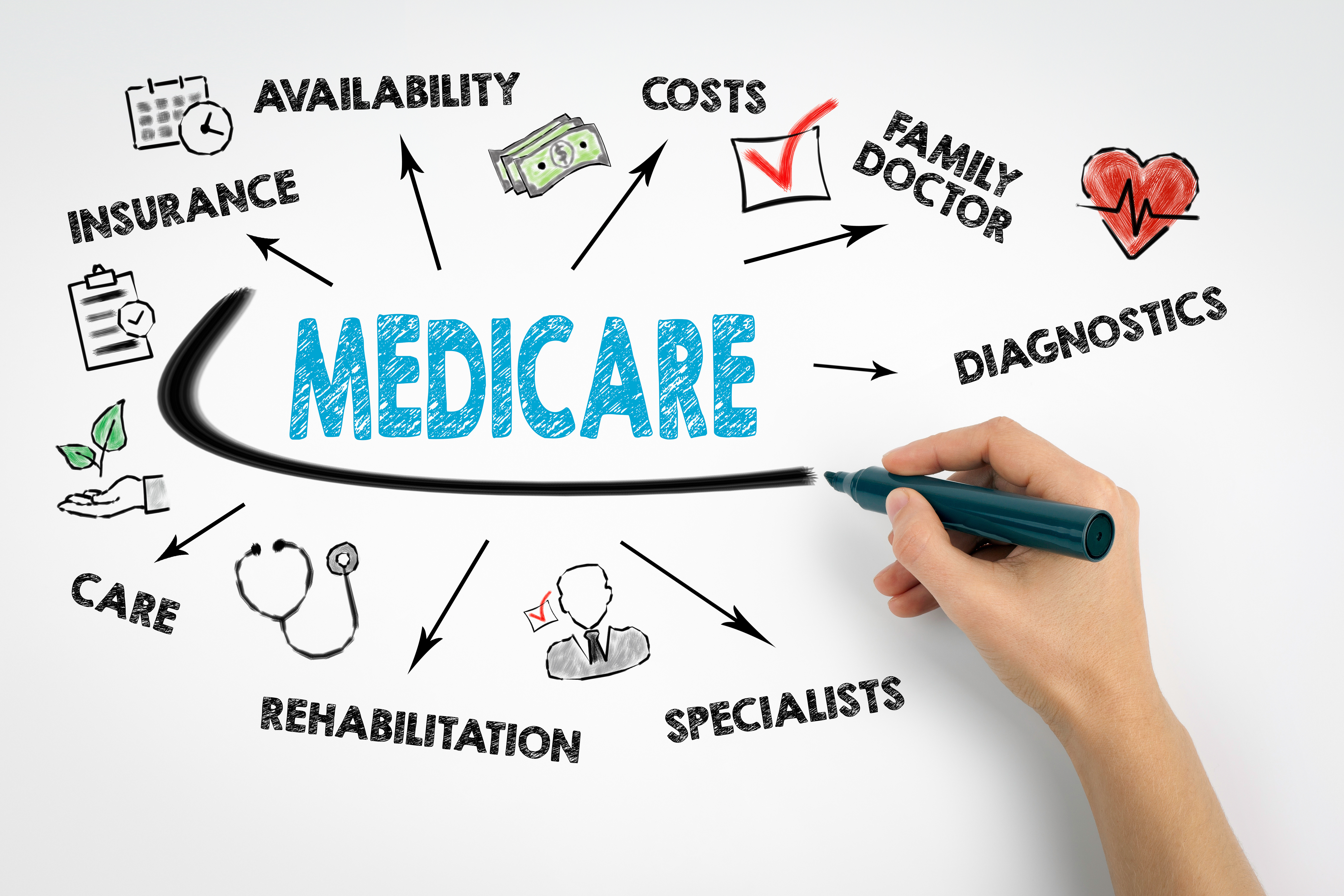
Medicare Conceptual Map

Rising Healthcare Costs: A Growing Concern According to a report by the Kaiser Family Foundation, the average annual premium for a Medicare Part B plan was $1,452 in 2021. With healthcare costs steadily rising, many seniors find it challenging to cover the gaps left by traditional Medicare. Healthcare costs have been rising at an average rate of 4% per year, outpacing inflation and wage growth.

Understanding Medicare Gaps: The Need for Supplements Medicare Parts A and B cover hospital and medical expenses, but there are gaps in coverage, including copayments, deductibles, and coinsurance. Medicare Supplements aim to fill these gaps, providing seniors with more comprehensive coverage. In 2021, the average deductible for Medicare Part B was $203, and the Part A deductible was $1,484 per benefit period.

The Popularity of Medicare Supplements Millions of seniors opt for Medicare Supplements to enhance their healthcare coverage. These plans are offered by private insurance companies and come in standardized packages, labeled from Plan A to Plan N. As of 2021, over 14 million Medicare beneficiaries were enrolled in Medigap plans, accounting for approximately 34% of all Medicare beneficiaries.

Cost Savings with Medigap Plans While Medicare Supplements come with their own premiums, they often result in significant cost savings for beneficiaries in the long run. This is especially true for individuals with frequent healthcare needs. A study by the American Association for Medicare Supplement Insurance found that Medigap Plan G, on average, could save beneficiaries over $1,000 per year compared to other plans.

Comparing Medigap Plans: A Matter of Choice With various Medigap plans available, it’s essential for seniors to choose the one that aligns with their healthcare needs and budget. Each plan offers different coverage options, allowing individuals to tailor their insurance to their specific requirements. In 2021, Plan F and Plan G were the most popular Medigap plans, collectively accounting for more than half of all Medigap enrollments.

As healthcare costs continue to rise, understanding the role of Medicare Supplements becomes increasingly important for seniors seeking comprehensive coverage. With millions of beneficiaries already benefiting from these plans, the statistics highlight the growing significance of Medicare Supplements in ensuring financial security and peace of mind in the realm of healthcare. If you need help picking the right Medicare Supplemental policies, drop me a line, give me a call or shoot me an email, as I would love to help. Otherwise, until next time don’t sweat the little things and keep smiling.

The Labyrinth of ADHD: Embracing Awareness and Understanding

October is more than just the month of falling leaves and pumpkin spice; it’s also ADHD Awareness Month. A time when we turn our attention to a neurodevelopmental disorder that affects millions of lives around the world. Attention Deficit Hyperactivity Disorder (ADHD) isn’t just about being easily distracted or hyperactive—it’s a complex and nuanced condition that deserves our understanding and empathy.

Attention Deficit Hyperactivity Disorder

Understanding ADHD: Beyond the Stereotypes

ADHD is often misunderstood, and its stereotypes can perpetuate misconceptions. To truly grasp its impact, it’s essential to go beyond the surface. Dr. Russell A. Barkley, a renowned expert on ADHD, provides a profound insight: “ADHD isn’t a deficit of attention; it’s a self-regulation problem. It’s about managing arousal levels to be self-aware enough to do what’s necessary.”

These words challenge the common perception of ADHD as a mere attention issue. Instead, they invite us to explore the multifaceted nature of the disorder, recognizing the challenges individuals face in regulating their attention, emotions, and behavior.

ADHD in the Real World: Navigating Challenges

Living with ADHD means navigating a labyrinth of challenges, from difficulties in concentration to impulsivity. Dr. Edward M. Hallowell, a psychiatrist and author, captures the essence of ADHD by saying, “ADHD is like having a race car brain with bicycle brakes.” This analogy vividly illustrates the incongruence between the rapid flow of thoughts and the struggle to apply the brakes when necessary.

For those with ADHD, daily tasks that others may find routine can feel like monumental feats. Simple activities such as staying organized, managing time, and completing tasks become hurdles to overcome. ADHD Awareness Month serves as a reminder that these challenges are not a result of laziness or lack of effort but rather a manifestation of the underlying neurobiological differences associated with the disorder.

Breaking Stigmas: Embracing Neurodiversity

In our journey to promote ADHD awareness, it is crucial to break down stigmas and embrace neurodiversity. Dr. Temple Grandin, a prominent advocate for individuals with autism, wisely notes, “The world needs different kinds of minds to work together.” This sentiment extends beyond autism to encompass all neurodivergent individuals, including those with ADHD.

By recognizing and celebrating neurodiversity, we foster a culture of inclusion where the unique strengths and perspectives of individuals with ADHD can thrive. Rather than viewing ADHD as a limitation, let’s appreciate it as a unique way of experiencing the world.

Moving Forward: Advocacy and Support

ADHD Awareness Month is not only about understanding the challenges but also about advocating for support and resources. Dr. Ned Hallowell, co-author of “Driven to Distraction,” emphasizes the importance of intervention: “The more you can do to understand ADHD and get proper treatment, the better you can do in managing your symptoms.”

Advocacy involves promoting access to appropriate accommodations, educational support, and mental health resources. It’s a collective effort to create an environment where individuals with ADHD can thrive, leveraging their strengths while receiving the necessary assistance to overcome challenges.

ADHD Awareness Month is an opportunity for all of us to deepen our understanding, challenge stereotypes, and advocate for a more inclusive and supportive society. As we reflect on the quotes from experts in the field, let us carry their wisdom into action, fostering a world where everyone, regardless of their neurodivergence, can flourish. As a person who has suffered with ADHD his whole life remember it’s not often what you see that you know the most. Give those around you the benefit of the doubt if they seem to be a little outside the ordinary. Besides who wants ordinary anyway? As always, I would love to hear if you or you know someone that suffers from ADHD? Drop me a line or comment and remember to be kind to your neighbors while smiling cause it really does look good on you. Until next time… Cheers!

Why Seniors Need Social Activities

Social activities play a crucial role in the well-being of seniors, providing them with a myriad of physical, mental, and emotional benefits. As individuals age, social connections become increasingly vital in warding off feelings of loneliness and isolation, which are prevalent among the elderly. Engaging in group activities allows seniors to build and maintain relationships, fostering a sense of community and belonging. This social interaction not only enhances their overall mood but also acts as a protective factor against mental health issues such as depression and anxiety.

Photo by Alena Darmel on Pexels.com

Moreover, participating in social activities contributes to the cognitive health of seniors. Mental stimulation through social engagement has been linked to a lower risk of cognitive decline and dementia. Whether it’s playing board games, joining clubs, or attending social events, these activities challenge the brain, keeping it active and resilient. Additionally, the exchange of ideas and experiences in a social setting stimulates cognitive functions, contributing to improved memory, problem-solving skills, and overall mental sharpness.

On a physical level, social activities for seniors often involve movement and exercise, promoting better physical health. Regular physical activity is essential for maintaining mobility, preventing chronic conditions, and ensuring a higher quality of life. From dancing and yoga classes to walking groups, these activities not only provide health benefits but also create opportunities for seniors to connect with their peers, fostering a supportive environment that encourages an active lifestyle. In essence, social activities serve as a holistic approach to promoting the well-being of seniors, addressing their physical, mental, and emotional needs. I work with seniors of all ages and love to help put on events for them. If your young or old, near or far and in need of someone to talk with, please feel free to reach out or leave me a comment. Otherwise, and as I always say… keep smiling cause it really does look good on you.

Medicare Advantage vs Original Medicare


Choosing Medicare Advantage over Original Medicare can offer several advantages tailored to your individual healthcare needs and preferences. Firstly, Medicare Advantage plans often provide an all-in-one solution that combines hospital coverage (Part A), medical coverage (Part B), and prescription drug coverage (Part D) into a single plan. This comprehensive coverage can simplify your healthcare experience by consolidating various aspects of your care under one policy. With Original Medicare, you’d typically need to purchase a separate Part D plan and consider supplemental insurance, potentially leading to more complex and fragmented coverage.

Secondly, cost considerations play a significant role in selecting Medicare Advantage. These plans often come with lower monthly premiums than Original Medicare, making them an appealing option for budget-conscious individuals. Additionally, Medicare Advantage plans typically cap annual out-of-pocket expenses, providing financial predictability and reducing the risk of catastrophic medical costs. While Original Medicare involves deductibles and coinsurance without an annual maximum out-of-pocket limit, Medicare Advantage can offer a more controlled approach to managing healthcare expenses.

Photo by Miguel u00c1. Padriu00f1u00e1n on Pexels.com

Lastly, Medicare Advantage plans often include extra benefits not covered by Original Medicare, such as dental, vision, hearing, wellness programs, and even perks like gym memberships. These additional services can enhance your overall well-being and quality of life, making Medicare Advantage a compelling choice if you value these extras. While Original Medicare offers strong core coverage, it may not provide the same level of supplemental benefits that can help you address various aspects of your health beyond medical treatments.

Medicare Advantage can be a desirable option for those seeking simplified, cost-effective, and comprehensive healthcare coverage. By combining various Medicare components into a single plan, offering lower premiums, and providing extra benefits, it can cater to a wide range of healthcare needs and preferences. However, it’s essential to carefully compare available plans in your area, taking into account factors like network restrictions and specific benefits to ensure that a Medicare Advantage plan aligns with your individual health and financial circumstances. If I can help you find your way through the maze, please reach out or drop me a line. Otherwise, keep smiling and living healthy cause it really does look good on you.

Go back

Your message has been sent

Warning
Warning
Warning
Warning.

*We do not offer every plan available in your area. Any information we provide is limited to those plans we do offer in your area. Please contact Medicare.gov or 1-800-MEDICARE to get information on all of your options. Not affiliated with or endorsed by any government agency. Your information will be provided to a licensed insurance agent. You may be contacted by a licensed insurance agent.