Stretching: Key to Staying Young and Mobile

“You don’t need long workouts to boost longevity”… start simple!

Longevity experts and physical therapists are increasingly emphasizing a far simpler truth: daily stretching may be one of the most effective and accessible ways to keep the body young.

“You don’t need long workouts to boost longevity,” many mobility specialists agree. What you do need is consistency. Just a few minutes of intentional stretching each day can improve joint health, preserve muscle elasticity, enhance circulation, and reduce the risk of injury as we age.

Why Stretching Matters for Longevity

As the body ages, muscles naturally shorten, joints lose range of motion, and connective tissue becomes stiffer. This decline contributes to poor posture, chronic pain, balance issues, and reduced independence later in life. Stretching directly counteracts these effects by:

  • Maintaining joint mobility and flexibility
  • Improving blood flow and oxygen delivery
  • Supporting posture and spinal alignment
  • Reducing stiffness, aches, and injury risk
  • Enhancing balance and coordination

Research consistently shows that mobility not strength alone is a key predictor of long-term physical independence.

Simple Daily Stretches That Deliver Big Returns

The most effective routine is one you will actually do. These foundational stretches require no equipment and can be completed in 10 minutes or less.

1. Neck and Upper Spine Mobility
Gently tilt the head side to side and rotate slowly in each direction. This helps counteract screen-related stiffness and improves circulation to the brain.

2. Shoulder and Chest Opener
Interlace fingers behind the back and lift the hands slightly while opening the chest. This stretch combats rounded shoulders and supports healthy breathing mechanics.

3. Hip Flexor Stretch
Step one foot forward into a light lunge and gently press the hips forward. Tight hip flexors are strongly linked to lower-back pain and reduced walking efficiency.

4. Hamstring Stretch
With one leg extended, hinge forward at the hips while keeping the spine neutral. Flexible hamstrings protect the knees, hips, and lower back.

5. Spinal Rotation
Seated or lying down, rotate the torso gently from side to side. Spinal rotation maintains disc health and improves overall mobility.

6. Ankle and Calf Stretch
Calf stretches and ankle circles support balance and reduce fall risk one of the most critical longevity factors.

Consistency Over Intensity

Experts stress that stretching does not need to be aggressive to be effective. Mild tension held for 20–30 seconds, performed daily, delivers far greater benefits than occasional long sessions.

The key is integration: stretch in the morning to wake up the body, during breaks to offset prolonged sitting, or in the evening to unwind and improve sleep quality.

The Long-Term Payoff

Daily stretching may not look dramatic, but its impact compounds over time. Improved mobility supports everything from strength training and cardiovascular health to posture, confidence, and independence later in life.

In the pursuit of longevity, stretching is not an optional add-on it is a foundational habit. Start simple, stay consistent, and let small daily movements do the work of keeping your body young.

Transform Your Spending: Smart Tips for Retirement Savings

Americans feel as though saving for retirement is becoming increasingly out of reach. Yet for most households, the problem is not income alone it is spending habits. Small, recurring expenses and lifestyle inflation quietly erode long-term wealth, often without people realizing the cumulative damage.

Understanding what people commonly waste money on and redirecting those dollars toward smarter priorities can be the difference between financial stress and financial security later in life.

Common Ways People Waste Money

1. Convenience Spending
Daily purchases such as coffee, food delivery, and grab-and-go meals are among the biggest silent budget killers. A $15 lunch or a $6 coffee may seem insignificant, but over the course of a year these habits can add up to thousands of dollars that could otherwise be invested.

2. Subscription Overload
Streaming platforms, premium apps, cloud storage, fitness apps, and unused memberships quietly drain bank accounts each month. Many consumers pay for services they rarely use or forget they even have.

3. Lifestyle Inflation
As income rises, spending often rises with it larger homes, newer cars, more expensive vacations. While lifestyle upgrades feel deserved, they frequently come at the expense of increased savings and investing.

4. High-Interest Debt
Interest on credit cards and personal loans represents money spent with no lasting benefit. Carrying balances month to month can severely limit the ability to save or invest for the future.

5. Impulse Purchases
Online shopping, flash sales, and “buy now, pay later” offers make it easier than ever to spend emotionally rather than intentionally.

What You Should Be Spending Money On Instead

Redirecting money away from waste does not mean deprivation it means prioritization. The goal is to spend in ways that build stability, flexibility, and long-term wealth.

1. Retirement Contributions
Consistently funding retirement accounts such as a 401(k), IRA, or Roth IRA should be a top priority. Employer matches, tax advantages, and compound growth make these contributions far more powerful than most short-term purchases.

2. Emergency Savings
A properly funded emergency fund typically three to six months of essential expenses prevents unexpected costs from turning into high-interest debt.

3. Debt Reduction
Paying down high-interest debt offers a guaranteed return on your money. Eliminating credit card balances improves cash flow and accelerates your ability to invest.

4. Health and Insurance Protection
Preventive healthcare, adequate insurance coverage, and wellness spending may not feel exciting, but they reduce the risk of catastrophic financial setbacks later in life.

5. Skills and Education
Spending money to improve earning potential through certifications, professional development, or continuing education often delivers a far greater return than consumer purchases.

6. Low-Cost Experiences That Align With Values
Intentional spending on experiences that bring lasting satisfaction rather than habitual convenience purchases can improve quality of life without undermining financial goals.

The Bigger Picture

Saving for retirement is not about cutting all enjoyment from your life. It is about recognizing trade-offs. Every dollar spent today is a dollar that cannot grow for tomorrow. By becoming more aware of where money is wasted and intentionally reallocating those funds, individuals can regain control of their financial future without waiting for a higher income or a perfect market environment.

The most effective financial plans are not built on drastic changes, but on consistent, thoughtful decisions made over time.

Why Every Homeowner Needs a Trust: Benefits Explained

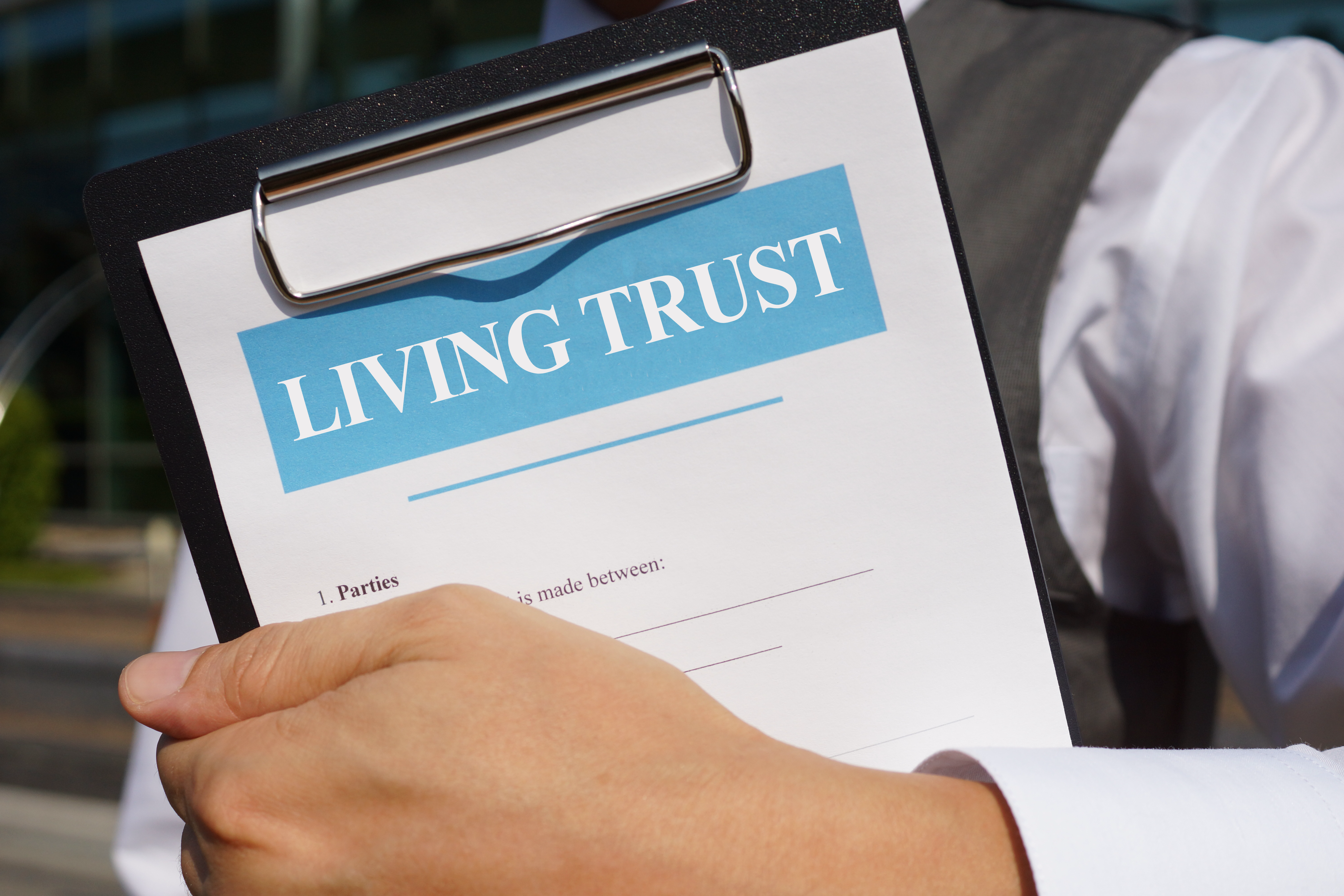
Estate planning is often postponed because it feels complex or uncomfortable. However, one of the most practical and effective tools available is a trust. Establishing a trust can provide clarity, protection, and efficiency for your assets after you die, while also reducing stress for your loved ones. For homeowners in particular, placing a home into a trust and aligning your homeowners insurance accordingly can be a critical but often overlooked step.

What Is a Trust and Why Does It Matter?

A trust is a legal arrangement in which one party (the trustee) holds and manages assets on behalf of beneficiaries according to instructions you set. Unlike a will, many trusts allow assets to bypass probate, the court-supervised process that can be time-consuming, costly, and public.

Key benefits of a trust include:

  • Avoiding probate delays
  • Maintaining privacy
  • Providing clearer asset distribution
  • Offering continuity if you become incapacitated
  • Reducing the likelihood of disputes among heirs

For many families, these advantages alone justify serious consideration.

Why Include Your Home in a Trust?

For most people, their home is their largest asset. Placing your home into a trust can simplify its transfer to heirs and ensure continuity of ownership. However, doing so requires coordination beyond just updating a deed.

One critical step is updating your homeowners insurance policy.

If your home is owned by a trust, the trust should typically be listed as either:

  • The named insured, or
  • An additional insured on the policy

Failing to align insurance with ownership can create coverage gaps. In the event of a claim, an insurer may question whether the correct legal entity is covered, potentially delaying or complicating payouts. Properly titling the policy helps ensure:

  • Claims are paid without dispute
  • Liability protection extends to the trust
  • Coverage reflects the true owner of the property

This is a detail many homeowners miss and one that can have serious consequences if overlooked.

Things to Consider When Establishing a Trust (Beyond Insurance)

While insurance alignment is important, it is only one piece of the decision. When creating a trust, you should also consider:

1. Type of Trust

  • Revocable trusts offer flexibility and control during your lifetime.
  • Irrevocable trusts may provide tax or asset-protection benefits but limit your ability to make changes.

2. Trustee Selection
Choosing a responsible trustee is critical. This can be a trusted individual or a professional institution. The wrong choice can lead to mismanagement or family conflict.

3. Asset Scope
Decide which assets should go into the trust. Homes, investment accounts, and business interests are common, but not every asset belongs there.

4. Costs and Complexity
Trusts involve upfront legal costs and ongoing administrative responsibilities. These should be weighed against the size and complexity of your estate.

5. State-Specific Laws
Trust rules vary by state. What works well in one jurisdiction may not in another, making professional guidance essential.

What You Should Not Assume or Overlook

There are also common misconceptions and missteps to avoid:

  • Do not assume a trust eliminates all taxes. Many trusts offer no automatic tax advantage without specific planning.
  • Do not assume a trust replaces a will. Most people still need a “pour-over” will to address assets outside the trust.
  • Do not forget beneficiary updates. Retirement accounts and life insurance pass by beneficiary designation, not by trust instructions unless properly coordinated.
  • Do not create a trust and fail to fund it. A trust that holds no assets offers little value.
  • Do not ignore professional advice. DIY trusts may save money upfront but can create costly legal and tax issues later.

A Practical Step Toward Peace of Mind

Setting up a trust is not just about wealth it is about control, protection, and clarity. Including your home in a trust, and ensuring your homeowners insurance reflects that ownership, can prevent unnecessary complications during an already difficult time for your family.

While a trust is not right for everyone, it is a powerful planning tool worth discussing with qualified legal, tax, and insurance professionals. Thoughtful preparation today can make a meaningful difference tomorrow for you and for those you care about most.

About the Author:

David Dandaneau is a client relations analyst that covers the insurance and financial services industry. He is known for his insightful analysis and comprehensive coverage of market trends and regulatory developments.

Why I Believe in Karma: Good Luck Is Not Chance, It’s Design

People often attribute success to being in the right place at the right time, I hold a different belief: good luck is rarely accidental. More often than not, it is designed, shaped by choices, intentions, and consistent actions over time. The old saying, “everything happens for a reason,” may sound simplistic, but in practice, it reflects a deeper truth about karma and accountability.

Karma, as I see it, is not a mystical force keeping score in the background. It is a practical feedback loop. How we treat people, how we handle adversity, and how we show up when no one is watching quietly influences the opportunities that later appear in our lives. Positive actions compound just like negative ones do. The difference is that positive behavior tends to open doors, while negative behavior closes them.

What many people call “good luck” is often the visible outcome of invisible preparation. It is the relationship built years earlier that leads to a timely introduction. It is the discipline of doing the right thing repeatedly that earns trust when it matters most. It is resilience through setbacks that positions someone to recognize opportunity when it finally arrives. From the outside, it looks sudden. From the inside, it is anything but.

The idea that everything happens for a reason does not suggest that every event is good or fair. Life delivers setbacks, losses, and moments that feel undeserved. However, karma shows itself in how we respond. Do we learn? Do we grow? Do we choose integrity even when it costs us in the short term? Over time, those responses shape our trajectory far more than any single event.

I have seen this play out repeatedly. People who consistently act with honesty, generosity, and patience tend to find themselves surrounded by support when they need it most. Opportunities seem to find them, not because the universe randomly selected them but because they designed a life that attracts trust and collaboration. Conversely, shortcuts and self-serving behavior may deliver quick wins, but they often come with long-term consequences that eventually surface.

Believing in karma is also believing in responsibility. It means acknowledging that our outcomes are influenced, in large part, by our own decisions. It removes the comfort of blaming luck for failure and replaces it with a more empowering idea: we have agency. We are constantly designing our future through daily choices, habits, and values.

Good luck, then, is not a roll of the dice. It is the return on investment from showing up consistently, treating people well, and doing the work when no applause is guaranteed. Karma does not operate on our timeline, but it is remarkably accurate over the long run.

Everything happens for a reason not because fate is random, but because cause and effect rarely miss. The life you are living today is, in many ways, the result of designs you made yesterday. The good news is that today’s actions are already shaping tomorrow’s “luck.”

How to Stick to New Year Resolutions Effectively

As another new year begins, many people commit to ambitious personal goals, training for a marathon, learning a musical instrument, improving their finances, or simply building healthier habits. Yet research and experience show that motivation alone is rarely enough. The difference between intentions that fade by February and goals that endure through the year lies in how those promises are designed, supported, and measured.

Success in the new year is less about willpower and more about systems. By approaching goals with structure, realism, and accountability, individuals can dramatically increase the likelihood that their resolutions become lasting achievements.

Start With a Clear “Why”

Goals anchored to a meaningful purpose are easier to sustain. Running a marathon is not just about completing 26.2 miles; it may represent improved health, personal discipline, or proving resilience. Learning guitar may symbolize creativity, stress relief, or connecting with others. Clarifying the underlying motivation provides emotional fuel when enthusiasm inevitably dips.

Break Big Goals Into Small Commitments

Large ambitions can feel overwhelming. Breaking them into smaller, actionable steps creates early wins and builds momentum. Training for a marathon starts with consistent short runs, not race-day performance. Learning guitar begins with mastering basic chords, not full songs. Small commitments reduce friction and make progress visible.

Build Goals Into Your Routine

Consistency beats intensity. Goals that are embedded into daily or weekly routines are far more likely to stick. Scheduling workouts or practice sessions on a calendar transforms intentions into appointments. When a goal becomes part of an existing routine such as practicing guitar after dinner or running before work it requires less mental effort to maintain.

Track Progress and Adjust

Tracking progress provides both accountability and feedback. Simple logs, apps, or journals can highlight improvement over time and identify obstacles early. If progress stalls, adjustments should be viewed as strategic recalibration, not failure. Flexibility is a strength, not a weakness, in long-term goal achievement.

Plan for Obstacles in Advance

Most goals fail not because of lack of desire, but because obstacles were never anticipated. Weather, fatigue, busy schedules, or unexpected life events will occur. Planning alternative options such as indoor workouts or shorter practice sessions keeps momentum intact when conditions are not ideal.

Use Accountability to Your Advantage

Sharing goals with others increases follow-through. Training partners, instructors, friends, or even public commitments create positive pressure. Accountability transforms goals from private intentions into shared expectations, which significantly improves consistency.

Celebrate Progress, Not Just Outcomes

Waiting until the finish line to celebrate often leads to burnout. Recognizing milestones along the way reinforces positive behavior and sustains motivation. Completing a month of consistent training or learning a new song on guitar deserves acknowledgment.


Practical Ways to Stick to Your Promises in the New Year

  • Define goals clearly and write them down
  • Tie each goal to a personal, meaningful reason
  • Break goals into small, achievable steps
  • Schedule goal-related activities in your calendar
  • Track progress weekly and review results
  • Anticipate obstacles and create backup plans
  • Share goals with someone who will hold you accountable
  • Focus on consistency over perfection
  • Reward progress and effort, not just final results
  • Revisit and refine goals as circumstances change

As the new year unfolds, success will not hinge on how ambitious the goal is, but on how intentionally it is pursued. With the right structure and mindset, promises made in January can become habits that last far beyond the calendar year.

Boost Productivity Without Stress: 7 Essential Strategies

In today’s always-connected world, many people believe productivity comes at the cost of mental well-being. Long hours, constant notifications, and unrealistic expectations often lead to burnout rather than better results. However, growing evidence and real-world experience shows that productivity and peace of mind are not opposing goals. When approached intentionally, it is possible to increase output while simultaneously reducing stress and anxiety.

The key lies in working smarter, not longer, and prioritizing habits that support both focus and emotional resilience.

Clarify Priorities Before Starting the Day
One of the largest contributors to stress is mental clutter. When everything feels urgent, nothing truly is. Readers should begin each day by identifying their top three priorities or tasks that will create the most meaningful progress if completed. This approach reduces decision fatigue and provides clarity, allowing attention to be directed where it matters most.

Adopt Time-Blocking Instead of Multitasking
Multitasking is often mistaken for efficiency, yet it significantly increases cognitive strain and anxiety. Time-blocking or assigning specific periods to single tasks encourages deeper focus and fewer distractions. By working in concentrated intervals, such as 25–50 minutes followed by short breaks, readers can maintain momentum without overwhelming their nervous system.

Set Boundaries With Technology
Constant notifications keep the brain in a reactive state, elevating stress levels and fragmenting attention. Readers should try silencing non-essential alerts, scheduling email checks, and keeping phones out of reach during focused work. These small boundaries can dramatically improve concentration and create a sense of control over the workday.

Build Recovery Into the Routine
Productivity does not come from nonstop effort; it comes from balanced energy management. Short walks, stretching, deep breathing, or stepping outside for fresh air can reset the mind and reduce anxiety. Regular recovery periods help prevent burnout and improve long-term performance.

Practice Realistic Goal-Setting
Overcommitting is a common driver of stress. Readers should aim to set achievable, clearly defined goals rather than overly ambitious to-do lists. Completing fewer tasks with intention often delivers better results and greater satisfaction than attempting to do everything at once.

Protect Sleep, Nutrition, and Movement
No productivity strategy can compensate for chronic exhaustion. Adequate sleep, balanced nutrition, and regular physical activity directly influence focus, mood, and stress regulation. Readers who prioritize these fundamentals often find they accomplish more in less time, with fewer feelings of anxiety.

Redefine What “Productive” Means
Finally, readers should challenge the idea that productivity equals constant busyness. True productivity is measured by progress, clarity, and sustainability not by how overwhelmed someone feels. When expectations shift from “doing more” to “doing what matters,” stress naturally declines.

Increasing productivity while lowering stress and anxiety is not about drastic life changes. It is about intentional adjustments creating structure, protecting focus, and honoring personal well-being. By trying these strategies, people can work more effectively while maintaining the calm and clarity needed for long-term success.

Failing Forward: How Setbacks Became the Most Reliable Path to My Success

By any traditional definition, failure is something to avoid. We are taught “explicitly and implicitly” that success follows a straight line: set a goal, execute the plan, achieve the outcome. My experience has been the opposite. The most meaningful progress in my career and personal life has come not from flawless execution, but from failing forward using missteps as leverage rather than liabilities.

Failing forward is not about celebrating mistakes or lowering standards. It is about extracting value from outcomes that did not go as planned and deliberately using that information to adjust direction. Over time, I have learned that failure is often the most honest form of feedback available.

Failure as a Strategic Asset

When something does not work, it exposes assumptions. It highlights gaps in skill, timing, or judgment that success often masks. Early in my career, I took paths that looked right on paper but failed in practice. Projects stalled. Ideas fell flat. Opportunities closed unexpectedly. Each time, the initial reaction was frustration. The longer-term result, however, was clarity.

Failure forced me to reassess what I was actually good at, what I merely tolerated, and what I needed to stop doing altogether. It shortened learning curves that would have taken years through incremental success alone. In that sense, failure became efficient.

Unwritten Paths That Emerge After Failure

What rarely gets discussed are the alternative routes that only become visible after something goes wrong. These unwritten paths are not found in job descriptions, career ladders, or long-term plans, but they often lead to more sustainable success.

1. The Pivot Path
Failure often reveals misalignment rather than incompetence. When a role, business model, or strategy fails, it can signal the need to pivot rather than quit. I have found that lateral moves into adjacent skills, industries, or responsibilities, often create more momentum than doubling down on a failing approach.

2. The Skill-Stacking Path
Some failures expose missing capabilities. Instead of abandoning the goal, the better move is often to acquire complementary skills. Learning sales after failing in operations, or communication after failing in leadership, creates a broader, more resilient professional profile that traditional linear paths do not encourage.

3. The Network Path
Failure has a way of humbling people, and humility opens doors. Asking for help, advice, or perspective after a setback often leads to relationships that would not exist otherwise. Several of my most valuable professional connections came from conversations that started with, “Here’s what didn’t work, what would you do differently?”

4. The Redefinition Path
Not all failures are meant to be corrected. Some are signals to redefine success entirely. Walking away from a goal that no longer fits can feel like failure in the moment, but it often leads to better alignment with long-term values, health, and purpose.

Why Failing Forward Works

Failing forward shifts the focus from ego to execution. It replaces fear of mistakes with curiosity about outcomes. Over time, this mindset builds resilience, adaptability, and better decision-making. It also reduces the paralysis that comes from trying to get everything right the first time.

From my perspective, success is not the absence of failure it is the ability to recover faster, learn deeper, and move smarter after each one.

The unwritten truth is this: most people who succeed did not follow a clean path. They followed a responsive one. And more often than not, that path only revealed itself after something went wrong.

Healthy Eating on a Budget: Top Tips to Save

As grocery prices stay elevated, many households are looking for practical ways to stretch their food budgets without sacrificing nutrition. The good news is that eating healthy does not have to be expensive. With thoughtful planning and informed choices, shoppers can significantly reduce costs while still filling their carts with nutritious options.

Plan Before You Shop

One of the most effective cost-saving strategies begins before stepping into the store. Creating a weekly meal plan and shopping list helps reduce impulse purchases and food waste. Planning meals around ingredients that can be used multiple times such as beans, rice, or vegetables—maximizes value and efficiency.

Shop the Perimeter of the Store

Healthier, less-processed foods are often located around the perimeter of grocery stores. This includes fresh produce, dairy, meats, and frozen fruits and vegetables. While processed foods in the center aisles may appear convenient, they often carry higher prices per serving and less nutritional value.

Choose Store Brands and Buy in Season

Store-brand products frequently offer the same quality as national brands at a lower cost. Additionally, buying fruits and vegetables that are in season can lead to substantial savings. Seasonal produce is often more abundant, fresher, and less expensive than out-of-season alternatives.

Embrace Frozen and Canned Options

Frozen fruits and vegetables are often more affordable than fresh options and retain much of their nutritional value. Canned foods can also be budget-friendly, especially when choosing low-sodium or no-added-sugar varieties. These options reduce spoilage and help keep grocery bills predictable.

Compare Prices by Unit, Not Package

Larger packaging can be misleading. Checking unit prices, cost per ounce or pound, allows shoppers to make accurate comparisons and identify the best deals. This habit alone can lead to noticeable long-term savings.


Budget-Friendly Healthy Foods Chart

Food CategoryHealthy OptionWhy It’s AffordableNutritional Benefit
GrainsBrown riceLow cost per servingFiber, sustained energy
ProteinsDry beans & lentilsInexpensive bulk optionsPlant-based protein, fiber
ProteinsEggsHigh nutrition for low costProtein, vitamins B12 & D
ProduceBananasWidely available year-roundPotassium, energy
ProduceCarrotsLong shelf life, low priceVitamin A, antioxidants
Frozen FoodsFrozen mixed vegetablesLess waste, frequent salesVitamins and minerals
DairyPlain yogurt (store brand)Cheaper than flavored varietiesProtein, probiotics
Canned FoodsTuna (in water)Budget-friendly proteinOmega-3 fatty acids
ProduceCabbageLow cost, versatileVitamin C, fiber
SnacksOatsInexpensive in bulkHeart-healthy fiber

A Healthier Cart, A Healthier Budget

Saving money at the grocery store does not require extreme sacrifices, just smarter choices. By focusing on whole foods, comparing prices carefully, and remaining flexible with seasonal and store-brand options, shoppers can protect both their health and their finances. Over time, these habits can lead to meaningful savings and a more sustainable approach to everyday nutrition.

How a Positive Mindset Enhances Lifespan

I choose to maintain a positive outlook because I believe it directly impacts how long and how well I live. Positivity is not about denying challenges or pretending life is easy; it is about managing stress, protecting mental health, and giving my body and mind the best chance to function at their highest level over time.

Stress, negativity, and constant worry take a measurable toll on the body. I’ve learned that when I focus on optimism, perspective, and emotional balance, I recover faster, think more clearly, and make healthier decisions. A positive mindset encourages better habits, more movement, better sleep, stronger relationships, and greater consistency in self-care… all of which contribute to longevity and life expectancy.

Maintaining a positive outlook also strengthens resilience. Life will always present obstacles, but optimism helps me respond rather than react. That emotional stability reduces chronic stress, which research consistently links to inflammation, heart disease, and shortened lifespan. Choosing positivity becomes a form of preventive care, not just a mental exercise.

Equally important, positivity improves connection. Strong social relationships are one of the most significant predictors of long life, and optimism makes it easier to build and maintain them. Showing up with patience, gratitude, and emotional steadiness strengthens bonds that support both mental and physical health over the long term.

I remind myself daily that positivity is a discipline, not a personality trait. It requires intention, self-awareness, and practice. Some days it means reframing a setback; other days it means simply choosing calm over frustration. Over time, those small decisions compound.

By committing to a positive outlook, I am investing in more than a good mood, I am investing in energy, resilience, and longevity. My goal is not just to add years to my life, but to add life to those years.

The Power of Vacation: Why Time Away Matters More Than the Destination

Vacation is frequently viewed by many as a luxury rather than a necessity. However, research and real-world experience continue to show that time away from routine is one of the most effective tools for improving mental clarity, emotional health, and long-term performance. Importantly, vacation does not always require travel. In many cases, the most meaningful breaks happen much closer to home.

Why Vacation Is Essential

Vacation serves a critical role in stress reduction and recovery. Continuous work without adequate rest increases burnout, reduces decision-making quality, and negatively impacts physical health. Stepping away even briefly allows the brain to reset, improves sleep patterns, and restores perspective. Employees who take regular breaks often return more focused, creative, and resilient.

Beyond professional benefits, time away strengthens personal relationships. Being present without the pressure of schedules or deadlines creates space for deeper connection, reflection, and enjoyment—key components of overall life satisfaction.

Redefining What “Vacation” Means

While traditional vacations involve travel, hotels, and itineraries, the true value of vacation lies in disengaging from routine responsibilities. A vacation is any intentional pause that allows the mind and body to recover. For many people, smaller, more frequent breaks are not only more accessible but also more sustainable.

Everyday Activities That Qualify as a Vacation

Not all restorative time requires packing a bag. The following activities provide many of the same benefits as a traditional vacation, even without leaving town:

ActivityWhy It Feels Like a VacationTime Commitment
Digital detoxReduces mental overload and improves focus1 day
Staycation at homeBreaks routine while remaining comfortableWeekend
Nature walk or park visitLowers stress and boosts mood1–2 hours
Reading without interruptionProvides mental escape and relaxation30–60 minutes
At-home spa nightSupports physical and emotional recoveryEvening
Exploring local restaurantsAdds novelty and enjoyment1–2 hours
Taking a day off with no agendaRestores energy and mental clarity1 day
Early bedtime and slow morningImproves sleep and cognitive functionOvernight
Creative hobbiesEncourages flow and enjoyment30–90 minutes
Protecting personal boundariesPreserves time and reduces stressImmediate

The Takeaway

Vacation is less about distance and more about intention. Whether through a week away or a single unplugged afternoon, purposeful rest is essential to sustained health, productivity, and happiness. By redefining vacation as regular, restorative time wherever it happens individuals can build balance into everyday life rather than waiting for a once-a-year escape.