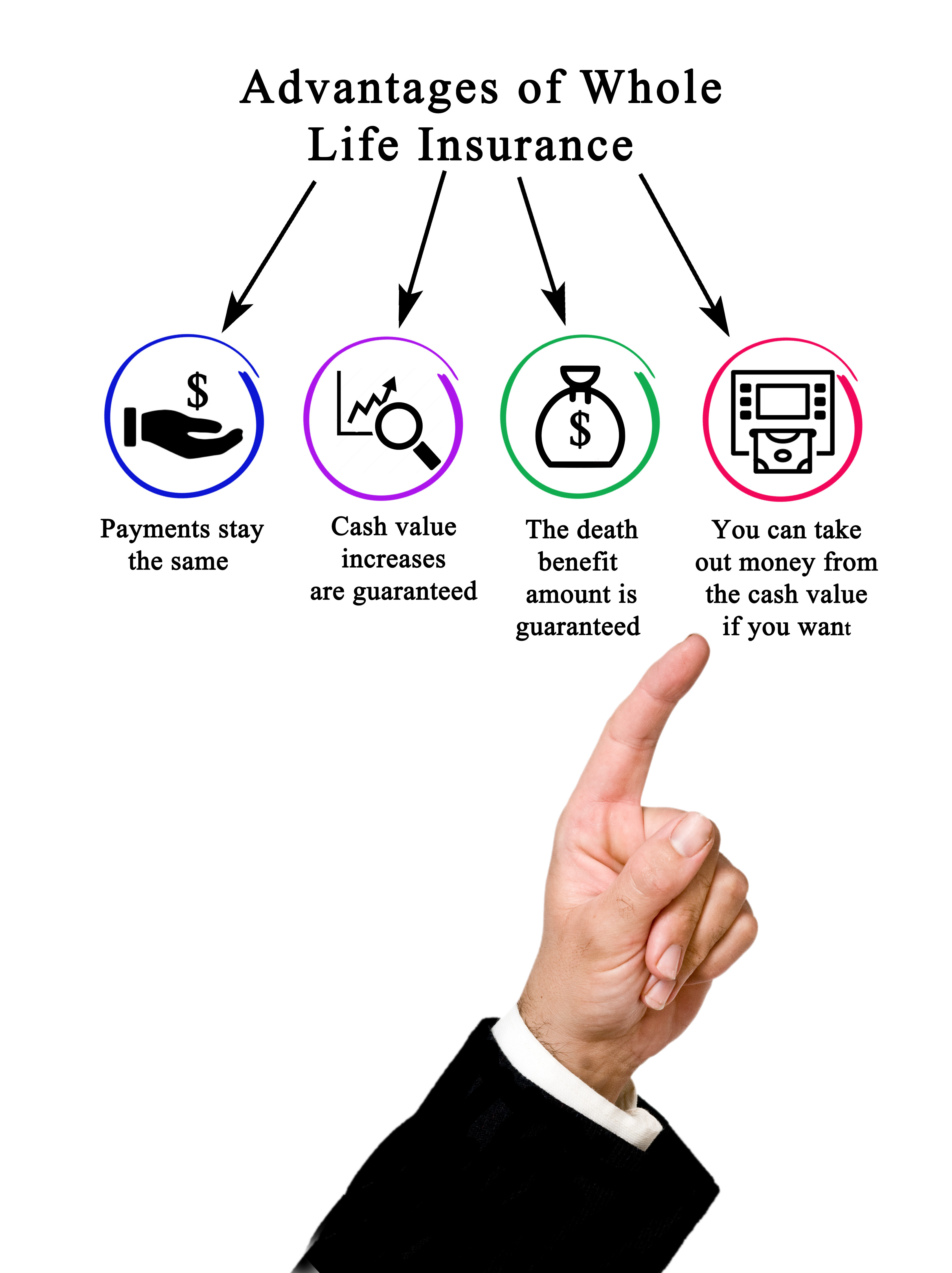
Understanding the Advantages and Long-Term Benefits of Universal Whole Life Insurance

In an era where financial stability and long-term planning are paramount, universal whole life insurance emerges as a beacon of security for individuals and families alike. This form of insurance offers a comprehensive package that not only provides death benefits but also serves as a strategic financial tool during one’s lifetime. Let’s delve into the benefits that make universal whole life insurance a valuable asset in today’s uncertain world.

1. Lifetime Coverage: Unlike term life insurance, which covers a specific period, universal whole life insurance guarantees coverage for the entirety of one’s life. This permanence ensures that loved ones are provided for regardless of when the policyholder passes away, offering peace of mind and stability to families.

2. Cash Value Accumulation: One of the most appealing aspects of universal whole life insurance is its cash value component. A portion of the premiums paid accumulates as cash value over time, which policyholders can access through loans or withdrawals. This feature serves as a financial safety net, offering liquidity and flexibility during emergencies or to supplement retirement income.

3. Tax Advantages: The tax benefits associated with universal whole life insurance further enhance its appeal. The cash value growth within the policy is tax-deferred, meaning that policyholders are not required to pay taxes on the earnings until they withdraw them. Additionally, death benefits are typically received by beneficiaries tax-free, providing a substantial financial advantage to heirs.

4. Estate Planning Tool: Universal whole life insurance is a powerful tool for estate planning. It allows policyholders to transfer wealth to future generations efficiently, as the death benefit bypasses the probate process, ensuring a smooth and timely transfer of assets to beneficiaries. Moreover, the liquidity provided by the policy can help cover estate taxes and other expenses, preserving the integrity of the estate.

5. Financial Security and Stability: In an unpredictable world, universal whole life insurance offers a sense of financial security and stability. It provides a guaranteed death benefit, ensuring that loved ones are protected financially in the event of the policyholder’s passing. Moreover, the cash value component can be utilized to weather financial storms or pursue opportunities without compromising long-term goals.

Universal whole life insurance stands as a pillar of financial strength, offering comprehensive coverage, cash value accumulation, tax advantages, and estate planning benefits. In an uncertain world, having a reliable financial plan is essential, and universal whole life insurance provides individuals and families with the security and peace of mind they need to navigate life’s journey with confidence.

As always, individuals interested in purchasing insurance should consult with a qualified financial advisor to determine the most suitable options based on their unique circumstances and financial goals. Or if I can help you decide what coverage is best for your particular situation, please reach out, drop me a line or give me a call and I will be happy to assist you.

Retirement Planning Shift: Old 401(k) Transfers Gain Momentum Towards IRAs and Annuities

In a dynamic financial landscape characterized by market volatility and evolving retirement planning strategies, a growing number of individuals are opting to transfer their old 401(k) accounts into Individual Retirement Accounts (IRAs) or annuities. This trend reflects a desire among investors to gain more control over their retirement savings and potentially secure more stable income streams for the future.

The decision to transition from a traditional 401(k) plan, often tied to an employer, to an IRA or annuity offers several advantages, according to financial experts. Among the primary motivations cited are increased investment flexibility, potential cost savings, and a wider array of retirement income options.

“With the uncertainty in the market, many individuals are reevaluating their retirement savings strategies,” says John Smith, a certified financial planner with over two decades of experience. “Transferring old 401(k) funds to IRAs or annuities allows investors to take advantage of a broader range of investment opportunities and tailor their portfolios to their specific needs and risk tolerances.”

IRAs, in particular, offer a diverse selection of investment options, including stocks, bonds, mutual funds, and exchange-traded funds (ETFs), empowering investors to customize their asset allocations based on their retirement goals and time horizon. Additionally, IRAs often come with lower administrative fees compared to employer-sponsored 401(k) plans, potentially resulting in cost savings over the long term.

For individuals seeking guaranteed income in retirement, annuities present an attractive alternative. An annuity is a contract between an individual and an insurance company, wherein the individual makes a lump-sum payment or series of payments in exchange for regular income payments starting at a predetermined date. With various types of annuities available, such as fixed, variable, and indexed annuities, retirees can select an option that aligns with their income needs and risk preferences.

However, experts caution that while transferring funds from a 401(k) to an IRA or annuity can offer numerous benefits, it’s essential for individuals to carefully assess their options and consider potential drawbacks. These may include early withdrawal penalties, tax implications, and differences in investment performance and fees.

“Before making any decisions regarding a 401(k) rollover, individuals should thoroughly evaluate their financial situation and consult with a qualified financial advisor,” advises Sarah Johnson, a retirement planning specialist. “Each person’s circumstances are unique, and what works well for one individual may not be suitable for another.”

Despite the complexities involved, the trend towards transferring old 401(k) accounts to IRAs or annuities underscores a broader shift in retirement planning strategies towards greater customization and flexibility. As individuals navigate the complexities of retirement saving in an ever-changing economic environment, strategic moves such as these can play a crucial role in securing financial stability and peace of mind in the years ahead. If you need help deciding on the right option for your retirement give me a shout, drop me a line, or give me a call and I would be happy to help you along the way.

The Undeniable Benefits of Long-Term Care: A Vital Pillar in Healthcare

In an era where healthcare demands are evolving and populations are aging, the importance of long-term care (LTC) has never been more pronounced. Beyond providing essential support to individuals with chronic illnesses or disabilities, LTC offers a myriad of benefits that not only enhance quality of life but also contribute to overall societal well-being. Recent statistics underscore the crucial role LTC plays in the healthcare landscape, shedding light on its profound impact.

According to data from the National Center for Health Statistics, approximately 1 in 7 adults over the age of 65 require long-term care services, a figure expected to rise as the population continues to age. Additionally, the U.S. Department of Health and Human Services estimates that 70% of people turning 65 will need some form of LTC in their lifetime, with the average duration of care being around three years. These statistics underscore the prevalence and necessity of LTC in contemporary society.

Beyond the sheer necessity, long-term care offers a multitude of benefits to individuals and communities alike. Firstly, it provides specialized support tailored to the unique needs of each individual, whether it be assistance with activities of daily living, medical care, or emotional support. This personalized approach not only improves the quality of life for recipients but also alleviates the burden on family members who may otherwise struggle to provide care independently.

Furthermore, LTC services are instrumental in preventing and managing chronic conditions, reducing hospital readmissions, and promoting overall health and well-being. By offering access to skilled nursing care, rehabilitation services, and therapeutic interventions, LTC facilities empower individuals to maintain their independence and dignity while receiving the care they need.

Moreover, LTC facilities serve as hubs of community and social interaction, fostering meaningful connections and combating isolation, particularly among older adults. Through organized activities, outings, and communal dining experiences, residents have the opportunity to engage with peers, cultivate friendships, and maintain a sense of belonging—a crucial aspect of mental and emotional health.

From an economic standpoint, investing in long-term care yields substantial returns by reducing healthcare costs associated with preventable hospitalizations and complications. Studies have shown that for every dollar spent on LTC services, significant savings are realized in terms of healthcare expenditures, highlighting the cost-effectiveness of early intervention and ongoing support.

In light of these benefits, policymakers and healthcare stakeholders are increasingly recognizing the importance of prioritizing and expanding access to long-term care services. Initiatives aimed at strengthening LTC infrastructure, enhancing workforce training, and promoting community-based care models are essential steps towards ensuring that individuals receive the support they need, when they need it.

Long-term care is not merely a healthcare necessity but a fundamental component of a compassionate and sustainable society. By acknowledging its benefits and investing in its expansion and improvement, we can uphold the dignity, autonomy, and well-being of individuals across the lifespan.

As the population continues to age, the importance of long-term care will only grow, making it imperative for policymakers, healthcare providers, and communities to collaborate in ensuring its accessibility and effectiveness for all who require it. If you need help navigating the long-term care maize feel free to reach out, drop me a line, or give me a call and we can review your options together. Because together we all can accomplish more.

In a Volatile World, Disability Insurance Offers Crucial Protection

In an unpredictable world where unforeseen circumstances can disrupt livelihoods in an instant, the significance of disability insurance cannot be overstated. Beyond traditional health coverage, disability insurance serves as a financial safety net, offering protection against the economic ramifications of unexpected disabilities or injuries. As individuals and families navigate the complexities of modern life, understanding the importance of disability insurance has become paramount.

Disability insurance provides a source of income replacement for individuals who are unable to work due to a disabling illness or injury. Whether temporary or permanent, such conditions can profoundly impact one’s ability to earn an income, thereby jeopardizing financial stability. In such instances, disability insurance steps in to bridge the gap, ensuring that essential expenses are covered and maintaining a semblance of financial security.

The need for disability insurance extends across all demographics. Contrary to popular belief, disabilities are not solely the result of catastrophic events but can also stem from chronic illnesses, mental health conditions, or even routine accidents. Moreover, disabilities can strike anyone at any time, irrespective of age or occupation. Therefore, having adequate disability insurance coverage is essential for safeguarding one’s financial future.

For individuals reliant on their income to support themselves and their families, the absence of disability insurance can lead to dire consequences. Without a steady stream of income, meeting financial obligations such as mortgage payments, utility bills, and medical expenses can become daunting tasks. In the absence of proper coverage, individuals may be forced to exhaust savings, liquidate assets, or even incur significant debt to make ends meet.

Furthermore, disability insurance offers peace of mind not only to policyholders but also to their loved ones. By mitigating the financial strain associated with disabilities, it alleviates the burden on family members who may otherwise be tasked with providing care or financial support. In doing so, disability insurance helps preserve familial relationships and promotes overall well-being.

Despite its undeniable importance, disability insurance remains overlooked by many. According to a survey conducted by the Council for Disability Awareness, nearly half of all U.S. adults lack any form of disability insurance, leaving them vulnerable to financial hardship in the event of a disability. Addressing this gap requires increased awareness and proactive measures to encourage individuals to prioritize disability insurance as an integral component of their financial planning.

In light of the ongoing COVID-19 pandemic and its widespread impact on public health and employment, the need for disability insurance has never been more apparent. The pandemic has underscored the fragility of our health and livelihoods, emphasizing the importance of preparing for unforeseen circumstances. As individuals reassess their priorities and plan for an uncertain future, disability insurance offers a practical solution for mitigating financial risks and ensuring long-term security.

Disability insurance serves as a vital lifeline for individuals and families, offering protection against the economic ramifications of disabilities or injuries. By providing income replacement and alleviating financial strain, disability insurance fosters resilience in the face of adversity. As society grapples with an increasingly volatile landscape, recognizing the importance of disability insurance is imperative for securing a stable and prosperous future.

Understanding the Link between Cardiovascular Disease and Financial Security

In a world where health uncertainties loom large, raising awareness about cardiovascular diseases has become more crucial than ever. Cardiovascular diseases, including heart attacks and strokes, continue to be leading causes of global morbidity and mortality. As we strive for better health, it is equally important to consider financial protection, with life insurance emerging as a critical component of that strategy.

The Silent Threat of Cardiovascular Disease: A Global Concern

According to the World Health Organization (WHO), cardiovascular diseases claim the lives of approximately 17.9 million people each year, making up 31% of all global deaths. These conditions not only pose a severe threat to one’s health but can also have significant financial implications for individuals and their families.

Cardiovascular diseases can strike unexpectedly, leading to medical expenses, rehabilitation costs, and potential loss of income due to extended recovery periods. Many individuals are caught off guard, unprepared for the financial burden that accompanies such health crises.

Why Life Insurance Matters: Financial Security in the Face of Uncertainty

Life insurance serves as a crucial safety net, providing financial protection for individuals and their families in the event of unexpected tragedies. It ensures that loved ones are not left grappling with the financial aftermath of medical bills, funeral expenses, and potential debts.

Key Reasons to Consider Life Insurance in the Context of Cardiovascular Health:

  1. Financial Stability for Dependents: Life insurance acts as a financial cushion, offering stability for dependents in the face of sudden illness or untimely death.
  2. Covering Outstanding Debts: In the event of a cardiovascular event, life insurance can help cover outstanding debts, preventing the transfer of financial burdens to surviving family members.
  3. Ensuring Future Planning: Life insurance can be a vital tool for future financial planning, helping individuals secure their family’s well-being and education even in their absence.
  4. Peace of Mind: Knowing that loved ones are financially protected can provide peace of mind, reducing stress and contributing positively to overall well-being.

Creating Awareness and Taking Action:

Educating individuals about the risks of cardiovascular diseases and the importance of life insurance is a shared responsibility. Health organizations, insurance companies, and community leaders should collaborate to spread awareness through informational campaigns, workshops, and educational initiatives.

By understanding the critical link between cardiovascular health and financial security, individuals can make informed decisions about their well-being and that of their families. Taking proactive steps, such as adopting a healthy lifestyle and securing life insurance coverage, ensures a more resilient future in the face of life’s uncertainties.

As we navigate the complexities of modern life, let us prioritize both our physical health and financial well-being, recognizing that a holistic approach is the key to a more secure and prosperous future.

Making Informed Choices About Long-Term Care LTC Insurance

As the aging population continues to grow, the importance of planning for long-term care needs becomes increasingly evident. Long-term care insurance is a topic at the forefront of financial discussions, with individuals grappling to understand whether it is a necessary investment. To shed light on this issue, what follows are a few insights from experts in the field.

Why Consider Long-Term Care Insurance?

  1. Financial Security in Retirement: According to the American Association for Long-Term Care Insurance (AALTCI), the cost of long-term care services can be staggering, with nursing home expenses averaging over $100,000 annually. Long-term care insurance provides a safety net, preventing individuals from depleting their savings to cover these costs.
  2. Preserving Assets and Legacy: Jason Fisher, a certified financial planner, emphasizes the asset protection aspect of long-term care insurance. “It’s not just about covering your care expenses; it’s about preserving your hard-earned assets and ensuring a legacy for your loved ones.”
  3. Personalized Care Choices: Mary Johnson, spokesperson for the National Clearinghouse for Long-Term Care Information, notes that long-term care insurance offers flexibility in choosing the type and location of care. “This insurance empowers individuals to receive care in their preferred setting—whether it’s at home, in assisted living, or a nursing facility.”

Why You May Hesitate:

  1. High Premiums and Affordability: Sarah Thompson, a senior financial analyst, cautions that the cost of long-term care insurance can be a barrier for some. “Premiums vary based on age, health status, and coverage, making it essential for individuals to carefully evaluate their budget and weigh the long-term financial commitment.”
  2. Changing Insurance Landscape: The Center for Retirement Research at Boston College highlights the evolving nature of the long-term care insurance market. “Policyholders should be aware of potential rate increases and changes in policy terms, which can impact the perceived stability of their coverage.”
  3. Potential Alternatives: Financial advisor, Mark Turner, suggests exploring alternative solutions such as hybrid life insurance policies or setting aside dedicated savings for long-term care. “It’s important to assess all options and choose the approach that aligns best with your unique circumstances and preferences.”

The decision to invest in long-term care insurance is a nuanced one that requires careful consideration of individual financial goals, health, and risk tolerance. While the potential benefits in terms of financial security and personalized care are evident, the associated costs and changing insurance landscape necessitate a thorough evaluation in case you run into an emergency later in life. As always, consulting with financial advisors and exploring various options remains crucial in making informed decisions about long-term care planning. If I can help you decide on a long-term care policy drop me a line or give me a call and we can continue the discussion.

Ensuring Financial Security in the Face of Unforeseen Challenges

In a world filled with uncertainties, one aspect that often goes overlooked is the potential for unexpected health challenges that can impact our ability to work. Disability insurance emerges as a crucial safeguard, offering a financial safety net to individuals facing unforeseen circumstances.

Disability insurance provides protection for workers who find themselves unable to perform their job duties due to illness or injury. While many individuals recognize the importance of life insurance, the significance of disability insurance is often underestimated.

Here are some key reasons why disability insurance should be a priority for everyone:

Financial Stability During Health Challenges

Imagine a scenario where an unexpected accident or illness leaves you unable to work for an extended period. Disability insurance steps in to provide a portion of your income, ensuring that you can meet your financial obligations, such as mortgage payments, utility bills, and daily living expenses.

Protecting Your Most Valuable Asset – Your Income

For most individuals, their ability to earn a living is their most valuable asset. Disability insurance acts as a shield for your income, offering peace of mind knowing that, even in challenging times, you can maintain a certain level of financial stability.

Peace of Mind for You and Your Loved Ones

Knowing that you have a safety net in place can alleviate the stress and anxiety that often accompany unexpected health challenges. Disability insurance not only benefits you but also provides reassurance to your loved ones that their financial well-being is secured in the event of unforeseen circumstances.

Employer Coverage Might Not Be Enough

While some employers offer disability coverage as part of their benefits package, it’s crucial to assess whether the provided coverage is sufficient for your needs. Personal disability insurance allows you to tailor coverage to your specific circumstances, ensuring that you have the protection you require.

Planning for the Long Term

Disability insurance is not just a short-term solution; it provides long-term support if you face a disabling condition that requires an extended period away from work. This long-term perspective makes disability insurance an integral part of your overall financial planning.

In conclusion, disability insurance is a valuable investment in your financial security and well-being. It offers a safety net that can make a significant difference in your ability to navigate unforeseen health challenges without compromising your financial stability. As the saying goes, “hope for the best, but prepare for the worst.” Disability insurance is a proactive step towards securing a stable and worry-free future. If you need help picking the right disability insurance plan please feel free to reach out, drop me a line, or give me a call and we can find you the best plan. Otherwise and as usual keep smiling cause it really looks good on you!

Navigating the Terrain: Fixed vs. Variable Annuities

When it comes to planning for retirement, individuals often seek financial instruments that provide a steady stream of income. Annuities, with their promise of regular payments, have become a popular choice. However, not all annuities are created equal. Two main types dominate the landscape: fixed and variable annuities. Understanding the differences between these two can significantly impact your financial strategy.

Fixed Annuities: The Stable Foundation

Fixed annuities are the conservative stalwarts of the annuity world. These financial instruments offer a guaranteed fixed interest rate over a specified period. The insurance company assumes the investment risk, providing policyholders with a sense of security. Here’s a closer look at some key features of fixed annuities:

  1. Steady Income: The fixed interest rate ensures a stable and predictable stream of income, making it an attractive option for those who prioritize financial security.
  2. Risk Mitigation: Policyholders are shielded from market fluctuations. The insurance company assumes the risk, offering a reliable source of income regardless of economic conditions.
  3. Principal Protection: In addition to a fixed interest rate, fixed annuities often come with a guarantee to protect the principal investment, providing an extra layer of security.

While fixed annuities provide stability, they may lag behind variable annuities in terms of potential returns, as they are generally more conservative.

Variable Annuities: Riding the Market Waves

Variable annuities, on the other hand, introduce an element of risk and reward into the annuity equation. They are linked to investment portfolios, allowing policyholders to participate in market gains. Here are some key aspects of variable annuities:

  1. Market Exposure: Variable annuities offer the opportunity for higher returns as they are linked to investment funds. This exposes policyholders to market fluctuations, potentially leading to increased income.
  2. Potential for Growth: While the returns are not guaranteed, the potential for growth is higher compared to fixed annuities. This can be appealing for those willing to take on some level of risk.
  3. Investment Choices: Policyholders can often choose from a variety of investment options, such as stocks and bonds, allowing for greater customization of their portfolio.

However, the flip side of potential growth is the risk of market downturns, which can result in lower income or even a loss of principal.

Choosing the Right Fit

Deciding between fixed and variable annuities ultimately depends on your financial goals, risk tolerance, and investment strategy. If you prioritize stability, principal protection, and a guaranteed income stream, a fixed annuity may be the right choice. On the other hand, if you are comfortable with market exposure and seek the potential for higher returns, a variable annuity might be more suitable.

It’s important to note that there are also hybrid or indexed annuities that combine elements of both fixed and variable annuities, providing a middle ground for those looking to balance risk and stability.

The choice between fixed and variable annuities is a nuanced decision that requires careful consideration of your financial objectives. Seeking advice from a financial professional can help you navigate the complexities and make an informed choice that aligns with your unique circumstances and goals.If you need help picking the right annuity give me a call, shoot me an email, or drop me a comment and I will be willing to help. Otherwise, and as usual keep smiling cause it really does look good on you.

Navigating the Future: Emerging Trends in Medicare

In the ever-evolving landscape of healthcare, Medicare stands as a crucial pillar in providing essential coverage for millions of Americans. As we stride into the future, several trends are reshaping the Medicare landscape, promising improved access, enhanced services, and greater efficiency. Let’s explore the emerging trends that are set to transform the way we experience and perceive Medicare.

  1. Telehealth Revolution:

The COVID-19 pandemic catapulted telehealth into the spotlight, and in my opinion, its influence on healthcare is here to stay. In the realm of Medicare, telehealth services have become a game-changer, offering beneficiaries the convenience of virtual consultations, remote monitoring, and digital access to health resources. As technology continues to advance, we can expect a surge in telehealth offerings, promoting better healthcare accessibility, especially for those in rural or underserved areas.

  1. Value-Based Care Models:

Traditional fee-for-service models are gradually making way for value-based care. Medicare is increasingly shifting towards payment structures that reward healthcare providers for delivering high-quality care and positive patient outcomes. This paradigm shift incentivizes preventive care, coordinated services, and patient engagement, ultimately aiming to improve overall healthcare quality while reducing costs.

  1. Personalized Medicine and Precision Health:

Advancements in genomic research are paving the way for personalized medicine, tailoring healthcare interventions to an individual’s unique genetic makeup. Medicare is likely to embrace precision health, leveraging genetic information to prescribe more effective treatments, reduce adverse reactions, and enhance overall health outcomes. This shift towards precision medicine aligns with the broader trend of moving from a one-size-fits-all approach to a more personalized and targeted healthcare strategy.

  1. Social Determinants of Health:

Recognizing that health outcomes are influenced by factors beyond clinical care, Medicare is increasingly addressing social determinants of health. This includes factors such as socioeconomic status, education, and community resources. By incorporating a holistic approach to healthcare, Medicare aims to improve health equity and address disparities, ultimately enhancing the overall well-being of beneficiaries.

  1. Digital Health Tools and Wearables:

The rise of health-related apps, wearables, and other digital tools is transforming how individuals engage with their health. Medicare beneficiaries can expect to see an increased integration of these technologies into their healthcare experience. From monitoring chronic conditions to promoting healthy lifestyle choices, digital health tools empower individuals to take an active role in their well-being, aligning with the broader trend of patient-centered care.

The future of Medicare is bright, marked by a convergence of technological innovation, policy evolution, and a commitment to improving patient outcomes. As we witness the emergence of these trends, beneficiaries can look forward to a healthcare system that is more accessible, personalized, and focused on holistic well-being. By embracing these changes, Medicare is not only adapting to the evolving healthcare landscape but also leading the way towards a healthier and more resilient future. If you have any other trends that you would like to share, leave me a note, schedule a meeting, or give me a call, as I would love to hear them. As usual and like always, remember to keep smiling cause it really looks good on you.

About the Author:

David Dandaneau is a insurance agent that covers the insurance and financial services industry. He is known for his insightful analysis and comprehensive coverage of market trends and regulatory developments.