Decoding TRICARE: Who’s Covered and Why It Matters

Navigating the world of healthcare can be a daunting task, especially for military families. Fortunately, there’s TRICARE—a comprehensive healthcare program designed to provide coverage for active duty service members, retirees, and their families. In this blog post, we’ll unravel the intricacies of TRICARE and explore who it covers and why it matters.

Military vaccination and immunization.

Understanding TRICARE:

TRICARE is the Department of Defense’s healthcare program, offering a range of health plans to meet the diverse needs of the military community. The program is not only for active duty service members but also extends its coverage to eligible family members, retirees, and certain reserve component members.

  1. Active Duty Service Members:
    • TRICARE Prime is the primary health care option for active duty service members. It offers comprehensive coverage and requires enrollment.
  2. Family Members:
    • Spouses and children of active duty service members can also benefit from TRICARE Prime, as well as other plans like TRICARE Select. These options provide flexibility in choosing healthcare providers and accessing a wide range of medical services.
  3. Retirees:
    • TRICARE offers different plans for military retirees, including TRICARE Prime, TRICARE Select, and TRICARE for Life. The availability of these plans depends on various factors such as age, location, and whether the retiree is eligible for Medicare.
  4. Reserve and National Guard Members:
    • Reserve and National Guard members may qualify for TRICARE Reserve Select, a premium-based health plan that offers comprehensive coverage similar to TRICARE Select.

Why TRICARE Matters:

  1. Comprehensive Coverage:
    • TRICARE provides a wide range of health services, from preventive care and routine check-ups to specialized medical treatments and surgeries.
  2. Accessibility:
    • With a vast network of healthcare providers, TRICARE ensures that beneficiaries have access to quality healthcare services, whether they’re stationed stateside or overseas.
  3. Cost-Effective Options:
    • TRICARE offers a variety of plans with different cost structures, allowing military families to choose the one that best fits their needs and budget.
  4. Continuity of Care:
    • For military families, having a reliable and consistent healthcare program is crucial. TRICARE provides continuity of care, even during relocations or deployments.

In the complex landscape of healthcare, TRICARE stands as a beacon of support for military families. From active duty service members to retirees and their families, TRICARE offers comprehensive coverage, ensuring that the brave individuals who serve our nation receive the healthcare they deserve. Understanding the different plans and eligibility criteria is key to maximizing the benefits of this vital program. TRICARE not only covers medical needs but also provides peace of mind, allowing military families to focus on what matters most—serving their country with dedication and resilience. If you are serving or have served thank you for you service. If you need help or questions answered about TRICARE or any other Medicare plan I’m a ping, text, or phone call away. Let’s do our best to help those who need it most, as we all look for solutions to all our healthcare concerns.

Navigating Healthcare Costs: A Comprehensive Guide to Understanding Medicare Supplements

In the complex landscape of healthcare, especially for seniors, understanding and managing costs is crucial. Medicare, the federal health insurance program for individuals aged 65 and older, provides essential coverage, but it doesn’t cover all expenses. This is where Medicare Supplements, also known as Medigap, come into play. Let’s delve into the world of Medicare Supplements, supported by statistics to shed light on their significance.

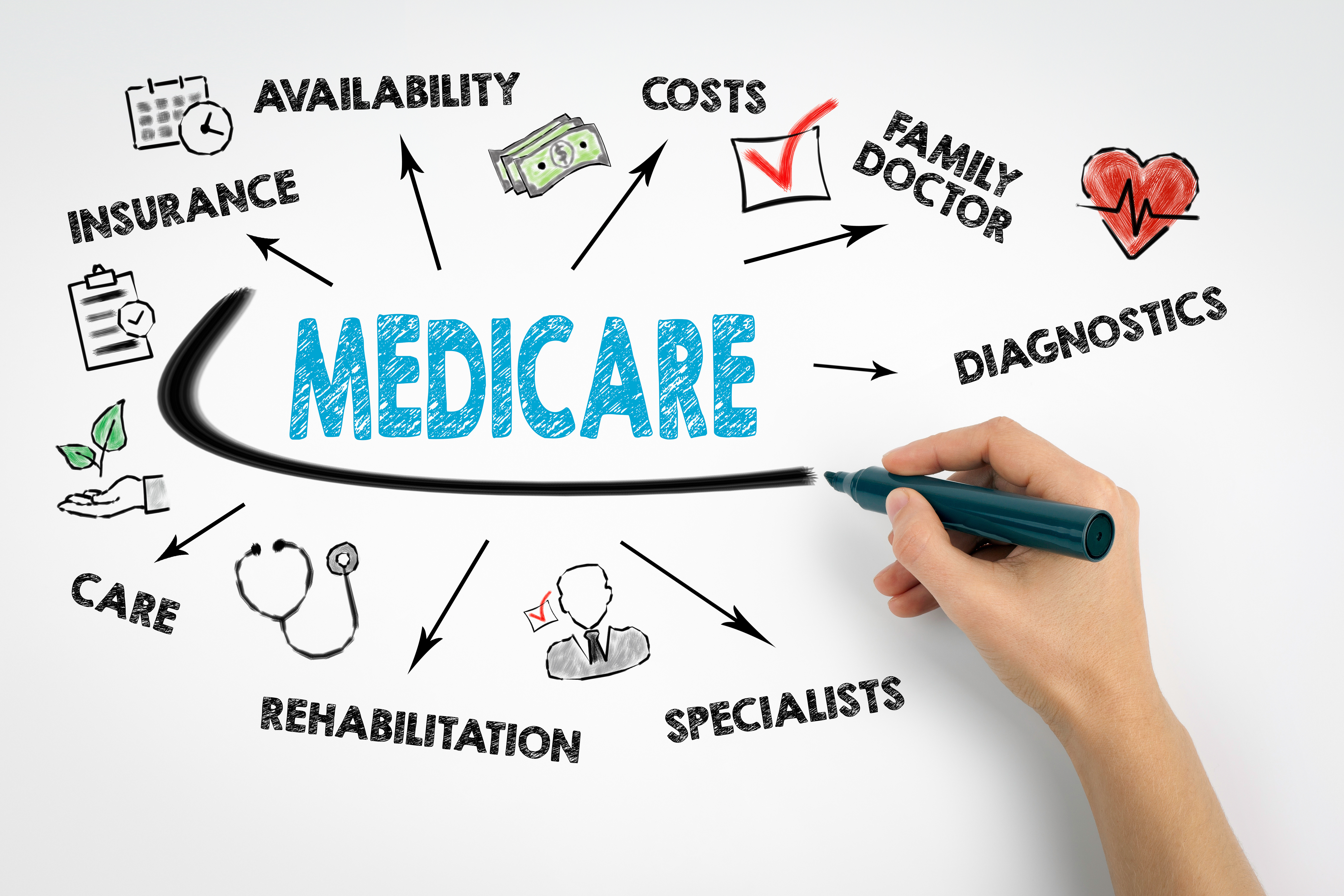
Medicare Conceptual Map

Rising Healthcare Costs: A Growing Concern According to a report by the Kaiser Family Foundation, the average annual premium for a Medicare Part B plan was $1,452 in 2021. With healthcare costs steadily rising, many seniors find it challenging to cover the gaps left by traditional Medicare. Healthcare costs have been rising at an average rate of 4% per year, outpacing inflation and wage growth.

Understanding Medicare Gaps: The Need for Supplements Medicare Parts A and B cover hospital and medical expenses, but there are gaps in coverage, including copayments, deductibles, and coinsurance. Medicare Supplements aim to fill these gaps, providing seniors with more comprehensive coverage. In 2021, the average deductible for Medicare Part B was $203, and the Part A deductible was $1,484 per benefit period.

The Popularity of Medicare Supplements Millions of seniors opt for Medicare Supplements to enhance their healthcare coverage. These plans are offered by private insurance companies and come in standardized packages, labeled from Plan A to Plan N. As of 2021, over 14 million Medicare beneficiaries were enrolled in Medigap plans, accounting for approximately 34% of all Medicare beneficiaries.

Cost Savings with Medigap Plans While Medicare Supplements come with their own premiums, they often result in significant cost savings for beneficiaries in the long run. This is especially true for individuals with frequent healthcare needs. A study by the American Association for Medicare Supplement Insurance found that Medigap Plan G, on average, could save beneficiaries over $1,000 per year compared to other plans.

Comparing Medigap Plans: A Matter of Choice With various Medigap plans available, it’s essential for seniors to choose the one that aligns with their healthcare needs and budget. Each plan offers different coverage options, allowing individuals to tailor their insurance to their specific requirements. In 2021, Plan F and Plan G were the most popular Medigap plans, collectively accounting for more than half of all Medigap enrollments.

As healthcare costs continue to rise, understanding the role of Medicare Supplements becomes increasingly important for seniors seeking comprehensive coverage. With millions of beneficiaries already benefiting from these plans, the statistics highlight the growing significance of Medicare Supplements in ensuring financial security and peace of mind in the realm of healthcare. If you need help picking the right Medicare Supplemental policies, drop me a line, give me a call or shoot me an email, as I would love to help. Otherwise, until next time don’t sweat the little things and keep smiling.

Aging Gracefully: The Vital Role of Exercise in Seniors’ Lives

As the sands of time continue to fall, the importance of maintaining an active lifestyle becomes even more crucial, especially for our beloved seniors. Aging is a natural part of life, but it doesn’t mean surrendering to a sedentary existence. In fact, engaging in regular exercise is a powerful tool that can enhance the quality of life for everyone, especially seniors in numerous ways.

  1. Physical Well-being: A Fountain of Youth

Aging often brings with it a myriad of physical challenges, from diminishing bone density to muscle loss and joint stiffness. However, regular exercise is akin to a fountain of youth, counteracting these effects and promoting overall physical well-being. Weight-bearing exercises, such as walking or strength training, can help maintain bone density and muscle mass, preventing conditions like osteoporosis and sarcopenia.

  1. Mental Agility: Exercising the Mind

The benefits of exercise extend beyond the physical realm—they also have a profound impact on cognitive function. Studies have shown that regular physical activity can help prevent cognitive decline and reduce the risk of developing conditions like Alzheimer’s disease. Engaging in activities that challenge the mind, such as dancing or participating in group exercise classes, stimulates brain function and keeps those synapses firing.

  1. Emotional Health: A Natural Mood Booster

The golden years should be a time of joy and fulfillment, but they often come with their fair share of life changes and challenges. Exercise, however, acts as a natural mood booster, releasing endorphins that combat stress, anxiety, and depression. Seniors who incorporate regular physical activity into their routines often report improved mood, increased self-esteem, and a greater sense of well-being.

  1. Social Connections: Building Bonds Through Movement

Exercise provides a fantastic opportunity for seniors to connect with others and build meaningful relationships. Group classes, walking clubs, or even simple strolls with friends create a sense of community and combat feelings of isolation. Social interactions foster emotional support, encourage a sense of belonging, and contribute to an overall positive outlook on life.

  1. Chronic Disease Management: A Preventive Measure

Many chronic conditions become more prevalent with age, including heart disease, diabetes, and arthritis. Exercise serves as a preventive measure and can help manage these conditions. Cardiovascular exercises, for instance, promote heart health, while regular physical activity helps control blood sugar levels and alleviates symptoms of arthritis.

In the grand tapestry of life, aging is but one thread. With the right mindset and a commitment to staying active, seniors can ensure that this chapter is filled with vibrancy, good health, and a sense of fulfillment. Exercise is not just a physical activity; it’s a celebration of life, a testament to the resilience of the human spirit, and a pathway to aging gracefully. So, let’s embrace the power of movement and empower our seniors to live their best lives—healthy, happy, and full of vitality. Even though I’m not officially a senior, regular exercise is part of my daily regime. So, regardless of age, let’s make sure we stay healthy and wealthy together. Remember age is just a number it’s the smile that matters the most, so keep exercising and smiling cause it really does look good on you.

Why Seniors Need Social Activities

Social activities play a crucial role in the well-being of seniors, providing them with a myriad of physical, mental, and emotional benefits. As individuals age, social connections become increasingly vital in warding off feelings of loneliness and isolation, which are prevalent among the elderly. Engaging in group activities allows seniors to build and maintain relationships, fostering a sense of community and belonging. This social interaction not only enhances their overall mood but also acts as a protective factor against mental health issues such as depression and anxiety.

Photo by Alena Darmel on Pexels.com

Moreover, participating in social activities contributes to the cognitive health of seniors. Mental stimulation through social engagement has been linked to a lower risk of cognitive decline and dementia. Whether it’s playing board games, joining clubs, or attending social events, these activities challenge the brain, keeping it active and resilient. Additionally, the exchange of ideas and experiences in a social setting stimulates cognitive functions, contributing to improved memory, problem-solving skills, and overall mental sharpness.

On a physical level, social activities for seniors often involve movement and exercise, promoting better physical health. Regular physical activity is essential for maintaining mobility, preventing chronic conditions, and ensuring a higher quality of life. From dancing and yoga classes to walking groups, these activities not only provide health benefits but also create opportunities for seniors to connect with their peers, fostering a supportive environment that encourages an active lifestyle. In essence, social activities serve as a holistic approach to promoting the well-being of seniors, addressing their physical, mental, and emotional needs. I work with seniors of all ages and love to help put on events for them. If your young or old, near or far and in need of someone to talk with, please feel free to reach out or leave me a comment. Otherwise, and as I always say… keep smiling cause it really does look good on you.

Why Managing your Health Can Help you Create Wealth

Investing in your health is akin to cultivating a fertile soil for the seeds of wealth to thrive. A robust state of well-being serves as the cornerstone for a prosperous life. When you prioritize your health, you’re making strategic decisions that ripple through every aspect of your financial landscape. Consider the productivity gains that emerge from sustained energy and mental clarity. By managing your health, you enhance your ability to perform at peak levels, whether in your career, entrepreneurial pursuits, or personal projects. This heightened productivity translates into tangible financial gains, as you become more efficient and effective in your endeavors, opening doors to advancement and increased income. Taking charge of your health isn’t just about feeling good—it’s a smart financial move too. Let’s break it down.

  1. Preventive Care Saves Money:
    • Regular health check-ups and preventive measures can catch potential issues early on, saving you from hefty medical bills down the road. Investing in preventive care is like putting money in a health savings account for the future.
  2. Reduced Medical Expenses:
    • Chronic conditions often come with high healthcare costs. By managing your health, you’re less likely to develop these conditions, reducing the financial burden associated with long-term medical care.
  3. Productivity Boost:
    • When you’re healthy, you’re more productive. Whether it’s at work or in your personal projects, being physically and mentally fit enables you to perform at your best. This can lead to career advancements, promotions, and increased income.
  4. Lower Insurance Premiums:
    • Maintaining good health can translate into lower health insurance premiums. Insurance providers often reward individuals with healthy lifestyles by offering lower rates. Over time, these savings can add up significantly.
  5. Longer Working Years:
    • Good health can extend your working years. If you’re able to stay in the workforce for a more extended period, you not only continue earning but also delay tapping into your savings for retirement.
  6. Quality of Life:
    • Wealth isn’t just about the money in your bank account; it’s also about the quality of life you lead. Good health contributes to a higher quality of life, allowing you to enjoy your wealth more fully.
  7. Mind-Body Soul Connection:
    • Mental health is a crucial aspect of overall well-being. A healthy mind is better equipped to handle stress, make sound financial decisions, and pursue opportunities that can contribute to your wealth.
  8. Economic Downturn Resilience:
    • During economic downturns or personal financial setbacks, good health can be a safety net. It reduces the likelihood of incurring additional medical expenses during already challenging times.
  9. Investing in Healthy Habits:
    • Healthy habits, such as regular exercise and a balanced diet, may seem like small expenses, but they’re investments in your long-term well-being. The returns on these investments can be seen in both your health and your financial stability.
  10. Opportunity Costs:
    • Illness often comes with opportunity costs. Time spent recovering or dealing with health issues is time not spent pursuing career opportunities, investments, or personal growth.

In essence, managing your health is a wise financial strategy. It not only safeguards your current assets but also lays the foundation for future wealth by ensuring you’re physically and mentally equipped to seize opportunities and navigate the challenges life throws your way. A healthy lifestyle is a prudent investment with compounding returns. The preventive measures you take today, such as preventative care, quality of life and healthy habits shield you from the escalating costs of potential health issues in the future. These measures not only reduce medical expenses but also contribute to an extended and more productive career. The longevity of your working years translates into a longer runway for wealth accumulation and delayed reliance on retirement funds. In essence, managing your health is a proactive strategy that not only safeguards your current financial well-being but lays the groundwork for sustained wealth creation over the long haul. I help people make better longterm decisions and if you have any additional strategies that your using to balance your health while creating wealth, please share. Otherwise, and as always keep smiling and living healthy, as it really does look good on you.

Should Long Term Care be Part of your Long Term Strategy?

Long-term care coverage is essential for many individuals to safeguard their financial well-being and ensure they receive the necessary care in the event of a chronic illness or disability. As a licensed life and health professional I figured it would be nice to view a list of some compelling reasons why you might need long-term care coverage:

  1. Protection against rising healthcare costs: Long-term care can be expensive, and the costs tend to increase over time. Without insurance, you may have to deplete your savings, investments, or other assets to cover these expenses, which can jeopardize your financial security.
  2. Preservation of assets and inheritance: Long-term care coverage helps protect your assets and estate, allowing you to leave a legacy for your loved ones. Without it, the cost of care could deplete your savings, leaving little or nothing to pass on to your heirs.
  3. Maintaining independence and choice: With long-term care insurance, you have more options and control over the type of care you receive. You can choose where and how you receive care, whether that’s in your own home, an assisted living facility, or a nursing home. This enables you to maintain a higher level of independence and quality of life.
  4. Reducing the burden on family members: Long-term care insurance can relieve your family of the financial and caregiving responsibilities that come with taking care of a loved one with chronic health issues. This can help preserve family relationships and reduce the stress associated with caregiving.
  5. Peace of mind and future planning: Knowing that you have long-term care coverage can provide peace of mind, allowing you to focus on other aspects of your life and retirement planning. It ensures that you have a plan in place for potential health challenges in the future.
  6. Early access to quality care: Long-term care insurance can provide access to high-quality care services when needed, without waiting for government programs to kick in. This can be especially important if you have specific care preferences or want to avoid the limitations of publicly funded programs.
  7. Tax benefits: Depending on your jurisdiction and the specific policy, you may be eligible for tax advantages when you purchase long-term care insurance. These tax benefits can make the coverage more affordable.
  8. Longevity and health considerations: As people are living longer, the likelihood of needing long-term care at some point in their lives increases. Having coverage in place ensures you’re prepared for potential health challenges in your later years.
  9. Avoiding a Medicaid spend-down: If you exhaust your assets and qualify for Medicaid, you may have limited choices regarding the type and location of care you receive. Long-term care insurance can help you avoid this situation and maintain more control over your care.
  10. Planning for the unexpected: Illnesses and accidents can happen at any age. Long-term care insurance provides financial protection and allows you to plan for the unexpected, ensuring you’re prepared for unforeseen health issues.

Like many things that go into planning for your future retirement, long-term care coverage is a valuable tool for protecting your financial well-being, preserving assets, maintaining independence, and ensuring that you receive the care you need in the event of a chronic illness or disability. It offers peace of mind and financial security for you and your loved ones as you age. In my opinion, if you haven’t considered long term care as part of your overall financial well being, maybe now is the time you gave it some thought? Of course, I would love to know if you have it, considered it, or are considering purchasing a long term care policy? If so or if not, drop me a line or schedule a call if I can help you; otherwise, and until next time keep smiling cause it really does lock good on you!