10 Quotes to Embrace True Happiness: Wisdom for Everyday Life

Amid busy schedules, constant digital noise, and everyday stressors, the pursuit of true happiness remains a timeless quest. While philosophers, poets, and leaders throughout history have debated the meaning of joy, many have also offered words of wisdom that continue to inspire generations.

Here are ten quotes to embrace true happiness, reminding us that contentment often lies in perspective rather than possessions:

  1. Aristotle“Happiness depends upon ourselves.”
    A reminder that joy is cultivated from within, not handed to us by circumstance.
  2. Dalai Lama“Happiness is not something ready-made. It comes from your own actions.”
    Echoing the idea that daily choices and kindness shape our state of mind.
  3. Eleanor Roosevelt“Happiness is not a goal… it’s a by-product of a life well lived.”
    Joy emerges as a natural result of living with purpose and integrity.
  4. Albert Schweitzer“Happiness is nothing more than good health and a bad memory.”
    A humorous yet practical perspective on letting go of the past and valuing well-being.
  5. Victor Hugo“The supreme happiness of life is the conviction that we are loved.”
    Happiness often thrives in the warmth of human connection.
  6. Marcus Aurelius“Very little is needed to make a happy life; it is all within yourself.”
    A Stoic truth that joy is less about excess and more about appreciation.
  7. Audrey Hepburn“The most important thing is to enjoy your life—to be happy—it’s all that matters.”
    A simple yet profound truth from a timeless icon.
  8. Mahatma Gandhi“Happiness is when what you think, what you say, and what you do are in harmony.”
    Alignment of values and actions remains key to peace of mind.
  9. Buddha“There is no path to happiness: happiness is the path.”
    A spiritual perspective emphasizing that joy is a way of living, not a final destination.
  10. Ralph Waldo Emerson“For every minute you are angry you lose sixty seconds of happiness.”
    A gentle reminder to choose joy over resentment.
Taken together, these insights highlight that happiness is less about external gains and more about cultivating gratitude, love, simplicity, and authenticity. In today’s fast-paced society, pausing to reflect on these words may help us rediscover the power of joy in everyday life.
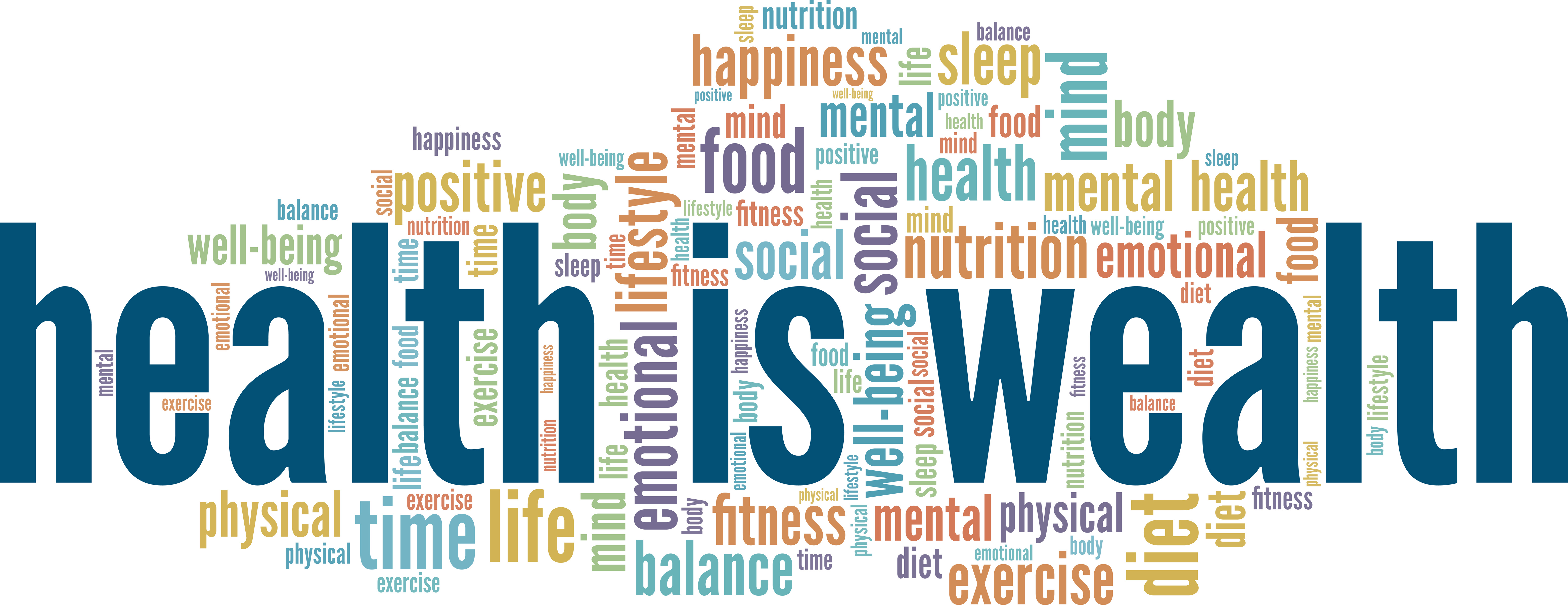
What “Healthy and Wealthy” Means to Me

Success is often measured in numbers—bank accounts, investments, or even social media followers—the deeper meaning of being both healthy and wealthy can sometimes get lost. For me, the phrase isn’t about chasing material excess, but about balance, fulfillment, and sustainability in both body and mind.

Health as the Foundation
Health is more than the absence of illness; it’s the daily practice of treating your body and mind with respect. For me, that includes maintaining energy to do the things I love, fueling my body with good food, and taking time to reduce stress. Without health, even the greatest fortune feels empty. Wealth is meaningless if you don’t have the strength or clarity to enjoy it.

Wealth Beyond Money
When I think of being “wealthy,” I don’t immediately picture luxury cars or sprawling mansions. Instead, I see freedom—the freedom to spend time with loved ones, pursue passions, and give back to the community. True wealth, to me, includes financial security, but also peace of mind, strong relationships, and opportunities to grow.

Healthy and Wealthy Together
The two go hand in hand. Being healthy allows me to work toward financial stability with focus and determination. Being financially stable allows me to invest in my health—whether that’s quality healthcare, nutritious food, or the ability to take time off when I need it. Together, they create a cycle that builds not just a lifestyle, but a legacy.

A Personal Vision
Ultimately, “healthy and wealthy” means living in a way that supports long-term happiness. It’s about waking up each day with energy, knowing I have the resources to handle life’s challenges, and feeling grateful for both the small and big wins. To me, that’s real success—being rich in health, rich in love, and rich in purpose.

Discovering Joy in Everyday Adventures

In a society often dominated by big events and grand gestures, many are turning their attention to the simple, everyday adventures that bring joy, fulfillment, and a sense of wonder to life. From morning walks through the neighborhood to trying out new recipes in the kitchen, people are finding that the small moments can create big impacts.

A Shift in Perspective
Amidst the hustle of modern life, the idea of seeking out adventure in everyday activities has become a popular trend. It’s no longer about needing to travel to far-off destinations or partake in extreme sports; instead, people are finding fulfillment in simple, accessible experiences. Walking through a local park and observing seasonal changes, cycling through city streets, or even learning a new skill, like painting or gardening, are becoming valuable forms of daily adventure.

“Every day is an opportunity to explore something new, even if it’s just in your backyard,” says Mia Thompson, a life coach and advocate for mindfulness. “We’ve been conditioned to think that adventure needs to be epic and far-reaching, but the truth is, it’s all about mindset. Finding joy in the routine, the small surprises—these are the things that enrich our lives.”

Embracing Micro-Adventures
This rise in appreciation for “micro-adventures” is especially evident among urban dwellers. With limited time and resources, city residents have embraced short, spontaneous escapes to parks, street festivals, or weekend farmers’ markets. These micro-adventures allow people to break the monotony of daily life without the need for extensive planning.

“After a long week at work, I used to feel like I needed a vacation to reset,” shares Carlos Vega, a marketing professional from Chicago. “But lately, I’ve found that exploring new coffee shops or taking my dog to different parks offers the same sense of excitement and relaxation. It’s all about stepping out of the usual routine.”

Bringing Adventure Indoors
For those who prefer to stay close to home, everyday adventures can be found within four walls. Many have turned to activities such as baking, crafting, and DIY projects to discover new skills and passions. Platforms like YouTube and TikTok offer endless tutorials and inspiration, making it easier than ever to turn an ordinary day into an opportunity for exploration and creativity.

“Trying new things at home has been a great way for me to stay engaged and excited,” says Emma Liu, a graphic designer and home-cooking enthusiast. “I used to feel like I had to go out to experience something new, but now, whether I’m experimenting with a new recipe or redecorating a room, it feels like an adventure.”

Cultivating Mindfulness
The growing popularity of everyday adventures also aligns with the broader trend of mindfulness. By paying attention to small details and appreciating simple moments, people are finding peace and satisfaction in the present. Whether it’s through practicing yoga, journaling, or simply watching a sunset, these experiences provide an accessible way to disconnect from digital distractions and reconnect with the world around us.

Dr. Jane Collins, a psychologist specializing in mindfulness, believes that this shift is beneficial for overall well-being. “Everyday adventures teach us to slow down and savor life,” she explains. “When we seek novelty and beauty in small things, we not only reduce stress but also cultivate a sense of gratitude, which can have long-lasting positive effects.”

The Future of Everyday Adventures
As more people embrace this approach, communities are starting to support the movement by offering local workshops, outdoor classes, and events that encourage exploration and learning. From neighborhood clean-up projects to urban gardening clubs, opportunities for engaging with one’s surroundings are increasing, making it easier for individuals to find their own everyday adventures.

For now, the message is clear: Adventure doesn’t have to mean traveling far or doing something extreme. Sometimes, the greatest discoveries are waiting just around the corner—or even right at home. By finding joy in the small, ordinary moments, people are unlocking a new way to live more fulfilled and adventurous lives.

Random Acts of Kindness Inspire Communities Nationwide

At a time when many feel disconnected, random acts of kindness serve as a reminder that compassion and empathy are still at the heart of human nature. Social media has played a significant role in spreading these moments of goodwill, with hashtags like #RandomActsOfKindness and #KindnessMatters going viral.

One notable example took place in Kansas City, where an anonymous donor paid off school lunch debts for an entire elementary school. The generous act not only relieved financial stress for many families but also inspired a wave of kindness across the city. Community members began organizing clothing drives, offering free tutoring, and even setting up “kindness walls” where people could leave gifts or services for those in need.

Another heartwarming story comes from New York City, where a group of commuters pooled their resources to help a homeless man reunite with his family after being separated for years. What started as a few dollars for a meal turned into a larger community effort, showcasing the ripple effect of even the smallest gestures.

Psychologists note that these acts of kindness have a profound psychological benefit for both the giver and receiver. Studies have shown that performing or witnessing kindness releases oxytocin, the “love hormone,” which can reduce stress and boost mood. In fact, many schools and workplaces are now incorporating “kindness challenges” to encourage daily acts of goodwill.

While the headlines are often filled with stories of conflict and hardship, random acts of kindness remind us that positive, meaningful connections still flourish in our communities. “It doesn’t have to be a grand gesture,” says Mary Smith, a volunteer who regularly leaves handwritten notes of encouragement at bus stops. “Just knowing that someone cares can make a huge difference in someone’s day.”

As more people participate in these spontaneous acts of generosity, the movement continues to grow. In cities big and small, the spirit of kindness is proving contagious, sparking a renewed sense of hope and connection.

So the next time you’re out, whether you buy a stranger a cup of coffee or simply offer a smile, remember: a little kindness goes a long way.

Kindness in Action: Ideas to Spread Joy in Your Community

  • Leave an uplifting note on a coworker’s desk.
  • Pay for someone’s meal at a restaurant or drive-thru.
  • Donate clothing, books, or toys to a local charity.
  • Compliment a stranger or send a heartfelt message to a friend.
  • Volunteer your time at a local food bank or shelter.

Random acts of kindness are not just fleeting moments of generosity; they have the power to build bridges and foster a sense of community. As more individuals embrace this mindset, we are reminded that, even in a world full of challenges, kindness truly matters, so remember to be good to people for no reason.

Why We Should Never Settle for Less Than What We Deserve

In a world that often emphasizes compromise and contentment, the notion of “never settling for less than we deserve” can seem almost radical. Yet, this principle is crucial for personal growth, happiness, and overall well-being. Here’s why we should always strive for what we truly deserve and never settle for less.

The Importance of Self-Worth

At the core of never settling is the recognition of one’s self-worth. Understanding and valuing yourself is fundamental to setting the standards for what you deserve in life, be it in relationships, career, or personal goals. When we settle for less, we undermine our own value, sending a message to ourselves and others that we are not worth more. This can lead to a cycle of dissatisfaction and low self-esteem.

Professional Fulfillment

In the workplace, settling for less than you deserve can have long-lasting impacts on your career trajectory and job satisfaction. Accepting a job that does not challenge you or offer growth opportunities can lead to stagnation. Moreover, settling for a lower salary than you’re worth can affect your financial stability and sense of professional accomplishment. Advocating for what you deserve in your career helps you achieve your potential and find fulfillment in your work.

Healthy Relationships

Settling in relationships can be particularly damaging. Whether in friendships or romantic relationships, accepting less than you deserve can lead to feelings of resentment, unhappiness, and a lack of fulfillment. Healthy relationships are built on mutual respect, support, and shared values. By not settling, you ensure that your relationships are enriching and positive, rather than draining and detrimental.

Personal Growth and Happiness

Personal growth stems from the pursuit of our true desires and aspirations. When we settle for less, we often put our dreams and ambitions on hold, leading to regret and dissatisfaction. Striving for what we truly deserve encourages continuous growth and the realization of our full potential. This pursuit is not about perfection but about setting realistic, yet ambitious goals that push us towards a fulfilling and happy life.

The Power of Perseverance

Choosing not to settle requires perseverance and resilience. It means facing challenges head-on and not giving up in the face of adversity. This perseverance builds character and resilience, equipping us with the strength to overcome obstacles and achieve our goals. The journey of striving for what we deserve can be demanding, but it is ultimately rewarding and empowering.

A Positive Ripple Effect

When we refuse to settle, we not only benefit ourselves but also inspire others to do the same. Our actions can create a ripple effect, encouraging friends, family, and even colleagues to recognize their own worth and strive for what they deserve. This collective mindset can lead to a more empowered and motivated community.

Never settling for less than we deserve is not about being unrealistic or overly demanding; it’s about recognizing our worth and striving for a life that reflects our true potential. Whether in our careers, relationships, or personal endeavors, holding ourselves to this standard ensures a more fulfilling, happy, and meaningful existence. In the end, we owe it to ourselves to pursue the best that life has to offer.

The Positive Impacts of Vacations on Mental Health, Productivity, and Overall Well-Being

In a world where hustle culture often glorifies overwork and burnout, a recent study sheds light on the importance of taking time off. Contrary to the prevailing notion that incessant work leads to success, researchers have found that vacations play a crucial role in promoting mental health, enhancing productivity, and improving overall quality of life.

The study, conducted by a team of psychologists and published in the Journal of Behavioral Sciences, surveyed over 2,000 working professionals across various industries. The results revealed a striking correlation between vacation time and well-being, with participants reporting significant benefits from taking regular breaks from work.

One of the key findings of the study was the positive impact of vacations on mental health. Participants who took regular vacations reported lower levels of stress, anxiety, and depression compared to those who did not. Dr. Emily Roberts, lead researcher on the study, emphasized the importance of disconnecting from work to alleviate psychological strain. “Vacations provide an opportunity to recharge both mentally and emotionally, allowing individuals to return to work with renewed energy and focus,” she stated.

Furthermore, vacations were found to boost creativity and problem-solving skills. Time away from the daily grind allows individuals to gain new perspectives, explore different environments, and engage in activities that stimulate the mind. This fresh outlook often translates into increased innovation and efficiency upon returning to work.

In addition to mental health benefits, vacations were also linked to improved physical health outcomes. Research has shown that chronic stress, often exacerbated by long hours and workplace pressure, can have detrimental effects on the body. By taking regular breaks, individuals can reduce their risk of developing stress-related illnesses such as heart disease, hypertension, and obesity.

Employers are also beginning to recognize the importance of promoting a healthy work-life balance. Many companies are implementing policies that encourage employees to use their allotted vacation time and prioritize self-care. Companies like Google and Netflix are renowned for their generous vacation policies, which have been shown to improve employee morale, retention, and overall productivity.

Despite the evidence supporting the benefits of vacations, many individuals still struggle to disconnect from work. The rise of remote work and constant connectivity through smartphones has blurred the boundaries between work and leisure, making it challenging for people to fully unplug during their time off. Experts recommend setting boundaries, scheduling regular breaks, and prioritizing self-care to reap the full benefits of vacation time.

As we navigate an increasingly demanding and fast-paced world, taking time to rest and recharge is more important than ever. Whether it’s a tropical getaway, a weekend retreat, or a simple staycation, prioritizing vacation time is essential for maintaining balance, happiness, and well-being in both our personal and professional lives.

References

Roberts, Emily et al. “The Impact of Vacations on Mental Health and Well-Being: A Survey Study.” Journal of Behavioral Sciences, vol. 25, no. 3, 2023, pp. 45-62.

Aging: Unveiling the Secrets to Senior Happiness

As the sun sets on our busy lives, a new chapter unfolds—the golden years of seniorhood. Contrary to popular belief, happiness doesn’t retire with age; in fact, it takes on a new and profound meaning. In this journey of graceful aging, let’s uncover the secrets to being happy as a senior.

  1. Cultivate Connections: One of the greatest treasures of life is the relationships we build. As seniors, investing time in nurturing connections with friends, family, and community becomes paramount. Social bonds not only provide emotional support but also contribute significantly to our overall well-being.
  2. Stay Active, Stay Alive: Physical activity isn’t just for the young; it’s a vital ingredient for a fulfilling senior life. Engaging in regular exercise not only keeps the body fit but also boosts mental health. Whether it’s a daily stroll in the park, gentle yoga, or water aerobics, finding an activity that brings joy is key.
  3. Embrace Lifelong Learning: The pursuit of knowledge is a timeless endeavor. Seniors can find immense joy and fulfillment in exploring new interests, hobbies, and skills. Whether it’s learning a musical instrument, picking up a new language, or diving into the world of literature, the mind remains vibrant when it continues to learn.
  4. Practice Gratitude: In a world that often rushes by, taking a moment to appreciate life’s simple pleasures can be transformative. Seniors can find happiness in expressing gratitude for the experiences, relationships, and moments that have shaped their journey.
  5. Embrace Change with a Positive Mindset: Life is a series of changes, and aging is no exception. Embracing these changes with a positive mindset can turn challenges into opportunities. Seniors who focus on the present, adapt to new circumstances, and maintain a hopeful outlook find greater joy in their everyday lives.

As seniors navigate the golden years, happiness becomes a reflection of a life well-lived. By cultivating connections, staying active, embracing lifelong learning, practicing gratitude, and maintaining a positive mindset, seniors can unlock the secrets to a fulfilling and joyful life.

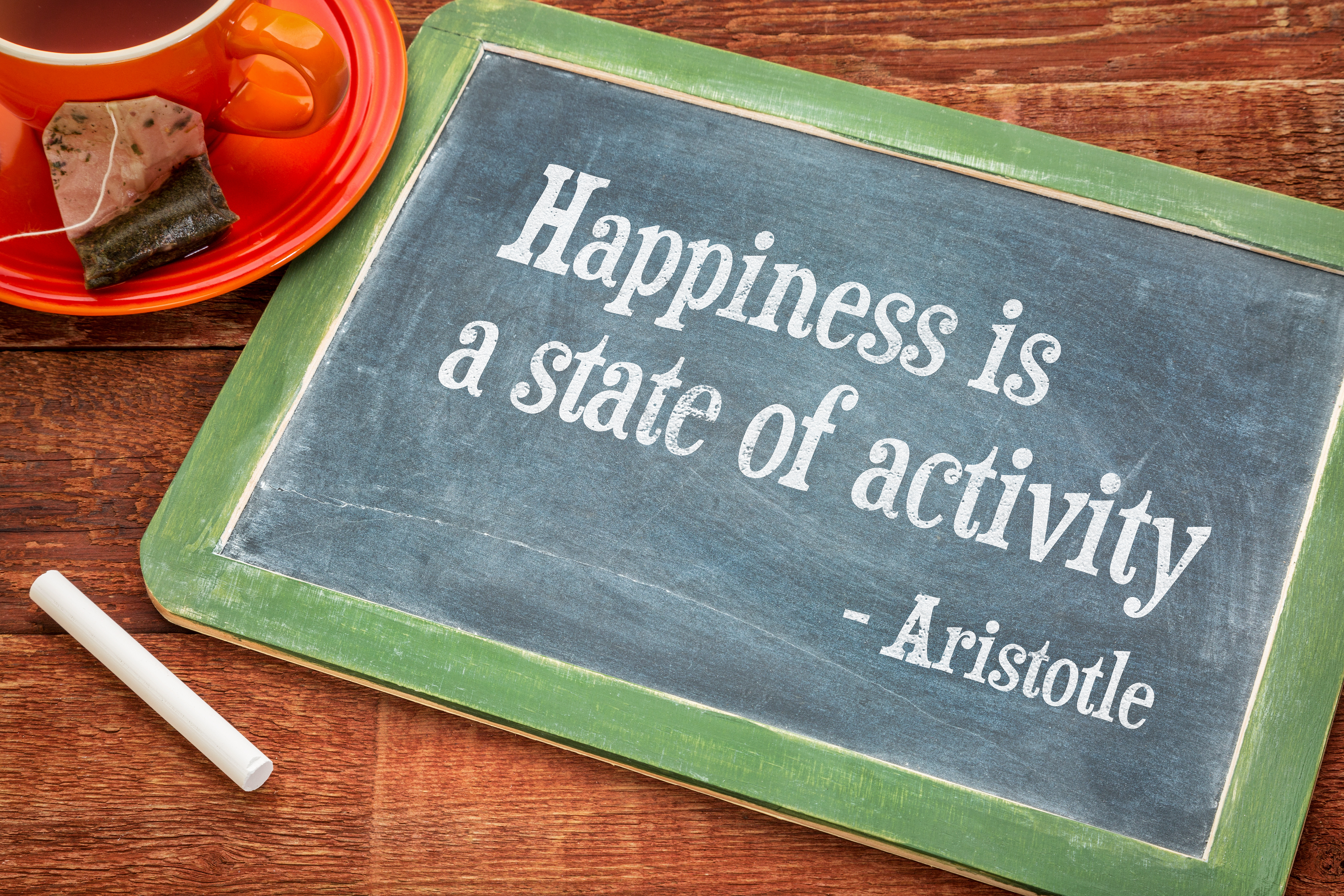
Happiness is a state of activity, a quote from Aristotle

In the words of George Burns, “You can’t help getting older, but you don’t have to get old.” Embrace the wisdom of age, savor the richness of each moment, and let happiness be the guiding light on this remarkable journey. In other words, happiness is not given but something earned over time. Remaining optimistic and having a sense of purpose is what we all should strive for. With these thoughts true happiness will be found regardless of your age. Remember nothing in life is a race, life is a marathon and in order to win, you must continue to keep smiling and happiness will be found.