The Surging Popularity of Meditation and Mindfulness

In a society characterized by constant connectivity, rapid technological advancements, and an ever-increasing pace of life, more individuals are turning to ancient practices like meditation and mindfulness to find peace, focus, and balance. Once considered niche or even esoteric, these practices have moved into the mainstream, with scientific studies and wellness experts alike touting their benefits.

The Rise of Meditation and Mindfulness

Over the past decade, meditation and mindfulness have experienced a surge in popularity. From Silicon Valley tech giants to classrooms and corporate boardrooms, the practices are being embraced as essential tools for managing stress and enhancing mental well-being.

The proliferation of smartphone apps like Headspace and Calm has played a significant role in bringing these practices to the masses. These platforms offer guided sessions that are accessible to beginners and seasoned practitioners alike, making it easier than ever for people to integrate mindfulness into their daily lives.

The Science Behind the Practice

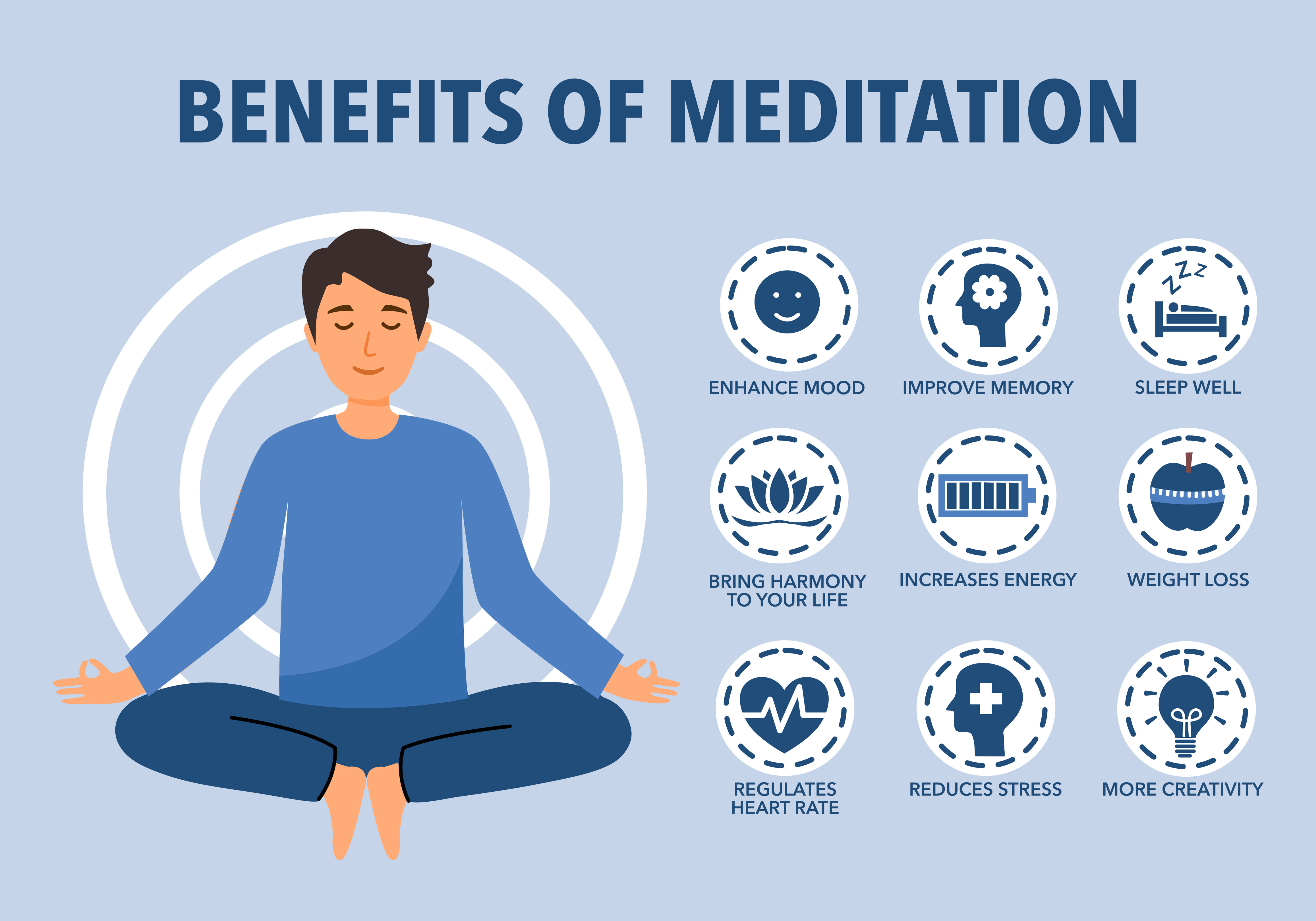
Meditation and mindfulness are not just trendy buzzwords; they are practices backed by a growing body of scientific research. Studies have shown that regular meditation can reduce stress, lower blood pressure, and improve overall mental health. Mindfulness, which involves paying attention to the present moment without judgment, has been linked to enhanced focus, emotional regulation, and even better relationships.

A study published in the journal JAMA Internal Medicine found that mindfulness meditation programs can help reduce anxiety, depression, and pain. Similarly, research from Harvard Medical School has shown that mindfulness can lead to structural changes in the brain, including an increase in gray matter in areas associated with learning and memory.

Applications Across Sectors

The benefits of meditation and mindfulness are being recognized across various sectors. In education, schools are incorporating mindfulness programs to help students manage stress and improve concentration. Corporate wellness programs are also embracing mindfulness as a way to boost employee productivity and reduce burnout. Even the healthcare industry is exploring the integration of mindfulness into treatment plans for chronic pain, addiction, and mental health disorders.

Challenges and Misconceptions

Despite the growing popularity, there are still challenges and misconceptions surrounding meditation and mindfulness. Some individuals believe that these practices require significant time commitments or that they are religious in nature. However, experts emphasize that even a few minutes of daily practice can yield positive results and that meditation and mindfulness are secular practices accessible to anyone.

Another challenge is the commodification of mindfulness, with critics arguing that the practice is being co-opted by consumer culture. The abundance of mindfulness-related products and services has led some to question whether the true essence of the practice is being diluted.

The Future of Mindfulness

As the demand for mental health and wellness solutions continues to rise, meditation and mindfulness are likely to become even more entrenched in everyday life. Future trends may include the development of more personalized mindfulness programs, advances in technology that enhance the practice, and further integration into various aspects of society, from healthcare to education.

In a world that often feels overwhelming, meditation and mindfulness offer a timeless antidote—a way to reconnect with the present moment, cultivate inner peace, and navigate life’s challenges with greater resilience. As more people discover the profound benefits of these practices, they are not just embracing a trend but a path to long-lasting well-being.

Transform Your Life with Effective Goal Planning

In today’s demanding world, it’s easy to get caught up in the daily grind, losing sight of the bigger picture. Whether it’s career aspirations, personal development, or financial security, many of us dream of achieving something greater. However, without a clear plan, these dreams often remain just that—dreams. Goal planning, a practice that involves setting specific, measurable, and time-bound objectives, is a powerful tool that can help turn aspirations into reality. This article explores the significance of goal planning and its profound impact on various aspects of life.

The Importance of Goal Setting

Goal setting is more than just jotting down a wish list of things you’d like to do. It’s a strategic process that requires careful thought and intention. By clearly defining your goals, you create a roadmap that guides your decisions and actions. This clarity provides a sense of purpose and direction, helping you stay focused even when faced with challenges.

Studies have shown that individuals who set goals are more likely to achieve success in their personal and professional lives. According to a study conducted by Dr. Gail Matthews, a psychology professor at Dominican University in California, people who wrote down their goals and shared them with others were 33% more successful in achieving them than those who only formulated goals in their minds.

How Goal Planning Impacts Your Life

  1. Increased Motivation and Focus Goal planning ignites a sense of motivation. When you have a clear vision of what you want to achieve, you’re more likely to stay committed to the necessary tasks. This focus helps you to prioritize your time and energy, allowing you to make meaningful progress. As you start achieving small milestones, your confidence grows, reinforcing your motivation to continue.
  2. Better Time Management With clear goals in place, time management becomes more effective. You can allocate your resources—time, energy, and money—more efficiently, ensuring that your efforts align with your priorities. This can help reduce procrastination and minimize distractions, leading to a more productive and fulfilling life.
  3. Enhanced Self-Discipline Goal planning fosters self-discipline. When you have a plan, you’re more likely to resist temptations and stay on track. This discipline not only helps in achieving your goals but also spills over into other areas of life, such as maintaining healthy habits, managing finances, and improving relationships.
  4. A Sense of Accomplishment The satisfaction of achieving a goal is unparalleled. It brings a sense of accomplishment that boosts your self-esteem and encourages you to set and pursue new goals. This positive cycle of setting, working towards, and achieving goals can significantly improve your overall well-being and happiness.
  5. Resilience in the Face of Challenges Life is unpredictable, and setbacks are inevitable. However, having a well-structured goal plan can help you navigate these challenges with resilience. When you encounter obstacles, your goals provide a framework for adjusting your strategies without losing sight of your ultimate objectives. This adaptability is key to long-term success.

Practical Tips for Effective Goal Planning

  • Be Specific: Vague goals lead to vague results. Clearly define what you want to achieve, why it matters, and how you plan to get there.
  • Set Measurable Goals: Establish criteria to measure your progress. This will help you stay on track and recognize when you’ve reached your goal.
  • Make Your Goals Attainable: While it’s important to challenge yourself, setting unrealistic goals can lead to frustration and burnout. Ensure your goals are achievable within your current resources and constraints.
  • Set Relevant Goals: Your goals should align with your broader life objectives. This ensures that your efforts are meaningful and contribute to your overall growth.
  • Time-Bound: Every goal should have a deadline. This creates a sense of urgency and encourages consistent progress.

Goal planning is more than just a productivity tool—it’s a transformative practice that can shape your life in profound ways. By setting clear, actionable goals, you can unlock your potential, overcome challenges, and create a fulfilling life aligned with your deepest aspirations. Whether you’re striving for personal growth, professional success, or overall well-being, effective goal planning is the key to making your dreams a reality. So, take the time to plan your goals, and watch as your life begins to change, one step at a time.

Effective Strategies for Saving Money on Insurance Premiums

In an economy where every dollar counts, finding ways to save money is a priority for many households. Insurance, a necessary expense for most, is often viewed as a fixed cost. However, there are several strategies consumers can use to reduce their premiums without sacrificing coverage. This article provides a few effective money-saving tips within the insurance industry, helping you keep more of your hard-earned cash while ensuring you remain adequately protected.

1. Shop Around for the Best Rates

One of the simplest ways to save money on insurance is to compare rates from different providers. Insurance companies assess risk differently, which can lead to significant variations in premiums for the same coverage. Utilize online comparison tools, or work with an independent insurance agent to gather quotes from multiple companies. Don’t forget to re-evaluate your insurance provider every year to ensure you’re still getting the best deal.

2. Bundle Your Policies

Many insurance companies offer discounts to customers who purchase multiple policies, such as home and auto insurance, from the same provider. Bundling your policies can lead to significant savings, sometimes as much as 25% off your premiums. Before bundling, however, compare the total cost with separate providers to ensure it’s the most cost-effective option.

3. Increase Your Deductible

Raising your deductible—the amount you pay out of pocket before your insurance kicks in—can lower your premium significantly. For example, increasing your auto insurance deductible from $500 to $1,000 could reduce your premium by up to 40%. However, ensure that you have enough savings to cover the higher deductible in case of a claim.

4. Maintain a Good Credit Score

Insurance companies often use credit scores to assess risk and determine premiums. A higher credit score indicates responsible financial behavior, which can lead to lower insurance rates. To improve your credit score, pay your bills on time, reduce debt, and check your credit report regularly for errors.

5. Take Advantage of Discounts

Insurance companies offer a variety of discounts that can help lower your premium. These can include discounts for safe driving, installing security systems in your home, being a loyal customer, or even for being a good student. Ask your insurance provider about all the available discounts and make sure you’re taking advantage of any that apply to you.

6. Review Your Coverage Annually

Your insurance needs change over time, and what was essential a few years ago may no longer be necessary. Review your policies annually to ensure you’re not paying for coverage you don’t need. For example, if your car is older, you might consider dropping comprehensive or collision coverage, especially if the car’s value is low.

7. Consider Usage-Based Insurance

Usage-based insurance (UBI) programs track your driving habits through a mobile app or device installed in your vehicle. Drivers who are safe and drive less frequently can save money on their auto insurance premiums. If you’re a low-mileage driver, this could be a great way to cut costs.

8. Improve Home Security

For homeowners, installing safety features such as smoke detectors, burglar alarms, and deadbolt locks can reduce your home insurance premiums. Some companies offer discounts for more advanced security systems, such as monitored alarm systems and smart home technology.

Saving money on insurance doesn’t mean you have to compromise on coverage. By shopping around, taking advantage of discounts, and making strategic adjustments to your policies, you can reduce your insurance costs while still ensuring that you and your assets are adequately protected. As the insurance industry evolves, staying informed and proactive will be key to keeping your premiums low without sacrificing peace of mind. If you need help or have a question be sure to drop me a line, give me a call or comment below and I will be glad to help you navigate your own financial plan.

About the Author:

David Dandaneau is a insurance agent that covers the insurance and financial services industry. He is known for his insightful analysis and comprehensive coverage of market trends and regulatory developments.
Overcoming Setbacks: The Path to Resilience and Success

In life, setbacks are inevitable. Whether in personal endeavors, professional pursuits, or societal challenges, obstacles often arise, testing our resolve and resilience. While setbacks can be disheartening, they also offer a unique opportunity for growth and transformation. The true measure of success lies not in avoiding these challenges, but in how we respond to them.

The Nature of Setbacks

Setbacks come in many forms unexpected job loss, financial difficulties, personal tragedies, or even global crises like the COVID-19 pandemic. These challenges can derail our plans and shake our confidence. However, setbacks are not indicative of failure; they are a natural part of the journey towards achieving meaningful goals.

The Power of Resilience

Resilience is the ability to bounce back from adversity, and it is a critical factor in overcoming setbacks. Research shows that resilient individuals are more likely to adapt to change, maintain a positive outlook, and persevere in the face of difficulties. Building resilience involves developing a growth mindset, which views challenges as opportunities to learn and improve rather than insurmountable obstacles.

Stories of Triumph

History is replete with examples of individuals and communities who have faced significant setbacks and emerged stronger. One such example is the story of J.K. Rowling, who faced numerous rejections before her Harry Potter series became a global phenomenon. Her experience is a testament to the power of perseverance and belief in one’s vision, even when the odds seem insurmountable.

Similarly, the late Steve Jobs faced a major setback when he was ousted from Apple, the company he co-founded. Rather than giving up, Jobs used the experience to innovate further, eventually returning to Apple and transforming it into one of the most successful companies in the world.

Strategies for Overcoming Setbacks

While everyone’s journey is unique, several strategies can help individuals navigate setbacks effectively:

  1. Reframe the Situation: Viewing setbacks as temporary challenges rather than permanent failures can help maintain a positive outlook. This shift in perspective allows for creative problem-solving and opens the door to new possibilities.
  2. Seek Support: Surrounding oneself with a supportive network of friends, family, and mentors can provide emotional strength and practical advice. Sharing challenges with others often leads to new insights and solutions.
  3. Set Realistic Goals: Breaking down long-term goals into smaller, manageable steps can make setbacks feel less overwhelming. Celebrating small victories along the way helps maintain motivation and momentum.
  4. Learn from the Experience: Every setback is a learning opportunity. Reflecting on what went wrong and why can provide valuable lessons for the future. This process of self-assessment and growth is essential for long-term success.
  5. Stay Persistent: Persistence is key to overcoming setbacks. Success often requires multiple attempts, and each setback is a step closer to achieving the ultimate goal.

The Road Ahead

Setbacks are not the end of the road; they are a detour on the path to success. By cultivating resilience, seeking support, and learning from challenges, individuals can turn setbacks into stepping stones. As society continues to face new challenges, the collective ability to overcome setbacks will determine our future success.

In the end, the most successful people are not those who avoid setbacks but those who embrace them, learn from them, and continue moving forward with renewed determination.

Practical Strategies for Building Unshakable Confidence

In a society that demands constant adaptation and resilience, confidence has emerged as a critical asset for both personal and professional growth. Whether it’s presenting a new project at work, navigating social interactions, or pursuing new ventures, confidence can significantly impact one’s ability to achieve success.

The Importance of Confidence

Confidence is more than just a feeling; it’s a fundamental trait that influences how individuals approach challenges and opportunities. Research indicates that confident people are more likely to take risks, persevere through setbacks, and achieve their goals. Dr. Sarah Thompson, a psychologist specializing in self-esteem and motivation, explains, “Confidence acts as a catalyst for action. It empowers individuals to step out of their comfort zones and embrace growth.”

Building Confidence: Practical Strategies

  1. Set Achievable Goals: Setting small, attainable goals can provide a sense of accomplishment and boost self-esteem. Achieving these goals creates a positive feedback loop, encouraging individuals to tackle more significant challenges.
  2. Embrace Failure: Viewing failure as a learning opportunity rather than a setback is crucial. By understanding that mistakes are a natural part of the growth process, individuals can develop resilience and a more positive outlook.
  3. Positive Self-Talk: The way we talk to ourselves matters. Replacing negative thoughts with positive affirmations can reshape our self-perception. “I am capable,” and “I can handle this” are powerful statements that can enhance confidence.
  4. Skill Development: Building competence in specific areas through education and practice can naturally increase confidence. As skills improve, so does the belief in one’s abilities.
  5. Seek Support: Surrounding oneself with supportive and encouraging individuals can make a significant difference. Constructive feedback and encouragement from others can bolster self-confidence.

The Workplace Connection

In the professional realm, confidence is often linked to leadership and success. Companies are increasingly recognizing the value of confident employees who can lead teams, innovate, and drive organizational growth. “Confident employees are more likely to take initiative, propose new ideas, and navigate the uncertainties of the business world,” notes John Carter, CEO of a leading consulting firm.

Confidence in Action: Success Stories

Consider the story of Emily Davis, a marketing manager who transformed her career by building confidence. Initially hesitant to voice her ideas, Emily started setting small goals and practicing positive self-talk. Over time, she began presenting her ideas more assertively, eventually leading her team to a successful product launch that garnered industry accolades.

Similarly, Michael Rodriguez, a recent college graduate, used confidence-building techniques to secure his dream job. Despite initial rejections, he remained persistent, refining his skills and maintaining a positive outlook. His confidence during interviews eventually landed him a coveted position at a top tech firm.

Confidence is a vital attribute that can be developed with intentional effort and practice. By setting achievable goals, embracing failure, practicing positive self-talk, developing skills, and seeking support, individuals can enhance their confidence and unlock new opportunities for success. As society continues to evolve, the importance of confidence in personal and professional spheres cannot be overstated. Building confidence is not just about achieving goals; it’s about fostering a mindset that empowers individuals to live their fullest potential.

Top Trends Facing the Property and Casualty Market in 2024

The property and casualty (P&C) insurance market is experiencing significant shifts in 2024, driven by technological advancements, climate change, regulatory updates, and evolving consumer expectations. As insurers navigate these changes, several key trends have emerged that are helping shape the industry landscape.

1. Digital Transformation and Insurtech Integration

The integration of insurtech is revolutionizing the P&C insurance sector. Advanced data analytics, artificial intelligence (AI), and machine learning are enhancing underwriting accuracy, risk assessment, and customer experience. Insurtech startups are partnering with traditional insurers to offer innovative solutions, such as usage-based insurance (UBI) and on-demand coverage, which cater to the modern consumer’s needs for flexibility and personalization.

2. Climate Change and Catastrophe Modeling

Climate change continues to be a critical concern for the P&C market. Increasing frequency and severity of natural disasters, such as hurricanes, wildfires, and floods, are leading to higher claims and losses. Insurers are investing in advanced catastrophe modeling and predictive analytics to better assess and manage these risks. Additionally, there is a growing emphasis on sustainable practices and green insurance products that incentivize policyholders to adopt environmentally friendly measures.

3. Regulatory Changes and Compliance

Regulatory landscapes are evolving, with new laws and guidelines being introduced to address emerging risks and ensure consumer protection. In 2024, insurers are focusing on enhancing compliance frameworks to meet stricter data privacy regulations and cybersecurity standards. The rise of digital channels has also prompted regulators to scrutinize digital sales practices, leading to the development of more robust guidelines for online insurance transactions.

4. Telematics and IoT in Risk Management

Telematics and the Internet of Things (IoT) are playing a pivotal role in transforming risk management in the P&C insurance sector. Telematics devices, particularly in auto insurance, provide real-time data on driving behavior, enabling insurers to offer personalized premiums based on individual risk profiles. Similarly, IoT devices in homes and businesses help monitor potential hazards, such as water leaks or fire risks, allowing for proactive mitigation and reduced claims.

5. Focus on Cyber Insurance

With the rise in cyber threats, cyber insurance has become a critical component of the P&C market. Businesses and individuals are increasingly seeking coverage to protect against data breaches, ransomware attacks, and other cyber risks. Insurers are expanding their cyber insurance offerings and developing comprehensive policies that address the evolving nature of cyber threats. This trend underscores the importance of cybersecurity in the overall risk management strategy.

6. Customer-Centric Innovations

In an era of heightened customer expectations, insurers are prioritizing customer-centric innovations. This includes the adoption of omnichannel communication strategies, offering seamless interactions across digital and traditional platforms. Personalized policy options, streamlined claims processes, and enhanced customer service through AI-driven chatbots are some of the ways insurers are improving customer engagement and satisfaction.

7. Expansion of Parametric Insurance

Parametric insurance is gaining traction as a viable alternative to traditional indemnity insurance. Unlike traditional policies, parametric insurance pays out a predetermined amount based on the occurrence of a specific event, such as a natural disaster reaching a certain intensity. This model offers faster claims processing and payouts, providing policyholders with quicker financial relief. The simplicity and efficiency of parametric insurance are driving its adoption across various segments, including agriculture, travel, and climate-related risks.

The property and casualty insurance market in 2024 is marked by rapid technological advancements, heightened awareness of climate risks, regulatory changes, and a focus on customer-centric approaches. Insurers that embrace these trends and invest in innovation are likely to thrive in this dynamic environment. As the industry continues to evolve, staying ahead of these trends will be crucial for delivering value to policyholders and maintaining a competitive edge.


About the Author:

David Dandaneau is a insurance agent that covers the insurance and financial services industry. He is known for his insightful analysis and comprehensive coverage of market trends and regulatory developments.

10 Essential Elements for Building Strong Relationships

The importance of nurturing strong relationships, both within and outside the family, cannot be overstated. Whether it’s family bonds, friendships, or professional connections, healthy relationships are foundational to personal and collective well-being. Here are some essential elements for building and maintaining robust relationships:

1. Communication: The Bedrock of Relationships

Open, honest, and respectful communication is crucial. In families, regular conversations about each member’s thoughts, feelings, and experiences foster a sense of belonging and understanding. Outside the family, effective communication ensures clarity, prevents misunderstandings, and builds trust. Active listening, where one truly hears and acknowledges the other person’s perspective, is equally vital.

2. Trust: The Glue that Holds Relationships Together

Trust is fundamental. It is built over time through consistent behavior and reliability. In families, trust is nurtured by being dependable and showing unconditional support. In friendships and professional relationships, trust grows from fulfilling promises, maintaining confidentiality, and being honest even when it’s difficult.

3. Quality Time: Investing in Relationships

Spending quality time together strengthens bonds. In families, this means shared activities, family meals, and vacations. For friendships and professional relationships, it involves regular catch-ups, collaborative projects, and social events. Quality time allows individuals to connect, share experiences, and create lasting memories.

4. Empathy: Understanding and Compassion

Empathy, the ability to understand and share the feelings of another, is essential. It involves putting oneself in another’s shoes and responding with kindness and support. In families, empathy helps in resolving conflicts and fostering a nurturing environment. In external relationships, it builds stronger connections and fosters a culture of support and cooperation.

5. Respect: Valuing Each Other

Respecting each other’s individuality, boundaries, and opinions is crucial. In families, it means honoring each member’s unique personality and space. In other relationships, it involves recognizing and appreciating differences, and valuing each person’s contributions and perspectives.

6. Shared Goals and Values: Common Ground

Having shared goals and values strengthens the sense of unity. In families, common values and goals, like education, health, and financial stability, create a cohesive unit. In friendships and professional relationships, shared interests and objectives foster teamwork and collaboration.

7. Conflict Resolution: Handling Disagreements

Conflicts are inevitable in any relationship. The key is to address them constructively. This involves staying calm, discussing the issue openly, and finding a mutually agreeable solution. In families, this strengthens bonds and teaches valuable life skills. In other relationships, it builds resilience and promotes a healthy dynamic.

8. Flexibility and Adaptability: Growing Together

Relationships need to evolve with time. Flexibility and adaptability allow individuals to grow together rather than apart. In families, this means adjusting to life changes, like moving to a new place or changing jobs. In friendships and professional relationships, it involves being open to new ideas, changing circumstances, and different ways of thinking.

9. Appreciation and Affirmation: Encouragement Matters

Regularly expressing appreciation and affirming each other’s worth boosts morale and strengthens bonds. In families, this creates a positive environment where each member feels valued. In other relationships, it fosters goodwill and reinforces the connection.

10. Support: Being There in Times of Need

Providing support during challenging times is a cornerstone of strong relationships. In families, being there for each other during illness, loss, or stress builds deep, enduring bonds. In friendships and professional relationships, offering help and understanding during tough times solidifies the connection.

Building and maintaining strong relationships requires effort, understanding, and dedication. By focusing on these key elements—communication, trust, quality time, empathy, respect, shared goals and values, conflict resolution, flexibility, appreciation, and support—individuals can foster healthy, fulfilling relationships that enrich their lives and the lives of those around them. Whether within the family or beyond, strong relationships are a source of joy, resilience, and mutual growth.

Why We Should Never Settle for Less Than What We Deserve

In a world that often emphasizes compromise and contentment, the notion of “never settling for less than we deserve” can seem almost radical. Yet, this principle is crucial for personal growth, happiness, and overall well-being. Here’s why we should always strive for what we truly deserve and never settle for less.

The Importance of Self-Worth

At the core of never settling is the recognition of one’s self-worth. Understanding and valuing yourself is fundamental to setting the standards for what you deserve in life, be it in relationships, career, or personal goals. When we settle for less, we undermine our own value, sending a message to ourselves and others that we are not worth more. This can lead to a cycle of dissatisfaction and low self-esteem.

Professional Fulfillment

In the workplace, settling for less than you deserve can have long-lasting impacts on your career trajectory and job satisfaction. Accepting a job that does not challenge you or offer growth opportunities can lead to stagnation. Moreover, settling for a lower salary than you’re worth can affect your financial stability and sense of professional accomplishment. Advocating for what you deserve in your career helps you achieve your potential and find fulfillment in your work.

Healthy Relationships

Settling in relationships can be particularly damaging. Whether in friendships or romantic relationships, accepting less than you deserve can lead to feelings of resentment, unhappiness, and a lack of fulfillment. Healthy relationships are built on mutual respect, support, and shared values. By not settling, you ensure that your relationships are enriching and positive, rather than draining and detrimental.

Personal Growth and Happiness

Personal growth stems from the pursuit of our true desires and aspirations. When we settle for less, we often put our dreams and ambitions on hold, leading to regret and dissatisfaction. Striving for what we truly deserve encourages continuous growth and the realization of our full potential. This pursuit is not about perfection but about setting realistic, yet ambitious goals that push us towards a fulfilling and happy life.

The Power of Perseverance

Choosing not to settle requires perseverance and resilience. It means facing challenges head-on and not giving up in the face of adversity. This perseverance builds character and resilience, equipping us with the strength to overcome obstacles and achieve our goals. The journey of striving for what we deserve can be demanding, but it is ultimately rewarding and empowering.

A Positive Ripple Effect

When we refuse to settle, we not only benefit ourselves but also inspire others to do the same. Our actions can create a ripple effect, encouraging friends, family, and even colleagues to recognize their own worth and strive for what they deserve. This collective mindset can lead to a more empowered and motivated community.

Never settling for less than we deserve is not about being unrealistic or overly demanding; it’s about recognizing our worth and striving for a life that reflects our true potential. Whether in our careers, relationships, or personal endeavors, holding ourselves to this standard ensures a more fulfilling, happy, and meaningful existence. In the end, we owe it to ourselves to pursue the best that life has to offer.

Preparing for Retirement: Key Questions to Ask Yourself

As retirement approaches, the excitement of new possibilities often mingles with apprehension about the unknown. To ensure a smooth transition into this new chapter, it’s crucial to reflect on several key questions. These questions will help clarify your financial readiness, lifestyle aspirations, and overall preparedness, ensuring your retirement years are as fulfilling as they are secure.

1. Have I Saved Enough?

One of the most fundamental questions is whether you have saved enough to sustain your desired lifestyle throughout retirement. Consider the following:

  • Current Savings and Investments: Assess your retirement accounts, savings, and other investments. Are they sufficient to support you for 20-30 years, considering inflation and healthcare costs?
  • Expected Expenses: Calculate your anticipated monthly expenses, including housing, utilities, food, healthcare, and leisure activities. Don’t forget to account for unexpected costs.
  • Income Sources: Identify all potential income sources, such as Social Security, pensions, annuities, and part-time work.

2. What Will My Retirement Lifestyle Be Like?

Envisioning your day-to-day life in retirement is essential for financial and emotional planning.

  • Hobbies and Activities: What activities and hobbies do you plan to pursue? Will you travel, volunteer, or engage in new educational opportunities?
  • Living Arrangements: Do you plan to stay in your current home, downsize, or relocate to a different city or country?
  • Social Connections: How will you maintain and build social connections? Consider the role of community involvement and proximity to family and friends.

3. Am I Prepared for Healthcare Costs?

Healthcare is a significant expense in retirement. Ask yourself:

  • Insurance Coverage: Have you reviewed your Medicare options and other supplemental insurance plans?
  • Long-Term Care: Have you considered long-term care insurance or other strategies to cover potential long-term care needs?
  • Health and Wellness: How will you stay healthy and active to minimize medical costs and improve your quality of life?

4. Do I Have a Solid Financial Plan?

A comprehensive financial plan is crucial for managing your resources effectively.

  • Budgeting: Have you created a detailed retirement budget? Are you comfortable adjusting it as needed?
  • Debt Management: Have you paid off outstanding debts, or do you have a strategy to manage them in retirement?
  • Estate Planning: Have you updated your will, established a trust, or designated beneficiaries for your accounts?

5. What Will Give My Life Purpose?

Retirement is not just about financial security; it’s also about finding meaning and fulfillment.

  • Passions and Interests: What are you passionate about? How can you incorporate these passions into your daily life?
  • Volunteering and Giving Back: Are there causes or organizations you want to support through volunteer work or donations?
  • Personal Growth: How will you continue to learn and grow? Consider activities that challenge you mentally and physically.

6. Have I Consulted with Professionals?

Expert advice can provide clarity and confidence.

  • Financial Advisors: Have you consulted with a financial advisor to ensure your plan is robust and adaptable?
  • Legal Advisors: Have you sought legal advice for estate planning and other legal matters?
  • Healthcare Professionals: Have you discussed your retirement health plans with your healthcare providers?

Preparing for retirement involves more than just financial planning; it requires a holistic approach that considers your lifestyle, health, and personal fulfillment. By asking yourself these critical questions, you can create a comprehensive plan that ensures a smooth and satisfying transition into your retirement years. Take the time to reflect, plan, and seek advice, so you can embrace this new chapter with confidence and enthusiasm.

The Importance of Mental Health at Every Life Stage

In this day and age where the pace of life is ever-increasing and the demands of daily living are constantly evolving, the importance of mental health cannot be overstated. From childhood to old age, taking care of your mental health is crucial for overall well-being and quality of life.

Mental Health in Childhood

For children, mental health is the foundation for future development. A child’s early experiences shape their brain development, influencing their emotional and social capabilities. According to the American Psychological Association, untreated mental health issues in childhood, such as anxiety or depression, can lead to difficulties in school, trouble forming healthy relationships, and an increased risk of substance abuse later in life. Early intervention and support from parents, teachers, and mental health professionals can help children develop resilience and coping skills.

Adolescence: A Critical Period

Adolescence is a critical period for mental health, as teenagers navigate the complexities of identity, relationships, and academic pressures. The World Health Organization (WHO) reports that half of all mental health conditions start by age 14, but most cases are undetected and untreated. Encouraging open conversations about mental health, reducing stigma, and providing access to mental health services are essential for supporting adolescents during this tumultuous time. Schools and communities play a pivotal role in creating safe environments where young people feel empowered to seek help.

Adult Mental Health: Balancing Responsibilities

Adulthood brings a new set of challenges, including career pressures, family responsibilities, and financial stress. The National Institute of Mental Health (NIMH) highlights that adults with untreated mental health issues are at risk for chronic diseases, decreased productivity, and strained relationships. Regular self-care practices, such as exercise, healthy eating, and mindfulness, can help manage stress. Employers can contribute by fostering a supportive workplace culture and offering mental health resources.

Aging and Mental Health

Mental health remains important in older adulthood, where issues such as loneliness, grief, and physical health problems can impact well-being. According to the Centers for Disease Control and Prevention (CDC), depression and anxiety are common among older adults but often go undiagnosed. Staying socially active, engaging in mentally stimulating activities, and seeking support for mental health concerns can significantly enhance the quality of life for seniors.

Breaking the Stigma

Across all ages, one of the biggest barriers to seeking help is the stigma associated with mental health issues. Education and awareness campaigns can play a crucial role in normalizing mental health care. Encouraging open discussions about mental health, sharing personal stories, and promoting the message that it’s okay to seek help are vital steps in breaking down these barriers.

The Role of Technology

In recent years, technology has become a valuable tool in mental health care. Teletherapy, mental health apps, and online support groups provide accessible options for those seeking help. However, it’s important to ensure that these digital solutions are used in conjunction with traditional care methods and are accessible to people of all ages.

Taking care of your mental health is a lifelong commitment that requires attention and effort at every stage of life. Whether it’s a child learning to navigate emotions, a teenager dealing with peer pressure, an adult balancing work and family, or a senior facing the challenges of aging, mental health matters. By prioritizing mental health and breaking down the barriers to seeking help, we can build a healthier, more resilient society where everyone can thrive.


Sources:

  1. American Psychological Association (APA)
  2. World Health Organization (WHO)
  3. National Institute of Mental Health (NIMH)
  4. Centers for Disease Control and Prevention (CDC)