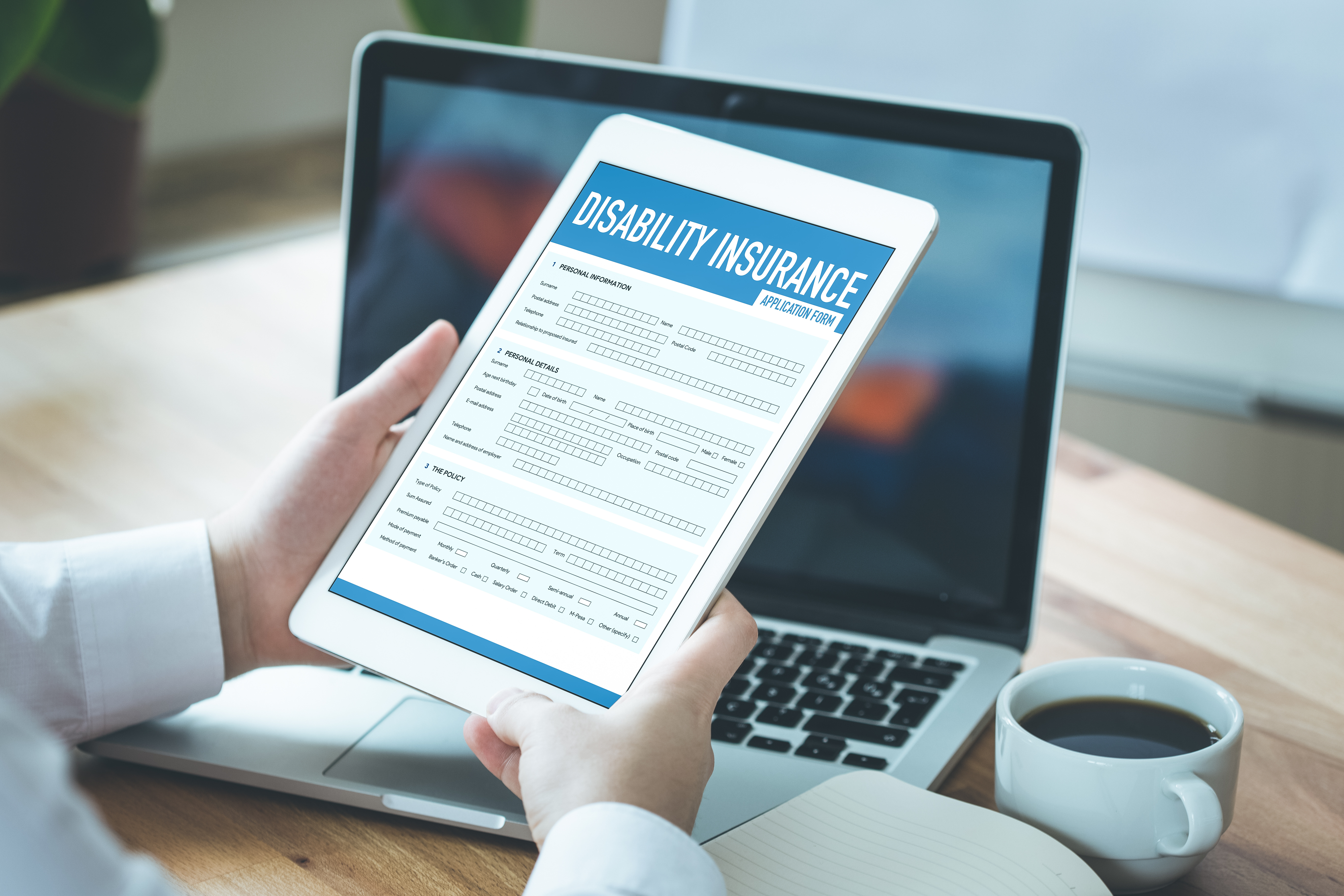
5 Reasons Not to Include Loss of Income in Auto Insurance

Auto insurance policies offer various coverage options to protect drivers in case of accidents, theft, and other unforeseen events. One such option is loss of income coverage, which helps replace lost wages if you’re unable to work due to injuries sustained in a car accident. While this coverage can be beneficial, there are certain scenarios where excluding it from your policy may be a financially sound decision.

  1. You Have a Strong Disability Insurance Policy

If you already have a comprehensive disability insurance plan through your employer or a private insurer, you may not need additional loss of income coverage. Disability insurance typically provides wage replacement in case of injury, making redundant coverage unnecessary.

  1. You Work in a Non-Traditional Employment Arrangement

Freelancers, independent contractors, and retirees may not have a consistent income structure that aligns with how loss of income claims are assessed. If your earnings vary significantly or are not dependent on physical work, this coverage might not be essential.

  1. You Have Sufficient Savings

If you have a robust emergency fund that can cover expenses during a period of temporary disability, you may opt to exclude loss of income coverage to reduce your premium. This is particularly relevant for individuals who have substantial financial security and can absorb short-term losses without hardship.

  1. You Drive Infrequently

Individuals who rarely drive may find loss of income coverage unnecessary. If you’re not on the road often, your risk of an accident is lower, making it less likely that you would need to claim lost wages due to an auto-related injury.

  1. Your Job Offers Paid Leave or Workers’ Compensation

Some employers provide generous paid leave policies or workers’ compensation that covers lost wages if you’re injured in an accident during work-related activities. If these benefits apply to you, the additional coverage from auto insurance may be redundant.

While loss of income coverage can be a valuable safety net, it is not always necessary for every driver. Assessing your personal financial situation, employment benefits, and driving habits can help determine whether excluding this coverage is a practical decision. Always consult with your insurance agent to ensure your policy aligns with your needs and financial goals.

About the Author:

David Dandaneau is a insurance agent that covers the insurance and financial services industry. He is known for his insightful analysis and comprehensive coverage of market trends and regulatory developments.

Understanding Short and Long-Term Disability Insurance

When considering insurance policies, most people think about health, auto, and homeowners’ coverage. However, one critical form of protection often overlooked is disability insurance. Whether due to an illness, injury, or unforeseen medical condition, being unable to work can significantly impact your financial stability. This is where short- and long-term disability insurance can provide a vital safety net.

Understanding Short-Term Disability Insurance

Short-term disability (STD) insurance is designed to provide income replacement for a limited period when an individual cannot work due to a temporary illness or injury. This type of policy typically covers a percentage of the insured’s salary—usually between 40% and 70%—for a period ranging from a few weeks to several months, depending on the policy.

Common conditions that may qualify for short-term disability include:

  • Recovery from surgery
  • Pregnancy and childbirth
  • Severe illness (e.g., pneumonia)
  • Injuries from accidents

The Benefits of Long-Term Disability Insurance

Long-term disability (LTD) insurance kicks in when short-term benefits expire. This coverage is crucial for individuals who face extended periods away from work due to severe medical conditions. LTD policies generally cover 50% to 70% of an individual’s income and can last for years—sometimes until retirement age, depending on the plan.

Typical conditions that may qualify for long-term disability benefits include:

  • Cancer treatments
  • Chronic diseases (e.g., multiple sclerosis, lupus)
  • Major injuries (e.g., spinal cord damage, paralysis)
  • Mental health conditions (e.g., severe depression, PTSD)

Why You Should Consider Disability Insurance

Financial Security – Without a steady paycheck, managing everyday expenses such as rent, mortgage, and medical bills can become overwhelming. Disability insurance ensures that you have a financial buffer in place.

Peace of Mind – Knowing that you have coverage in case of an unexpected disability allows you to focus on recovery rather than worrying about finances.

Employer Benefits May Not Be Enough – While some employers offer disability coverage, these policies may have limitations in terms of payout percentage and duration. Having your own policy ensures comprehensive coverage tailored to your needs.

Protects Your Future Earnings – A long-term illness or injury can derail your financial plans. Disability insurance helps preserve your ability to maintain financial independence even when you cannot work.

Disability insurance is an essential component of a well-rounded financial plan. Whether you opt for short-term, long-term, or both, these policies provide invaluable protection in case life takes an unexpected turn. If you haven’t yet considered adding disability insurance to your coverage, now may be the time to evaluate your options and secure your financial future. If you have questions or would like a quote contact me directly and we will get you started.

In a Volatile World, Disability Insurance Offers Crucial Protection

In an unpredictable world where unforeseen circumstances can disrupt livelihoods in an instant, the significance of disability insurance cannot be overstated. Beyond traditional health coverage, disability insurance serves as a financial safety net, offering protection against the economic ramifications of unexpected disabilities or injuries. As individuals and families navigate the complexities of modern life, understanding the importance of disability insurance has become paramount.

Disability insurance provides a source of income replacement for individuals who are unable to work due to a disabling illness or injury. Whether temporary or permanent, such conditions can profoundly impact one’s ability to earn an income, thereby jeopardizing financial stability. In such instances, disability insurance steps in to bridge the gap, ensuring that essential expenses are covered and maintaining a semblance of financial security.

The need for disability insurance extends across all demographics. Contrary to popular belief, disabilities are not solely the result of catastrophic events but can also stem from chronic illnesses, mental health conditions, or even routine accidents. Moreover, disabilities can strike anyone at any time, irrespective of age or occupation. Therefore, having adequate disability insurance coverage is essential for safeguarding one’s financial future.

For individuals reliant on their income to support themselves and their families, the absence of disability insurance can lead to dire consequences. Without a steady stream of income, meeting financial obligations such as mortgage payments, utility bills, and medical expenses can become daunting tasks. In the absence of proper coverage, individuals may be forced to exhaust savings, liquidate assets, or even incur significant debt to make ends meet.

Furthermore, disability insurance offers peace of mind not only to policyholders but also to their loved ones. By mitigating the financial strain associated with disabilities, it alleviates the burden on family members who may otherwise be tasked with providing care or financial support. In doing so, disability insurance helps preserve familial relationships and promotes overall well-being.

Despite its undeniable importance, disability insurance remains overlooked by many. According to a survey conducted by the Council for Disability Awareness, nearly half of all U.S. adults lack any form of disability insurance, leaving them vulnerable to financial hardship in the event of a disability. Addressing this gap requires increased awareness and proactive measures to encourage individuals to prioritize disability insurance as an integral component of their financial planning.

In light of the ongoing COVID-19 pandemic and its widespread impact on public health and employment, the need for disability insurance has never been more apparent. The pandemic has underscored the fragility of our health and livelihoods, emphasizing the importance of preparing for unforeseen circumstances. As individuals reassess their priorities and plan for an uncertain future, disability insurance offers a practical solution for mitigating financial risks and ensuring long-term security.

Disability insurance serves as a vital lifeline for individuals and families, offering protection against the economic ramifications of disabilities or injuries. By providing income replacement and alleviating financial strain, disability insurance fosters resilience in the face of adversity. As society grapples with an increasingly volatile landscape, recognizing the importance of disability insurance is imperative for securing a stable and prosperous future.

Ensuring Financial Security in the Face of Unforeseen Challenges

In a world filled with uncertainties, one aspect that often goes overlooked is the potential for unexpected health challenges that can impact our ability to work. Disability insurance emerges as a crucial safeguard, offering a financial safety net to individuals facing unforeseen circumstances.

Disability insurance provides protection for workers who find themselves unable to perform their job duties due to illness or injury. While many individuals recognize the importance of life insurance, the significance of disability insurance is often underestimated.

Here are some key reasons why disability insurance should be a priority for everyone:

Financial Stability During Health Challenges

Imagine a scenario where an unexpected accident or illness leaves you unable to work for an extended period. Disability insurance steps in to provide a portion of your income, ensuring that you can meet your financial obligations, such as mortgage payments, utility bills, and daily living expenses.

Protecting Your Most Valuable Asset – Your Income

For most individuals, their ability to earn a living is their most valuable asset. Disability insurance acts as a shield for your income, offering peace of mind knowing that, even in challenging times, you can maintain a certain level of financial stability.

Peace of Mind for You and Your Loved Ones

Knowing that you have a safety net in place can alleviate the stress and anxiety that often accompany unexpected health challenges. Disability insurance not only benefits you but also provides reassurance to your loved ones that their financial well-being is secured in the event of unforeseen circumstances.

Employer Coverage Might Not Be Enough

While some employers offer disability coverage as part of their benefits package, it’s crucial to assess whether the provided coverage is sufficient for your needs. Personal disability insurance allows you to tailor coverage to your specific circumstances, ensuring that you have the protection you require.

Planning for the Long Term

Disability insurance is not just a short-term solution; it provides long-term support if you face a disabling condition that requires an extended period away from work. This long-term perspective makes disability insurance an integral part of your overall financial planning.

In conclusion, disability insurance is a valuable investment in your financial security and well-being. It offers a safety net that can make a significant difference in your ability to navigate unforeseen health challenges without compromising your financial stability. As the saying goes, “hope for the best, but prepare for the worst.” Disability insurance is a proactive step towards securing a stable and worry-free future. If you need help picking the right disability insurance plan please feel free to reach out, drop me a line, or give me a call and we can find you the best plan. Otherwise and as usual keep smiling cause it really looks good on you!

Beyond Protection – How Life Insurance Provides Immediate Support in Times of Need

Life insurance has long been recognized as a crucial financial tool to provide a safety net for loved ones in the event of an unexpected tragedy. However, many are unaware of the valuable living benefits that modern life insurance policies offer, providing policyholders with a range of immediate advantages that go beyond the traditional scope of protection.

Financial Protection in the Face of Critical Illness

One of the significant living benefits of life insurance is the coverage for critical illnesses. In the unfortunate event of a policyholder being diagnosed with a critical illness such as cancer, heart attack, or stroke, many life insurance policies now provide accelerated death benefits. This means that a portion of the death benefit can be accessed to cover medical expenses, treatment costs, or any other financial obligations, offering much-needed relief during a challenging time.

Cash Value Accumulation

Unlike other types of insurance, many life insurance policies build cash value over time. A portion of the premiums paid by the policyholder is invested, and this cash value grows tax-deferred. As the cash value accumulates, policyholders have the flexibility to borrow against it or withdraw funds, providing a valuable source of liquidity in times of financial need. This feature can be particularly beneficial for education expenses, home purchases, or other significant life events.

Supplementing Retirement Income

Life insurance can also play a role in retirement planning. Some policies offer options to convert a portion of the death benefit into a stream of income during retirement. This can serve as a valuable supplement to other retirement income sources, helping policyholders maintain their lifestyle and cover expenses throughout their golden years.

Protecting Against Disability

In addition to critical illness coverage, many life insurance policies include provisions for disability benefits. If a policyholder becomes disabled and unable to work, the insurance company may waive premiums or provide a regular income stream to help cover living expenses. This added layer of protection ensures that individuals and their families are shielded from the financial hardships that often accompany disability.

The Changing Landscape of Life Insurance

The traditional perception of life insurance as a safety net for beneficiaries after death is evolving. Modern life insurance policies are designed to offer living benefits that provide policyholders with financial flexibility, security, and peace of mind during their lifetimes. As individuals assess their financial planning strategies, understanding and leveraging these living benefits can be a key factor in building a comprehensive and resilient financial foundation.

In a world where uncertainties abound, life insurance not only offers protection but also serves as a dynamic financial tool that adapts to the changing needs of policyholders. As more people become aware of the living benefits embedded in life insurance policies, they may discover a powerful ally in securing their financial well-being today and for the future. If you need help picking the right policy for you give me a call, shoot me a email, or drop me a line and I would be willing to help you navigate the insurance landscape.