Senior Social Networks and the Crucial Role of Friendship

In a world often characterized by hustle and bustle, the value of companionship cannot be overstated, especially for seniors. As individuals age, the significance of maintaining social connections becomes increasingly evident, not just for mental and emotional well-being but also for overall health. Recent research underscores the critical role of friendship in the lives of seniors, highlighting its profound impact on their quality of life.

Studies have consistently shown that social isolation among seniors can lead to detrimental health outcomes, including increased risks of depression, anxiety, cognitive decline, and even mortality. Loneliness, often exacerbated by factors such as retirement, mobility limitations, and the loss of loved ones, can take a significant toll on older adults’ physical and mental health.

Conversely, fostering and nurturing friendships can offer a plethora of benefits for seniors. Companionship provides a sense of belonging and purpose, reduces feelings of loneliness and isolation, and enhances overall happiness and life satisfaction. Engaging in social activities with peers not only stimulates the mind but also promotes emotional resilience and a positive outlook on life.

Moreover, friendships among seniors contribute to a supportive network that offers practical assistance, encouragement, and a shared sense of camaraderie. Whether through regular gatherings, hobbies, or community involvement, these social connections create a safety net that helps individuals navigate life’s challenges with greater ease and confidence.

Importantly, friendships also play a vital role in promoting physical health among seniors. Research suggests that individuals with strong social ties are more likely to adopt healthy behaviors, such as regular exercise and nutritious eating habits. Furthermore, the emotional support provided by friends can buffer the effects of stress and improve immune function, thereby reducing the risk of chronic diseases.

Recognizing the significance of friendship in the lives of seniors, communities and organizations are increasingly implementing initiatives to foster social connections among older adults. From senior centers and clubs to intergenerational programs and volunteer opportunities, these efforts aim to combat social isolation and promote active aging.

As we continue to navigate an aging population demographic worldwide, prioritizing the importance of friendship for seniors becomes paramount. By encouraging and facilitating social engagement, we not only enhance the well-being of older adults but also cultivate a society that values inclusivity, compassion, and mutual support across generations.

The significance of friendship for seniors cannot be overstated. From enhancing mental and emotional well-being to promoting physical health and resilience, companionship plays a crucial role in fostering a fulfilling and vibrant life in later years. As we strive to build age-friendly communities, let us recognize and celebrate the profound impact of friendship on the lives of older adults, ensuring that no senior walks alone in their journey.

Understanding Index Crediting Strategies in Fixed Index Annuities

In the realm of financial planning, Fixed Index Annuities (FIAs) stand out as a popular choice for individuals seeking stability and growth in their investments. A fundamental aspect of FIAs lies in their index crediting strategies, which play a pivotal role in determining interest credits. Here, we dive into three common crediting methods employed by FIAs and explore the factors that can potentially limit the total interest credited.

Index crediting strategies serve as the cornerstone of how FIAs operate, influencing the returns policyholders can expect on their investments. These strategies typically involve tracking the performance of specific financial indices, such as the S&P 500, and utilizing various methods to calculate interest credits accordingly.

One of the most prevalent crediting methods is the Annual Point-to-Point strategy. Under this approach, interest credits are calculated by comparing the index value at the beginning and end of a designated period, usually one year. The difference between these two points determines the interest credited to the annuity.

Another commonly employed method is the Monthly Average strategy. Here, the average index value over a series of monthly observations is calculated, and the interest credited is based on this average. This method offers a more frequent assessment of the index’s performance, potentially smoothing out volatility compared to the Annual Point-to-Point approach.

Additionally, the Daily Average strategy has gained traction among FIAs. Similar to the Monthly Average method, this strategy calculates the average index value but on a daily basis. Consequently, interest credits are determined by the average performance of the index throughout the specified period.

While these crediting methods offer flexibility and potential for growth, it’s essential to recognize the factors that can limit the total interest credited. One such factor is the participation rate, which dictates the percentage of the index’s gains that are credited to the annuity. For instance, a participation rate of 80% means that if the tracked index gains 10%, only 8% of that gain is credited to the annuity.

Moreover, caps and spreads are additional elements that can affect interest credits. Caps set a maximum limit on the potential interest credited, while spreads establish a minimum threshold that must be met before any interest is credited. Understanding these limitations is crucial for investors evaluating the performance potential of FIAs.

Index crediting strategies serve as the backbone of Fixed Index Annuities, shaping the returns investors can expect on their investments. By familiarizing themselves with common crediting methods and recognizing the factors that can impact interest credits, individuals can make informed decisions to optimize their financial portfolios. If you are considering an annuity lets schedule a time to talk, so drop me a line, give me a call or comment below.

Exploring the Diverse Range of Riders for Annuity Owners

In the realm of financial planning, annuities have long been hailed as a steadfast instrument for securing retirement income. However, the flexibility and customization options they offer often go unnoticed. Today, we dive into the varied array of riders available to annuity owners, each catering to different needs and preferences.

An annuity rider is essentially an add-on feature to an annuity contract that can provide supplementary benefits or enhance existing ones. These riders offer a spectrum of options, allowing individuals to tailor their annuity to fit their unique financial goals. Let’s take a closer look at some of the most common types of riders:

Guaranteed Minimum Income Benefit (GMIB) Rider: For those concerned about market volatility impacting their retirement income, the GMIB rider ensures a minimum level of income regardless of fluctuations in the market. This rider offers peace of mind by guaranteeing a stable stream of income throughout retirement.

Death Benefit Rider: Annuity owners often seek to provide financial security for their loved ones after their passing. The Death Benefit Rider ensures that a designated beneficiary receives a specified amount upon the annuitant’s death, typically the original investment or a percentage of it, regardless of market performance.

Long-Term Care Rider: As the cost of long-term care continues to rise, many individuals are turning to annuities with Long-Term Care Riders for added protection. This rider allows annuity funds to be used to cover qualified long-term care expenses, providing a valuable safety net for retirees facing healthcare challenges.

Income Accelerator Rider: Designed to combat inflation and enhance retirement income, the Income Accelerator Rider boosts regular payouts by a predetermined percentage each year. This rider helps annuitants maintain their purchasing power over time, ensuring their income keeps pace with the rising cost of living.

Return of Premium Rider: While annuities are known for their long-term commitment, some individuals may have concerns about tying up their funds indefinitely. The Return of Premium Rider guarantees that if the annuitant decides to surrender the annuity before receiving payments, they will receive at least the amount of premiums paid, minus any withdrawals.

Cost-of-Living Adjustment (COLA) Rider: Similar to the Income Accelerator Rider, the COLA Rider provides protection against inflation by adjusting payouts based on changes in the cost of living index. This rider ensures that annuitants’ income maintains its purchasing power over the course of their retirement, regardless of economic fluctuations.

These riders represent just a glimpse into the extensive range of customization options available to annuity owners. Whether seeking to safeguard against market volatility, provide for loved ones, or mitigate the impact of inflation, there exists a rider to suit virtually every financial objective.

It’s essential for individuals considering annuities to thoroughly evaluate their needs and consult with a financial advisor to determine which riders are most suitable for their circumstances. By leveraging the diverse array of riders available, annuity owners can construct a robust retirement strategy tailored to their specific goals and preferences. If you need help deciding on the right annuity with the right rider for your situation drop me a line, give me a call, or shoot me a message and we can review your individual retirement plans together.

Experts Highlight Key Health Concerns for Aging Population

In the journey of aging, seniors often face a myriad of health challenges that can significantly impact their quality of life. From chronic conditions to subtle signs of deterioration, staying vigilant about health becomes paramount. Medical experts emphasize several crucial health issues that seniors shouldn’t overlook as they navigate their golden years.

1. Regular Health Check-ups: Routine health check-ups are imperative for seniors to detect any underlying health issues early on. Conditions such as hypertension, diabetes, osteoporosis, and certain cancers can often go unnoticed without proper screenings. Therefore, scheduling regular visits to healthcare professionals can aid in timely diagnosis and intervention.

2. Cognitive Health: As individuals age, cognitive decline becomes a concern. Memory lapses, difficulty concentrating, and mood changes might signify conditions like Alzheimer’s or other forms of dementia. Seniors should prioritize activities that stimulate the brain, maintain social connections, and seek medical attention if they notice significant changes in cognitive function.

3. Bone Health: Osteoporosis, characterized by fragile bones prone to fractures, is a prevalent concern among seniors, especially women. Adequate calcium intake, vitamin D supplementation, weight-bearing exercises, and bone density screenings are essential measures to maintain bone health and prevent debilitating fractures.

4. Vision and Hearing: Vision and hearing impairments can significantly impact seniors’ independence and quality of life. Regular eye exams and hearing assessments are vital to address issues like cataracts, glaucoma, macular degeneration, and hearing loss. Prompt intervention, such as corrective lenses or hearing aids, can mitigate the impact of these conditions.

5. Nutrition and Hydration: Maintaining a balanced diet and adequate hydration are fundamental for overall health and well-being. Seniors should pay attention to their nutritional intake, ensuring they consume sufficient nutrients while avoiding excessive salt, sugar, and processed foods. Dehydration is also a common concern, especially among older adults, so staying hydrated is crucial to prevent complications.

6. Mental Health: Seniors may face various stressors such as loneliness, grief, or chronic illness, which can affect their mental health. It’s essential to prioritize emotional well-being by seeking social support, engaging in meaningful activities, and addressing any signs of depression or anxiety through therapy or counseling.

7. Medication Management: Managing multiple medications can be complex and increase the risk of adverse drug interactions or side effects. Seniors should maintain an updated list of medications, follow prescribed dosages diligently, and consult healthcare providers before starting or stopping any medications.

As the senior population continues to grow, addressing these vital health concerns becomes increasingly important. By staying proactive about their health, seniors can enhance their overall well-being, maintain independence, and enjoy a fulfilling lifestyle in their later years. Regular monitoring, healthy lifestyle choices, and prompt medical attention when needed can empower seniors to age gracefully and with vitality.

Enriching the Lives of Seniors through Technology

In an era marked by rapid technological advancement, the impact of innovation extends far beyond the younger generations. Increasingly, technology is transforming the lives of seniors, offering them newfound independence, connectivity, and improved quality of life. From smart devices to digital health solutions, the digital age has ushered in a wave of possibilities that cater specifically to the needs and preferences of older adults.

Empowering Independence

For many seniors, maintaining independence is paramount to their well-being. Technology has become a key ally in this endeavor, offering tools and resources that allow seniors to age in place comfortably. Smart home devices, equipped with voice recognition and automation features, enable seniors to control various aspects of their environment with ease. From adjusting the thermostat to turning off lights, these devices alleviate physical strain and enhance convenience, promoting a sense of autonomy.

Combatting Social Isolation

Social isolation and loneliness are prevalent among older adults, contributing to various health concerns such as depression and cognitive decline. However, technology serves as a bridge to connect seniors with loved ones and communities, regardless of physical distance. Video calling platforms, social media networks tailored for seniors, and online interest groups provide avenues for meaningful social interaction and engagement. These digital connections foster a sense of belonging and companionship, enriching the lives of seniors and mitigating feelings of loneliness.

Enhancing Healthcare Access

Accessing healthcare services can pose challenges for seniors, particularly those with mobility issues or residing in remote areas. Technology has revolutionized healthcare delivery, offering telemedicine solutions that bring medical consultations and monitoring directly to the homes of seniors. Through virtual appointments and remote monitoring devices, seniors can receive timely medical care and manage chronic conditions more effectively. Moreover, wearable health trackers and mobile applications empower seniors to take proactive control of their health, monitoring vital signs and encouraging healthy behaviors.

Cultivating Lifelong Learning

Learning is a lifelong pursuit that knows no age limit. With the advent of online learning platforms and digital educational resources, seniors have unprecedented access to a wealth of knowledge and enrichment opportunities. Whether pursuing academic interests, mastering new skills, or simply exploring hobbies, technology enables seniors to engage in continuous learning from the comfort of their homes. From virtual lectures to interactive tutorials, these resources stimulate cognitive function and promote mental agility, supporting overall brain health and well-being.

Embracing Innovation

As society embraces the digital age, it is essential to ensure that technological advancements are inclusive and accessible to seniors of all backgrounds and abilities. Designing user-friendly interfaces, providing digital literacy training, and offering personalized support are crucial steps in empowering seniors to leverage technology effectively. By fostering a culture of innovation that prioritizes the needs of older adults, we can harness the transformative potential of technology to enhance the lives of seniors and foster a more inclusive society.

Technology is not just a tool for the younger generation; it is a powerful agent of change that has the capacity to revolutionize the lives of seniors. By empowering independence, combating social isolation, enhancing healthcare access, and cultivating lifelong learning, technology offers endless possibilities for enriching the lives of older adults. As we continue to embrace innovation, let us ensure that seniors are not left behind in the digital revolution, but rather, at the forefront of a future where technology enhances their well-being and enables them to thrive.

The Advantages of MYGA (Multi-Year Guaranteed Annuity)

In today’s unpredictable financial climate, securing a stable and reliable source of income during retirement is a top priority for many individuals. Amidst various investment options, MYGA (Multi-Year Guaranteed Annuity) stands out as a beacon of financial security, offering a plethora of benefits that cater specifically to retirees’ needs.

MYGA, short for Multi-Year Guaranteed Annuity, is a type of fixed annuity renowned for its simplicity, stability, and predictability. Unlike other investment vehicles subject to market volatility, MYGA annuities provide a guaranteed interest rate over a specified period, typically ranging from three to ten years. This fixed-rate feature shields retirees from market fluctuations, ensuring a steady income stream throughout their golden years.

One of the primary advantages of MYGA annuities lies in their predictability. Retirees can rest assured knowing exactly how much income they will receive over the annuity’s term, regardless of economic conditions. This predictability eliminates the anxiety associated with market downturns, providing peace of mind and financial stability.

Moreover, MYGA annuities offer flexibility in terms of payout options. Retirees can choose between receiving regular income payments or opting for a lump-sum withdrawal at the end of the annuity term. This flexibility empowers retirees to tailor their income streams according to their specific financial needs and goals.

Another notable benefit of MYGA annuities is their simplicity. Unlike other retirement investment options that may involve complex fee structures and investment choices, MYGA annuities are straightforward and easy to understand. This simplicity makes them an attractive option for retirees seeking hassle-free financial planning solutions.

Furthermore, MYGA annuities often come with optional features that can enhance their value. For instance, some annuities offer inflation protection riders, which adjust income payments to account for rising living costs. Others may include death benefit provisions, ensuring that beneficiaries receive a predetermined amount upon the annuitant’s passing.

The appeal of MYGA annuities extends beyond retirees to financial advisors who recognize the importance of guaranteed income in retirement planning. These annuities provide advisors with a reliable tool to help their clients achieve long-term financial security while minimizing risk.

MYGA (Multi-Year Guaranteed Annuity) stands as a beacon of stability and security in today’s uncertain financial landscape. With its guaranteed interest rates, flexibility, simplicity, and optional features, MYGA annuities offer retirees a dependable source of income and peace of mind during their retirement years. As retirees seek to secure their financial futures, MYGA annuities emerge as a compelling option that deserves careful consideration. If you need help deciding if a MYGA or another annuity is the right investment decision give me a call, shoot me an email or drop me a line and I will give you a hand.

Understanding the Advantages and Long-Term Benefits of Universal Whole Life Insurance

In an era where financial stability and long-term planning are paramount, universal whole life insurance emerges as a beacon of security for individuals and families alike. This form of insurance offers a comprehensive package that not only provides death benefits but also serves as a strategic financial tool during one’s lifetime. Let’s delve into the benefits that make universal whole life insurance a valuable asset in today’s uncertain world.

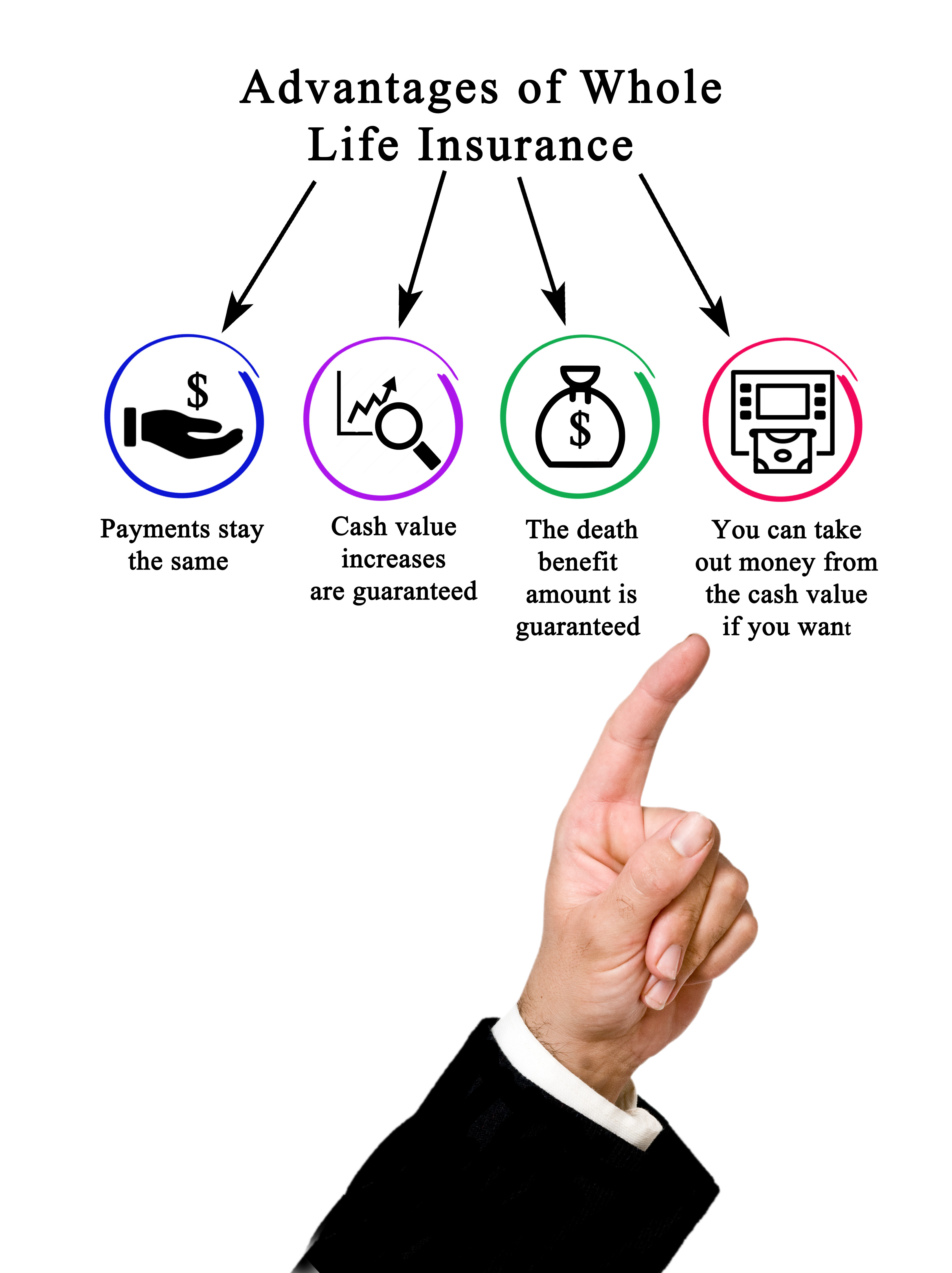
1. Lifetime Coverage: Unlike term life insurance, which covers a specific period, universal whole life insurance guarantees coverage for the entirety of one’s life. This permanence ensures that loved ones are provided for regardless of when the policyholder passes away, offering peace of mind and stability to families.

2. Cash Value Accumulation: One of the most appealing aspects of universal whole life insurance is its cash value component. A portion of the premiums paid accumulates as cash value over time, which policyholders can access through loans or withdrawals. This feature serves as a financial safety net, offering liquidity and flexibility during emergencies or to supplement retirement income.

3. Tax Advantages: The tax benefits associated with universal whole life insurance further enhance its appeal. The cash value growth within the policy is tax-deferred, meaning that policyholders are not required to pay taxes on the earnings until they withdraw them. Additionally, death benefits are typically received by beneficiaries tax-free, providing a substantial financial advantage to heirs.

4. Estate Planning Tool: Universal whole life insurance is a powerful tool for estate planning. It allows policyholders to transfer wealth to future generations efficiently, as the death benefit bypasses the probate process, ensuring a smooth and timely transfer of assets to beneficiaries. Moreover, the liquidity provided by the policy can help cover estate taxes and other expenses, preserving the integrity of the estate.

5. Financial Security and Stability: In an unpredictable world, universal whole life insurance offers a sense of financial security and stability. It provides a guaranteed death benefit, ensuring that loved ones are protected financially in the event of the policyholder’s passing. Moreover, the cash value component can be utilized to weather financial storms or pursue opportunities without compromising long-term goals.

Universal whole life insurance stands as a pillar of financial strength, offering comprehensive coverage, cash value accumulation, tax advantages, and estate planning benefits. In an uncertain world, having a reliable financial plan is essential, and universal whole life insurance provides individuals and families with the security and peace of mind they need to navigate life’s journey with confidence.

As always, individuals interested in purchasing insurance should consult with a qualified financial advisor to determine the most suitable options based on their unique circumstances and financial goals. Or if I can help you decide what coverage is best for your particular situation, please reach out, drop me a line or give me a call and I will be happy to assist you.

The Undeniable Benefits of Long-Term Care: A Vital Pillar in Healthcare

In an era where healthcare demands are evolving and populations are aging, the importance of long-term care (LTC) has never been more pronounced. Beyond providing essential support to individuals with chronic illnesses or disabilities, LTC offers a myriad of benefits that not only enhance quality of life but also contribute to overall societal well-being. Recent statistics underscore the crucial role LTC plays in the healthcare landscape, shedding light on its profound impact.

According to data from the National Center for Health Statistics, approximately 1 in 7 adults over the age of 65 require long-term care services, a figure expected to rise as the population continues to age. Additionally, the U.S. Department of Health and Human Services estimates that 70% of people turning 65 will need some form of LTC in their lifetime, with the average duration of care being around three years. These statistics underscore the prevalence and necessity of LTC in contemporary society.

Beyond the sheer necessity, long-term care offers a multitude of benefits to individuals and communities alike. Firstly, it provides specialized support tailored to the unique needs of each individual, whether it be assistance with activities of daily living, medical care, or emotional support. This personalized approach not only improves the quality of life for recipients but also alleviates the burden on family members who may otherwise struggle to provide care independently.

Furthermore, LTC services are instrumental in preventing and managing chronic conditions, reducing hospital readmissions, and promoting overall health and well-being. By offering access to skilled nursing care, rehabilitation services, and therapeutic interventions, LTC facilities empower individuals to maintain their independence and dignity while receiving the care they need.

Moreover, LTC facilities serve as hubs of community and social interaction, fostering meaningful connections and combating isolation, particularly among older adults. Through organized activities, outings, and communal dining experiences, residents have the opportunity to engage with peers, cultivate friendships, and maintain a sense of belonging—a crucial aspect of mental and emotional health.

From an economic standpoint, investing in long-term care yields substantial returns by reducing healthcare costs associated with preventable hospitalizations and complications. Studies have shown that for every dollar spent on LTC services, significant savings are realized in terms of healthcare expenditures, highlighting the cost-effectiveness of early intervention and ongoing support.

In light of these benefits, policymakers and healthcare stakeholders are increasingly recognizing the importance of prioritizing and expanding access to long-term care services. Initiatives aimed at strengthening LTC infrastructure, enhancing workforce training, and promoting community-based care models are essential steps towards ensuring that individuals receive the support they need, when they need it.

Long-term care is not merely a healthcare necessity but a fundamental component of a compassionate and sustainable society. By acknowledging its benefits and investing in its expansion and improvement, we can uphold the dignity, autonomy, and well-being of individuals across the lifespan.

As the population continues to age, the importance of long-term care will only grow, making it imperative for policymakers, healthcare providers, and communities to collaborate in ensuring its accessibility and effectiveness for all who require it. If you need help navigating the long-term care maize feel free to reach out, drop me a line, or give me a call and we can review your options together. Because together we all can accomplish more.

Understanding the Link between Cardiovascular Disease and Financial Security

In a world where health uncertainties loom large, raising awareness about cardiovascular diseases has become more crucial than ever. Cardiovascular diseases, including heart attacks and strokes, continue to be leading causes of global morbidity and mortality. As we strive for better health, it is equally important to consider financial protection, with life insurance emerging as a critical component of that strategy.

The Silent Threat of Cardiovascular Disease: A Global Concern

According to the World Health Organization (WHO), cardiovascular diseases claim the lives of approximately 17.9 million people each year, making up 31% of all global deaths. These conditions not only pose a severe threat to one’s health but can also have significant financial implications for individuals and their families.

Cardiovascular diseases can strike unexpectedly, leading to medical expenses, rehabilitation costs, and potential loss of income due to extended recovery periods. Many individuals are caught off guard, unprepared for the financial burden that accompanies such health crises.

Why Life Insurance Matters: Financial Security in the Face of Uncertainty

Life insurance serves as a crucial safety net, providing financial protection for individuals and their families in the event of unexpected tragedies. It ensures that loved ones are not left grappling with the financial aftermath of medical bills, funeral expenses, and potential debts.

Key Reasons to Consider Life Insurance in the Context of Cardiovascular Health:

  1. Financial Stability for Dependents: Life insurance acts as a financial cushion, offering stability for dependents in the face of sudden illness or untimely death.
  2. Covering Outstanding Debts: In the event of a cardiovascular event, life insurance can help cover outstanding debts, preventing the transfer of financial burdens to surviving family members.
  3. Ensuring Future Planning: Life insurance can be a vital tool for future financial planning, helping individuals secure their family’s well-being and education even in their absence.
  4. Peace of Mind: Knowing that loved ones are financially protected can provide peace of mind, reducing stress and contributing positively to overall well-being.

Creating Awareness and Taking Action:

Educating individuals about the risks of cardiovascular diseases and the importance of life insurance is a shared responsibility. Health organizations, insurance companies, and community leaders should collaborate to spread awareness through informational campaigns, workshops, and educational initiatives.

By understanding the critical link between cardiovascular health and financial security, individuals can make informed decisions about their well-being and that of their families. Taking proactive steps, such as adopting a healthy lifestyle and securing life insurance coverage, ensures a more resilient future in the face of life’s uncertainties.

As we navigate the complexities of modern life, let us prioritize both our physical health and financial well-being, recognizing that a holistic approach is the key to a more secure and prosperous future.