Discovering Joy in Everyday Adventures

In a society often dominated by big events and grand gestures, many are turning their attention to the simple, everyday adventures that bring joy, fulfillment, and a sense of wonder to life. From morning walks through the neighborhood to trying out new recipes in the kitchen, people are finding that the small moments can create big impacts.

A Shift in Perspective
Amidst the hustle of modern life, the idea of seeking out adventure in everyday activities has become a popular trend. It’s no longer about needing to travel to far-off destinations or partake in extreme sports; instead, people are finding fulfillment in simple, accessible experiences. Walking through a local park and observing seasonal changes, cycling through city streets, or even learning a new skill, like painting or gardening, are becoming valuable forms of daily adventure.

“Every day is an opportunity to explore something new, even if it’s just in your backyard,” says Mia Thompson, a life coach and advocate for mindfulness. “We’ve been conditioned to think that adventure needs to be epic and far-reaching, but the truth is, it’s all about mindset. Finding joy in the routine, the small surprises—these are the things that enrich our lives.”

Embracing Micro-Adventures
This rise in appreciation for “micro-adventures” is especially evident among urban dwellers. With limited time and resources, city residents have embraced short, spontaneous escapes to parks, street festivals, or weekend farmers’ markets. These micro-adventures allow people to break the monotony of daily life without the need for extensive planning.

“After a long week at work, I used to feel like I needed a vacation to reset,” shares Carlos Vega, a marketing professional from Chicago. “But lately, I’ve found that exploring new coffee shops or taking my dog to different parks offers the same sense of excitement and relaxation. It’s all about stepping out of the usual routine.”

Bringing Adventure Indoors
For those who prefer to stay close to home, everyday adventures can be found within four walls. Many have turned to activities such as baking, crafting, and DIY projects to discover new skills and passions. Platforms like YouTube and TikTok offer endless tutorials and inspiration, making it easier than ever to turn an ordinary day into an opportunity for exploration and creativity.

“Trying new things at home has been a great way for me to stay engaged and excited,” says Emma Liu, a graphic designer and home-cooking enthusiast. “I used to feel like I had to go out to experience something new, but now, whether I’m experimenting with a new recipe or redecorating a room, it feels like an adventure.”

Cultivating Mindfulness
The growing popularity of everyday adventures also aligns with the broader trend of mindfulness. By paying attention to small details and appreciating simple moments, people are finding peace and satisfaction in the present. Whether it’s through practicing yoga, journaling, or simply watching a sunset, these experiences provide an accessible way to disconnect from digital distractions and reconnect with the world around us.

Dr. Jane Collins, a psychologist specializing in mindfulness, believes that this shift is beneficial for overall well-being. “Everyday adventures teach us to slow down and savor life,” she explains. “When we seek novelty and beauty in small things, we not only reduce stress but also cultivate a sense of gratitude, which can have long-lasting positive effects.”

The Future of Everyday Adventures
As more people embrace this approach, communities are starting to support the movement by offering local workshops, outdoor classes, and events that encourage exploration and learning. From neighborhood clean-up projects to urban gardening clubs, opportunities for engaging with one’s surroundings are increasing, making it easier for individuals to find their own everyday adventures.

For now, the message is clear: Adventure doesn’t have to mean traveling far or doing something extreme. Sometimes, the greatest discoveries are waiting just around the corner—or even right at home. By finding joy in the small, ordinary moments, people are unlocking a new way to live more fulfilled and adventurous lives.

The Power of Inspirational Morning and Evening Routines

Finding time for self-care and personal growth can seem daunting; yet, those who achieve success often attribute much of their productivity and happiness to consistent morning and evening routines. These rituals help set the tone for a focused, fulfilling day and offer a peaceful wind-down at night. The key? Intentionality and inspiration.

Morning Routines: Setting the Tone for Success
Mornings present an opportunity to start fresh, to approach the day with a clear mind and energy. Successful individuals often share similar habits that center around mindfulness, physical activity, and mental stimulation.

  1. Mindfulness and Meditation
    Many successful people, from Oprah Winfrey to Bill Gates, emphasize the importance of starting the day with mindfulness. A few minutes of meditation, deep breathing, or simply sitting in silence can help center thoughts and reduce stress. For instance, dedicating even five minutes to focus on your breath can significantly lower cortisol levels, helping you to approach the day calmly and confidently.
  2. Exercise to Jumpstart Energy
    Whether it’s a brisk walk, yoga, or a full workout session, incorporating physical activity in the morning has numerous benefits. It boosts endorphins, enhances mental clarity, and improves overall health. Studies show that people who exercise in the morning are more likely to stick with their fitness routines, setting them up for long-term success.
  3. Positive Affirmations and Visualization
    Repeating positive affirmations or visualizing your goals are powerful tools for building confidence and focus. Many people like to journal or create vision boards, articulating their goals and dreams. By mentally rehearsing success, they create a roadmap for achieving it. “I am capable, and today I will achieve my goals” can transform your mindset from doubt to empowerment.
  4. Nourishing Breakfast
    While often overlooked, a balanced breakfast is crucial to fueling the body and brain for a productive day. Healthy options like oats, fruits, and proteins help maintain energy levels and focus throughout the day, rather than the crash that comes with sugary, processed alternatives.
  5. Planning and Prioritizing
    Before diving into work, taking a few minutes to outline the day’s priorities can prevent overwhelm and improve time management. Writing a to-do list or using a planner helps to establish a clear direction and keeps you on track for achieving daily goals.

Evening Routines: Reflecting and Recharging
As the day comes to a close, evening routines are essential for decompressing, reflecting, and preparing for restful sleep. Just as mornings set the tone for the day, evenings set the tone for tomorrow.

  1. Unplug and Wind Down
    Many people have adopted the habit of unplugging from technology at least an hour before bed. Reducing screen time and creating a peaceful environment helps signal to the brain that it’s time to rest. Light stretching, a warm bath, or reading a book can all help in shifting gears from productivity to relaxation.
  2. Reflection and Gratitude
    Taking a few moments to reflect on the day can foster growth and positivity. Journaling about achievements or challenges, or simply listing things to be grateful for, can promote a more optimistic outlook. Studies suggest that practicing gratitude regularly can improve sleep quality and overall well-being.
  3. Light Planning for Tomorrow
    Just as mornings benefit from planning, so do evenings. A quick review of the next day’s schedule can reduce stress and create a sense of preparedness. Preparing clothes, packing a lunch, or writing down key tasks ensures that tomorrow begins smoothly.
  4. Sleep Rituals
    Creating an optimal sleep environment is often part of a successful evening routine. This could include lowering room temperatures, using calming scents like lavender, or listening to soothing sounds. A consistent sleep schedule and a clear routine leading to bedtime signal to the body that it’s time to rest, promoting better and deeper sleep.
  5. Positive Affirmations Before Bed
    Ending the day with positive affirmations or a brief meditation helps cultivate peace of mind and relieves any lingering worries. Many successful individuals use this time to visualize their goals and set intentions for the next day, reinforcing a forward-looking, growth-oriented mindset.

The Science Behind Routine
Routine is more than a series of actions—it’s about building habits that shape mental, emotional, and physical well-being. According to psychologists, routines help reduce decision fatigue, increase self-discipline, and create a sense of control. When you know what your day or evening will look like, you conserve mental energy, reduce anxiety, and allow creativity to flourish.

Building Your Own Inspirational Routine
Whether you’re looking to boost productivity, find peace in a chaotic world, or achieve personal goals, inspirational routines can be a game changer. It’s important to find what resonates with you—start small, experiment, and gradually build a routine that enhances your life. Remember, the goal is not perfection but progress.

Morning and evening routines are an investment in your future. They offer the chance to align your actions with your aspirations, ensuring that each day begins and ends with purpose. So why not start today? Whether it’s a morning run or a nightly gratitude practice, your future self will thank you.

Understanding the Benefits of Supplemental Health Insurance

As healthcare costs continue to rise and unexpected medical emergencies become increasingly common, the importance of supplemental health insurance is gaining widespread attention. While traditional health insurance plans provide essential coverage for many medical needs, they often fall short in fully protecting individuals and families from the financial burden of out-of-pocket expenses. Supplemental health insurance fills these critical gaps, offering peace of mind and financial stability in times of health crises.

Understanding Supplemental Health Insurance
Supplemental health insurance is designed to complement standard health insurance policies, covering expenses that may not be fully addressed by primary plans. These can include costs like deductibles, copayments, and coinsurance, which can quickly add up during an extended hospital stay or after a major surgery. Additionally, supplemental policies often cover a range of services that are not typically included in basic health plans, such as dental care, vision, and alternative treatments.

“Supplemental health insurance helps bridge the gap between what your primary insurance covers and what you have to pay out of pocket,” says Karen Torres, a healthcare analyst at The Insurance Institute. “It can be a lifesaver, especially in cases of critical illness or accidents where unexpected costs can derail your financial stability.”

Addressing Unmet Needs
In the current healthcare system, even those with comprehensive insurance may face significant financial hardship when dealing with major medical events like cancer, heart disease, or long-term rehabilitation. Supplemental plans such as critical illness insurance, accident insurance, and hospital indemnity insurance help cover non-medical costs, including lost wages, childcare, transportation to medical facilities, and home care needs.

For instance, critical illness policies provide a lump sum payment upon diagnosis of severe illnesses like cancer or heart disease. These funds can be used for anything from medical bills to daily living expenses. Accident insurance, on the other hand, offers cash benefits for injuries sustained in accidents, helping families deal with the unexpected.

Rising Healthcare Costs and Gaps in Coverage
The increasing costs of healthcare have made supplemental health insurance more relevant than ever. According to a 2023 report from the Kaiser Family Foundation, out-of-pocket healthcare expenses have risen by 11% over the past decade, with average annual deductibles for single coverage exceeding $1,600. For families, the financial impact can be even greater, with some facing tens of thousands in out-of-pocket costs for serious medical treatments.

Many Americans, even with employer-provided health insurance, find themselves unable to cover these expenses. Supplemental insurance offers a safety net, ensuring that people don’t have to choose between their health and their financial future.

“Healthcare is unpredictable. You can be in perfect health today and face a major medical event tomorrow,” explains Dr. Sarah Mitchell, a public health expert. “Supplemental health insurance gives families financial protection that goes beyond what their regular health insurance covers.”

Increasing Popularity Among Employers
Employers are also recognizing the importance of supplemental health insurance as part of a comprehensive benefits package. With a competitive job market, many companies are enhancing their healthcare offerings to attract and retain talent. Supplemental health insurance plans, including disability insurance and accident coverage, are becoming popular add-ons that provide employees with an extra layer of security.

A recent survey by Willis Towers Watson found that 45% of employers plan to offer supplemental health insurance options in the next two years, as companies look to support the well-being of their workforce while helping employees manage rising healthcare costs.

A Critical Component of Financial Wellness
As healthcare becomes more complex and costly, supplemental health insurance is no longer just an extra—it’s an essential part of a robust healthcare plan. Whether it’s helping to cover the costs of unexpected accidents, critical illnesses, or routine care not covered by traditional insurance, supplemental policies provide vital financial relief for individuals and families facing medical challenges.

In a world where medical costs can escalate rapidly, supplemental health insurance offers a vital safety net, ensuring that healthcare crises don’t turn into financial disasters. Whether through employer-provided benefits or individual plans, investing in supplemental health insurance can provide the peace of mind and financial protection that everyone deserves in today’s healthcare environment.

About the Author:

David Dandaneau is a insurance agent that covers the insurance and financial services industry. He is known for his insightful analysis and comprehensive coverage of market trends and regulatory developments.

How Small Adventures Enrich Daily Life

In a time where epic journeys and extraordinary feats dominate social media feeds, it’s easy to overlook the small adventures that enrich our daily lives. These “everyday adventures” often go unnoticed, but they hold the power to bring just as much excitement, joy, and fulfillment as any grand escapade.

The Power of the Mundane
For many, adventure conjures up images of faraway destinations or adrenaline-fueled activities. However, everyday adventures remind us that life’s true richness lies in the mundane moments. A spontaneous hike in a nearby park, a stroll through a neighborhood you’ve never explored, or even the thrill of trying a new recipe—these are the types of experiences that can turn an ordinary day into something special.

“Adventure doesn’t always mean bungee jumping or traveling to a foreign country,” says Sarah Kim, a wellness coach based in Denver. “It’s a mindset. When we approach the everyday with curiosity and openness, everything becomes an adventure.”

Discovering New Places in Familiar Spaces
One of the most accessible ways to add a dash of adventure to daily life is by viewing familiar places through fresh eyes. Whether it’s taking a new route on your daily commute or visiting a local café you’ve never tried, these small changes help break the monotony and ignite a sense of wonder.

Tom Garcia, a teacher from Portland, has made it his mission to find a new corner of his city every week. “It’s amazing how much we take for granted,” he says. “Even places you pass by every day can reveal something new if you take the time to look.”

Connection Through the Unexpected
Often, the magic of everyday adventures lies in the unexpected connections we make. A chance encounter with a neighbor during an evening walk, a deep conversation sparked by a random topic, or even getting lost in a new part of town can lead to memorable experiences.

For Amanda Spencer, a working mother of two, these small moments of connection are priceless. “I don’t have time for big vacations, but taking my kids on little adventures around our town has created some of our best memories. It’s those impromptu picnics at the park or random ice cream stops that we talk about for years.”

The Joy of Learning Something New
Everyday adventures also offer endless opportunities for learning. From picking up a hobby like painting or birdwatching to challenging yourself with new skills, such as gardening or photography, these experiences can enhance your day-to-day routine. By stepping out of your comfort zone, you open yourself up to new perspectives and personal growth.

Psychologist Dr. Naomi Mitchell emphasizes the importance of continual discovery. “When people engage in small-scale adventures, they’re rewiring their brains to experience joy in novelty and change. Even learning something as simple as a new fact or technique provides the brain with a hit of dopamine, which boosts mood and motivation.”

Creating a Habit of Adventure
To cultivate a life filled with everyday adventures, it helps to develop a sense of intentionality. Small changes in your routine can lead to new, exciting experiences. Start by planning mini-adventures once a week. These could be anything from visiting a nearby town, attending a local event, or even spending time outdoors without a fixed agenda.

“It’s about making space for the unknown,” says Kate Peters, an adventure travel writer who is a big advocate for micro-adventures. “You don’t have to climb mountains every day to live adventurously. You just need to give yourself permission to be curious and try something new, even if it’s in your own backyard.”

In a time that often glorifies big adventures and major life events, it’s refreshing to realize that excitement and joy can be found in the simple, everyday moments. Whether it’s discovering a hidden gem in your hometown, forming an unexpected friendship, or learning a new skill, everyday adventures remind us that life is full of opportunities for wonder, no matter where we are.

So, the next time you feel stuck in routine, take a moment to look around—there may be an adventure waiting just outside your door.

Transform Your Health with Balanced Eating

With increasing awareness of the importance of nutrition, more individuals and communities are embracing wholesome diets as the foundation for long-term health and wellness. The benefits of healthy eating are profound, impacting everything from heart health to mental clarity, and laying the groundwork for a healthier society.

The Science Behind Healthy Eating
At its core, healthy eating is about nourishing the body with the right balance of nutrients—vitamins, minerals, proteins, healthy fats, and carbohydrates—required for optimal function. According to the World Health Organization (WHO), a balanced diet can prevent malnutrition, obesity, and diseases such as diabetes, heart disease, and cancer. In fact, studies show that populations with diets rich in fruits, vegetables, lean proteins, and whole grains experience significantly lower rates of chronic illness.

One of the key recommendations from nutritionists is to eat a variety of colorful fruits and vegetables. “These foods are packed with antioxidants, which help combat inflammation in the body,” says Dr. Amanda Rivers, a dietitian based in New York. “They also provide essential fiber, which promotes digestive health and can reduce the risk of heart disease.”

Mindful Eating in a Fast-Paced World
The challenge many people face is the busy pace of modern life, which often leads to unhealthy food choices. Fast food chains offer convenience, but the trade-off is often high-calorie meals laden with unhealthy fats, sugar, and salt. However, experts are increasingly advocating for “mindful eating,” a practice that emphasizes being aware of what you consume, savoring each bite, and making more intentional choices.

“A little planning can go a long way in maintaining a nutritious diet,” says Rivers. “Prepping meals at home and carrying healthy snacks like nuts or fruit can help you avoid the temptation of unhealthy foods when you’re on the go.”

In addition, many experts recommend reducing consumption of processed and sugary foods, which are linked to weight gain and increased risk of diseases like diabetes. Instead, whole foods—those that are minimally processed and closer to their natural state—should be the cornerstone of every meal.

The Role of Hydration
Water is another critical component of healthy eating. Staying well-hydrated aids digestion, supports the immune system, and maintains skin health. The Institute of Medicine recommends about 9 to 13 cups of water a day for adults, depending on factors like climate and activity level.

For those who struggle to drink enough water, adding slices of citrus fruit or fresh herbs like mint can make it more enjoyable.

Community and Policy Initiatives
The growing movement toward healthy eating isn’t limited to individual households. Schools and governments are also getting involved. Many school districts across the U.S. are revising their lunch menus to include more nutritious options, while campaigns like “Meatless Monday” encourage families to explore plant-based meals one day a week.

On a larger scale, governments are implementing policies aimed at improving public health through better nutrition. For example, some countries have introduced taxes on sugary drinks or implemented stricter regulations on food labeling to help consumers make healthier choices.

The Future of Healthy Eating
As the conversation around nutrition evolves, so does our understanding of what constitutes a healthy diet. With new studies exploring the gut microbiome, plant-based diets, and the benefits of intermittent fasting, the future of healthy eating promises to bring even more insights into how we can live longer, healthier lives.

In the end, the secret to a healthy diet isn’t just in what we eat but how we approach food. By prioritizing nutritious, whole foods and making thoughtful decisions about our meals, we can build a foundation for wellness that lasts a lifetime.


As the movement for healthy eating continues to grow, it’s clear that this is more than just a trend. It’s a vital step toward improving public health, reducing healthcare costs, and enhancing quality of life for individuals around the globe. Whether it’s making small changes to your daily meals or supporting broader policy initiatives, healthy eating is a choice that benefits everyone.

Random Acts of Kindness Inspire Communities Nationwide

At a time when many feel disconnected, random acts of kindness serve as a reminder that compassion and empathy are still at the heart of human nature. Social media has played a significant role in spreading these moments of goodwill, with hashtags like #RandomActsOfKindness and #KindnessMatters going viral.

One notable example took place in Kansas City, where an anonymous donor paid off school lunch debts for an entire elementary school. The generous act not only relieved financial stress for many families but also inspired a wave of kindness across the city. Community members began organizing clothing drives, offering free tutoring, and even setting up “kindness walls” where people could leave gifts or services for those in need.

Another heartwarming story comes from New York City, where a group of commuters pooled their resources to help a homeless man reunite with his family after being separated for years. What started as a few dollars for a meal turned into a larger community effort, showcasing the ripple effect of even the smallest gestures.

Psychologists note that these acts of kindness have a profound psychological benefit for both the giver and receiver. Studies have shown that performing or witnessing kindness releases oxytocin, the “love hormone,” which can reduce stress and boost mood. In fact, many schools and workplaces are now incorporating “kindness challenges” to encourage daily acts of goodwill.

While the headlines are often filled with stories of conflict and hardship, random acts of kindness remind us that positive, meaningful connections still flourish in our communities. “It doesn’t have to be a grand gesture,” says Mary Smith, a volunteer who regularly leaves handwritten notes of encouragement at bus stops. “Just knowing that someone cares can make a huge difference in someone’s day.”

As more people participate in these spontaneous acts of generosity, the movement continues to grow. In cities big and small, the spirit of kindness is proving contagious, sparking a renewed sense of hope and connection.

So the next time you’re out, whether you buy a stranger a cup of coffee or simply offer a smile, remember: a little kindness goes a long way.

Kindness in Action: Ideas to Spread Joy in Your Community

  • Leave an uplifting note on a coworker’s desk.
  • Pay for someone’s meal at a restaurant or drive-thru.
  • Donate clothing, books, or toys to a local charity.
  • Compliment a stranger or send a heartfelt message to a friend.
  • Volunteer your time at a local food bank or shelter.

Random acts of kindness are not just fleeting moments of generosity; they have the power to build bridges and foster a sense of community. As more individuals embrace this mindset, we are reminded that, even in a world full of challenges, kindness truly matters, so remember to be good to people for no reason.

10 Tried-and-Tested Personal Productivity Tips for Greater Efficiency and Less Stress

It has been said that personal productivity is crucial to maintaining a balanced and fulfilling life. Whether you’re juggling work tasks, household responsibilities, or personal goals, mastering productivity can help you achieve more in less time and with less stress. Here are some tried-and-tested tips that can significantly enhance your individual productivity:

1. Start Your Day with a Plan

One of the best ways to stay on top of your tasks is by planning your day ahead of time. This could be done the night before or first thing in the morning. By creating a list of what you need to accomplish, you can prioritize tasks and avoid wasting time on less important activities. Many successful individuals rely on the “two-minute rule” — if a task will take less than two minutes, do it right away. This keeps your to-do list from becoming overwhelming.

2. Set SMART Goals

SMART goals—Specific, Measurable, Achievable, Relevant, and Time-bound—are essential for staying focused and motivated. When your goals are clear and actionable, you’re less likely to get distracted. For example, instead of saying “I want to get in shape,” a SMART goal would be “I will run for 30 minutes every morning for the next month.”

3. Use Time Management Techniques

Many productivity experts recommend time management techniques like the Pomodoro Technique or time blocking. The Pomodoro Technique involves working in short, focused intervals (usually 25 minutes), followed by a short break. This helps prevent burnout and keeps you fresh throughout the day. Time blocking, on the other hand, involves allocating specific blocks of time for different activities, ensuring that each task gets the attention it deserves.

4. Minimize Distractions

In a world full of constant notifications, it’s easy to get sidetracked. To improve your focus, consider turning off non-essential notifications on your phone or using apps like “Focus@Will” or “Forest,” which help you stay concentrated. Creating a distraction-free workspace is also key—ensure your environment is conducive to focused work by minimizing clutter and external noise.

5. Take Regular Breaks

While it might seem counterintuitive, taking regular breaks actually boosts productivity. Studies show that our brains can only focus on a task for about 90 minutes before needing a break. Whether it’s a quick walk, a few stretches, or a five-minute meditation session, breaks can help refresh your mind and prevent burnout.

6. Master the Art of Delegation

It’s important to recognize that you can’t do everything yourself. Learning to delegate tasks—whether at work or at home—frees up time for you to focus on the most critical tasks. This not only reduces stress but also ensures that you’re using your time and energy more effectively.

7. Embrace the Power of “No”

Saying no is one of the most powerful tools for maintaining productivity. By declining unnecessary tasks or meetings that don’t align with your goals, you protect your time for more meaningful work. It’s not about being rude—it’s about respecting your time and energy.

8. Prioritize Self-Care

Productivity isn’t just about working harder or longer. It’s about working smarter, and that requires taking care of your physical and mental well-being. Exercise, a balanced diet, and adequate sleep all contribute to better focus, creativity, and overall efficiency. Meditation and mindfulness practices can also help you stay calm under pressure and better handle stress.

9. Automate and Optimize

Take advantage of technology to automate repetitive tasks. Tools like email filters, task management apps (such as Trello or Todoist), and scheduling software can save you hours each week. Additionally, continuously reviewing and optimizing your processes can help you identify areas for improvement.

10. Review and Reflect

At the end of each week or day, take a few minutes to reflect on what worked and what didn’t. This can help you adjust your strategies and identify patterns in your productivity. By regularly assessing your progress, you stay in tune with your goals and can make adjustments to ensure ongoing improvement.

Incorporating these productivity tips into your daily routine can significantly enhance your efficiency and reduce stress. Remember, productivity isn’t about being busy—it’s about working on what truly matters. By planning your day, staying focused, taking care of your well-being, and leveraging the right tools, you can optimize your time and achieve more with less effort.

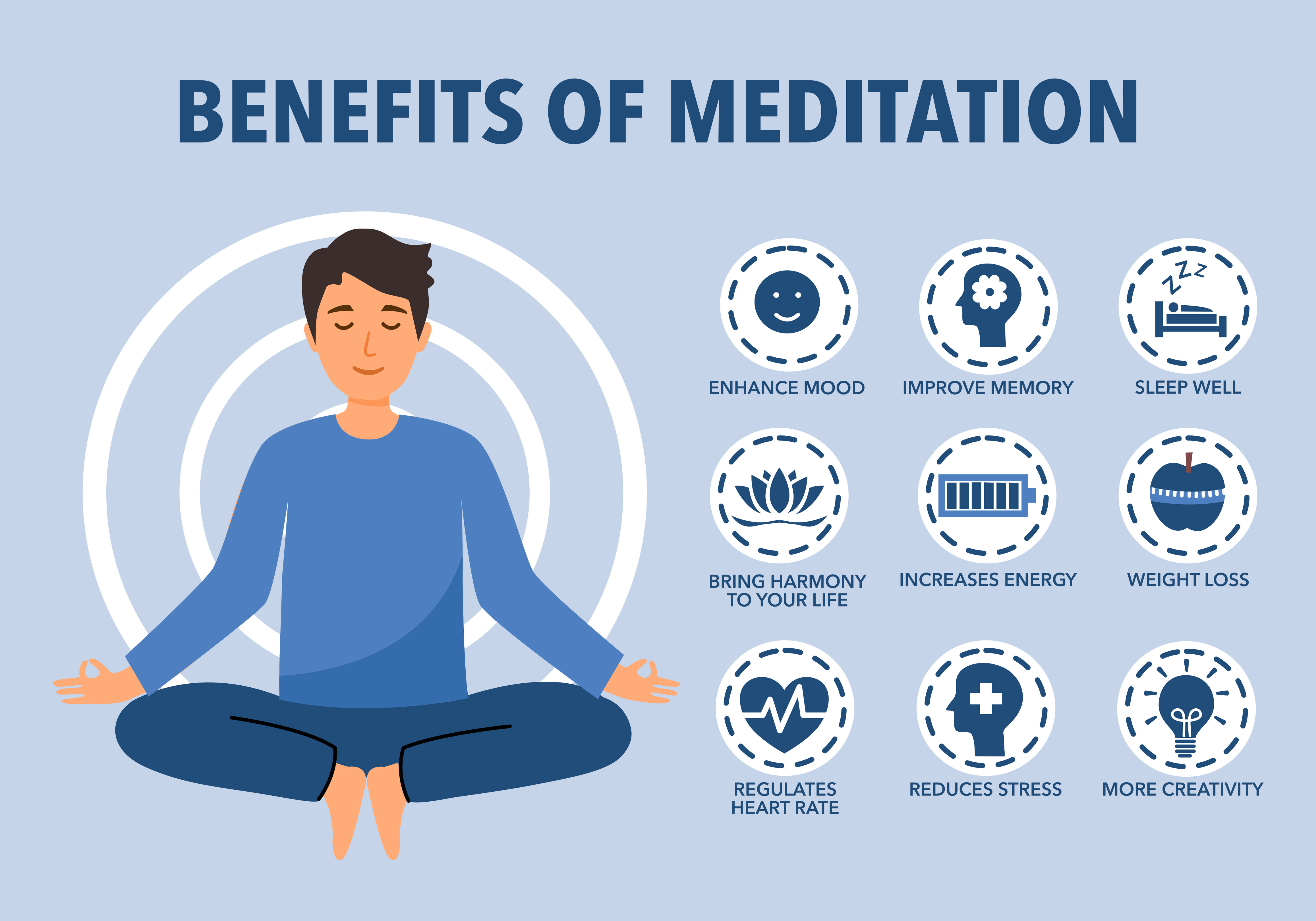
The Surging Popularity of Meditation and Mindfulness

In a society characterized by constant connectivity, rapid technological advancements, and an ever-increasing pace of life, more individuals are turning to ancient practices like meditation and mindfulness to find peace, focus, and balance. Once considered niche or even esoteric, these practices have moved into the mainstream, with scientific studies and wellness experts alike touting their benefits.

The Rise of Meditation and Mindfulness

Over the past decade, meditation and mindfulness have experienced a surge in popularity. From Silicon Valley tech giants to classrooms and corporate boardrooms, the practices are being embraced as essential tools for managing stress and enhancing mental well-being.

The proliferation of smartphone apps like Headspace and Calm has played a significant role in bringing these practices to the masses. These platforms offer guided sessions that are accessible to beginners and seasoned practitioners alike, making it easier than ever for people to integrate mindfulness into their daily lives.

The Science Behind the Practice

Meditation and mindfulness are not just trendy buzzwords; they are practices backed by a growing body of scientific research. Studies have shown that regular meditation can reduce stress, lower blood pressure, and improve overall mental health. Mindfulness, which involves paying attention to the present moment without judgment, has been linked to enhanced focus, emotional regulation, and even better relationships.

A study published in the journal JAMA Internal Medicine found that mindfulness meditation programs can help reduce anxiety, depression, and pain. Similarly, research from Harvard Medical School has shown that mindfulness can lead to structural changes in the brain, including an increase in gray matter in areas associated with learning and memory.

Applications Across Sectors

The benefits of meditation and mindfulness are being recognized across various sectors. In education, schools are incorporating mindfulness programs to help students manage stress and improve concentration. Corporate wellness programs are also embracing mindfulness as a way to boost employee productivity and reduce burnout. Even the healthcare industry is exploring the integration of mindfulness into treatment plans for chronic pain, addiction, and mental health disorders.

Challenges and Misconceptions

Despite the growing popularity, there are still challenges and misconceptions surrounding meditation and mindfulness. Some individuals believe that these practices require significant time commitments or that they are religious in nature. However, experts emphasize that even a few minutes of daily practice can yield positive results and that meditation and mindfulness are secular practices accessible to anyone.

Another challenge is the commodification of mindfulness, with critics arguing that the practice is being co-opted by consumer culture. The abundance of mindfulness-related products and services has led some to question whether the true essence of the practice is being diluted.

The Future of Mindfulness

As the demand for mental health and wellness solutions continues to rise, meditation and mindfulness are likely to become even more entrenched in everyday life. Future trends may include the development of more personalized mindfulness programs, advances in technology that enhance the practice, and further integration into various aspects of society, from healthcare to education.

In a world that often feels overwhelming, meditation and mindfulness offer a timeless antidote—a way to reconnect with the present moment, cultivate inner peace, and navigate life’s challenges with greater resilience. As more people discover the profound benefits of these practices, they are not just embracing a trend but a path to long-lasting well-being.

Transform Your Life with Effective Goal Planning

In today’s demanding world, it’s easy to get caught up in the daily grind, losing sight of the bigger picture. Whether it’s career aspirations, personal development, or financial security, many of us dream of achieving something greater. However, without a clear plan, these dreams often remain just that—dreams. Goal planning, a practice that involves setting specific, measurable, and time-bound objectives, is a powerful tool that can help turn aspirations into reality. This article explores the significance of goal planning and its profound impact on various aspects of life.

The Importance of Goal Setting

Goal setting is more than just jotting down a wish list of things you’d like to do. It’s a strategic process that requires careful thought and intention. By clearly defining your goals, you create a roadmap that guides your decisions and actions. This clarity provides a sense of purpose and direction, helping you stay focused even when faced with challenges.

Studies have shown that individuals who set goals are more likely to achieve success in their personal and professional lives. According to a study conducted by Dr. Gail Matthews, a psychology professor at Dominican University in California, people who wrote down their goals and shared them with others were 33% more successful in achieving them than those who only formulated goals in their minds.

How Goal Planning Impacts Your Life

  1. Increased Motivation and Focus Goal planning ignites a sense of motivation. When you have a clear vision of what you want to achieve, you’re more likely to stay committed to the necessary tasks. This focus helps you to prioritize your time and energy, allowing you to make meaningful progress. As you start achieving small milestones, your confidence grows, reinforcing your motivation to continue.
  2. Better Time Management With clear goals in place, time management becomes more effective. You can allocate your resources—time, energy, and money—more efficiently, ensuring that your efforts align with your priorities. This can help reduce procrastination and minimize distractions, leading to a more productive and fulfilling life.
  3. Enhanced Self-Discipline Goal planning fosters self-discipline. When you have a plan, you’re more likely to resist temptations and stay on track. This discipline not only helps in achieving your goals but also spills over into other areas of life, such as maintaining healthy habits, managing finances, and improving relationships.
  4. A Sense of Accomplishment The satisfaction of achieving a goal is unparalleled. It brings a sense of accomplishment that boosts your self-esteem and encourages you to set and pursue new goals. This positive cycle of setting, working towards, and achieving goals can significantly improve your overall well-being and happiness.
  5. Resilience in the Face of Challenges Life is unpredictable, and setbacks are inevitable. However, having a well-structured goal plan can help you navigate these challenges with resilience. When you encounter obstacles, your goals provide a framework for adjusting your strategies without losing sight of your ultimate objectives. This adaptability is key to long-term success.

Practical Tips for Effective Goal Planning

  • Be Specific: Vague goals lead to vague results. Clearly define what you want to achieve, why it matters, and how you plan to get there.
  • Set Measurable Goals: Establish criteria to measure your progress. This will help you stay on track and recognize when you’ve reached your goal.
  • Make Your Goals Attainable: While it’s important to challenge yourself, setting unrealistic goals can lead to frustration and burnout. Ensure your goals are achievable within your current resources and constraints.
  • Set Relevant Goals: Your goals should align with your broader life objectives. This ensures that your efforts are meaningful and contribute to your overall growth.
  • Time-Bound: Every goal should have a deadline. This creates a sense of urgency and encourages consistent progress.

Goal planning is more than just a productivity tool—it’s a transformative practice that can shape your life in profound ways. By setting clear, actionable goals, you can unlock your potential, overcome challenges, and create a fulfilling life aligned with your deepest aspirations. Whether you’re striving for personal growth, professional success, or overall well-being, effective goal planning is the key to making your dreams a reality. So, take the time to plan your goals, and watch as your life begins to change, one step at a time.

Effective Strategies for Saving Money on Insurance Premiums

In an economy where every dollar counts, finding ways to save money is a priority for many households. Insurance, a necessary expense for most, is often viewed as a fixed cost. However, there are several strategies consumers can use to reduce their premiums without sacrificing coverage. This article provides a few effective money-saving tips within the insurance industry, helping you keep more of your hard-earned cash while ensuring you remain adequately protected.

1. Shop Around for the Best Rates

One of the simplest ways to save money on insurance is to compare rates from different providers. Insurance companies assess risk differently, which can lead to significant variations in premiums for the same coverage. Utilize online comparison tools, or work with an independent insurance agent to gather quotes from multiple companies. Don’t forget to re-evaluate your insurance provider every year to ensure you’re still getting the best deal.

2. Bundle Your Policies

Many insurance companies offer discounts to customers who purchase multiple policies, such as home and auto insurance, from the same provider. Bundling your policies can lead to significant savings, sometimes as much as 25% off your premiums. Before bundling, however, compare the total cost with separate providers to ensure it’s the most cost-effective option.

3. Increase Your Deductible

Raising your deductible—the amount you pay out of pocket before your insurance kicks in—can lower your premium significantly. For example, increasing your auto insurance deductible from $500 to $1,000 could reduce your premium by up to 40%. However, ensure that you have enough savings to cover the higher deductible in case of a claim.

4. Maintain a Good Credit Score

Insurance companies often use credit scores to assess risk and determine premiums. A higher credit score indicates responsible financial behavior, which can lead to lower insurance rates. To improve your credit score, pay your bills on time, reduce debt, and check your credit report regularly for errors.

5. Take Advantage of Discounts

Insurance companies offer a variety of discounts that can help lower your premium. These can include discounts for safe driving, installing security systems in your home, being a loyal customer, or even for being a good student. Ask your insurance provider about all the available discounts and make sure you’re taking advantage of any that apply to you.

6. Review Your Coverage Annually

Your insurance needs change over time, and what was essential a few years ago may no longer be necessary. Review your policies annually to ensure you’re not paying for coverage you don’t need. For example, if your car is older, you might consider dropping comprehensive or collision coverage, especially if the car’s value is low.

7. Consider Usage-Based Insurance

Usage-based insurance (UBI) programs track your driving habits through a mobile app or device installed in your vehicle. Drivers who are safe and drive less frequently can save money on their auto insurance premiums. If you’re a low-mileage driver, this could be a great way to cut costs.

8. Improve Home Security

For homeowners, installing safety features such as smoke detectors, burglar alarms, and deadbolt locks can reduce your home insurance premiums. Some companies offer discounts for more advanced security systems, such as monitored alarm systems and smart home technology.

Saving money on insurance doesn’t mean you have to compromise on coverage. By shopping around, taking advantage of discounts, and making strategic adjustments to your policies, you can reduce your insurance costs while still ensuring that you and your assets are adequately protected. As the insurance industry evolves, staying informed and proactive will be key to keeping your premiums low without sacrificing peace of mind. If you need help or have a question be sure to drop me a line, give me a call or comment below and I will be glad to help you navigate your own financial plan.

About the Author:

David Dandaneau is a insurance agent that covers the insurance and financial services industry. He is known for his insightful analysis and comprehensive coverage of market trends and regulatory developments.