Unknown's avatar

About David Dandaneau

I am a very strong man who is also a proud parent (my son is my world) something that you do not find too often (sort of like those people lucky enough to earn a Doctoral Degree). I love competitive sports "March Madness," as I believe they help foster competition in the workplace. I am continually looking for new challenges and hold myself accountable for all my actions at home and in the workplace. I love to talk (who in sales doesn't), read & conduct research. Finally, through various work and educational experiences I hope someday to become an established & full-time writer.

Unlocking Financial Security: The Benefits of Universal Life Insurance as an Investment

In the realm of financial planning, the concept of universal life insurance often stands out as a versatile and powerful tool. While the primary purpose of life insurance is to provide a death benefit to beneficiaries, universal life insurance goes beyond this by offering a unique combination of protection and investment. In this article, we explore the reasons why universal life insurance can be a good investment, providing financial security and potential growth for policyholders.

  1. Flexible Premiums and Death Benefits:

One key advantage of universal life insurance is its flexibility. Unlike traditional whole life insurance, universal life policies allow policyholders to adjust their premium payments and death benefits within certain limits. This adaptability makes it easier for individuals to align their coverage with their evolving financial situations, ensuring that the policy remains relevant throughout different life stages.

  1. Cash Value Accumulation:

Universal life insurance includes a cash value component, which functions as an investment account within the policy. A portion of the premium paid by the policyholder goes towards this cash value, which accumulates over time on a tax-deferred basis. This cash value can be accessed by the policyholder through policy loans or withdrawals, providing a source of liquidity in times of need.

  1. Tax Advantages:

The tax benefits associated with universal life insurance make it an attractive investment option. The growth of the cash value is not subject to income tax, allowing policyholders to build wealth without immediate tax implications. Additionally, death benefits are generally paid out to beneficiaries income-tax-free, providing a tax-efficient way to transfer wealth to the next generation.

  1. Investment Options:

Universal life insurance policies typically offer a range of investment options for the cash value component. Policyholders can choose from various investment vehicles, such as fixed interest accounts, indexed accounts, or variable subaccounts. This flexibility empowers individuals to tailor their investment strategy based on their risk tolerance and financial goals.

  1. Estate Planning Tool:

For individuals with significant assets, universal life insurance can serve as a valuable estate planning tool. The death benefit can help cover estate taxes, ensuring that the intended beneficiaries receive a more substantial inheritance. This strategic use of life insurance can contribute to the seamless transfer of wealth from one generation to the next.

Universal life insurance stands out as a robust and multifaceted financial instrument. Its combination of flexible premiums, cash value accumulation, tax advantages, investment options, and estate planning benefits make it a compelling choice for individuals looking to secure their financial future. While it may not be suitable for everyone, those seeking a versatile and long-term investment strategy should consider the unique advantages that universal life insurance brings to the table. As with any financial decision, it’s crucial to consult with a financial advisor to determine the best approach based on individual circumstances and goals. If you need help finding a policy that fits your needs give me a call, shoot me an email, or drop me a line in the comments and I will be happy to help.

Securing Tomorrow: The Undeniable Importance of Critical Illness Insurance

In the grand tapestry of life, health is our most valuable asset. Yet, as we traverse the unpredictable terrain of time, we inevitably encounter twists and turns that challenge our well-being. In these moments of uncertainty, having a safety net becomes paramount—a financial parachute that can soften the fall when life takes an unexpected detour. This is where the importance of critical illness insurance shines.

1. A Shield Against Financial Storms: Life is unpredictable, and so is our health. Critical illness insurance serves as a shield against the financial storms that can accompany a serious health crisis. Imagine a scenario where you or a loved one is diagnosed with a major illness like cancer or suffers a heart attack. While health insurance may cover medical bills, critical illness insurance steps in to address additional costs—be it home modifications, alternative treatments, or day-to-day living expenses that might accrue during the recovery period.

2. Freedom to Focus on Recovery: Worrying about financial obligations should be the last thing on your mind when faced with a critical illness. Critical illness insurance provides a lump sum benefit upon diagnosis, giving you the freedom to focus on what truly matters—your health and recovery. It allows you to make decisions based on well-being rather than financial strain, facilitating a smoother journey toward healing.

3. Bridging Gaps in Traditional Coverage: While health insurance is a crucial component of financial planning, it may not cover all the bases when it comes to a critical illness. Critical illness insurance bridges these gaps, offering a complementary layer of protection. Whether it’s covering deductibles, replacing lost income, or providing funds for unforeseen expenses, this insurance ensures that you’re not left grappling with financial uncertainty during a challenging period.

4. A Lifeline for Lifestyle Adjustments: Serious illnesses often necessitate lifestyle adjustments, from adapting your living space to accommodate new needs to potentially exploring alternative therapies. The lump sum benefit from critical illness insurance gives you the financial means to make these adjustments without compromising your financial stability.

5. Accessibility and Simplicity: One of the standout features of critical illness insurance is its accessibility and simplicity. With straightforward premium payments, policyholders gain peace of mind knowing that they have a straightforward plan in place. The uncomplicated nature of critical illness insurance makes it an attractive and practical choice for individuals looking to secure their financial future.

In the grand narrative of life, critical illness insurance emerges as a pivotal chapter—a testament to our commitment to safeguarding our well-being and that of our loved ones. It is a reminder that, in the face of uncertainty, proactive financial planning can be the beacon that guides us through the storm. So, as you navigate the chapters of your life, consider the profound importance of critical illness insurance—a beacon of financial security that shines brightest when life’s journey takes an unexpected turn. If you need help securing a critical illness policy give me a shout, drop me a line, or give me a call as I would love to discuss your options with you.

Elevating Golden Years: Seniors Staying Active with Hands and Minds

In the tapestry of life, our golden years should be a vibrant and fulfilling chapter. As we age, staying active becomes paramount for maintaining a healthy and happy lifestyle. In this blog post, we’ll explore the importance of seniors engaging both their hands and minds to unlock a world of possibilities, fostering well-being in the process.

Keeping Hands Busy

1. Embracing the Arts

Artistic endeavors are a fantastic way for seniors to keep their hands agile and creative juices flowing. From painting and drawing to pottery and crafts, the options are as diverse as the individuals themselves. Art not only provides a satisfying outlet but also stimulates the brain, promoting mental well-being.

2. Gardening Therapy

Getting hands dirty in the garden has therapeutic benefits for seniors. Planting flowers, tending to vegetables, and feeling the soil beneath their fingers connects them with nature. Gardening is not only a physical activity but also a mindful one, promoting relaxation and reducing stress.

3. Cooking Adventures

For many seniors, the kitchen is a sanctuary where creativity meets functionality. Trying out new recipes, experimenting with flavors, and preparing meals not only keeps hands nimble but also engages the mind in a delightful way.

Nurturing the Mind

1. Lifelong Learning

The adage “you’re never too old to learn” holds true. Seniors can engage their minds by taking up new hobbies, attending workshops, or even pursuing online courses. Lifelong learning not only keeps the brain active but also instills a sense of accomplishment.

2. Mind Games and Puzzles

Challenging the mind with puzzles, crosswords, and sudoku is an excellent way for seniors to maintain cognitive function. These activities stimulate memory, enhance problem-solving skills, and provide a daily mental workout.

3. Book Clubs and Writing

Reading and sharing thoughts on literature through book clubs can be a fulfilling social activity. Additionally, many seniors find joy in expressing their own thoughts and experiences through writing—whether it’s memoirs, poetry, or short stories.

The Power of Integration

1. Social Connections

Engaging in group activities, be it art classes, gardening clubs, or book discussions, fosters social connections. The combination of physical and mental engagement in a social setting contributes to a holistic approach to well-being.

2. Technology for Mind and Hands

Embracing technology opens up new avenues for seniors. From video calls with loved ones to interactive brain games, technology can be a powerful tool for staying connected and mentally active.

As the years unfold, the key to a fulfilling and active senior life lies in the harmonious integration of both hands and mind. Embracing creativity, pursuing lifelong learning, and maintaining social connections contribute to a vibrant tapestry of experiences in the golden years. By keeping hands and minds busy, seniors can continue to savor the richness of life and contribute to the colorful mosaic of the aging journey.

Saturday Afternoon Delight 🌅💖

In the quiet hush of a Saturday’s embrace,

Afternoon sunlight paints a golden grace.

The world slows down, takes a leisurely pace,

As we savor moments, in this tranquil space.

Delight dances in the soft, gentle breeze,

Whispering secrets through rustling trees.

A symphony of birds, melodies at ease,

Nature’s sweet chorus puts the heart at peace.

Underneath the canvas of the sky so blue,

A palette of daydreams, every hue.

Lazy clouds drift, changing form and view,

Creating art above, just for me and you.

In this quiet afternoon, a moment’s reprieve,

Time slows its march, a welcomed reprieve.

We find solace in the quiet, believe,

Saturday’s delight, a treasure to retrieve.

So let’s linger here, in the warmth of the day,

Chase away worries, let troubles decay.

Saturday’s embrace, in the sun’s soft array,

An afternoon delight, forever to stay.

Navigating the Terrain: Fixed vs. Variable Annuities

When it comes to planning for retirement, individuals often seek financial instruments that provide a steady stream of income. Annuities, with their promise of regular payments, have become a popular choice. However, not all annuities are created equal. Two main types dominate the landscape: fixed and variable annuities. Understanding the differences between these two can significantly impact your financial strategy.

Fixed Annuities: The Stable Foundation

Fixed annuities are the conservative stalwarts of the annuity world. These financial instruments offer a guaranteed fixed interest rate over a specified period. The insurance company assumes the investment risk, providing policyholders with a sense of security. Here’s a closer look at some key features of fixed annuities:

  1. Steady Income: The fixed interest rate ensures a stable and predictable stream of income, making it an attractive option for those who prioritize financial security.
  2. Risk Mitigation: Policyholders are shielded from market fluctuations. The insurance company assumes the risk, offering a reliable source of income regardless of economic conditions.
  3. Principal Protection: In addition to a fixed interest rate, fixed annuities often come with a guarantee to protect the principal investment, providing an extra layer of security.

While fixed annuities provide stability, they may lag behind variable annuities in terms of potential returns, as they are generally more conservative.

Variable Annuities: Riding the Market Waves

Variable annuities, on the other hand, introduce an element of risk and reward into the annuity equation. They are linked to investment portfolios, allowing policyholders to participate in market gains. Here are some key aspects of variable annuities:

  1. Market Exposure: Variable annuities offer the opportunity for higher returns as they are linked to investment funds. This exposes policyholders to market fluctuations, potentially leading to increased income.
  2. Potential for Growth: While the returns are not guaranteed, the potential for growth is higher compared to fixed annuities. This can be appealing for those willing to take on some level of risk.
  3. Investment Choices: Policyholders can often choose from a variety of investment options, such as stocks and bonds, allowing for greater customization of their portfolio.

However, the flip side of potential growth is the risk of market downturns, which can result in lower income or even a loss of principal.

Choosing the Right Fit

Deciding between fixed and variable annuities ultimately depends on your financial goals, risk tolerance, and investment strategy. If you prioritize stability, principal protection, and a guaranteed income stream, a fixed annuity may be the right choice. On the other hand, if you are comfortable with market exposure and seek the potential for higher returns, a variable annuity might be more suitable.

It’s important to note that there are also hybrid or indexed annuities that combine elements of both fixed and variable annuities, providing a middle ground for those looking to balance risk and stability.

The choice between fixed and variable annuities is a nuanced decision that requires careful consideration of your financial objectives. Seeking advice from a financial professional can help you navigate the complexities and make an informed choice that aligns with your unique circumstances and goals.If you need help picking the right annuity give me a call, shoot me an email, or drop me a comment and I will be willing to help. Otherwise, and as usual keep smiling cause it really does look good on you.

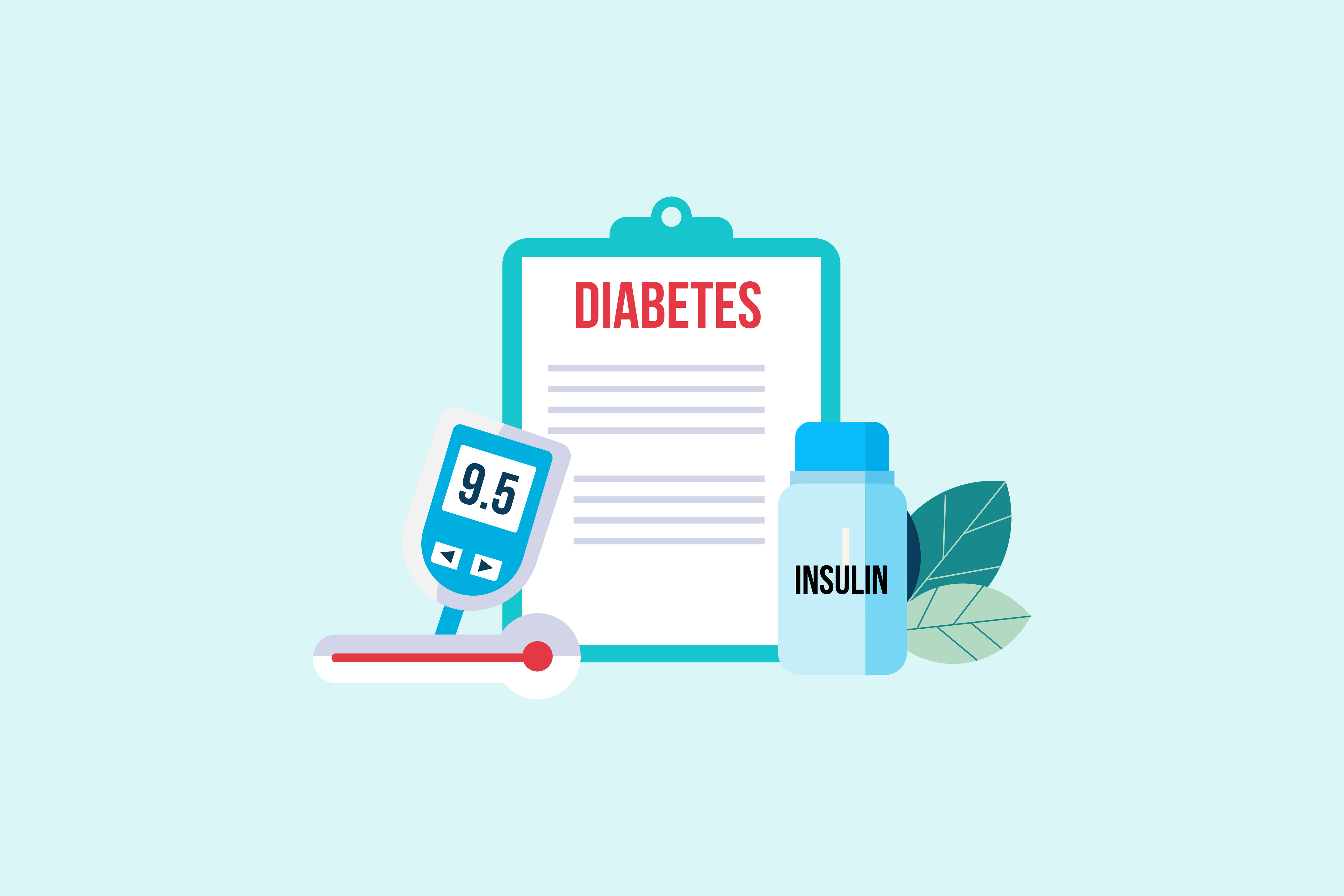
Unmasking the Silent Epidemic: Diabetes Awareness

Diabetes, often referred to as the silent epidemic, is a chronic condition that affects millions of people worldwide. The importance of diabetes awareness cannot be overstated, as it plays a crucial role in prevention, early detection, and improved management of this chronic disease.

  1. Global Prevalence: Diabetes knows no boundaries, affecting people of all ages, races, and backgrounds. According to the International Diabetes Federation (IDF), approximately 463 million adults (20-79 years) were living with diabetes in 2019. This number is expected to rise to 700 million by 2045 if current trends persist.
  2. Types of Diabetes: Diabetes is not a one-size-fits-all condition. There are primarily two types: Type 1, an autoimmune disease usually diagnosed in childhood, and Type 2, which is often linked to lifestyle factors. Approximately 90% of diabetes cases are Type 2.
  3. Impact on Health: Diabetes is more than just high blood sugar. It can lead to a range of complications, including cardiovascular diseases, kidney failure, blindness, and nerve damage. In fact, diabetes is a leading cause of death globally.
  4. Economic Burden: Beyond its impact on health, diabetes places a significant economic burden on individuals and healthcare systems. The IDF estimates that global healthcare spending on diabetes reached $760 billion in 2019.
  5. Rise in Childhood Diabetes: Disturbingly, there has been an increase in the number of children and adolescents diagnosed with Type 2 diabetes, traditionally seen in adults. This shift is attributed to sedentary lifestyles and poor dietary habits.
  6. Contributing Factors: Lifestyle factors such as poor diet, lack of physical activity, and obesity play a crucial role in the development of Type 2 diabetes. Genetic predisposition also contributes to the risk.
  7. Prevention and Awareness: The good news is that diabetes is largely preventable. Simple lifestyle modifications, such as a healthy diet, regular exercise, and weight management, can significantly reduce the risk. Public awareness campaigns are crucial to educate individuals about the importance of early detection and prevention.

As the diabetes epidemic continues to escalate, understanding the disease is a vital step toward addressing this global health crisis. By promoting awareness, advocating for healthier lifestyles, and supporting ongoing research, we can collectively work towards a world where the prevalence of diabetes is not just a statistic, but a thing of the past. What are your thoughts on this deadly disease? Drop me a line, send me a note, or give me a call if you would like to discuss this topic in more depth. And until next time make sure to continue smiling cause it really does look good on you.

🌞✨ The Tranquility of a Happy Sunday 🌿🌼

In the realm of Sunday’s gentle light, A day of rest, serene and bright. The world slows down, a calming hush, A respite from the weekday rush.

The sun ascends with a golden kiss, Bathing the day in tranquil bliss. Nature whispers, trees sway with ease, As if sharing secrets carried by the breeze.

A cup of warmth, the morning brew, A quiet moment just for you. Embrace the stillness, let worries cease, Find solace in the Sunday peace.

The pages turn, a favorite book, Immersed in worlds that gently hook. Escape reality, if just a while, Let imagination dance and beguile.

A stroll outside, beneath the sky, Where clouds like cotton float on high. Nature’s canvas, a tranquil art, A soothing balm for the weary heart.

The ticking clock, a lullaby, As hours pass with a gentle sigh. No need for haste, no need for rush, In Sunday’s embrace, time’s a plush.

Naptime calls with a soft allure, As dreams and blankets gently blur. A siesta’s grace, a sweet encore, Happy Sunday, we adore.

In the kitchen, a simmering pot, Aromatic flavors, a culinary lot. Savor the taste, each bite divine, A feast for the senses, a mealtime shrine.

As shadows lengthen, and evening falls, The day unwinds in tranquil thralls. A palette of colors, the sunset’s grace, A symphony of hues, a warm embrace.

In the silence, find gratitude, For simple joys and moments accrued. Happy Sunday, a gift untold, A sanctuary for the heart to unfold.

As stars emerge in the velvet sky, Bid Sunday’s hush a fond goodbye. Tomorrow awaits with tasks anew, But for now, in peace, we gently strew.

So let the world pause and troubles sway, In the cradle of this peaceful Sunday. A day to cherish, a day to be, In the quiet embrace of serenity.

The Importance of Yearly Medicare Coverage Reviews: A Vital Investment in Your Health

As the seasons change, so do our health needs and the landscape of healthcare options. One crucial aspect of maintaining your well-being is ensuring that your Medicare coverage aligns with your current health status and requirements. While it might be tempting to stick with the same plan year after year, reviewing your Medicare coverage annually is a proactive step that can have a significant impact on both your health and finances.

  1. Evolving Health Needs: Our health is dynamic and subject to change. What worked for us last year may not be sufficient for our current needs. Regular check-ups, changing medications, or new health conditions can alter the services and treatments we require. By reviewing your Medicare coverage yearly, you can ensure that your plan is keeping pace with your evolving health needs.
  2. New Plan Offerings: The world of healthcare is ever-evolving, with new treatments, medications, and technologies constantly emerging. Likewise, Medicare plans are regularly updated and expanded to accommodate these advancements. Reviewing your coverage annually allows you to explore new plan offerings that may provide better coverage or additional benefits, ensuring you have access to the latest and most effective healthcare options.
  3. Cost Considerations: Healthcare costs can be a significant burden, and understanding your financial commitment is crucial. Medicare plans often adjust premiums, copayments, and deductibles from year to year. By reviewing your coverage annually, you can identify any changes in costs and evaluate whether your current plan remains cost-effective or if there are more budget-friendly alternatives available.
  4. Prescription Drug Coverage: Medication needs can change, whether due to the introduction of new medications or adjustments to existing prescriptions. Your current Medicare plan may not provide the most cost-effective or comprehensive coverage for your medications. An annual review gives you the opportunity to assess your prescription drug coverage, ensuring that it meets your current medication needs while keeping costs manageable.
  5. Preventive Care Benefits: Preventive care is a cornerstone of maintaining good health. Medicare plans often offer a range of preventive services, from vaccinations to screenings, at no additional cost to beneficiaries. By reviewing your coverage yearly, you can confirm that you are taking full advantage of these preventive care benefits, promoting early detection and proactive health management.

In the ever-changing landscape of healthcare, reviewing your Medicare coverage annually is not just a recommended practice—it’s a vital investment in your health and financial well-being. Taking the time to assess your plan, considering your current health needs and exploring new options, ensures that you are equipped with the best possible coverage for the upcoming year. In the realm of healthcare, knowledge is power, and an annual Medicare coverage review empowers you to make informed decisions about your health and longevity. If you need help navigating the complex landscape of Medicare or insurance policies give me a shout, drop me a line or give me a call and I would be happy to help. Otherwise, keep smiling cause it really does look good on you!

Long-Term Care Awareness Month: The Importance of Planning your Future

Long Term Care Awareness Month is the perfect time to shed light on the importance of planning for your future well-being. As we go through life, it’s easy to overlook the possibility that we may require assistance with daily activities as we age. However, the reality is that long-term care services might become a necessity for many of us.

  • Changing Demographics: The aging population is increasing, and with longer life expectancies, the need for long-term care is becoming more prevalent. Highlighting these demographic shifts can emphasize the importance of being prepared for the potential challenges that come with aging. As of 2021, around 16.5% of the U.S. population is aged 65 and older. This number is expected to increase significantly in the coming decades.
  • Financial Protection: Long-term care can be expensive, and without proper planning, it could significantly impact your financial stability. Discussing the financial aspects of long-term care and how planning ahead can provide a safety net for your assets is crucial. While the ownership of long-term care insurance has decreased in recent years, it remains an essential tool for financial planning. In 2020, approximately 7.2 million Americans were covered by long-term care insurance policies
  • Preserving Independence: Long-term care doesn’t just mean nursing homes. It can encompass a range of services that allow individuals to age gracefully in their own homes. Emphasizing the importance of maintaining independence and the role of long-term care in enabling this can be a powerful motivator. There is a growing preference for home and community-based services. As of 2018, about 4.5 million people received these services, allowing them to age in place.
  • Family Dynamics: Long-term care can also affect your family members. Discussing the potential impact on your loved ones and how planning ahead can ease the burden on them emotionally and financially can be a persuasive argument. It is estimated that approximately 70% of individuals turning 65 will require some form of long-term care services in their lifetime.
  • Peace of Mind: Knowing that you have a plan in place for your long-term care needs can provide peace of mind. It allows you to focus on enjoying your retirement and the later stages of life without the constant worry about what might happen if you need assistance.
  • Healthcare System Considerations: Exploring the strain on the healthcare system due to the increasing demand for long-term care services can underscore the importance of individual responsibility in planning for one’s future care needs. The cost of long-term care can vary, but on average, a private room in a nursing home can cost over $100,000 per year. In-home care services can also be expensive, with costs varying based on the level of assistance needed.
  • Educational Resources: Use Long Term Care Awareness Month as an opportunity to provide educational resources. Share information about different long-term care options, how they work, and steps individuals can take to prepare for their future care.

Remember, the key is to approach the topic with a positive and proactive mindset. Long-term care planning is an investment in your future well-being, and creating awareness during this month can inspire others to take the necessary steps to ensure a secure and comfortable retirement. If you need help obtaining a policy give me a shout, drop me a line or give me a call and I would be happy to help you find the right policy..

Peace of Mind Beyond the Grave: The Crucial Role of Final Expense Insurance

In the intricate tapestry of life, death is an inevitable thread. While it’s a topic most people would rather avoid, planning for the inevitable is a responsible and compassionate act. One crucial aspect of this planning is final expense insurance, a financial safety net designed to alleviate the burden on loved ones during a challenging time. In this blog post, we’ll explore how final expense insurance serves as a beacon of support, offering peace of mind beyond the grave.

The Weight of Final Expenses:

When a loved one passes away, grieving family members are left to navigate not only the emotional challenges but also the financial repercussions. Final expenses, including funeral costs, medical bills, and legal fees, can quickly accumulate, adding an additional layer of stress to an already difficult situation. This is where final expense insurance steps in, acting as a shield against the financial strain that often accompanies the loss of a family member.

Dignified Farewell:

Funeral costs alone can be a significant financial burden. Final expense insurance ensures that your loved ones have the means to provide a dignified farewell. From the choice of a casket to the selection of a memorial service, having the necessary funds can make a profound difference in honoring the departed with the respect they deserve.

Protecting Loved Ones:

The grieving process is challenging enough without the added stress of financial concerns. Final expense insurance offers a layer of protection for your loved ones, allowing them the space and time to mourn without the immediate pressure of mounting bills. Knowing that financial matters are taken care of enables family members to focus on healing and cherishing the memories of their departed.

Ease of Access:

One of the key advantages of final expense insurance is its accessibility. Unlike some life insurance policies that may involve lengthy approval processes and medical examinations, final expense insurance is often more straightforward to obtain. This accessibility ensures that individuals can secure coverage regardless of age or health status, making it an inclusive option for many.

Planning for the Inevitable:

Death is a part of life, and planning for it is a responsible and considerate act. Final expense insurance allows individuals to take control of their financial legacy, ensuring that their passing doesn’t leave loved ones burdened with unexpected expenses. By taking proactive steps to secure this form of insurance, individuals can provide a lasting gift of peace of mind to those they leave behind.

In the intricate dance between life and death, final expense insurance emerges as a guardian of financial well-being for grieving families. By addressing the practical and financial aspects of the inevitable, individuals can leave a legacy of care and consideration. In the face of loss, the presence of final expense insurance serves as a comforting reminder that even beyond the grave, thoughtful planning can make a world of difference for those left behind. If you need help or have questions about whether or not a final expense policy is best for you, give me a call, shoot me an email or drop me a line.