Positive Attitude Linked to Healthier Living, Experts Say

In a world where physical health often takes center stage, emerging research highlights the profound impact of mental outlook on overall well-being. Experts are increasingly pointing to the power of a positive attitude as a key contributor to healthier living, advocating that the right mindset can pave the way to a longer, more vibrant life.

The Science Behind Positivity

A growing body of evidence suggests that a positive attitude does more than just lift spirits; it significantly influences physical health. Studies published in medical journals such as the Journal of the American Medical Association (JAMA) have shown that individuals who maintain an optimistic outlook are less likely to develop chronic diseases such as heart disease and diabetes. Positive thinkers tend to have lower levels of stress-related hormones like cortisol, which are linked to various health problems when chronically elevated.

Dr. Samantha Greene, a psychologist specializing in health psychology, explains, “When we are optimistic, we are more likely to engage in healthy behaviors such as exercising regularly, eating balanced diets, and getting adequate sleep. Additionally, positive thinking reduces the physiological impact of stress, thereby decreasing the risk of stress-related illnesses.”

Mental Health and Physical Health: A Symbiotic Relationship

The link between mental and physical health is undeniable. Optimism has been associated with better immune function, quicker recovery from illnesses, and even increased lifespan. A landmark study from Harvard University tracked 70,000 women over eight years and found that those who reported higher levels of optimism had a significantly lower risk of dying from several major causes, including cancer, heart disease, stroke, respiratory disease, and infection.

Moreover, positive attitude influences health-promoting behaviors. Optimistic individuals are more likely to adhere to medical advice, seek preventive care, and engage in physical activity. They are also more resilient, better equipped to cope with challenges, and less likely to succumb to the adverse effects of stress.

Practical Steps to Foster Positivity

While the benefits of a positive outlook are clear, cultivating such an attitude can be challenging. Here are some practical steps to help foster positivity:

  1. Practice Gratitude: Regularly reflecting on the things you are thankful for can shift your focus from negative to positive aspects of life.
  2. Engage in Physical Activity: Exercise is a natural mood booster that can help reduce anxiety and improve mental health.
  3. Mindfulness and Meditation: These practices help you stay grounded in the present moment, reducing stress and promoting a sense of well-being.
  4. Build Strong Relationships: Surrounding yourself with supportive and positive people can enhance your mood and outlook.
  5. Set Realistic Goals: Achieving small, manageable goals can create a sense of accomplishment and forward momentum.

Real-Life Impact

Consider the case of John Martinez, a 55-year-old from Seattle who turned his life around by adopting a positive outlook. After being diagnosed with hypertension, John joined a local wellness group where he learned about the power of positive thinking. By integrating gratitude exercises, regular walks, and mindfulness meditation into his routine, John not only managed to lower his blood pressure but also reported feeling more energetic and hopeful.

“Changing my mindset was like flipping a switch,” John shares. “I started seeing challenges as opportunities rather than setbacks, and my health has never been better.”

The message from health experts is clear: a positive attitude is not just about feeling good; it is a crucial component of healthy living. By fostering optimism and focusing on the positive aspects of life, individuals can significantly enhance their physical health and overall quality of life. As the research continues to evolve, one thing remains certain—embracing a positive outlook can lead to a healthier, more fulfilling life.


Multifaceted Advantages of Marriage Beyond Romance

In an time where relationship dynamics are evolving rapidly, marriage still stands as a steadfast institution, offering a multitude of benefits that extend far beyond the realms of love and romance. Recent studies have shed light on the enduring strength of long-term partnerships, emphasizing their profound impacts on mental, physical, and even financial well-being.

Marriage, often dubbed as the ultimate commitment, serves as a cornerstone for emotional support and stability. According to research conducted by the American Psychological Association, married individuals tend to exhibit lower levels of stress and anxiety compared to their unmarried counterparts. The presence of a supportive partner can act as a buffer against life’s challenges, fostering resilience and enhancing overall mental health.

Furthermore, the benefits of marriage extend to physical health, with numerous studies highlighting its positive impact on longevity. A study published in the Journal of Epidemiology & Community Health found that married individuals have a lower risk of cardiovascular diseases and other chronic illnesses. The mutual support and encouragement inherent in a marital relationship can contribute to healthier lifestyle choices and better health outcomes.

Financial stability is another significant advantage associated with long-term partnerships. Joint finances and shared responsibilities often lead to greater economic security and resource pooling. Couples can leverage their combined assets to navigate financial challenges more effectively, whether it’s purchasing a home, investing in education, or planning for retirement. Additionally, tax benefits and spousal benefits offered by employers further bolster the financial advantages of marriage.

Beyond individual well-being, marriage also plays a pivotal role in societal cohesion and community resilience. Stable family units serve as the building blocks of a strong society, providing a nurturing environment for children to thrive and grow. Research consistently demonstrates that children raised in stable, two-parent households tend to fare better academically, socially, and emotionally.

Moreover, marriage fosters social connections and support networks, enriching the fabric of communities. Couples often form enduring friendships with other married individuals, creating a sense of belonging and camaraderie. These social bonds serve as a safety net during times of need and contribute to overall community cohesion.

While the benefits of marriage are undeniable, it’s essential to recognize that not all relationships follow the traditional marital path. Long-term partnerships encompass a diverse spectrum of arrangements, including cohabitation and civil unions, each with its own unique advantages. What remains constant, however, is the profound impact of committed, enduring partnerships on individual well-being and societal flourishing.

In an age marked by rapid social change and shifting norms, the enduring strength of marriage serves as a beacon of stability and resilience. Beyond its romantic allure, marriage offers a myriad of benefits that transcend the boundaries of love, enriching the lives of individuals and communities alike.

As we navigate the complexities of modern relationships, let us not overlook the profound value of long-term partnerships in fostering happiness, health, and prosperity for generations to come.

Senior Social Networks and the Crucial Role of Friendship

In a world often characterized by hustle and bustle, the value of companionship cannot be overstated, especially for seniors. As individuals age, the significance of maintaining social connections becomes increasingly evident, not just for mental and emotional well-being but also for overall health. Recent research underscores the critical role of friendship in the lives of seniors, highlighting its profound impact on their quality of life.

Studies have consistently shown that social isolation among seniors can lead to detrimental health outcomes, including increased risks of depression, anxiety, cognitive decline, and even mortality. Loneliness, often exacerbated by factors such as retirement, mobility limitations, and the loss of loved ones, can take a significant toll on older adults’ physical and mental health.

Conversely, fostering and nurturing friendships can offer a plethora of benefits for seniors. Companionship provides a sense of belonging and purpose, reduces feelings of loneliness and isolation, and enhances overall happiness and life satisfaction. Engaging in social activities with peers not only stimulates the mind but also promotes emotional resilience and a positive outlook on life.

Moreover, friendships among seniors contribute to a supportive network that offers practical assistance, encouragement, and a shared sense of camaraderie. Whether through regular gatherings, hobbies, or community involvement, these social connections create a safety net that helps individuals navigate life’s challenges with greater ease and confidence.

Importantly, friendships also play a vital role in promoting physical health among seniors. Research suggests that individuals with strong social ties are more likely to adopt healthy behaviors, such as regular exercise and nutritious eating habits. Furthermore, the emotional support provided by friends can buffer the effects of stress and improve immune function, thereby reducing the risk of chronic diseases.

Recognizing the significance of friendship in the lives of seniors, communities and organizations are increasingly implementing initiatives to foster social connections among older adults. From senior centers and clubs to intergenerational programs and volunteer opportunities, these efforts aim to combat social isolation and promote active aging.

As we continue to navigate an aging population demographic worldwide, prioritizing the importance of friendship for seniors becomes paramount. By encouraging and facilitating social engagement, we not only enhance the well-being of older adults but also cultivate a society that values inclusivity, compassion, and mutual support across generations.

The significance of friendship for seniors cannot be overstated. From enhancing mental and emotional well-being to promoting physical health and resilience, companionship plays a crucial role in fostering a fulfilling and vibrant life in later years. As we strive to build age-friendly communities, let us recognize and celebrate the profound impact of friendship on the lives of older adults, ensuring that no senior walks alone in their journey.

The Role Communication Plays in Cultivating Long-Term Relationships

In a world filled with constant change and evolving dynamics, one constant remains at the heart of building and sustaining meaningful connections—communication. Whether it’s in personal relationships, professional collaborations, or community engagements, effective communication stands as the cornerstone for fostering trust, understanding, and longevity.

The Foundation of Trust:

At the core of any enduring relationship lies trust, and communication acts as the foundation on which trust is built. Open and honest communication creates an environment where individuals feel secure in sharing their thoughts, feelings, and aspirations. In both personal and professional settings, trust is the glue that binds people together over the long term, and it is through communication that this trust is established and strengthened.

Understanding and Empathy:

Communication is not just about expressing oneself; it’s equally about active listening and understanding others. By fostering a culture of empathetic communication, individuals can gain insights into the perspectives and experiences of those around them. This understanding forms the basis for mutual respect and appreciation, essential components for cultivating lasting relationships.

Resolving Conflicts:

No relationship is immune to conflicts or disagreements. However, effective communication serves as a powerful tool for resolving issues amicably. By openly discussing concerns, clarifying misunderstandings, and actively seeking solutions, individuals can navigate through challenges, preventing minor disagreements from escalating into major rifts. Addressing conflicts through communication helps relationships evolve and grow stronger.

Celebrating Successes and Milestones:

Positive communication isn’t limited to addressing challenges; it also plays a vital role in celebrating successes and milestones. Whether it’s personal achievements, professional accomplishments, or shared victories, expressing joy and appreciation through effective communication fosters a sense of camaraderie and reinforces the bond between individuals.

Adaptability and Growth:

Long-term relationships, be they personal or professional, require adaptability and a willingness to grow together. Through ongoing communication, individuals can share their evolving aspirations, goals, and needs. This exchange allows for mutual support and alignment, enabling relationships to adapt to changing circumstances and continue flourishing over time.

In a world marked by digital advancements and fast-paced living, the importance of communication in building long-term relationships cannot be overstated. It is through transparent, empathetic, and open communication that trust is established, conflicts are resolved, successes are celebrated, and relationships evolve and grow. As we navigate the complexities of our interconnected lives, let us remember that the key to enduring connections lies in our ability to communicate effectively and foster meaningful relationships that stand the test of time.

Why Seniors Need Social Activities

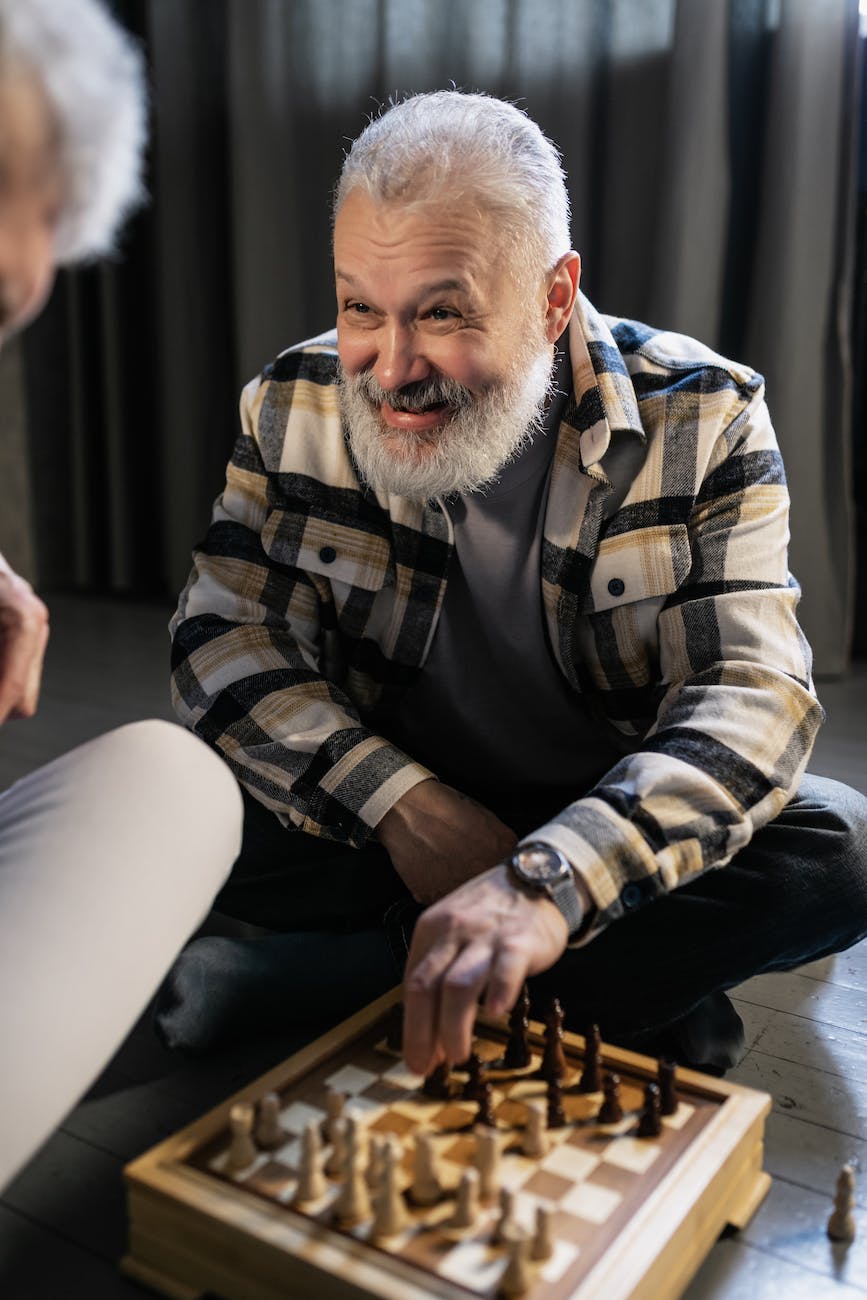
Social activities play a crucial role in the well-being of seniors, providing them with a myriad of physical, mental, and emotional benefits. As individuals age, social connections become increasingly vital in warding off feelings of loneliness and isolation, which are prevalent among the elderly. Engaging in group activities allows seniors to build and maintain relationships, fostering a sense of community and belonging. This social interaction not only enhances their overall mood but also acts as a protective factor against mental health issues such as depression and anxiety.

Photo by Alena Darmel on Pexels.com

Moreover, participating in social activities contributes to the cognitive health of seniors. Mental stimulation through social engagement has been linked to a lower risk of cognitive decline and dementia. Whether it’s playing board games, joining clubs, or attending social events, these activities challenge the brain, keeping it active and resilient. Additionally, the exchange of ideas and experiences in a social setting stimulates cognitive functions, contributing to improved memory, problem-solving skills, and overall mental sharpness.

On a physical level, social activities for seniors often involve movement and exercise, promoting better physical health. Regular physical activity is essential for maintaining mobility, preventing chronic conditions, and ensuring a higher quality of life. From dancing and yoga classes to walking groups, these activities not only provide health benefits but also create opportunities for seniors to connect with their peers, fostering a supportive environment that encourages an active lifestyle. In essence, social activities serve as a holistic approach to promoting the well-being of seniors, addressing their physical, mental, and emotional needs. I work with seniors of all ages and love to help put on events for them. If your young or old, near or far and in need of someone to talk with, please feel free to reach out or leave me a comment. Otherwise, and as I always say… keep smiling cause it really does look good on you.

With Every Ending there is a NEW Beginning?

What is it they say? “With every beginning, there comes an end” or “with every ending new-beginningcomes a new beginning.” Just like I mentioned in a previous post “everything happens for a reason” or “it is what it is” I have to say that this so called all good things must come to an end also has to be true? Or is it? How do we know when things are coming to end then? What are the signs? Does this also apply to our relationships, education, career, etc.? Or is this saying just the cycle of life and products? Over the last week and if not the entire year, I have been asking myself this and many similar questions. Why? Well over the last year, I have started to pay greater attention to detail and the shelf life of many things including that of my relationships, career objectives, milk, groceries, vehicle, etc. Why if this saying isn’t true, do most things we purchase and consume have an expiatory date? It seems that YES, most things (if not all) have a beginning and an end? Or all good things must come to an end?

So how do we determine what exactly the beginning and/or end is? The obvious is we are born and then we die… YES? How about relationships or your career? If you are young or old you have probably noticed that, most relationships and your job, regardless of how you meet or the job you’re in all have trends. These trends usually go something like this… awesome beginning (honeymoon), an okay middle (comfort zone), and really bad endings (the dreaded unknown). In my life and regardless of whether in a relationship or career these trends seem to always go the same way but unlike the cycle of life (ending in death), I am still alive, kicking, and in the end have come out the other side as better person. I am a better father, a better man with the woman I love, and I am a better man in the job I am in. Does this then mean that we all should embrace change, new beginnings, and endings to things? Or is it just me? Do we need to give more chances to others, our partners, and career paths fostering and/or focusing more on the middle stage(s)?

uptown-girls

Let’s face it, the beginning of anything is downright scary just like my kid changing schools this year. On the flipside, the end is just as scary if not more! Starting something new or letting go of something you care about is extremely hard whether it is a relationship or your career. However, what I have learned over the years (especially raising my son, in relationships, and jobs) is that both beginnings and endings are a necessity of life, just as we are born and we die. In order for us to remain active, happy, and healthy, we must allow ourselves the opportunity for new beginnings in our relationships and jobs, just like we must allow ourselves the opportunity for endings, so we can create more beginnings. This my friends is what we must do because if nothing ever came to an end, nothing could ever begin. Without scary endings and new beginnings, I wouldn’t be the same person I am now just like I know you are. In fact, I couldn’t be happier at how things have turned out in my life with my son, my relationship, and career. Although I can’t say for sure how long I will be in this NEW middle part of my life (hopefully until I die), I can honestly say… For every ending, there is an even greater beginning. Don’t be afraid of endings and surely don’t let yourself be afraid of new beginnings.

Thoughts? If you have any, please feel free to leave your comments here, reach out to me online or in person, and/or through any of my other online mediums. Until next time my friends keep smiling, embrace those you’re with, do away with things stressing you out, and for heaven’s sake create some new beginnings already.

New Dating Relationships with Kids


Sexy-metetingIt has been awhile since I have written anything online and that is because like many of you, things have been moving along very rapidly in my life. As a single parent (all of you know this), I believe if someone offered to give me a few of their minutes or hours, I would be indebted to them for years to come which would hopefully slow things down or just give me a little extra time. However, I am sure at this point in my life things are not going to slow down anytime soon. Why? That is because I haven’t figured out a way to slow things down and/or no one is willing to give me any extra time. Oh ya, and after many years of being single I have finally found a woman that I am proud to call my girlfriend, which I spend a lot of my time with now. So what does that have to do with anything you ask? Well a ton! Now instead of working solely on raising my kid by myself, I am now working on raising my kid alongside that of another single parent. With that said, when you find someone you care about who seems to have some future potential for you, you are going to want to bring your children into the picture (this is where we recently were and where we are continuing to build our relationship around). Of course, you want your significant other to already know that you have children, which is why this was one of the first things we discussed on our first date. Otherwise, you may find a situation on your hands that cannot or will not add any value to a newly formed relationship. Not every man/woman is capable of accepting children that he or she perceives as belonging to another. Moreover, some men/women may be frightened of the responsibilities children represent. That is exactly why I waited on dating or getting involved because any negative feelings about children has/had to be high on the priority list. All people will have some reaction that may seem a bit odd, but that is not the same as having them say they hate kids and would never have them in their home.

The Importance of the Initial Meeting

 As I have learned over the last six months, kids are very smart regardless of their age. In fact, both of our kids figured out early on that we both had something going on long before we actually introduced them formally. Well, OK, maybe not initially, because we actually did a fantastic job at covering it up even the first time we meet. Do you ever run into random people while you are out in the community? That is exactly what my woman and I did in order to introduce the two kids, randomly ran into each other at a local mall for an afternoon lunch (hehe). The initial resistance was not there nor did we have to explain ourselves at that time. However, over our next few visits the kids started figuring things out by themselves. Therefore, I wanted to give everyone reading this a couple of suggestions (do not’s) for bringing two families together because eventually when your children find out they will surely know that your previous relationship is over and may find it difficult to visualize you with another man/woman.

  • Take a relationship slowly because you lower the risk of emotional backlash from your children as they adjust to your new life.
  • Do not include a new partner in too many of your family days at first. Make time for you and the kids even after you are officially together.
  • Do not spend your time focusing on becoming a family unit because you may  not be able to keep things in balance. You may be forced to skip some important stages of your relationship on the course toward greater involvement and commitment.
  • Do not have overnight visits until the children become comfortable with the viewpoint that your girlfriend/boyfriend is someone who may be here to stay.
  • Do not allow your children to feel threatened or fearful that they could lose you to this new suitor or that the new man/woman will change the rules of the family.

Don’t Rush In

What is it that they say? Fools don’t rush in or never get in a hurry to make another first-datemistake. At the same time, don’t let new opportunities pass you by or believe everything other people have to say. More times than not, you have gotten to this point of your life by making your own decisions whether they are/were good or bad. So, remember that you are on your way to building a completely new family configuration as a single parent with your kids and they, too, deserve your attention and your time while everyone works through the changes in their lives that a separation or divorce has brought. Also, remember that you don’t need to rush into anything… ever! You can take your time to allow everyone to get used to each other and for you to decide whether you really want to create a new family. If you have any doubts, there is nothing wrong with listening to your intuition and wait until either your feelings are resolved or you understand clearly that the relationship is not right for you. This maybe your last chance at a new and happy life much like it is mine. If important aspects are missing, wait for another situation to come along. Do not settle because you are lonely or think you will never have the right opportunity cause this could never be further from the truth. Pay attention to your children’s reactions to your new love, as they are a good indication of how things are really going. They often have their own way of sizing up a relationship, and may see something you do not. Keep in mind that you must constantly tell your children that you still love them and that no new relationship will change that, as my girlfriend is an expert in this category. Finally, tell them that you are all going to form a family and ask for their input if this is your ultimate desire, as it is mine. The more they feel a part of things the less frightened they will feel. You may be surprised because at this early stage of our relationship we surely are. If this is the right man/woman for you, your children may be as happy about things as you are… and won’t that make all the difference? As usual, I am glad you stopped by today and welcome all comments via any of my social networks. Until next time, remember to keep smiling and love the ones you’re with.

Do we EVER really find what it is we are looking FOR?

Here you have it: People who know what they are looking for in life are the ones who actually make an effort to figure out what they really want in their life. Say what? In other words, do you find yourself genuinely satisfied or dissatisfied with yourself, income, home, and/or relationship if you’re in one? Even if you are happy with these things, are you consistently finding yourself looking for something better whether it is new landscaping inside or outside your house, a new recipe, job, car, friends, etc.? Do you find that you spend entirely too much time in your life trying to keep up with others, which cuts into your own happiness? I ask again… do you/we ever really find what it is we are looking for in life?

Image

I will be the first to tell you that are own human nature does not allow us to be content and if you are then lying to yourself, you’re not pushing yourself hard enough to get more, or you just might be content with the status quo. But how can anyone possibly be content with the status quo? Seriously? I’m not saying that there is not a way to be content or people cannot be satisfied in life with what they have, instead I’m saying that most of us blame and/or pretend that other people in our lives are the ones that cause us to be dissatisfied. Make since? Does dissatisfaction actually help create satisfaction? Or does unhappiness actually help create happiness?

“Happiness is not a goal…it’s a by-product of a life well lived.” ― Eleanor Roosevelt

Over the years, I have learned that satisfaction, happiness, or finding what it is we are really looking for is in fact the by-product of living well just like Eleanor Roosevelt stated. We all have the right to be happy and we are the only ones getting in our own way of being satisfied or finding what we are truly looking for. As I continue to age, I am continuing to find what I am truly looking for in life, as my dissatisfaction with many things has indeed helped me to develop, improve, build, and accomplish many more things that I necessarily would not have. In other words and in as simple of a form I can state is that my dissatisfaction in life has indeed created satisfaction in my life. You?

Image

So, there you have it. Will you ever find what it is that you are looking for? Will you always be dissatisfied with the decisions you make/made or will you actually find what it is you are looking for and become satisfied with the things you do have? You graduated from school, got the degree or degrees, found the job, house, friends, and partner you desired. You have indeed found what you are looking for in life, so stop trying to tell yourself that you have not! Instead of creating doubt or unhappiness today, start creating satisfaction and happiness by embracing the things that you do have in your life (especially our children), as this simple suggestion will not only brighten your own outlook on life but also the outlook others have on their our lives. What is it they say? Happiness or unhappiness is contagious, so let’s all do a better job at transmitting happiness in our own lives, thus creating happiness in others. As always and with any of my articles, I hope you enjoyed it, look forward to your opinions here or on any of my other social sites, and your help spreading this or any of my other works with others. Moreover, until next time, and like always remember to KEEP SMILING, as it really does look good on you (>‿◠)✌

CHANGE is the One Thing We Can ALWAYS Count On

ChangesEven though there are a million and one ways to describe a happy family there is not a universal way to describe the change(s) you and/or your family will go through. In fact, the one thing that is constant in our lives and that we all can be sure of is that… things will change. Yes, this may mean things will change for the better or they might change for the worse, as more and more people struggle to balance life, work, and the needs of their family and/or lives.

It is not the strongest of the species that survive, nor the most intelligent, but the one most responsive to change. Charles Darwin (1809-1882) English Naturalist

Ever since I was a young boy, I have never been afraid of change. Whether it was going to school, meeting new people, or going to new places I have embraced the changing landscape of my life, which is true to this very moment. However, it wasn’t until yesterday (my niece inspired me to think about this in her Facebook post) that I truly realized that change in my life is the one thing I count on and really look forward to the most. Even though my changing life has had both positive and negative aspects to it, for the most part it has been the negative aspects that have inspired me the most to embrace change further. Yes, I did say negative, since if I never had a negative experience I would have never moved from Michigan to Florida, gotten married/divorced, earned my Bachelor, Masters, or Doctorate, or even became a “Single Dad!”

Change is the law of life. And those who look only to the past or present are certain to miss the future. John F. Kennedy (1917-1963) Thirty-fifth President of the USA

Why then if “change is the law of life,” are so many people often frightened of change? Why don’t more people embrace changes in things such as technology, their lives, careers, or their family structure? Instead of thinking of change as a negative why, don’t we start to use the negative aspects of change as positive motivations for additional change? If you are anything like me you shouldn’t be afraid of change or failing (trust me it as it seems I have failed more than anyone I know) nor should you value other people’s opinions of change more than your own opinion of change. Don’t look at your disappointments in life as negative aspects of change but rather positive motivations for your long-term success(es).

To improve is to change; to be perfect is to change often. Winston Churchill (1874-1965) British politician.

Whether you are single, a cohesive family unit, or even a single parent if you want to be happier why don’t you give change a chance when it comes to advancing yourself, career, or raising healthy/happy children? As a single dad myself, I now realize this more than ever, as change has been the one thing constant enough in my life to help me build additional self-confidence, relationships, and my career even though these things may not had been the things I had always dreamed of. In order to further inspire myself and perhaps you through additional change here are a few things I do/have done over my life to embrace change.

1. Realize that your career and life will consistently change- The economy, people, and your career will change. Instead of feeling sorry about the situation, embrace it and adjust yourself to these changes.
2. Relieve your past experiences- Whether you are looking at positive or negative changes try to mold your future around them. Considering both positive and negative changes in your life will help you avoid these same changes later in life (perhaps this is more easily said then done?)
3. Take note of both positive and negative changes- Perhaps the best thing to do with anything or in this case, change in life is to write them down (i.e. positives and negatives). This should be as easy as starting or maintaining a journal or better yet with the advent of social media use Twitter, Facebook, or anyone of the other social sites to track your changes in your career or family. Remember documenting something in better than nothing in this aspect.

change-egnahc

Everyone whether you are young or old in a relationship or going it alone deserves to live a strong, happy, healthy, and successful life. If you identify both negative and positive changes in your past, perhaps you can do more to shape your future, while molding these changes into motivation that will help you change yourself or others you touch additionally. Remember if you have children to share with them not only the positive changes in your life but also the negative changes, as this also gives are beloved little ones the ammunition they will also need to embrace both the positive and negative changes in their own futures. As with any/all articles I write I would love your thoughts and/or your sharing/connecting further of this article on any of my/your social sites. Thanks again for stopping by and as usual until next time… KEEP SMILING ≧✯◡✯≦✌

Why Every Family Needs an “AUNT” and/or “UNCLE”


I love all my aunts & uncles

When looking back on my own life and now my kid’s life, I can’t help but think about how important an aunt or uncle maybe? Moreover, and yes, this also includes all of those aunts and uncles that we used to or now our own children refer to aunt or uncle because they are around so much just like a real aunt or uncle. Do you have or remember those family members or friends that treated you like they were your own aunt or uncle?

I am not too sure if this gives away my age or not? But do you remember Endora from Bewitched here is a refresher if not…


or the movie Uncle Buck?

If you remember either of these thanks in advance for not pointing out my age and I hope you had/have a chuckle on me for this reminder, as both of these characters in these television/movies are priceless. Do you think every family needs an Aunt Endora or Uncle Buck character in their lives? Again, I have to say YES, as these characters or actually people in many cases help our children with emotional and/or physical transitions. In fact, I mentioned these two (show/movie), as they are prime examples of how my own sister and other impressionable women (Endora) and several other men and friends (Uncle Bucks i.e. y’all know who you are) who have helped me and are helping my own child with answers to many overlooked questions. Yes, this also includes those simple questions that I personally don’t often ask or others that my son may and/or may not feel comfortable asking or even listening to me to come up in his own personal life answers.

As for my family, I am completely appreciative of my aunts (Endoras) and other friends/family (Uncle Bucks)  that continue to be a huge support for me and my kids life. Even though I am sure that I will continue to stumble upon topics and interests that I was/will not be able to address and/or handle as graceful as my aunts or uncles, I wanted to make sure y’all know how grateful I am for your support/continued support and advice.

aunt-and-uncle-happy

So my question to you this Sunday morning is, “Do you also have an Endora and/or Uncle Buck in your family, if so who and if not why do you think that is?” I hope posing this question makes you or others realize how important this role is in are young-in’s growth. Moreover, if you personally don’t have and Endora or Uncle Buck in your own life, I hope you at least consider enrolling one or more in your own or children’s life now (i.e. it’s never too late to start something new) in order to help fill those often difficult or overlooked gaps between you and your children (subjects and/or conversations).

Happy Sunday everyone and make sure you take a moment to tell someone close to you or others involved in your or your children’s life how important they are to you today. Until next time remember to keep smiling, as you know it really does look good on you!