
Understanding Florida Wind Mitigation Reports for Homeowners

In Florida’s insurance market, few documents carry as much weight for homeowners as a wind mitigation report. Yet, despite its importance, many policyholders don’t fully understand what it is, when it’s required, or how it impacts their premiums. From my perspective in the insurance industry, this report is not just paperwork… it’s a powerful tool that can directly influence both insurability and cost.
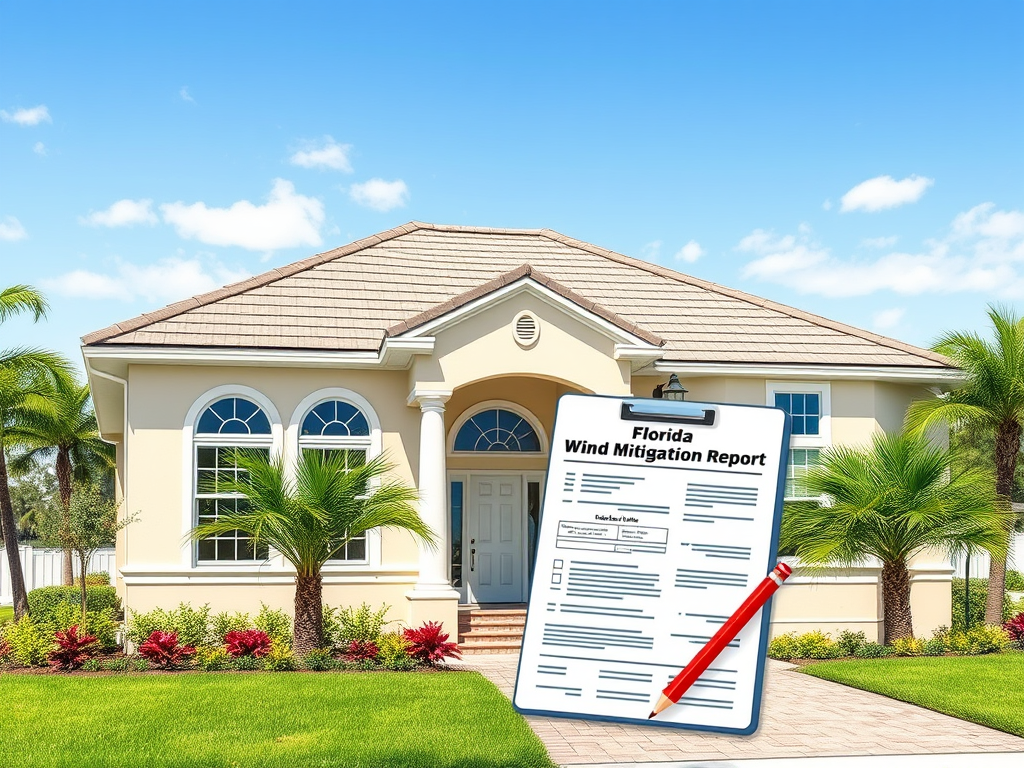
What Is a Wind Mitigation Report?

A wind mitigation report is an inspection that evaluates how well a home can withstand high winds, particularly from hurricanes and severe storms. The inspection focuses on specific structural features that reduce wind damage risk.

Key elements assessed include:

  • Roof shape (hip vs. gable)
  • Roof covering and age
  • Roof deck attachment (nail size and spacing)
  • Roof-to-wall connections (clips, straps, etc.)
  • Secondary water resistance (SWR)
  • Opening protection (impact windows, shutters)

The findings are documented on a standardized form used across Florida, often referred to as the OIR-B1-1802 form.

Why It Matters

Insurance carriers use wind mitigation reports to determine eligibility for credits and discounts. Homes with stronger wind-resistant features present less risk, and that reduced risk is often rewarded with lower premiums.

In some cases, the difference is substantial, homeowners can see premium reductions of hundreds or even thousands of dollars annually depending on the upgrades documented.

When You Need a Wind Mitigation Report

From an underwriting standpoint, there are several common scenarios where a wind mitigation inspection is either required or strongly recommended:

1. New Policy Applications

Many insurance companies request a wind mitigation report before binding coverage, especially for homes over a certain age (often 20+ years). This helps underwriters accurately assess the property’s risk profile upfront.

Example:
A homeowner purchasing a 1998-built home applies for coverage. The carrier requires a wind mitigation report before issuing the policy to verify roof attachment and protection features.

2. Policy Renewals or Re-Underwriting

Carriers may request an updated report during renewal periods, particularly if prior documentation is outdated (typically older than 5 years) or missing.

Example:
An insurer conducts a portfolio review and notices a home insured since 2015 has no current wind mitigation on file. They request a new inspection to maintain eligibility.

3. Roof Replacement or Major Upgrades

Any time significant improvements are made such as a new roof, installation of hurricane shutters, or upgraded roof-to-wall connections, a new report should be completed.

Example:
A homeowner installs impact-resistant windows and replaces their roof. A new wind mitigation report allows the insurer to apply additional credits that weren’t previously available.

4. High-Risk Geographic Areas

Homes located in coastal or wind-borne debris regions are more likely to require a wind mitigation report due to increased exposure to hurricane-force winds.

Example:
A property located in a coastal county applies for coverage. The insurer mandates a wind mitigation inspection to ensure compliance with stricter underwriting guidelines.

5. Older Homes

Homes built prior to modern building codes (pre-2002 in Florida, when stricter codes were implemented) often require inspections to verify whether any upgrades have been made.


When You May NOT Need One

There are situations where a wind mitigation report may not be required:

  • New Construction Homes:
    Homes built under current Florida Building Code standards often already meet wind mitigation criteria. Documentation from the builder may suffice.
  • Recent Prior Inspection:
    If a valid wind mitigation report (typically less than 5 years old) is already on file, a new one may not be necessary.
  • Carrier-Specific Guidelines:
    Some insurers may not require the report for certain low-risk properties or newer homes, though this is becoming less common in Florida.

Industry Insight: Why Carriers Care

From an underwriting lens, wind is one of the most significant drivers of property losses in Florida. A properly completed wind mitigation report gives insurers measurable data to evaluate risk instead of relying on assumptions.

It also creates a more transparent relationship between the homeowner and the insurer rewarding proactive improvements and reducing uncertainty in the event of a claim.

Final Thoughts

A wind mitigation report is one of the few tools available to homeowners that can directly reduce insurance costs while improving property resilience. Whether it’s required or optional in your situation, having one completed, especially after upgrades is often a financially sound decision.

In today’s evolving insurance environment, understanding and leveraging this report isn’t just beneficial… it’s essential.

About the Author:

David Dandaneau is a client relations analyst that covers the insurance and financial services industry. He is known for his insightful analysis and comprehensive coverage of market trends and regulatory developments.
Understanding Flood Insurance: What Homeowners Need to Know

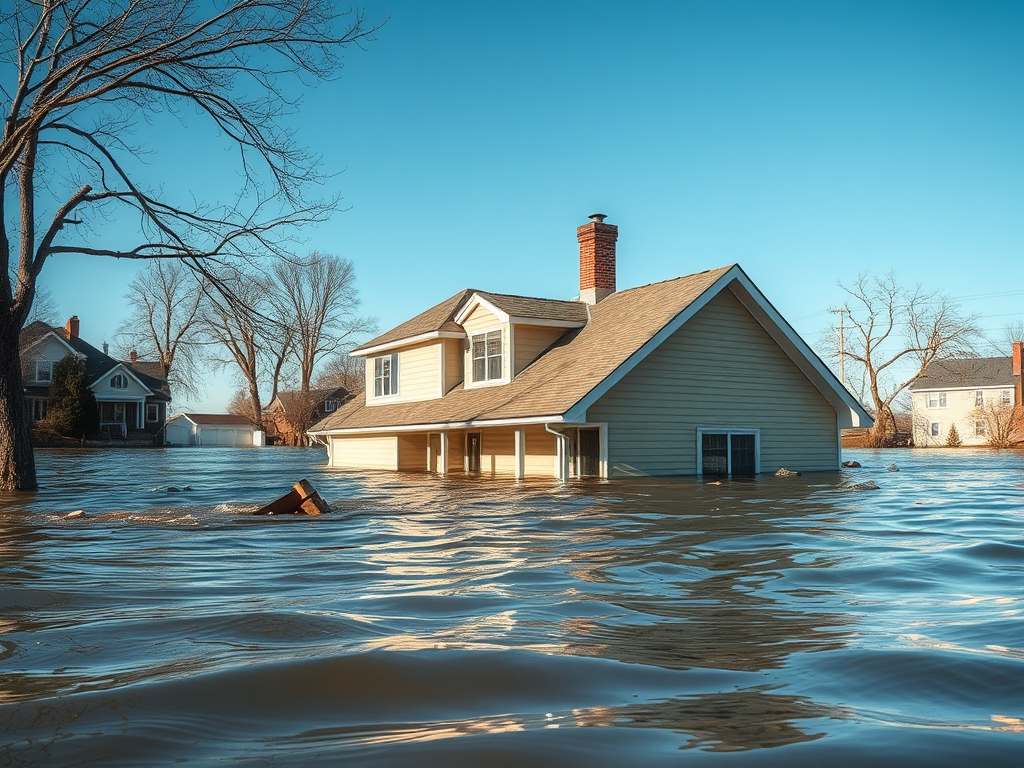
Flooding is the most common and costly natural disaster in the United States, yet millions of homeowners remain uninsured for flood damage. Standard homeowners insurance policies typically do not cover flood losses, leaving property owners vulnerable to potentially devastating financial consequences. Understanding why flood insurance exists, when it is required, and how federal programs help manage risk is essential for homeowners and property investors alike.

Flooding: A Risk Many Homeowners Underestimate

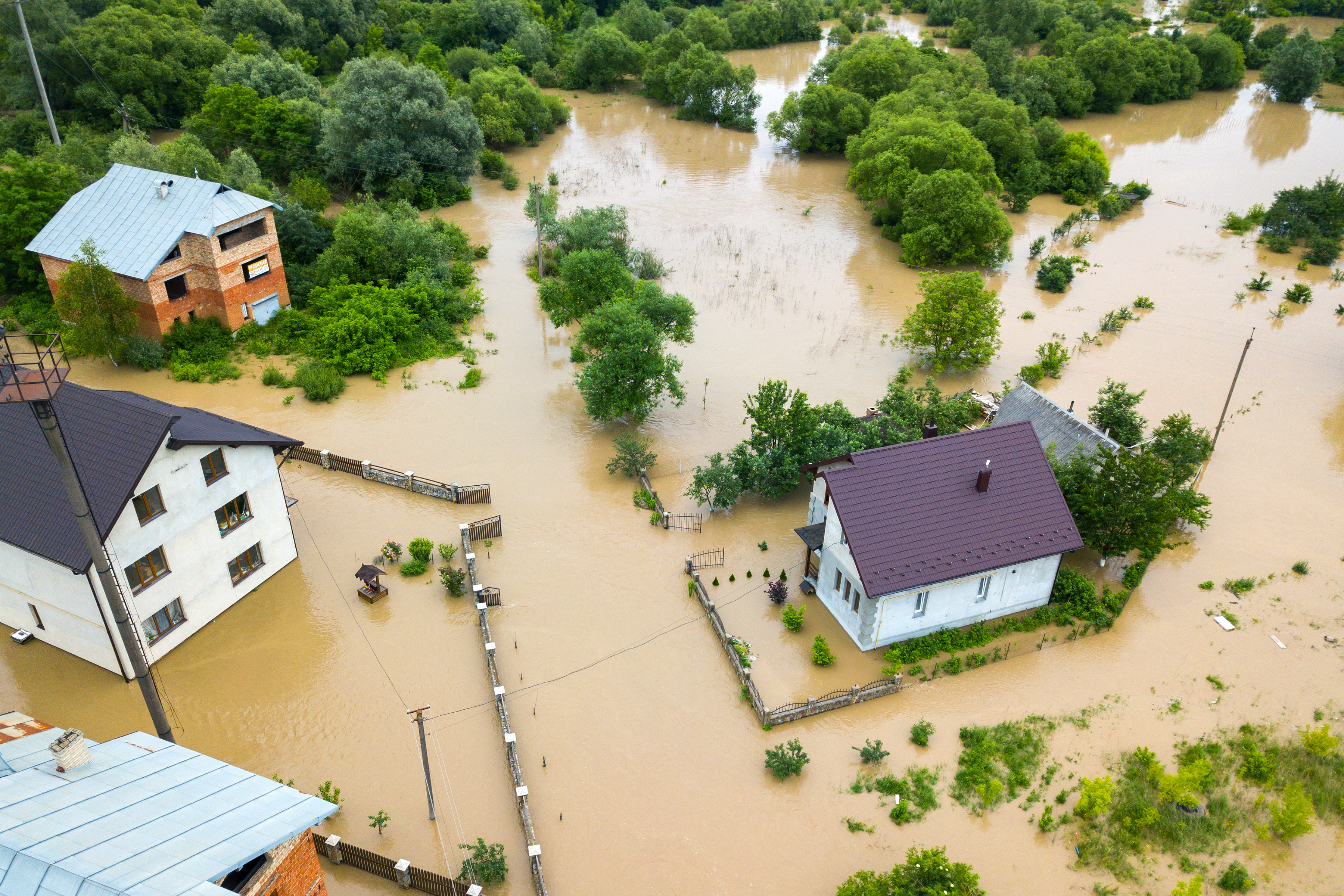
Floods can occur almost anywhere. Heavy rainfall, storm surge, overflowing rivers, blocked drainage systems, and even rapid snowmelt can lead to flooding. According to the Federal Emergency Management Agency (FEMA), more than 20% of flood insurance claims come from properties located outside of high-risk flood zones, highlighting that flood risk is not limited to coastal or riverfront communities.

The financial damage from flooding can escalate quickly. FEMA estimates that just one inch of water in a home can cause approximately $25,000 in damage. Repairing flooring, drywall, electrical systems, furniture, and appliances often costs far more than many homeowners expect.


Why Standard Homeowners Insurance Doesn’t Cover Flooding

Most homeowners carry policies designed to cover risks like fire, theft, and wind damage. However, flood damage is specifically excluded because it is considered a catastrophic and widespread event that could produce extremely high losses across large geographic areas simultaneously.

To manage this risk, flood coverage is typically purchased separately through programs backed by the federal government.

The largest provider of flood insurance in the United States is the National Flood Insurance Program (NFIP), which is administered by FEMA.


When Your Mortgage Company Requires Flood Insurance

Mortgage lenders are required by federal law to ensure flood insurance coverage on properties located in designated high-risk flood zones.

Flood zones are determined using maps created by FEMA known as Flood Insurance Rate Maps (FIRMs). These maps identify areas with varying levels of flood risk.

Properties located in Special Flood Hazard Areas (SFHAs) often labeled Zone A or Zone V on FEMA maps typically require flood insurance if the home has a federally backed mortgage.

If a homeowner fails to secure the required coverage, lenders may purchase insurance on the homeowner’s behalf through a process called force-placed flood insurance. This coverage is often more expensive and offers less flexibility than a policy purchased directly by the homeowner.


FEMA’s Role in Flood Insurance

The Federal Emergency Management Agency (FEMA) plays several key roles in the flood insurance ecosystem:

  1. Administers the National Flood Insurance Program
  2. Creates and updates flood maps used by lenders and insurers
  3. Provides disaster assistance after major flood events
  4. Promotes floodplain management standards to reduce future damage

Through the NFIP, FEMA partners with private insurance companies to sell and service policies, making flood insurance more widely accessible across the country.

However, it’s important to note that federal disaster assistance is not a substitute for insurance. FEMA aid after disasters often comes in the form of low-interest loans or limited grants and typically does not fully cover rebuilding costs.


What Flood Insurance Typically Covers

NFIP flood policies generally include two primary types of coverage:

Building Coverage

  • Structure of the home
  • Electrical and plumbing systems
  • HVAC systems
  • Water heaters
  • Permanently installed carpeting and cabinets
  • Detached garages (limited)

Contents Coverage

  • Furniture
  • Clothing
  • Electronics
  • Portable appliances

Maximum coverage limits under the NFIP currently include:

  • $250,000 for residential structures
  • $100,000 for personal property

Some private insurers also offer excess flood insurance for homeowners needing higher coverage limits.


Typical Cost of Flood Insurance

Flood insurance premiums vary widely depending on several factors:

  • Property elevation
  • Flood zone designation
  • Age and construction of the home
  • Coverage limits selected
  • Deductible chosen

Average costs nationwide fall roughly within these ranges:

Risk LevelTypical Annual Premium
Low-to-moderate risk areas$300 – $700
Moderate risk areas$700 – $1,200
High-risk flood zones$1,200 – $3,500+

Recent FEMA pricing updates under the NFIP’s Risk Rating 2.0 system now use more sophisticated modeling to determine premiums, including distance to water sources, rebuilding costs, and historical flood data.


Why Some Homeowners Choose Not to Carry Flood Insurance

Despite the risks, some homeowners opt not to purchase flood coverage. Common reasons include:

  • The property lies outside a high-risk flood zone
  • The homeowner does not have a mortgage requiring coverage
  • Premium costs are considered too high
  • The homeowner believes the flood risk is minimal

However, flooding can occur in unexpected locations, particularly as weather patterns shift and development alters natural drainage patterns.

The Bottom Line

Flood insurance represents a critical but often overlooked component of financial protection for homeowners. While it may not be required for every property, the relatively small annual cost can prevent massive financial losses in the event of a flood.

Whether coverage is required by a lender or chosen voluntarily, understanding flood risk and the protections available through programs like FEMA’s National Flood Insurance Program allows homeowners to make informed decisions about protecting their property and financial future.

About the Author:

David Dandaneau is a client relations analyst that covers the insurance and financial services industry. He is known for his insightful analysis and comprehensive coverage of market trends and regulatory developments.

When Is a Car Accident a “Property” Claim? Understanding the Insurance Confusion

After years of discussing auto insurance with customers, I’ve learned that one of the most common points of confusion is what actually counts as a “property claim” after a car accident. Many people assume that if property is damaged in an accident, it automatically falls under the property portion of their policy. In reality, auto insurance breaks these situations into different categories.

Understanding the difference can help drivers avoid surprises when they file a claim.


The Scenario: A Simple Car Accident

Imagine this situation.

You’re driving through your neighborhood on a Saturday afternoon. As you approach a stop sign, you look down for a moment to adjust the radio. When you look back up, it’s too late you roll into the intersection and collide with another vehicle. The impact pushes the other car into a nearby mailbox and damages both vehicles.

Now there are three different types of damage involved:

  • Damage to the other driver’s car
  • Damage to the mailbox
  • Damage to your own car

At this point, many people ask the same question:

“Is this a property claim?”

The answer is yes and no, depending on which property was damaged.


Property Damage Liability: Damage to Other People’s Property

In the scenario above, your Property Damage Liability coverage would apply to the damage you caused to someone else’s property.

This includes:

  • The other driver’s vehicle
  • The mailbox you knocked over

Property Damage Liability is designed to pay for repairs or replacement of property that you damage in an accident when you are at fault.

In other words, it protects other people’s property… not your own.


Collision Coverage: Damage to Your Own Car

Your vehicle, however, is handled differently.

Damage to your car would typically fall under Collision Coverage, which helps pay to repair or replace your vehicle after an accident, regardless of who caused it.

If you don’t carry collision coverage, you may have to pay out of pocket for repairs to your own vehicle.


Why This Confuses Drivers

The confusion comes from the wording.

Many drivers hear the term “property damage” and assume it refers to any property involved in an accident, including their own car.

But in auto insurance terminology:

  • Property Damage Liability = damage you cause to someone else’s property
  • Collision Coverage = damage to your own vehicle

Understanding that distinction can make the claims process much clearer.


Why It Matters

Knowing how your policy works before an accident occurs can save both time and stress.

Drivers who understand their coverage are better prepared to answer questions like:

  • Who pays for the other car?
  • Who pays for my car?
  • What happens if property like a fence, building, or mailbox is damaged?

Insurance is ultimately about managing risk and protecting both your finances and the property around you.

And sometimes, the most important protection comes from simply understanding what your policy actually covers.

About the Author:

David Dandaneau is a client relations analyst that covers the insurance and financial services industry. He is known for his insightful analysis and comprehensive coverage of market trends and regulatory developments.