Mastering Team Building for Organizational Success

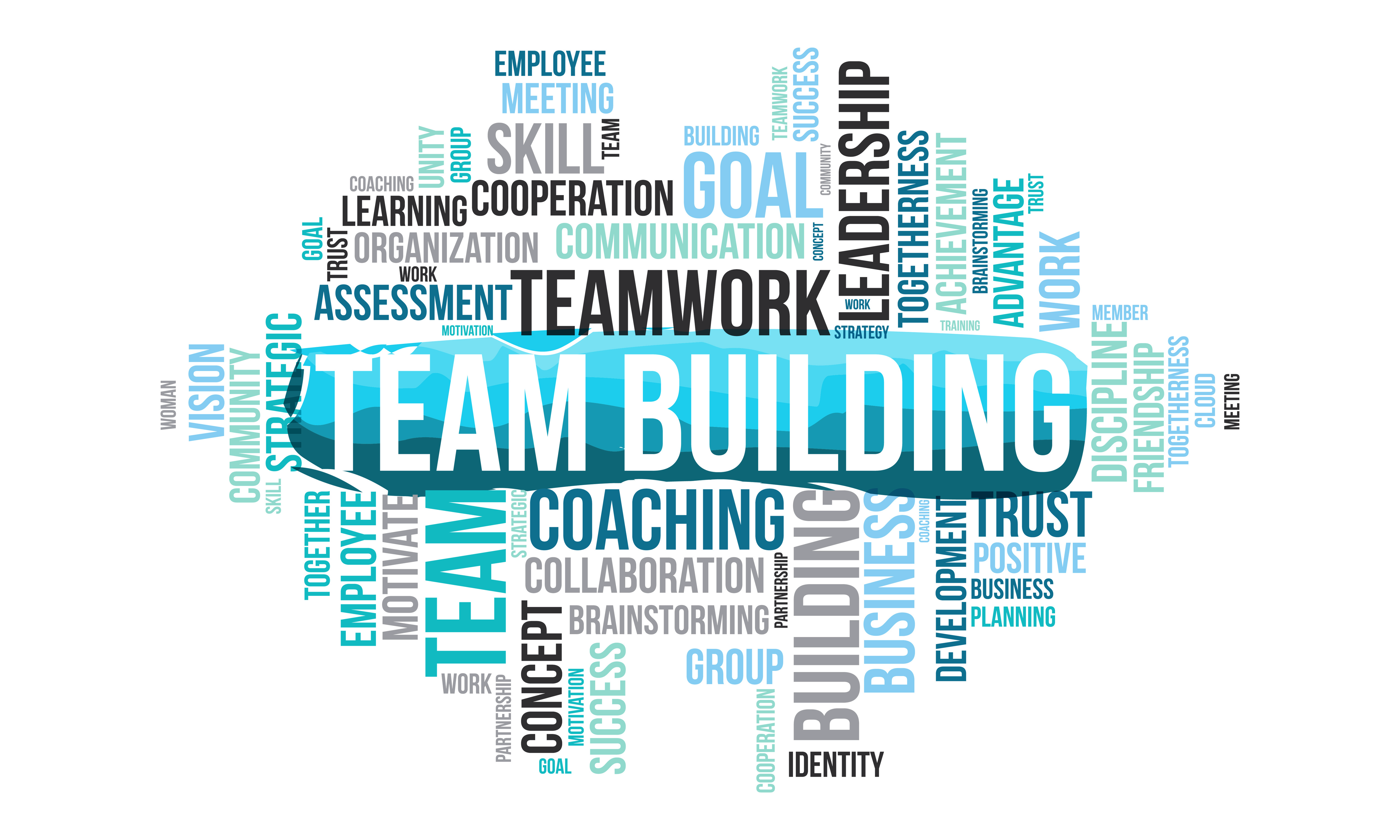
Effective team building is essential for organizational success. Whether in startups or multinational corporations, high-performing teams drive innovation, enhance productivity, and cultivate a culture of collaboration. But what does it take to build such teams? Experts agree that it goes far beyond icebreakers and team outings.
  1. Define Clear Goals and Roles
    One of the cornerstones of effective team building is clarity. Teams function best when each member understands the group’s objectives and their individual responsibilities. Setting measurable goals ensures alignment and provides a shared sense of purpose. Leaders should also communicate how each role contributes to the bigger picture, which fosters accountability and motivation.
  2. Foster Open Communication
    Creating a safe space for honest dialogue is vital. Open communication builds trust, helps resolve conflicts quickly, and allows for the free exchange of ideas. Techniques such as regular team check-ins, one-on-one meetings, and anonymous feedback tools can promote transparency and inclusivity. Active listening is equally important—leaders should not only speak clearly but also make a concerted effort to hear and respond to team concerns.
  3. Encourage Diversity and Inclusion
    Diverse teams bring a wealth of perspectives, leading to more creative and effective problem-solving. Inclusion ensures that every team member feels valued and empowered to contribute. Organizations should strive to hire for diversity and then create systems that support equitable collaboration, such as mentorship programs and bias training.
  4. Invest in Professional Development
    Great teams are made of individuals who are constantly learning and growing. Offering training opportunities, workshops, and access to online learning platforms helps employees develop both hard and soft skills. This investment not only strengthens the team’s capabilities but also boosts morale and retention.
  5. Celebrate Success and Learn from Failure
    Recognizing achievements—both big and small—reinforces positive behaviors and builds team morale. Whether through formal awards or informal shout-outs, appreciation goes a long way. At the same time, addressing failures with a growth mindset encourages resilience and innovation. Post-project reviews and lessons-learned sessions can turn setbacks into stepping stones.
  6. Leverage Team-Building Activities Thoughtfully
    While traditional team-building exercises like retreats or trust falls have their place, the most effective activities are those that align with the team’s culture and objectives. Activities that require collaboration and problem-solving—such as escape rooms, hackathons, or volunteer projects—can strengthen interpersonal bonds and mirror real workplace dynamics.
  7. Lead by Example
    Ultimately, team culture is shaped by leadership. Managers who demonstrate empathy, integrity, and a commitment to teamwork set the tone for the entire group. Authentic leadership inspires loyalty and fosters a sense of psychological safety, which is essential for risk-taking and innovation.


Team building is a continuous process that requires intention, strategy, and adaptability. As the workplace continues to evolve—driven by remote work, AI integration, and generational shifts—organizations that prioritize strong team dynamics will be better positioned to thrive.

As management consultant Patrick Lencioni famously said, “Not finance. Not strategy. Not technology. It is teamwork that remains the ultimate competitive advantage.”

Navigating Self-Improvement in the Digital Age

When technology rapidly evolves and societal norms continuously shift, self-improvement has emerged as a prominent movement, captivating the attention of millions worldwide. From mindfulness practices to professional development, the pursuit of personal growth has become a defining feature of contemporary life.

The Rise of Self-Improvement

The self-improvement industry has seen exponential growth in recent years. According to Market Research Future, the global personal development market is projected to reach USD $41.81 billion by 2027, expanding at a compound annual growth rate (CAGR) of 5.1%. This surge is driven by a growing awareness of mental health, the want for work-life balance, and the accessibility of self-improvement resources.

Digital Platforms Fuel Growth

The advent of digital platforms has revolutionized access to self-improvement content. Podcasts, webinars, and online courses offer a plethora of resources, enabling individuals to embark on their personal development journeys from the comfort of their homes. Popular platforms like MasterClass, Skillshare, and Coursera give courses on a wide range of topics, from leadership skills to creative writing, making self-improvement more accessible than ever before.

Mindfulness and Mental Health

Mindfulness and mental health have become central themes in the self-improvement narrative. The rise of mindfulness apps like Headspace and Calm underscores the increasing recognition of the importance of mental well-being. These apps offer guided meditations, breathing exercises, and sleep stories, helping users manage stress and improve their mental health.

Dr. Sarah Thompson, a psychologist and mindfulness expert, explains, “The integration of mindfulness practices into daily life can lead to significant improvements in mental health, reducing anxiety and depression while enhancing overall well-being.”

Professional Development

In the professional realm, self-improvement is closely linked with career advancement. Employers are increasingly recognizing the value of investing in their employees’ personal development. Programs focused on leadership training, communication skills, and emotional intelligence are becoming commonplace in the corporate world.

John Miller, CEO of a leading tech firm, emphasizes, “Continuous learning and development are crucial for staying competitive in today’s fast-paced business environment. By investing in our employees’ growth, we not only enhance their skills but also foster a culture of innovation and resilience.”

The Role of Social Media

Social media has played a pivotal role in popularizing self-improvement. Influencers and thought leaders share their journeys, offering tips and inspiration to their followers. Hashtags like #SelfImprovement, #PersonalGrowth, and #Mindfulness have garnered millions of posts, creating a global community of individuals committed to bettering themselves.

However, experts caution against the potential downsides of social media-driven self-improvement. Dr. Emily Roberts, a sociologist, notes, “While social media can be a valuable source of inspiration, it can also create unrealistic expectations and contribute to feelings of inadequacy. It’s important for individuals to set realistic goals and understand that personal growth is a continuous, individualized process.”

Looking Ahead

The future of self-improvement looks promising as more people embrace the journey of personal growth. As technological advancements continue and societal attitudes towards mental health evolve, the self-improvement movement is poised to make a lasting impact on individuals and communities worldwide.

The self-improvement surge is a significant cultural shift towards prioritizing personal growth and well-being. With the support of digital platforms, corporate initiatives, and a global community, individuals are empowered to embark on their unique journeys of self-discovery and development. As the movement continues to gain momentum, it holds the potential to transform lives and shape a more mindful, resilient, and fulfilled society.