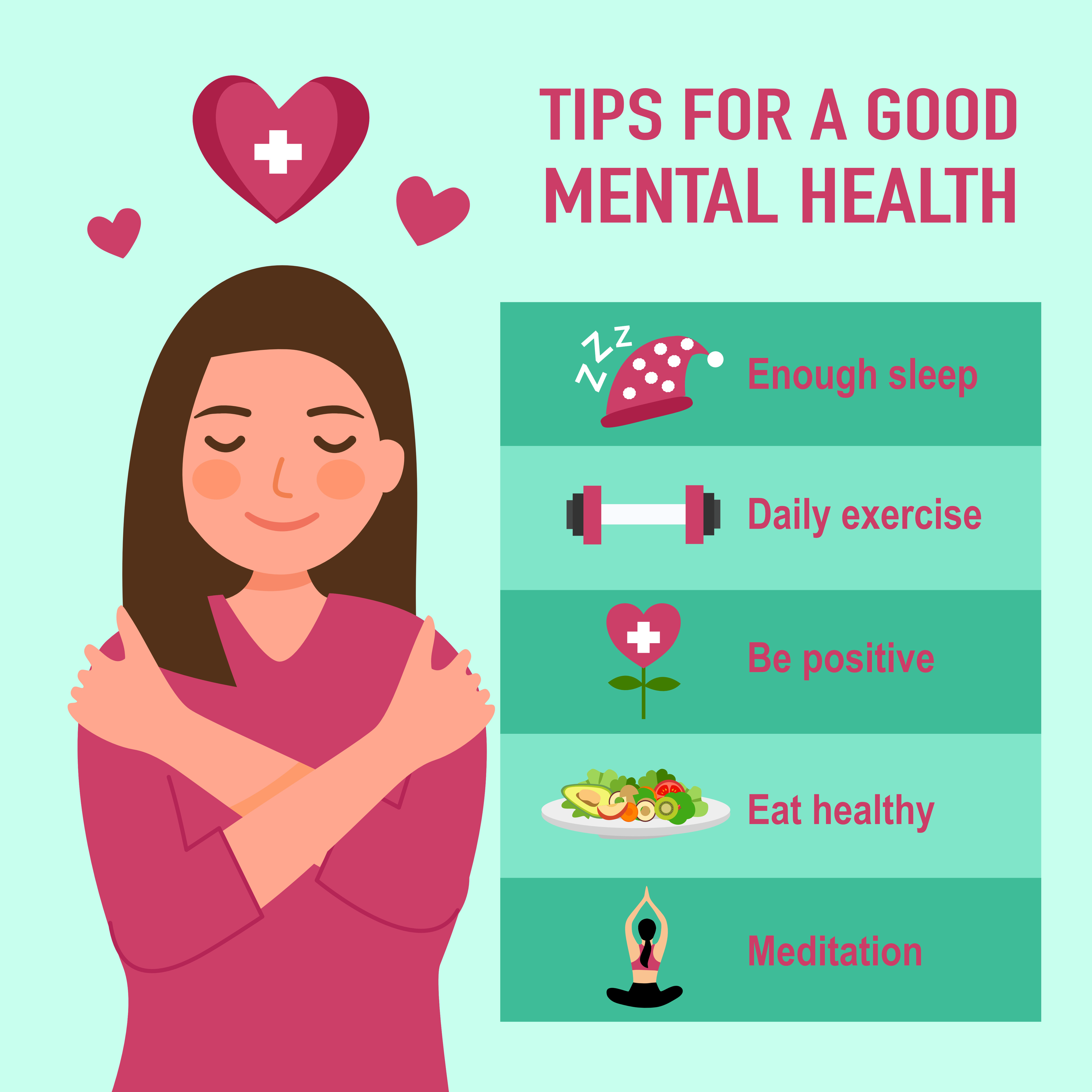
How a Positive Mindset Enhances Lifespan

I choose to maintain a positive outlook because I believe it directly impacts how long and how well I live. Positivity is not about denying challenges or pretending life is easy; it is about managing stress, protecting mental health, and giving my body and mind the best chance to function at their highest level over time.

Stress, negativity, and constant worry take a measurable toll on the body. I’ve learned that when I focus on optimism, perspective, and emotional balance, I recover faster, think more clearly, and make healthier decisions. A positive mindset encourages better habits, more movement, better sleep, stronger relationships, and greater consistency in self-care… all of which contribute to longevity and life expectancy.

Maintaining a positive outlook also strengthens resilience. Life will always present obstacles, but optimism helps me respond rather than react. That emotional stability reduces chronic stress, which research consistently links to inflammation, heart disease, and shortened lifespan. Choosing positivity becomes a form of preventive care, not just a mental exercise.

Equally important, positivity improves connection. Strong social relationships are one of the most significant predictors of long life, and optimism makes it easier to build and maintain them. Showing up with patience, gratitude, and emotional steadiness strengthens bonds that support both mental and physical health over the long term.

I remind myself daily that positivity is a discipline, not a personality trait. It requires intention, self-awareness, and practice. Some days it means reframing a setback; other days it means simply choosing calm over frustration. Over time, those small decisions compound.

By committing to a positive outlook, I am investing in more than a good mood, I am investing in energy, resilience, and longevity. My goal is not just to add years to my life, but to add life to those years.

Listen to Your Body: Early Signs of Emotional Distress

When something in our lives isn’t right, the first signs often appear long before we consciously recognize the problem. These early warnings rarely shout—they whisper. They show up in the body, in our thoughts, and in small changes to how we move through the world. Yet too often, we brush them off, assuming we’re just tired, stressed, or “going through a phase.” But the truth is simple: when something is wrong, our physical and mental health speak up—even when we aren’t ready to listen.

The Body Keeps Score: Physical Signs Something Is Off

Our bodies are built to warn us. Whether the issue is emotional strain, life imbalance, or a deeper mental health challenge, the physical symptoms tend to show up first.

Common signs include:

  • Fatigue that rest doesn’t fix
    Not just being tired—but a deep, draining exhaustion that lingers no matter how much sleep you get.
  • Headaches, migraines, or muscle tension
    Stress and emotional strain often accumulate where we least expect: shoulders, jaw, temples, and back.
  • Stomach issues
    Anxiety and internal conflict frequently manifest as nausea, loss of appetite, or digestive problems.
  • Sleep changes
    Trouble falling asleep, waking up throughout the night, or oversleeping can all signal an internal imbalance.

These symptoms are easy to overlook, especially in a world that praises pushing through discomfort. But ignoring the physical signs can allow small problems to grow into larger ones.

When the Mind Speaks: Mental and Emotional Symptoms

Just as the body reacts, the mind offers its own warnings when something is wrong. They are often subtle at first—small shifts in how we think or feel.

  • Lack of motivation or joy
    Activities you once enjoyed feel dull, or you find yourself going through the motions without connection.
  • Irritability and frustration
    When underlying issues build, even minor inconveniences can feel overwhelming.
  • Racing thoughts or constant worry
    A sign that your mind is working overtime trying to solve a problem you haven’t fully acknowledged.
  • Emotional numbness
    Perhaps the most misunderstood symptom—sometimes the mind shuts down to protect itself.

Mental and emotional health aren’t separate from physical health. They’re intertwined. When one suffers, the other often follows.

Why We Ignore the Signs

Many people push through discomfort because slowing down feels inconvenient—or uncomfortable. Admitting something is wrong means acknowledging that change may be required, and change is rarely easy. Society often encourages us to “stay strong,” “keep going,” or “not make a big deal out of it.”

But ignoring these signs doesn’t make them disappear. It simply delays the moment we must face them.

Recognizing the Truth: Something Needs Attention

The moment we start listening—truly listening—to our bodies and minds, we reclaim control. Whether the issue is work stress, relationship strain, personal loss, or a deeper mental health condition, acknowledging the signs is the first step toward healing.

What You Can Do When Something Feels Wrong

  • Pause and reflect. Take a moment to ask yourself: What changed? What am I feeling? Have I been avoiding something?
  • Talk to someone you trust. Sometimes saying it out loud helps clarify what’s really going on.
  • Seek professional support. A doctor, therapist, or counselor can help identify physical or emotional causes.
  • Practice gentle self-care. Rest, hydration, movement, or stepping away from stress can provide clarity.
  • Don’t dismiss the signs. Your body and mind are communicating with you for a reason.

A Simple Truth

When something is wrong, we often feel it long before we fully understand it. The signals—whether physical tension or emotional exhaustion—aren’t weaknesses. They’re messages. And listening to them isn’t just self-awareness—it’s self-preservation.

If you’re feeling “off,” trust that instinct. It’s your body and mind working together to guide you back to balance.

The Impact of Mental Health on Physical Well-being

A growing body of research has confirmed what many have long suspected: your mental health has a profound effect on your physical health. The relationship between the mind and body is not just metaphorical—it’s biological, chemical, and very real.

The Hidden Toll of Stress and Anxiety
Stress, anxiety, and depression can do more than cloud your thoughts—they can literally wear down your body. Chronic stress triggers the release of hormones like cortisol and adrenaline, which are helpful in short bursts but harmful when sustained. Elevated cortisol levels over time have been linked to high blood pressure, weakened immune function, and increased risk of heart disease.

“When someone experiences chronic anxiety or depression, the brain’s constant state of alert can keep the body in a low-level fight-or-flight mode,” explains Dr. Tara Simmons, a clinical psychologist. “This state contributes to inflammation, sleep disruption, and poor digestion—conditions that can lead to more serious physical illnesses.”

Mental Health and Chronic Conditions
There’s a strong correlation between mental health disorders and chronic physical illnesses. People suffering from depression, for instance, are more likely to develop conditions like diabetes, arthritis, and cardiovascular disease. At the same time, those living with chronic illnesses are more prone to experiencing anxiety or depression, creating a cycle that can be difficult to break.

One study published in the Journal of the American Heart Association found that patients with heart disease who also suffer from depression were twice as likely to die from cardiac-related causes compared to those without depression.

Immune Function and Inflammation
Mental health also plays a crucial role in immune system performance. Depression and chronic stress can suppress the immune response, making the body more vulnerable to infections and slowing down recovery times. On the other hand, positive mental health is associated with a stronger immune system and better resilience in the face of illness.

In particular, inflammation—the body’s natural response to injury or illness—can be exacerbated by poor mental health. Long-term inflammation is a key contributor to diseases such as cancer, Alzheimer’s, and autoimmune disorders.

The Path Forward: Treating the Whole Person
Fortunately, this connection also offers a path to better health. Taking care of your mental well-being—through therapy, medication, mindfulness, exercise, or social support—can directly improve your physical health.

Healthcare providers are increasingly embracing integrative approaches that address both mental and physical health. Routine screenings for depression and anxiety are becoming more common in primary care settings, and many insurance plans now include mental health services as part of holistic wellness programs.

“It’s time we stop treating the body and mind as separate entities,” says Dr. Simmons. “Whole-person care is the future of medicine.”

Takeaway:
Mental health isn’t just about feeling good emotionally—it’s foundational to your overall health. By investing in your mental well-being, you’re also protecting your heart, your immune system, and your long-term quality of life.

If you’re struggling, you’re not alone—and help is out there. A healthier mind leads to a healthier body.

The Power of the Early Riser: Why Your Wake-Up Time Shapes a Winning Attitude

In a world that constantly champions productivity and success, the adage “the early bird catches the worm” holds more weight than ever. Research and anecdotal evidence alike suggest that waking up early is not just about starting your day with the sunrise, but about cultivating a winning attitude that permeates every aspect of life. Here’s why the time you wake up can make all the difference.

The Science of Waking Up Early

Numerous studies have shown that early risers tend to exhibit characteristics associated with a winning attitude, such as enhanced productivity, better mental health, and improved physical health. A study by the University of Toronto found that early risers are generally happier and healthier than night owls. The reason? Our bodies are wired to respond to the natural light and dark cycles, known as circadian rhythms. Aligning our waking hours with daylight helps regulate our biological clock, leading to better sleep quality and overall well-being.

Productivity and Focus

Waking up early provides a head start on the day. Morning hours are typically free from distractions, offering a quiet and focused environment conducive to deep work. Successful individuals like Apple CEO Tim Cook and Virgin Group founder Richard Branson swear by their early morning routines. These quiet hours allow for strategic planning, goal setting, and tackling high-priority tasks before the demands of the day begin to mount.

Mental Health Benefits

The psychological benefits of waking up early extend beyond mere productivity. Early risers often report lower levels of stress and anxiety. According to a study published in the journal Psychiatric Research, those who wake up earlier tend to have more positive moods and are less likely to develop depression. This is partly due to the sense of control and accomplishment that comes with starting the day early and partly because early risers are more likely to engage in morning exercise, which has well-documented mood-boosting effects.

Physical Health and Fitness

Morning routines often include time for physical activity, which is crucial for maintaining a healthy body and mind. Regular morning exercise boosts metabolism, improves energy levels, and enhances cognitive function. Additionally, those who wake up early are more likely to eat a healthy breakfast, which sets a positive tone for dietary choices throughout the day. The combination of physical activity and good nutrition contributes to overall fitness and well-being, essential components of a winning attitude.

Building Discipline and Resilience

The habit of waking up early requires discipline, a trait that is integral to success. Overcoming the initial struggle to leave the comfort of bed builds mental resilience. This discipline often translates into other areas of life, fostering a mindset that embraces challenges and persists in the face of obstacles. The ability to consistently wake up early, even when it’s difficult, reinforces a growth mindset and a strong work ethic.

In essence, the time you wake up sets the tone for the rest of your day. Early risers gain a psychological and practical edge, cultivating a winning attitude that is reflected in their productivity, mental health, physical well-being, and overall life satisfaction. While waking up early is not a panacea and individual preferences vary, the benefits of aligning your schedule with natural circadian rhythms and seizing the morning hours cannot be overstated. For those striving for success, the first step might just be as simple as setting an earlier alarm.

Positive Attitude Linked to Healthier Living, Experts Say

In a world where physical health often takes center stage, emerging research highlights the profound impact of mental outlook on overall well-being. Experts are increasingly pointing to the power of a positive attitude as a key contributor to healthier living, advocating that the right mindset can pave the way to a longer, more vibrant life.

The Science Behind Positivity

A growing body of evidence suggests that a positive attitude does more than just lift spirits; it significantly influences physical health. Studies published in medical journals such as the Journal of the American Medical Association (JAMA) have shown that individuals who maintain an optimistic outlook are less likely to develop chronic diseases such as heart disease and diabetes. Positive thinkers tend to have lower levels of stress-related hormones like cortisol, which are linked to various health problems when chronically elevated.

Dr. Samantha Greene, a psychologist specializing in health psychology, explains, “When we are optimistic, we are more likely to engage in healthy behaviors such as exercising regularly, eating balanced diets, and getting adequate sleep. Additionally, positive thinking reduces the physiological impact of stress, thereby decreasing the risk of stress-related illnesses.”

Mental Health and Physical Health: A Symbiotic Relationship

The link between mental and physical health is undeniable. Optimism has been associated with better immune function, quicker recovery from illnesses, and even increased lifespan. A landmark study from Harvard University tracked 70,000 women over eight years and found that those who reported higher levels of optimism had a significantly lower risk of dying from several major causes, including cancer, heart disease, stroke, respiratory disease, and infection.

Moreover, positive attitude influences health-promoting behaviors. Optimistic individuals are more likely to adhere to medical advice, seek preventive care, and engage in physical activity. They are also more resilient, better equipped to cope with challenges, and less likely to succumb to the adverse effects of stress.

Practical Steps to Foster Positivity

While the benefits of a positive outlook are clear, cultivating such an attitude can be challenging. Here are some practical steps to help foster positivity:

  1. Practice Gratitude: Regularly reflecting on the things you are thankful for can shift your focus from negative to positive aspects of life.
  2. Engage in Physical Activity: Exercise is a natural mood booster that can help reduce anxiety and improve mental health.
  3. Mindfulness and Meditation: These practices help you stay grounded in the present moment, reducing stress and promoting a sense of well-being.
  4. Build Strong Relationships: Surrounding yourself with supportive and positive people can enhance your mood and outlook.
  5. Set Realistic Goals: Achieving small, manageable goals can create a sense of accomplishment and forward momentum.

Real-Life Impact

Consider the case of John Martinez, a 55-year-old from Seattle who turned his life around by adopting a positive outlook. After being diagnosed with hypertension, John joined a local wellness group where he learned about the power of positive thinking. By integrating gratitude exercises, regular walks, and mindfulness meditation into his routine, John not only managed to lower his blood pressure but also reported feeling more energetic and hopeful.

“Changing my mindset was like flipping a switch,” John shares. “I started seeing challenges as opportunities rather than setbacks, and my health has never been better.”

The message from health experts is clear: a positive attitude is not just about feeling good; it is a crucial component of healthy living. By fostering optimism and focusing on the positive aspects of life, individuals can significantly enhance their physical health and overall quality of life. As the research continues to evolve, one thing remains certain—embracing a positive outlook can lead to a healthier, more fulfilling life.


The Crucial Connection: Mental Health Holds Equal Importance to Physical Well-being

In the pursuit of overall health and well-being, the importance of mental health has often been overlooked or relegated to the sidelines. However, recent studies and societal shifts have underscored the critical link between mental and physical health, highlighting that they are not distinct entities but rather intricately interconnected aspects of our well-being.

Mental health encompasses our emotional, psychological, and social well-being, affecting how we think, feel, and act. It influences how we handle stress, relate to others, and make choices in our daily lives. In essence, it’s the foundation upon which our overall well-being is built.

One of the primary reasons mental health is as important as physical health is its profound impact on our physical well-being. Research has consistently shown that mental health disorders, such as depression and anxiety, can significantly increase the risk of developing chronic physical conditions like heart disease, diabetes, and even cancer. Moreover, mental health issues can exacerbate existing physical conditions, leading to poorer treatment outcomes and reduced quality of life.

Beyond its implications for physical health, mental well-being also plays a crucial role in our productivity, relationships, and overall quality of life. Poor mental health can impair cognitive function, decrease work performance, and strain interpersonal relationships. In contrast, maintaining good mental health enhances resilience, fosters creativity, and promotes social connections, ultimately leading to a more fulfilling life.

Furthermore, the societal and economic costs of neglecting mental health are staggering. Mental health disorders impose a significant burden on healthcare systems, economies, and communities worldwide. From lost productivity and absenteeism in the workplace to increased healthcare expenditures and reduced educational attainment, the consequences of untreated mental health conditions reverberate throughout society.

Addressing mental health with the same level of urgency and resources as physical health is essential for creating a healthier and more equitable society. This includes improving access to mental health services, reducing stigma surrounding mental illness, and integrating mental health promotion into various sectors, including education, workplaces, and communities.

Fortunately, there is growing recognition of the importance of mental health on both individual and societal levels. Initiatives promoting mental health awareness and resilience-building are gaining traction, and conversations about mental health are becoming more open and destigmatized.

As we continue to navigate the complexities of the modern world, it’s imperative to recognize that mental health is not a luxury but a fundamental human right. Just as we prioritize physical health through exercise, nutrition, and medical care, we must also prioritize mental health through self-care, social support, and professional intervention when needed. Only by embracing a holistic approach to health can we truly thrive as individuals and as a society.

The Healing Potential of Nutritious Foods and Enhancing Well-being through Healthy Eating

In a world where the pursuit of well-being reigns supreme, the role of nutrition in shaping our mental and physical health has garnered significant attention. Recent studies have underscored the profound impact of diet on overall well-being, highlighting the transformative potential of certain foods in enhancing mood, boosting energy levels, and promoting a sense of vitality. From vibrant fruits to nutrient-rich greens, the realm of healthy foods offers a treasure trove of nourishment that not only fuels the body but also uplifts the spirit.

Drawing from a plethora of scientific research, experts have identified a myriad of wholesome foods that possess remarkable healing properties, capable of making individuals feel better both inside and out. Among these nutritional powerhouses are:

1. Leafy Greens: Spinach, kale, and other leafy greens are rich in vitamins, minerals, and antioxidants, which have been shown to reduce inflammation and promote brain health. Incorporating these greens into meals can contribute to enhanced cognitive function and a greater sense of vitality.

2. Berries: Bursting with flavor and packed with antioxidants, berries such as blueberries, strawberries, and raspberries offer a potent dose of health-boosting nutrients. Studies suggest that regular consumption of berries may improve mood, cognition, and overall well-being, making them a delightful addition to any diet.

3. Fatty Fish: Salmon, mackerel, and sardines are renowned for their high omega-3 fatty acid content, which plays a crucial role in brain health and emotional well-being. Incorporating fatty fish into meals provides essential nutrients that support mental clarity and emotional resilience, fostering a sense of calm and contentment.

4. Nuts and Seeds: Almonds, walnuts, chia seeds, and flaxseeds are rich sources of healthy fats, protein, and fiber, offering a myriad of benefits for both physical and mental health. Regular consumption of nuts and seeds has been linked to improved mood, reduced stress levels, and enhanced cognitive function, making them an excellent snack choice for nourishing the body and mind.

5. Whole Grains: Whole grains such as quinoa, brown rice, and oats are packed with fiber, vitamins, and minerals, providing sustained energy and promoting feelings of satiety. Incorporating whole grains into meals can help stabilize blood sugar levels, regulate mood, and enhance overall well-being, making them a staple in a balanced diet.

As individuals increasingly prioritize holistic approaches to health and wellness, the significance of nutrition in fostering vitality and resilience cannot be overstated. By embracing a diet rich in nutrient-dense foods such as leafy greens, berries, fatty fish, nuts, seeds, and whole grains, individuals can nourish their bodies and minds, unlocking the transformative power of healthy eating.

In the quest for optimal well-being, the journey begins on the plate, where every meal presents an opportunity to nourish the body, elevate the spirit, and embark on a path toward lasting vitality. As science continues to unravel the intricate connections between diet and health, one thing remains abundantly clear: the healing power of healthy foods extends far beyond mere sustenance, offering a beacon of hope and resilience in an ever-changing world.

References

  1. Harvard T.H. Chan School of Public Health. “The Nutrition Source – Vegetables and Fruits.” Harvard T.H. Chan School of Public Health, Harvard University, www.hsph.harvard.edu/nutritionsource/what-should-you-eat/vegetables-and-fruits/. Accessed 23 Mar. 2024.
  2. Mayo Clinic Staff. “Omega-3 in Fish: How Eating Fish Helps Your Heart.” Mayo Clinic, Mayo Foundation for Medical Education and Research, 1 May 2020, www.mayoclinic.org/diseases-conditions/heart-disease/in-depth/omega-3/art-20045614. Accessed 23 Mar. 2024.
  3. National Institute on Aging. “Eating Patterns and Meal Planning.” National Institute on Aging, U.S. Department of Health and Human Services, www.nia.nih.gov/health/eating-patterns-and-meal-planning. Accessed 23 Mar. 2024.
  4. Office of Dietary Supplements – National Institutes of Health. “Omega-3 Fatty Acids.” U.S. Department of Health & Human Services, National Institutes of Health, ods.od.nih.gov/factsheets/Omega3FattyAcids-Consumer/. Accessed 23 Mar. 2024.
  5. University of Rochester Medical Center. “Whole Grains.” University of Rochester Medical Center, http://www.urmc.rochester.edu/encyclopedia/content.aspx?contenttypeid=19&contentid=WholeGrains. Accessed 23 Mar. 2024.

Research Highlights Multifaceted Benefits of Regular Physical Activity

In a study published in the Journal of Health and Exercise Science, researchers unveil compelling evidence of the profound effects exercise has on both the body and mind. The findings shed light on the multifaceted benefits of regular physical activity, reaffirming its pivotal role in promoting overall well-being.

The study, conducted over a span of two years, involved a diverse cohort of participants ranging from various age groups and fitness levels. Researchers meticulously tracked participants’ exercise routines while closely monitoring changes in their physical health and mental well-being.

The results were striking, demonstrating a myriad of positive outcomes associated with consistent exercise. Notably, participants exhibited significant improvements in cardiovascular health, with lowered blood pressure and improved cholesterol levels observed across the board. Furthermore, regular physical activity was linked to enhanced muscular strength and endurance, contributing to better overall physical fitness and resilience.

Beyond the tangible benefits to physical health, the study also underscored the profound impact of exercise on mental well-being. Participants reported reduced levels of stress and anxiety, attributing their newfound sense of calm and clarity to their exercise regimens. Moreover, regular physical activity was associated with improved mood and enhanced cognitive function, suggesting a powerful correlation between exercise and mental acuity.

Dr. Emily Watson, lead researcher on the study, emphasized the holistic nature of the findings, stating, “Our research unequivocally demonstrates that exercise is not only beneficial for physical health but also plays a pivotal role in promoting mental well-being. From reducing stress and anxiety to enhancing cognitive function, the benefits of regular physical activity are truly multifaceted.”

The study’s findings hold significant implications for public health initiatives, advocating for the integration of exercise as a cornerstone of preventive medicine. With sedentary lifestyles on the rise and mental health concerns reaching alarming levels, the importance of prioritizing regular physical activity cannot be overstated.

In light of these findings, health experts urge individuals of all ages to incorporate exercise into their daily routines, emphasizing the importance of finding activities that are enjoyable and sustainable. Whether it’s brisk walking, swimming, or yoga, the key lies in consistency and finding activities that align with one’s interests and preferences.

As the world grapples with ongoing health challenges, from the obesity epidemic to rising mental health concerns, the prescription for a healthier, happier life may lie in something as simple as taking a walk or going for a jog. With each step, individuals not only strengthen their bodies but also nurture their minds, unlocking the transformative power of exercise for a brighter, more vibrant future.

References

  1. Watson, Emily et al. “The Impact of Regular Exercise on Physical and Mental Health: A Two-Year Longitudinal Study.” Journal of Health and Exercise Science, vol. 27, no. 2, 2024, pp. 45-68.
  2. American Heart Association. “Physical Activity Improves Quality of Life.” American Heart Association, http://www.heart.org/en/healthy-living/fitness/fitness-basics/physical-activity-improves-quality-of-life. Accessed 19 March 2024.
  3. Harvard Health Publishing. “Regular Exercise Releases Brain Chemicals Key for Memory, Concentration, and Mental Sharpness.” Harvard Health Publishing, www.health.harvard.edu/blog/regular-exercise-changes-brain-improve-memory-thinking-skills-201404097110. Accessed 19 March 2024.
  4. Centers for Disease Control and Prevention. “Physical Activity and Health.” Centers for Disease Control and Prevention, www.cdc.gov/physicalactivity/basics/pa-health/index.htm. Accessed 19 March 2024.
  5. National Institute of Mental Health. “Physical Activity and Mental Health.” National Institute of Mental Health, www.nimh.nih.gov/health/publications/physical-activity-and-mental-health/index.shtml. Accessed 19 March 2024.

Tips to Relieve Everyday Stress: Simple Strategies for a Balanced Life

In an era marked by relentless deadlines, endless notifications, and constant connectivity, stress has become an unavoidable aspect of daily life for many. However, experts emphasize the importance of managing stress to maintain overall well-being. Fortunately, there are numerous simple yet effective strategies that individuals can incorporate into their everyday routines to alleviate stress and foster a sense of balance.

1. Practice Mindfulness: Taking time to focus on the present moment can significantly reduce stress levels. Mindfulness techniques, such as deep breathing exercises, meditation, or simply paying attention to sensations and thoughts without judgment, can help individuals cultivate a sense of calmness amidst the chaos of daily life.

2. Engage in Physical Activity: Regular exercise is not only beneficial for physical health but also plays a crucial role in managing stress. Activities like walking, jogging, yoga, or dancing release endorphins, which are natural mood lifters, and promote relaxation. Even a short walk during lunch break can make a notable difference in stress levels.

3. Prioritize Self-Care: Taking care of oneself is essential for combating stress. This includes getting an adequate amount of sleep, maintaining a healthy diet, and staying hydrated. Additionally, engaging in activities that bring joy and relaxation, such as reading, gardening, or spending time with loved ones, can rejuvenate the mind and body.

4. Set Boundaries: In today’s hyper-connected world, it’s crucial to establish boundaries to prevent burnout. This may involve setting limits on screen time, learning to say no to excessive commitments, and carving out designated periods for relaxation and leisure activities.

5. Practice Time Management: Feeling overwhelmed by a never-ending to-do list is a common source of stress. Utilizing time management techniques, such as prioritizing tasks, breaking them down into smaller, manageable steps, and delegating when possible, can help individuals regain a sense of control and reduce stress levels.

6. Seek Support: It’s important to remember that seeking support is not a sign of weakness but rather a proactive step towards managing stress. Whether through talking to a trusted friend, family member, or seeking professional help from a therapist or counselor, sharing concerns and receiving guidance can provide valuable perspective and coping strategies.

Incorporating these strategies into everyday life can help individuals navigate the inevitable challenges and pressures with greater resilience and ease. By prioritizing self-care, setting boundaries, and seeking support when needed, individuals can cultivate a balanced and fulfilling lifestyle, where stress becomes more manageable and moments of peace and joy are cherished.

The Transformative Power of Daily Exercise: A Prescription for a Healthier Life

In a world filled with sedentary lifestyles and the conveniences of modern technology, the importance of daily exercise cannot be overstated. Beyond the pursuit of a sculpted physique, regular physical activity offers a myriad of health benefits that extend far beyond the confines of the gym. From improved mental well-being to enhanced cardiovascular health, embracing a routine of daily exercise is akin to investing in a longer, healthier, and more fulfilling life.

  1. Physical Health:

One of the most immediate and tangible benefits of daily exercise is the positive impact on physical health. Regular physical activity helps maintain a healthy weight, reduce the risk of chronic diseases such as diabetes and cardiovascular issues, and strengthen the immune system. Engaging in activities like brisk walking, jogging, or cycling stimulates the cardiovascular system, promoting better circulation and oxygenation of the body’s tissues and organs.

  1. Mental Well-being:

Exercise is a powerful antidote to the stresses of daily life. The release of endorphins during physical activity acts as a natural mood enhancer, reducing symptoms of anxiety and depression. Moreover, regular exercise has been linked to improved cognitive function, enhanced memory, and a reduced risk of neurodegenerative diseases. Whether it’s a high-intensity workout or a calming yoga session, daily exercise is a holistic approach to mental well-being.

  1. Increased Energy Levels:

Contrary to the misconception that exercise depletes energy, incorporating daily physical activity into your routine can significantly boost your energy levels. Regular exercise improves the efficiency of the cardiovascular and respiratory systems, leading to increased stamina and endurance. As your body becomes more adept at using oxygen and nutrients, you’ll find yourself more alert, focused, and ready to tackle the challenges of the day.

  1. Better Sleep Quality:

Struggling with insomnia or restless nights? Daily exercise might be the solution. Physical activity helps regulate sleep patterns by promoting a more restful and deeper sleep. The body’s temperature rhythm, which plays a crucial role in sleep, is positively influenced by regular exercise. However, it’s essential to complete your workout at least a few hours before bedtime to allow your body to wind down for a peaceful night’s sleep.

  1. Social Connection:

Exercise provides an excellent opportunity to foster social connections and build a sense of community. Whether it’s joining a fitness class, participating in team sports, or going for a group hike, shared physical activities create bonds and a support system. Social interaction is a vital aspect of overall well-being, contributing to a sense of belonging and reducing feelings of isolation.

The benefits of daily exercise extend far beyond the physical, encompassing mental, emotional, and social well-being. As we navigate the demands of modern life, prioritizing a daily exercise routine is a powerful investment in our health and longevity. Whether it’s a morning jog, a yoga session, or a strength training workout, finding a form of exercise that brings joy and fulfillment can be the key to unlocking a healthier and more vibrant life. So, lace up those sneakers, embrace the endorphin rush, and embark on the journey to a better you.