Medicare Advantage vs Original Medicare


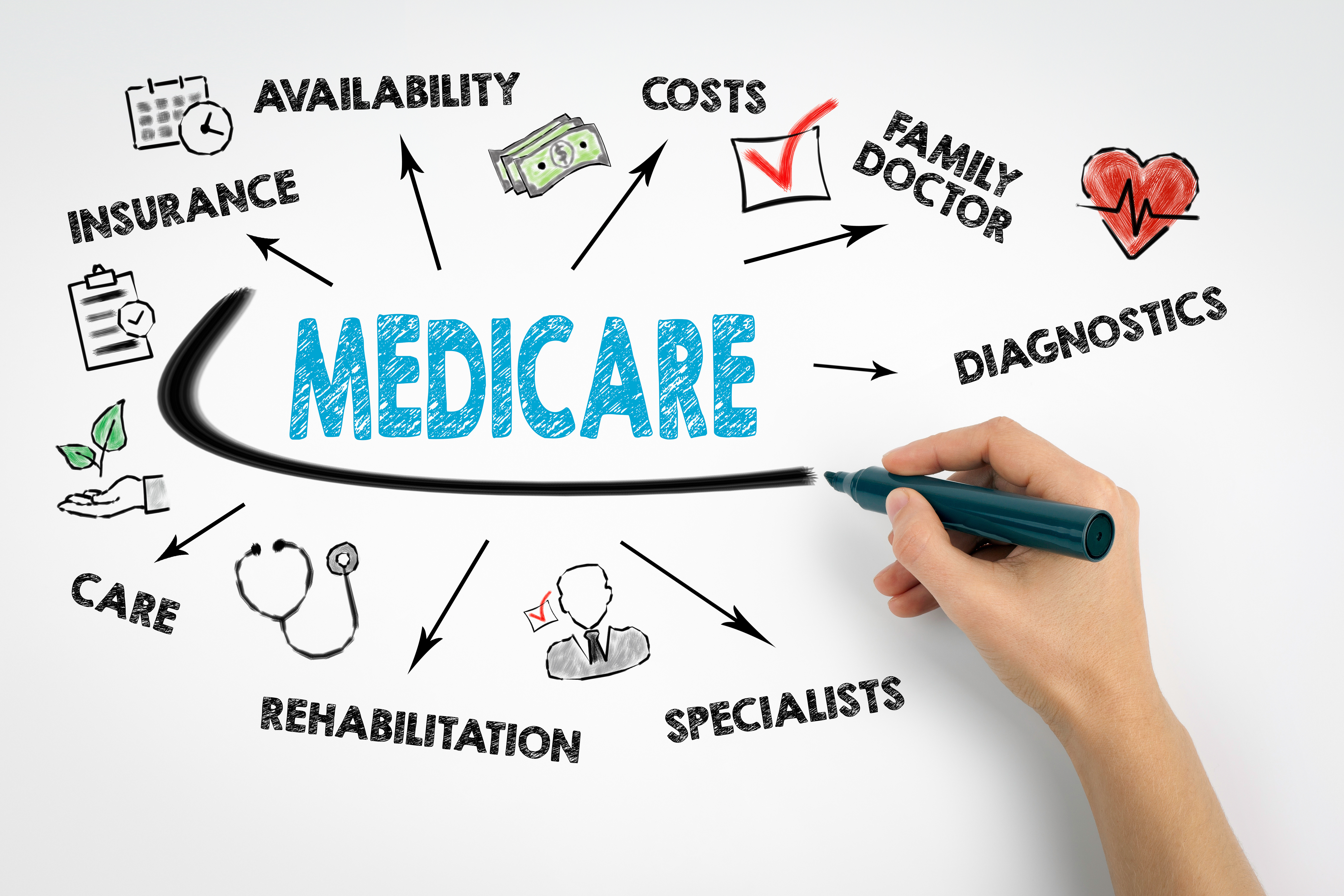
Choosing Medicare Advantage over Original Medicare can offer several advantages tailored to your individual healthcare needs and preferences. Firstly, Medicare Advantage plans often provide an all-in-one solution that combines hospital coverage (Part A), medical coverage (Part B), and prescription drug coverage (Part D) into a single plan. This comprehensive coverage can simplify your healthcare experience by consolidating various aspects of your care under one policy. With Original Medicare, you’d typically need to purchase a separate Part D plan and consider supplemental insurance, potentially leading to more complex and fragmented coverage.

Secondly, cost considerations play a significant role in selecting Medicare Advantage. These plans often come with lower monthly premiums than Original Medicare, making them an appealing option for budget-conscious individuals. Additionally, Medicare Advantage plans typically cap annual out-of-pocket expenses, providing financial predictability and reducing the risk of catastrophic medical costs. While Original Medicare involves deductibles and coinsurance without an annual maximum out-of-pocket limit, Medicare Advantage can offer a more controlled approach to managing healthcare expenses.

Photo by Miguel u00c1. Padriu00f1u00e1n on Pexels.com

Lastly, Medicare Advantage plans often include extra benefits not covered by Original Medicare, such as dental, vision, hearing, wellness programs, and even perks like gym memberships. These additional services can enhance your overall well-being and quality of life, making Medicare Advantage a compelling choice if you value these extras. While Original Medicare offers strong core coverage, it may not provide the same level of supplemental benefits that can help you address various aspects of your health beyond medical treatments.

Medicare Advantage can be a desirable option for those seeking simplified, cost-effective, and comprehensive healthcare coverage. By combining various Medicare components into a single plan, offering lower premiums, and providing extra benefits, it can cater to a wide range of healthcare needs and preferences. However, it’s essential to carefully compare available plans in your area, taking into account factors like network restrictions and specific benefits to ensure that a Medicare Advantage plan aligns with your individual health and financial circumstances. If I can help you find your way through the maze, please reach out or drop me a line. Otherwise, keep smiling and living healthy cause it really does look good on you.

Go back

Your message has been sent

Warning
Warning
Warning
Warning.

*We do not offer every plan available in your area. Any information we provide is limited to those plans we do offer in your area. Please contact Medicare.gov or 1-800-MEDICARE to get information on all of your options. Not affiliated with or endorsed by any government agency. Your information will be provided to a licensed insurance agent. You may be contacted by a licensed insurance agent.

Reviewing your Medicare Plan Annually

Reviewing your Medicare coverage is a crucial step to ensure you are receiving the best healthcare benefits tailored to your evolving needs. First and foremost, healthcare needs change over time, and what was suitable for you a few years ago may no longer meet your requirements today. By reviewing your Medicare coverage regularly, you can make adjustments to ensure that your plan aligns with your current health status and preferences. For example, if you’ve developed new medical conditions or require specific medications, you may need a different plan that covers these services more comprehensively, potentially saving you money on out-of-pocket expenses.

Secondly, Medicare plans and regulations can change annually, impacting your coverage and costs. Staying informed about these changes and comparing your current plan to available alternatives during the annual open enrollment period (AEP Oct.15- Dec.7) is essential. You might discover that a different plan offers better benefits, lower premiums, or improved prescription drug coverage, allowing you to maximize your healthcare benefits while minimizing your expenses.

Lastly, financial considerations play a significant role in reviewing your Medicare coverage. As your income, assets, and overall financial situation fluctuate, you may become eligible for different assistance programs or qualify for savings on your Medicare premiums and out-of-pocket expenses. Failing to review your coverage could result in missed opportunities to reduce your healthcare costs, potentially putting undue strain on your finances. By conducting regular reviews of your Medicare coverage, you can ensure you’re making the most cost-effective choices for your healthcare needs, providing peace of mind and financial security in your retirement years. I work with seniors on retirement planning and Medicare is no different, as it should be part of your long term care planning. If I can be of help or answer any questions please feel free to reach out or schedule a time we can speak. Otherwise and as usual keep smiling, as it really does look good on you!

Should Long Term Care be Part of your Long Term Strategy?

Long-term care coverage is essential for many individuals to safeguard their financial well-being and ensure they receive the necessary care in the event of a chronic illness or disability. As a licensed life and health professional I figured it would be nice to view a list of some compelling reasons why you might need long-term care coverage:

  1. Protection against rising healthcare costs: Long-term care can be expensive, and the costs tend to increase over time. Without insurance, you may have to deplete your savings, investments, or other assets to cover these expenses, which can jeopardize your financial security.
  2. Preservation of assets and inheritance: Long-term care coverage helps protect your assets and estate, allowing you to leave a legacy for your loved ones. Without it, the cost of care could deplete your savings, leaving little or nothing to pass on to your heirs.
  3. Maintaining independence and choice: With long-term care insurance, you have more options and control over the type of care you receive. You can choose where and how you receive care, whether that’s in your own home, an assisted living facility, or a nursing home. This enables you to maintain a higher level of independence and quality of life.
  4. Reducing the burden on family members: Long-term care insurance can relieve your family of the financial and caregiving responsibilities that come with taking care of a loved one with chronic health issues. This can help preserve family relationships and reduce the stress associated with caregiving.
  5. Peace of mind and future planning: Knowing that you have long-term care coverage can provide peace of mind, allowing you to focus on other aspects of your life and retirement planning. It ensures that you have a plan in place for potential health challenges in the future.
  6. Early access to quality care: Long-term care insurance can provide access to high-quality care services when needed, without waiting for government programs to kick in. This can be especially important if you have specific care preferences or want to avoid the limitations of publicly funded programs.
  7. Tax benefits: Depending on your jurisdiction and the specific policy, you may be eligible for tax advantages when you purchase long-term care insurance. These tax benefits can make the coverage more affordable.
  8. Longevity and health considerations: As people are living longer, the likelihood of needing long-term care at some point in their lives increases. Having coverage in place ensures you’re prepared for potential health challenges in your later years.
  9. Avoiding a Medicaid spend-down: If you exhaust your assets and qualify for Medicaid, you may have limited choices regarding the type and location of care you receive. Long-term care insurance can help you avoid this situation and maintain more control over your care.
  10. Planning for the unexpected: Illnesses and accidents can happen at any age. Long-term care insurance provides financial protection and allows you to plan for the unexpected, ensuring you’re prepared for unforeseen health issues.

Like many things that go into planning for your future retirement, long-term care coverage is a valuable tool for protecting your financial well-being, preserving assets, maintaining independence, and ensuring that you receive the care you need in the event of a chronic illness or disability. It offers peace of mind and financial security for you and your loved ones as you age. In my opinion, if you haven’t considered long term care as part of your overall financial well being, maybe now is the time you gave it some thought? Of course, I would love to know if you have it, considered it, or are considering purchasing a long term care policy? If so or if not, drop me a line or schedule a call if I can help you; otherwise, and until next time keep smiling cause it really does lock good on you!